
Tshirt Manufacturer for 100-Unit MOQ Private Label
Launch custom tees with a tshirt manufacturer offering OEM, ODM, private-label development, fit-focused XS–3XL grading, and scalable global production.
Featured Products for tshirt manufacturer Development




Related Product Catalogue and Quotation


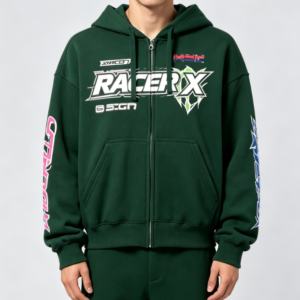

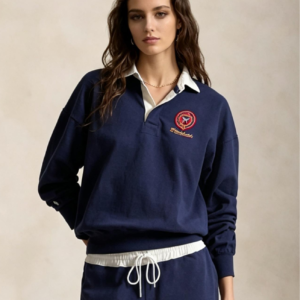
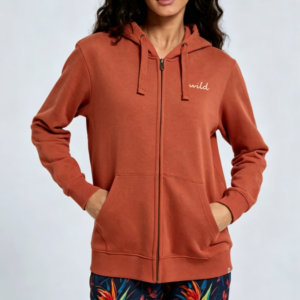

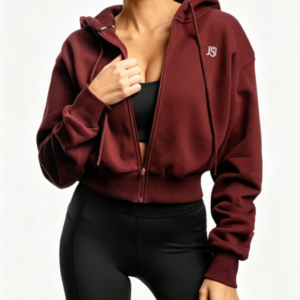

Tshirt Manufacturer Built for Brand-Ready Production
From first sample to global delivery, JUNSHEEN combines low-MOQ development, fit expertise and scalable apparel manufacturing in one supply chain.
100-Unit MOQ
Launch new T-shirt styles and colorways from 100 units, giving emerging labels practical access to custom production.
Fit-Focused Grading
Patterns are refined from XS to 3XL for balanced proportions, extended sizes, plus sizes and modern oversized fits.
Integrated Decoration
Keep embroidery, screen printing, garment washes, labels, trims and branded packaging coordinated under one experienced production team.
Scalable Capacity
More than 200 skilled workers and monthly capacity above 80,000 units support capsule launches, reorders and growing bulk programs.
Material Sourcing
Choose fabrics with confidence through swatches, supplier-network sourcing and recommendations based on hand feel, weight, durability and target cost.
Global Export Support
JUNSHEEN manages quality control, packed-goods inspection and export coordination for fashion brands sourcing across international markets.
Custom Manufacturing Across Core Casualwear
Develop coordinated capsules and repeatable size ranges with low-MOQ production, fit-led development, and integrated finishing from sampling through global delivery.

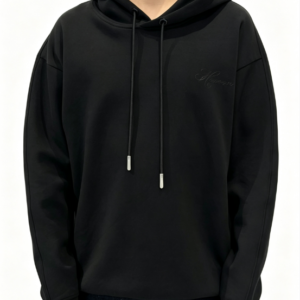
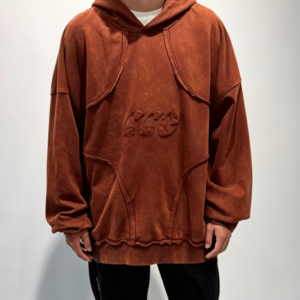
Custom Hoodies
Develop custom hoodies in fleece, French terry, jersey, or blended fabrics, with oversized, standard, and extended-size fits from XS–3XL. Support includes pattern development, embroidery, screen printing, washes, labels, trims, and 100-unit-per-style/color production.
Request a Quote
Custom T-Shirts
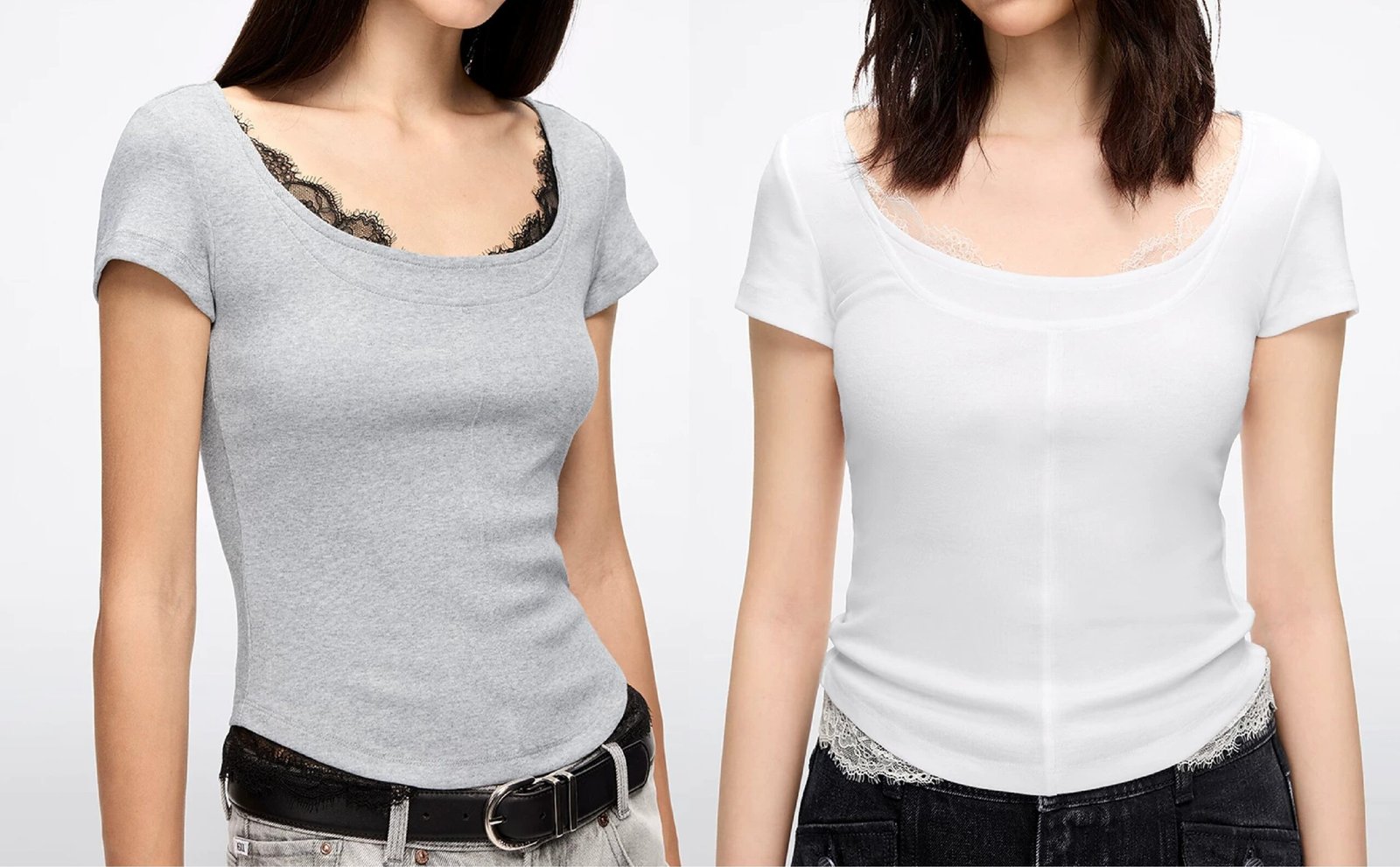
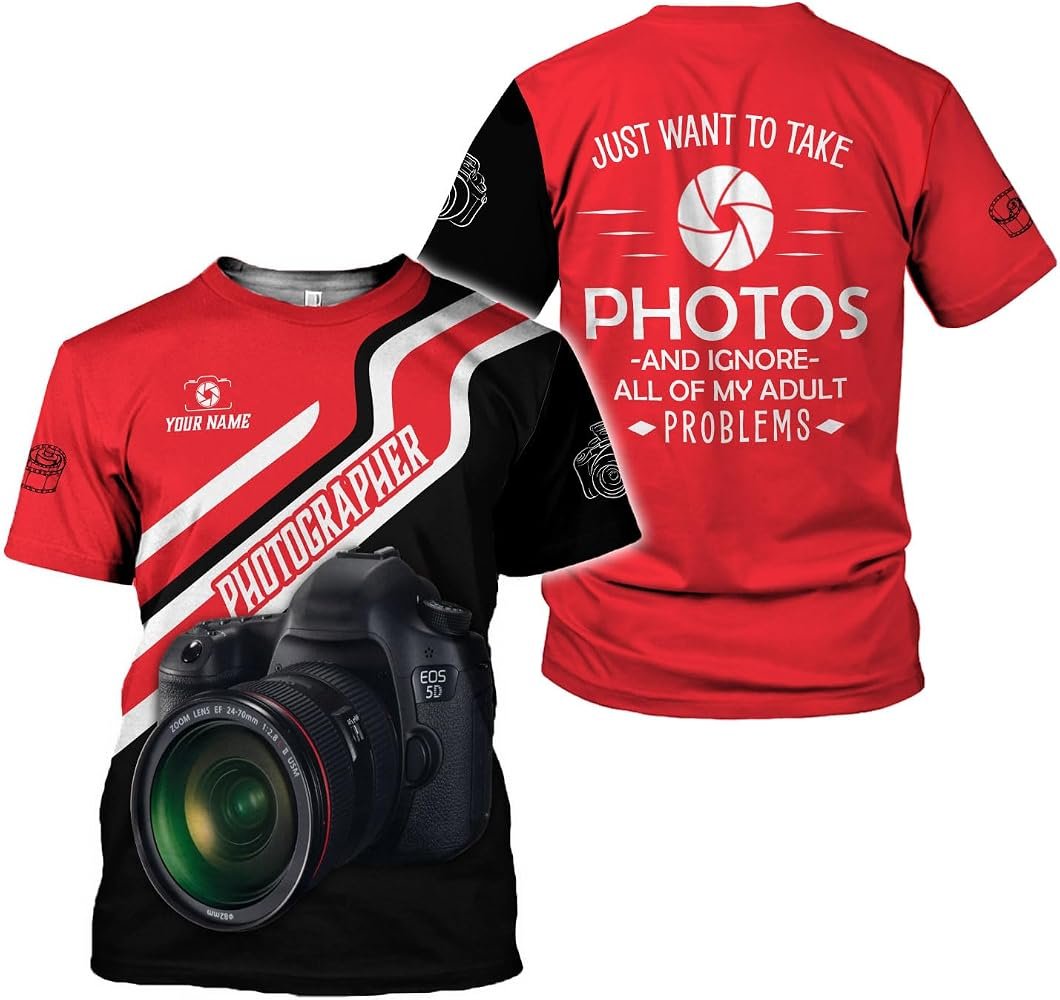
Produce custom T-shirts from specification sheets, reference samples, or early concepts. Choose jersey weight, cotton blend, neckline, silhouette, printing method, and branded labels while using fit-focused grading to maintain consistent proportions across XS–3XL size runs.
Request a Quote
Custom Jeans
Manufacture custom jeans in rigid, stretch, washed, and fashion denim. Junsheen supports fit development, rise and leg-shape refinement, pocket construction, hardware, embroidery, garment washing, and graded size sets for capsule drops or ongoing denim programs.
Request a Quote
Custom Sweaters
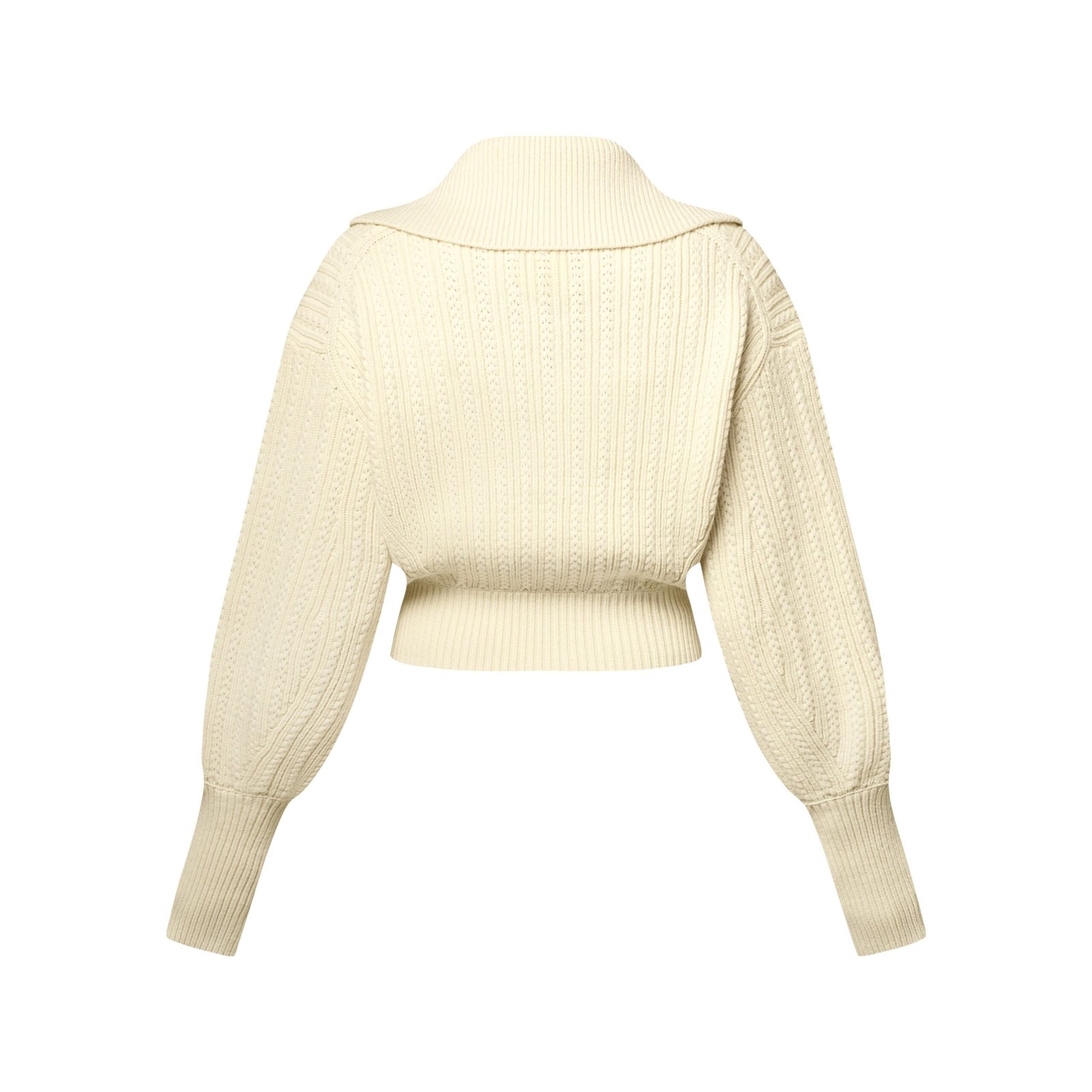
Source turtle neck sweaters in bulk alongside crew, V-neck, and fashion knit constructions. Development covers yarn selection, gauge, stitch details, rib trims, shape retention, and size grading, helping brands build knitwear assortments with repeatable fit and production specifications.
Request a Quote
Custom Jackets
Create custom jean jackets and other woven outerwear with denim, twill, or structured fabrics. Control silhouette, wash treatment, seams, pockets, closures, patches, embroidery, labels, and branded hardware for coordinated denim collections and private-label programs.
Request a Quote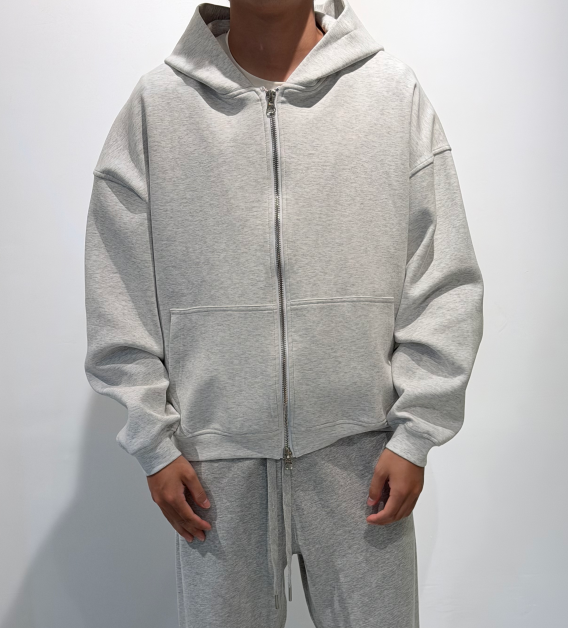
Custom Sweatshirts & Crewnecks
Produce custom crewneck hoodies, sweatshirts, and crewnecks in fleece or French terry. Pattern makers refine shoulder balance, body length, rib proportions, and grading, while in-house printing, embroidery, washes, and labels support a complete branded product.
Request a Quote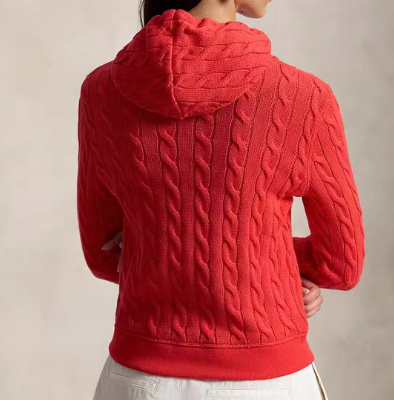
Custom Cardigans
Develop custom cardigans in knit constructions suited to lightweight layering, textured fashion pieces, or heavier seasonal programs. Junsheen supports yarn and gauge selection, button and trim sourcing, pattern development, grading, private labels, and pre-production samples.
Request a Quote
Custom Puffer & Down Jackets
Manufacture custom puffer jackets with defined fill, shell fabric, lining, quilting, pocket, zipper, hood, and branding specifications. Development accounts for warmth, mobility, bulk distribution, and extended-size fit before bulk approval and export packing.
Request a Quote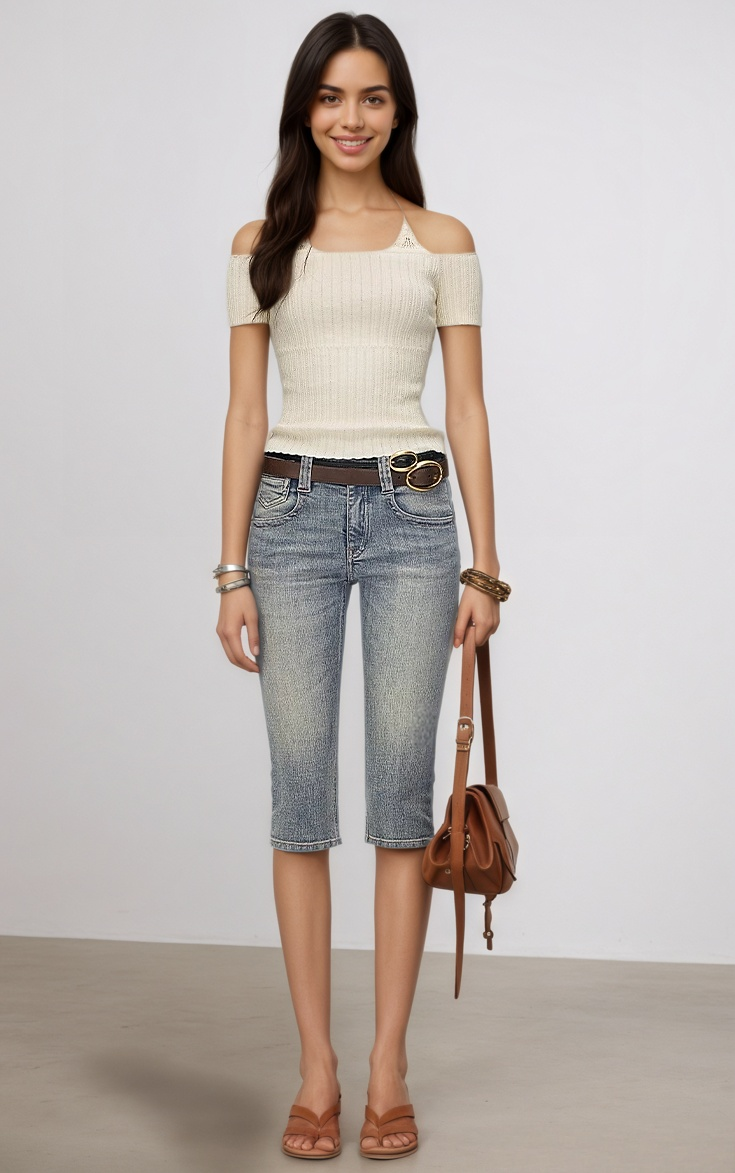
Custom Denim Shorts
Produce custom jean shorts in rigid or stretch denim with tailored inseams, rises, hems, pocket details, hardware, and wash effects. Graded patterns help preserve proportion through standard, plus-size, and oversized short programs.
Request a Quote
Custom Sweater Dresses
Develop custom sweater dresses with yarn, gauge, stitch, neckline, sleeve, and body-length specifications matched to the intended silhouette. Fit-led pattern work supports consistent drape, mobility, and proportion across XS–3XL or targeted extended-size ranges.
Request a Quote
Custom Denim Sets
Manufacture mens denim suits wholesale and coordinated denim sets with consistent fabric, wash, trim, and color control across tops and bottoms. Sampling verifies fit and construction before production, supporting retail-ready assortments and repeat bulk replenishment.
Request a Quote
Custom Polo Shirts
Produce custom polo shirts in pique, jersey, performance knits, or blended fabrics. Specify collar construction, placket, sleeve rib, embroidery, print placement, and size grading for uniforms, retail collections, golf-inspired capsules, or private-label programs.
Request a Quote
Custom Sweatpants
Manufacture custom sweatpants in fleece, French terry, jersey, and performance fabrics. Development covers rise, leg shape, elastic or drawcord waistbands, cuffs, pockets, prints, embroidery, and XS–3XL grading for coordinated loungewear or streetwear sets.
Request a Quote
Custom Shorts
Produce custom shorts across jersey, fleece, twill, denim, and woven constructions. Define inseam, rise, waistband, pocket configuration, trims, washes, and decoration, then approve samples and size sets before low-MOQ capsule or scaled production.
Request a Quote
Custom Pullovers
Develop custom pullovers in knit, fleece, French terry, or woven constructions for layering and seasonal assortments. Junsheen supports silhouette, collar, placket, zipper, rib, fabric, decoration, label, and fit specifications from prototype through bulk production.
Request a QuoteMaterials Selected for Feel, Fit and Performance

Cotton Jersey
Soft, breathable jersey for everyday T-shirts, polos and lightweight casualwear. Available in multiple GSM weights, it offers a smooth hand feel, reliable print surface and comfortable natural stretch.

Pima Organic Cotton
Premium Pima or organic cotton for elevated tees and conscious collections. Long-staple fibers create a softer, cleaner hand feel, while combed constructions improve durability and reduce surface pilling.

French Terry
Loop-back French terry suits premium sweatshirts, hoodies and coordinated sets. Its absorbent inner loops add warmth without excessive bulk, with fabric weights tailored for transitional or heavyweight programs.

Denim Fabrics
Rigid and stretch denim for jeans, jackets, sets and shorts. Weight, weave density and elastane content can be selected to balance authentic structure, mobility and wash-ready character.

Cotton Twill
Durable cotton twill supports overshirts, workwear-inspired jackets, chinos and structured shorts. Its diagonal weave provides a crisp hand feel, abrasion resistance and dependable shape retention.

Performance Knits
Technical performance knits fit active tees, polos and versatile athleisure layers. Moisture-management blends offer lightweight stretch, quick-dry performance and recovery that helps garments maintain their intended silhouette.
Tshirt Manufacturer Decoration and Garment-Finishing Capabilities

Logo Embroidery
Flat, 3D puff, chain-stitch and applique embroidery create dimensional, premium branding with secure stitching suited to polos, hoodies, jackets, caps and heavyweight tees.

Screen Printing
Plastisol, water-based, puff, flocking, silicone, high-density, foil and discharge screen prints deliver bold color, strong opacity and durable graphics engineered for repeat wear and washing.

Digital Transfers
DTF, DTG and heat-transfer processes reproduce detailed artwork, gradients and smaller production runs with clean edges, flexible hand feel and dependable adhesion on compatible garments.

Dye Sublimation
Dye sublimation permanently infuses full-color artwork into compatible polyester fabrics, producing lightweight, breathable graphics that resist cracking, peeling and fading through regular laundering.

Garment Washes
Enzyme, softening, anti-pilling, garment-dye, acid-wash, stone-wash, brushing and napping treatments refine hand feel, color depth and vintage character while supporting a consistent finished appearance.
Private-Label Trims and Finishing Details

Woven Labels
Add custom main, size, and wash-care labels to T-shirts, hoodies, denim, and outerwear. Woven labels give each garment clear brand identity while supporting accurate sizing and care information.

Branded Hang Tags
Custom hang tags present your logo, product story, sizing, and care details at retail. They are ideal for launch collections, wholesale orders, and private-label apparel that needs a finished shelf-ready appearance.

Custom Drawcords
Specify drawcord materials, colors, aglets, and tipping for hoodies, sweatpants, shorts, and jackets. Coordinated drawcords reinforce your collection palette while improving the practical finish of adjustable garments.

Snap Buttons
Choose branded snaps for jackets, denim sets, polos, and utility-inspired casualwear. Available finishes can complement your hardware direction, delivering secure closures and a more considered private-label product detail.

Custom Zippers
Select zipper types, pullers, colors, and branded details for outerwear, hoodies, denim, and bags. The right zipper supports garment function while aligning hardware quality with your target market and price point.
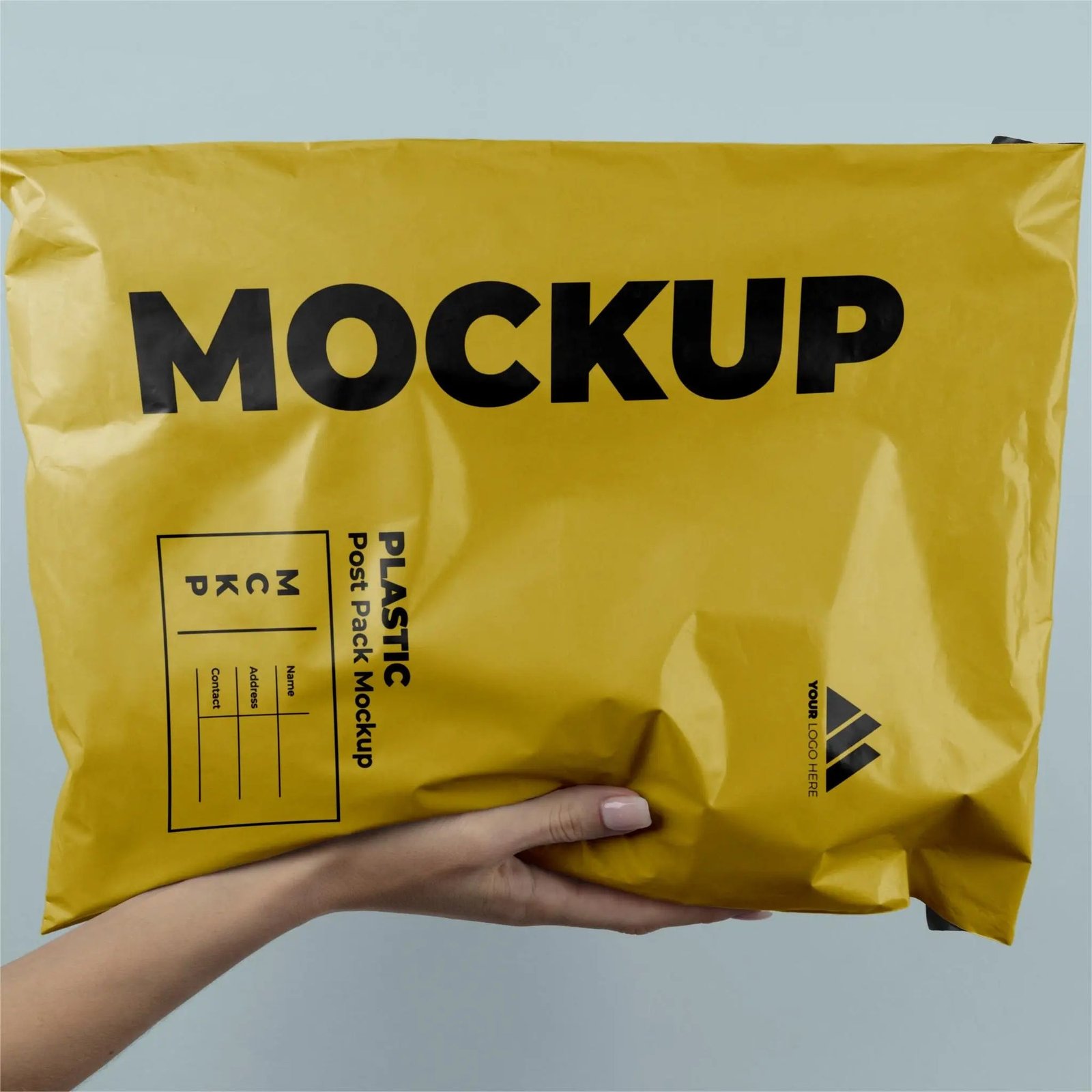
Branded Packaging
Finish production with custom polybags, boxes, stickers, tissue, and packaging inserts. Branded packaging helps protect packed goods during export and creates a consistent unboxing experience for retail and direct-to-consumer orders.
About JUNSHEEN, Your Global Tshirt Manufacturer
Founded in 2010 in Humen Town, Dongguan, JUNSHEEN helps fashion brands turn apparel ideas into production-ready collections. As a global tshirt manufacturer and one-stop OEM, ODM and private-label partner, we support custom casualwear from initial concept and fabric selection through sampling, bulk production and export.
Our 200+ skilled workers combine cut-and-sew, knitwear, product development, printing, embroidery, washing, finishing, labeling and packaging within one coordinated supply chain. With capacity above 80,000 units per month, we can support a 100-unit capsule launch per style and color, then scale dependable repeat programs.
Fit-first development sets JUNSHEEN apart. Our pattern makers build XS–3XL, extended-size, plus-size and oversized garments with proportion-aware grading instead of simply enlarging a base pattern. Having served 2,000+ fashion-brand clients worldwide, we bring the technical discipline and responsive support brands need to grow with confidence.

Tshirt Manufacturer Capabilities That Protect Fit and Consistency
Fit Engineering Across XS–3XL
JUNSHEEN develops normal, oversized, extended-size and plus-size T-shirts with pattern adjustments that respect real body proportions. Our team refines shoulder balance, body length, sleeves, mobility and grading increments instead of simply enlarging a base size.
- Pattern making and size grading from XS to 3XL
- Fit review for regular, oversized and plus-size silhouettes
- Prototype, size-set and pre-production sample support
- Measurement standards retained for future programs

Production-Ready Product Development
Bring a finished tech pack, sketch, reference garment, mood board or early product idea. JUNSHEEN turns it into a production-ready T-shirt through specification review, fabric and trim selection, manufacturability guidance, sampling and clear bulk-order approvals.
- OEM, ODM and private-label development support
- Fabric, weight, hand-feel and cost recommendations
- Technical specification and construction review
- Low MOQ from 100 units per style and color

Decoration Built Into Production
Keep visual details aligned with garment construction by managing decoration, washing, labels and packaging within one supply chain. Our tshirt manufacturer team matches the right application method to your artwork, fabric, intended hand feel and target price.
- Screen print, DTG, DTF, transfer and specialty effects
- Flat, 3D/puff, chain-stitch and patch embroidery
- Garment dye, enzyme, acid-wash and softening finishes
- Custom labels, hang tags, trims and branded packaging

Repeat-Order Control at Scale
From a 100-unit launch to recurring bulk production, JUNSHEEN retains approved patterns, graded size sets and material records to support dependable repeats. Incoming-fabric, in-line, measurement, decoration and final-pack inspections help keep each delivery aligned with approval standards.
- 200+ skilled workers and 80,000+ monthly units
- Documented records for repeat-order consistency
- Quality checks from fabric receipt through packed goods
- Global export support for growing fashion brands

Why Brands Choose This Tshirt Manufacturer
Compare the production support behind a stronger apparel program.
← 左右滑动查看 →
Tshirt Manufacturer Workflow, From Sourcing to Delivery
A controlled OEM and private-label process that moves approved apparel programs from development through export-ready shipment.
Review Feasibility and Source
We review your tech pack, reference, target cost, and fit requirements, then recommend fabrics, trims, decoration methods, and a practical production route.
Develop Patterns and Samples
Our team creates patterns and XS–3XL grading, produces prototype samples, and refines measurements, construction, fabric hand feel, and branding details for approval.
Confirm Production Details
After sample approval, we confirm bulk materials, color standards, size breakdowns, labels, packaging, quotation details, and the pre-production sample before scheduling your order.
Cut, Decorate, and Assemble
Skilled teams cut, sew, print, embroider, wash, and finish each garment while in-line checks monitor measurements, construction quality, decoration placement, and consistency.
Inspect, Pack, and Ship
Final inspections verify fit, appearance, labeling, and packed quantities before goods receive branded packaging, export documentation, and coordinated global shipping support.
Start Your Custom Tshirt Manufacturer Program
Move from concept to controlled bulk production with clear development checkpoints, fit-focused sampling and one accountable JUNSHEEN team.
Submit Your Product Brief
Send a tech pack, sketch, mood board or reference garment. Share target quantities, sizes, fabrics, decoration ideas and delivery requirements for an informed feasibility review.
Review Feasibility and Samples
Our team recommends construction, materials, grading and decoration options, then develops patterns and prototype samples to refine fit, cost and manufacturability before approval.
Approve Your Quotation
Confirm the final specifications, sample details, MOQ, pricing, production schedule, private-label components and payment terms. We retain approved records to support consistent repeat orders.
Launch Controlled Bulk Production
We source approved materials and manage cutting, sewing, decoration, finishing, measurement checks and final inspection before branded packing and global export shipment.
Custom Clothing Manufacturer Credentials and Compliance Documents




What Brands Achieve With Our Tshirt Manufacturer Team
JUNSHEEN rebuilt our oversized tee grading from XS to 3XL and reduced our fit-sample rounds from five to two. Our 300-unit capsule launched on schedule, and the size consistency gave us confidence to reorder.
We started with 100 units per color for a private-label streetwear drop. The team handled fabric, puff print, labels, and packing in one workflow. We sold through the first 600 pieces in seven weeks and moved into repeat production.
Their development team turned our reference tee into a production-ready program with fewer specification changes than previous suppliers. After three successful runs, we scaled to 4,800 units while keeping measurements and wash quality consistent.
Tshirt Manufacturer FAQ for OEM Buyers
Clear answers on minimums, development, production, payment, shipping, IP handling and fit-focused sizing.
What is your minimum order quantity for custom T-shirts?
Can a tshirt manufacturer make samples before bulk production?
How long does a tshirt manufacturer take for sampling and bulk production?
Can JUNSHEEN help with plus-size and oversized T-shirt grading?
What payment terms do you offer for a first apparel order?
How does JUNSHEEN protect my designs and private-label information?
Does your tshirt manufacturer service arrange international shipping?
Can you provide private labels, custom printing and branded packaging with T-shirt production?
The Complete Buyer’s Guide to tshirt manufacturer
Use this practical framework to compare supplier models, fabrics, customization capabilities, quality controls, pricing, and lead times—so you can select a reliable production partner and avoid costly sourcing mistakes.
1. What Is a tshirt manufacturer?
100 units per style and color is a practical starting point for a manufacturer such as Junsheen: a production partner that turns a brand’s specifications into finished T-shirts through fabric sourcing, pattern work, cutting, sewing, decoration, quality checks, packing, and export coordination. A true tshirt manufacturer controls or directly manages the production sequence, so it can answer technical questions about 160–240 GSM jersey, shrinkage allowance, neck-rib recovery, stitch density, grading, and approved samples. OEM means the factory makes a T-shirt to the buyer’s existing tech pack, measurements, artwork, labels, and quality standard. ODM adds development input—such as suggesting a silhouette, fabric, trim, or construction—while cut-and-sew means the garment is cut from fabric and sewn to the brand’s pattern rather than merely decorated from stock blanks. Full-package production combines development, materials, sampling, manufacturing, private labels, packaging, inspection, and shipment support under one accountable workflow. By contrast, a trading company coordinates suppliers but may not operate production; a print shop typically decorates customer-supplied or blank garments; a blank wholesaler sells ready-made stock; and a private-label supplier may offer branded blanks without building a custom product. A capable partner should clarify which of those services it performs directly, who owns the patterns and artwork, and what approvals are required before bulk production.
2. Evolution of T-Shirt Manufacturing
1904 marked an early commercial milestone when the Cooper Underwear Company marketed a pullover undershirt for bachelors; industrial circular knitting then made lightweight cotton jersey faster and more consistent to produce. By the mid-20th century, standardized open-end or ring-spun yarns, tubular bodies, rib collars, and repeatable size grading turned the T-shirt into a scalable mass-production basic. 1950s film and youth culture moved the garment from underwear to a branded fashion canvas, while global sourcing separated yarn spinning, knitting, cut-and-sew, decoration, and distribution across regions. A tshirt manufacturer now manages far more than sewing: 140–220 GSM fabric selection, shrinkage targets, Pantone color control, collar recovery, fit specifications, labeling, and approved production samples. 1990s digital workflows expanded short-run customization through DTG, DTF, automated screen preparation, and on-demand order handling, reducing the practical entry barrier for new labels. Current buyers can source around 100-unit capsule runs or larger programs, but must compare traceability records, recycled or organic material claims, OEKO-TEX or GOTS documentation where applicable, wash durability, and supplier quality-control systems before treating a lower MOQ as lower risk.
3. Types of tshirt manufacturer
Six supplier models dominate T-shirt sourcing, and they differ more in control and repeatability than in headline unit price. Match the tshirt manufacturer type to your order volume, technical risk, and need for proprietary fit.
| Supplier Type | Typical MOQ | Customization | Best Fit | Main Limitation |
|---|---|---|---|---|
| Vertically integrated factory | 300–1,000+ | High | Scaled brands | Higher commitment |
| Cut-and-sew OEM | 100–500 | High | New custom labels | Longer development |
| Private-label supplier | 50–200 | Low–medium | Fast capsules | Shared stock designs |
| Print-on-demand | 1–50 | Low | Market tests | Weak unit economics |
| Sourcing agent | Varies | Varies | Overseas buyers | Less direct control |
| Performance/premium knit specialist | 200–1,000 | High | Technical programs | Costly development |
Factory-Led Production
100–500 units per style is a common opening range for cut-and-sew OEM factories. They build custom patterns, specifications, fabrics, and decoration, but sampling and approvals take longer than stock programs.
- Best for brands needing proprietary fit
- Suitable for repeatable bulk programs
- Ask whether cutting, sewing, and QC are in-house
Low-Commitment Supply Models
1–50 units is typical for print-on-demand, while private-label suppliers often begin around 50–200 stock garments. POD avoids inventory but limits blanks, print placement, and margin; private label launches faster but rarely creates exclusive construction.
- POD suits demand testing and creator drops
- Private label suits fast retail capsules
- Stock blanks restrict fabric and silhouette control
Specialist And Agent Models
200–1,000 units is common for premium-knit or performance specialists because custom yarns, mills, and testing add setup cost. Sourcing agents widen factory access, yet buyers must define who owns quality checks, payments, and technical decisions.
- Use specialists for merino, activewear, or engineered knits
- Use agents when local supplier access is limited
- Confirm inspection scope before placing deposits
4. Fabrics Your tshirt manufacturer Can Source
160–220 GSM is the usual starting range for a mainstream T-shirt, but fiber, yarn and knit structure change the result as much as weight. Give a tshirt manufacturer the intended wear, target retail tier and wash expectations before requesting swatches.
| Fabric | GSM | Best Use | Positioning |
|---|---|---|---|
| Combed cotton jersey | 160–180 | Everyday tees | Core |
| Heavy cotton jersey | 220–260 | Oversized tees | Premium streetwear |
| Cotton-poly blend | 150–180 | Active promotions | Value performance |
| Modal-cotton jersey | 170–200 | Draped fitted tees | Premium soft-hand |
| Interlock cotton | 200–240 | Opaque polished tees | Elevated basics |
Specify Fiber And Yarn

100% ring-spun combed cotton gives a smoother, softer face than economical open-end cotton; Pima cotton supports a more premium hand. Organic cotton needs transaction-certification requirements stated upfront, while recycled cotton usually needs a stabilizing virgin or polyester blend. 50/50 cotton-polyester improves dry time and shape retention for active or promotional programs. Modal or viscose blends add drape and cool softness, but require testing for pilling, growth and colorfastness.
Choose Knit Structure

Single jersey is the standard body fabric because it is light, breathable and economical. Interlock is denser, smoother and more opaque, while rib is normally reserved for neckbands because its elastic recovery holds the collar shape. 5–8% elastane can improve recovery in fitted styles, but excess stretch changes cost, weight and print behavior. Request a finished-garment sample rather than judging hand feel from a swatch alone.
Set Performance Tolerances
3–5% residual shrinkage after the agreed wash method is a common planning tolerance, but the approved specification should state the exact limit. Test opacity under stretch, spirality after laundering, pilling and shade variation by dye lot. Pantone color, garment-dye effects and silicone softeners should be approved on the actual fabric quality. A heavier GSM does not automatically mean better quality: yarn count, knit density and finishing determine durability and hand feel.
5. Customization and Decoration Options
A capable tshirt manufacturer should lock fit, color, trims, and decoration before bulk approval. At Junsheen, development can start from a tech pack, reference garment, or concept, then move through patterns, graded sizes, swatches, and samples.
| Method | Visual Effect | Durability | Setup | Best Artwork | Volume Fit |
|---|---|---|---|---|---|
| Screen print | Opaque, vibrant | High | Screens per color | Bold spot colors | Medium to bulk |
| DTG | Soft, detailed | Medium-high | Minimal | Photos and gradients | Samples to small runs |
| DTF or transfer | Sharp, versatile | Medium-high | Transfer preparation | Multicolor logos | Small to medium |
| Embroidery | Textured, premium | High | Digitizing | Simple logos | Medium to bulk |
| Puff ink | Raised, dimensional | Medium | Screen setup | Large simple graphics | Medium to bulk |
Fit, Color, And Branding

XS–3XL grading should adjust shoulder balance, sleeve length, body proportion, and mobility instead of enlarging one base pattern. Pantone references, lab dips, woven labels, size labels, wash-care labels, neck prints, hang tags, and branded packaging should be approved against the production sample.
- Confirm neck rib width and label placement
- Approve color under relevant lighting
- Keep artwork and trim records for reorders
Choose The Decoration Route

100-unit launches often need flexible decoration with limited setup, while repeat bulk programs can justify screens, embroidery files, and color separations. Artwork determines the route: fine photographic gradients favor DTG; bold spot-color logos favor screen printing; raised branding favors puff ink or embroidery.
Specialty Effects And Approval

3D/puff embroidery, applique, silicone, foil, flocking, high-density ink, discharge, and garment washes change both hand feel and wash behavior. One wash test on the approved sample can reveal cracking, dye migration, shrinkage, or embroidery distortion before bulk production.
6. Construction Details That Signal Quality
A dependable T-shirt is judged at the seams and after laundering, not by its first hand feel. Ask a tshirt manufacturer to document construction specifications and inspect an approved sample against them before bulk cutting.
Yarn And Fabric Recovery
30/1 ring-spun combed cotton generally delivers a smoother, more uniform face than coarser open-end yarn. Stretch the body and collar, then release them; recovery should be even, with no permanent rippling or torque after washing.
Neck And Shoulder Build

1×1 rib collars should return to shape and sit flat after repeated pulls. A shoulder-to-shoulder neck tape stabilizes the seam, while clean coverstitching prevents neckline distortion.
- Check collar seam for skipped stitches
- Pull shoulder tape to test attachment
- Compare left and right shoulder lengths
Seams Hem And Shape
8–12 stitches per inch is a practical baseline for jersey seams; sparse stitching can open under tension. Inspect reinforced shoulder joins, balanced side seams or consistent tubular-body alignment, and hems that remain flat without roping.
Wash Tests And Tolerances
3 wash cycles at the intended care temperature reveal shrinkage, twisting, pilling, color bleeding, and print or trim failure. Agree measurement tolerances by point of measure; ±1 cm is common on basic body and sleeve dimensions, with tighter control where fit is critical.
- Measure before and after washing
- Check dark colors against a white cloth
- Inspect every size in the graded set
7. How to Choose a tshirt manufacturer
Before a 100-unit launch, evaluate a tshirt manufacturer with evidence rather than a quotation alone. Compare its category history, sample discipline, technical clarity, capacity and export readiness against the product’s risk points.
| Evaluation Area | Evidence To Request | Decision Question |
|---|---|---|
| Technical capability | Tech pack review, sample photos | Can they flag construction risks? |
| Materials | Mill records, test results | Can fabric origin be traced? |
| Quality | AQL and measurement reports | Who approves corrective action? |
| Commercial terms | Written quote and schedule | What triggers each payment? |
Verify Category Fit
Three comparable T-shirt references reveal more than a generic factory portfolio: request fabric weight, neck-rib specification, shrinkage result and construction photos. 100-unit minimums can suit capsule programs, but confirm whether the MOQ applies per style, color and size ratio. Ask for the sampling timeline, revision limits and pre-production approval process.
- Request recent jersey or heavyweight T-shirt examples
- Confirm MOQ by color and size breakdown
- Review a measurement chart and graded spec
Audit Production Controls
80,000 units of monthly capacity is useful only when paired with a realistic production slot. Request a critical-path schedule covering material booking, cutting, decoration, sewing, inspection and packing. AQL inspection records, incoming-fabric checks and final measurement reports provide stronger proof than verbal quality claims. For certified materials, request transaction-level documentation and traceable supplier records.
- Ask for current capacity and booked capacity
- Request QC checkpoints and defect-report samples
- Verify OEKO-TEX, GOTS, WRAP or BSCI documents when required
Test Commercial Readiness
Two business days is a practical benchmark for clear technical replies during development; slow answers often become slower during bulk production. Send one controlled inquiry with a tech pack, Pantone callouts and target delivery date. Three export details should be confirmed before deposit: Incoterm, freight handoff and destination paperwork. Match payment milestones to approved samples, production completion and final inspection.
- Name the account manager and escalation contact
- Confirm export markets and shipping documents
- Put lead time and payment triggers in writing
8. Common tshirt manufacturer Sourcing Mistakes
A 100-unit MOQ can make a launch accessible, but weak sourcing discipline still turns a workable order into rework, airfreight, or unsellable stock. Treat each approval as a production control, not a formality.
Price Is Not Landed Cost
A low unit quote may exclude fabric testing, labels, export cartons, duty, or freight. Compare like-for-like quotations and calculate landed cost per sellable unit before selecting a tshirt manufacturer.
- Match GSM, fabric composition, trims, packaging, and Incoterm
- Request costed options before cutting specifications
- Reserve margin for defects and inbound freight
Incomplete Specifications Create Guesswork
A one-page sketch rarely defines neck rib width, stitch density, Pantone color, print placement, or measurement points. Send a tech pack with BOM, graded spec sheet, artwork files, construction notes, and tolerance limits.
- State body and sleeve measurements by size
- Define acceptable tolerance, often ±1 cm
- Attach vector artwork and placement dimensions
Sample Approval Needs Discipline

One approved prototype does not prove bulk consistency, especially across XS through 3XL. Review wash results, shrinkage, grading, decoration adhesion, and a size set; record every approved change in writing.
- Wash-test the approved fabric and print
- Approve production color under consistent lighting
- Keep a signed sample and revision log
Logistics And Compliance Need Proof
Four-week production windows can become longer when fabric booking, inspection, port handling, or customs is late. Build a 15–20% calendar buffer, confirm shipping terms, and request current certificates rather than assuming OEKO-TEX, GOTS, WRAP, or BSCI coverage.
- Verify certificate scope, validity, and facility name
- Confirm carton dimensions and chargeable weight
- Set final inspection before balance payment
9. Steps to Launch a T-Shirt Brand
A 100-unit MOQ can make a first capsule feasible, but only when each decision is locked in sequence. Treat the first collection as a repeatable system: validated customer, approved specifications, controlled samples, and a dated launch plan.
Define The Commercial Brief
Week 1 should identify one customer, one price band, and three competitor benchmarks. Record target retail price, target gross margin, core sizes, color count, and the use case your shirt must win. Three initial styles are usually easier to control than a broad assortment. Approve a line plan before design work; adding colors, fits, or decoration after sampling quickly multiplies cost and timing.
Build Production-Ready Designs

Week 2 should convert each concept into a tech pack with front and back flats, Pantone references, measurement chart, construction notes, label positions, and packaging requirements. Include tolerances, such as ±1 cm for key garment measurements. 180–220 GSM ring-spun jersey suits many premium tees, while heavier streetwear programs may specify 240–300 GSM. Choose fabric weight, composition, shrinkage expectations, and decoration method before requesting comparable quotations.
Sample And Approve

Two to three weeks is a practical allowance for a first prototype after materials are confirmed. Shortlist a tshirt manufacturer by asking for relevant samples, MOQ by color, sample fee, lead time, inspection process, and export terms. One revision round should resolve fit, print placement, neck rib recovery, wash shrinkage, and grading. Sign off a sealed pre-production sample and final PO only after the approved version matches the tech pack.
Control Production And Launch
Four to eight weeks is a common bulk-production planning window after pre-production approval, depending on fabric availability and decoration complexity. Confirm an inspection checklist covering fabric defects, measurements, stitching, print quality, labels, packing, and carton marks. Two weeks before goods are ready, book freight and prepare product photography, inventory counts, SKU files, launch content, and customer-service answers. Retain approved patterns, graded specs, trim records, and QC findings for faster reorders.
10. T-Shirt Manufacturing Pricing and Costs
100 units per style and color is a practical low-MOQ starting point, but it carries the highest unit cost because pattern work, cutting, and print or embroidery setup are spread across fewer garments. A finalized quote from a tshirt manufacturer should specify quantity, colorways, size ratio, fabric composition, GSM, construction, decoration locations, trims, packaging, and Incoterm. 160–220 GSM ring-spun cotton jersey typically costs differently from open-end cotton, organic cotton, Pima cotton, or recycled blends; heavier fabric also raises consumption and freight weight. Custom neck tape, Pantone-matched rib, woven labels, hang tags, polybags, wash tests, and third-party testing add identifiable costs beyond the sewn garment. 7–30 production days is a useful planning range after sample approval, depending on capacity, fabric readiness, decoration, and order size. Sampling, courier charges, freight mode, duties, taxes, and destination determine landed cost, so compare supplier offers on the same delivery basis rather than only ex-factory unit price.
| Order quantity | Indicative unit-price direction | Typical setup costs | Production lead time |
|---|---|---|---|
| 100–299 units | Highest | Pattern, sample, print screens or embroidery digitizing | 15–30 days |
| 300–999 units | Lower | Setup spread across more units | 15–25 days |
| 1,000+ units | Lowest, specification dependent | Some setup becomes marginal per unit | 7–20 days |
Ready to Develop Your Next T-Shirt Collection?
Send your tech pack, sketch, or reference garment to JUNSHEEN, your fit-focused tshirt manufacturer for sampling and scalable bulk production.