
Custom Organic Tshirts From 100 Units
One-stop OEM, ODM and private-label custom organic tshirts with fit-focused XS–3XL development for global fashion brands.
Featured Products for custom organic tshirts Development









Related Product Catalogue and Quotation




Why Source Custom Organic Tshirts From JUNSHEEN
Build production-ready organic T-shirt programs with flexible entry quantities, fit-led development, integrated decoration, and dependable global delivery.
100-Unit Starting MOQ
Launch a capsule, test a colorway, or develop a private-label program from 100 units per style and color.
Fit-Led Size Development
Pattern makers refine proportions, mobility, and grading from XS through 3XL for regular, oversized, and extended-size organic T-shirts.
Integrated Decoration
Coordinate screen printing, DTG, DTF, embroidery, washes, labels, trims, and branded packaging through one manufacturing team.
Organic Fabric Sourcing
Source organic cotton and suitable jersey options with guidance on weight, hand feel, durability, shrinkage, cost, and wash performance.
Scalable Production Capacity
Move confidently from sampling to repeat bulk orders with 200+ skilled workers and monthly capacity exceeding 80,000 units.
Global Export Support
Receive coordinated quality control, packed-goods inspection, and export support for fashion-brand shipments across major international markets.
Custom T-Shirts & Private-Label Programs
Develop coordinated casualwear, denim and knitwear programs with low-MOQ sampling, fit-focused grading and scalable production support.

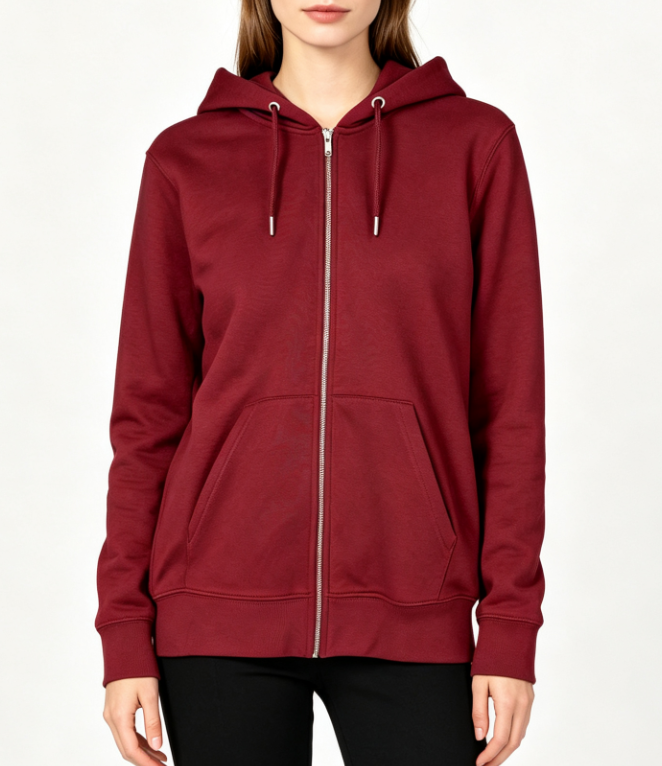
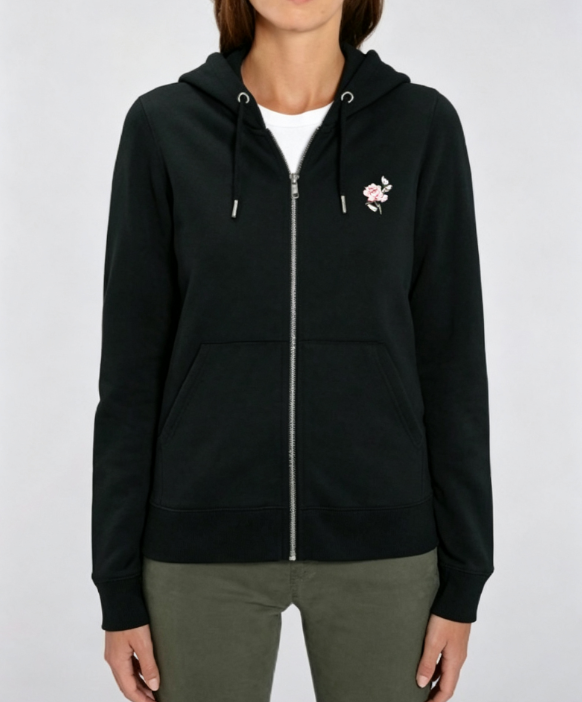
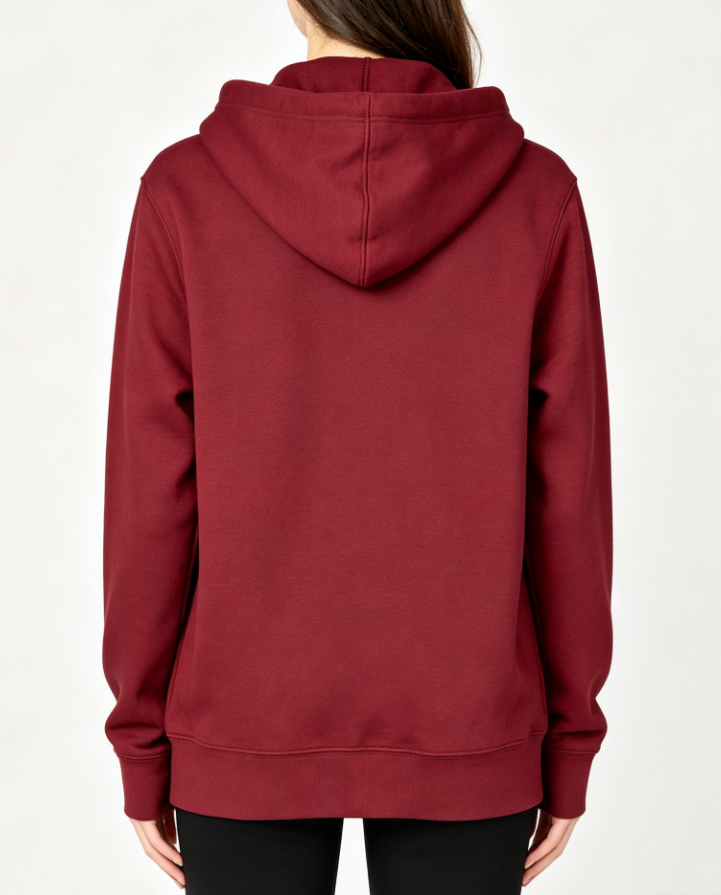
Custom Hoodies
Develop custom hoodies in fleece, French terry or jersey with your target weight, fit and finish. Support includes oversized and extended-size XS–3XL grading, embroidered or printed logos, custom drawstrings, rib trims, labels and packaging from 100 units per style and color.
Request a Quote
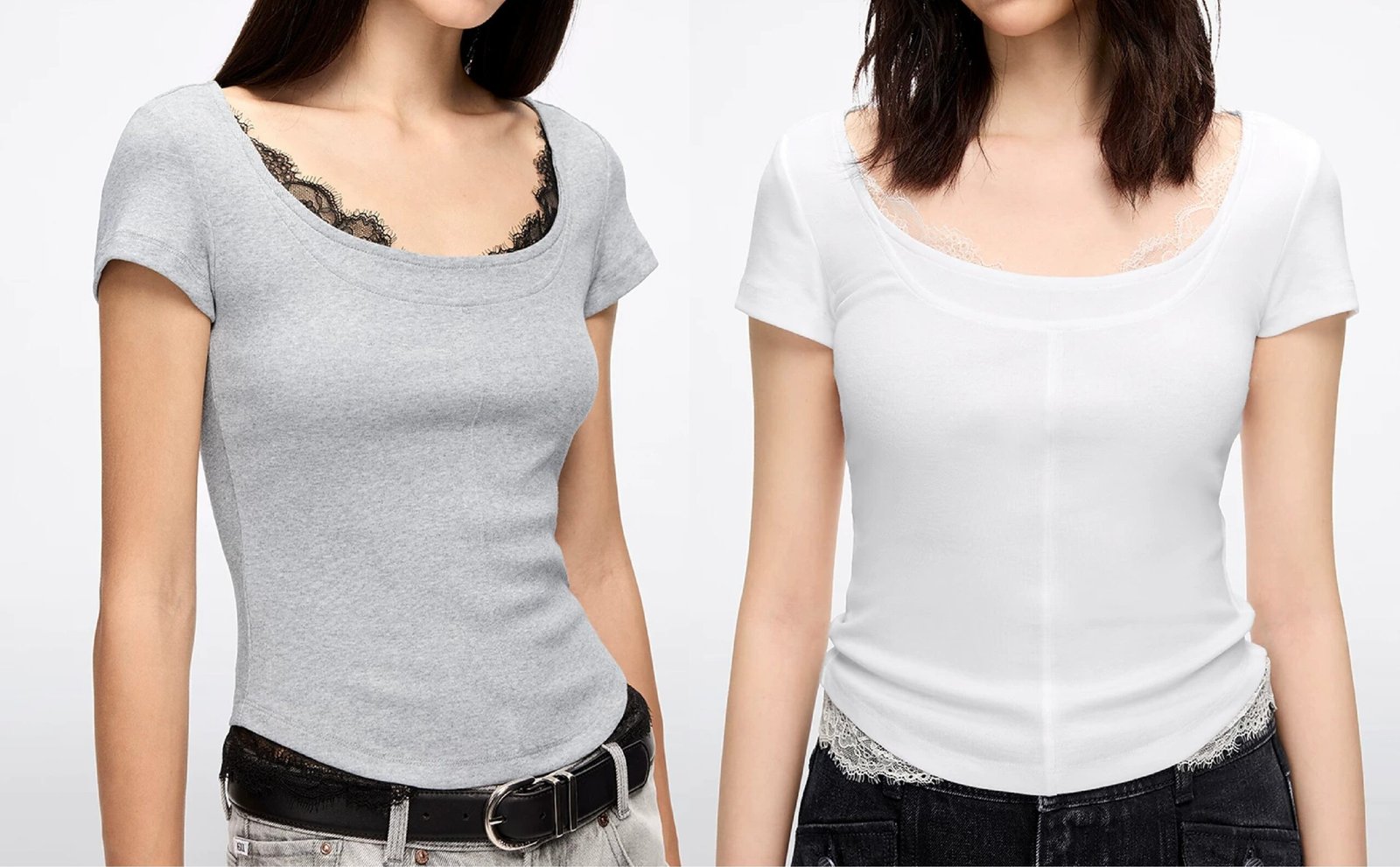
Custom T-Shirts
Build custom T-shirt programs in organic cotton, Pima cotton, combed jersey or blends. Junsheen supports fabric-weight selection, custom tshirt pattern development, screen printing, DTG, DTF, embroidery, wash effects, private labels and fit grading for launch-to-replenishment production.
Request a Quote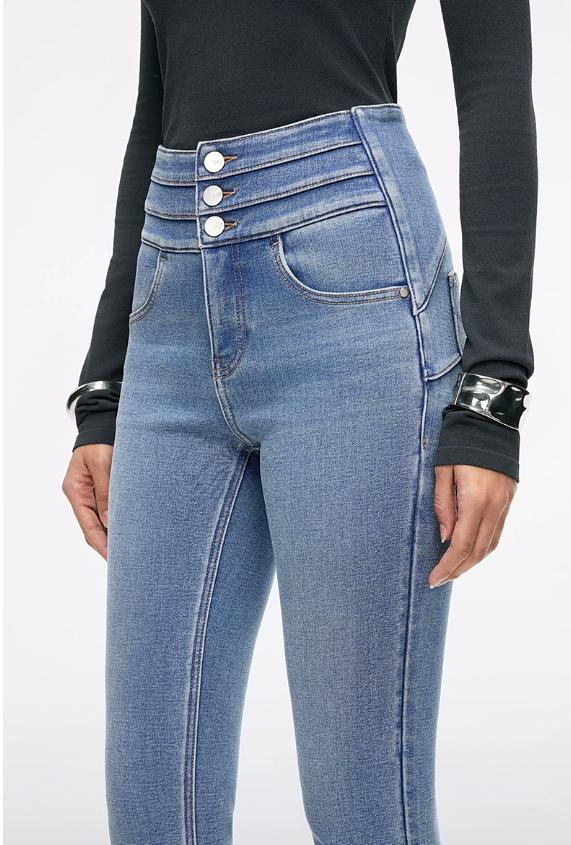
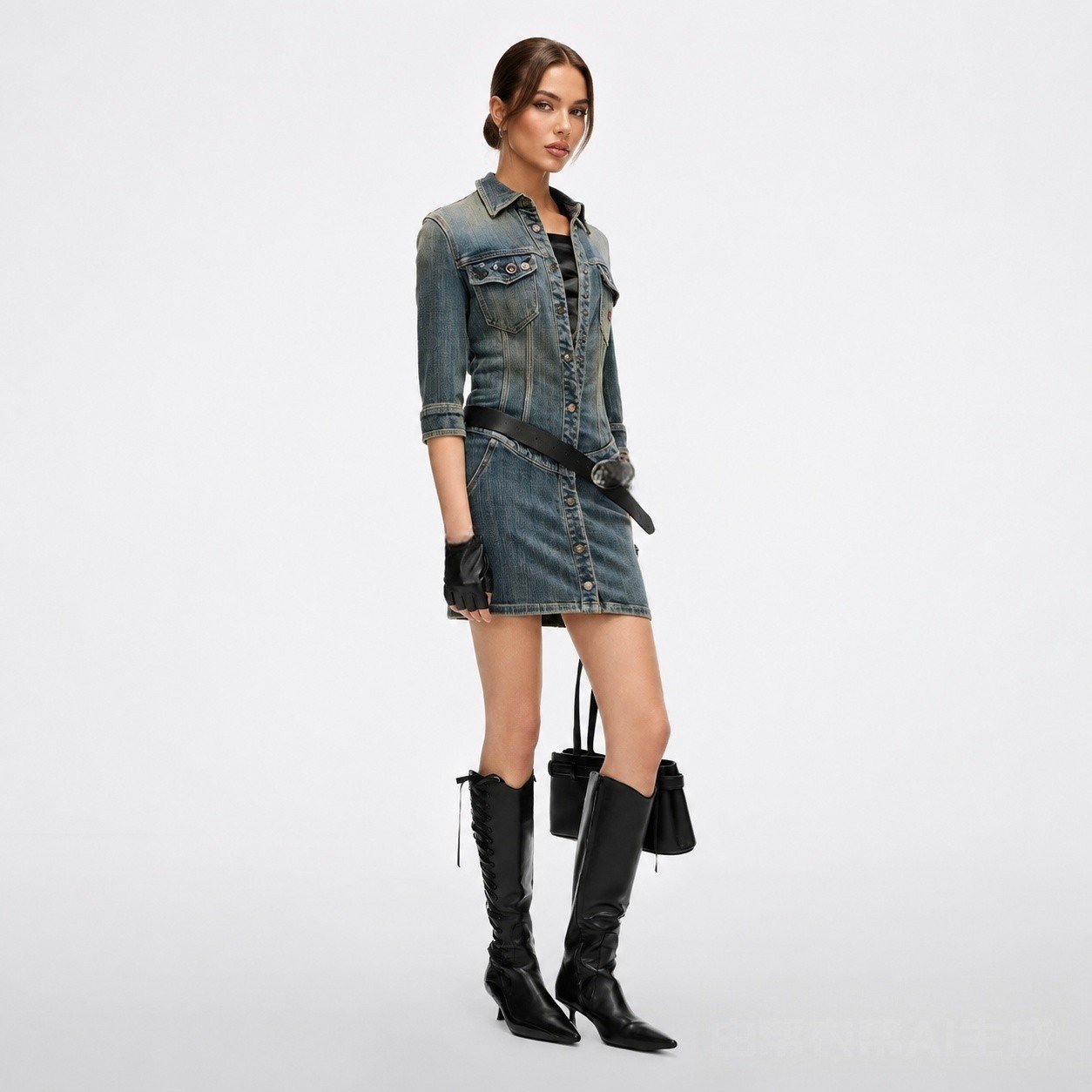
Custom Jeans
Produce custom jeans in rigid or stretch denim with developed rises, leg shapes and wash standards. Pattern makers refine fit across XS–3XL, while production covers custom pockets, hardware, logo trims, garment washes, distressing, labels and export-ready packing.
Request a Quote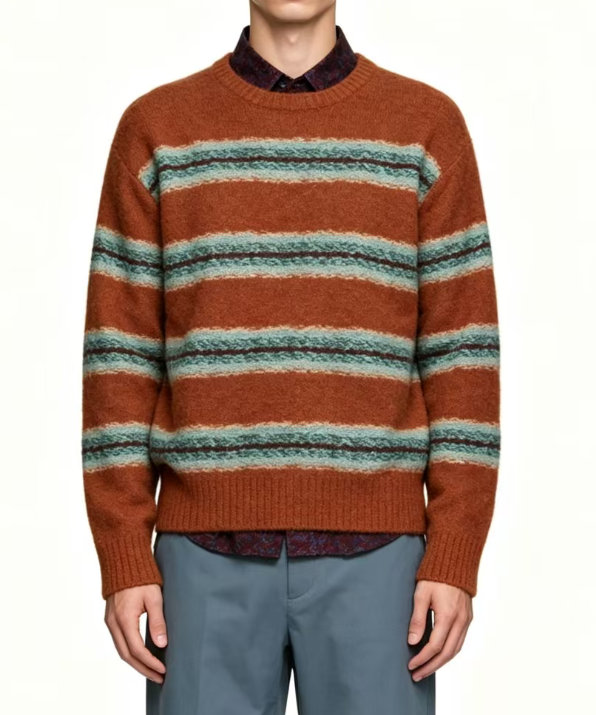
Custom Sweaters
Source turtle neck sweater bulk programs in cotton, wool, blends or recycled yarns. Junsheen develops gauge, stitch structure, neckline shape, sleeve proportion and graded sizing, then adds brand labels, buttons, patches or embroidery for private-label sweater collections.
Request a Quote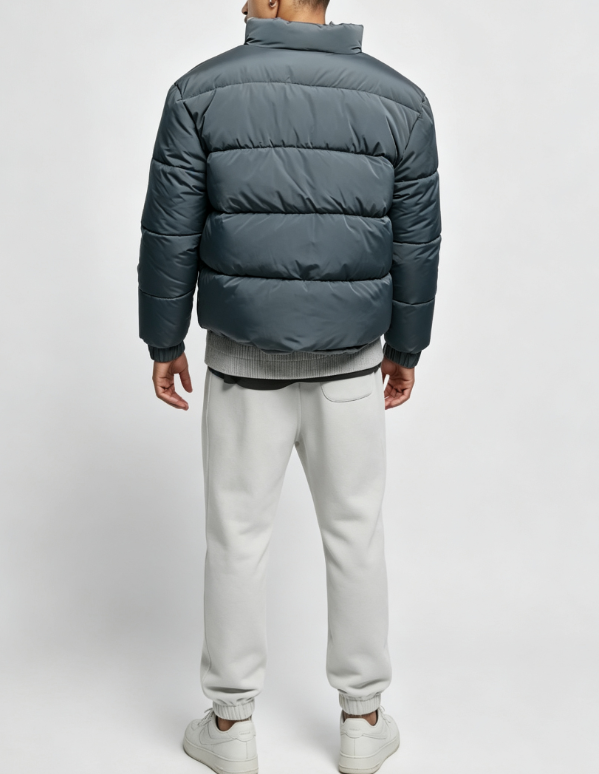
Custom Jackets
Develop custom jean jacket styles in denim, stretch denim or twill, from cropped and oversized silhouettes to lined seasonal layers. Production includes wash development, custom metal hardware, patch pockets, embroidery, printed details, labels and coordinated denim-program sizing.
Request a Quote
Custom Sweatshirts & Crewnecks
Create custom crewneck hoodie and sweatshirt programs in fleece, French terry and brushed jersey. Junsheen supports crewneck construction, oversized fits, rib specification, screen prints, puff ink, embroidery, garment dye, labels and graded size sets from XS through 3XL.
Request a Quote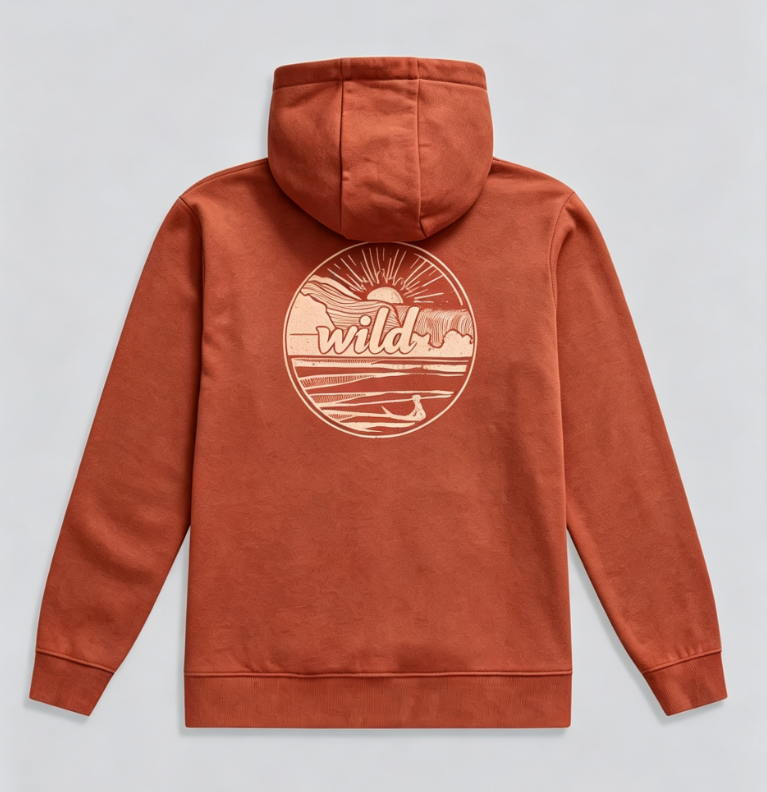
Custom Cardigans
Produce custom cardigans in knit constructions selected for weight, drape and wear performance. Development covers yarn sourcing, gauge, button plackets, pockets, trims, embroidery or patches, plus normal, oversized and extended-size grading for consistent brand fit.
Request a Quote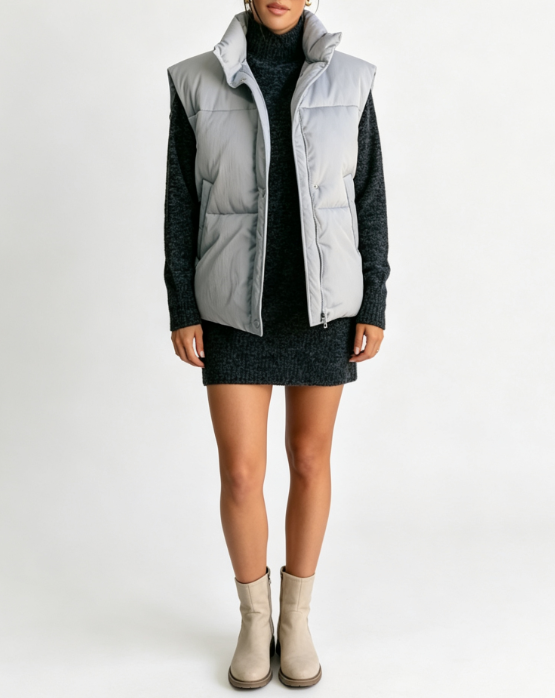
Custom Puffer & Down Jackets
Develop custom puffer jacket programs with shell fabric, insulation, quilting layout and hardware matched to your price point and market. Junsheen supports down-style or synthetic-fill outerwear, custom zippers, reflective details, branded trims, labels and bulk quality control.
Request a Quote
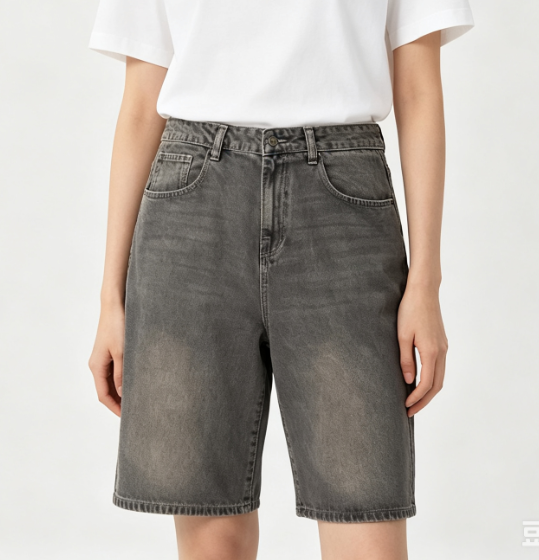
Custom Denim Shorts
Make custom jean shorts in rigid or stretch denim with developed rise, inseam, hem and pocket proportions. Choose washes, distressing, frayed or finished hems, custom hardware and logo labels, with fit grading that supports regular, oversized and extended-size assortments.
Request a Quote
Custom Sweater Dresses
Develop custom sweater dresses with yarn, gauge and stitch construction aligned to the intended silhouette. Junsheen manages neckline, body length, shaping, sleeve balance and XS–3XL grading, with private-label trims, buttons, embroidery and packaging available.
Request a Quote
Custom Denim Sets
Produce mens denim suits wholesale programs as coordinated denim jackets and jeans, with matching washes, fabric lots and hardware. Junsheen supports repeatable patterns, graded size sets, branded details and wholesale replenishment from low-MOQ launches through bulk orders.
Request a Quote
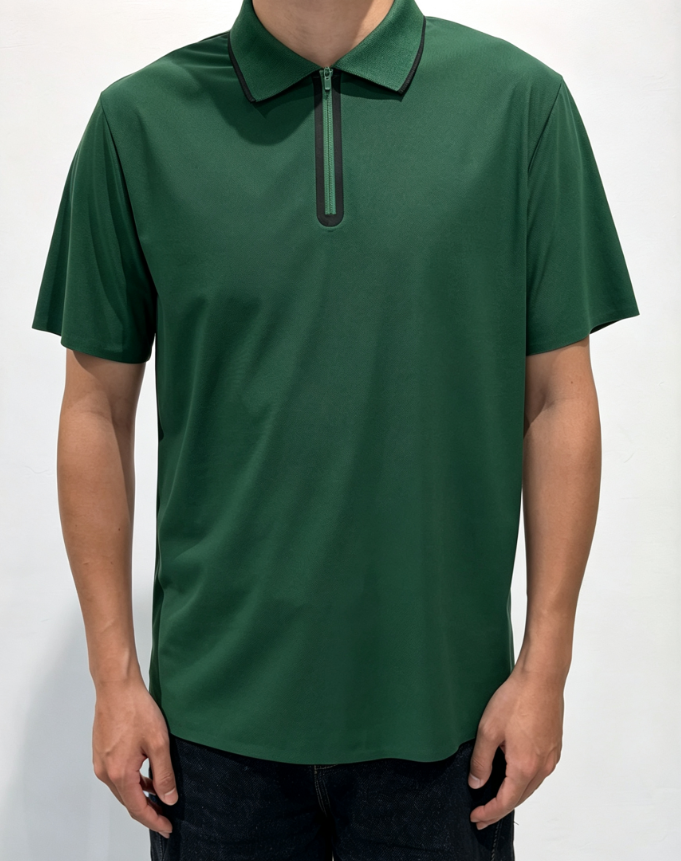
Custom Polo Shirts
Build custom polo shirts in pique, jersey or performance knits with collar structure, plackets and sleeve finishes suited to your market. Add embroidery, screen printing, contrast trims, custom buttons, labels and size grading for retail, uniform or private-label collections.
Request a Quote
Custom Sweatpants
Develop custom sweatpants in fleece, French terry or jersey with specified rise, leg shape and cuff construction. Junsheen supports relaxed, straight and oversized fits, plus embroidery, prints, washed finishes, custom drawcords, labels and matched hoodie or crewneck sets.
Request a Quote
Custom Shorts
Produce custom shorts in jersey, fleece, twill, woven fabrics or performance knits. Development covers inseam, rise, pockets, waistband construction and fit grading, with decoration, washes, branded trims and packaging for coordinated casualwear or seasonal private-label programs.
Request a Quote
Custom Pullovers
Create custom pullovers in knitwear, fleece, French terry or jersey based on your silhouette and end use. Junsheen develops necklines, body proportion, sleeve fit and graded sizing, then manages prints, embroidery, washes, private labels and scalable production.
Request a QuoteOrganic and Performance Materials for Custom Organic Tshirts

Organic Cotton Jersey
A breathable, naturally soft jersey for premium everyday custom organic tshirts. Available in versatile lightweight to heavyweight constructions, it offers a clean surface for printing and dependable comfort across core retail programs.

Combed Cotton Jersey
Combed cotton removes shorter fibers for a smoother, softer hand and more refined appearance. Ideal for elevated logo tees, its stable knit construction supports crisp decoration and reliable wash performance.

Pima Cotton Jersey
Long-staple Pima cotton delivers an exceptionally smooth hand, subtle luster and strong fiber durability. It suits luxury T-shirt collections where a finer surface, premium drape and lasting softness matter.

Recycled Cotton Blends
Recycled cotton blends help support lower-impact material strategies while retaining a familiar casualwear hand feel. Fiber ratios can be adjusted with recycled polyester for added strength, recovery and production consistency.

Stretch Cotton Jersey
Cotton jersey blended with elastane provides gentle stretch and improved shape retention. A practical option for fitted silhouettes, women’s styles and extended-size programs requiring mobility without a restrictive feel.

Organic French Terry
Organic French terry features a smooth face with soft loopback texture, offering more body than standard jersey. It works well for heavyweight tees, transitional layers and coordinated premium casualwear collections.
Custom Organic Tshirts: Printing, Embroidery and Finishing

Water-Based Screen Print
Water-based inks create a soft, breathable print that absorbs into organic cotton jersey rather than sitting heavily on the surface. Ideal for detailed artwork, retail-ready hand feel and long-lasting everyday wear.

Direct-to-Garment Printing
DTG applies high-resolution artwork directly to the garment, making it suitable for multicolor graphics, photographic detail and short-run custom organic tshirts. Proper pretreatment and curing help preserve color clarity through repeated washing.

Logo Embroidery
Flat, 3D and chain-stitch embroidery add dimensional texture and a premium branded finish. Our team reviews placement, backing and stitch density to protect lightweight organic jersey while maintaining clean, durable logo definition.

Heat Transfer Graphics
DTF and heat-transfer applications deliver crisp color, fine lines and flexible placement for logos, names and complex graphics. They are well suited to small production runs, personalized programs and artwork requiring precise reproduction.

Garment Wash Finishing
Enzyme, softening and garment-dye washes refine hand feel, color character and lived-in appeal. Controlled finishing helps custom organic tshirts feel softer from first wear while supporting consistent appearance across approved bulk production.
Custom Organic Tshirts With Retail-Ready Brand Details

Woven Brand Labels
Add woven main labels at the neck or side seam to give custom organic tshirts a durable, polished brand signature. Available in custom yarn colors, folds, dimensions and high-definition logo construction.

Care Size Labels
Custom wash-care and size labels communicate fiber content, care instructions, origin details and fit information clearly. JUNSHEEN can coordinate compliant label artwork with your grading and private-label specifications.

Custom Hang Tags
Branded hang tags turn each finished tee into a retail-ready product. Select custom shapes, stocks, print finishes, strings and barcode-ready layouts that support product storytelling, merchandising and inventory control.

Drawcords And Tipping
For hooded or layered organic-cotton programs, custom drawcords, metal tips and color-matched tipping create a cohesive collection look. They can be matched to labels, embroidery and packaging details.

Buttons And Zippers
Specify logo buttons, snaps or zippers for organic jersey polos, overshirts and hybrid styles. Material, finish, puller shape and attachment method are selected to balance brand appearance, durability and target cost.
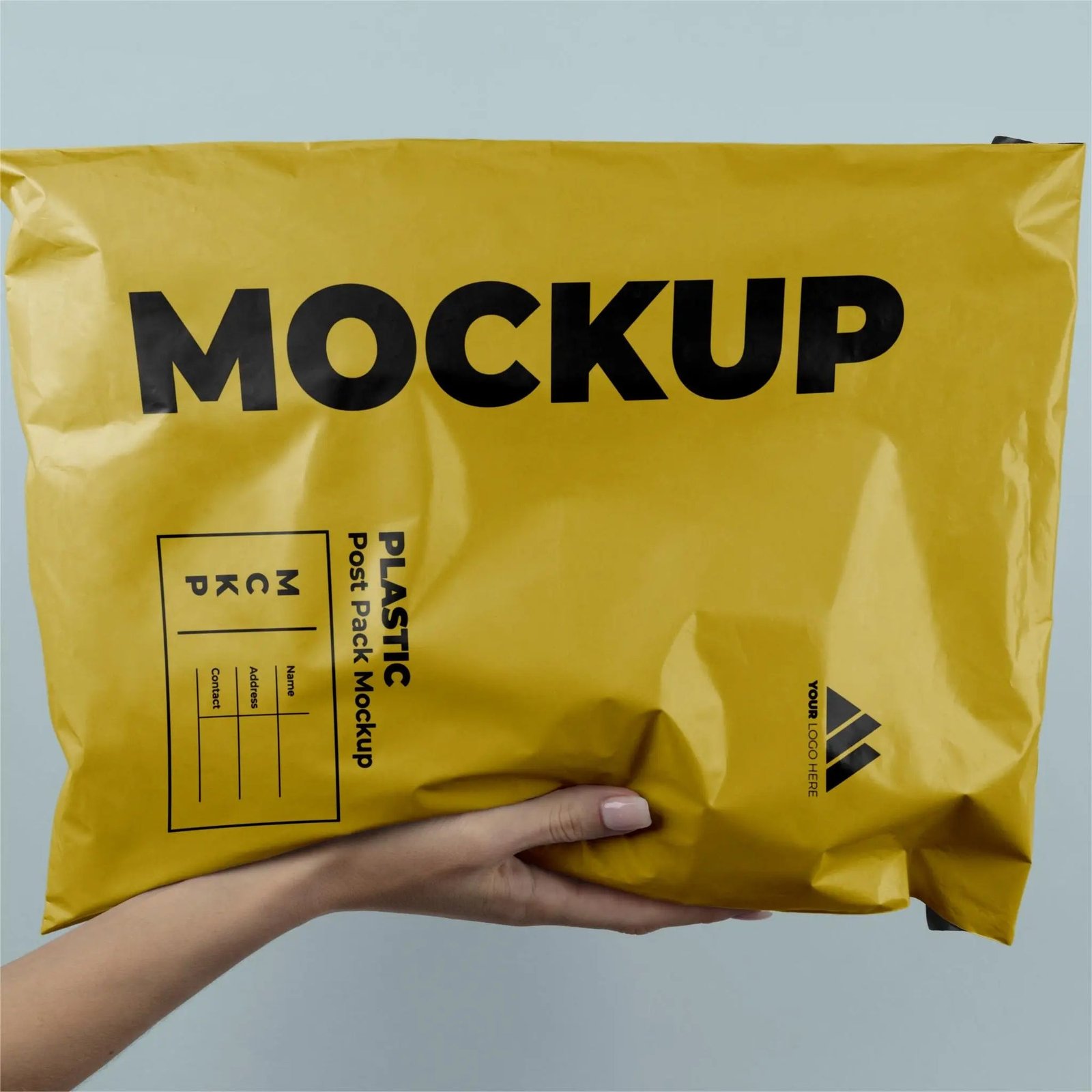
Branded Packaging
Complete delivery with custom polybags, tissue, stickers, mailers, cartons or insert cards. Branded packaging protects garments in transit while giving wholesale and direct-to-consumer orders a more considered presentation.
About JUNSHEEN Apparel Manufacturing
Founded in 2010 in Humen Town, Dongguan, JUNSHEEN helps fashion brands turn concepts into production-ready apparel. Our one-stop OEM, ODM and private-label team supports custom organic tshirts alongside casualwear, denim, knitwear and outerwear for global labels at every stage of growth.
With 200+ skilled workers and monthly capacity exceeding 80,000 units, we scale from 100-unit style-and-color launches to repeat bulk programs. Cut-and-sew, knitting, fabric sourcing, decoration, washing, labeling, packaging and export coordination are managed through one responsive manufacturing supply chain.
Our difference is a fit-first development process. From XS to 3XL, including extended-size, plus-size and oversized ranges, our pattern makers refine proportion and grading instead of simply enlarging a base size. That technical care helps worldwide brands achieve consistent samples, clearer approvals and dependable repeat production.

Custom Organic Tshirts Built for Consistency
Fit-Focused Size Development
JUNSHEEN develops custom organic tshirts from XS through 3XL with pattern adjustments that account for shoulder balance, body length, sleeve proportion, mobility, and consistent grading. This fit-first approach helps reduce costly sample revisions before your bulk order begins.
- XS–3XL, plus-size, and oversized grading support
- Patterns refined beyond simple size enlargement
- Prototype, size-set, and pre-production sample options
- Specification review for tech packs or concept-led designs
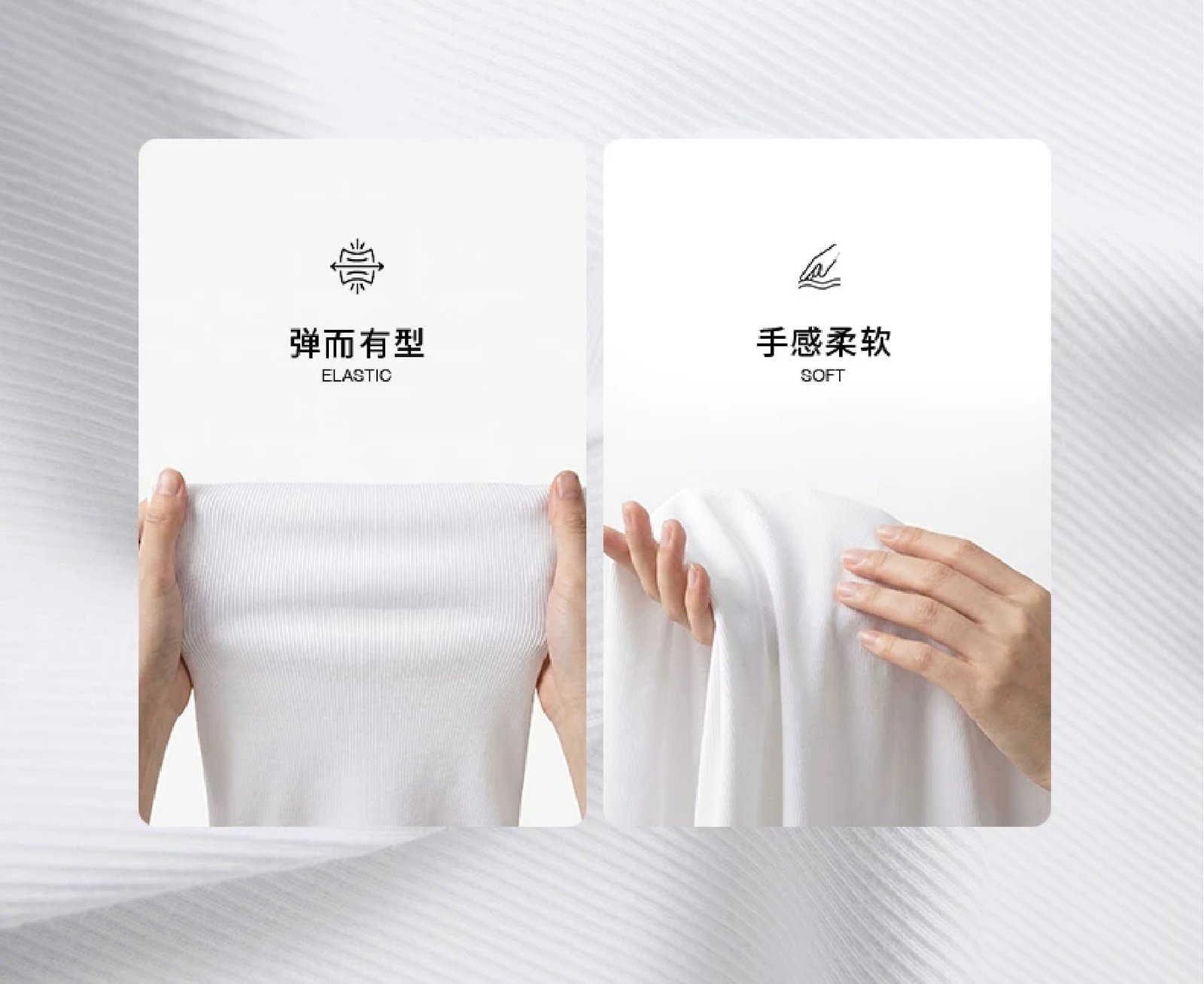
Purposeful Organic Material Sourcing
Select organic cotton and blended jersey around the feel, weight, drape, durability, wash performance, and target cost your collection requires. Our sourcing team helps turn sustainability goals into production-ready material choices, with swatches and samples available before bulk confirmation.
- Organic cotton, combed jersey, and recycled options
- Fabric weight and hand-feel recommendations
- Swatches available for buyer review
- Material records retained for repeat orders

In-House Branding and Decoration
Keep your artwork, finishing, trims, and packaging aligned through one managed production flow. JUNSHEEN supports print, embroidery, garment treatments, labels, and branded packing for organic T-shirts that look intentional on the rack and consistent across reorders.
- Water-based, plastisol, puff, DTG, and DTF printing
- Flat, 3D, chain-stitch, and patch embroidery
- Garment dye, enzyme wash, and softening finishes
- Custom labels, hang tags, and branded packaging

Multi-Stage Quality Control
Quality checks are built into custom organic tshirts production rather than reserved for final packing. Teams inspect incoming materials, in-line construction, measurements, decoration, fit, and finished cartons to help protect approved specifications through global shipment.
- Incoming fabric and trim inspection
- In-line checks for construction and measurements
- Decoration and final appearance review
- Final packed-goods inspection before shipment

Why Choose JUNSHEEN for Custom Organic Tshirts
Fit-focused development, integrated production, and scalable export support for growing apparel programs.
← 左右滑动查看 →
Custom Organic Tshirts Production Timeline
A controlled OEM workflow that turns your concept into production-ready organic T-shirts, from feasibility review through export shipment.
Feasibility and Material Review
We review your tech pack, reference, target cost, and MOQ, then recommend organic cotton jersey, weight, trims, and construction for your intended market.
Patterning and Fit Development
Pattern makers create or refine blocks and grade XS–3XL, checking shoulder balance, body proportions, sleeve length, mobility, and oversized or extended-size requirements.
Sampling and Approval
We produce prototype and size-set samples for fit, hand feel, measurements, decoration placement, and wash performance, incorporating approved revisions before bulk production.
Bulk Cutting and Decoration
Approved materials are inspected, cut, sewn, and finished with your selected screen print, embroidery, wash, labels, trims, and private-label packaging details.
Quality Control and Shipping
Our team checks fabric, construction, measurements, fit, decoration, and packed goods, then prepares export documentation and coordinates global shipment for your finished order.
How to Start Your Custom Organic Tshirts Order
Move from concept to dependable bulk delivery with a fit-focused OEM workflow built for launches from 100 units per style and color.
Send Your Design Brief
Share a tech pack, sketch, reference garment, or mood board with target quantities, size range, fabric preferences, decoration requirements, and intended market.
Review Development Options
Work with our team to confirm manufacturability, organic fabric choices, fit specifications, XS–3XL grading, trims, printing, embroidery, sampling timeline, and quotation.
Approve Your Production Sample
Evaluate the prototype and size set for measurements, hand feel, construction, wash performance, logo execution, and final details before authorizing bulk production.
Monitor Bulk Production
JUNSHEEN manages material preparation, cut-and-sew production, decoration, in-line inspections, final quality control, packing, and export coordination for your approved order.
Custom Clothing Manufacturer Credentials and Compliance Documents




Custom Organic Tshirts Client Results
JUNSHEEN approved our first organic jersey sample after two fit rounds and delivered 600 units with measurement consistency across XS–3XL. The grading made our extended-size launch feel like one cohesive collection.
We moved from a 120-unit test drop to repeat orders totaling 2,400 tees in six months. Their team kept the organic fabric hand feel and water-based print quality consistent from sample through bulk.
Our oversized fit was approved on the second prototype, saving an estimated three weeks in development. JUNSHEEN coordinated labels, hang tags, packaging, and export for a 1,000-piece launch without adding supplier complexity.
Custom Organic Tshirts FAQ
Clear answers on MOQ, materials, sampling, fit, payment, delivery and production safeguards.
What is the MOQ for custom organic tshirts?
Can I order a sample before producing custom organic tshirts in bulk?
Which organic materials are available for custom organic tshirts?
How long does custom organic tshirts production take?
Can you develop XS–3XL and plus-size organic T-shirt fits?
Can JUNSHEEN add my labels, printing and packaging?
What payment terms do you offer for an organic T-shirt order?
Do you ship custom organic T-shirts internationally and protect my designs?
The Complete Buyer’s Guide to custom organic tshirts
Use this decision framework to specify fabrics, decoration, construction, pricing, and supplier capabilities for custom organic tshirts—while avoiding certification, MOQ, sampling, and quality-control mistakes that derail production.
1. What Are custom organic tshirts?
100 units per style and color is a practical starting point for custom organic tshirts at an OEM manufacturer such as JUNSHEEN. The product is an organic-fiber T-shirt built to a buyer’s approved specification: silhouette and graded measurements, fabric composition and GSM, Pantone color, neck rib, stitching, labels, packaging, and decoration. 95% organic cotton on a fabric invoice is not, by itself, the same as a certified garment claim. Buyers should distinguish an organic-material claim from documented chain-of-custody certification such as GOTS, then confirm exactly which fabric, dyeing, trim, and production stages the supplier’s paperwork covers before making consumer-facing sustainability statements. 3 sourcing models are often confused: blank private label adds a brand’s neck label or hangtag to an existing tee; a custom private-label program adjusts selected components; fully custom OEM develops the pattern, size grading, materials, construction, and artwork around the brand brief. This category fits labels that need repeatable fit, controlled brand presentation, and enough volume to justify sampling and bulk material approval; it is less suitable for buyers needing immediate off-the-shelf stock.
2. The Evolution of Organic T-Shirt Sourcing
In the 1990s, organic cotton T-shirts were largely niche ethical basics, usually offered in undyed or limited neutral colors and bought through specialty retail. As fashion brands adopted softer ring-spun jersey, stronger silhouettes, licensed merchandise, and retail-ready labeling, the category moved into premium casualwear rather than remaining a single-purpose eco product. By the 2010s, buyers increasingly asked suppliers to document the chain from fiber through spinning, knitting, dyeing, cut-and-sew, and packing. A certificate request such as GOTS should be handled as a transaction-specific sourcing requirement: confirm the applicable scope, document flow, and label wording before artwork, purchase orders, or hang tags promise more than the supply chain can support. At 100-unit OEM launch quantities, emerging labels now use organic programs to test color, fit, and decoration without committing to a large seasonal buy. They commonly request Pantone-matched lower-impact dye options, fabric swatches, wash tests, fiber and mill information, and clear production updates; these checks protect hand feel, shade consistency, and claim accuracy as much as brand reputation. In 2026, transparency is an operating expectation, not a premium add-on: buyers want to know who approves materials, what substitutions require sign-off, and how records carry into repeat orders. For custom organic tshirts, a manufacturer that can review fabric availability early, retain approved material records, and scale a successful capsule into bulk production gives a brand more control than a generic sustainability statement.
3. Types of custom organic tshirts
Six core formats give a new custom organic tshirts collection a clear fit architecture before color, print, or trim decisions begin. Start with the customer’s preferred proportion and retail role, then confirm fabric weight during sampling.
Classic Crewneck Tees

180–200 GSM crewnecks suit broad unisex programs, staff merchandise, and dependable core retail. Specify a regular body, moderate shoulder, and standard sleeve; this is the easiest silhouette to repeat across seasonal colors.
Oversized Streetwear Tees

220–260 GSM oversized tees target streetwear customers who expect dropped shoulders, wider sleeves, and a relaxed body. Use them for graphic-led capsules, artist collaborations, and higher-ticket casualwear where structure supports bold decoration.
Boxy And Fitted Shapes

160–220 GSM boxy crops work for youth and womenswear assortments, using a shortened body and square shoulder line. Fitted tees serve body-conscious basics; add controlled stretch and define chest, waist, and sleeve ease before grading.
Long-Sleeve Core Styles

180–220 GSM long sleeves reach transitional-weather customers and extend a print collection beyond summer. Keep a regular or slightly oversized torso, then choose rib cuffs for a sportier finish or open hems for layering.
Heavyweight Premium Tees

260–320 GSM heavyweight tees suit premium labels seeking a dense hand, clean drape, and durable neckline. Choose a boxy or oversized silhouette for elevated blanks, minimal branding, and retail price points that justify substantial fabric.
4. Fabrics for custom organic tshirts
160–220 GSM is the practical starting range for custom organic tshirts, but fabric weight alone does not determine perceived quality. Yarn spinning, knit construction, finishing, and shrinkage control should be specified together.
| Fabric | Typical Finished GSM | Handfeel And Structure | Best Use |
|---|---|---|---|
| Organic cotton jersey | 160–180 | Breathable, soft, fluid | Lightweight core tees |
| Combed ring-spun jersey | 180–220 | Smooth, soft print face | Premium graphic tees |
| Heavyweight jersey | 220–280 | Dense, structured, opaque | Oversized streetwear |
| Interlock | 200–260 | Stable, smooth, less sheer | Polished fitted tees |
| Organic cotton slub | 160–200 | Textured, irregular, airy | Vintage-inspired basics |
| Organic cotton blend | 180–240 | Varies by fiber ratio | Recovery or performance needs |
Read GSM With Purpose
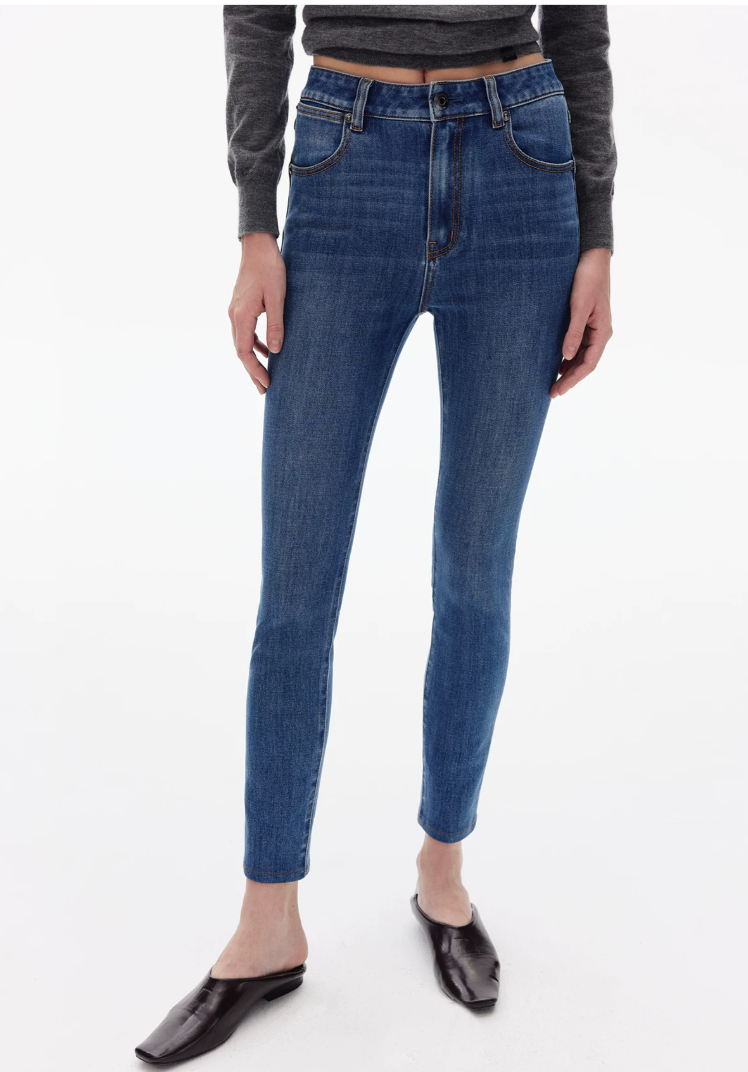
160 GSM jersey suits light, breathable promotional or warm-weather programs; 200–240 GSM gives a more opaque, premium everyday tee. Weight increases cover and structure, but it also reduces airflow and changes drape. 3–5% residual shrinkage after laundering is a common target to confirm through wash testing. Specify finished GSM after wash, rather than relying only on greige fabric weight.
Choose Yarn And Knit

Combed ring-spun organic cotton removes shorter fibers before spinning, producing a smoother surface for fine screen prints and softer handfeel. Open-end yarn is typically drier and more economical, with a less refined print face. Single jersey has familiar stretch and fluid drape; interlock uses two joined knit layers for greater opacity, recovery, and a cleaner body. Slub yarn introduces intentional irregularity, so it suits textured heritage looks rather than crisp logo artwork.
Specify Blends Carefully

5–10% elastane improves recovery in fitted silhouettes, while recycled polyester can add durability and faster drying. Blends change handfeel, breathability, dye behavior, and end-of-life claims, so request a composition-specific sample. 100% organic cotton remains the clearest choice for a natural hand and simple material story. For oversized fits, compare 220 GSM single jersey against 240 GSM interlock before locking the pattern.
5. Custom organic tshirts Decoration Options
A 100-unit launch benefits from selecting decoration before sampling, because technique affects artwork, fabric behavior, and unit cost. For custom organic tshirts, test the chosen process on the approved jersey rather than a generic strike-off.
| Method | Design And Colors | Handfeel And Durability | Placement And Preparation |
|---|---|---|---|
| Screen print | Bold art; 1–6 colors | Soft to medium; durable | Flat zones; vector separations |
| DTG or DTF | Photos; complex multicolor | DTG softer; DTF heavier | Smooth panels; 300 dpi file |
| Embroidery or patch | Logos; limited fine detail | Dimensional; highly durable | Avoid stretch zones; digitized file |
| Specialty or dye | Fashion-led graphics or texture | Variable; sample wash-test | Base-fabric trials; approved color standard |
Print Methods By Artwork

1–6 spot-color screen printing suits bold logos and repeat runs; plastisol offers opacity, while water-based ink leaves a softer hand on light cotton. 300 dpi, vector separations, and Pantone references reduce approval ambiguity. Large chest prints need curing tests, especially on garment-dyed blanks.
Digital Options For Small Runs

DTG handles photographic art and unlimited colors best on smooth, high-cotton jerseys; pretreatment and white ink raise cost and require controlled wash testing. DTF supports small runs and detailed multicolor placements, but its film handfeel can feel heavier than DTG. Supply transparent PNG or vector artwork at 300 dpi.
Premium Texture And Finishes

3–8 mm embroidery, appliqué, and woven patches create premium dimensional branding but can stiffen lightweight 160 GSM jersey. Keep dense embroidery off high-stretch areas. Puff, silicone, foil, discharge, garment dye, and enzyme washes demand sample approval because color, shrinkage, and texture vary by base fabric. Reserve specialty treatments for retail prices that absorb setup and reject risk.
6. Construction Details That Signal Quality
Construction quality is visible before a shirt is worn and measurable after laundering. For custom organic tshirts, specify the build in the tech pack rather than approving a sample solely on fabric hand feel or print appearance.
Collar And Shoulder Stability

1×1 rib at 220–260 GSM is a common starting point for a substantial crewneck; require recovery after repeated stretch, with no rippling at the join. 10–12 mm neck tape should cover the back-neck seam, while shoulder-to-shoulder tape stabilizes the seam and limits stretching. Inspect both ends for secure bar tacks or clean seam capture.
- Specify rib composition, width, and finished neckline opening.
- Check collar recovery after 10 manual stretches.
- Inspect tape alignment and seam puckering.
Seams And Hem Finishing
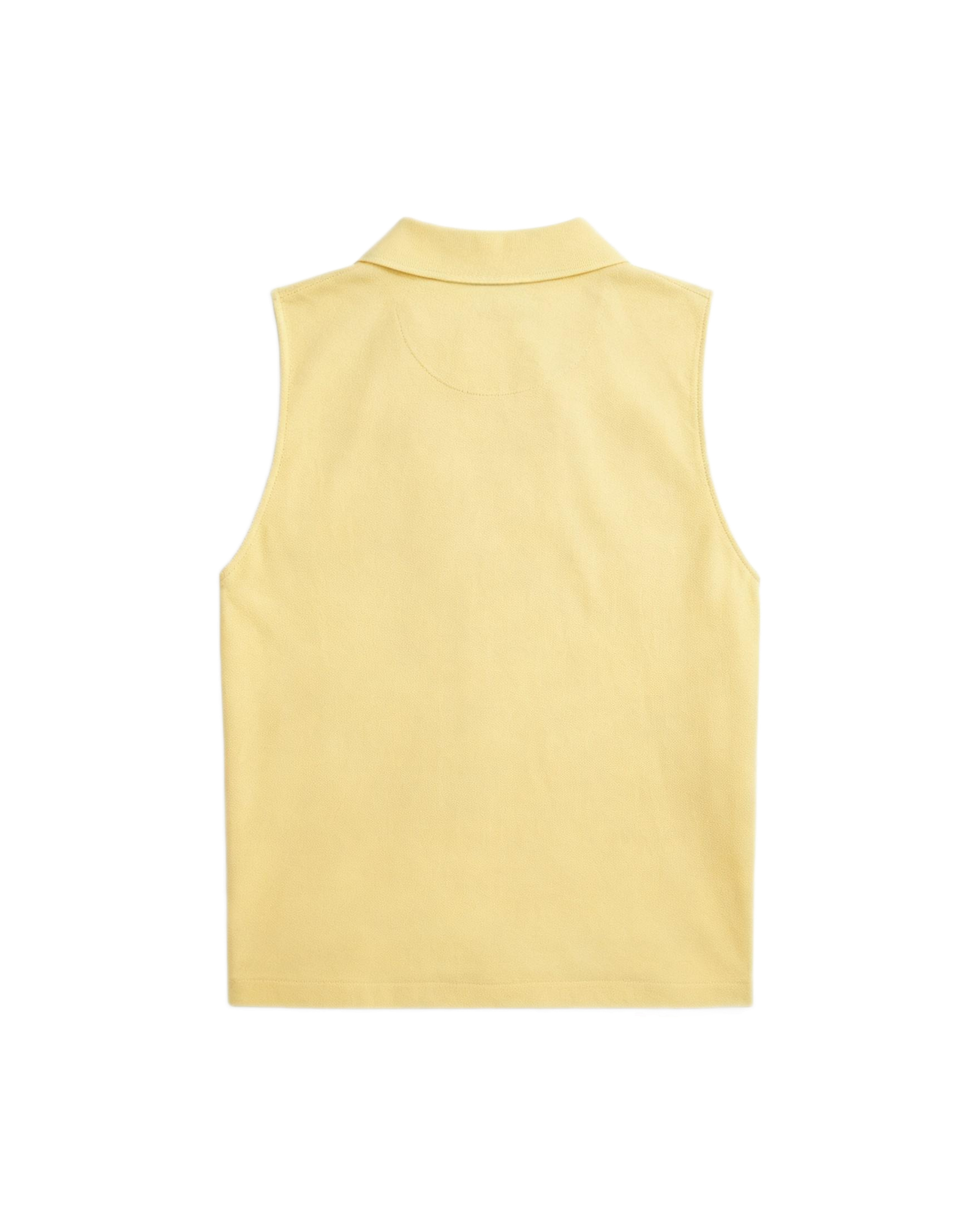
8–10 SPI, or stitches per inch, gives jersey seams a balanced appearance without excessive perforation. Request the stitch type for shoulder, sleeve, side seam, and hem, plus thread color and any coverstitch requirement. 2-needle coverstitch hems should lie flat with even turnback depth. Side-seamed bodies offer clearer shape control; tubular bodies remove side seams but can twist if knit relaxation and cutting control are weak.
- Record SPI targets by seam location.
- Measure hem depth and coverstitch spacing.
- Check side-seam torque after washing.
Measurements, Labels, And Wash Control

±1 cm is a practical finished-garment tolerance for key adult T-shirt points, though neckline and smaller dimensions may need tighter control. List chest, body length, shoulder, sleeve, neck opening, and hem width in a graded measurement chart. 3 wash tests—before approval, during development, and from bulk—help confirm shrinkage, twisting, color change, and collar distortion. Approve label placement with a measured distance from the back-neck seam and inspect labels for scratchy edges or incorrect size information.
- Include point-of-measure diagrams and tolerance columns.
- State allowable shrinkage after the specified wash method.
- Inspect random packed goods against the approved size set.
7. How to Choose an Organic T-Shirt Manufacturer
100-unit programs suit capsule launches only when the factory can control fabric minimums, color allocation and grading. For custom organic tshirts, evaluate the supplier’s development evidence before comparing its quoted unit price.
Verify Factory Capability
2010 is the founding year Junsheen states for its Dongguan operation; ask any supplier whether it owns production management or merely forwards orders. A capable OEM can interpret a tech pack, sketch or reference garment, while private-label service should also cover labels, hangtags and packaging. 100 units per style and color can be workable, but ask which fabric colors, neck ribs and decorations trigger higher minimums. Request the production address, factory video, sample room contact and a written responsibility matrix.
- Do you develop patterns and graded size sets in-house?
- Which steps are subcontracted, and who controls them?
- Can you support 100 units without stock fabric substitution?
Audit Materials And Sampling

160–220 GSM ring-spun jersey is a common premium T-shirt range, yet hand feel and shrinkage matter more than GSM alone. Ask for organic-fiber transaction documentation, applicable GOTS scope certificates, test reports and the exact mill, composition and color reference. 1–3 sample rounds are typical before approval. Confirm pattern fees, Pantone strike-offs, measurement tolerances, wash testing, plus-size grading and whether the approved sample becomes the bulk-production standard.
- What certificate covers this exact fabric order?
- What shrinkage allowance is built into the pattern?
- Will bulk fabric match the approved swatch?
Test Production Control
2–6 weeks is a typical bulk window after materials and pre-production approval, but buyers should require a dated critical path. Ask who approves artwork, screen or embroidery samples, in-line measurements, final AQL inspection and packed-goods release. 200-plus skilled workers and 80,000-plus monthly units are Junsheen-stated capacity figures; capacity alone is not proof. Distinguish a manufacturer from a reseller by direct technical answers, revision records, inspection photos, export documents and one accountable project contact.
- What are sample and bulk lead times by decoration?
- Which AQL level and measurement tolerance apply?
- Can you provide commercial invoice, packing list and export support?
8. Common custom organic tshirts Buying Mistakes
At a 100-unit launch MOQ, preventable specification gaps can erase the margin before a repeat order. Buyers of custom organic tshirts should lock evidence, measurements, color, decoration, and commercial scope before approving bulk.
Verify Organic Claims

A GOTS or OEKO-TEX document must identify the mill, material, scope, and valid transaction trail; ‘organic’ on a fabric photo proves nothing. Vague claims can create compliance exposure, so request current documents and match them to the exact bulk fabric.
Test Fabric And Shrinkage

A 180 GSM swatch cannot confirm hand feel, opacity, recovery, or post-wash behavior. Photo-only selection and untested shrinkage cause uneven fit; approve a washed sample and set allowable length and width tolerances in the specification.
Approve Decoration And Fit
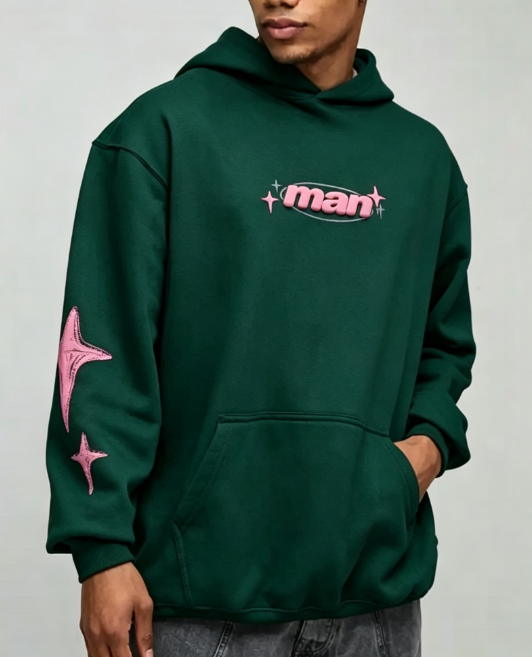
A 3D puff print or dense embroidery can distort lightweight jersey, while discharge results depend on dye chemistry. Skipping decoration tests and a graded fit sample risks rejected inventory; approve placement, wash testing, XS–3XL measurements, and strike-offs before production.
Match Color, MOQ, And Quotes
Pantone references require lab dips under agreed lighting because screen color is not a production standard. Unclear per-color MOQs and unmatched quotes hide fabric, trim, packing, and freight differences; compare a line-item specification and obtain written MOQ splits.
9. Steps to Launch Your Organic T-Shirt Line
A 100-unit organic T-shirt launch succeeds when each approval locks one commercial variable before the next begins. Start with a defined customer, retail position, target margin, and one disciplined hero style rather than a broad first collection.
Define The Commercial Brief
One buyer profile should determine fit, price point, channel, and color count. For a 100-unit MOQ, limit the first drop to one silhouette and one or two proven colors so inventory is not fragmented. Two decisions need written approval: target landed cost and intended retail price. Use them to set an achievable fabric, decoration, packaging, and freight allowance before development starts.
- Customer, channel, and retail price
- One fit block and size range
- One to two launch colors
Build Production Specifications
A complete tech pack should specify measurements, graded size chart, construction, stitch details, Pantone colors, artwork placement, labels, and packaging. A sketch alone cannot protect fit or quotation accuracy. One reference sample, when available, helps communicate hand feel and proportions. Junsheen can review a tech pack, sketch, reference garment, or mood board for manufacturability before sampling.
Approve Fabric And Samples
160–220 GSM organic cotton jersey is a common starting range for premium tees; the final choice must balance opacity, shrinkage, hand feel, and target cost. Request swatches and confirm the exact bulk fabric specification before approving color. One prototype should be measured, washed, worn, and revised against the tech pack. Approve the corrected fit sample and graded size set in writing; changes after this point can affect timing and cost.
Control Bulk And Launch
A 100-unit order should receive a confirmed quotation, production schedule, and deposit approval before bulk cutting. Keep artwork, labels, and trims frozen, then review in-line construction, measurements, and decoration against the approved sample. Final packed-goods inspection should check quantity, size ratios, defects, labeling, and cartons before the balance and shipment. Plan product photography, ecommerce copy, preorder dates, and freight buffer while production is running.
- Approve quote and production deposit
- Review in-line quality checks
- Release shipment after final inspection
10. custom organic tshirts Pricing and Cost
100 units per style and color is a practical starting tier for custom organic tshirts, but it carries the highest cutting, fabric-allocation, and setup cost per garment. Treat the figures below as illustrative FOB-style manufacturing ranges: exact quotes depend on certified-material availability, destination terms, and approved specifications. 180–220 GSM combed organic cotton, a one-color screen print, and standard folded packing normally create the most efficient entry specification. One-time charges usually include pattern work, artwork separation, screen or embroidery digitizing, and development samples; fabric, sewing, decoration, labels, packaging, testing, and freight recur with every production order. 2 changes reduce cost without hollowing out the product: consolidate colors into one bulk fabric booking and reuse an approved graded pattern, neck label layout, and print screens. Keep the body fabric and fit intact; simplify artwork color count, use standard mailers, or combine styles when savings are needed.
| Quantity Tier | Illustrative Unit Price | Typical Lead Time | Primary Cost Effect |
|---|---|---|---|
| 100–299 units | US$8.50–15.50 | 30–45 days | Sampling allocation, 220 GSM fabric, and custom labels weigh heavily |
| 300–499 units | US$6.80–12.00 | 25–40 days | Better fabric yield; 1–2 screen colors remain economical |
| 500–999 units | US$5.80–10.50 | 25–35 days | Repeat labels and shared packaging reduce recurring cost |
| 1,000+ units | US$4.80–8.80 | 20–30 days | Bulk fabric booking and longer print runs lower unit cost |
| Decoration adders | US$0.30–3.50+ | Add 2–7 days | Water-based print is lower than multi-color puff, DTF, or embroidery |
Develop Your Custom Organic Tshirts Collection
Send your tech pack, sketch or reference garment for feasibility review, fit development and sampling from 100 units per style and color.