
Dri Fit Tshirt Manufacturers for Custom Private Label
JUNSHEEN delivers OEM, ODM and private-label performance tees from 100 units per style and color, with fit-focused XS–3XL development.
Featured Products for dri fit tshirt manufacturers Development


Related Product Catalogue and Quotation




Why Brands Choose JUNSHEEN as Dri Fit TShirt Manufacturers
Integrated development and production support for custom performance T-shirts, from low-MOQ launches to repeat global orders.
100-Unit MOQ
Launch new performance T-shirt colors or capsule collections from 100 units per style and color without sacrificing development support.
Fit-Focused XS–3XL
Pattern makers refine proportions, mobility and grading increments across XS–3XL, including extended-size, plus-size and oversized performance fits.
Integrated Decoration
Coordinate screen printing, DTF, sublimation, embroidery, labels, trims and branded packaging through one accountable apparel production team.
Scalable Production
More than 200 skilled workers and monthly capacity above 80,000 units support reliable growth from sampling through bulk reorders.
Global Export Support
JUNSHEEN manages quality checks, packed-goods inspection and export coordination for brands, retailers and sourcing teams worldwide.
Custom Apparel Programs for Every Channel
From launch-ready capsules to replenishment programs, Junsheen develops fit-focused private-label apparel with flexible 100-unit minimums and scalable production.

Custom Hoodies
Develop custom hoodies in fleece, French terry, jersey, or heavyweight blends with tailored fits from XS–3XL. Junsheen manages pattern development, fabric sourcing, embroidery or printing, washes, branded trims, labels, and packaging for capsule and bulk programs.
Request a Quote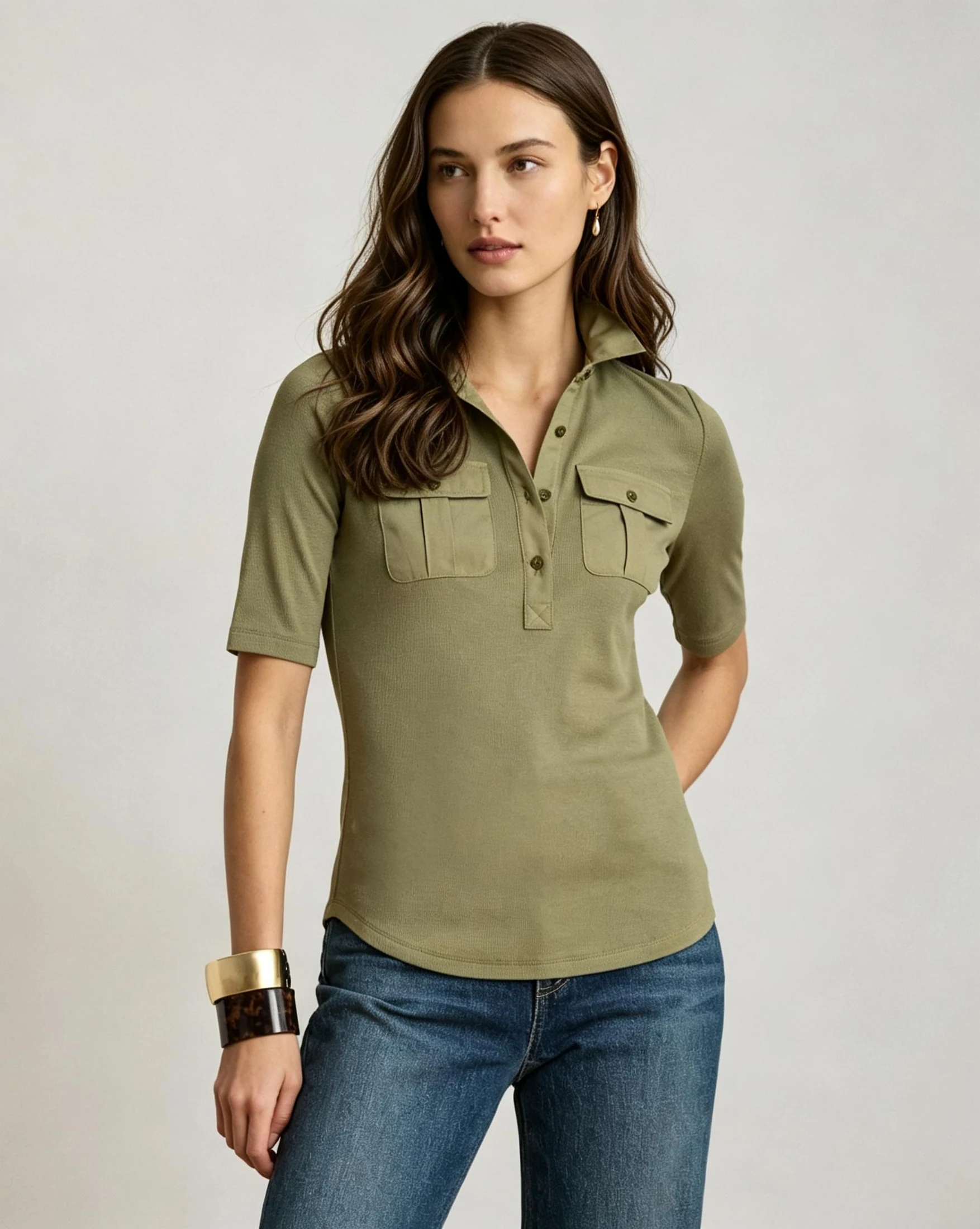
Custom T-Shirts
Build custom T-shirt programs for retail, promotional, and private-label channels. Choose jersey weights, cotton blends, oversized or standard fits, size grading, screen printing, DTG, DTF, embroidery, garment dye, and fully branded finishing from development through export.
Request a Quote
Custom Jeans
Produce custom jeans with fit development that addresses rise, leg shape, stretch recovery, and grading across XS–3XL. Options include rigid or stretch denim, custom washes, distressing, hardware, labels, embroidery, and coordinated private-label packaging.
Request a Quote
Custom Sweaters
Source turtle neck sweater bulk programs with dependable knit construction, yarn selection, and graded sizing. Junsheen develops turtlenecks, mock necks, and related sweater styles in cotton, wool, blends, or recycled options for wholesale, retail, and branded collections.
Request a Quote
Custom Jackets
Develop custom jean jacket programs with denim fabric selection, wash testing, fit refinement, and branded hardware. From classic trucker shapes to oversized layers, Junsheen supports embroidery, patches, contrast stitching, labels, and scalable production.
Request a Quote
Custom Sweatshirts & Crewnecks
Create custom crewneck hoodie and sweatshirt ranges with fleece or French terry construction, neckline and rib specifications, and consistent size grading. Add screen printing, embroidery, washes, custom labels, drawcords, and packaging for private-label distribution.
Request a Quote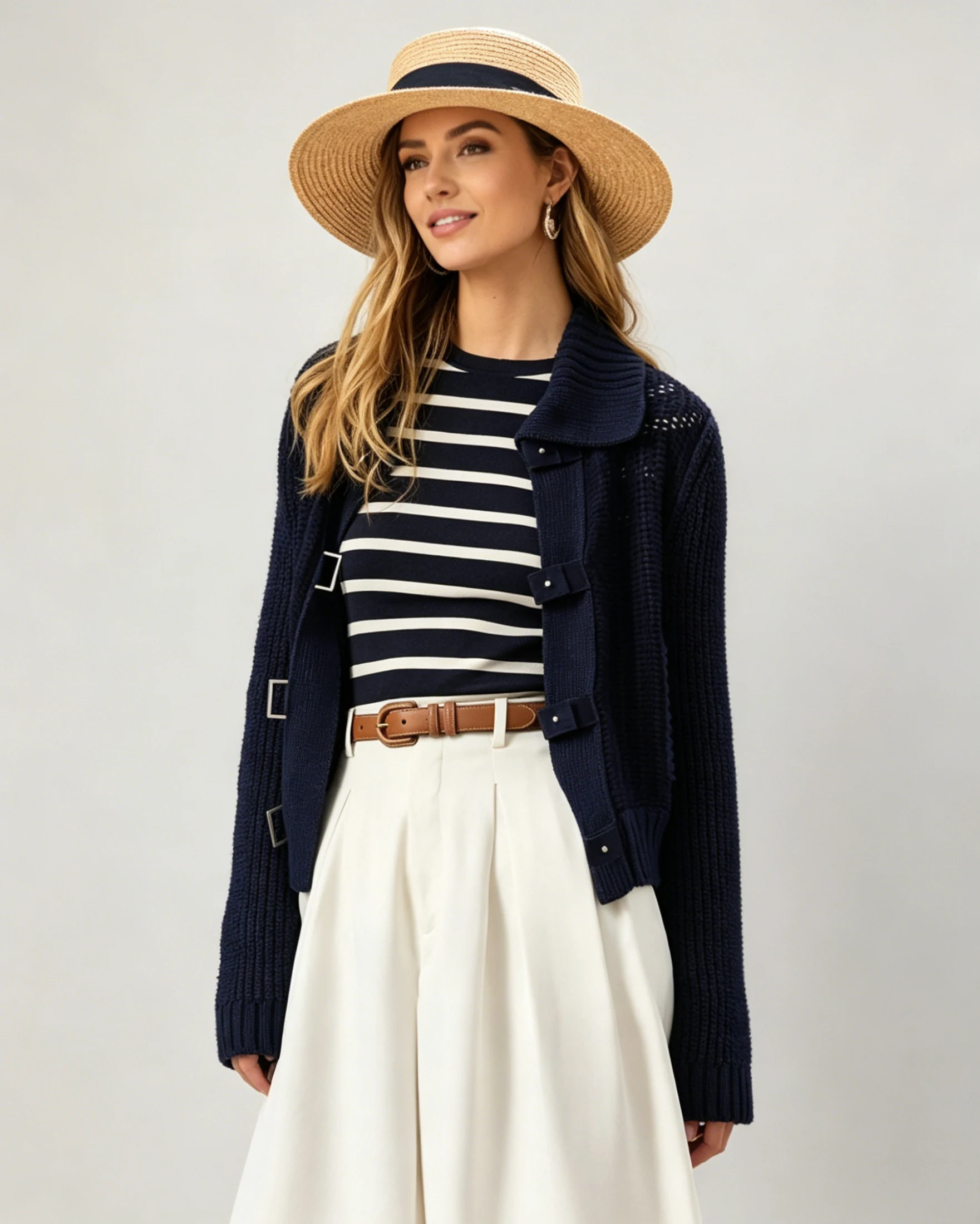
Custom Cardigans
Produce custom cardigan collections with knitwear development for button-front, zip, cropped, oversized, and extended-size styles. Junsheen supports yarn sourcing, gauge selection, fit grading, custom buttons, woven labels, and quality checks before bulk release.
Request a Quote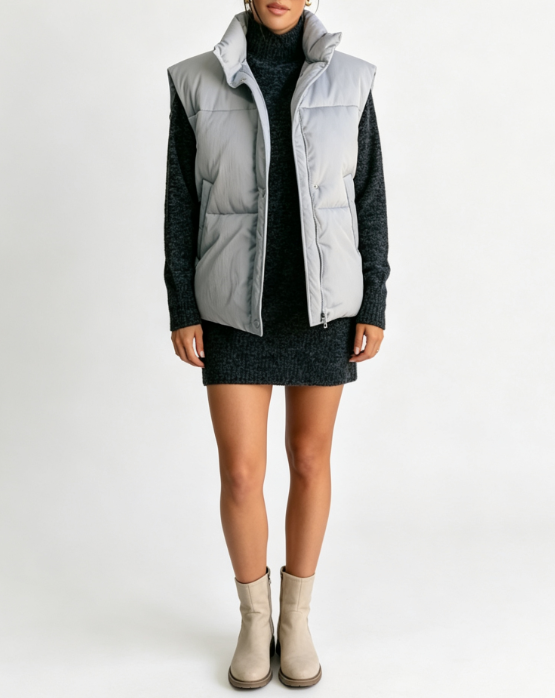
Custom Puffer & Down Jackets
Manufacture custom puffer jacket programs with shell, lining, insulation, quilting, and trim specifications aligned to your target market. Junsheen develops fit, fill placement, zippers, pockets, reflective details, labels, and packaging for branded outerwear.
Request a Quote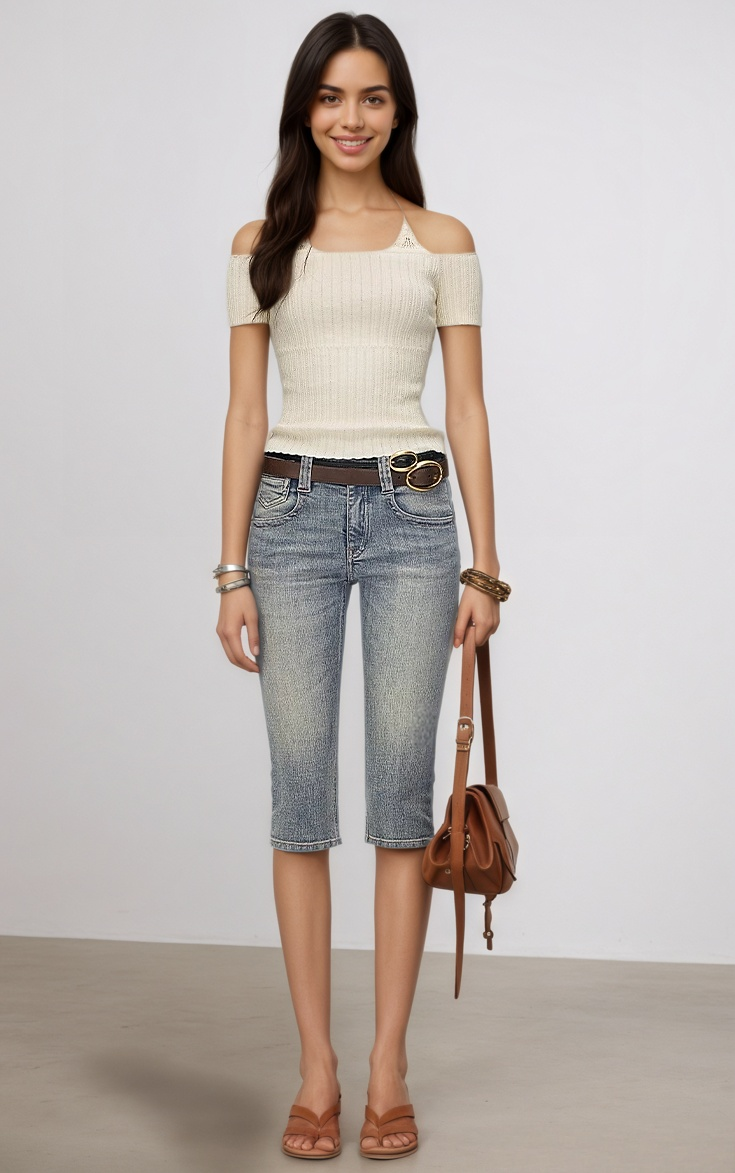
Custom Denim Shorts
Develop custom jean shorts with controlled inseams, rise, leg openings, and wash outcomes across graded size sets. Choose rigid or stretch denim, raw hems, distressing, garment finishing, embroidery, branded buttons, leather labels, and retail-ready packaging.
Request a Quote
Custom Sweater Dresses
Produce custom sweater dresses with proportion-focused patterns that maintain balance through the body, sleeves, and hem. Junsheen supports knit gauge and yarn selection, XS–3XL grading, necklines, textures, branded trims, and sampling before production.
Request a Quote
Custom Denim Sets
Build mens denim suits wholesale programs with coordinated denim jackets and jeans, consistent wash matching, and scalable repeat production. Junsheen manages fabric sourcing, pattern development, size grading, hardware, decoration, labeling, and export support.
Request a Quote
Custom Polo Shirts
Develop custom polo shirts in piqué, jersey, performance knits, or blends for retail, uniforms, and wholesale. Specify collar construction, plackets, fit, size grading, embroidery, printing, custom buttons, labels, and packaging with low MOQs from 100 units.
Request a Quote
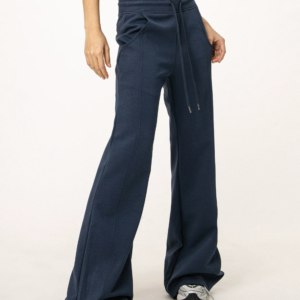
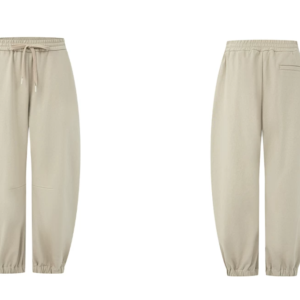
Custom Sweatpants
Produce custom sweatpants with fit development for waistband comfort, rise, taper, and length across XS–3XL. Select fleece, French terry, or jersey fabrics, then add pockets, cuffs, drawcords, printing, embroidery, washes, labels, and packaging.
Request a Quote
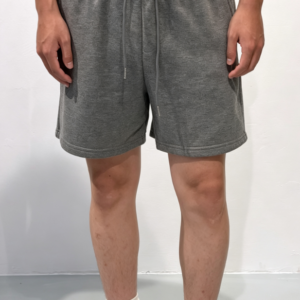
Custom Shorts
Create custom shorts for casualwear, active-inspired, denim, and coordinated set programs. Junsheen supports fabric selection, inseam and fit development, grading, pocket construction, elastic or tailored waists, decoration, washes, branded trims, and bulk quality control.
Request a Quote
Custom Pullovers
Manufacture custom pullovers in knit, fleece, French terry, or jersey constructions for layered casualwear programs. Define neckline, silhouette, weight, and grading, then add embroidery, printing, applique, garment washes, private labels, and finished packaging.
Request a QuotePerformance Fabrics for Dri Fit T-Shirt Manufacturers

Polyester Interlock
A smooth, durable knit for training tees, teamwear, and promotional activewear. Its stable double-knit surface supports clean decoration, while moisture-wicking yarns and quick-dry performance help keep wearers comfortable.

Polyester Birdseye
A lightweight, subtly textured mesh knit suited to running shirts and high-output sportswear. The open birdseye construction improves airflow, delivers a dry hand feel, and dries quickly after sweat or washing.

Stretch Jersey Blend
A soft performance jersey combining polyester with elastane for fitted gym tees, athleisure, and golf styles. Four-way recovery improves movement and shape retention, while the fabric remains breathable and moisture managing.

Polyester Spandex Mesh
An airy stretch mesh designed for ventilated panels, training tops, and performance uniforms. Its open construction increases breathability, while spandex provides flexible recovery for active movement without a restrictive feel.

Recycled Performance Knit
A smooth recycled-polyester knit for brands seeking lower-impact activewear without sacrificing function. Available in multiple weights, it offers dependable durability, quick-dry behavior, and a clean surface for sublimation or logos.
Decoration & Finishing Options for Custom Dri Fit Tees

Screen Printing
Plastisol, water-based, silicone and high-density screen prints create bold logos and team graphics with dependable color coverage. Recommended for larger artwork, repeat wholesale programs and durable branding on moisture-wicking performance fabrics.

Dye Sublimation
Dye sublimation infuses full-color artwork directly into compatible polyester fabric, leaving a smooth, breathable finish that will not crack or peel. Ideal for all-over jerseys, event tees, sportswear collections and complex gradient designs.

Heat Transfer
Heat transfer applies precise logos, names, numbers and small-color details with a clean, controlled finish. It suits limited runs, placement-sensitive graphics, promotional performance tees and designs requiring fast customization across multiple sizes.

Logo Embroidery
Flat, 3D and chain-stitch embroidery add a premium textured logo effect with strong visual dimension. Best for chest marks, sleeve branding and elevated athleisure programs where a durable, tactile finish supports brand positioning.

Performance Finishing
Softening, anti-pilling and moisture-conscious finishing options improve hand feel, surface appearance and repeated-wash performance. JUNSHEEN recommends finishes according to fabric composition, target activity, decoration method and the intended retail price point.
Custom Trims, Labels & Retail-Ready Packaging

Woven Neck Labels
Custom woven main, size, and wash-care labels give Dri Fit T-shirts a polished private-label identity. We match fold type, yarn colors, placement, and care information to your brand and target market.

Branded Drawcords
For performance hoodies, training sets, and layered styles, branded drawcords add a refined functional detail. Choose cord thickness, tipped ends, color contrast, and logo treatments that coordinate with your collection.

Custom Zipper Pulls
Add branded zipper pulls and specified zipper finishes to performance jackets, quarter-zips, and warm-up layers. Options support a cohesive hardware look while improving everyday usability and perceived garment value.

Logo Patches
Embroidered, woven, silicone, and custom-shaped patches create a durable focal point for sportswear branding. Apply them to sleeves, hems, chest panels, or outer layers for a distinctive team or retail identity.

Retail Hangtags
Custom hangtags communicate sizing, fabric benefits, moisture-management features, and your brand story at retail. Junsheen can coordinate tag stock, finishing, strings, barcodes, and attachment methods with your packaging program.
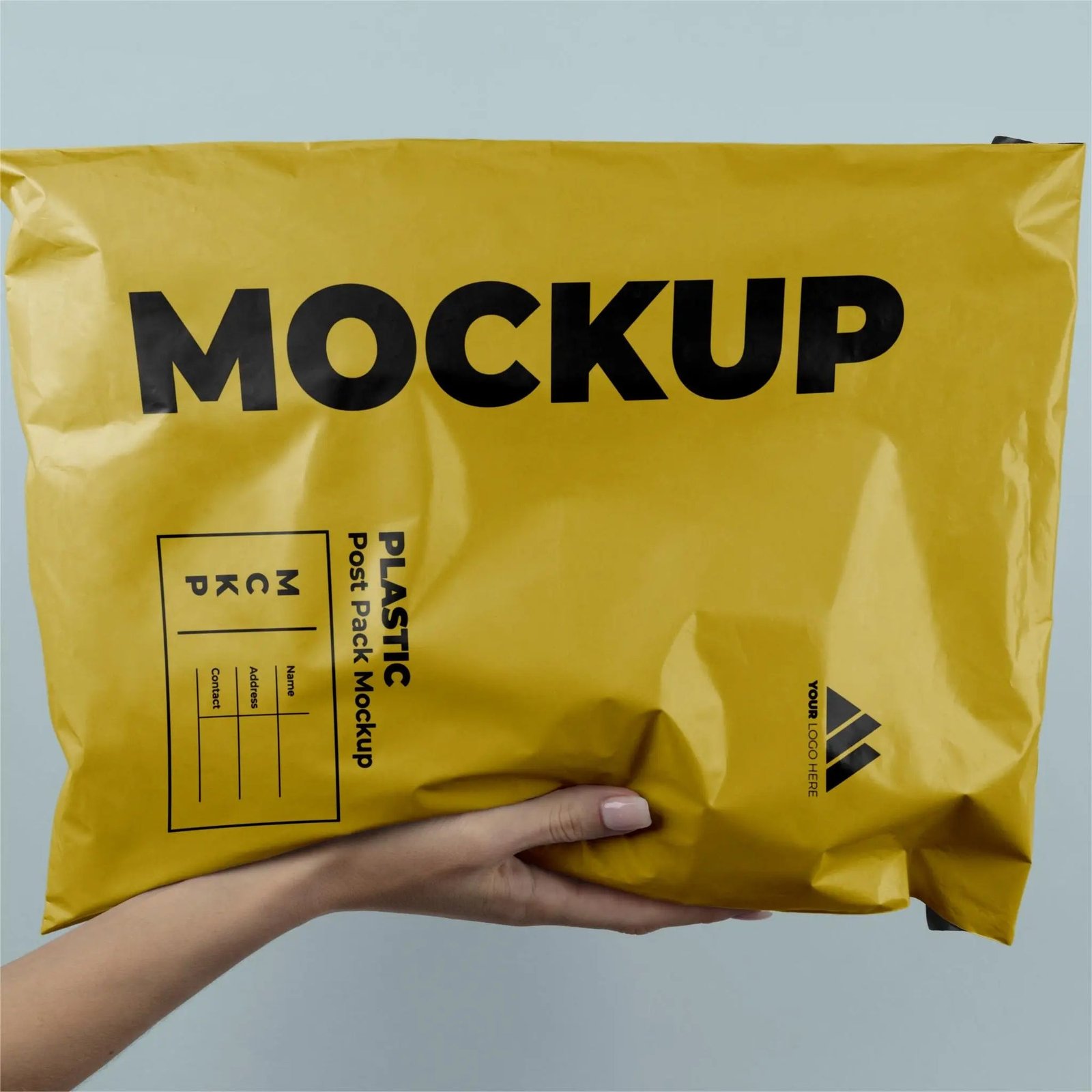
Branded Packaging
Complete each order with custom polybags, cartons, stickers, tissue, and insert cards designed for retail or direct fulfillment. Packaging specifications are managed alongside labels and trims for a consistent unboxing experience.
About JUNSHEEN, Dri Fit T-Shirt Manufacturers
Founded in 2010 in Humen Town, Dongguan, JUNSHEEN helps global brands turn performance T-shirt concepts into production-ready private-label collections. As experienced dri fit tshirt manufacturers, we combine OEM, ODM, wholesale and product-development support for emerging labels, retailers, wholesalers and established fashion teams.
Our one-stop supply chain brings fabric sourcing, pattern making, fit grading, cut-and-sew production, knitting, decoration, finishing, labels, packaging and export coordination under one manufacturing partner. With 200+ skilled workers and capacity exceeding 80,000 units monthly, we support 100-unit capsule orders through scalable bulk programs.
What distinguishes JUNSHEEN is fit-focused development from XS to 3XL, including extended-size, plus-size and modern oversized grading. We have served 2,000+ fashion-brand clients worldwide, pairing responsive technical support with dependable quality control for performance apparel programs built to grow.

Core Capabilities of Dri Fit TShirt Manufacturers
Fit Development That Performs
As experienced dri fit tshirt manufacturers, JUNSHEEN develops balanced XS–3XL, extended-size, plus-size, and oversized fits. Our pattern team refines shoulder balance, sleeve length, body proportion, mobility, and grading increments instead of simply enlarging a base pattern.
- Pattern creation from tech packs, sketches, or reference garments
- Fit-focused grading across XS–3XL size ranges
- Prototype, size-set, and pre-production approval support
- Manufacturability review before bulk production

Purpose-Matched Fabric Sourcing
Select performance knits around the wear experience your brand requires. JUNSHEEN sources moisture-managing fabrics with the appropriate weight, stretch, recovery, hand feel, durability, and wash performance, then provides swatches and samples for confident material approval.
- Performance knit, blended jersey, and recycled material options
- Fabric recommendations aligned to target cost and function
- Swatch review before bulk material confirmation
- Guidance on weight, stretch, drape, and durability

Decoration Under One Roof
Keep artwork execution aligned with garment construction through integrated decoration and finishing. Our production team supports logo embroidery, screen printing, DTF, DTG, heat transfer, sublimation, labels, trims, and branded packaging for cohesive private-label performance T-shirt programs.
- Screen print, silicone, puff, and high-density effects
- Embroidery, patches, and applique options
- DTF, DTG, heat transfer, and dye sublimation
- Custom labels, hang tags, trims, and packaging

Scalable Quality-Controlled Production
JUNSHEEN combines a 100-unit MOQ per style and color with scalable output above 80,000 units monthly. More than 200 skilled workers conduct incoming-fabric, in-line, measurement, decoration, fit, and final packing inspections to protect consistency as programs grow.
- Low MOQ from 100 units per style and color
- 80,000+ units of monthly production capacity
- Quality checks from incoming materials through packed goods
- Global export support for growing apparel brands

Why Choose JUNSHEEN Among Dri Fit Tshirt Manufacturers
A fit-focused OEM partner for brands that need low-MOQ development, dependable quality, and scalable export production.
← 左右滑动查看 →
Dri Fit TShirt Manufacturers: Our Production Process
A controlled OEM workflow that turns performance tee concepts into export-ready private-label production.
Feasibility and Fabric Review
We review your tech pack, reference or concept, confirm performance requirements, and recommend moisture-managing fabrics, trims, construction details, target pricing and 100-unit MOQ feasibility.
Patterning and Size Grading
Our team creates production patterns and fit-focused XS–3XL grading, refining shoulder balance, sleeve length, body proportions and mobility for your intended customer.
Prototype Sampling Approval
We develop samples with selected fabrics, decoration and labels, then revise measurements, construction or hand feel until your pre-production specifications are approved.
Bulk Manufacturing and Decoration
After approval, skilled production teams cut, sew, print or embroider, finish and assemble your custom performance T-shirts under documented production requirements.
Multi-Stage QC and Shipping
We inspect materials, in-line construction, measurements, decoration and packed goods before custom packaging, export documentation and coordinated global shipment to your destination.
Work with JUNSHEEN Dri Fit TShirt Manufacturers
Move from an initial concept to approved, production-ready performance tees with clear technical review, sampling and scalable manufacturing support.
Share Your Product Brief
Send a tech pack, sketch, reference garment or product idea with target fabric, fit, decoration, sizing, quantity and market requirements.
Review Production Feasibility
Our team evaluates construction, moisture-management fabric options, XS–3XL grading, trims, decoration methods and manufacturability, then recommends practical refinements before sampling.
Confirm Your Quotation
Receive a clear quotation based on approved specifications, materials, decoration, packaging and order volume, with low MOQs from 100 units per style and color.
Approve Development Samples
Review prototype samples, fit, measurements, fabric hand feel and logo execution. We refine patterns and details until your pre-production standard is confirmed.
Launch Bulk Production
JUNSHEEN manages bulk cutting, sewing, decoration, quality inspections, packing and export coordination, retaining production records to support consistent repeat orders.
Custom Clothing Manufacturer Credentials and Compliance Documents



What Global Apparel Clients Say
JUNSHEEN adjusted the shoulder and body grading across our XS–3XL run before bulk production. We cut sampling revisions from five rounds to two and launched our first 600-piece performance tee order on schedule.
Our repeat orders have stayed consistent in measurement, fabric weight and logo placement. After three production runs totaling 4,800 tees, our retailer returns for fit issues dropped by 18%.
JUNSHEEN handled moisture-wicking fabric, neck labels, recycled polybags and export packing in one program. The 1,200-unit order arrived production-ready for our EU distribution launch, with no packing discrepancies.
dri fit tshirt manufacturers FAQ
Clear answers on MOQs, development, fit, production, payment, shipping and confidentiality for custom performance T-shirt programs.
What is the MOQ from dri fit tshirt manufacturers at JUNSHEEN?
Can dri fit tshirt manufacturers make samples before bulk production?
How long do dri fit tshirt manufacturers take for samples and bulk orders?
Can you develop custom XS–3XL and plus-size performance T-shirt grading?
Which payment terms do you offer for custom performance T-shirt orders?
Do you arrange international shipping and export support?
How do you protect my designs and private-label details?
Can JUNSHEEN handle printing, labels and packaging in one order?
Complete Buyer’s Guide to dri fit tshirt manufacturers
Use a practical decision framework to compare dri fit tshirt manufacturers, assess fabrics and production standards, validate supplier capabilities, control costs, and avoid sourcing mistakes that compromise fit, performance, delivery, or brand consistency.
1. What Are dri fit tshirt manufacturers?
100-unit production runs can qualify a supplier as a performance-shirt manufacturer only when it can control the fabric, pattern, sewing, decoration and inspection needed to reproduce the same tee in bulk. These factories make moisture-management apparel from performance knits—commonly polyester or polyester-elastane jerseys in roughly 120–180 GSM—that move perspiration away from skin and must retain stretch, recovery, color and shape after laundering. OEM production starts with a buyer’s approved tech pack, including fabric composition, GSM, measurements, stitch details, Pantone colors, artwork and packing requirements. A true OEM partner converts that specification into patterns, samples, graded sizes and controlled production; a blank wholesaler mainly supplies ready-made stock, while a trading company may coordinate factories without owning the technical process. ODM support begins earlier, when the supplier helps turn a sketch, reference garment or product idea into a manufacturable performance tee. Private-label capability should extend beyond a neck label to size and care labels, hang tags, branded packaging, decoration selection and repeatable material records. 2010-founded Dongguan Junsheen Clothing Co., Ltd. combines product development, pattern making, fabric sourcing, cut-and-sew production, quality control and export support, with production from 100 units per style and color. For buyers evaluating dri fit tshirt manufacturers, the central test is whether the partner can preserve the approved fit, fabric performance and branding details across repeat orders—not simply quote the lowest price.
2. Evolution of Performance T-Shirts
1970s synthetic athletic jerseys replaced many heavy cotton training tops because polyester delivered lower water pickup and faster drying. Early versions often felt clammy, retained odor, and had limited stretch, so performance was judged mainly by durability and team-uniform practicality. 1990s microfiber polyester and engineered knit structures made capillary wicking a commercial requirement rather than a niche feature. Buyers increasingly specified 140–180 GSM jerseys, mechanical or elastane stretch, mesh ventilation zones, and odor-control finishes; each claim now needs a defined test method, wash-cycle target, and approved fabric standard. 2020s performance tees moved into lifestyle activewear, where relaxed, cropped, oversized, and fashion-color silhouettes sell alongside training fits. For dri fit tshirt manufacturers, sourcing must therefore verify recycled-content documentation, hand feel after laundering, colorfastness to perspiration, seam comfort, recovery, and drying performance on the finished garment—not only on a supplier swatch. 100-unit capsule orders make pre-production decisions especially important because a fabric substitution or changed finishing recipe can alter drape, shrinkage, and decoration results. Require a lab dip, wash-tested sample, measurement tolerance, and clear construction callouts such as flatlock or coverstitch before approving bulk production.
3. Types of dri fit tshirt manufacturers
Six sourcing models serve different levels of product complexity, control, and launch speed. For dri fit tshirt manufacturers, the right choice depends on whether your brief requires original pattern engineering, fast stock blanks, or coordinated supplier management.
| Model | Best Buyer | Customization | MOQ And Speed | Control Trade-Off |
|---|---|---|---|---|
| Vertically integrated factory | Scaling brand | High | Medium MOQ; coordinated | Direct, broad capability |
| Cut-and-sew OEM | Original product label | Very high | Often 100+ units; sampling first | More approvals required |
| ODM/private label | New or fast launch | Moderate | Lower MOQ; fastest | Shared blocks limit uniqueness |
| Sportswear specialist | Technical performance line | High technical depth | Usually higher MOQ | Narrower category focus |
| Print-focused supplier | Promotion or graphics | Low garment depth | Fast; blank-led MOQ | Limited fit control |
| Trading company | Multi-category buyer | Variable | Flexible sourcing speed | Less factory transparency |
Factory-Led Development
100-unit capsule programs suit cut-and-sew OEMs when fit, panel placement, and grading need control. 2010-founded Junsheen combines development, sourcing, sampling, decoration, and production for brands needing one accountable workflow.
Catalog And Specialist Routes
7-21 day concept-to-sample targets favor ODM/private-label suppliers using established blocks and approved fabrics. 150-500 unit commitments are common at specialist sportswear factories when technical knits, bonded seams, or performance testing are central.
Print And Trading Routes
24-72 hour artwork setup can make print-focused suppliers useful for event shirts and simple graphic programs. 1 intermediary can simplify multi-factory buying through a trading company, but reduces direct visibility of costing, inspections, and production decisions.
4. Materials for dri fit tshirt manufacturers
120–180 GSM is the common starting range for lightweight performance jerseys, but weight alone does not predict cooling, opacity, or moisture transfer. Ask dri fit tshirt manufacturers to match the fabric construction to the activity, decoration method, and required coverage.
Compare Base Fabrics

100% polyester offers fast moisture transfer, color retention, and durable abrasion performance; recycled polyester can deliver similar utility when its recycled-content documentation is verified. Polyester-spandex adds recovery for fitted training tops, while nylon blends feel smoother and generally resist abrasion better. 140–170 GSM mesh and birdseye increase airflow; tighter interlock improves opacity and a cleaner print surface. Cotton-performance blends provide a more natural hand but usually dry more slowly than synthetic jerseys.
Fabric Selection Matrix
150 GSM is a useful reference point, but buyers should approve opacity under stretch and after washing before bulk booking.
| Material / Knit | Typical GSM | Key Properties | Best Use |
|---|---|---|---|
| Polyester jersey | 130–170 | Light, quick-drying, durable | Running, promotions |
| Recycled polyester | 130–180 | Similar performance; verify content | Sustainability-led programs |
| Polyester-spandex | 150–220 | 4-way stretch, recovery | Training, fitted styles |
| Nylon blend | 150–220 | Soft, tough, smooth | Premium activewear |
| Mesh / birdseye | 120–170 | High airflow, textured | Running panels, uniforms |
| Interlock | 160–220 | Opaque, stable, smooth | Teamwear, printing |
| Cotton-performance blend | 160–220 | Natural hand, slower drying | Casual activewear |
Request Approval Evidence

1–2 meter swatches should show every proposed color, knit, and finish; compare hand feel, stretch recovery, opacity, pilling, and decoration results. Junsheen can source swatches and develop samples before bulk material confirmation. ISO or AATCC test reports should state composition, GSM tolerance, colorfastness, pilling, dimensional change, and moisture-management method. Specify whether the result applies to the exact mill lot, not merely a similar fabric.
Match Fabric To Wear
130–160 GSM mesh or birdseye polyester suits running when ventilation and low weight matter most. Choose a tighter 160–200 GSM interlock for uniforms needing opacity, repeated laundering, and crisp logo printing. 160–220 GSM polyester-spandex supports gym training through mobility and recovery. Select cotton-performance blends for casual activewear where a familiar hand feel outweighs maximum dry speed.
5. Customization and Decoration Options
Pantone-matched colors, engineered contrast panels, and custom cut patterns should be locked before sampling. For dri fit tshirt manufacturers, decoration must be specified with placement, artwork size, and moisture-management impact—not just a logo file.
| Method | Color Fidelity | Breathability | Placement Limits | Durability | Setup / Volume |
|---|---|---|---|---|---|
| Screen print | High | Low when solid | Flat panels | High | Screens; 100+ units |
| Heat transfer | High | Low | Flat, smooth areas | Medium-high | Low setup; small runs |
| Sublimation | Very high | High | Polyester only | High | Artwork setup; 100+ units |
| Embroidery | Limited threads | Low | Stable zones only | High | Digitizing; 100+ units |
| Silicone | Limited spot colors | Low | Small logos | High | Mold/screen; 300+ units |
| DTF | High | Medium-low | Flat panels | Medium-high | Low setup; small runs |
Branding And Garment Details

100-unit capsule programs can combine printed neck labels, woven labels, hangtags, polybags or branded mailers, reflective piping, and contrast side panels. Keep reflective films and dense trims away from high-sweat zones. XS–3XL ranges need separate graded measurements; simply enlarging a standard pattern can distort sleeve balance and body proportion.
Decoration Method Comparison
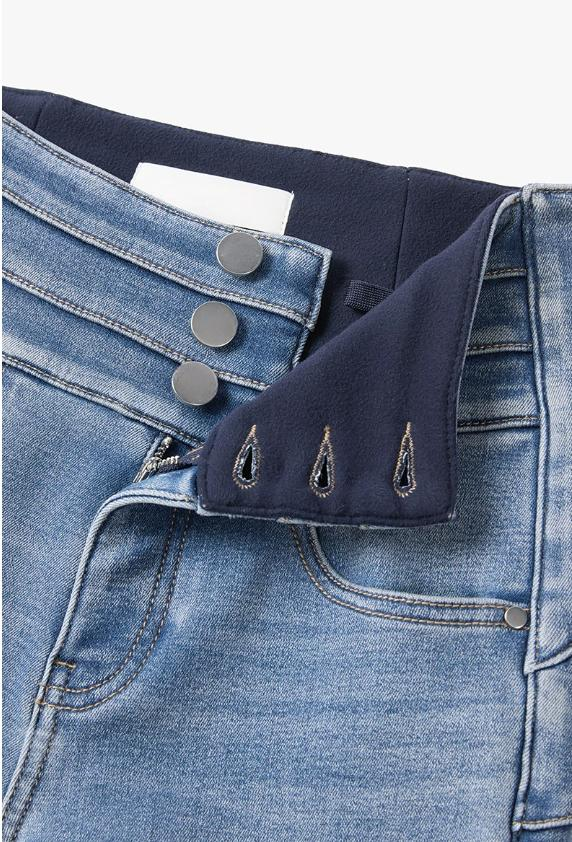
6 common methods differ sharply in hand feel, setup, and airflow. Test the finished graphic after laundering and wear, especially on lightweight performance knits.
Protecting Moisture Performance
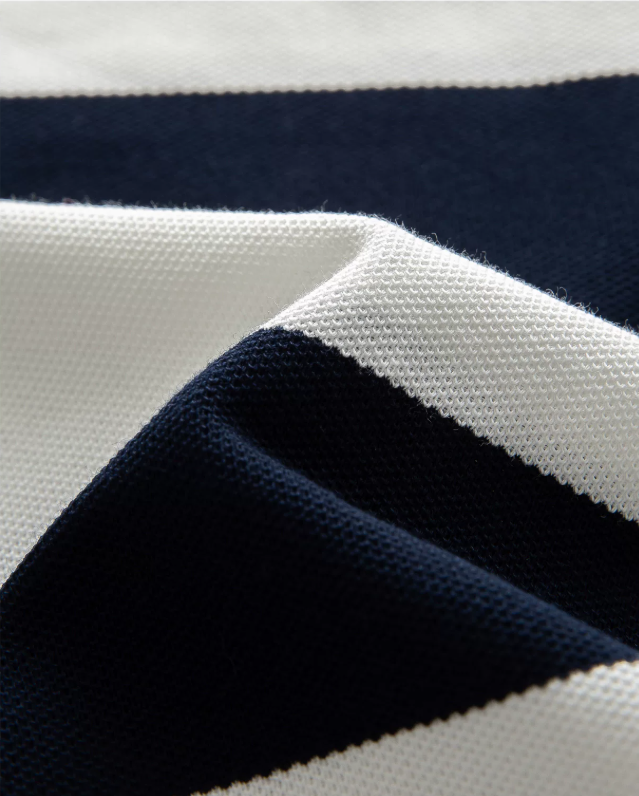
Large plastisol screen prints, solid heat transfers, silicone badges, and dense embroidery restrict air exchange and can trap moisture. Reserve them for chest, hem, sleeve, or back-yoke zones rather than broad torso coverage. DTF and transfers are practical for multicolor low-volume artwork, while sublimation keeps polyester panels breathable because the dye becomes part of the fabric.
6. Construction Quality for Performance Tees
Performance tees reveal their quality under movement, washing, and decoration—not only at inspection. Buyers should approve construction specifications alongside the fit sample, then use repeatable tests before bulk release.
Seams And Panel Assembly
Four-thread overlock seams suit most jersey side seams, while flatlock seams reduce bulk and chafing in high-friction zones. Inspect stitch density for even tension, no skipped stitches, and no seam puckering. Two shoulder seams should sit symmetrically and include clear tape or reinforcement where specified. Check sleeve, side-seam, and panel alignment on both sides before accepting a sample.
- Compare left and right sleeve pitch
- Stretch seams without thread popping
- Confirm clean, even hem coverstitch
Collar And Hem Recovery
1×1 rib collars should recover after repeated stretching without waviness or a permanently enlarged neckline. Require matching neck tape placement and a balanced coverstitch at the bottom hem. Three wash-and-dry cycles are a practical pre-bulk screen for torque, hem twisting, shrinkage, and collar distortion. Record before-and-after body length, chest width, and neck opening.
- Pull collar widthwise and release
- Check hem for roping or twisting
- Measure shrinkage against approved specs
Fit, Wash, And Decoration Tests
XS through 3XL grading needs proportional changes in shoulder, body, sleeve, and armhole dimensions—not simple enlargement. Set measurement tolerances by point of measure and compare the graded size set against the approved pattern. Twenty rubs with a dry white cloth can flag poor colorfastness, while wash testing reveals pilling and print cracking. Stretch printed areas, then inspect adhesion, edge lift, and ink recovery after laundering.
- Verify chest and length tolerances
- Rub-test dark colors and contrast prints
- Check pilling in abrasion-prone areas
7. Choosing dri fit tshirt manufacturers
A 100-unit minimum can suit a capsule, but dri fit tshirt manufacturers still need performance-knit experience, controlled sampling, and dependable repeat capacity. Evaluate the factory against your exact fabric, fit, decoration, compliance, and delivery requirements before approving a deposit.
| Check | Ask For | Compare On |
|---|---|---|
| Sample quality | Approved fit and wash sample | Measurements, hand feel, decoration |
| Fabric traceability | Mill specification and test records | GSM, composition, color, performance |
| MOQ and capacity | Style-color minimum and booking window | Total units, replenishment ability |
| Quotation | Line-item specification sheet | Equivalent fabric, trims, printing, packaging |
| Terms and delivery | Payment schedule and production plan | Lead time, inspection, shipping readiness |
Verify Technical Development

Since 2010, Junsheen has supported pattern making, grading, fabric sourcing, and prototype sampling; ask each supplier who owns these steps and how revisions are recorded. A first sample should confirm measurements, stretch recovery, seams, and logo placement. Request a graded size set when selling XS–3XL or oversized fits, rather than approving one base size.
- Which performance jerseys have you produced recently?
- Can you develop from a tech pack or reference?
- Who approves patterns and measurement tolerances?
Audit Materials And Controls
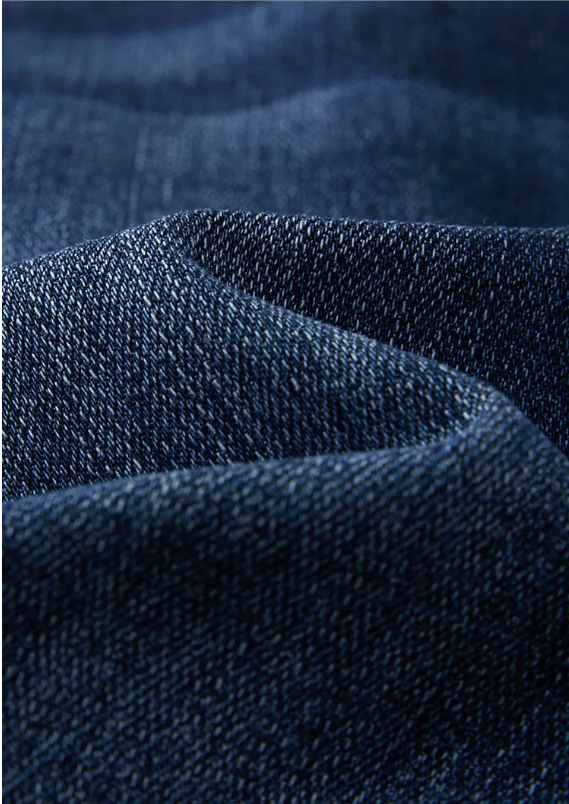
150–220 GSM polyester or polyester-elastane jerseys need traceable mill details, composition, weight, color standard, and lot records. Ask whether moisture management, colorfastness, pilling, shrinkage, and stretch testing are available. OEKO-TEX, GRS, GOTS, WRAP, or BSCI claims require current documents and applicable scope. Confirm incoming, in-line, and final inspections instead of accepting a certificate alone.
Compare Commercial Readiness
80,000-plus monthly units can indicate scale, but capacity matters only when confirmed for your production window. Ask for sample lead time, bulk lead time, export route, defect policy, and a named communication contact. 100 units per style and color may work for launch orders; confirm whether fabric, print, and packaging minimums differ. Compare payment terms, production calendar, and shipping handoff before selecting a supplier.
- What is the realistic ex-factory date?
- How are delays and rework communicated?
- Which payment milestone releases production?
8. Common Sourcing Mistakes to Avoid
100-unit MOQ programs magnify small specification gaps because one incorrect approval can affect an entire color run. Use a written approval trail before placing any order with dri fit tshirt manufacturers.
Vague Technical Inputs
1 missing measurement, stitch, or tolerance detail can produce a wearable but commercially wrong tee. Supply a tech pack with graded specs, Pantone references, fabric weight, seam construction, artwork files, and acceptable tolerances.
Unverified Performance Claims
150 GSM polyester is not automatically moisture-wicking, quick-dry, or colorfast after repeated washes. Request fiber composition, GSM, finish details, swatches, and relevant test reports; approve performance against the intended end use.
Skipped Physical Approvals
1 production sample cannot replace a pre-production sample in the approved fabric, color, trim, print, and size. Skipping it risks bulk shade variation, fit drift, or decoration failure; sign off a sealed reference before cutting.
Photos And Fit Assumptions
2 studio photos can conceal puckered seams, thin fabric, poor recovery, and uneven logo placement. Inspect samples under daylight, wash-test them, and review a size set from XS through 3XL rather than enlarging one base pattern.
Timing And Quote Comparisons
3 quotes are comparable only when MOQ, fabric, GSM, decoration colors, packaging, testing, freight terms, sampling, and lead time match. Allow time for sourcing, sampling, approval, bulk production, QC, and shipping; choose the documented scope, not merely the lowest unit price.
9. Launching with dri fit tshirt manufacturers
A 100-unit MOQ lets a new label validate one fit, color, and customer segment before committing to a larger run. With dri fit tshirt manufacturers, every launch gate should convert an assumption into an approved record.
Define The Customer And Brief
One target wearer, use case, retail price, and reference sample should anchor the first brief. Specify whether the tee is for training, teamwear, streetwear, or layering, plus the intended fit and color range.
- Reference photos with annotated changes
- Target retail price and margin
- Competitor sizing and fit notes
Lock Technical Decisions

A complete tech pack should state measurements, tolerances, construction, Pantone colors, logo artwork, placement dimensions, labels, and packaging. Select fabric by end use: 140–180 GSM for lightweight training or 180–220 GSM for a more substantial performance tee.
- Fabric composition and GSM
- Print method and artwork file
- Graded measurement specification
Approve Samples Before Bulk

One development sample exposes fit, fabric hand, shrinkage, and decoration issues before bulk cutting. Revise in writing, then approve a size set and pre-production sample; retain the signed tech pack, comments, approved swatch, and measurement report.
- Check chest, length, sleeve, and neck
- Confirm logo position after washing
- Approve sealed production sample
Control Delivery And Reorders
Final inspection should verify measurements, seams, decoration, labels, cartons, and packed quantities against the approved sample. Plan freight after carton dimensions and shipment-ready date are confirmed, then retain final QC records, patterns, grading, and material details for repeat orders.
- Book freight for required delivery date
- Keep approved color and trim records
- Review sell-through before expanding colors
10. Pricing and Cost Factors
100 units per style and color is Junsheen’s starting production scale, so initial runs carry more pattern, fabric, print-screen, and setup cost per garment than repeat bulk programs. For performance tees, confirmed pricing should follow a reviewed tech pack, Pantone artwork, graded size range, order quantities, decoration placement, packaging specification, and delivery destination. 140–220 GSM polyester or recycled-polyester interlock is usually priced differently from cotton-blend jersey because yarn type, moisture-management finish, stretch content, and dyeing route change material yield and testing needs. A multi-panel raglan body, flatlock seams, reflective transfers, woven labels, individual polybags, sampling, and air freight can each raise landed cost; larger orders spread fixed development and setup charges across more units.
| Quantity tier | Indicative unit-price drivers | Typical production lead time |
|---|---|---|
| 100–299 units | Small-run setup, stock fabric availability, one-color screen print or DTF | 25–35 days after sample approval |
| 300–999 units | Fabric GSM, color count, cut panels, neck tape, labels | 20–30 days after material confirmation |
| 1,000–2,999 units | Custom knit or dye, multiple sizes, embroidery or silicone print | 18–28 days after pre-production approval |
| 3,000+ units | Volume fabric booking, repeat patterns, consolidated packaging and sea freight | 18–25 days after approvals |
Start Your Dri Fit T-Shirt Manufacturing Project
Send your tech pack, reference garment or product idea for an OEM quotation from JUNSHEEN, with 100-unit MOQs and fit-focused development.