Custom Jeans OEM Manufacturing From 100 Units
Develop fit-focused custom jeans from XS–3XL with OEM, ODM and private-label support, sampling, finishing and scalable global production.
Featured Products for custom jeans Development




Related Custom Jeans Catalogue and Quotation






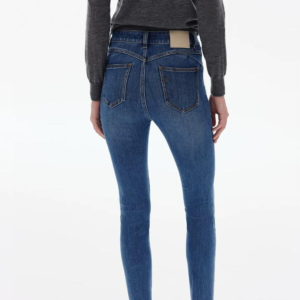
Why Brands Source Custom Jeans With JUNSHEEN
Launch fit-led denim programs with integrated development, finishing and reliable production support from a single apparel partner.
100-Unit Denim MOQ
Test a new custom jeans style or colorway from 100 units, then scale successful programs with confidence.
Fit-First XS–3XL Development
Pattern makers refine rise, leg shape, mobility and grading across standard, extended-size and oversized denim fits.
Integrated Wash and Decoration
Coordinate embroidery, printing, patches, labels and denim washes through one team for a consistent finished product.
From Idea to Sample
Bring a tech pack, sketch or reference garment; our team supports fabrics, patterns, prototypes and production-ready specifications.
Scalable Global Production
With 200+ skilled workers and 80,000+ monthly units of capacity, JUNSHEEN supports launches, repeat orders and bulk growth.
Private-Label Ready
Complete your jeans program with custom leather labels, hardware, hang tags, care labels and branded packaging.
Custom Jeans and Denim Program Options
From fit development and wash testing to labels and bulk delivery, JUNSHEEN builds production-ready denim programs for brands at every scale.

Custom Jeans
Develop custom made jeans from a tech pack, reference garment, or concept. JUNSHEEN supports denim selection, pattern making, XS–3XL grading, wash development, trims, sampling, and production from 100 units per style and color.
Request a Quote
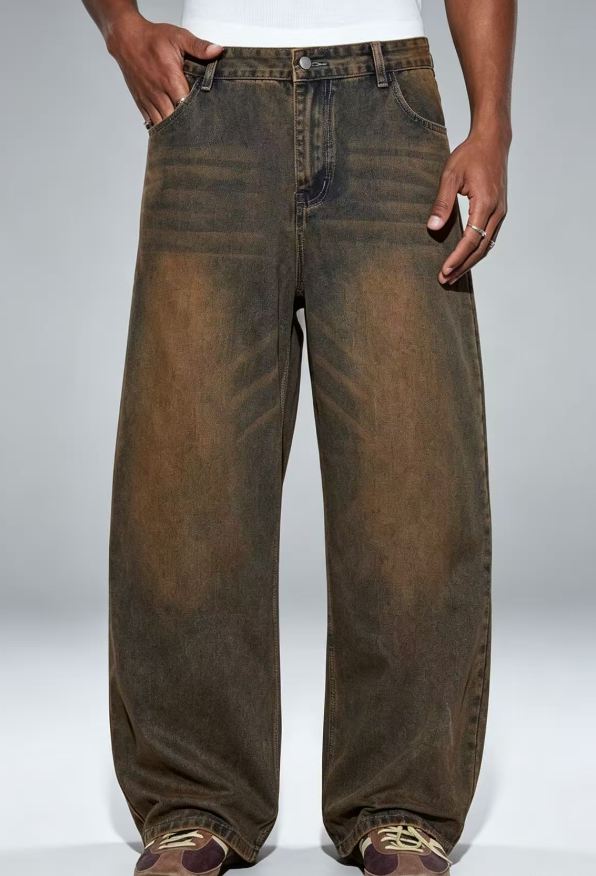
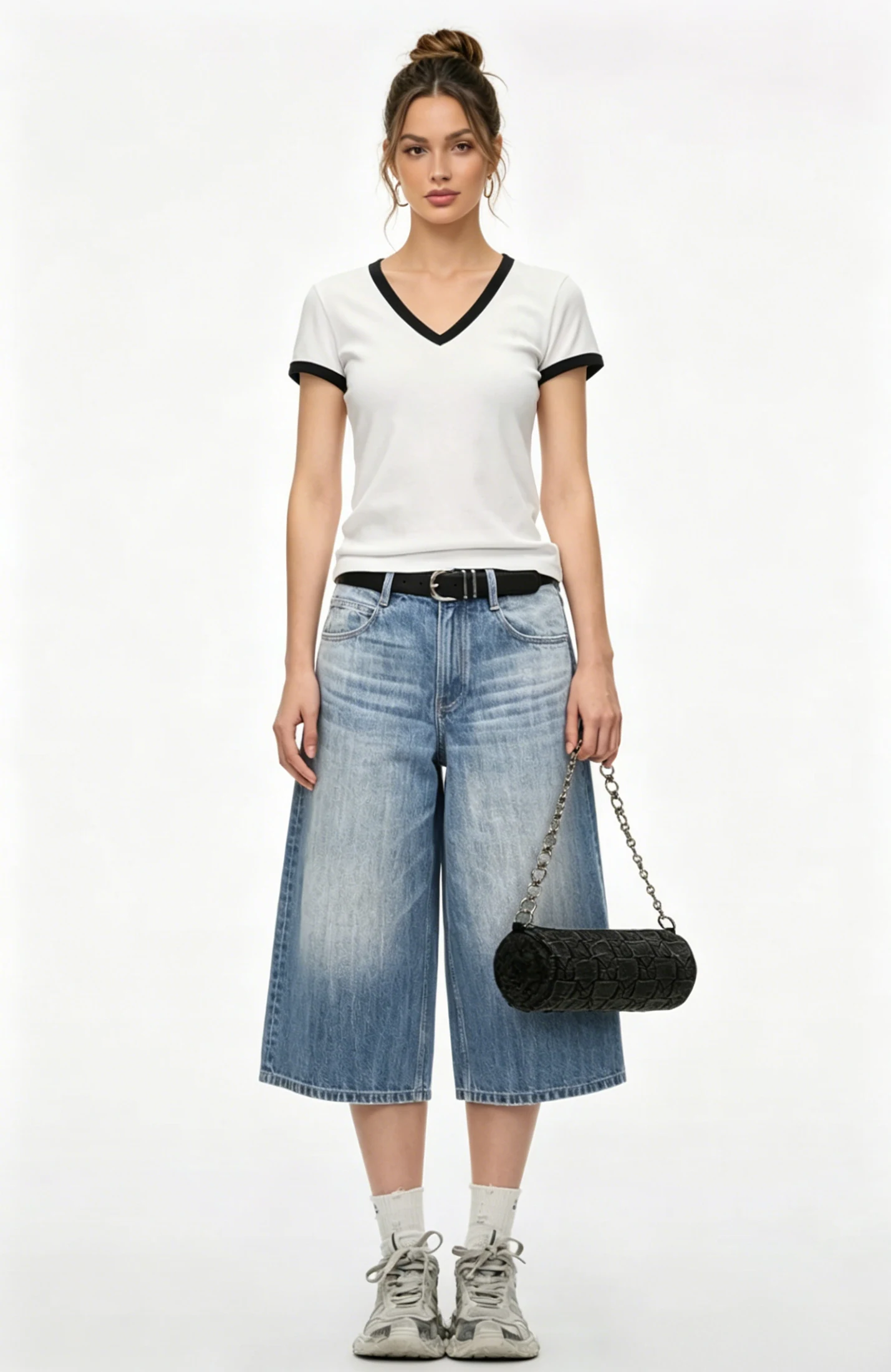
Custom Baggy / Wide Leg Jeans
Create custom baggy jeans with controlled volume through the seat, thigh, knee, and hem. Our pattern team develops wide-leg proportions and extended-size grading so oversized silhouettes retain intended balance across the size range.
Request a Quote
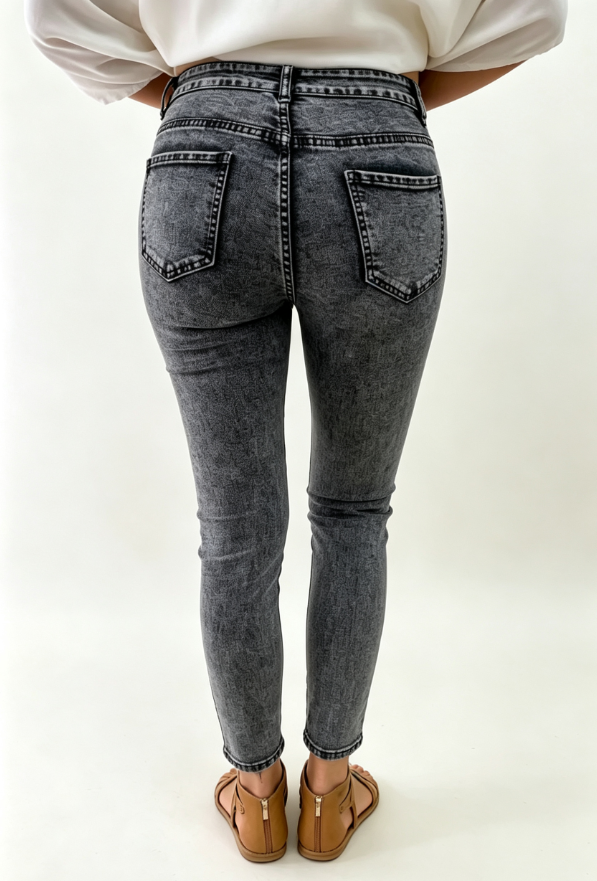
Custom Skinny Jeans
Source wholesale skinny jeans with stretch-denim recommendations matched to recovery, comfort, and wash requirements. We refine rise, leg shape, and grading increments before bulk production to help maintain a consistent close fit.
Request a Quote
Custom Straight Leg Jeans
Build custom straight fit jeans with reliable alignment from hip through hem. JUNSHEEN develops patterns, fabric options, pocket placement, washes, and branded components for men’s, women’s, and unisex denim programs.
Request a Quote
Custom Bootcut / Flare Jeans
Produce custom flared jeans with measured knee breaks and hem openings that hold their intended silhouette. We support high-rise, mid-rise, stretch, rigid, and extended-size versions with sampling before production approval.
Request a Quote
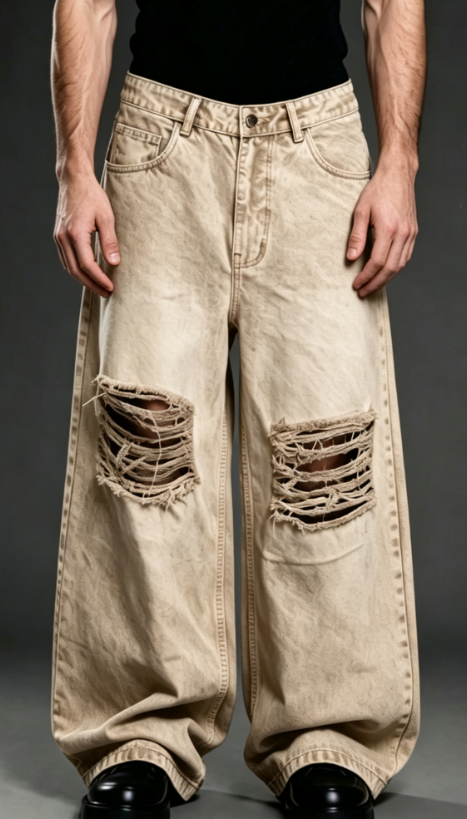
Custom Distressed / Ripped Jeans
Develop custom ripped jeans with planned distress placement, reinforced construction where needed, and repeatable wash standards. Our team reviews abrasion, holes, repairs, and finishing during sampling to control the bulk-production result.
Request a Quote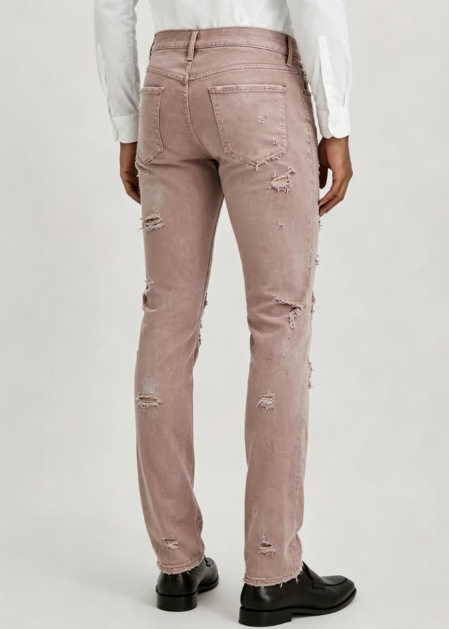
Custom Patchwork / Patched Jeans
Make custom patch jeans with applique, repaired panels, contrast denim, or branded patch placements. JUNSHEEN coordinates pattern adjustments, stitching, washes, and trim details so patchwork remains consistent across the production run.
Request a Quote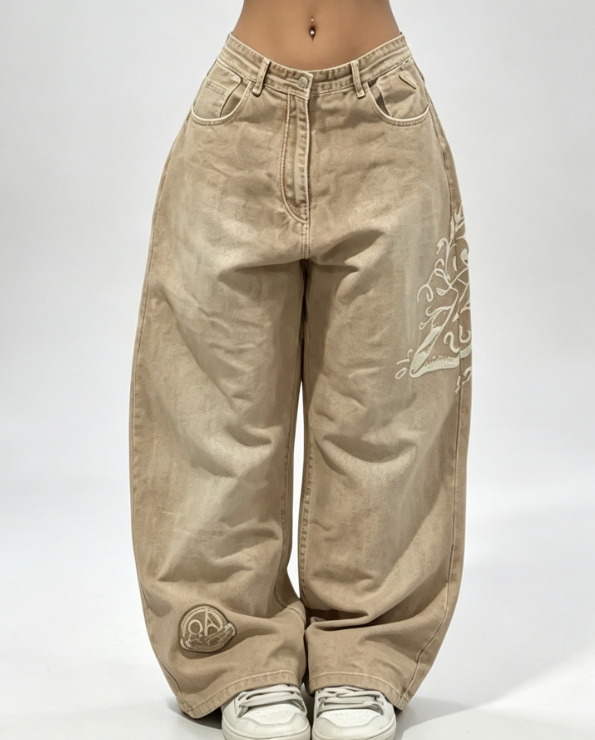
Custom Embroidered Jeans
Create custom embroidered jeans using flat embroidery, chain stitch, patches, or logo applications. We assess placement, stitch density, backing, denim weight, and wash compatibility before approving samples for bulk manufacturing.
Request a Quote
Custom Womens Jeans
Produce custom jeans for women with fit development focused on waist, hip, rise, inseam, and mobility. Patterns are graded from XS to 3XL with adjustments that support straight, slim, wide-leg, flare, and relaxed silhouettes.
Request a Quote
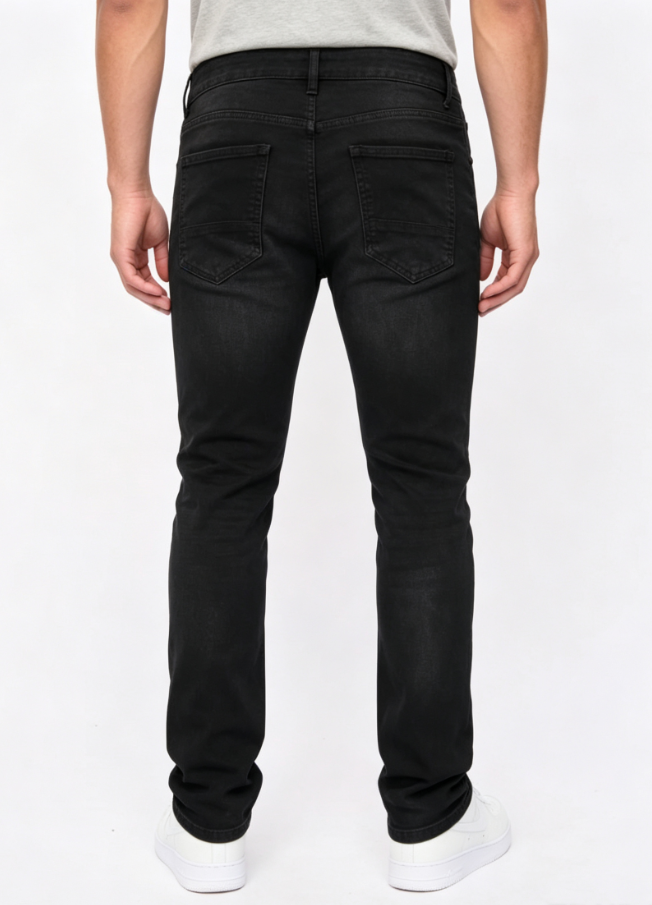
Custom Mens Jeans
Develop custom jeans for men with specifications for rise, seat, thigh, leg shape, and durable construction. JUNSHEEN can produce rigid or stretch denim styles with custom washes, hardware, labels, and packaging.
Request a Quote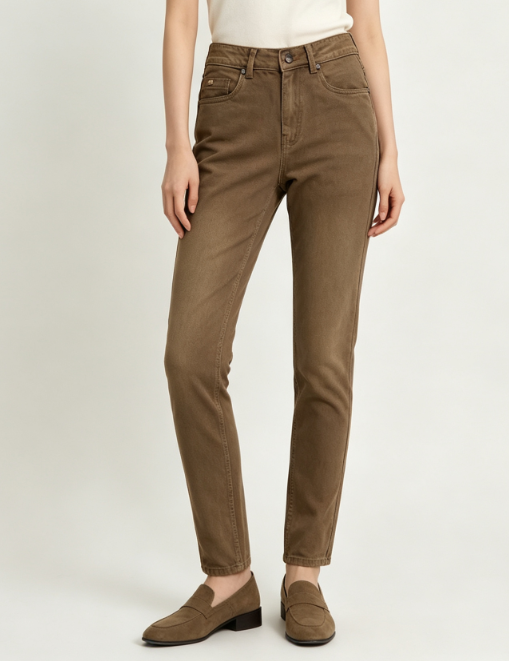
Custom Selvedge / Raw Denim Jeans
Produce custom selvedge jeans and raw-denim programs with fabric sourcing, accurate pattern development, reinforced seams, and branded details. We help define shrinkage allowances, fit expectations, hardware, and finishing requirements before bulk cutting.
Request a Quote
Jeans Manufacturer
Work with an experienced jeans garment manufacturer for development, sampling, cutting, sewing, washing, decoration, quality control, and export support. JUNSHEEN has operated since 2010 and supports low-MOQ through scalable denim production.
Request a Quote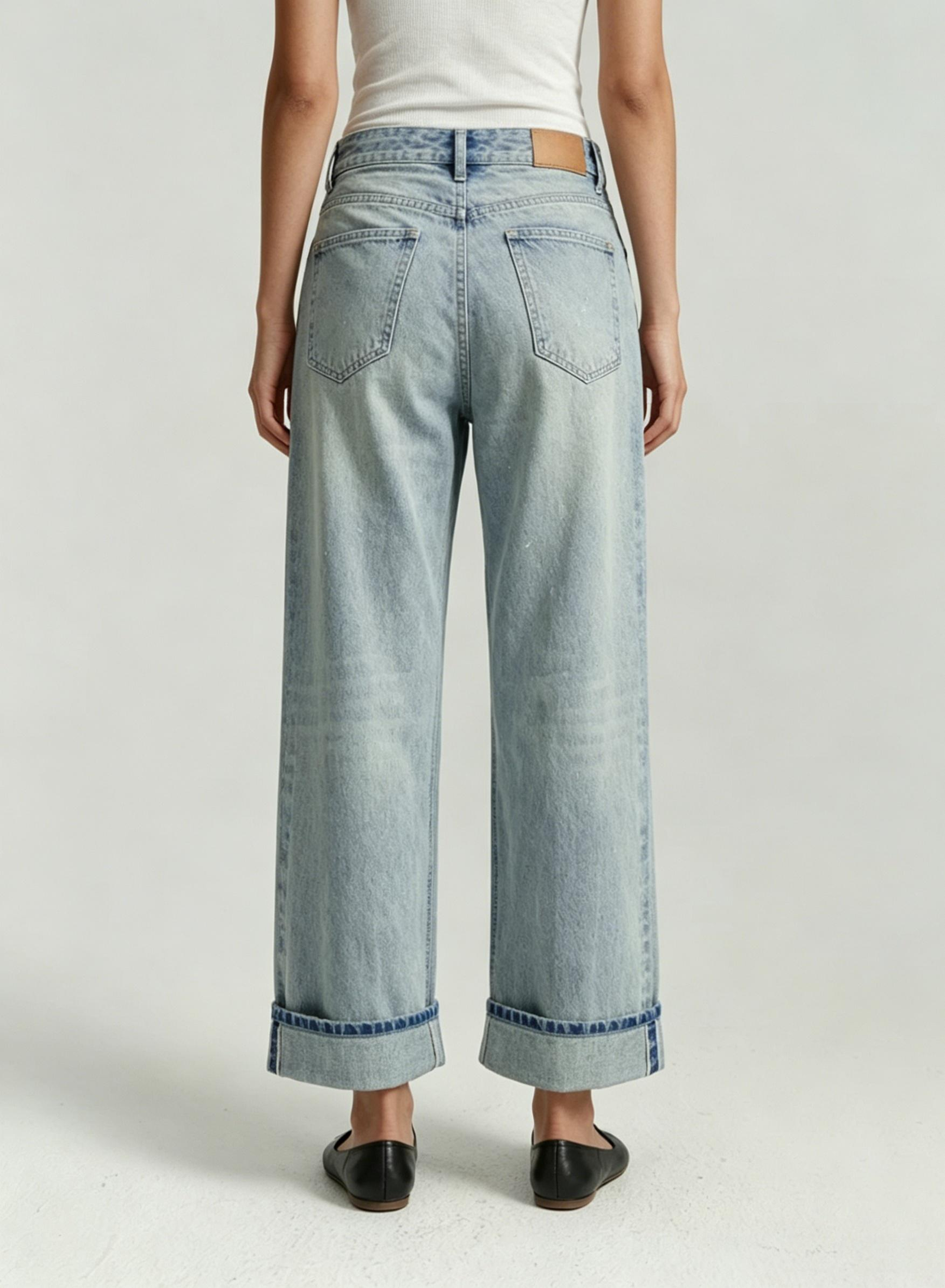
Jeans Supplier
Use JUNSHEEN as a denim jeans supplier for repeatable custom programs, from sample approval through packed goods. Material, pattern, size-set, and production records are retained to improve consistency for replenishment orders.
Request a Quote
Jeans / Denim Factory
Partner with a jean factory that combines cut-and-sew denim production with wash, finishing, labels, trims, packaging, and export coordination. Our 200+ skilled workers support programs from 100-unit launches to ongoing bulk orders.
Request a Quote
Jeans / Denim Companies
Choose a denim production partner among established jean companies when you need direct factory communication and technical development support. JUNSHEEN manages specifications, fabric sourcing, fit samples, quality checks, and global shipment preparation.
Request a Quote
Wholesale Jeans
Order wholesale jeans configured to your brand’s fit, wash, trim, and packaging standards. Low MOQs from 100 units per style and color support new collections, while monthly capacity above 80,000 units supports growth.
Request a Quote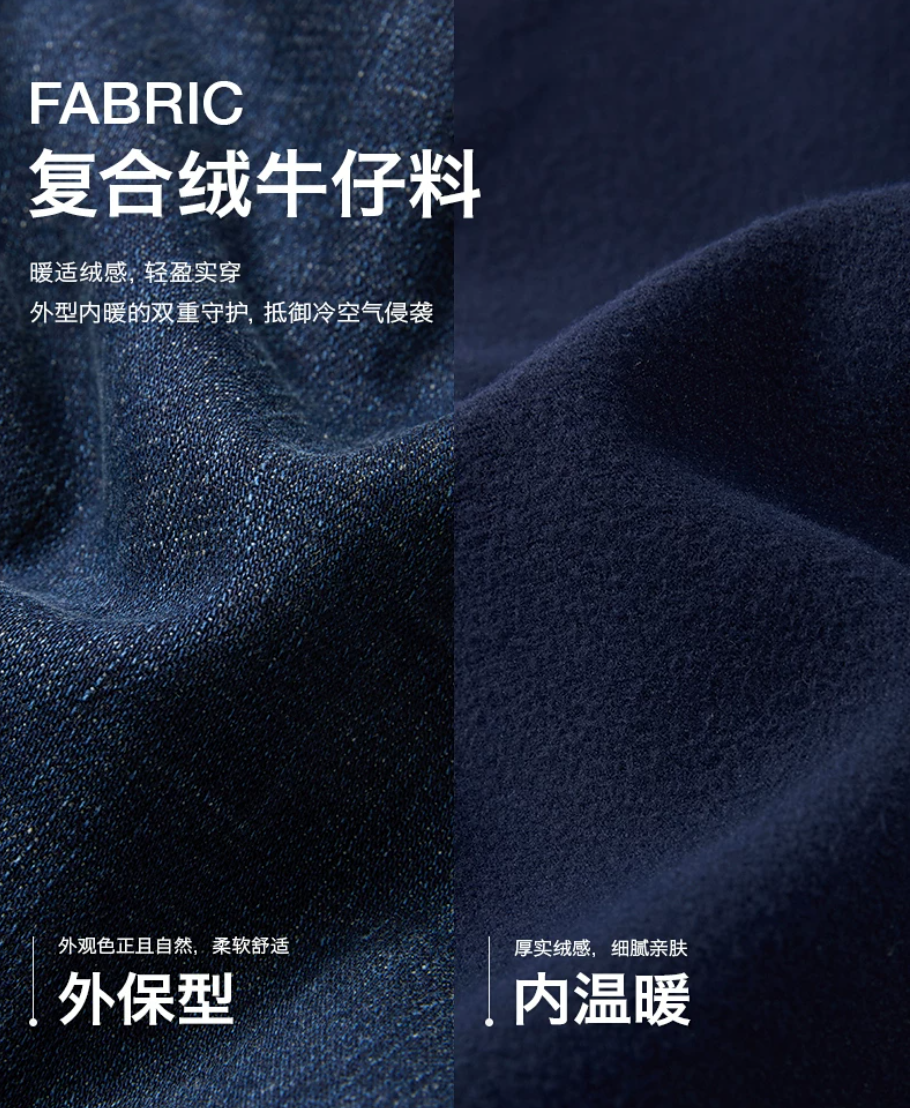
Bulk Jeans
Plan bulk jeans production with pre-production approvals for fabric, grading, construction, washes, decoration, and packing. In-line and final inspections help keep large orders aligned with approved measurements and workmanship standards.
Request a Quote
Private Label Jeans
Launch private-label jeans with woven or leather labels, size and wash-care labels, hang tags, custom hardware, and branded packaging. JUNSHEEN can build your denim assortment from supplied specifications or an initial product brief.
Request a Quote
Jeans OEM / ODM
Use JUNSHEEN as a jeans OEM and ODM manufacturer for technical development and production. We can work from tech packs or help translate ideas into patterns, material selections, samples, graded size sets, and bulk-ready specifications.
Request a Quote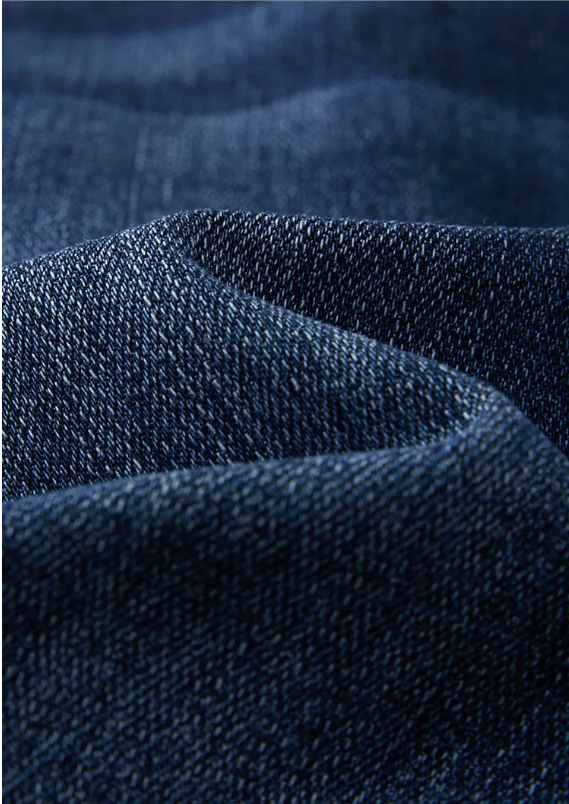
Custom Jeans Maker
Work with a custom jeans maker that focuses on production feasibility rather than one-off retail alterations. JUNSHEEN develops repeatable denim patterns, wash standards, trims, and QC requirements for brand-ready manufacturing.
Request a Quote
Custom White Labels Jeans
Create white label jeans with your own branding applied through labels, hang tags, hardware, and packaging. We support adaptable base constructions and custom fit, wash, and trim specifications for private-label denim collections.
Request a Quote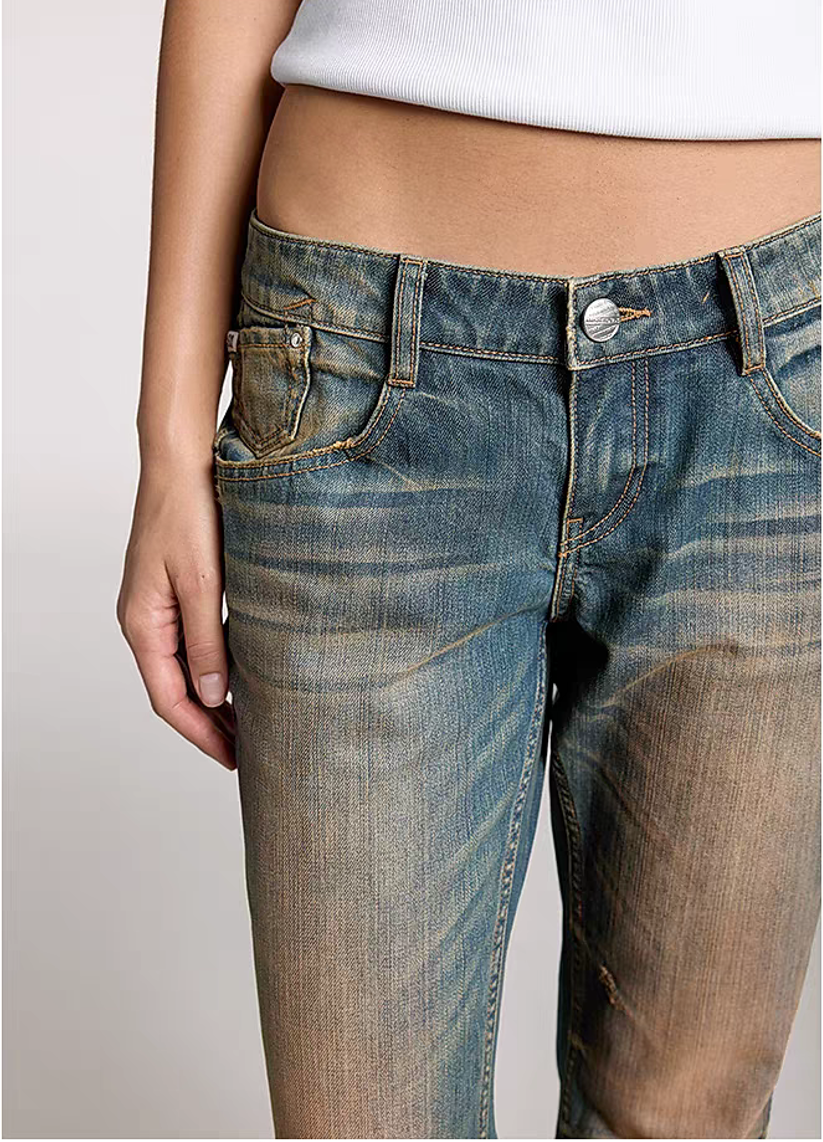
Custom Blue Jeans
Develop custom blue jeans in selected indigo, rinse, faded, vintage, or washed finishes. JUNSHEEN coordinates denim weight, shade, fading, whiskering, hardware, and construction details to match the approved sample.
Request a Quote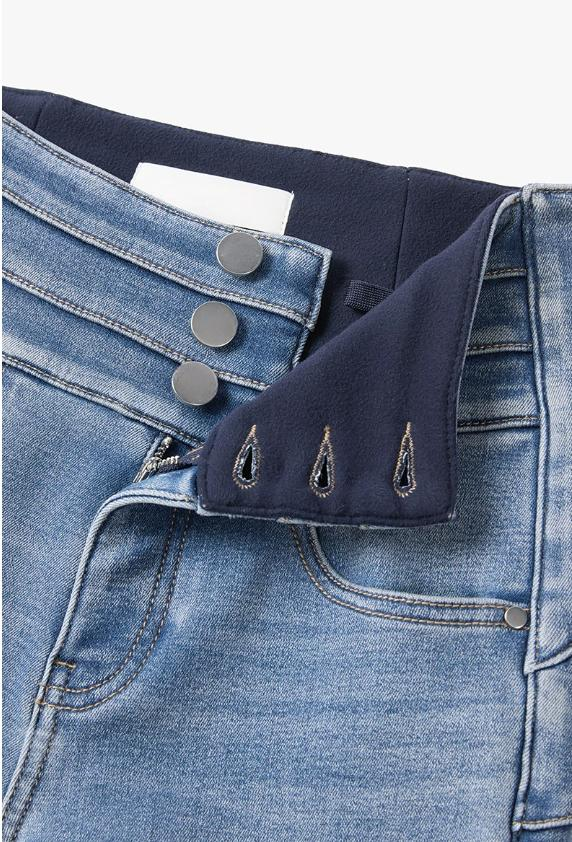
Custom Fit Jeans
Build custom fit jeans with pattern development that addresses shoulder-free denim variables: waist, hip, rise, thigh, knee, hem, inseam, and stretch recovery. Size grading from XS to 3XL is refined for consistent proportion.
Request a Quote
Custom Jeans Made
Have custom jeans made from a sketch, mood board, tech pack, or reference garment. Our development team reviews manufacturability, sources denim and trims, creates patterns, produces samples, and prepares approved styles for bulk production.
Request a Quote
Custom Made Blue Jeans
Produce custom made blue jeans with specified denim fabric, wash recipe, fit block, pocket design, hardware, and branding. Sampling confirms visual finish, measurements, and construction before the production order proceeds.
Request a Quote
Customized Jeans
Develop customized jeans for capsule collections, retail programs, or wholesale assortments. Options include rigid and stretch denim, fit blocks, washes, distressing, embroidery, patches, labels, custom trims, and packaging.
Request a Quote
Customize Jeans
Customize jeans through structured development: define the silhouette, measurements, fabric, wash, pockets, hardware, decoration, labels, and packing. JUNSHEEN then produces prototypes and size sets to resolve technical issues before bulk production.
Request a Quote
Custom Jeans Manufacturers
Work with custom jeans manufacturers that can manage the full production sequence in one supply chain. JUNSHEEN combines development, pattern making, denim sourcing, sewing, washing, finishing, private labeling, inspection, and export support.
Request a Quote
Custom Fit Blue Jeans
Develop custom fit blue jeans with the wash and color direction matched to a purpose-built fit block. We review shrinkage, stretch recovery, body proportions, and grading before confirming the final sample and production specifications.
Request a Quote
Custom Made Mens Jeans
Produce custom made mens jeans with fit blocks developed around seat, thigh, rise, inseam, and leg opening. JUNSHEEN supports rigid, comfort-stretch, slim, straight, relaxed, and wide-leg styles with custom washes and branding.
Request a Quote
Custom Jeans Supplier
Choose a custom jeans supplier able to support early development and repeat production. JUNSHEEN maintains approved patterns, graded size sets, material records, and specifications to help streamline future denim orders.
Request a Quote
Custom Denim Jeans
Build custom denim jeans across rigid, stretch, lightweight, midweight, and heavyweight constructions. Our team recommends materials based on hand feel, durability, wash performance, stretch, target cost, and the intended silhouette.
Request a Quote
Custom Clothing Wholesale Jeans
Source custom clothing wholesale jeans that meet your assortment and commercial requirements. We support branded wholesale programs with low starting MOQs, scalable capacity, fit development, private-label components, and export-ready packing.
Request a Quote
Custom Made Jeans For Men
Develop custom made jeans for men with construction and fit tailored to the intended customer. From pocket scale and yoke shape to fabric weight and wash finish, details are reviewed through samples before bulk approval.
Request a Quote
Custom Mens Jeans
Create custom mens jeans for private-label or OEM collections with controlled sizing and durable detailing. We support fit development, denim sourcing, washes, embroidery or print, branded trims, and packed goods for international delivery.
Request a Quote
Custom Tailored Jeans
Produce custom tailored jeans through production-grade patterns and fit samples, not informal alterations. JUNSHEEN refines key measurements and proportions across the graded size set, then applies your selected denim, wash, and branded details.
Request a Quote
Custom Jean Manufacturers
Work with custom jean manufacturers that offer denim development from concept through shipment. JUNSHEEN provides pattern making, sourcing, cutting and sewing, finishing, quality control, labels, packaging, and global export support.
Request a Quote
Custom Jeans Cloth Manufacturers
Partner with jeans cloth manufacturers that evaluate denim materials alongside the finished-garment requirement. We source cotton, stretch denim, and recycled options based on weight, hand feel, drape, durability, color, and wash performance.
Request a Quote
Custom Jeans Manufacturer
Use a custom jeans manufacturer with established OEM, ODM, and private-label capability. Founded in 2010, JUNSHEEN supports 100-unit starting MOQs, fit-focused XS–3XL development, and scalable production for global apparel brands.
Request a Quote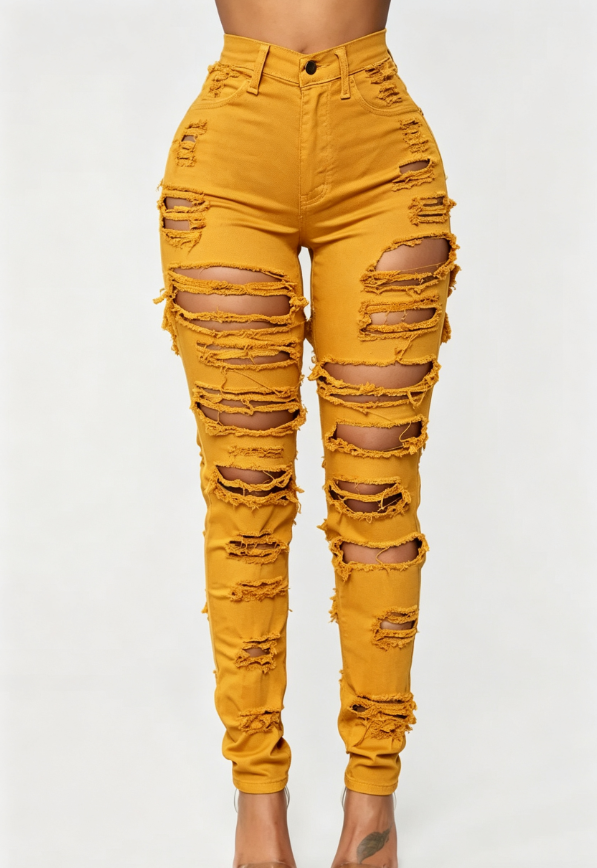
Custom Jeans Wholesale
Order custom jeans wholesale with factory-managed specifications for fit, fabric, wash, hardware, labels, and packaging. JUNSHEEN supports wholesale buyers with production planning, inspections, and export coordination for ongoing programs.
Request a QuoteCustom Jeans Materials Built for Fit and Finish

Rigid Cotton Denim
A structured, authentic denim with a dry-to-soft hand that suits straight-leg, relaxed, and workwear custom jeans. Available in varied ounce weights, it develops character through stone, enzyme, and vintage wash treatments.

Stretch Denim
Cotton-rich denim blended with elastane for comfortable recovery and easier movement. Ideal for slim, skinny, and fitted custom jeans, with stretch percentages selected to balance body-hugging fit, shape retention, and wash performance.

Cotton Polyester Denim
A durable denim blend with dependable color retention and a more controlled cost profile. It works well for repeatable commercial programs, uniforms, and contemporary silhouettes requiring reliable strength, easier care, and consistent bulk production.

Denim Twill
A diagonally woven cotton fabric with a cleaner surface and firm, substantial hand. Use it for jean-inspired pants, overshirts, denim sets, and utility styles where crisp structure, abrasion resistance, and precise tailoring matter.

Recycled Blend Denim
Denim incorporating recycled cotton or recycled polyester to support lower-impact collection goals. Suitable for jeans and coordinated denim styles, it can be developed in different weights while maintaining durable construction, texture, and wash-ready character.
Custom Jeans Washing, Printing and Decoration

Garment Washes
Enzyme, stone and acid washes create worn-in character, softened hand feel and controlled color variation. Junsheen tests wash recipes on samples to help custom jeans retain their intended silhouette and finish.

Logo Embroidery
Flat, 3D puff and chain-stitch embroidery add dimensional branding to pockets, waistbands and denim jackets. Stabilized placement and thread selection help logos remain crisp, secure and visually consistent through repeat wear.

Screen Printing
Plastisol, water-based, puff, foil and high-density screen printing deliver bold graphics for denim panels and coordinated sets. Process selection balances color opacity, texture, wash performance and the character of your fabric.

DTG and DTF
DTG and DTF printing support detailed artwork, gradients and smaller production runs without compromising design clarity. Our team reviews artwork and placement for clean adhesion, flexible feel and durable results on suitable denim areas.

Finishing Effects
Brushing, napping, garment dye and softening treatments refine texture, depth and hand feel for differentiated custom jeans. Combined finishing trials help brands approve a repeatable visual standard before bulk production begins.
Custom Jeans Trims and Brand Accessories

Leather Waist Labels
Embossed or debossed leather-style patches create a premium signature at the back waistband of custom jeans. Junsheen can match patch shape, color, logo treatment, stitching, and wash compatibility for private-label denim collections.

Woven Brand Labels
Custom woven labels add clear brand identification inside waistbands, pockets, or side seams. Choose woven logos, size information, care details, and color-matched yarns for consistent labeling across core denim styles and repeat production.

Metal Buttons
Branded shank buttons provide dependable waistband closure and a polished hardware detail for jeans, denim shorts, and jackets. Select engraved logos, finishes, diameters, and antique or matte treatments that complement your garment wash.

Zippers and Rivets
Specify branded zipper pulls, zipper tape colors, copper rivets, or custom-finish hardware for fly closures and reinforced stress points. These components improve durability while carrying a cohesive visual identity through your custom jeans range.

Custom Hangtags
Printed hangtags communicate your collection story, material details, sizing, and retail-ready branding before the garment is worn. Junsheen supports custom shapes, cardstock, finishes, strings, barcode placement, and coordinated private-label packaging.
Branded Denim Packaging
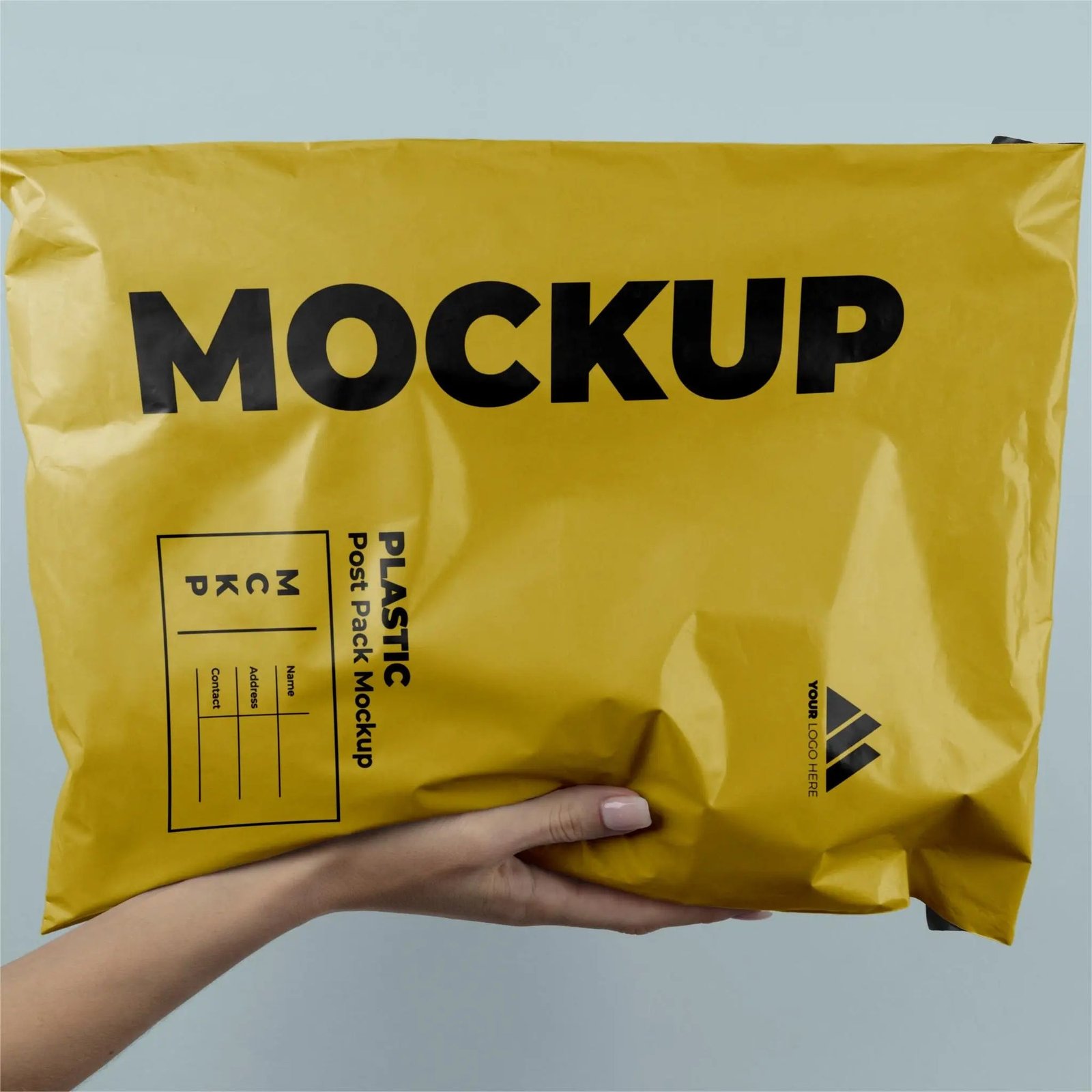
Complete your order with custom polybags, tissue, stickers, carton markings, or retail presentation packaging. Packaging specifications can be aligned with your labeling, fulfillment process, and export requirements for a consistent unboxing experience.
About JUNSHEEN Custom Jeans
Founded in 2010 in Humen Town, Dongguan, JUNSHEEN helps fashion brands turn denim concepts into production-ready custom jeans. Our one-stop OEM, ODM and private-label team supports everything from technical review and fabric sourcing to sampling, bulk production, quality control and global export.
With 200+ skilled workers and monthly capacity above 80,000 units, we serve emerging labels, independent designers, wholesalers and established brands worldwide. Programs start from 100 units per style and color, giving capsule collections and scalable denim lines a practical path to market.
Our difference is a fit-first manufacturing approach. From XS through 3XL, including extended-size, plus-size and modern oversized fits, we refine patterns, rise, proportions and grading instead of simply enlarging a base size—helping brands achieve more consistent custom jeans across their size range.

Custom Jeans Fit, Development and Production
Fit-First XS–3XL Grading
JUNSHEEN develops custom jeans with size-specific pattern adjustments from XS through 3XL, including extended-size, plus-size and oversized fits. Our pattern makers refine rise, hip balance, thigh ease, inseam and mobility instead of simply enlarging a base size.
- Normal, extended-size and oversized fit development
- Rise, thigh, hip and leg proportions refined by size
- Graded size sets available before bulk approval
- Pattern records retained for future programs

From Tech Pack to Sample
Bring a complete tech pack, sketch, reference garment or product idea. Our development team reviews construction, measurements, fabric weight, stretch, trims and wash direction, then turns the concept into production-ready custom jeans through prototype and fit-sample approvals.
- Feasibility and specification review
- Denim, stretch denim and trim sourcing support
- Pattern creation and prototype sampling
- Size-set and pre-production approval

Integrated Denim Finishing
Keep denim construction, decoration and finishing coordinated within one manufacturing workflow. JUNSHEEN supports stone wash, enzyme wash, acid wash, garment dye, brushing, embroidery, printing, labels and custom hardware, helping each custom jeans style achieve its intended hand feel and identity.
- Stone, enzyme, acid and garment-dye washes
- Embroidery, patches and specialty print effects
- Custom buttons, rivets, zippers and leather labels
- Finishing selected for durability and wash performance

Repeatable Bulk Consistency
From 100 units per style and color to ongoing bulk orders, JUNSHEEN maintains retained patterns, graded size sets and material records for reliable reorders. In-line checks and final inspections verify measurements, construction, decoration and packed goods before global shipment.
- Low MOQ from 100 units per style/color
- 200+ skilled workers and 80,000+ monthly capacity
- Incoming, in-line and final quality inspections
- Retained specifications for faster repeat orders

Why Choose JUNSHEEN for Custom Jeans
Evidence-led manufacturing support for denim programs that need reliable fit, quality and scale.
← 左右滑动查看 →
Our Custom Jeans Production Process
A clear, fit-focused workflow for developing private-label denim from first feasibility review through export-ready delivery.
Review Feasibility and Specs
Share a tech pack, sketch, reference garment, or idea. Our team reviews construction, target pricing, MOQ, fit requirements, and production feasibility.
Source Denim and Trims
We recommend denim weight, stretch, wash potential, labels, hardware, and trims according to your hand feel, durability, brand direction, and budget.
Build Patterns and Samples
Pattern makers develop and grade fits from XS to 3XL, then produce prototypes and size sets for measurement, mobility, wash, and approval review.
Confirm Bulk Production Details
After sample approval, we lock materials, grading, washes, decoration, packaging, quantities, and delivery requirements before issuing the production schedule.
Produce and Inspect Every Stage
Skilled teams cut, sew, wash, finish, decorate, and label your custom jeans while inspections cover fabric, construction, measurements, fit, and packed goods.
Pack and Ship Globally
Approved orders receive branded packing and export coordination. We arrange global shipment support so your denim program arrives ready for retail, wholesale, or fulfillment.
How to Start Your Custom Jeans Project
Move from concept to production-ready denim with clear development milestones, fit-focused sampling and scalable manufacturing from 100 units per style and color.
Send Your Concept
Share a tech pack, sketch, reference garment or mood board. Our team reviews construction, fit targets, washes, fabrics, trims and private-label requirements.
Review Quote and Sample
Confirm the recommended materials, MOQ, pricing and timeline, then review a prototype sample for measurements, rise, silhouette, wash effects and workmanship.
Approve Production Details
Finalize graded XS–3XL specifications, size set, denim fabric, hardware, labels, packaging and pre-production sample before bulk manufacturing begins.
Launch Bulk Manufacturing
JUNSHEEN manages cutting, sewing, washing, decoration, quality control and export coordination, keeping your custom jeans program consistent as volumes grow.
Custom Clothing Manufacturer Credentials and Compliance Documents



Custom Jeans Results From Global Fashion Brand Partnerships
JUNSHEEN helped us launch our first 240-piece custom jeans capsule with a refined extended-size grade. We reduced fit revisions from three rounds to one and received bulk goods within our approved delivery window.
Our team moved from a reference garment to a 600-unit private-label denim program without losing the wash details we approved in sampling. The consistency across two colorways made our retail rollout much smoother.
The 100-unit MOQ gave us room to test a new fit before scaling. After selling through the first 200 units, we placed two repeat custom jeans orders with the same patterns, labels, and measurement standards.
Custom Jeans OEM FAQ
Clear answers on MOQs, sampling, production, sizing, payment, shipping, and confidentiality for denim programs.
What is the MOQ for custom jeans?
Can you make a custom jeans sample before bulk production?
How long does custom jeans production take?
Can you develop custom jeans in XS to 3XL or plus sizes?
What customizations can I add to my jeans?
What are your payment terms for an OEM denim order?
Do you ship custom jeans internationally?
How do you protect my custom jeans designs and brand information?
The Complete Buyer’s Guide to custom jeans
Use this practical framework to specify custom jeans, compare denim and construction choices, vet capable suppliers, estimate costs, and avoid production mistakes that can delay launches or compromise your brand’s quality standards.
1. What Are custom jeans?
100 units per style and color is a practical small-batch starting point for custom jeans: denim developed or configured for a brand’s own sales program, rather than bought as generic ready-made stock. A buyer may specify silhouette, rise, inseam, graded size range, denim weight and stretch, wash, thread, hardware, pockets, labels and packaging; stock fabric, standard rivets, or existing wash recipes can be selected to control cost and timing. OEM means the factory makes jeans to the brand’s approved design and specifications, while private-label commonly applies the buyer’s identity to an established factory block or adaptable base style. Made-to-measure is an individual-body service and differs from brand production; small-batch manufacturing is an order scale, not a construction method. 1 tech pack converts intent into repeatable instructions: measurement chart, points of measure, bill of materials, Pantone references, stitch details, artwork and wash direction. A sealed fit sample or pre-production sample is the production benchmark, especially where stretch recovery, shrinkage, wash effect and size grading can change the final garment. 100-unit MOQs matter because mills, dye lots, wash trials and cutting efficiency create real setup costs. For a label, consistent fit and retained patterns, graded size sets and material records are what make a later reorder comparable to the launch run.
2. The Evolution of Denim Manufacturing
1873 marked the patenting of riveted waist overalls, establishing the hard-wearing logic behind denim workwear: durable cotton warp yarns, reinforced stress points, belt loops and the five-pocket layout that still anchors commercial jean development. For buyers, that heritage remains relevant because pocket placement, rise, yoke shape, inseam and bar-tack positions determine both recognizable value and fit performance. 1950s fashion denim turned utilitarian indigo into a product story, while stone washing, enzyme washing, bleaching, tinting and distressing later made finish a major design variable. A single base fabric can now support several retail identities, but wash development must be tested against shrinkage, seam abrasion, color transfer and measurement tolerance before bulk approval. 1980s stretch denim expanded the market beyond rigid five-pocket fits by combining cotton with elastane and refining recovery for skinny, curvy and comfort-focused silhouettes. Current private-label buyers expect low-MOQ programs from 100 units per style and color, traceable material choices, graded XS–3XL fits and faster sampling; a capable manufacturer should translate those needs into documented fabrics, approved wash standards, size sets and a differentiated custom jeans story rather than merely copying a reference garment.
3. Types of custom jeans
8 core formats cover most opening denim assortments: straight, slim, skinny, relaxed, wide-leg, flare, cargo, and shorts. For custom jeans, choose silhouettes by target customer, repeat demand, and the washes your factory can reproduce consistently.
| Format | Best Customer | Complexity | Wash Compatibility | Merchandising Role |
|---|---|---|---|---|
| Straight | Broad repeat buyer | Low | High | Core volume |
| Slim/Skinny | Body-conscious buyer | Medium | High with stretch testing | Fit-driven staple |
| Relaxed/Wide-Leg | Contemporary customer | Medium | High | Trend core |
| Flare/Cargo | Fashion or utility buyer | High | Medium to high | Statement piece |
| Shorts | Seasonal buyer | Medium | High | Warm-weather add-on |
Core Fits And Customers

2 dependable anchors are straight and relaxed fits; they suit broad age ranges, layer easily, and tolerate modest grading variation. 3 fashion-led options—wide-leg, flare, and cargo—create stronger visual distinction but need clearer proportion control around hem, knee, or pocket placement.
- Slim and skinny: body-conscious customers; stretch is usually essential.
- Wide-leg and flare: trend-led assortments; protect inseam and hem balance.
- Cargo: utility customer; pocket placement raises sewing complexity.
Fit And Pattern Control
1 base block should not be scaled blindly across every fit. Slim and skinny styles require precise hip, thigh, knee, and stretch-recovery specifications, while relaxed legs need controlled ease so they do not look oversized. 2 pattern areas add work on flares and cargo: the shaped leg opening or multiple cargo pockets. Shorts also require disciplined rise and inseam choices because a small change visibly alters the silhouette.
Opening Assortment Strategy
3 styles are usually a practical launch: one straight or relaxed core, one slim or skinny fit for a defined customer, and one wide-leg, flare, cargo, or short as a fashion signal. 100 units per style and color is Junsheen’s starting scale, so limit early colors and washes until fit approval and reorder data identify the winners.
4. Materials for custom jeans
12–14 oz denim (407–475 GSM) suits many premium custom jeans, but weight alone cannot predict fit or wear. Specify fiber content, weave, shade, finish, and wash target before approving yardage.
| Construction | Typical Weight | Hand Feel | Durability | Best End Use |
|---|---|---|---|---|
| 100% cotton rigid 3×1 | 12–14 oz / 407–475 GSM | Crisp, structured | High; fades visibly | Straight, vintage, workwear |
| Cotton-elastane stretch | 10–12.5 oz / 339–424 GSM | Flexible, close-fitting | Moderate; verify recovery | Slim, skinny, comfort fits |
| Selvedge rigid denim | 13–16 oz / 441–542 GSM | Dense, characterful | High | Premium limited runs |
| Recycled cotton blend | 11–13 oz / 373–441 GSM | Varies by blend | Test tear strength | Lower-impact collections |
Fiber And Stretch
100% cotton rigid denim develops pronounced fading and a structured break-in; ring-spun yarn usually gives a cleaner, stronger surface than open-end yarn. 1–3% elastane improves recovery and comfort, while polyester blends can add abrasion resistance. Confirm stretch percentage and growth after repeated wear, especially for skinny or extended-size fits.
Weave Weight And Edge

3×1 right-hand twill is the standard diagonal construction for jeans; 2×1 twill is lighter and more flexible. State weight in both ounces per square yard and GSM so mills and factories compare like for like. 28–32 inch selvedge denim has a finished shuttle-loom edge and higher yield loss. Non-selvedge denim is the practical choice for scalable 100-unit programs.
Color Finish And Verification

Indigo, black sulfur, ecru, and garment-dyed denim need separate wash approvals because color loss changes the final shade. Request a wash standard showing enzyme, stone, bleach, or resin effects. 3–5% residual shrinkage is common before stabilization, so test fabric and a sewn sample after the intended wash. Recycled or organic claims should be supported by supplier documentation, such as GRS or GOTS scope evidence.
5. custom jeans Customization Options
A 100-unit custom jeans program can still express a distinct point of view when the fit, wash, hardware, and branding are specified as one system. Lock the visual priorities before sampling so development time goes to the details customers will notice.
| Choice | Typical Route | Complexity | Approval Focus |
|---|---|---|---|
| Fit block | Existing or new pattern | Medium | Rise and movement |
| Pocket and waistband | New pattern pieces | Medium | Placement and symmetry |
| Custom hardware | Tooling development | High | Finish and attachment |
| Wash plus distressing | Laundry development | High | Shade and strength |
Fit And Pattern Decisions

Three measurements—rise, thigh, and leg opening—often change the silhouette more than a new wash. A tapered, wide-leg, flare, or relaxed pattern usually needs supplier pattern development, while a proven straight-fit block may only need grading adjustments. 1 fit sample should confirm front rise balance, back yoke shape, pocket placement, and mobility before size-set approval. Extreme low rises, rigid denim, and tight leg openings can reduce comfort and increase seam stress.
Branding And Surface Detail

5 standard components—metal shank buttons, rivets, zipper tape, woven labels, and hang tags—can be selected quickly from supplier options. Custom logo buttons, leather patches, embossed hardware, unusual pocket shapes, and proprietary embroidery need artwork, tooling, or strike-offs. 2 decoration layers can be workable, but embroidery over heavily washed areas may pucker and print adhesion can vary after abrasion. Approve patch position, thread colors, logo scale, and wash interaction on the finished sample.
- Standard hardware shortens sourcing time
- Custom metal molds add development steps
- Labels need wash-care and fiber content review
Wash And Distressing Approval

3 wash checkpoints—pre-wash, development wash, and sealed approval sample—help control shade, shrinkage, and hand feel. Enzyme, stone, acid, bleach, tint, whiskering, hand sanding, and repair effects should be evaluated on the selected denim weight and stretch content. 1 distressed location can look intentional on a sample yet weaken a knee or pocket edge after wear. Reinforcement, backing fabric, bartacks, and controlled abrasion protect durability, but layered washes plus hand distressing add labor and lead time.
6. Construction Quality for custom jeans
Construction quality becomes visible long before final inspection: it should be specified in the tech pack, proven on the development sample, and checked throughout bulk sewing and washing. For custom jeans, repeatable fit and durable hardware matter more than a visually convincing first sample.
Stitching And Reinforcement

8–10 stitches per inch is a common denim benchmark for durable lockstitch seams; specify the seam construction for inseams, outseams, yokes, and waistband attachment. Double-needle fell seams should lie flat without roping, skipped stitches, or exposed raw edges. 6–8 bartacks typically reinforce stress points such as pocket corners, fly base, belt loops, and crotch intersections. Ask the factory for a marked reinforcement map and whether bartack length, thread color, and stitch count are controlled in-line.
- Confirm seam type on every construction callout
- Check bartacks at all load-bearing points
- Inspect thread tension inside and outside seams
Hardware And Pocket Checks

1 functioning zipper, button, and rivet set must be tested after washing, not merely before assembly. Specify zipper brand or performance standard, button pull resistance requirement, rivet finish, and any nickel-free or compliance needs. 2 back pockets should match in height, angle, spacing, and embroidery placement when laid flat. Ask for a pocket-placement template and the allowable deviation from the center back and yoke seam.
- Does the zipper run smoothly after wash treatment?
- Are buttons securely clinched without fabric damage?
- Is pocket placement checked before final pressing?
Fit, Wash, And Bulk Control
±0.5–1.0 cm is a practical tolerance range for many critical finished-garment points, while inseam tolerance should be explicitly approved by size. Measure waistband shape, front and back rise, thigh, knee, leg opening, and inseam after the specified wash. 3 bulk checkpoints—first output, mid-production, and final packed goods—help expose drift in shrinkage, shade, and measurements. Ask whether the factory retains an approved wash standard and records measurements by size and lot.
- Compare bulk garments against the sealed approval sample
- Review wash shade under consistent lighting
- Request measurement reports for every graded size
7. How to Choose a Manufacturer
A 100-unit MOQ can suit a capsule, but it does not prove that a supplier can execute custom jeans reliably. Evaluate the production system behind the quote: denim expertise, controlled development, documented quality, and shipment discipline.
Match The Business Model
Three supplier models create different control points. A factory owns production decisions; a trading company coordinates factories; a sourcing agent represents the buyer across suppliers.
| Model | Best Use | Buyer Check |
|---|---|---|
| Factory | Technical denim development | Visit or verify production lines |
| Trading company | Broad sourcing access | Identify the actual factory |
| Sourcing agent | Independent coordination | Confirm inspection scope and fees |
Verify Denim Development

8–14 oz denim, stretch recovery, pocket construction, rise balance, and graded measurements should be discussed before sampling. Request pattern capability, wash-development options, and size-set approval—not just a reference-garment quotation.
- Ask for fabric composition and shrinkage data
- Review wash test samples under agreed standards
- Approve measurements for every production size
Test Process And Communication
One prototype and one pre-production sample are common control gates for a new style. Require a dated critical path covering fabric approval, trims, wash, sample comments, bulk start, final inspection, and export booking.
- Named contact with response expectations
- Written sample revisions and cost changes
- Pantone, trim, and label approvals retained
Request First-Order Evidence
Before a first production order, request recent denim sample photos, fabric test reports, factory or third-party audit documents where required, and an inspection checklist. Confirm capacity, export documents, payment milestones, defect handling, and final-balance timing in writing.
- QC report with measurement tolerances
- Compliance certificates applicable to your market
- Packing list, commercial invoice, and shipping plan
8. Common custom jeans Sourcing Mistakes
A 100-unit MOQ makes denim testing accessible, but it does not remove development risk. Most costly custom jeans errors begin when a visual reference is treated as a complete production specification.
Copying Fit Without Grading
XS–3XL fit cannot be created by enlarging one reference jean; rise, thigh, knee, and inseam proportions must change deliberately. Poor grading drives returns and expensive remake requests. A graded size chart and fit sample should be approved before bulk cutting. Review movement, waistband balance, and key measurements on the intended size range.
Approving Color And Wash Digitally

Pantone screens and product photos cannot reliably show indigo cast, abrasion contrast, or pocket-edge tone. A digital-only approval can leave bulk goods visibly different from the sales imagery. A physical lab dip and washed garment sample should set the approval standard. Specify wash placement, whisker direction, hand sanding level, and acceptable shade variation.
Buying Fabric On Price Alone

10–14 oz denim may share a weight range while differing sharply in yarn quality, stretch recovery, shrinkage, and dye fastness. The cheapest fabric can create bagged knees, color bleed, or inconsistent replenishment. A fabric card should state composition, ounce weight, stretch percentage, shrinkage allowance, and wash test result. Compare landed performance, not just the per-yard quote.
Skipping Production Controls

3–8% denim shrinkage after washing can invalidate a pattern when it is ignored. Skipping a pre-production sample risks discovering measurement or trim errors after hundreds of units are finished. A signed pre-production sample should confirm fabric, wash, measurements, labels, hardware, and packing before bulk production. Low MOQ supports smaller launches, not instant delivery; allow time for sourcing, sampling, washing, and final inspection.
9. Steps to Launch Your Brand
A 100-unit-per-style launch needs a controlled sequence, not a mood board handed to a factory. Assign one brand-side approver for design, fit, cost, and shipment decisions before development begins.
Define Customer And Range
Two customer profiles are enough for a first drop: document target fit, price, occasions, competitors, and unmet needs. Limit the opening range to 2–4 silhouettes with deliberate washes, inseams, and size coverage. One assortment sheet should name each SKU, color, planned units, target retail price, and margin target. The brand owner must freeze the range before requesting quotes.
- Customer profile and competitor price audit
- SKU, wash, size, and color plan
- Target cost and retail-price guardrail
Build Production-Ready Tech Packs
One tech pack per style should specify flats, point-of-measure chart, graded size range, construction callouts, wash reference, Pantone colors, labels, and packaging. Reference photos alone cannot define a repeatable jean. Two files deserve version control: the measurement specification and the approved bill of materials. The designer owns creative approvals; the production lead records every change.
- Front and back flats
- Measurement chart with tolerances
- BOM for fabric, hardware, labels
- Wash and trim reference images
Sample, Fit, And Approve
Two to three sample rounds are common when a new fit, wash, or stretch denim is involved. Review each sample against the tech pack, then issue dated comments rather than verbal instructions. One size-set approval is the decision gate before bulk cutting. Confirm rise, hip, thigh, inseam, wash appearance, shrinkage, and pocket placement on relevant fit models.
- Approve fabric and trim swatches
- Log measurement deviations
- Sign off on size set and pre-production sample
Control Bulk And Launch
Three checkpoints protect the delivery plan: pre-production approval, in-line measurement review, and final packed-goods inspection. Keep approved samples, grading files, wash standards, and inspection reports with the purchase order. One shipping brief should confirm carton marks, quantities, destination, Incoterm, booking deadline, and required documents. Release launch photography and product pages only after final color, fit, and delivery dates are confirmed.
- Purchase order and approval log
- Inspection standard and defect limits
- Packing list, invoice, and shipping instructions
10. custom jeans Pricing and Cost
100 units per style and color is a practical low-MOQ starting point for custom jeans, but the first run carries pattern, grading, sample, and wash-development costs. Unit cost falls as fabric purchasing, cutting, washing, and packing are spread across more pairs; reorders using retained patterns and approved materials usually remove much of that setup. $12–$32 per pair is a useful planning range for factory pricing before freight, duties, and destination charges. Lightweight rigid denim, standard five-pocket construction, and basic labels sit lower; stretch denim, heavy washes, custom hardware, leather patches, branded packaging, testing, and complex distressing raise cost. 2–8 weeks is typical from approved pre-production sample to packed bulk goods, depending on fabric availability and laundry capacity. Final quotes should be based on the approved specification, quantity by color, wash standard, packing method, Incoterm, testing needs, and delivery destination.
| Quantity tier | Indicative factory price per pair | Development/setup | Typical bulk lead time |
|---|---|---|---|
| 100–299 units | $22–$32 | $250–$800 for pattern, sample, grading, wash trials | 6–8 weeks |
| 300–999 units | $16–$26 | $150–$500; shared across the order | 5–7 weeks |
| 1,000–2,999 units | $13–$22 | $100–$350; lower repeat setup | 4–6 weeks |
| 3,000+ units | $12–$19 | Usually limited to new wash, trim, or packaging development | 4–6 weeks |
Ready to Develop Your Custom Jeans Collection?
Send your tech pack, reference garment or product idea for a tailored quote backed by fit-focused development and 100-unit MOQs.