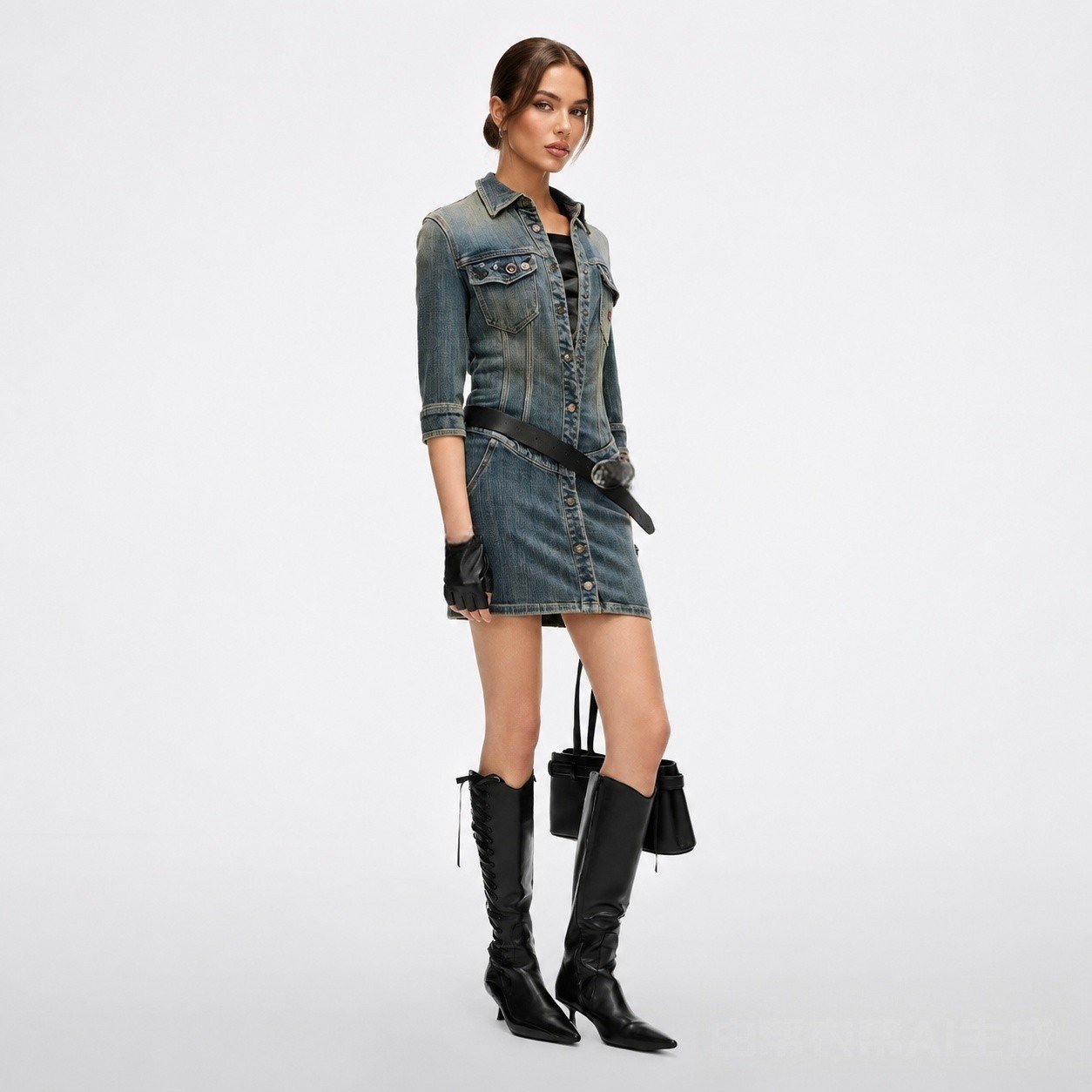
Approve a denim wash as a controlled range, not a single attractive sample. The standard must cover shade, cast, hand, abrasion placement, measurements, skew or leg twist, seam puckering, trims and care performance. Because denim color and finish vary with fabric lot, garment loading, chemistry and mechanical action, one photograph cannot release bulk.
Use production fabric and the intended garment construction through the custom jeans program. Seal a physical wash standard plus acceptable light/dark range, then measure and inspect bulk across lots and wash loads.

Wash Approval Has Several Independent Axes
| Axis | What to approve | Common hidden risk |
|---|---|---|
| Shade and cast | Overall depth, hue and contrast | Light source or camera alters perception |
| Abrasion | Whiskers, fades, grinding and placement | Pattern/size shifts effect location |
| Hand | Softness, fullness, surface character | Softener hides weak construction or changes later |
| Dimensions | Before/after points and tolerance | Length and width move differently |
| Shape | Skew, twist, seam balance | Flat measurements pass while legs rotate |
| Trims | Zipper, tack, button, patch and labels | Chemistry corrodes or stains components |
| Care | Appearance after supported procedure | First wash releases excess dye or changes hand |
Approve each axis separately. A beautiful shade cannot compensate for unsafe hardware or unacceptable twist.
Lock the Raw Inputs
Record fabric mill and article, composition, weight method, weave, yarn, stretch, greige or pretreated condition, color lot and finish. Identify sewing thread, pocketing, interlining, labels, leather or alternative patch, metal trims and print/embroidery.
Different fabric lots can wash to different shades under the same recipe. A substitute with matching composition may have different dye, yarn or shrinkage behavior. Resample changed inputs.
Create a Wash Recipe and Process Identity
The supplier should control the named sequence, machine type, load condition, chemistry, temperature, time, mechanical action, rinse, extraction, drying and finishing as commercially appropriate. Buyers do not need unsafe proprietary chemical detail exposed publicly, but they do need traceability and restricted-substance compliance.
Avoid approval language such as “wash a little lighter.” Use the numbered standard, target range and placement map. Record recipe version and sample ID.
Shade Approval Requires Controlled Viewing
Compare samples under defined lighting with a neutral background. Review face, seams, pockets, waistband and folded areas. Phone photos vary with exposure, white balance and display; use them for communication, not final color approval.
Create target, light-limit and dark-limit garments where variation is inherent. Decide whether cast differences are acceptable. Keep standards protected from light, washing and handling, and replace them through controlled approval when they age.
Review all colorways and fabrics separately. Black denim, indigo and colored denim do not share one visual scale.
Abrasion and Fashion Effects Need a Placement Map
Whiskers, sanding, grinding, laser effects, distressing and hand scraping should align with body landmarks and pattern pieces. Mark distances, size, direction, intensity and protected zones. Effects near pockets, seams and stress points can weaken the garment.
Grade placement by size where necessary. A fixed whisker template can sit too low or wide on another size. Check front and back on a body or form.
Distressed openings need reinforcement and durability review. Loose threads, sharp trim exposure and uncontrolled tear growth are defects, not authenticity.
Measure Before and After Wash
Define points for waist, hip, rise, thigh, knee, inseam, outseam, leg opening and any style-specific dimensions. State closure, waistband state and smoothing method. Use the same conditioned method before and after wash.
ISO 5077 describes dimensional-change determination after washing and drying; see the ISO 5077 overview. Pair it with a specified procedure such as those described in ISO 6330, because machine and drying choices affect results.
Pattern compensation must be based on evidence from the production route. Do not add one shrinkage percentage to every dimension.
Check Skew and Leg Twist
Denim can show seam rotation or leg twist after laundering because of fabric and garment torque. Measure and visually assess both legs from stable landmarks. Decide whether any intentional twist is part of the design.
ISO 16322-3 specifies procedures for measuring spirality or torque of woven and knitted garments after domestic laundering and notes that some denim constructions can have intentional spirality. See the ISO 16322-3 overview.
Report method and result rather than writing “no twist.” Different procedures may not be comparable.
Hand Feel Must Be Anchored
Soft, dry, papery, full and smooth are useful design words but poor production limits on their own. Use a physical standard and a small trained approval group. Note whether finish changes stretch, recovery, seam strength or absorbency.
Excess softener can create an impressive first touch but affect odor, staining, print adhesion or later care. Evaluate after the intended consumer wash, not only immediately after factory finishing.
Inspect Trims After the Full Wash
Metal buttons, rivets, zippers and tacks can corrode, change color, loosen or stain fabric. Patches and labels can curl, bleed or harden. Pocketing and sewing thread may change shade differently from denim.
Test the assembled garment with final trims. Component certificates do not prove the complete wash interaction. Inspect sharp edges, pull security and function.
Strength and Construction Review
Mechanical abrasion and chemistry can weaken yarns and seams. Check high-stress points: pocket corners, fly, crotch, seat, belt loops, knees and distressed zones. Compare before/after appearance and agreed strength tests where risk warrants.
Seam puckering may be an intentional vintage effect, but uncontrolled roping, skipped stitches or broken thread should be classified. Define acceptable visual character with physical limits.
Care Label and Consumer Wash
The factory wash does not replace consumer-care testing. Apply the supported care procedure to approved garments and reassess shade, staining, dimensions, twist, trim and hand.
For U.S. apparel, the FTC requires a reasonable basis for care instructions and considers the garment as a whole. See the Care Labeling Rule guidance. If denim transfers color, appropriate truthful warnings and testing need legal/compliance review.
Build a Wash Trial Matrix
Hold fabric and construction constant while comparing controlled recipe changes. Include a raw or earlier-stage reference. Number every sample and record actual changes.
Score:
- shade and cast;
- contrast at seams and abrasion;
- hand and surface;
- measurements and shape;
- twist/skew;
- trim appearance and function;
- defects and repairability;
- care-test result.
Choose the complete result, not the lightest or softest swatch.
PP and Size-Set Approval
The PP garment should contain production materials, construction, trims, artwork and wash. Declare any exception. Approve on-body fit after wash.
Use a risk-based size set to verify shrinkage, abrasion placement and proportion at extremes. Larger garments may behave differently in the wash load, and fixed templates may not grade. Lock size-specific effect maps where needed.
Bulk Wash Controls
Identify wash loads, fabric lots and production dates. Approve first bulk output before the run progresses. Pull pieces from different machine loads and positions; do not select only the best-looking garments.
Compare bulk to target and range standards under controlled light. Measure a defined sample per size/lot, review twist, and inspect trims. Track rewash or rework separately because repeated processing can change strength and shade.
Final Inspection Checklist
- Correct style, size and wash standard.
- Shade within approved range, with no mixed cast in one shipment.
- Abrasion and distressing in approved zones.
- Measurements and shape within specification.
- Leg twist/skew within agreed method and limit.
- No unacceptable holes, weak seams or broken stitches.
- Hardware secure, functional and free of harmful edges.
- Labels, patches and pocketing clean and stable.
- No objectionable odor, residue or uncontrolled staining.
- Packing segregates lots where required.
Reorders
Confirm fabric lot, dye route, trim sources and wash recipe before repeating. Review retained standards for aging. Run a confirmation sample when inputs or equipment change.
Do not force a new fabric to match an old sample through progressively harsher washing without reviewing strength, hand and compliance. The target is a saleable garment, not shade at any cost.
Frequently Asked Questions
Can a wash be approved from photos?
Photos can screen placement and gross shade, but they cannot reliably approve hand, exact cast, dimensions, strength or trim interaction. Use physical samples for final approval.
Why do two garments in one recipe look different?
Fabric lot, load, machine action, placement, chemistry, drying and construction can vary. Trace the load and compare process records before changing the standard.
Is leg twist always a defect?
Not always; some denim constructions or designs intentionally show it. The brand must define intent, method and acceptable range before bulk.
Should bulk match one golden sample exactly?
Use a target plus approved limits where normal variation exists. Exact visual identity may be unrealistic, but uncontrolled variation is not acceptable.
Final Decision Rule
Approve denim wash through a traceable recipe, physical target and range, measured after-wash fit, twist method, trim review and consumer-care evidence. Then sample across bulk loads and lots. Shade is only one dimension of quality; the approved garment must also remain wearable, functional and reproducible.
Archive raw-fabric identification, recipe version, PP and range standards, size-set results, measurement sheets, twist method, trim approvals, care test and bulk-load log. When a customer reports variation, this packet lets the team trace fabric and wash history instead of judging an isolated phone photo. Reorders should reference the same packet and document any permitted change. Physical standards alone fade and age; data alone cannot reproduce hand, so keep both under controlled storage.