Organic Cotton Fabric OEM From 100 Units
Source organic cotton fabric and launch private-label apparel with fit-led XS–3XL development, flexible 100-unit MOQs, and global production support.
Featured Products for organic cotton fabric Development

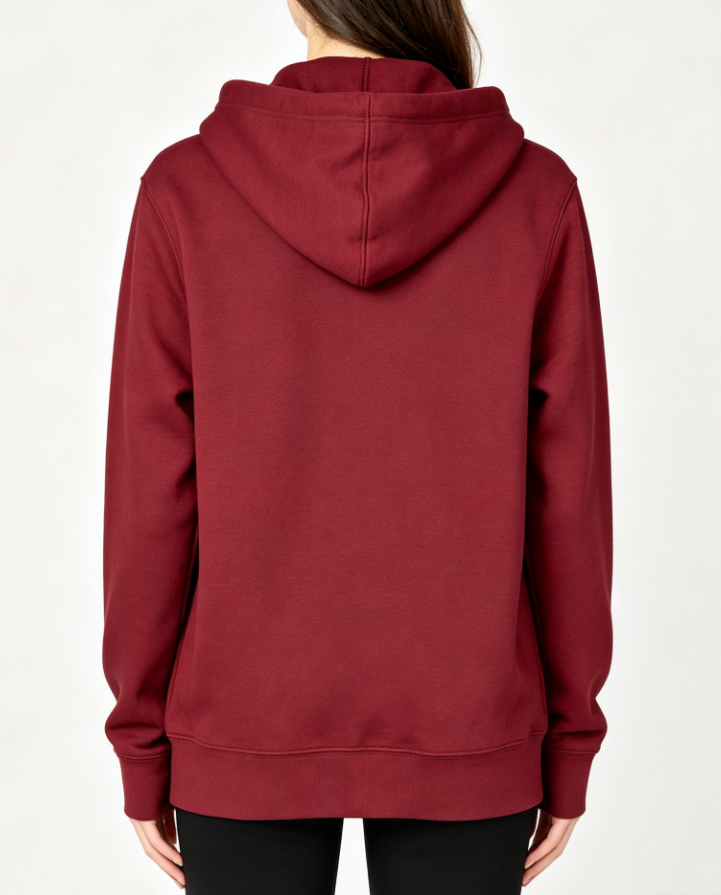


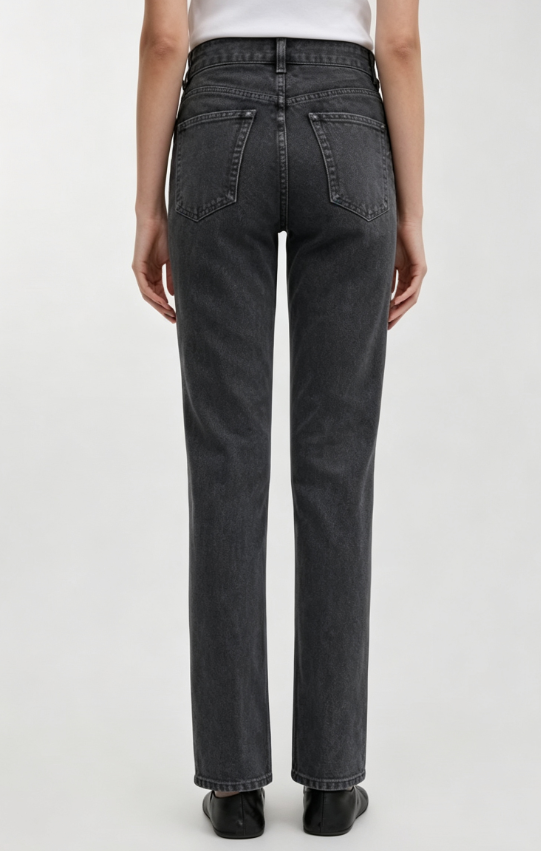

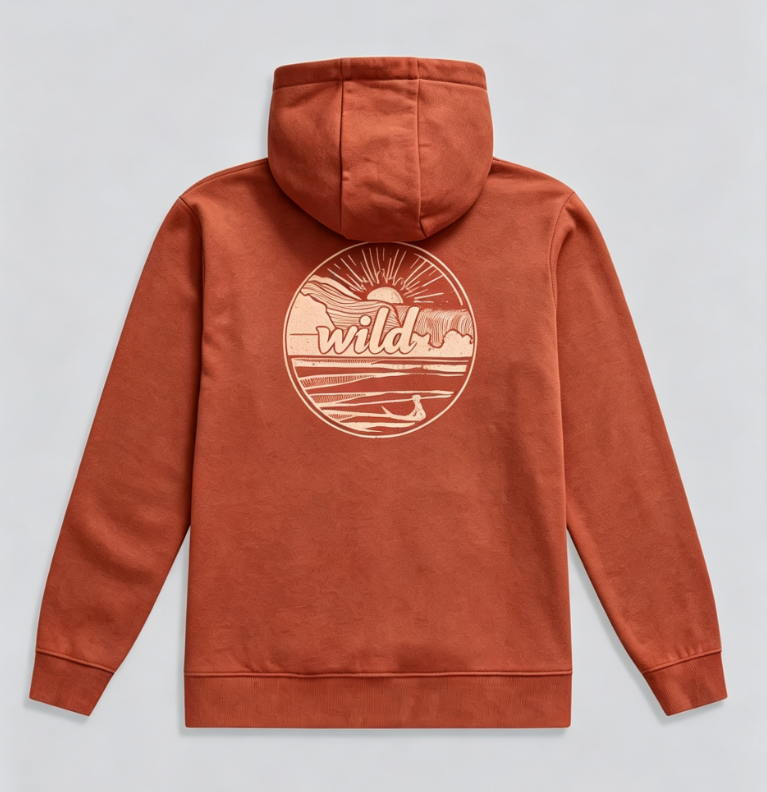
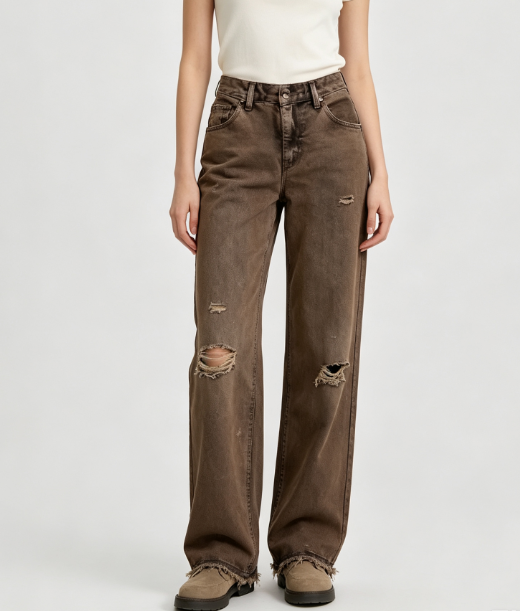
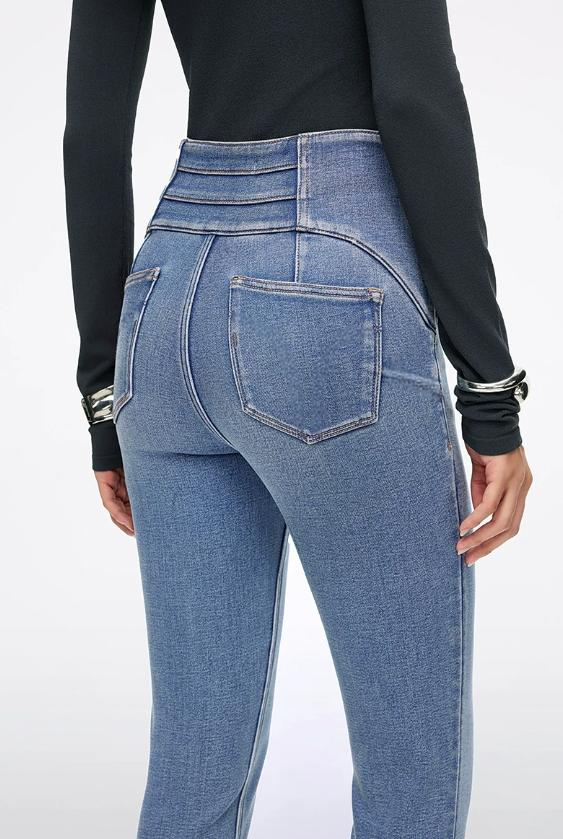
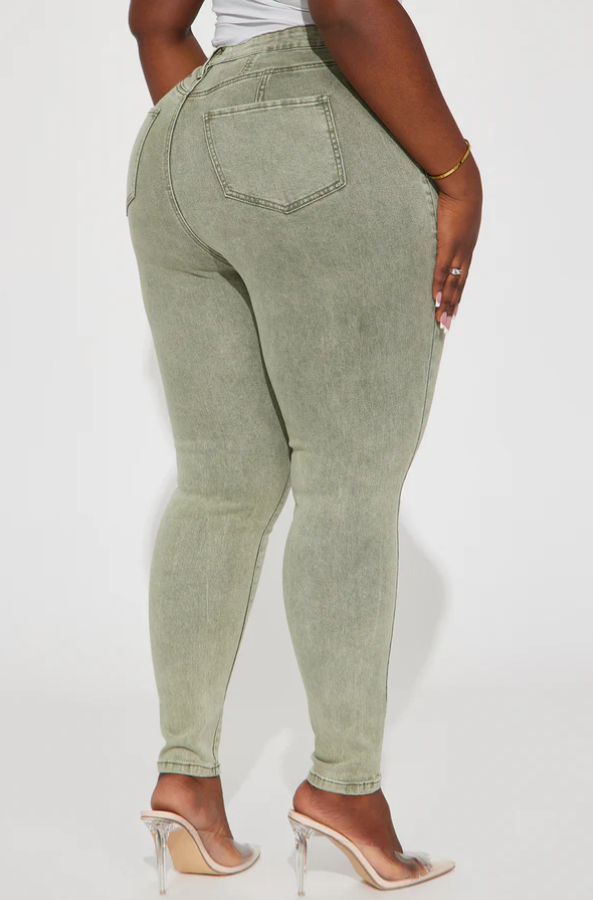
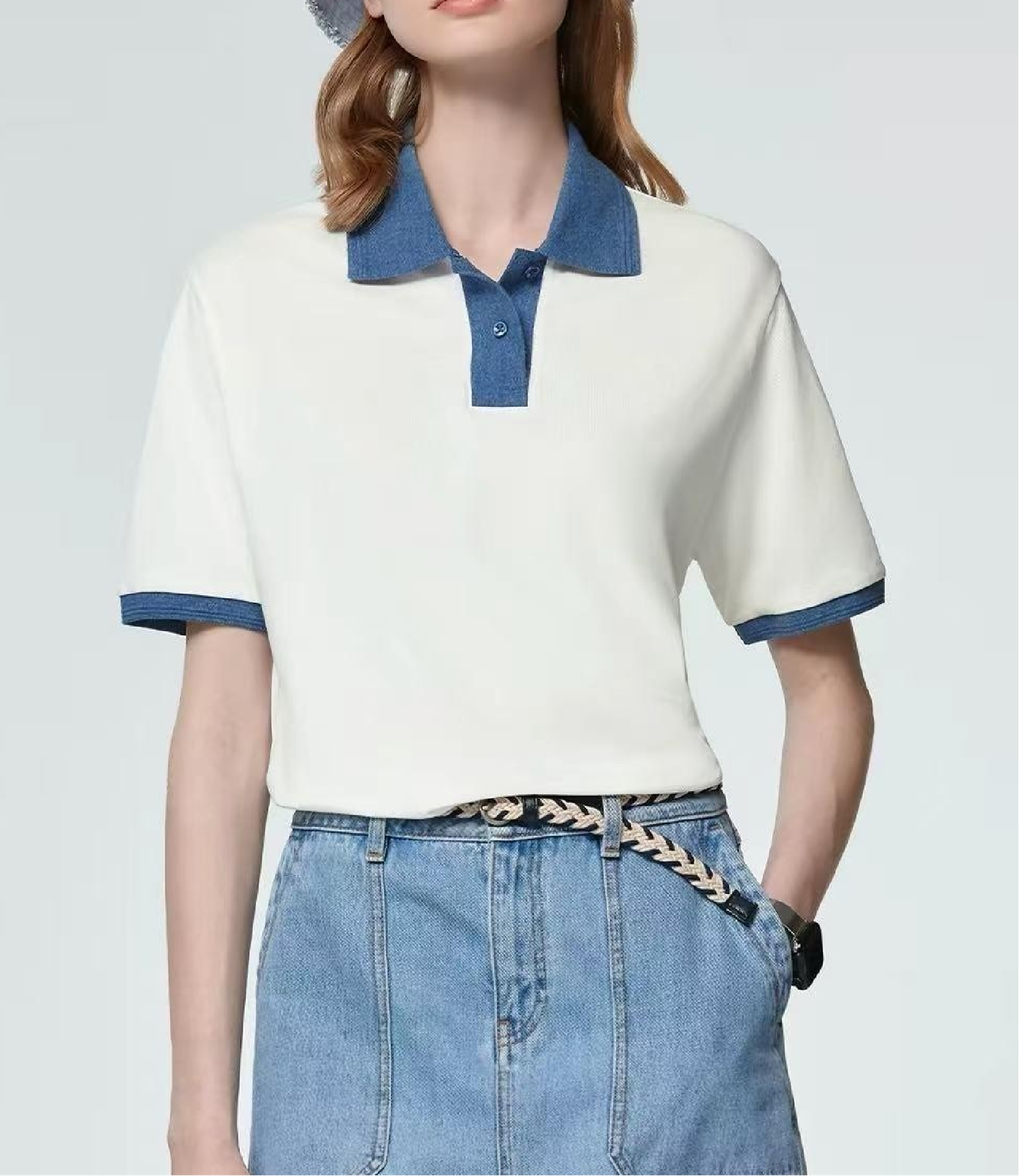


Related Product Catalogue and Quotation






Why Source Organic Cotton Fabric With JUNSHEEN
Integrated development, fit control, decoration and export coordination for apparel programs that start lean and scale confidently.
100-Unit Starting MOQ
Launch organic cotton fabric apparel from 100 units per style and color, ideal for capsules, market tests, and focused private-label drops.
Integrated OEM and ODM
Move from tech pack, sketch, reference garment, or concept through fabric sourcing, patterns, samples, production, and branded packaging.
Fit Grading XS–3XL
Build consistent normal, extended, plus-size, and oversized fits with proportion-aware patterns, mobility checks, and refined grading across the size range.
Scalable Production Capacity
Rely on 200+ skilled workers and monthly capacity above 80,000 units as successful organic cotton programs grow beyond initial runs.
In-House Decoration Options
Add embroidery, screen printing, DTG, DTF, washes, custom labels, trims, and packaging without splitting your apparel program across suppliers.
Global Export Coordination
Keep overseas orders organized with quality inspections, export support, and responsive production coordination for brands sourcing across international markets.
Organic Cotton Apparel Categories We Manufacture
Fit-focused OEM, ODM and private-label development for organic-cotton-compatible casualwear, denim, knitwear and outerwear programs from 100 units per style and color.
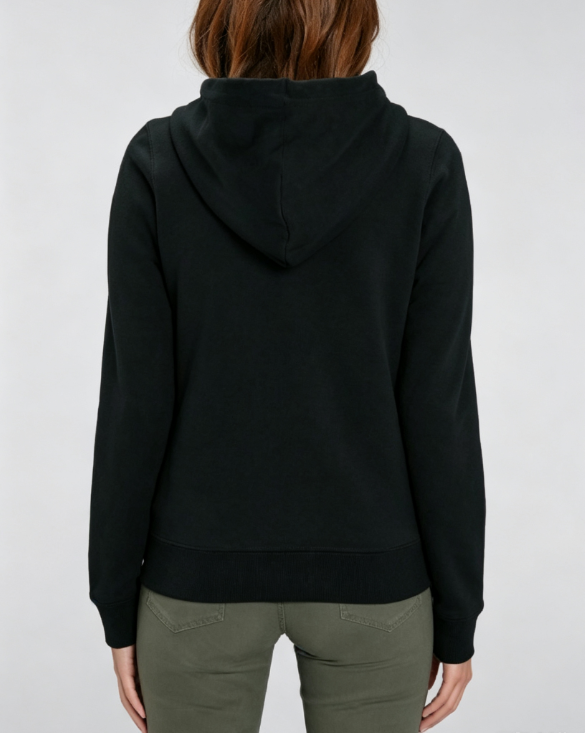
Custom Hoodies
Develop custom hoodies in organic cotton-compatible fleece or French terry, with controlled weight, brushed or unbrushed interiors, fit grading from XS–3XL, and in-house embroidery, printing, labels and packaging for launch-ready private-label programs.
Request a Quote
Custom T-Shirts
Produce custom T-shirts in organic cotton-compatible jersey, from lightweight fashion tees to heavier premium blanks. Junsheen supports pattern development, neck-rib selection, size grading, screen printing, DTG, embroidery and branded finishing from 100 units per style and color.
Request a Quote
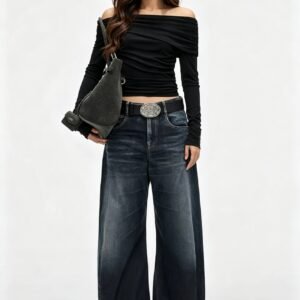
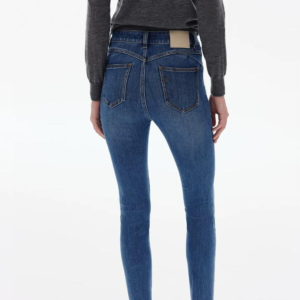
Custom Jeans
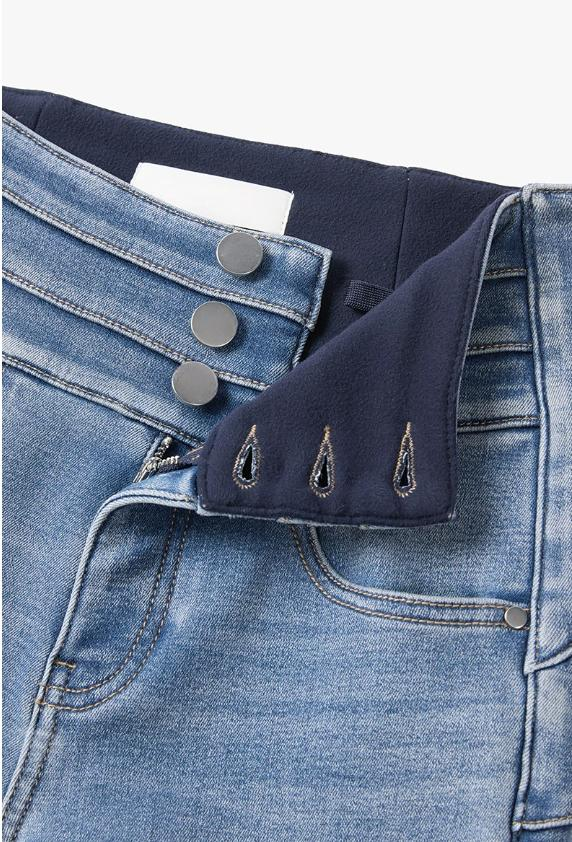
Manufacture custom jeans with fabric sourcing, pattern engineering and wash development coordinated in one process. Options include rigid or stretch denim, organic-cotton-compatible blends, extended-size grading, custom hardware, labels, embroidery and stone, enzyme or garment washes.
Request a Quote
Custom Sweaters
Source turtle neck sweater bulk programs with yarn, gauge and construction matched to your target hand feel and price point. Our knitwear team develops ribbed necklines, shaped silhouettes, oversized fits, labels and graded XS–3XL size sets for repeatable bulk production.
Request a Quote
Custom Jackets
Build custom jean jacket programs with denim selection, pattern development, branded hardware and wash approvals managed before bulk production. Choose organic-cotton-compatible denim options, structured or relaxed fits, embroidery, patches, contrast stitching and private-label packaging.
Request a Quote
Custom Sweatshirts & Crewnecks
Develop custom crewneck hoodie and sweatshirt styles in organic cotton-compatible fleece or French terry. We refine neckline, rib recovery, body balance and sleeve proportions, then add screen printing, puff effects, embroidery, washes, labels and packaging for production-ready delivery.
Request a Quote
Custom Cardigans
Produce custom cardigans through sweater development that accounts for yarn composition, gauge, button placement, rib construction and size grading. Organic-cotton-compatible yarn options can be reviewed through swatches and samples before confirming a private-label bulk program.
Request a Quote
Custom Puffer & Down Jackets
Manufacture custom puffer jackets with development support for shell fabric, insulation, quilting layout, zippers, snaps and branded trims. Our team reviews construction and fit before sampling, helping brands move from a reference or tech pack into approved outerwear production.
Request a Quote
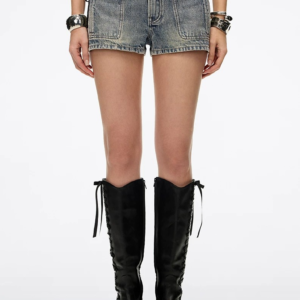
Custom Denim Shorts
Create custom jean shorts with denim sourcing, rise and inseam development, size grading and wash testing aligned to your market. Organic-cotton-compatible denim, stretch options, raw hems, distressing, embroidery, custom buttons and labels can be specified before bulk approval.
Request a Quote
Custom Sweater Dresses
Develop custom sweater dresses with yarn and gauge selection, body shaping, neckline construction and graded fit across XS–3XL. Junsheen supports organic-cotton-compatible knit options, modern oversized proportions, rib details, branded labels and sample approval before production.
Request a Quote
Custom Denim Sets
Produce mens denim suits wholesale programs with coordinated jacket and trouser patterns, consistent denim lots and repeatable wash standards. We support structured or relaxed silhouettes, custom hardware, embroidery, labels and packaging, beginning at low MOQs for new collections.
Request a Quote
Custom Polo Shirts
Manufacture custom polo shirts in organic cotton-compatible pique or jersey, with collar construction, placket details and fit grading engineered for your size range. Add embroidery, patches, contrast trims, custom buttons, labels and retail-ready packaging through one supply chain.
Request a Quote
Custom Sweatpants
Develop custom sweatpants in organic cotton-compatible fleece or French terry with fit-focused rise, leg shape, cuff and waistband specifications. Production can include drawstrings, zip pockets, embroidery, prints, garment dye, labels and matched hoodie or sweatshirt sets.
Request a Quote
Custom Shorts
Produce custom shorts across jersey, fleece, twill and woven constructions, with fabric weight and fit adapted to your intended season and customer. Organic-cotton-compatible materials, elastic waists, pockets, embroidery, printing, washes and private-label trims are available from 100 units.
Request a Quote
Custom Pullovers
Manufacture custom pullovers in knit, fleece or French terry constructions, with fabric or yarn selection matched to performance, hand feel and target cost. We support organic-cotton-compatible options, refined oversized or standard fits, decoration, labels and scalable bulk production.
Request a QuoteOrganic Cotton Fabric and Supporting Materials

Organic Cotton Jersey
Soft, breathable organic cotton fabric for premium T-shirts, polos, and lightweight layers. Available in varied GSM weights, it offers a clean natural hand feel and dependable print-ready surface.

Combed Cotton Jersey
Smooth, refined jersey suited to elevated tees, dresses, and close-to-skin basics. Combing removes shorter fibers for a softer hand feel, reduced pilling, and consistent knit appearance.

French Terry
A versatile loop-back knit for hoodies, sweatshirts, shorts, and relaxed sets. Its breathable interior and medium-to-heavy weight provide structure without the bulk of brushed fleece.

Brushed Cotton Fleece
Warm, plush fleece designed for cold-weather hoodies, joggers, and oversized casualwear. Brushing creates a soft inner surface while heavier GSM options improve insulation and shape retention.

Cotton Denim Twill
Durable woven cotton for jeans, denim sets, workwear jackets, and utility silhouettes. Twill construction gives diagonal texture, strong abrasion resistance, and compatibility with garment-wash treatments.

Stretch Cotton Blends
Cotton-rich blends with elastane or performance fibers for fitted tops, denim, and active-inspired casualwear. Controlled stretch improves recovery, mobility, and comfort across XS–3XL graded size ranges.
Organic Cotton Fabric Decoration and Finishing Options

Logo Embroidery
Flat, 3D puff, chain-stitch, and applique embroidery add a tactile, premium identity to organic cotton hoodies, polos, caps, and sweatshirts. Secure stitching and sample approval help maintain clean logos through repeated wear and washing.

Screen Printing
Water-based, plastisol, puff, flocking, silicone, high-density, foil, and discharge screen prints create bold graphics for organic cotton tees, fleece, and event merchandise. Junsheen matches ink effects to fabric weight, artwork detail, and target wash durability.

DTG and DTF
DTG and DTF printing support detailed artwork, tonal color transitions, and lower-volume branded runs without the setup needs of traditional screen printing. They are practical for organic cotton T-shirts, limited capsules, influencer drops, and complex multi-color designs.

Heat Transfer
Heat transfer applies precise logos, names, numbers, and graphic details where placement accuracy matters. It is well suited to organic cotton sportswear, promotional apparel, and small-batch private-label programs requiring crisp branding or personalized elements.

Garment Dye
Garment dye creates rich, lived-in color and subtle shade variation after an organic cotton garment is sewn. It works especially well for relaxed T-shirts, sweatshirts, and vintage-inspired collections seeking a softer hand and distinctive character.

Wash Finishing
Enzyme, softening, anti-pilling, acid-wash, stone-wash, brushing, and napping treatments refine organic cotton fabric hand feel and surface appearance. These finishes help brands develop softer everyday essentials, worn-in streetwear, or warmer fleece layers with controlled performance.
Custom Organic Cotton Fabric Trims, Labels and Packaging

Woven Brand Labels
Custom woven main labels give organic cotton fabric hoodies, tees and knitwear a durable branded identity. Choose your artwork, fold style, color palette and placement for neck seams, side seams or exterior signature details.

Wash-Care Labels
Printed or woven wash-care labels communicate fiber content, care instructions, sizing and required market information. Junsheen can apply approved label artwork during production to support organized private-label launches and repeat orders.

Custom Drawcord Tipping
Match drawcords, metal or dipped tips and eyelets to your collection direction for hoodies, sweatpants and shorts. Options are selected for hand feel, durability and coordinated branding across organic cotton fabric sets.

Zippers and Snaps
Specify branded zipper pulls, zippers, snap buttons and hardware finishes for jackets, outerwear, denim and utility styles. Junsheen sources trims to suit your target cost, construction requirements and visual identity.

Branded Patches Hangtags
Add embroidered, leather-look or custom patches alongside branded hang tags to make retail presentation more distinctive. These details work well for denim, caps, outerwear and casualwear collections seeking a finished private-label look.
Custom Branded Packaging
Complete packed garments with custom polybags, size stickers, barcode labels, tissue paper, cartons or presentation packaging. Packaging specifications can be coordinated with your labeling and export requirements before bulk production begins.
About JUNSHEEN Organic Cotton Manufacturing
Founded in 2010 in Humen Town, Dongguan, JUNSHEEN helps fashion brands turn organic cotton fabric concepts into production-ready casualwear. Our one-stop OEM, ODM and private-label supply chain brings development, fabric sourcing, pattern making, sampling, decoration, quality control, packaging and export support under one responsive manufacturing partner.
With more than 200 skilled workers and monthly capacity above 80,000 units, we support 100-unit MOQ capsule launches as confidently as scalable repeat programs. Our cut-and-sew and knitting capabilities cover organic cotton T-shirts, hoodies, sweatshirts, joggers, denim-adjacent casualwear, outerwear and knitwear for global labels.
What distinguishes JUNSHEEN is a fit-first approach from XS to 3XL. Rather than simply enlarging a base pattern, we refine proportion, mobility and grading across normal, extended-size, plus-size and oversized fits. That technical focus has helped us serve more than 2,000 fashion-brand clients with dependable, repeatable production.

Organic Cotton Fabric Development, Fit and Finishing
Swatches Built Around Your Brief
JUNSHEEN sources organic cotton fabric through established supplier networks, matching weight, hand feel, stretch, drape, wash performance and target cost to your garment. Review swatches and sample garments before bulk material confirmation, so collection decisions are based on tangible evidence.
- Organic cotton jersey, fleece, French terry and woven options
- Weight and hand-feel recommendations by garment category
- Swatch review before bulk fabric approval
- Material choices aligned with cost and wash targets

XS–3XL Fit That Performs
Our pattern makers develop organic cotton apparel from XS through 3XL, including extended-size, plus-size and modern oversized fits. They refine shoulder balance, sleeve length, rise, mobility and grading increments across the size set instead of simply scaling one base pattern.
- Fit-focused patterns for XS–3XL ranges
- Extended-size and plus-size grading support
- Prototype and size-set sampling available
- Fewer avoidable revisions before bulk production

Decoration and Finishing In-House
Bring your organic cotton collection to market with coordinated decoration, washing and private-label details under one production partner. JUNSHEEN manages embroidery, screen printing, transfers, garment dye, softening, labels, trims and branded packaging while keeping specifications aligned through sampling and production.
- Embroidery, screen printing, DTG and DTF options
- Garment dye, enzyme wash and softening treatments
- Custom labels, hang tags, trims and packaging
- One specification path from sample to packed goods
Records Ready for Repeat Orders
For repeat organic cotton fabric programs, JUNSHEEN retains approved patterns, graded size sets and material records to support greater consistency and faster reorders. Incoming fabric, in-line construction, measurements, decoration and final packed goods are checked throughout the production workflow.
- Approved patterns and grading retained
- Material and trim specifications documented
- Multi-stage quality control inspections
- Scalable production from 100 units per style and color

Why Brands Choose JUNSHEEN for Organic Cotton Fabric
One accountable manufacturing partner from fit development and documentation through quality control and scalable delivery.
← 左右滑动查看 →
Our Organic Cotton Fabric Apparel Production Process
A clear, fit-led workflow for turning your organic cotton collection into production-ready garments from 100 units per style and color.
Review Brief and Feasibility
We assess your tech pack, sketch, reference garment or concept, then confirm construction, target pricing, MOQ, timeline and manufacturability before development begins.
Source Organic Cotton Materials
Our team recommends organic cotton fabric weights, blends, trims and finishes based on hand feel, durability, drape, wash performance and your approved cost target.
Develop Patterns and Samples
Pattern makers create fit-focused XS–3XL graded patterns, prototypes and size sets, refining proportions, mobility and specifications until your sample receives approval.
Cut, Decorate and Assemble
After material approval, we cut and sew garments, then complete embroidery, printing, washing, finishing, labels and custom trims through coordinated in-house production.
Inspect, Pack and Ship
In-line and final inspections check fabric, construction, measurements, fit, decoration and packed goods before branded packaging and export support prepare orders for global shipment.
Start Your Organic Cotton Fabric OEM Project
Move from concept to export-ready bulk production with clear feasibility review, sample approval, fit-focused development, and dependable manufacturing support.
Send Your Product Brief
Share a tech pack, sketch, reference garment, mood board, or product idea. Our team reviews construction, fit requirements, organic cotton fabric options, and decoration details.
Review Feasibility and Pricing
Receive practical development guidance, material recommendations, MOQ confirmation, lead-time expectations, and a transparent quotation tailored to your target product, quantities, and private-label requirements.
Approve Samples and Fit
Review prototype samples, swatches, measurements, and graded sizing from XS–3XL. Refine proportions, trims, washes, or branding details before approving the production-ready specification.
Launch Bulk Production
After approval, JUNSHEEN coordinates fabric sourcing, cut-and-sew production, decoration, quality control, packing, and global shipment for consistent organic cotton apparel delivery at scale.
Custom Clothing Manufacturer Credentials and Compliance Documents



What Fashion Brands Say About Working With JUNSHEEN
Our first organic cotton hoodie capsule launched at the 100-unit MOQ after two sample rounds. The team adjusted the shoulder and sleeve proportions across XS–3XL, and we approved the final size set without the revisions we expected.
JUNSHEEN helped us refine the organic cotton fabric weight and wash before bulk production. Our repeat order increased from 300 to 1,200 units, and the fit measurements stayed consistent with the approved sample.
We needed a low-risk private-label launch with custom labels, embroidery, and organic cotton tees. The 100-unit starting order let us test three colorways, then scale the best seller into an ongoing production program.
Organic Cotton Fabric OEM FAQ
Clear answers for sourcing teams planning custom organic cotton apparel with JUNSHEEN.
What is the MOQ for organic cotton fabric apparel?
How long does an organic cotton fabric sample take?
How do you verify organic cotton fabric before production?
Can you protect our designs, tech packs and private-label details?
Can you develop plus-size and oversized organic cotton styles?
What payment terms do you offer for new OEM orders?
How long does bulk organic cotton fabric apparel production take?
Do you arrange international shipping and export support?
The Complete Buyer’s Guide to organic cotton fabric
Use this practical framework to compare organic cotton fabric options, verify supplier certifications and production capabilities, forecast costs, and avoid sourcing mistakes that compromise quality, compliance, or launch timelines.
1. What Is organic cotton fabric?
95% is the minimum certified-organic fibre content for a GOTS product labelled ‘organic’; GOTS also controls processing chemicals, wastewater treatment requirements, traceability and social criteria. Organic cotton fabric begins with cotton grown from non-genetically modified seed under approved organic farming rules, then moves through ginning, spinning, knitting or weaving, dyeing and finishing in a documented chain. 70% is the threshold for GOTS ‘made with organic materials,’ so an organic-fibre claim is not automatically a certification for the finished jersey, French terry, denim or fleece. A supplier may accurately offer certified organic cotton yarn while the selected mill, dyehouse, blend component, print or final fabric has no finished-product certification. 1 purchase order should therefore specify the fibre percentage, certificate scope, certifying body, transaction documentation, mill and fabric composition—not just an ‘eco’ description. For brands, organic cotton fabric can support a more substantiated material story and chemical-management review, but it does not by itself guarantee lower total impact, ethical labour at every facility, superior durability or recycled content; verify those claims separately before approving bulk material.
2. The Evolution of organic cotton fabric
2002 marked the start of the U.S. National Organic Program, while the Global Organic Textile Standard (GOTS) followed in 2006 to extend organic-fiber expectations into textile processing. Conventional cotton’s association with intensive pesticide, fertilizer, water, and wet-processing inputs pushed buyers to ask not only how fiber was grown, but also what happened after spinning, dyeing, and finishing. 2006 also changed sourcing conversations: a transaction trail became as important as a supplier declaration. For a finished organic cotton fabric garment, buyers should be able to match purchase orders, scope certificates, transaction certificates where applicable, fiber composition, mill records, and approved dye or auxiliary documentation across each handoff. 95% is the minimum organic-fiber content commonly associated with a GOTS labeled organic product, while products with at least 70% certified organic fibers follow a different GOTS labeling category. That distinction matters when comparing cotton-spandex jersey, recycled blends, rib trims, sewing thread, and labels; a broad organic claim should not mask non-organic components or uncertified processing. 2026 supplier selection therefore depends on evidence, not a fabric name on a quotation. Request the current certificate scope, certifier name, product and processing coverage, chemical-management records, traceability documents, and claim wording before approving hang tags or ecommerce copy; certification of fiber alone does not automatically substantiate every finished-garment claim.
3. Types of organic cotton fabric
Five constructions cover most organic cotton fabric programs, from soft jersey to durable denim. GSM, knit structure, and recovery should be specified before sampling, especially for extended-size fits.
| Construction | Typical GSM | Stretch | Best Use |
|---|---|---|---|
| Jersey | 140–220 | Light | Tees, polos |
| French terry | 240–360 | Moderate | Sweats, shorts |
| Fleece | 280–420 | Low | Hoodies, joggers |
| Rib | 220–320 | High widthwise | Trim, fitted tops |
| Twill/denim | 250–450 | Low to added stretch | Workwear, jeans |
Single Jersey

140–220 GSM jersey feels smooth, breathable, and lightly stretchy; use it for T-shirts, polos, and layering pieces. Specify ring-spun yarn, shrinkage tolerance, and elastane only where recovery matters.
French Terry
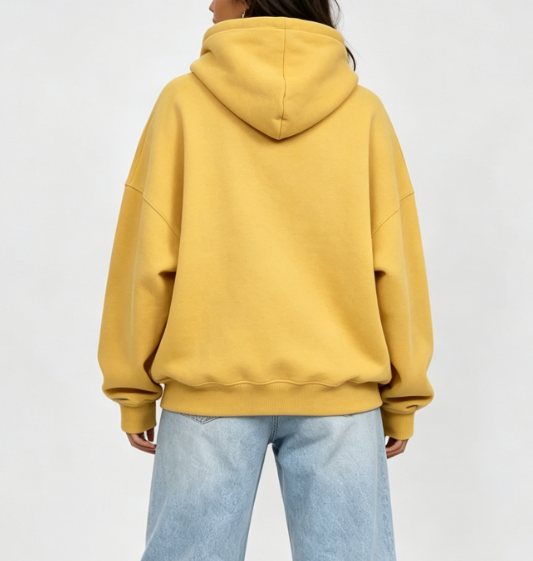
240–360 GSM French terry has a looped back, moderate stretch, and year-round comfort for sweatshirts, shorts, and lightweight hoodies. Confirm loop density, face pilling, and whether garment dyeing is planned.
Brushed Fleece

280–420 GSM fleece delivers a warm brushed interior with limited crosswise stretch for hoodies and sweatpants. Check brushing consistency, shedding after wash, and rib compatibility at cuffs.
Rib Knit

220–320 GSM rib has strong widthwise stretch and recovery for neckbands, fitted tops, and cuffs. Specify rib gauge and elastane percentage; poor recovery can distort extended-size openings.
Twill And Denim

250–450 GSM twill and denim feel structured with little stretch, suiting overshirts, workwear, jackets, and jeans. Define weave, stretch content, wash recipe, and colorfastness before bulk approval.
4. Organic Cotton Fabric Materials and Blends
100% organic cotton is not automatically the best commercial choice. Fiber blends let buyers tune softness, stretch recovery, abrasion resistance, drying time and cost while retaining organic cotton fabric as the dominant next-to-skin component.
| Composition | GSM | Performance | Recommended Products |
|---|---|---|---|
| 100% organic cotton jersey | 160–220 | Breathable, soft, low recovery | T-shirts, polos |
| 95/5 organic cotton/elastane | 180–260 | Stretch and shape recovery | Rib tops, fitted tees |
| 85/15 organic cotton/recycled polyester | 280–360 | Faster drying, durable | Hoodies, joggers |
| 70/30 organic cotton/modal | 180–240 | Smooth drape, soft hand | Premium tees, dresses |
| 55/45 organic cotton/linen or hemp | 140–200 | Cool, textured, lower crease recovery | Shirts, shorts |
Blend Selection Priorities

95/5 cotton-elastane gives fitted jerseys reliable recovery; keep elastane low because it complicates fiber-to-fiber recycling. 70/30 cotton-modal improves drape and surface softness for premium tees, but request supplier evidence for both fibers’ claims.
Certification And Claims
GOTS claims require chain-of-custody control for certified fibers and approved processing; a finished blend cannot be marketed as wholly organic. GRS applies to verified recycled content, while OEKO-TEX Standard 100 addresses harmful-substance testing rather than organic origin.
Brief For Intended Wear

280 GSM French terry suits structured sweats, whereas 160 GSM jersey suits warm-weather tees. Specify post-wash weight, shrinkage tolerance, stretch direction and approved color standard in the fabric brief. 55/45 cotton-linen or cotton-hemp works best for breathable woven shirts and resort layers; expect natural slub and more creasing.
5. Customization and Decoration Options
100-unit capsule programs can combine color, decoration, labels and trims, but each treatment should be tested on the approved organic cotton fabric. Construction, shade tolerance and hand feel determine whether a finish improves the garment or adds avoidable risk.
| Technique | Best Construction | Buyer Tradeoff | Durability Check |
|---|---|---|---|
| Garment dye | Jersey, French terry | Soft variation; shade tolerance | Wash shrinkage, color rub |
| Yarn dye | Stripes, knitwear | Cleaner color; higher setup | Stripe alignment, crocking |
| Embroidery | Fleece, twill | Texture; added stiffness | Puckering, backing stability |
| Screen print / DTG | Jersey, fleece | Scale versus detail | Stretch, wash adhesion |
Color And Wash Finishes
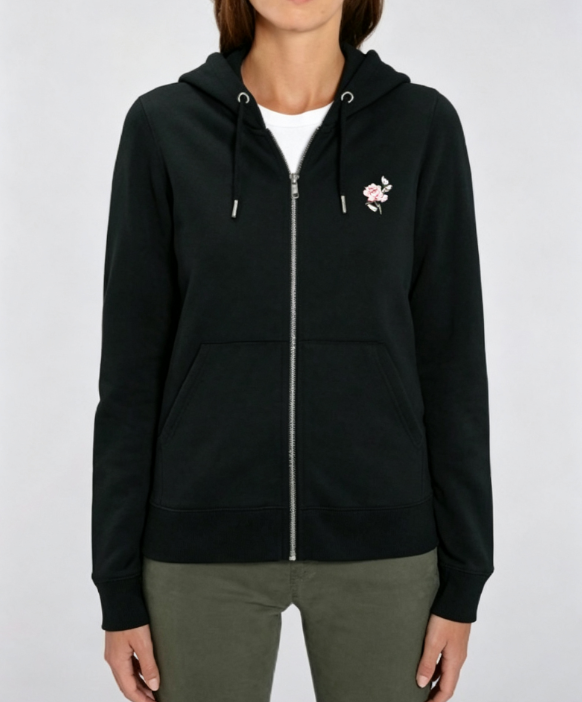
160–240 GSM jersey takes garment dye well for washed, casual color, while 280–400 GSM French terry needs controlled drying to limit torque and shrinkage. Pantone-matched yarn dye suits striped jersey and knitwear where cleaner color definition matters; garment dye offers softer variation but wider shade tolerance.
- Enzyme wash softens surface with low abrasion
- Silicone softener improves slip but can affect print adhesion
- Approve a washed shade band before bulk cutting
Decoration By Construction
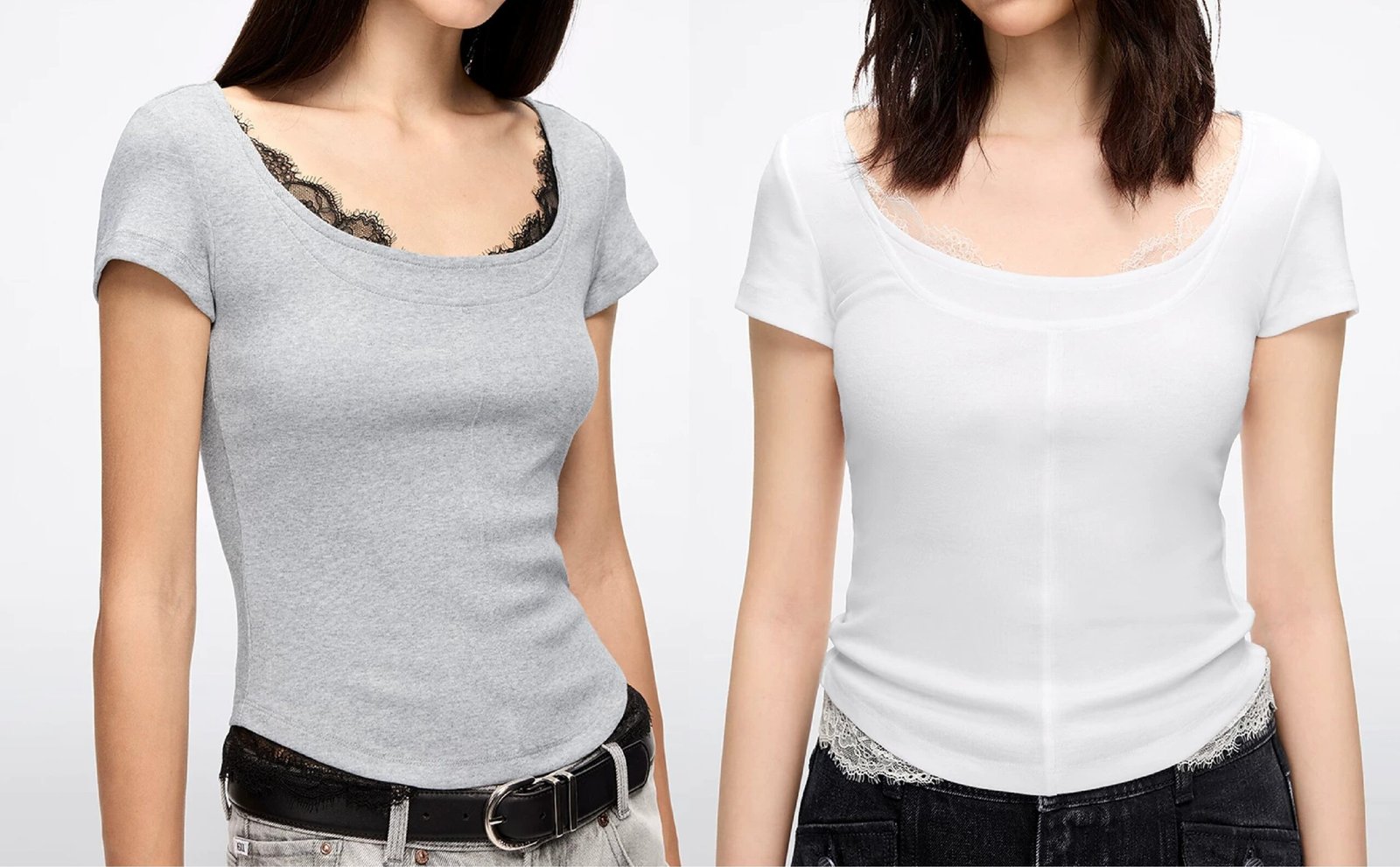
3–5 mm embroidery performs best on stable fleece, twill and heavier terry; use backing and check puckering on lightweight jersey. Water-based screen print suits repeat graphics, DTG suits detailed short runs, and heat transfer supports small placements or variable names. Test stretch, crack resistance and wash adhesion on the finished fabric.
Labels, Trims And Claims

1 approved pre-production sample should include woven labels, wash-care content, drawcords, zippers and every decoration layer. Check that labels remain legible and trims neither stain nor distort after repeated laundering. GOTS or other organic claims require traceable, compliant materials and processing documentation; a wash, dye, ink or trim must not be assumed compliant merely because the base fabric is organic.
- Confirm label placement against neck and side-seam comfort
- Test metal trims for corrosion and color transfer
- Retain approved swatches and wash-test records
6. Construction and Quality Checkpoints
Quality specifications should be written into the tech pack before bulk fabric is approved. For organic cotton fabric, test standards must match construction: a jersey T-shirt, fleece hoodie, and woven overshirt fail in different ways.
Set Measurable Fabric Tolerances

160–220 GSM jersey commonly allows a commercial tolerance of ±5%, while heavier 280–350 GSM French terry needs weight checks across each dye lot. State finished, not greige, GSM. 3–5% lengthwise and widthwise shrinkage after the agreed wash method is a practical target for many casualwear programs. Specify allowable skew, especially for striped jersey and side-seam-sensitive tees.
Match Tests To Construction
Knits require recovery, spirality and pilling review because loops can torque after washing. Wovens need closer checks on yarn slippage, seam puckering, skew and dimensional stability. Hoodie ribs should recover after stretch; denim and twill seams should resist abrasion; lightweight tees need opacity and seam appearance checks. Request test results on the actual colorway and finishing route.
Specify Sewing And Reinforcement
8–12 stitches per inch is a common starting range for many knit seams, with stitch type selected for stretch and bulk. Overlock seams need sufficient bite; coverstitch hems should stretch without popped threads. Shoulder tape, bartacks at pocket corners, reinforced crotch seams, and twill tape at stress points should be called out by garment category. Inspect seam allowance consistency and skipped stitches in-line.
Control Color And Wash Performance
Grade 4 or better colorfastness to washing and dry rubbing is a useful benchmark for many solid casualwear colors, subject to buyer standards. Dark shades, pigment dye, garment dye, and enzyme washes need separate approval. Use a pre-production wash test to confirm measurements, hand feel, pilling, torque, color change and decoration adhesion. Junsheen can retain approved material, pattern, and graded-size records to keep repeat orders consistent.
7. How to Choose an Organic Fabric Manufacturer
A credible organic cotton fabric manufacturer can document what it sells, who makes it, and how it controls production. Evaluate evidence before price: a low quote without traceability, sample discipline, or export records usually shifts risk to the buyer.
| Evidence | Credible Manufacturer | Warning Sign |
|---|---|---|
| Organic claim | Current scope and transaction records | Unverifiable logo or vague promise |
| Sampling | Written approvals and test results | Bulk starts from photos alone |
| Operations | Named factory steps and QC points | Unclear outsourcing or shifting answers |
| Export | Documented market experience | No ownership of shipping paperwork |
Verify Claims And Traceability
GOTS and OEKO-TEX documents should be current, scope-specific, and matched to the supplying mill or finished-garment facility. Ask for transaction certificates for the exact fabric order, not a generic certificate logo. 100% organic claims need a traceable chain from yarn or fabric lot through cutting and packing. A reseller often cannot identify the mill, lot reference, inspection point, or responsible production team.
- Which certificate covers this fabric and facility?
- Can you provide transaction records for our order?
- What mill, lot number, and fiber composition apply?
Confirm Production Ownership
200-worker factories and smaller development teams can both be credible when responsibilities are clear. Ask which steps are in-house—pattern making, cutting, sewing, printing, final inspection—and which are subcontracted. 80,000 units of monthly capacity matters only when it is available for your delivery window. Request a sample schedule, production calendar, and named contact who can resolve technical questions in writing.
- Who owns the fabric purchase order?
- Where will each production step occur?
- What is your available capacity for our ship date?
Test The Working System
100-unit MOQ programs require a controlled sample path: fabric swatch, prototype, size set, pre-production sample, and approved measurement tolerance. Review wash results, shrinkage, pilling, color consistency, and hand feel before authorizing bulk. Ask how incoming fabric, in-line sewing, decoration, measurements, and packed goods are inspected. Confirm social-compliance records, export destinations, payment terms, Incoterms, and who prepares shipping documents.
- What are measurement tolerances and AQL procedures?
- How are shade bands and shrinkage approved?
- Which export documents and Incoterms do you support?
8. Common Organic Cotton Fabric Sourcing Mistakes
A 100-unit launch can fail before cutting begins when sourcing assumptions stay undocumented. Emerging labels need simple controls, while established teams need the same controls applied across every colorway, mill lot and approval stage.
Certification Is Not A Blanket Claim
GOTS or OEKO-TEX documentation applies to a defined material, supplier and scope—not automatically to every finished garment. Request the current certificate, scope number and transaction documentation where applicable; do not market an uncertified trim or blend as fully organic.
Lowest Quote Hides Variables
A 15% lower quote may omit fabric weight, compaction, testing, approved trim quality or inspection standards. Compare like-for-like specifications: fiber composition, GSM tolerance, usable width, yield, wash process and packing before awarding the order.
Test Weight, Shrinkage And Color

180 GSM jersey and 320 GSM French terry serve different end uses, so specify the intended garment and post-wash target. Test shrinkage, spirality and colorfastness on the actual dye lot; Pantone approval alone does not confirm wash performance.
Control Blends And Color MOQs
95/5 cotton-elastane and 100% organic cotton require different labeling, recovery expectations and claims. Confirm fiber percentages, recycled-content evidence and MOQ by color—not merely per style—before confirming a seasonal palette. 3% to 5% measurement tolerances, shade-band limits and defect standards should be written into sample approval. A sales sample proves appearance; a production-ready approval must define graded measurements, construction and acceptable variation.
9. Steps to Launch an Organic Cotton Collection
A 100-unit style-and-color launch needs decisions locked in sequence, because fabric availability, testing and artwork approval all affect the critical path. Use an OEM partner to convert the commercial brief into production gates before committing bulk funds.
Define Customer And Assortment
1 target customer, price point and use case should determine the first 2–4 SKUs. Gate: approve silhouettes, size range and color count before fabric booking; Junsheen can review feasibility from a tech pack, sketch or reference garment.
Choose Fabric And Weight
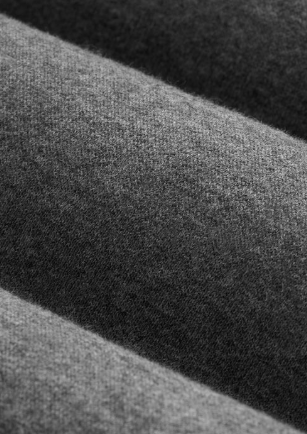
160–180 GSM jersey suits lightweight T-shirts, while 280–340 GSM French terry supports sweatshirts and hoodies. Gate: approve swatches, shrinkage expectations and Pantone direction before lab-dip or bulk-yardage lead times begin.
Verify Material Documentation
1 document pack should link the ordered organic cotton fabric to its transaction and scope evidence where applicable. Gate: confirm what certification supports each proposed claim before labels, hangtags or product-page copy are printed.
Build Production Tech Packs
1 complete tech pack specifies measurements, grading, seams, trims, artwork placement and wash instructions. Gate: freeze the bill of materials after the OEM confirms construction, decoration method and MOQ-compatible sourcing.
Sample Test And Release
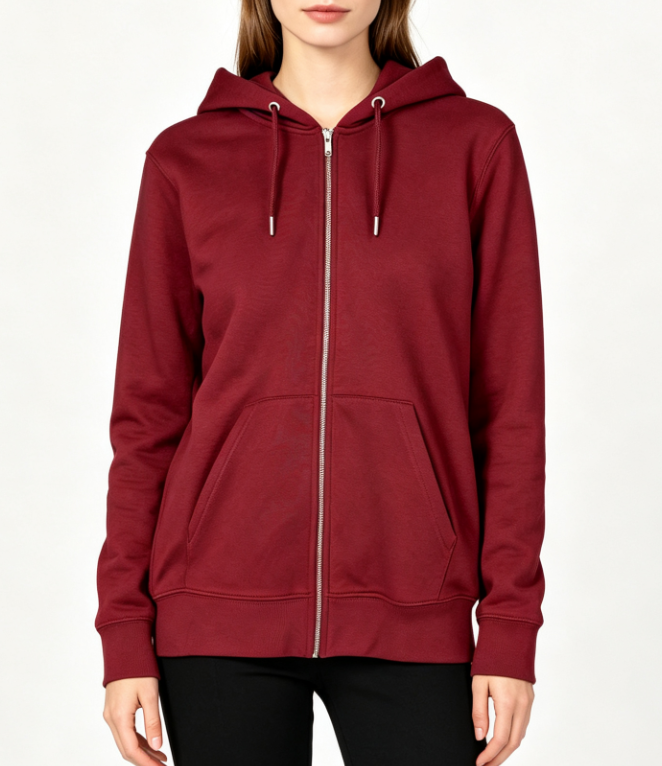
7–14 days is a practical sampling window after materials and specifications are available, with additional time for revisions or custom dyeing. Gate: approve fit, measurements, wash appearance and decoration on a signed pre-production sample before bulk cutting.
Plan Claims And Scale-Up
100 units per style and color can validate a capsule before reordering into ongoing bulk programs. Gate: use only substantiated fiber and certification claims, then retain approved patterns, size sets and material records to shorten repeat-order development.
10. Organic Cotton Fabric Pricing and Lead Times
100 units per style and color is a practical starting assumption for a low-MOQ organic cotton jersey program; small runs carry higher cutting, setup, and certification allocation per unit. Sampling commonly takes 10–20 days after specifications and fabric availability are confirmed. 160–320 GSM fabric, ring-spun yarn, recycled-fiber blends, reactive dyeing, Pantone matching, and GOTS transaction documentation can each move the estimate materially. Screen-print color count, embroidery stitches, custom labels, YKK zippers, and individual packaging should be quoted as separate cost inputs. 3 quote inputs—tech pack, size breakdown, and delivery country—make supplier comparisons more reliable. Treat the ranges below as planning estimates, not fixed offers; request the same fabric composition, GSM, certification scope, decoration, trims, Incoterm, and inspection standard from every supplier.
| Order basis | Illustrative unit estimate | MOQ assumption | Typical timing |
|---|---|---|---|
| 100–299 organic-cotton T-shirts | US$6–12 FOB | 100 units per style/color | Sample 10–20 days; bulk 25–40 days |
| 300–999 organic-cotton T-shirts | US$4.50–9 FOB | 300 units across size set | Bulk 25–35 days |
| 1,000+ organic-cotton T-shirts | US$3.80–7.50 FOB | 1,000 units per style | Bulk 30–45 days |
| Organic jersey fabric reference | US$4–9 per kg | Mill MOQ varies by color | Lab dips and production allocation extra |
Ready to Develop Your Organic Cotton Fabric Collection?
Send your tech pack, sketch, or sourcing requirements for fit-led OEM development, low 100-unit MOQs, and a tailored production quote.