
Down & Padding Fill Supplier for OEM Outerwear
JUNSHEEN is your down & padding fill supplier for private-label outerwear, with 100-unit MOQs and fit-focused XS–3XL development.
Featured Products for down & padding fill supplier Development
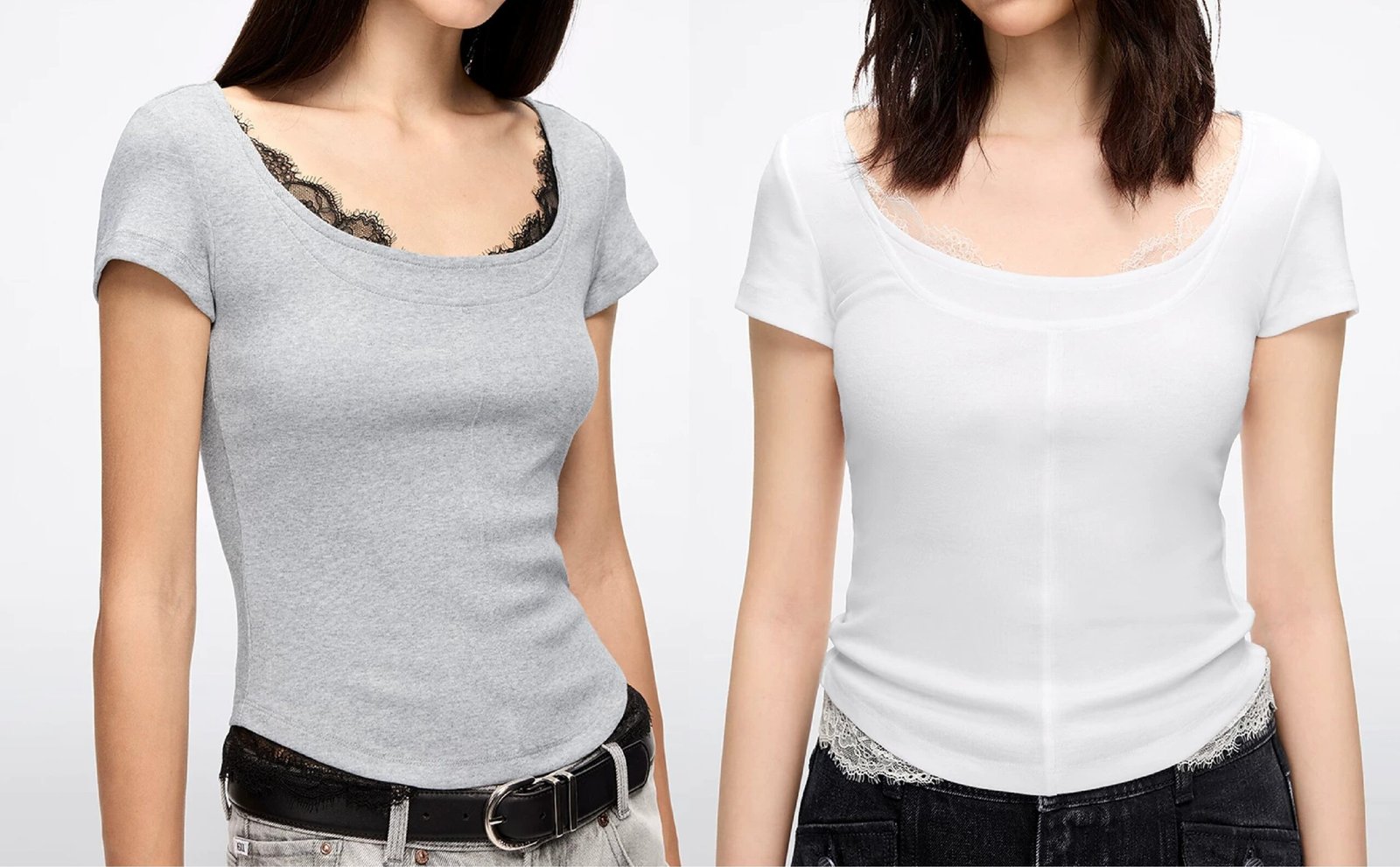


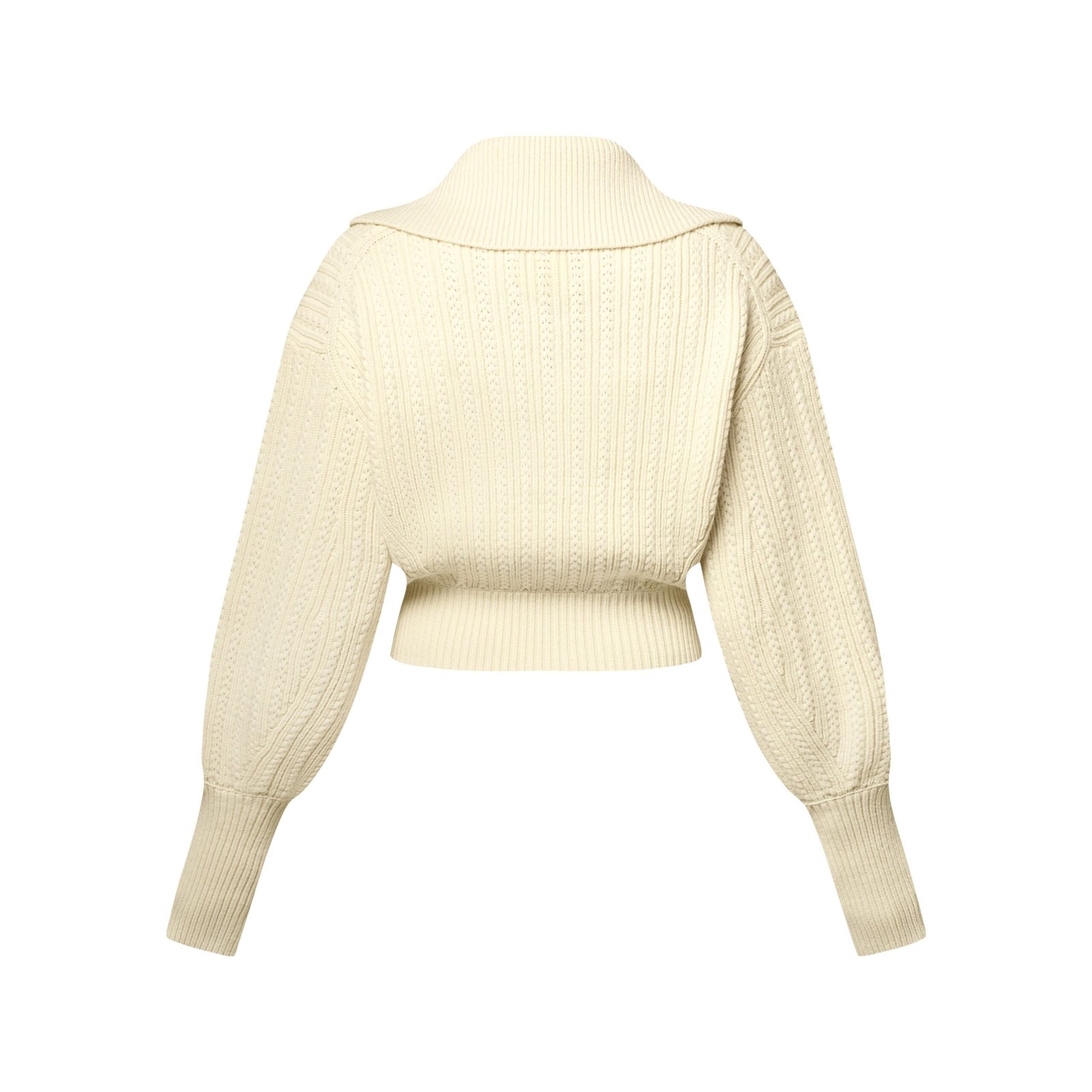


Related Product Catalogue and Quotation





Down & Padding Fill Supplier Advantages
JUNSHEEN combines low-MOQ development, fit-led pattern work and scalable apparel manufacturing for insulated programs built to launch and grow.
100-Unit MOQ
Launch insulated capsules from 100 units per style and color, with practical support for emerging labels and focused seasonal tests.
Scalable Production Capacity
More than 200 skilled workers and 80,000-plus monthly units support smooth progression from approved samples to ongoing bulk programs.
Fit-Focused Size Development
Refined XS–3XL grading improves shoulder balance, mobility, sleeve length and body proportions for standard, oversized and extended-size outerwear.
Integrated Decoration
Coordinate embroidery, printing, washes and finishing within one production workflow to keep branding details consistent across insulated apparel.
Complete Private Labeling
Add custom labels, hang tags, zippers, drawstrings, branded trims and packaging for a finished product ready for your market.
Global Export Support
From material sourcing through final inspection and shipping coordination, JUNSHEEN supports reliable delivery for fashion brands worldwide.
Core Outerwear and Apparel Categories
From low-MOQ capsules to scalable programs, Junsheen develops fit-focused casualwear, denim, knitwear, and padded outerwear from XS through 3XL.

Custom Hoodies
Develop custom hoodies in fleece, French terry, brushed cotton, or performance blends. Junsheen supports fit development, graded XS–3XL patterns, custom weights, rib trims, drawcords, embroidery, printing, washes, labels, and branded packaging from 100 units per style and color.
Request a Quote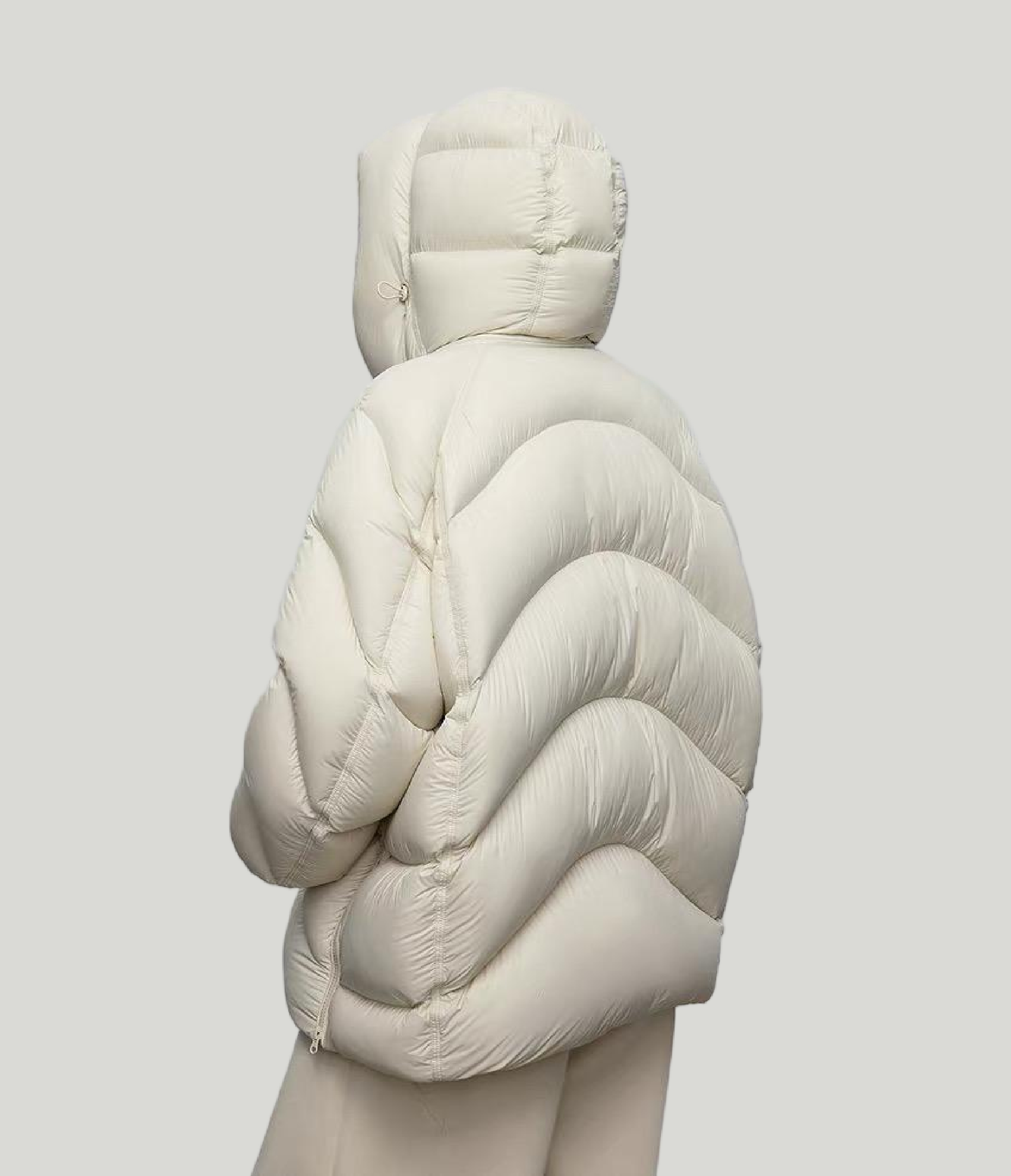
Custom T-Shirts
Produce custom T-shirts in combed cotton, Pima cotton, organic options, jersey blends, and heavyweight constructions. Development covers neck shape, body proportion, sleeve balance, oversized fits, size grading, screen printing, DTG, DTF, embroidery, garment dye, labels, and export-ready packing.
Request a Quote
Custom Jeans
Develop custom jeans with denim or stretch-denim sourcing, fit-focused pattern making, graded size sets, and wash development. Junsheen can manage rises, leg shapes, pocket details, hardware, distressed finishes, embroidery, patches, labels, and bulk quality control for brand-specific denim programs.
Request a Quote
Custom Sweaters
Source turtle neck sweaters in bulk with wool, cotton, acrylic, viscose, or blended yarns. Junsheen supports knit construction selection, gauge development, neck shape, body proportion, sleeve length, rib details, fit grading, private labels, and repeat-order material records.
Request a Quote
Custom Jackets
Create custom jean jackets and other woven jacket styles with denim, twill, cotton, or stretch constructions. Development includes panel layout, seam details, pockets, washes, buttons, snaps, patches, embroidery, print applications, graded patterns, and production from low-MOQ launches to bulk orders.
Request a Quote
Custom Sweatshirts & Crewnecks
Manufacture custom crewneck hoodies, sweatshirts, and crewnecks in fleece or French terry. Junsheen develops neckline, shoulder balance, rib specifications, oversized or regular fits, size grading, embroidery, screen prints, garment washes, labels, trims, and packaging for private-label programs.
Request a Quote
Custom Cardigans
Develop custom cardigans in knitted cotton, wool, acrylic, viscose, or blended yarns. The team manages gauge, stitch structure, button or zipper choices, placket construction, rib finishes, extended-size grading, logo embroidery, labels, and sampling before bulk approval.
Request a Quote
Custom Puffer & Down Jackets
Manufacture custom puffer jackets for down or padding-fill programs, including shell fabric sourcing, fill specification, quilting, insulation placement, lining, zipper selection, pockets, hoods, and reflective details. Sampling verifies fit, mobility, warmth requirements, construction quality, and packing before scalable production.
Request a Quote
Custom Denim Shorts
Produce custom jean shorts with denim or stretch-denim options, including tailored rises, inseams, hem treatments, pockets, hardware, wash effects, distressing, embroidery, patches, and graded sizing. Junsheen supports men’s, women’s, unisex, extended-size, and oversized denim-short programs.
Request a Quote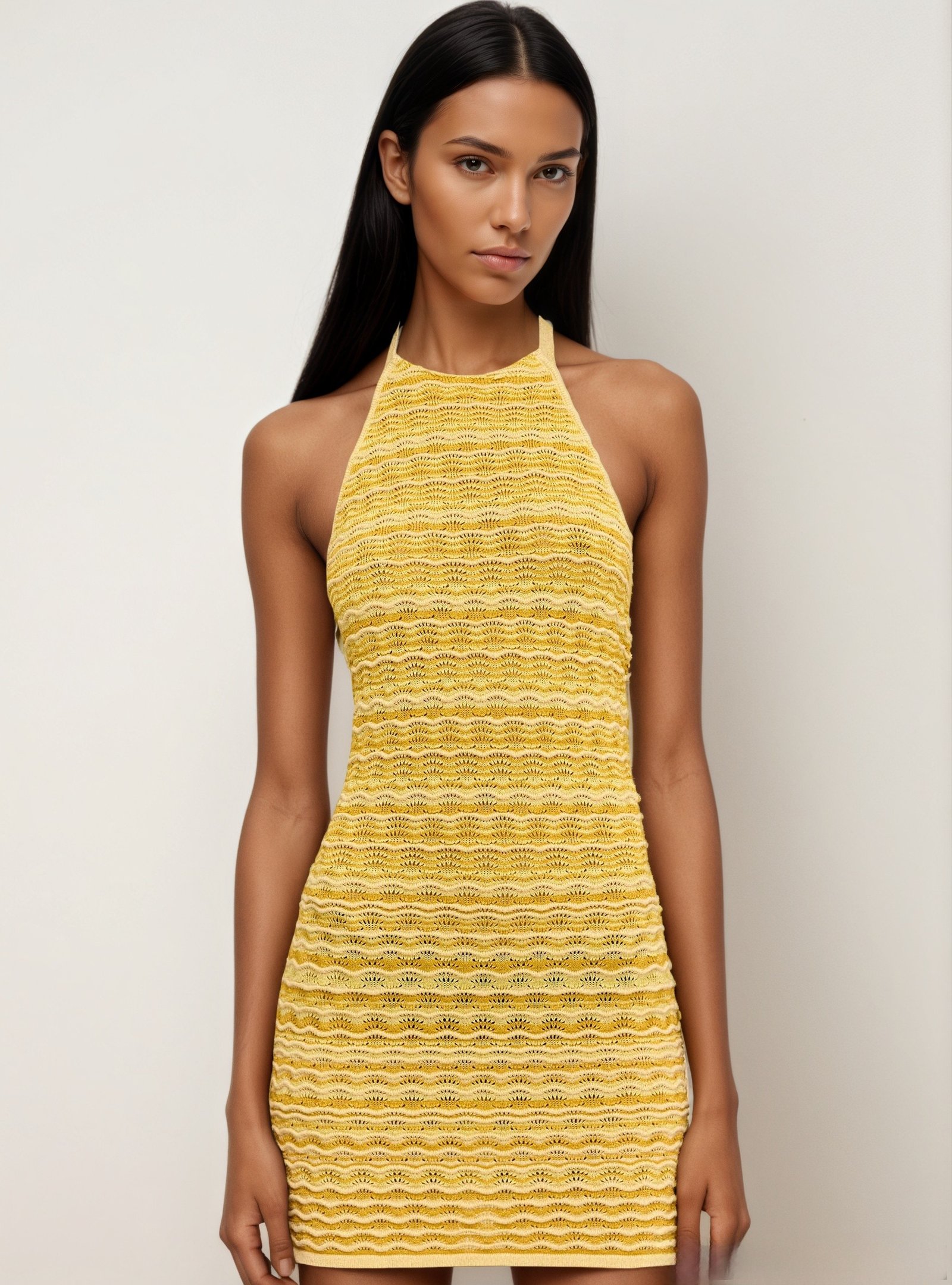
Custom Sweater Dresses
Develop custom sweater dresses with knit construction, yarn selection, gauge, neckline, body length, sleeve proportion, shaping, rib details, and XS–3XL grading. Sample review helps confirm drape, recovery, comfort, and fit before bulk production or private-label packaging.
Request a Quote
Custom Denim Sets
Build men’s denim suits wholesale programs as coordinated denim jackets, overshirts, jeans, or matching sets. Junsheen aligns fabric lots, wash recipes, hardware, color consistency, patterns, grading, branded trims, and packing across each component of the set.
Request a Quote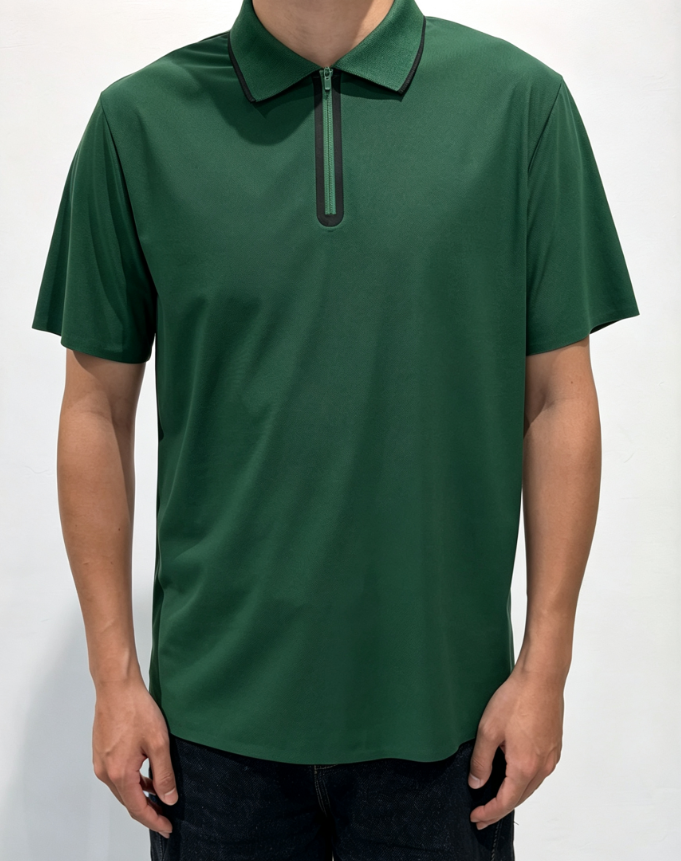
Custom Polo Shirts
Manufacture custom polo shirts in piqué, jersey, performance knits, or cotton blends. Development includes collar structure, placket construction, sleeve cuffs, button selection, fit grading, embroidery, printing, color matching, labels, and packaging for retail, wholesale, or uniform programs.
Request a Quote
Custom Sweatpants
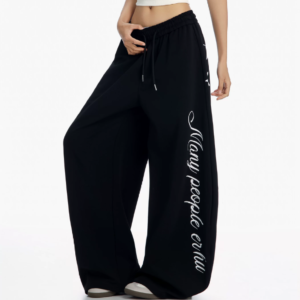
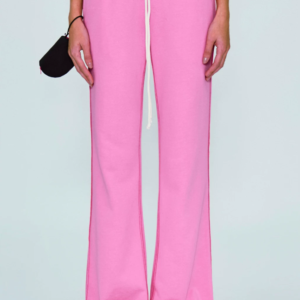
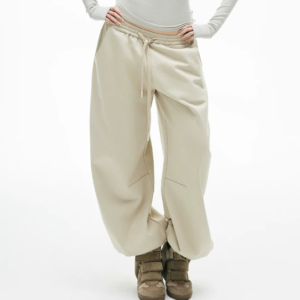
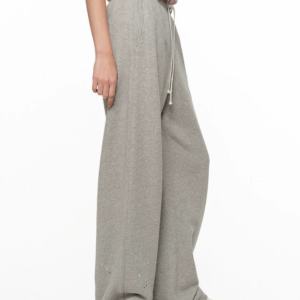
Produce custom sweatpants in fleece, French terry, jersey, or performance fabrics. Junsheen develops rise, leg shape, inseam, elastic waistbands, drawcords, cuffs, pockets, embroidery, prints, washes, and fit-focused XS–3XL grading for coordinated sets or standalone styles.
Request a Quote
Custom Shorts
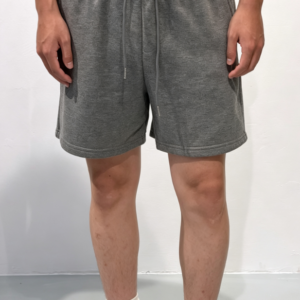
Develop custom shorts in woven, jersey, fleece, twill, denim, or performance fabrics. Options include tailored or relaxed fits, inseam variations, elastic or fixed waistbands, pockets, drawcords, prints, embroidery, wash finishes, labels, and scalable production from 100 units per style and color.
Request a Quote
Custom Pullovers
Manufacture custom pullovers across knitwear, fleece, French terry, and lightweight jersey constructions. The team supports necklines, half-zips, collar details, stitch or panel design, fit grading, embroidery, printing, washing, labels, trims, and production-ready sampling.
Request a QuoteShell, Lining and Fill Materials for Insulated Apparel


Polyester Shell Fabric
Versatile polyester supports puffer jackets, vests and everyday padded outerwear with reliable color retention and abrasion resistance. Choose standard or recycled qualities in different deniers to balance durability, weight, drape and budget.

Recycled Fill Options
Recycled polyester padding provides consistent loft for animal-free insulated apparel programs. It suits quilted jackets, vests and casual outerwear, with fill weight selected to match the desired warmth level, silhouette and packability.

Cotton Blend Lining
Cotton-blend linings add a softer, more natural hand to insulated jackets and casual outerwear. Their breathable feel works well for fashion-led pieces, while blended fibers improve durability, dimensional stability and everyday wear performance.

Fleece Lining Fabric
Fleece brings plush warmth and a brushed hand to hood linings, collar panels and cold-weather jackets. Available in multiple weights, it adds thermal comfort while maintaining flexibility for casualwear and performance-inspired outerwear.

Performance Knit Panels
Stretch performance knits are ideal for mobility zones, sleeve inserts and active insulated styles. Their flexible recovery and breathable structure help balance warmth with movement, especially in hybrid jackets and technical casualwear.
Down & Padding Fill Supplier Decoration and Finishing Options

Logo Embroidery
Flat, 3D puff, chain-stitch and applique embroidery create dimensional brand marks on jackets, vests and fleece layers, with secure stitching selected for fabric weight, panel placement and long-term wear.

Screen Printing
Plastisol, water-based, puff, flocking, silicone and high-density screen prints deliver bold graphics across casualwear and outerwear panels, balancing color coverage, hand feel and adhesion for repeated washing.

Heat Transfer
DTF, heat transfer and specialty film applications apply detailed logos, small chest graphics and variable artwork cleanly, providing crisp edges and reliable adhesion on suitable shell, knit and fleece fabrics.

Dye Sublimation
Dye sublimation produces all-over color, gradients and detailed artwork on compatible polyester fabrics, bonding color into the material for a lightweight finish that resists cracking and preserves fabric movement.

Garment Washing
Enzyme, softening, garment-dye, acid-wash and stone-wash treatments build controlled color depth and a worn-in hand feel, helping denim, fleece and casualwear align with your intended collection aesthetic.

Fabric Finishing
Brushing, napping and anti-pilling finishes refine surface texture, warmth and durability for fleece, knitwear and selected outerwear components, with sample approval used to confirm the final look and performance.
Down & Padding Fill Supplier Accessories and Private-Label Trims

YKK Zippers
Specify dependable front, pocket and detachable-hood zippers for padded jackets, vests and outerwear. We align zipper type, puller finish and color with garment weight, intended use and your private-label design direction.

Snap Buttons
Add custom-finished snap buttons to storm plackets, cuffs, pockets and adjustable side openings. Our team coordinates size, coating, logo treatment and placement to support practical closure performance and a polished outerwear finish.

Drawcord Tipping
Use branded drawcords, cord locks and tipped ends at hoods, hems and waists for adjustable warmth and silhouette control. Options can match your color palette while reinforcing the technical character of padded apparel.

Woven Labels
Create woven main labels, size labels and wash-care labels that give every garment clear brand identification. JUNSHEEN applies them accurately during production, with material, fold and placement selected to suit your garment construction.

Custom Patches
Add embroidered, woven, leather-look or silicone patches to sleeves, chests, back panels and accessories. Patches bring visible brand character to outerwear while providing a durable detail designed around your fabric and application method.
Reflective Details
Integrate reflective piping, prints, tapes or trims for enhanced low-light visibility and a performance-led look. We review placement and attachment methods so reflective details complement insulation construction without compromising wear comfort.
About Your Down & Padding Fill Supplier
Founded in 2010 in Humen Town, Dongguan, JUNSHEEN helps fashion brands turn insulated outerwear concepts into production-ready private-label collections. As an experienced down & padding fill supplier, we combine practical development support with dependable OEM, ODM and wholesale manufacturing for global apparel businesses.
Our 200+ skilled workers support monthly capacity above 80,000 units across cut-and-sew outerwear, casualwear, denim and knitwear. From 100 units per style and color, we coordinate fabric, shell, lining, fill, decoration, trims, labels, packaging, quality control and export support through one responsive supply chain.
JUNSHEEN has served more than 2,000 fashion-brand clients with fit-focused XS–3XL development and scalable production. We stand apart through pattern refinement, material guidance and clear production control, helping emerging labels and established teams build insulated garments with consistent fit, finish and repeat-order reliability.

Down & Padding Fill Supplier Capabilities
Fit and Grading Control
JUNSHEEN develops insulated outerwear from XS through 3XL with patterns refined for shoulder balance, sleeve length, body volume and mobility. Our team grades extended-size, plus-size and oversized silhouettes to maintain a consistent fit around layered fill and linings.
- XS–3XL, extended-size and oversized grading
- Pattern adjustments for fill volume and movement
- Size-set reviews before bulk approval

Material Sourcing Guidance
As a down & padding fill supplier, JUNSHEEN coordinates shell, lining, insulation and trim sourcing around your target warmth, hand feel, weight, durability and cost. Clients can assess swatches and sample garments before approving production materials.
- Shell, lining and fill material coordination
- Recommendations based on performance and budget
- Swatches and sample garments for review

Production-Ready Development
Bring a tech pack, sketch, reference jacket or initial concept. Our OEM and ODM team converts it into a production-ready insulated style through specification review, pattern making, fabric selection, prototype sampling and pre-production approval.
- Tech-pack and concept-to-sample support
- Manufacturability and specification review
- Low MOQ from 100 units per style and color

Integrated Quality Control
With cut-and-sew, decoration, washing, labels, trims and packaging managed in one supply chain, JUNSHEEN keeps insulated apparel programs coordinated. Incoming materials, in-line construction, measurements, decoration and packed goods are inspected before global shipment.
- 200+ skilled workers and 80,000+ monthly units
- In-line and final packed-goods inspections
- Private-label finishing and export support

Why Choose JUNSHEEN as Your Down & Padding Fill Supplier
Compare the production support that helps insulated-apparel programs launch accurately and scale reliably.
← 左右滑动查看 →
Down & Padding Fill Supplier Production Process
A clear development-to-delivery workflow for insulated outerwear programs, from fill selection and fit approval to reliable global shipment.
Review Feasibility and Specs
Share your tech pack, sketch, reference garment, or concept. Our team reviews construction, target fit, MOQ, cost direction, and production requirements.
Source Shells and Fill
We recommend shell, lining, down, padding, trims, and labels based on warmth, weight, hand feel, durability, target price, and wash performance.
Develop Patterns and Samples
Pattern makers build and grade fit-focused XS–3XL patterns, then produce prototypes and size sets for construction, insulation distribution, measurements, and approval.
Confirm Bulk Production Details
After sample approval, we finalize materials, colors, artwork, decorations, branded packaging, production schedule, and quantity requirements from 100 units per style and color.
Produce and Inspect Orders
Our 200+ skilled workers manage cutting, sewing, filling, finishing, and private labeling while in-line inspections verify construction, measurements, decoration, and garment quality.
Pack and Ship Worldwide
Final packed-goods checks confirm approved standards before export-ready packing and worldwide shipping support, helping your insulated apparel reach markets with confidence.
Work With Your Down & Padding Fill Supplier
Move from outerwear concept to approved bulk production with a defined development path, fit-focused sampling and responsive production support.
Submit Your Product Brief
Send a tech pack, sketch, reference garment or mood board with target fill, shell fabric, sizing, branding and quantity requirements for initial review.
Review Feasibility and Quotation
Our team confirms construction, material options, fit requirements, MOQ and lead-time considerations, then provides a clear quotation for your insulated apparel program.
Approve Development Samples
Review prototype samples, fabric swatches and size-set details; refine fit, fill performance, trims, decoration or packaging before approving production specifications.
Launch Bulk Production
After approval, Junsheen coordinates material sourcing, cut-and-sew production, in-line quality checks, final inspection and export-ready packing for reliable global delivery.
Custom Clothing Manufacturer Credentials and Compliance Documents



Results from Our Down & Padding Fill Supplier Programs
Junsheen helped us move from a sketch to approved puffer samples in 28 days. Their team corrected the shoulder balance across XS–3XL, and our first 600-unit delivery met measurement tolerances with no rework request.
For our 100-unit launch color, the sampling process was far smoother than expected. The fabric, padding weight, branded labels, and packing were coordinated in one place, helping us place a repeat order within six weeks.
We scaled a quilted jacket program from 300 units to 2,400 units without losing fit consistency or logo quality. Junsheen’s in-line updates and final inspection reports gave our sourcing team confidence before shipment.
Down & Padding Fill Supplier FAQ
Clear answers on MOQ, sampling, materials, fit, payment, shipping and confidential production for insulated apparel programs.
What is the MOQ for a down & padding fill supplier?
How long do samples take from a down & padding fill supplier?
What does sampling cost for custom padded outerwear?
Can you help select down, padding and shell materials?
Can you develop extended sizes and oversized insulated jackets?
What payment terms do you offer for new orders?
Do you arrange international shipping for insulated apparel orders?
How do you protect designs and product information?
The Complete down & padding fill supplier Buyer’s Guide
Use this practical framework to compare insulation options, assess factory capability, validate quality and compliance, estimate costs, and avoid sourcing mistakes before placing your next outerwear production order.
1. What Is a Down & Padding Fill Supplier?
1. A down & padding fill supplier provides the insulation system inside a jacket, vest, parka, or coat: natural down, feather blends, synthetic batting, or recycled fill specified by weight, loft, and performance target. The supplier may sell fill by kilogram or coordinate sourcing, but it is not automatically responsible for turning shell fabric, lining, trim, and insulation into a finished garment. 100-unit outerwear programs usually need a finished-garment manufacturer to integrate the fill with pattern engineering, cut-and-sew production, quilting or baffle construction, lining attachment, and final packing. At JUNSHEEN, that broader role can combine fabric and insulation sourcing with fit development, size grading, prototype samples, and scalable bulk production from a capsule launch to repeat orders. 80–200 GSM synthetic padding is common for many lightweight to midweight styles, while down programs require a defined fill-power, down-to-feather ratio, fill weight, chamber layout, and anti-leakage fabric plan. Buyers should expect a down & padding fill supplier or manufacturing partner to document these specifications, recommend compatible shell and lining materials, and build samples that expose cold spots, migration, bulk, and mobility issues before approval. 3 checkpoints keep the supply chain accountable: material confirmation, construction validation, and pre-shipment inspection. Testing coordination can cover fiber content, composition, colorfastness, pilling, water resistance, and restricted-substance requirements; bulk production should then control incoming materials, in-line measurements, fill distribution, seam quality, decoration, and packed goods.
2. Evolution of Down and Padding Fill
1930s expedition gear established down as the benchmark for low-bulk warmth because its loft traps large volumes of still air. In fashion outerwear, its appeal remains high warmth-to-weight and compressibility, but buyers now need documented species, origin, and animal-welfare controls before making responsible-down or similar claims. 1950s polyester fiber technology made synthetic batting a practical alternative for jackets that needed predictable loft, easier care, and lower sensitivity to damp conditions. Quilted polyester fills then moved from utility outerwear into seasonal fashion, where 80–200 GSM padding can create light transitional pieces while heavier weights support colder-weather silhouettes. 1990s recycled polyester and later engineered continuous-filament and microfiber insulations shifted sourcing toward measurable content claims, wash recovery, and repeatable production. A down & padding fill supplier should therefore match insulation to the brief: traceable natural down for premium lightness, recycled batting for claim-led programs, and resilient performance fill for frequent-wash uniforms, puffers, and travel layers. For JUNSHEEN customers, the fill decision should be approved alongside shell fabric, quilting layout, target climate, and sample wash testing so a cropped fashion puffer and a volume winter program do not rely on the same specification.
3. Types of Down & Padding Fill Supplier Options
Three supply paths dominate insulated apparel: certified natural fill, synthetic padding, and engineered performance insulation. The right down & padding fill supplier depends on garment use, traceability requirements, and whether filling equipment is already available.
| Fill Option | Best Garments | Insulation Behavior | Sourcing Complexity |
|---|---|---|---|
| Natural down | Premium puffers | High loft, compressible | High: traceability, fill power |
| Feather blend | Fashion puffers | Heavier, lower-cost loft | Moderate: ratio consistency |
| Polyester padding | Quilted jackets, vests | Reliable when damp | Low: GSM and hand feel |
| Recycled polyester | Responsible collections | Synthetic warmth, traceable input | Moderate: certification records |
| Sheet wadding | Quilted styles | Even, stable coverage | Low: cut-and-sew friendly |
| Loose fill | Channel puffers | Voluminous, soft hand | Moderate: filling control |
| Performance insulation | Active outerwear | Low bulk, technical warmth | High: supplier specifications |
Natural Down And Feather

80/20 down-feather blends suit fashion puffers where loft and compressibility matter. Higher down ratios generally improve warmth-to-weight but require traceability documents and careful lot control. 600–800 fill-power down fits lighter premium jackets and packable styles. Factory-led filling is preferable when baffle layout, down-proof fabric, and leakage testing must work together.
Synthetic Padding Formats
80–200 GSM polyester padding is common for quilted jackets, vests, and workwear. It insulates when damp, has predictable cost, and simplifies repeat sourcing across colors. Sheet wadding is cut with panels for stable quilting, while loose fill creates a puffier hand in channels. Recycled polyester adds certification and fiber-source checks to the purchasing process.
Specialty Performance Insulation

Low-bulk performance insulation suits active outerwear, liner jackets, and streamlined silhouettes. Buyers should request warmth, thickness, recovery, wash, and migration data rather than compare GSM alone. 100-unit capsule programs usually benefit from a factory-led material recommendation. JUNSHEEN can align fill, shell, lining, pattern allowances, and sampling before bulk approval.
4. Down & Padding Fill Supplier Materials and Fabrics
550–900 fill power, feather percentage, and insulation GSM must be specified with the shell system, not selected independently. A capable down & padding fill supplier tests the combined package for warmth, breathability, water resistance, compression recovery, and fill migration.
| Garment | Insulation System | Shell And Lining | Primary Control |
|---|---|---|---|
| Lightweight puffer | 700+ fill-power down or 60–80 GSM synthetic | 20D downproof shell; light lining | Low weight, migration control |
| Vest | 80/20 down blend or 100 GSM synthetic | 30D WR shell; breathable lining | Core warmth, mobility |
| Jacket | 90/10 down or 120–150 GSM synthetic | 40D woven shell; optional interlining | Loft retention, wind resistance |
| Parka | 650–750 fill-power down or 160–200 GSM synthetic | Membrane shell; breathable downproof lining | Water resistance, moisture release |
Balance Fill And Fabric
80/20 and 90/10 down/feather blends offer different loft and cost; higher feather content usually needs tighter containment. 20–40 denier downproof nylon or polyester shells reduce leakage, while a lightweight tricot lining protects fill without unnecessarily restricting vapor transfer.
Specify Synthetic Loft
60–200 GSM synthetic batting suits different climates, but warmth also depends on fiber denier, crimp, and bonding method. 0.7–2.0 denier microfibers create softer loft, whereas coarser fibers can improve resilience in workwear and repeated-wash programs.
Control Moisture And Migration

5,000–10,000 g/m²/24h moisture-vapor transmission is a practical performance target when a membrane is used in active outerwear. 10,000 mm water resistance can protect a parka shell, but down needs a breathable lining and channel construction to avoid trapped moisture and cold spots.
- Use calendared downproof fabric for loose down.
- Add interlining only where wind protection outweighs vapor flow.
- Verify seam, baffle, and wash tests before bulk approval.
5. Customization from a Down & Padding Fill Supplier
A capable down & padding fill supplier converts a creative brief into measurable thermal and visual specifications. At JUNSHEEN, development can start from a tech pack, reference garment, sketch, or mood board, then move through sampling before bulk approval.
| Variable | Options | Approval Check |
|---|---|---|
| Insulation | Panel-specific fill weight | Warmth and mobility |
| Quilting | Channels, diamonds, chevrons | Fill distribution |
| Branding | Labels, patches, transfers | Placement and compression |
Warmth And Fill Mapping

100-unit programs can specify insulation by panel rather than using one blanket fill weight. Place more fill through the body and back, while reducing bulk at sleeves, side seams, and collar areas to preserve movement. 80–200 gsm synthetic padding is a useful starting range for many fashion puffers; final warmth also depends on shell density, lining, fit, and intended layering.
- Body, sleeve, hood, and collar fill weights
- Target climate and layering allowance
- Down or synthetic insulation preference
Baffles And Surface Design

2–10 cm channel widths materially change both appearance and fill control. Horizontal, vertical, diamond, onion, and chevron quilting can be sampled alongside baffle placement, cropped proportions, and oversized fit. Pantone shell colors, contrast linings, matte or gloss finishes, zippers, snaps, drawcords, rib trims, and reflective details should be approved as physical swatches or samples.
Branding Without Compression

Embroidery, woven patches, screen prints, and heat transfers are feasible when placed on stable zones such as chest panels, yokes, sleeves, or pocket flaps. Dense decoration across filled channels can compress insulation, pucker the shell, or interfere with needle-hole control. Private-label packs can combine main labels, size labels, wash-care labels, hang tags, branded hardware, and custom packaging. Confirm decoration position before the pre-production sample so quilting and branding do not compete.
6. Construction Quality for Down and Padding Garments
Construction quality determines whether an insulated sample stays warm, clean-looking, and stable after wear. A capable down & padding fill supplier should let the sourcing team inspect construction before approving bulk materials or trims.
Baffles And Stitching
30–50 mm baffle spacing is common for light puffers, while larger channels suit higher-loft fills. Check that stitch density secures the shell without perforating it excessively. 3–4 stitches per centimeter is a useful visual reference on many sewn-through seams. Look for straight channels, balanced tension, and no exposed needle holes.
Fill Containment
100% of compartments should be closed before the sample reaches final inspection. Shake, flex, and hold the garment against contrast light to identify seam leakage or unfilled areas. 10 repeated squeezes on each panel can reveal fill migration through stitch lines and baffle joins. Distribution should remain even at shoulders, side seams, cuffs, and hem.
Recovery And Hardware

5 minutes after compression, insulation should regain a consistent, even profile without permanent flat spots. Compare front, back, sleeves, and collar because uneven recovery changes both warmth and silhouette. 2 zipper passes from each end should run smoothly without catching the lining or fill. Confirm zipper tape, chin guard, storm flap, and seam allowances protect the shell from abrasion.
Sample Review Checklist
1 complete wash-and-dry test should be approved using the intended care method before bulk release. Recheck loft, seam leakage, puckering, color change, trim security, and garment measurements after laundering. 100% of key measurements should be recorded against the approved spec, including chest, body length, sleeve length, and baffle alignment. Keep the signed sample, graded pattern, fill weight, and wash-test record for repeat orders.
- Check every baffle for even fill
- Inspect seams under contrast light
- Operate each zipper repeatedly
- Photograph defects before approval
7. How to Choose a Down & Padding Fill Supplier
A capable down & padding fill supplier should prove insulated-outerwear control before price becomes decisive. Evaluate the development trail, material records, testing route, production capacity, and inspection discipline against your launch quantity and delivery date.
Verify Outerwear Development

100-unit style-and-color programs can suit a capsule, but confirm the factory can also manage repeat bulk orders. Ask for comparable puffer or padded-jacket samples, a measurement chart, construction photos, and a pre-production approval process. 2010-founded Junsheen develops patterns, grading, samples, fabric sourcing, and cut-and-sew outerwear in one supply chain. Review how its team resolves baffle placement, fill migration, zipper protection, and fit across XS through 3XL.
Demand Material Evidence
3 documents should travel with each shortlisted fill and shell: composition specification, lot traceability record, and applicable test report. Request physical swatches, lab dips, fill samples, and the proposed care-label wording before bulk approval. OEKO-TEX, GOTS, WRAP, and BSCI address different chemical, material, or social scopes; verify certificate scope and validity rather than accepting a logo. For down, request species, origin, fill-power, cleanliness, and responsible-sourcing documentation where required.
Check Tests And Communication
24-hour response expectations and a named development contact reduce sampling ambiguity. Require written confirmation of Pantone, fabric GSM, fill weight, size tolerances, trims, and revision dates. 3 test categories deserve early access: wash durability, colorfastness, and seam or zipper performance. Use an approved sealed sample and test reports from the actual proposed materials, not a similar prior garment.
Audit Production Control
80,000-plus monthly-unit capacity is meaningful only when the production calendar shows available lines and realistic lead times. Ask for the sample lead time, bulk window, critical-path dates, and contingency for fabric or trim delays. 4 checkpoints should be documented: incoming fabric, in-line sewing, measurement and decoration review, and final packed-goods inspection. Confirm the inspection standard, defect-report format, rework authority, and shipment-release process in writing.
- Capacity and line-loading schedule
- Approved sample and graded size set
- Material and trim traceability records
- Final inspection and test reports
8. Common Down & Padding Fill Supplier Mistakes
A 100-unit insulated outerwear run can become expensive when fill performance is described only as ‘warm.’ A down & padding fill supplier should receive measurable specifications and documented approval gates before bulk materials are committed.
Specify Measurable Warmth
A 600-fill-power down and a 200 gsm polyester padding do not deliver comparable insulation. Ask: What fill type, weight per garment, fill power or gsm, distribution by panel, and target use temperature are approved?
Match Quote Inputs
Three quotations can differ sharply when shell fabric, lining, fill weight, baffle construction, and trims are unmatched. Require a like-for-like cost sheet listing composition, gsm, fill specification, yield allowance, and test requirements before selecting a supplier.
Approve Fabric And Fill Balance
20D nylon may be lightweight, but an unsuitable weave, coating, or seam construction can allow feathers to migrate. Gate approval on a filled sample: inspect shell downproofing, baffle balance, collar and cuff distribution, and visible clumping after handling.
Verify Claims And Tests
One recycled-content claim may apply only to the shell, lining, or fill rather than the complete garment. Request the certificate scope, transaction documentation where applicable, material percentage, and factory-to-order traceability before using sustainability language. Three pre-production checks catch failures early: wash the approved sample, assess fill leakage and seam loss, then recheck loft and measurements. Do not release bulk production until results and acceptable tolerances are signed off.
9. Steps to Launch Your Insulated Outerwear Line
A 100-unit minimum can let an emerging label validate one insulated jacket silhouette before committing to a broad collection. Set the target retail price, margin objective, climate use and delivery date before asking a down & padding fill supplier to quote.
Lock The Product Brief
Four inputs should be fixed first: retail price, target customer, intended temperature range and channel margin. A $180 direct-to-consumer jacket and a $180 wholesale-ready jacket need very different landed-cost limits. One style, one or two colors and a focused size range usually control low-MOQ risk better than launching multiple untested variants. Specify shell fabric, fill type, quilt layout, trims, logo method and packaging priorities in writing.
- Target retail price and gross-margin goal
- Use case and temperature expectation
- Color, size range and sales channel
Develop And Test Samples
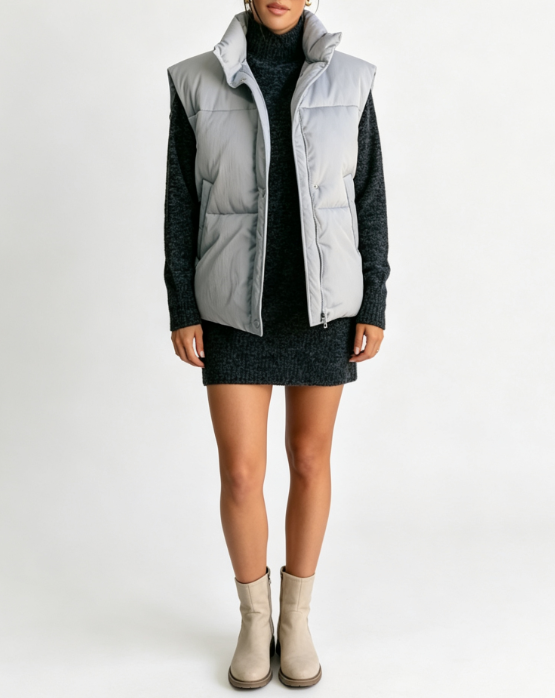
A complete tech pack should include flat sketches, measurement chart, construction callouts, Pantone references and a bill of materials. Confirm whether down, recycled polyester padding or synthetic insulation best fits warmth, care needs, price and compliance expectations. Two sample rounds are common when fit, bulk or insulation loft needs refinement. Wear-test the prototype for zipper function, seam stress, mobility, insulation shifting and recovery after compression.
- Approve fabric and fill swatches
- Check graded fit from XS through 3XL when applicable
- Revise only documented issues before the next sample
Approve Bulk And Deliver
One pre-production sample should match approved bulk fabric, fill weight, trims, labels and packing method before cutting begins. For a 100-unit launch, approve this checkpoint carefully because replacement materials may change hand feel or cost. Three inspection stages—incoming materials, in-line sewing and final packed goods—help catch measurement, construction and decoration defects. Confirm carton marks, export documents, freight method and final balance timing before shipment.
- Sign off the pre-production sample
- Set acceptable measurement tolerances
- Book freight against the required delivery window
10. Down & Padding Fill Supplier Pricing and Costs
100 units per style and color is a practical entry tier for a capsule puffer, but its unit cost carries the largest pattern, sampling, marker and material-minimum allocation. A down & padding fill supplier should quote the shell, insulation, lining, construction and packaging separately so a lower headline price does not hide substitutions. 550–800 fill-power down, higher fill weights, bonded baffles and seam sealing generally raise both material and labor costs; 120–200 GSM synthetic padding is usually easier to price consistently. Matte nylon, recycled polyester, membrane laminates, YKK zippers, custom snaps and branded labels each alter the landed ex-factory quotation. 2 approvals—fit sample and pre-production sample—help control expensive bulk changes. OEKO-TEX, RDS, GRS, BSCI or WRAP documentation can add testing, traceability and supplier-management cost, while higher volumes spread development and setup across more units.
| Order tier | Estimated unit-price driver | Development or setup | Typical lead time |
|---|---|---|---|
| 100–299 units | Highest allocation; limited fabric and fill buying power | Pattern, sample and trim setup often separate | 25–40 days after approval |
| 300–999 units | Better material yield and production efficiency | Setup spread across units; color changes add cost | 30–45 days |
| 1,000+ units | Best leverage on fill, shell and hardware | Repeat styles reduce development cost | 35–55 days |
Start Your Down & Padding Fill Supplier Project
Send your tech pack, reference garment or product idea for OEM or private-label insulated apparel production from 100 units per style and color.