
Custom Patched Jeans From 100 Units
One-stop OEM, ODM and private-label custom patched jeans with fit-focused development, in-house patchwork, washing and global production support.
Featured Products for custom patched jeans Development
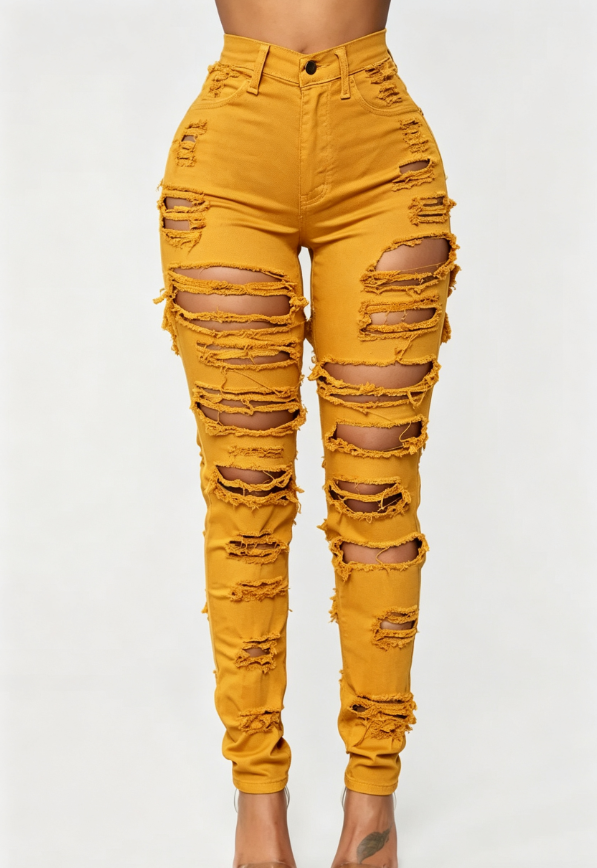


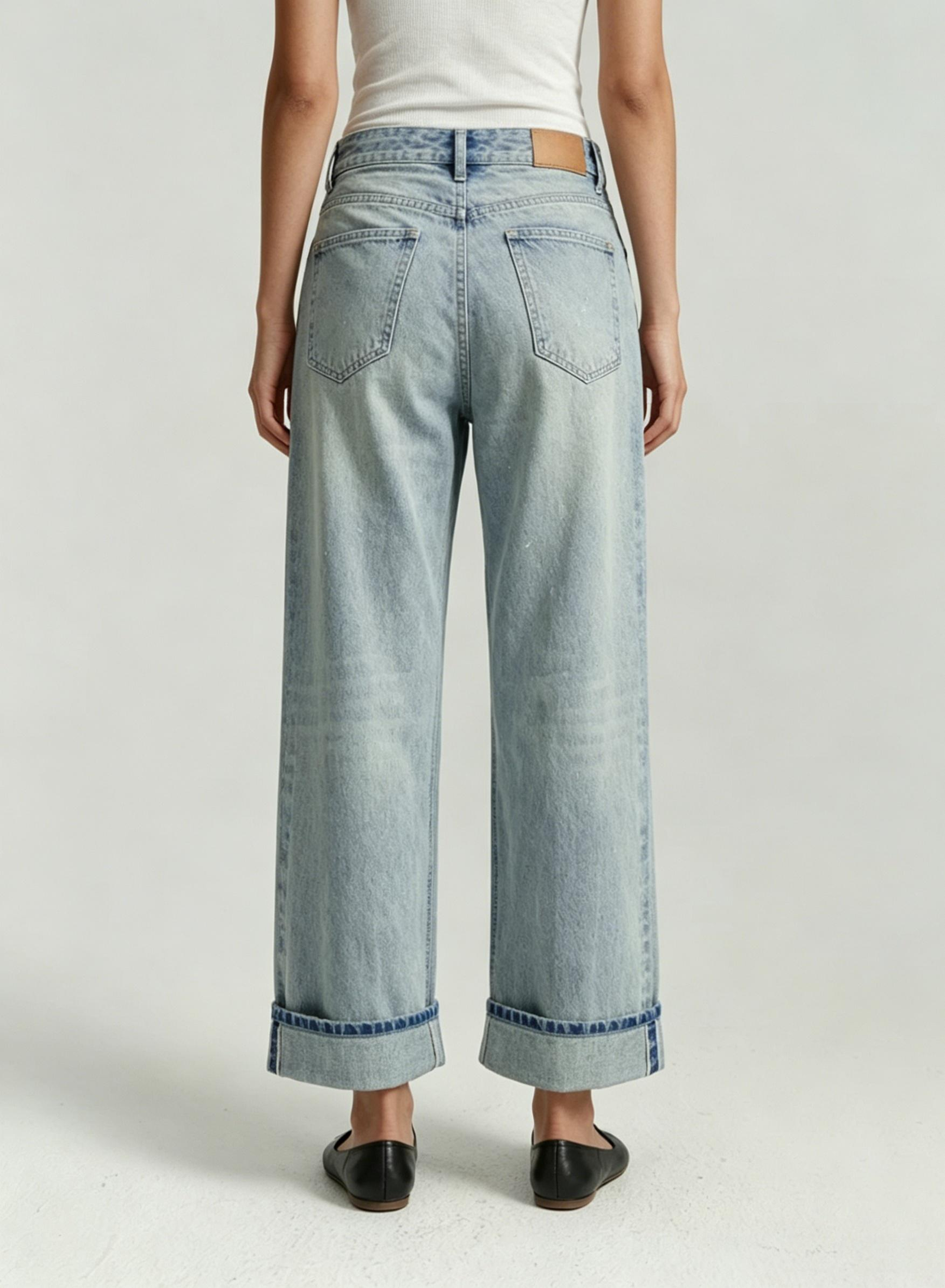


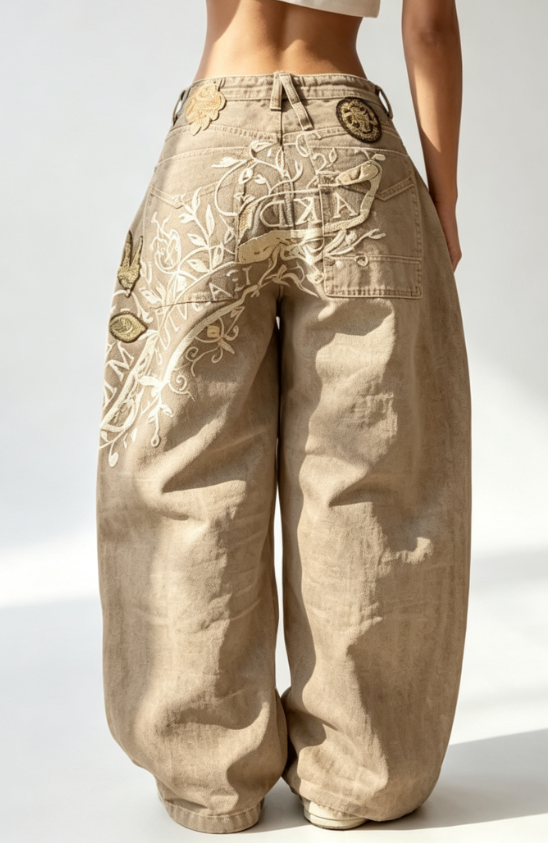

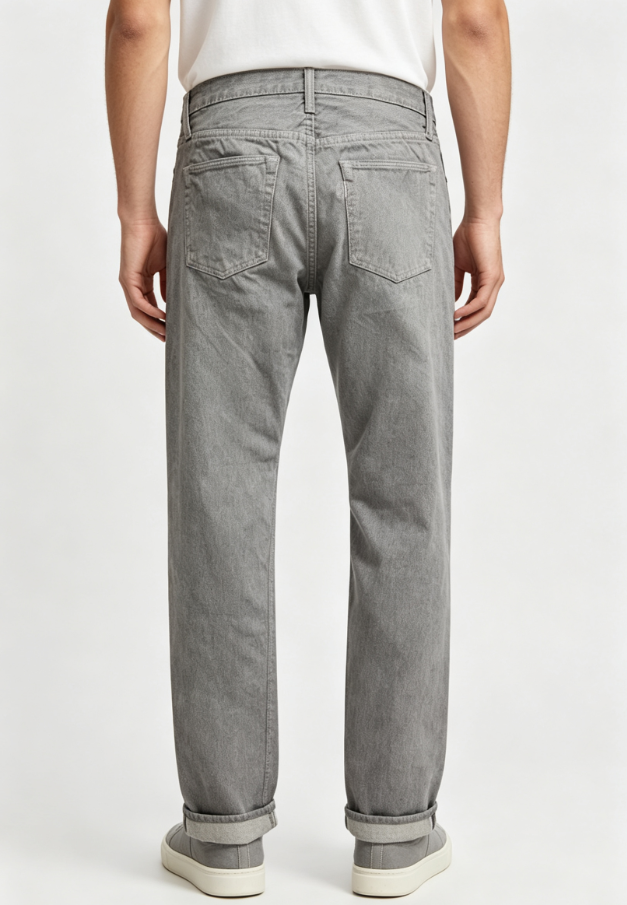
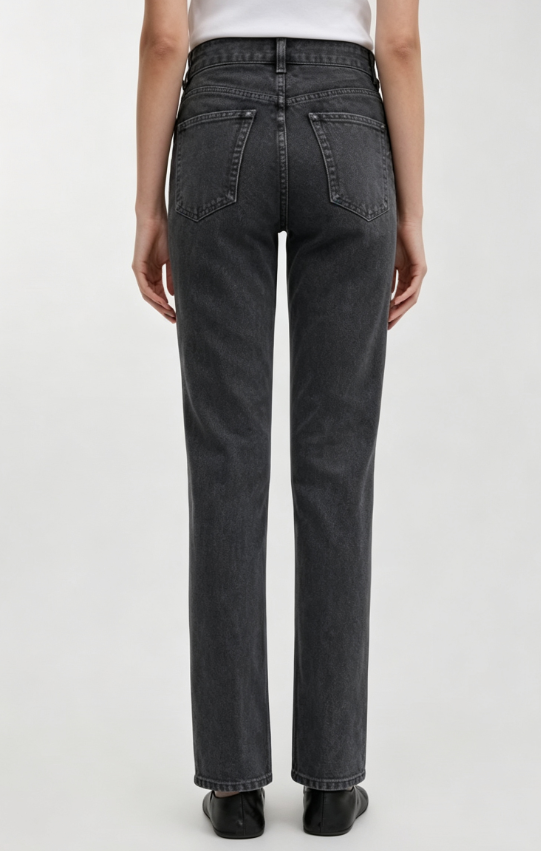


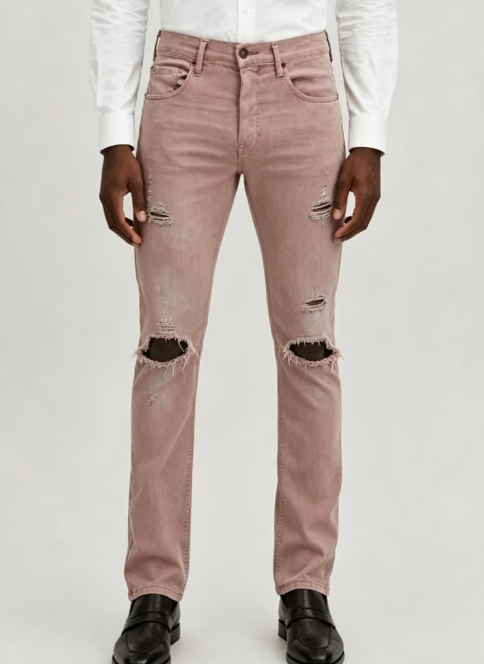

Custom Patched Jeans Catalogue & Quotation

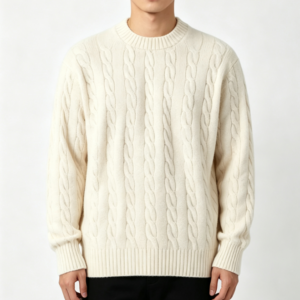
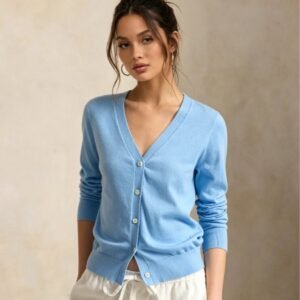




Why Brands Source Custom Patched Jeans From JUNSHEEN
One integrated partner for low-MOQ patched denim development, controlled decoration, private labeling and reliable global delivery.
100-Unit Denim MOQ
Launch custom patched jeans from 100 units per style and color, giving capsule collections a practical path to market.
Fit-Focused Size Development
Patterns and grading are refined from XS–3XL for balanced rises, proportions and mobility across regular, oversized and extended-size fits.
Integrated Patch Decoration
Coordinate custom patches, appliqué, embroidery, printing and denim washes within one production workflow for cleaner execution and consistent results.
Scalable Factory Capacity
With 200+ skilled workers and 80,000+ monthly units of capacity, JUNSHEEN supports repeat orders and growing denim programs.
Complete Private Labeling
Finish each pair with custom labels, hang tags, hardware, wash-care details and branded packaging tailored to your retail presentation.
Global Export Support
From sampling through final inspection and shipment, our team helps international brands manage custom patched jeans production with confidence.
Patched Denim Programs We Manufacture
From capsule launches to branded assortments, Junsheen develops fit-focused denim and coordinated casualwear from 100 units per style and color.
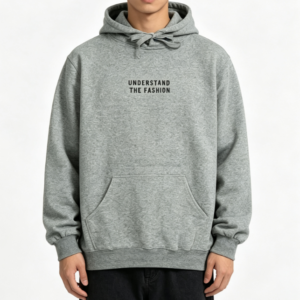
Custom Hoodies
Develop custom hoodies in fleece, French terry, or jersey with branded patches, embroidery, screen printing, custom labels, and packaging. We support capsule quantities from 100 units per style and color, with fit development from XS through 3XL.
Request a Quote
Custom T-Shirts
Produce custom T-shirts that coordinate with patched-denim launches, using combed cotton, heavyweight jersey, or blended fabrics. Add screen prints, DTG, DTF, embroidery, labels, and wash effects while maintaining approved measurements across graded XS–3XL size ranges.
Request a Quote
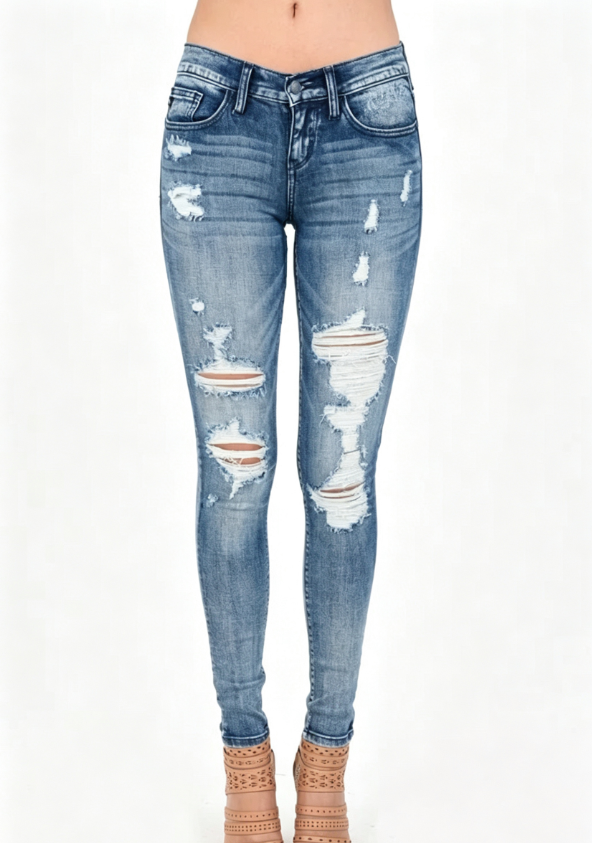
Custom Jeans
Manufacture custom jeans with patchwork panels, logo patches, embroidery, distressing, washes, and branded hardware. Our team supports pattern making, fit refinement, stretch-denim sourcing, size grading, sampling, and bulk production for men’s, women’s, oversized, and extended-size programs.
Request a Quote
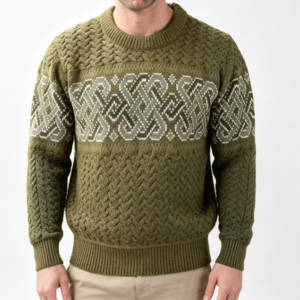
Custom Sweaters
Source and produce turtleneck sweaters in bulk for layered denim assortments. Choose knit gauges, yarn blends, rib details, neck construction, labels, and colorways, with sample approval before scalable production for wholesale or private-label collections.
Request a Quote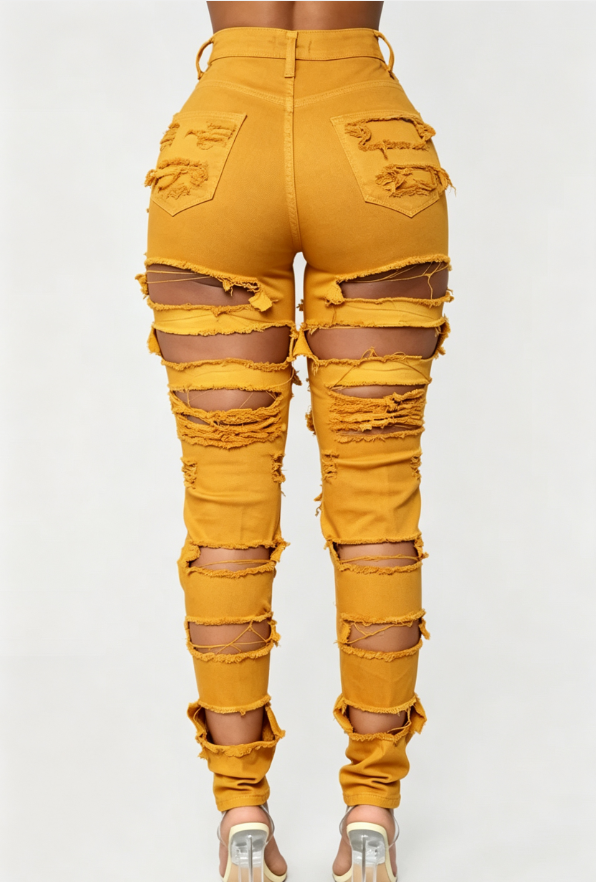
Custom Jackets
Build custom jean jackets with patched panels, embroidery, applique, contrast stitching, washes, and branded buttons or snaps. Junsheen develops construction, grading, and repeatable finishing standards for coordinated denim programs and retail-ready private-label assortments.
Request a Quote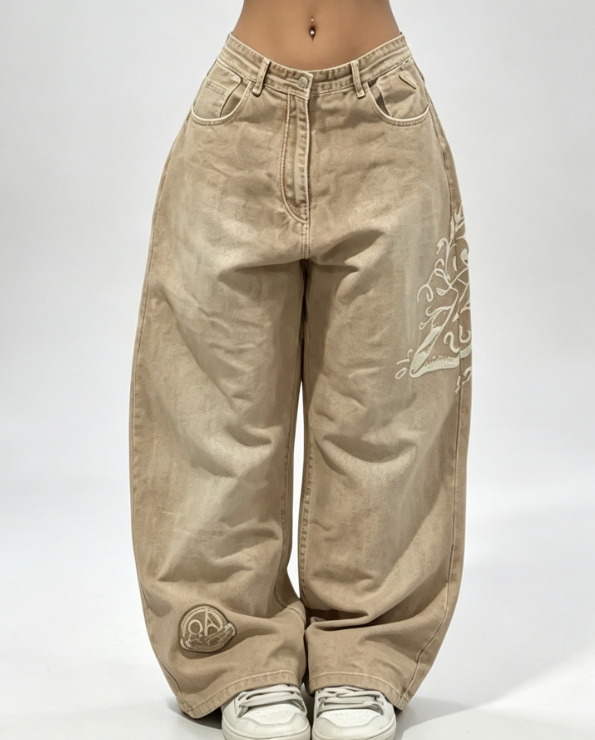
Custom Sweatshirts & Crewnecks
Develop custom crewneck hoodies, sweatshirts, and crewnecks in fleece or French terry with embroidery, puff printing, patches, garment dye, or brushed finishes. Fit-focused pattern work supports regular, oversized, plus-size, and XS–3XL ranges.
Request a Quote
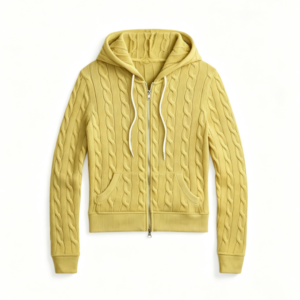
Custom Cardigans
Produce custom cardigans in sweater knits for denim-focused collections, with selected yarns, gauges, buttons, patch pockets, embroidery, and private labels. We review construction and sizing before sampling to support consistent fit across the full size set.
Request a Quote
Custom Puffer & Down Jackets
Manufacture custom puffer jackets with chosen shell fabrics, insulation, quilting layouts, zippers, reflective details, logo embroidery, labels, and packaging. Development support helps brands align warmth, weight, fit, and target cost before bulk approval.
Request a Quote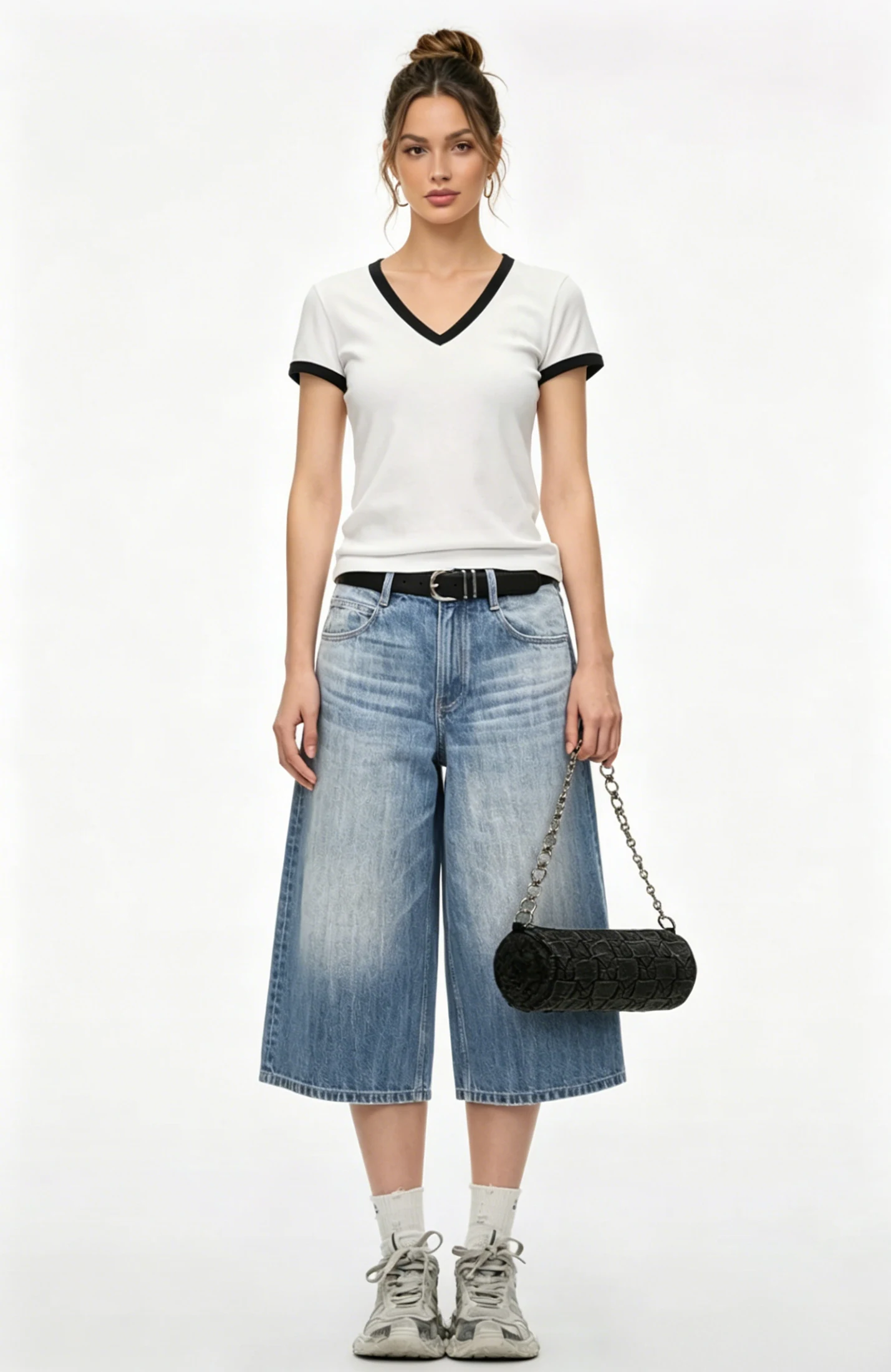
Custom Denim Shorts
Create custom jean shorts with patchwork, raw hems, embroidery, distressed details, washes, and branded trims. Pattern makers refine rise, leg opening, inseam, and grading for men’s, women’s, plus-size, and oversized denim short programs.
Request a Quote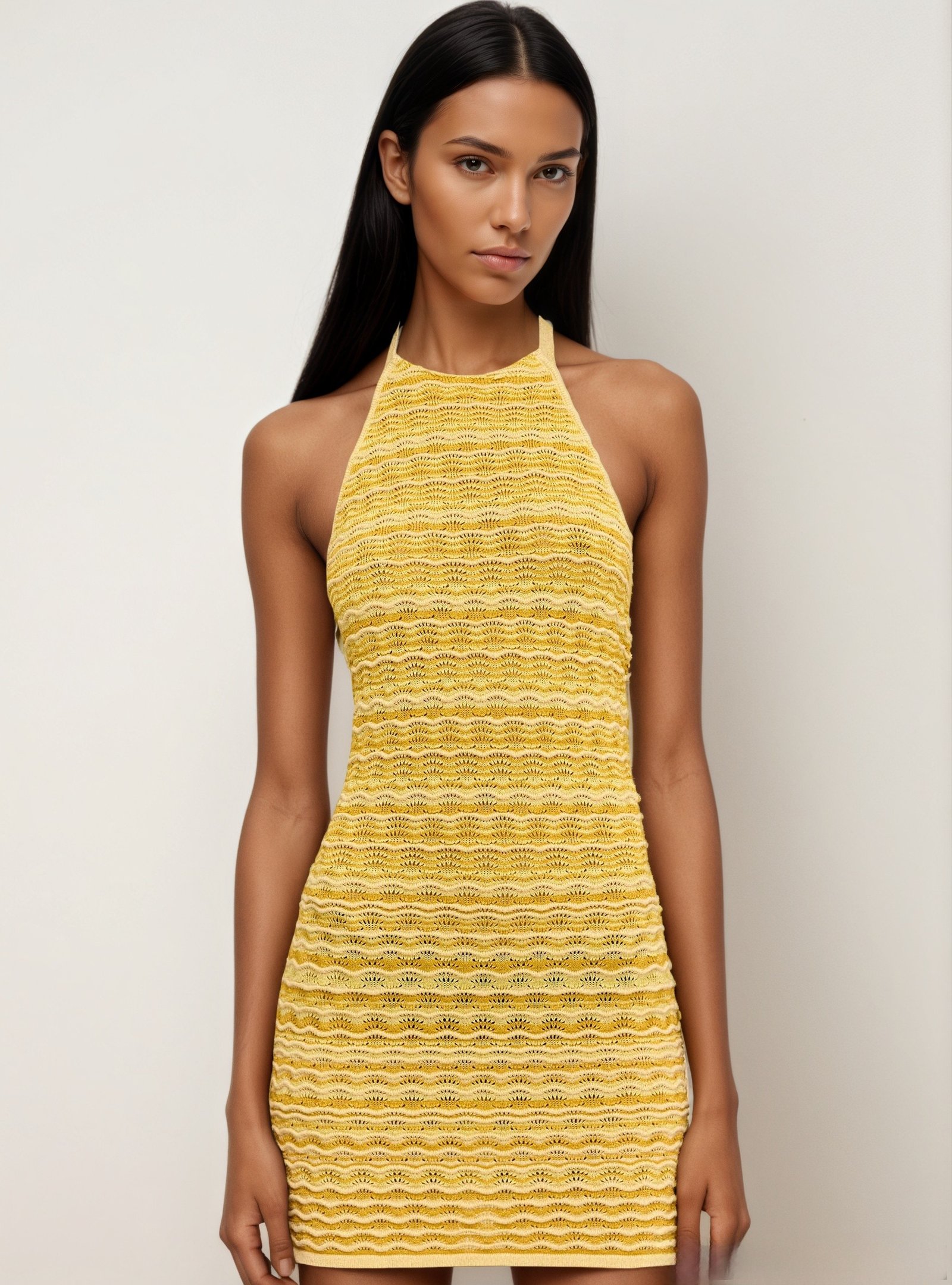
Custom Sweater Dresses
Produce custom sweater dresses with defined knit construction, yarn composition, rib finishes, necklines, and branded labels. Our team develops samples and graded size sets to help brands achieve consistent body proportion and mobility from XS through 3XL.
Request a Quote
Custom Denim Sets
Manufacture men’s denim suits wholesale, including coordinated denim jackets, overshirts, and jeans with matching washes, patches, trims, and branding. Centralized fabric sourcing and production controls help maintain color and finish consistency across every component.
Request a Quote
Custom Polo Shirts
Develop custom polo shirts in pique, jersey, or performance knits with embroidered logos, contrast collars, custom buttons, patches, and labels. We support private-label assortments requiring consistent fit, color standards, and scalable reorder capability.
Request a Quote
Custom Sweatpants
Produce custom sweatpants in fleece, French terry, or jersey with embroidered branding, patches, printing, custom drawstrings, rib cuffs, and wash effects. Fit development covers regular, oversized, extended-size, and plus-size silhouettes from XS to 3XL.
Request a Quote
Custom Shorts
Manufacture custom shorts in jersey, fleece, twill, woven fabrics, or denim for coordinated casualwear programs. Specify inseams, pockets, waist construction, patches, printing, labels, and packaging, with low MOQs suitable for new colorways and capsule drops.
Request a Quote
Custom Pullovers
Develop custom pullovers in knit, fleece, French terry, or woven constructions with selected necklines, patches, embroidery, printing, and private-label trims. Sampling, pattern development, and XS–3XL grading support reliable fit before bulk production.
Request a QuoteDenim Materials for Custom Patched Jeans

Rigid Cotton Denim
A structured, authentic denim with a dry-to-soft hand feel, ideal for straight-leg, relaxed and vintage-inspired patched jeans. Midweight constructions provide durable patch support and develop character through enzyme, stone or acid washing.

Stretch Denim
Cotton-rich denim blended with elastane for comfortable recovery and improved mobility in slim, flare and fitted silhouettes. Available in varied weights, it holds appliqué securely while maintaining shape through repeated wear and washing.

Cotton Blend Denim
Balanced cotton-blend denim combines a softer hand feel with dependable strength for contemporary casual jeans and denim sets. Fiber and weight selections can improve drape, abrasion resistance or comfort while supporting embroidery and custom patches.

Recycled Denim Options
Recycled cotton and recycled-fiber denim supports lower-impact collections without losing the substantial feel needed for patched designs. Material sourcing can be matched to target weight, wash effect, durability requirements and your brand sustainability direction.

Twill Patch Fabrics
Cotton twill, canvas and related woven fabrics create contrasting patches with a crisp hand feel and strong stitch stability. These supporting materials suit reinforced panels, utility-inspired appliqué and durable logo or artwork patch applications.
Custom Patched Jeans: Patch, Embroidery & Denim Finishing


Denim Appliqué Work
Fabric panels, contrast denim, and cut shapes are layered onto the garment with clean edge finishing and reinforced stitching. Appliqué creates bold patchwork placement, tactile contrast, and a structured handcrafted look.

Logo Embroidery
Flat, 3D puff, chain-stitch, and appliqué embroidery can add logos, artwork, or lettering to selected denim panels. Thread density and backing are matched to the fabric for crisp definition and dependable wear resistance.

Screen Print Effects
Screen printing applies plastisol, water-based, puff, flocking, silicone, or high-density graphics directly to denim. The process delivers strong color impact and helps brands build custom patched jeans with layered visual storytelling.

Garment Wash Finishing
Enzyme, stone, acid, garment-dye, and softening washes adjust denim color, hand feel, and vintage character. Wash trials help control contrast between the base garment, patches, embroidery, and printed details before bulk approval.
Custom Patched Jeans Trims & Private-Label Details

Woven Brand Labels
Custom woven main, size and care labels give custom patched jeans a consistent private-label identity. We match label construction, fold style, color and placement to your waistband, pocket, side seam or interior finishing plan.

Leather Waist Patches
Embossed leather or leather-look waistband patches create a premium denim signature and reinforce brand recognition. Choose custom shapes, debossed logos, contrast stitching and finishes that complement patchwork panels, washes and hardware.

Branded Snap Buttons
Custom snap buttons add functional closure and recognizable branding on waistband tabs, cargo-inspired details and jacket pairings. Select logo engraving, antique finishes, plated colors and sizes engineered for your denim weight and construction.

Custom Metal Zippers
Branded zippers support reliable fly, pocket and utility closures while elevating the finished garment. JUNSHEEN can coordinate puller shapes, logo marks, tape colors and metal finishes with the buttons, patches and wash direction.

Drawcords And Tipping
Add custom drawcords to relaxed-waist, hybrid denim and denim jogger programs. Branded aglets, contrast tipping and matched cord colors help carry your visual identity through adjustable waistbands without compromising fit or durability.
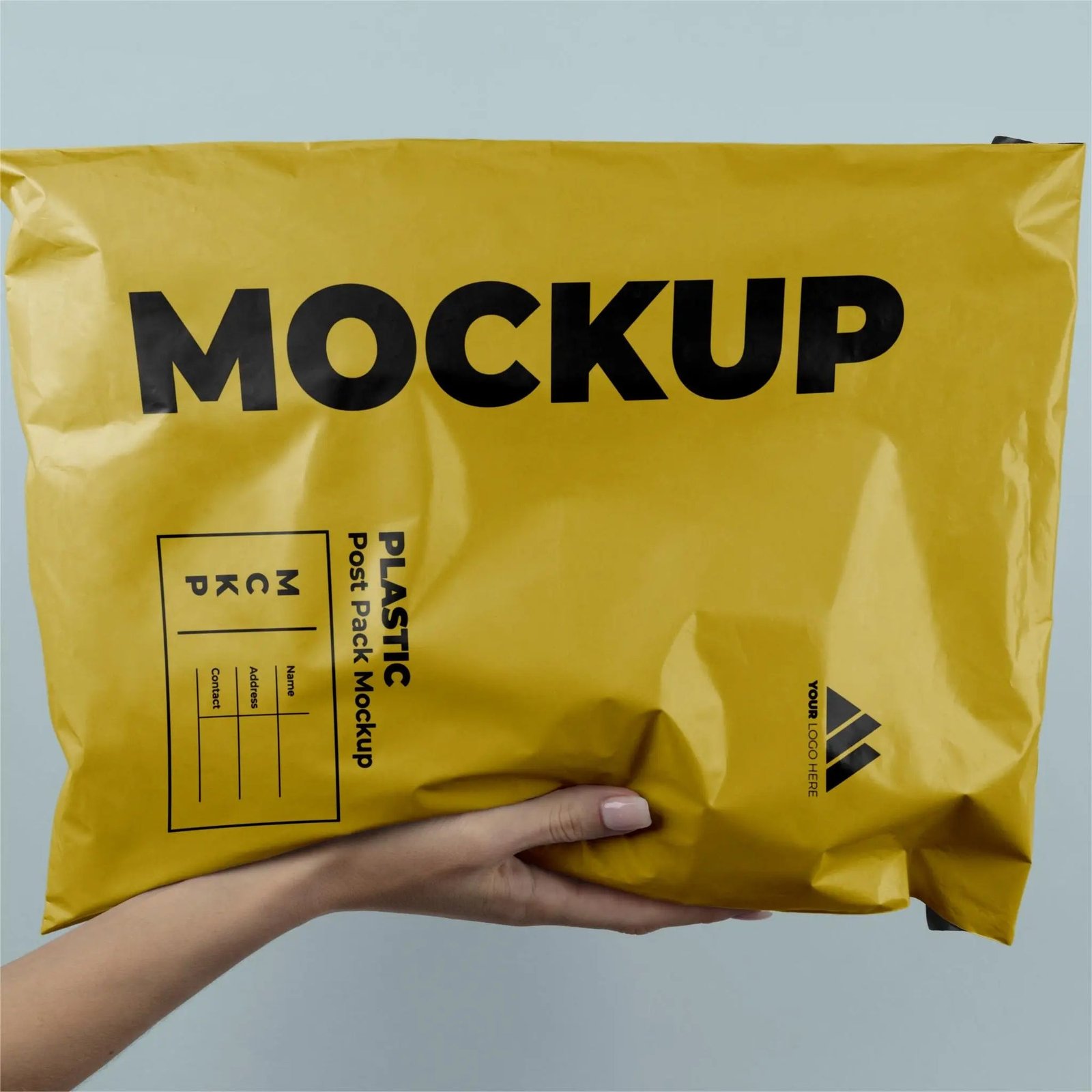
Retail Packaging Sets
Complete retail-ready orders with custom hangtags, barcode stickers, polybags, tissue, inserts and branded cartons. Packaging specifications are coordinated with your folding, labeling and export requirements for cleaner fulfillment and presentation.
About JUNSHEEN Apparel Manufacturing
Founded in 2010 in Humen Town, Dongguan, JUNSHEEN helps fashion brands turn denim concepts into production-ready custom patched jeans and complete casualwear programs. Our mission is straightforward: provide responsive development, dependable manufacturing and clear technical support from the first idea through global delivery.
With 200+ skilled workers and monthly capacity above 80,000 units, we support capsule launches from 100 units per style and color as well as scalable repeat programs. More than 2,000 fashion-brand clients worldwide rely on our cut-and-sew, knitwear, decoration, washing, private-label and export capabilities.
What distinguishes JUNSHEEN is a fit-first approach from XS through 3XL, including extended-size, plus-size and oversized grading. Rather than simply scale a base pattern, our team refines proportion, mobility and measurements across the size set to help brands achieve consistent fits and reduce avoidable revisions.

Built for Complex Custom Patched Jeans Development
Fit-First Denim Pattern Engineering
JUNSHEEN develops custom patched jeans with balanced rises, leg shapes, panel placement, and grading from XS to 3XL, so patchwork details support the intended silhouette instead of distorting fit during wear or wash.
- Pattern development from tech packs, sketches, or reference garments
- Panel and patch placement mapped before sampling
- Fit-focused grading for regular, oversized, and extended sizes
- Size-set review before bulk approval

Precision Patch and Decoration Execution
Our cut-and-sew team coordinates appliqué, custom patches, embroidery, printed artwork, and reinforcement details with denim construction, helping brands achieve clean edges, secure attachment, and a deliberate premium finish across every production run.
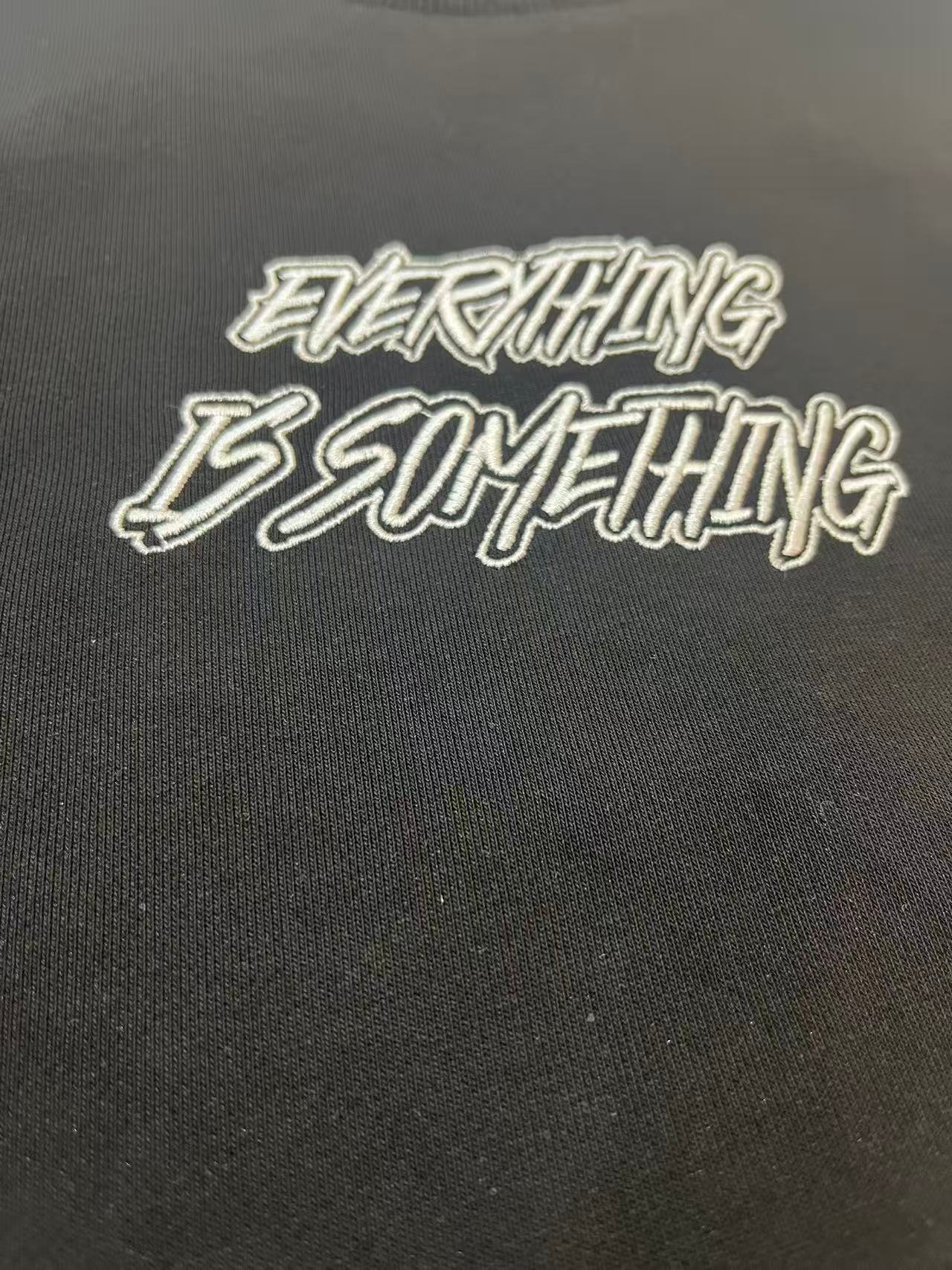
- Woven, embroidered, leather, and fabric patch options
- Flat, 3D, chain-stitch, and logo embroidery
- Appliqué layouts aligned with seams and pocket construction
- Attachment methods selected for durability and hand feel

Wash Development That Protects Detail
Patchwork denim needs wash planning that respects contrast fabrics, thread, embellishment, and base-denim character. JUNSHEEN tests wash direction during development to create the desired vintage, faded, softened, or textured appearance without compromising construction.
- Stone, enzyme, acid, garment-dye, and softening washes
- Wash tests for color migration and patch stability
- Fabric and thread recommendations matched to finish goals
- Sample approval before bulk wash execution

Repeatable Private-Label Production
From a 100-unit launch to scaled replenishment, JUNSHEEN retains approved patterns, graded specifications, material records, and decoration standards for repeatable custom patched jeans production with consistent labeling, packaging, quality control, and export support.
- Low MOQ from 100 units per style and color
- Private labels, hang tags, branded trims, and packaging
- In-line measurement, construction, and decoration checks
- 80,000+ monthly-unit capacity for growing programs
Why Choose JUNSHEEN for Custom Patched Jeans OEM
A fit-focused, production-ready denim partner for launches, replenishment, and scalable private-label programs.
← 左右滑动查看 →
Our Custom Patched Jeans Production Process
A controlled OEM workflow that moves your patched denim program from approved concept to export-ready bulk production.
Design and Feasibility Review
We review your tech pack, reference garment, patch placement, sizing, wash direction, target cost, and 100-unit MOQ requirements before development begins.
Fabric and Patch Sourcing
Our team sources denim, backing materials, custom patches, threads, trims, and labels, balancing hand feel, durability, wash performance, and brand specifications.
Pattern, Sample, and Approval
Pattern makers develop fit-focused XS–3XL grading, then produce a prototype to confirm construction, patch positioning, decoration quality, measurements, and finishing details.
Cutting, Sewing, and Application
Approved materials move into bulk cutting, denim sewing, patch application, embroidery, and reinforcement, with production teams following retained specifications and approved samples.
Washing and Quality Control
We complete required washes and finishing, then inspect measurements, seam strength, patch attachment, decoration, appearance, and packed-goods quality before release.
Packing and Global Shipment
Finished custom patched jeans receive private-label packaging and export documentation, then ship worldwide with coordinated support for your selected delivery method.
Start Your Custom Patched Jeans Project
Move from concept to approved bulk production with clear technical review, sampling and quotation support from JUNSHEEN.
Share Your Concept
Send a tech pack, sketch, reference garment, mood board, size range and target quantity for your custom patched jeans program.
Review Production Feasibility
Our team reviews denim weight, patch construction, embroidery, washes, fit requirements, trims and manufacturability before recommending production-ready specifications.
Develop and Approve Samples
Confirm fabrics and details through prototype samples, pattern refinement and fit review, including XS–3XL grading when your collection requires extended sizing.
Confirm Quote and Bulk Approval
Approve the final sample, pricing and production details, then move into bulk manufacturing from 100 units per style and color.
Custom Clothing Manufacturer Credentials and Compliance Documents




Custom Patched Jeans Results & Client Feedback
JUNSHEEN turned our patch layout and wash references into approved samples in two rounds. The final jeans held placement and color consistency across a 1,200-unit launch, which kept our retail delivery on schedule.
Their team corrected the rise and thigh grading for our XS–3XL size set before bulk production. Returns for fit were 18% lower than our previous denim drop, and the patches remained secure after wash testing.
We started with a 100-unit colorway to test our custom patched jeans concept, then reordered three additional washes. Clear sampling updates and reliable lead times helped us scale to 3,600 units without changing factories.
Custom Patched Jeans FAQ
Clear answers for brands planning low-MOQ patched denim development, sampling, production, and global delivery.
What is the MOQ for custom patched jeans?
Can you make a sample before I order custom patched jeans in bulk?
How long does custom patched jeans production take?
Can you produce custom patches, embroidery, and distressed denim washes?
Do you offer XS–3XL and plus-size grading for patched jeans?
How do payments work for a first custom patched jeans order?
Can JUNSHEEN ship patched denim orders internationally?
How do you protect our designs, logos, and custom patch artwork?
The Complete Buyer’s Guide to custom patched jeans
Use this decision framework to specify custom patched jeans, assess supplier capabilities, compare materials and costs, and avoid sampling, quality-control, and production mistakes that delay a successful denim launch.
1. What Are custom patched jeans?
100-unit OEM programs can define custom patched jeans as denim trousers whose surface, reinforcement, or silhouette is deliberately altered with added textile components. A patch may be a branded woven badge, embroidered emblem, leather label, or contrast fabric placed for decoration; it does not automatically change the garment’s underlying construction. 2 distinct production methods separate repair-inspired patchwork from appliqué and panel construction. Repair-inspired patchwork layers or inserts fabric over worn-looking areas such as knees and seat panels, often paired with stone wash or enzyme wash, while appliqué is a sewn-on motif with a visible edge; panel construction replaces or divides garment sections at seams, affecting pattern pieces, cutting yield, and assembly time. 3 buyer positions should be decided before sampling: fashion-led, utility-led, or brand-merchandise-led. Fashion labels usually prioritize wash contrast, placement, and silhouette; workwear or skate customers value knee reinforcement and durable bartacks; retailers, artists, and promotional programs use repeatable logo patches to create recognizable private-label merchandise. This choice directs denim weight, patch material, stitch specification, decoration approval, and how consistently the style can be reordered.
2. Evolution of custom patched jeans
1873 marked the patenting of riveted blue jeans by Jacob Davis and Levi Strauss, establishing denim as durable workwear rather than fashion decoration. Early patches were practical repairs: canvas, denim, and leather reinforced knees, seats, and pockets, creating the irregular contrast and visible mending that still makes a convincing heritage reference for custom patched jeans. 1950s and 1970s youth cultures turned repaired denim into personal expression, using hand-sewn fabric scraps, band motifs, embroidery, and political symbols. For a multi-season assortment, this DIY language is most reliable when translated into controlled details—tonal denim repairs, bar-tacked edges, workwear-weight twill, and restrained color blocking—rather than dated slogans or highly specific pop-culture graphics. 1990s streetwear and 2000s luxury denim elevated patchwork into an intentional construction feature, mixing washed indigo panels, raw edges, appliqué, and premium leather or woven labels. Current private-label programs should separate enduring cues from trend-sensitive ones: vintage wash variation, repair-inspired placement, and balanced panel proportions travel well across seasons, while extreme stacked patches, oversized logos, rhinestone artwork, and novelty prints should be tested in limited colorways or capsule quantities before broad adoption.
3. Types of custom patched jeans
Six product directions cover most custom patched jeans programs, from visibly repaired denim to tightly controlled logo applications. The construction choice determines pattern segmentation, operator minutes, and how reliably a bulk repeat matches the approved sample.
| Type | Visual Effect | Production Implication | Best Positioning |
|---|---|---|---|
| Repair patch | Worn, restored | Extra stitching; base pattern retained | Vintage streetwear |
| All-over patchwork | Artisanal, bold | Many pattern pieces; highest labor | Premium limited drops |
| Contrast panels | Graphic, controlled | Panel grading and seam matching | Commercial fashion |
| Embroidery or appliqué | Textured branding | Decoration controls and backing | Logo-led brands |
| Printed patch | Detailed artwork | Color approval and placement control | Seasonal capsules |
Repair-Style Patches

One repair-style patch places a frayed or clean-edged denim piece over a tear, producing a worn, authentic look for vintage and streetwear capsules. Reinforcement stitching must be specified before washing so abrasion does not expose unstable seams. Two-layer repairs add labor but retain the original jean pattern, making them easier to repeat than multi-panel garments. Use placement tolerances and stitch-density callouts on the tech pack.
Patchwork And Contrast Panels
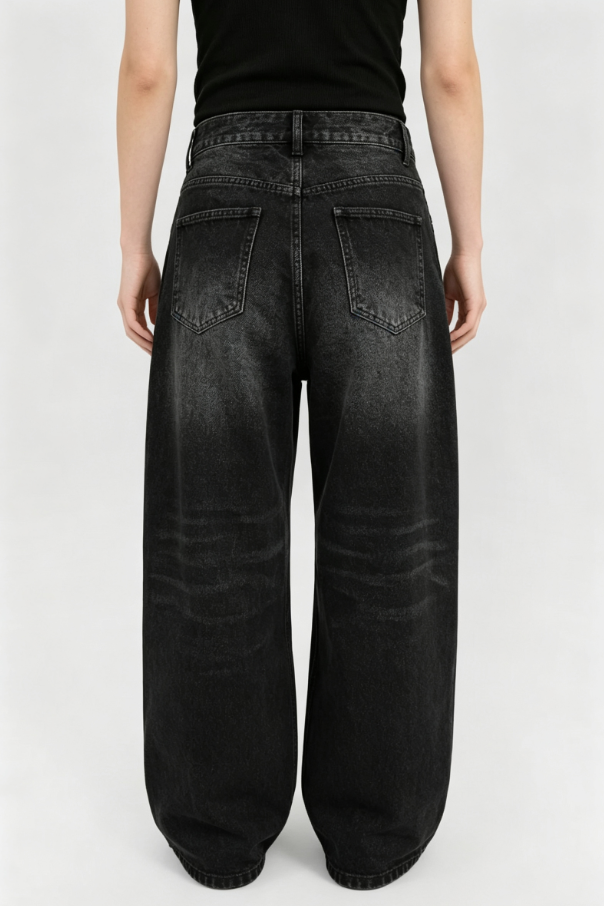
Four or more patchwork pieces create the strongest visual statement and suit premium fashion, artist collaborations, and limited drops. Each fabric boundary becomes a pattern piece, so seam allowance, grain direction, and wash shrinkage require early testing. Two contrast panels—such as twill knees or plaid side inserts—give a cleaner commercial result with lower cutting complexity. Color-coded pattern files and approved placement templates improve repeatability across sizes.
Decorative Brand Applications

Embroidered patches and branded appliqué add raised texture and durable identity for logo-led collections. Stabilizer, backing, stitch count, and application sequence should be approved before garment wash to prevent puckering. Printed patches deliver detailed graphics at lower setup complexity than dense embroidery, especially for seasonal artwork. Pantone references, patch dimensions, and heat-press or sew-on placement marks protect consistency in reorder programs.
4. Materials for custom patched jeans
12–14 oz cotton denim is the versatile starting point for custom patched jeans, balancing structure, abrasion resistance, and wash response. Fiber blend, stretch, and patch substrate should be approved together because they change fit recovery and decoration durability.
| Product use | Base and patch combination | Fit and price tier |
|---|---|---|
| Fashion rigid jean | 13–16 oz cotton denim; leather alternative patch | Structured fit; premium |
| Everyday stretch jean | 11–12 oz cotton/elastane; woven twill patch | Comfort fit; mid-tier |
| Utility workwear | 10–12 oz canvas or twill; canvas patch | Durable fit; mid-tier |
| Textured capsule | Corduroy or recycled denim; embroidered patch | Statement fit; premium |
Weight And Stretch

10–12 oz stretch denim suits slim or comfort fits; 1–3% elastane improves movement, but excessive stretch can distort patch placement after laundering. 13–16 oz rigid cotton denim gives straighter silhouettes cleaner fades and stronger stitch holding. Ring-spun yarn generally provides a smoother hand than open-end yarn.
Weave And Wash Readiness

3×1 right-hand twill is the standard denim weave for durable diagonal character and predictable abrasion. Request wash testing before approving enzyme, stone, acid, or garment-dye finishes. 8–12 oz canvas and cotton twill support utility panels, while corduroy adds texture but needs stabilized patch edges. Recycled cotton blends require shrinkage and tensile testing by lot.
Patch Material Selection

0.8–1.2 mm leather or certified leather alternatives create premium back-waist patches, but wash chemistry can darken or crack them. Test color migration against indigo fabric. 2–4 mm woven, chenille, or embroidered patches need a stable base and compatible backing. Canvas patches suit workwear; soft twill patches better follow stretch denim.
5. Customization options for custom patched jeans
A 100-unit custom patched jeans program can combine patchwork, print, hardware, and finishing without turning the garment into competing statements. Define one visual hierarchy first: dominant patch treatment, supporting wash, then restrained branding details.
| Treatment | Best Use | Key Approval Point |
|---|---|---|
| Raw-edge patch | Repair or vintage look | Fray level after wash |
| Finished-edge patch | Clean branded panels | Edge stitch and seam allowance |
| Embroidery | Small logos or line art | Thread density and backing |
| Screen print | Bold flat graphics | Ink adhesion after wash |
Patch Shape And Placement

Three common patch profiles are rectangles, shields, and irregular repair shapes; raw edges fray after laundering, while merrowed, turned, or satin-stitched edges look more controlled. 5–10 mm placement tolerances should be agreed on for pockets, knees, and side seams. Oversized patches can restrict stretch or create puckering, so confirm size on a fit sample.
- Use seam-aligned patches for cleaner production
- Keep knee patches clear of stretch zones
- Match stitch color to denim or contrast intentionally
Artwork And Decoration
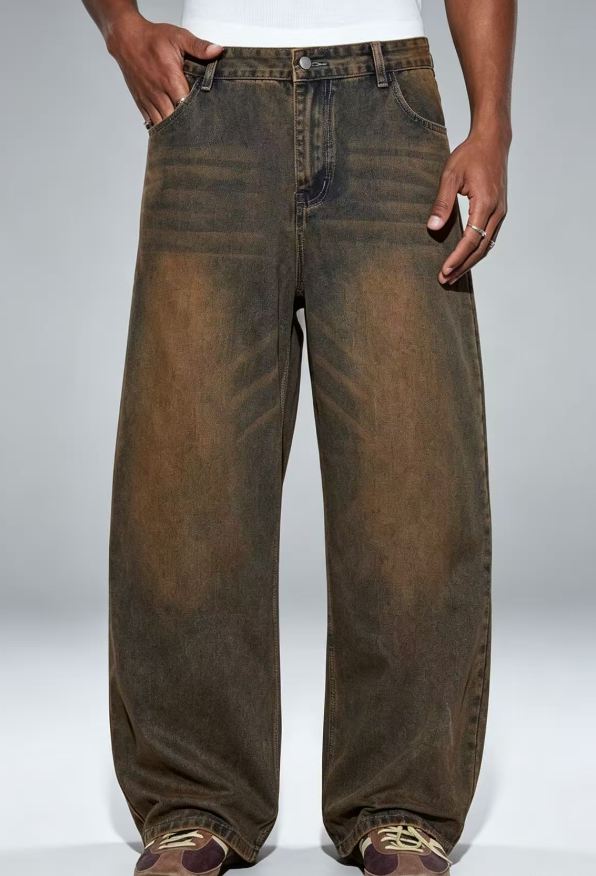
300 dpi raster artwork at final size suits screen print, while vector AI, EPS, or PDF files preserve sharp embroidery and cut-line detail. Sublimation is best on polyester patch grounds rather than indigo cotton denim. 2–4 thread colors usually keep embroidered patches legible at small scale; dense fills need backing and may stiffen the patch.
Wash, Labels And Hardware

Pantone references should be supplied for thread, printed ink, labels, and painted hardware, with physical swatches used to approve practical matches. Stone wash, enzyme wash, tinting, and distressing can shift patch contrast and expose raw-edge fraying. 1 wash-test sample should verify dye bleed, patch adhesion, embroidery distortion, and hardware abrasion before bulk approval. Add woven or leather labels, rivets, buttons, and zipper pulls only where they reinforce the same brand treatment.
6. Construction quality for custom patched jeans
Construction quality is proven at stress points, not by a clean showroom appearance. For custom patched jeans, inspections should follow the garment through wash tests, movement, and repeated laundering.
Denim And Seam Control

100% cotton denim should show straight grain through each leg; twisting after laundering often starts with off-grain cutting or uneven shrinkage. 10–12 mm seam allowances give operators room for secure assembly, while consistent 8–10 stitches per inch helps prevent popped seams without puckering.
Patch Stress And Edge Finish

2-layer patch areas redistribute bending and pull forces into the base denim, especially across knees, thighs, seat panels, and pocket corners. 3 attachment methods require different checks: stitching needs secure back-tacks, appliqué needs clean edges, and heat-applied patches need wash-tested adhesion. Raw patch edges can fray, curl, or catch during wear unless enclosed, overlocked, or deliberately stabilized.
- Inspect reinforcement behind large or heavily embroidered patches
- Check bar tacks at pocket openings and patch corners
- Test edge abrasion after multiple wash cycles
Hardware, Wash, And Tolerances
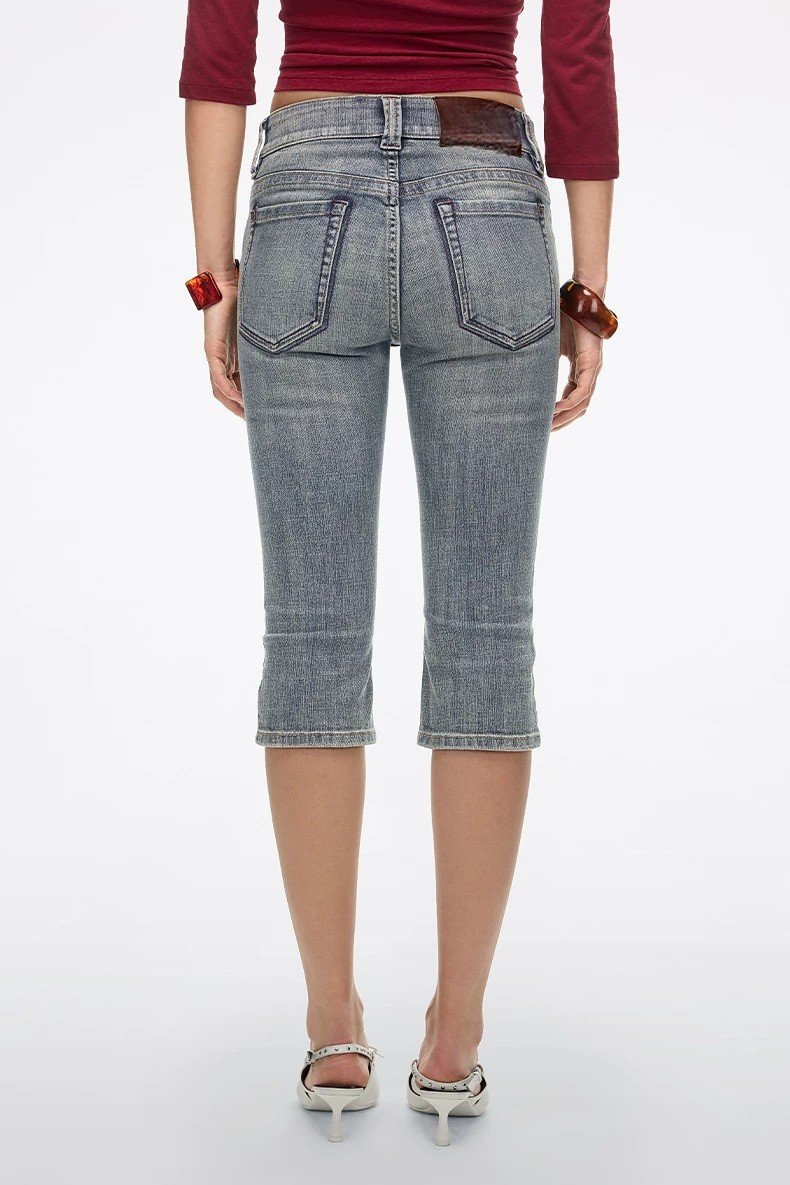
YKK-grade zippers, securely clinched buttons, and properly set rivets should operate repeatedly without snagging, spinning, or damaging adjacent fabric. 2–3% measurement tolerance is a practical bulk-control target for key points; compare washed samples for shade, abrasion placement, shrinkage, and patch distortion before approval.
7. How to choose a jeans manufacturer
100-unit starting quantities can make custom patched jeans feasible for capsule brands, but low MOQ alone does not prove factory readiness. Approve suppliers by testing their materials, technical controls, communication discipline, and repeatable export execution.
Verify Denim And Fit

10–14 oz denim is a practical sampling range; ask for mill composition, stretch percentage, shrinkage results, color-lot control, and replacement availability. Request a graded size set, because scalable fit depends on rise, thigh, knee, and inseam rules—not simply enlarging one pattern.
- Ask which mill supplies each fabric.
- Confirm wash shrinkage before grading.
- Review base pattern and measurement tolerances.
Test Decoration Capacity

3–5 patch placements can alter garment balance and sewing time; require production drawings showing patch dimensions, stitch type, backing, and placement tolerances. Ask whether embroidery, appliqué, and patch attachment are completed before or after washing, since abrasion can change edges and thread appearance.
- Request stitch-density specifications.
- Check patch edge security after washing.
- Match thread colors to approved standards.
Control Wash And Samples
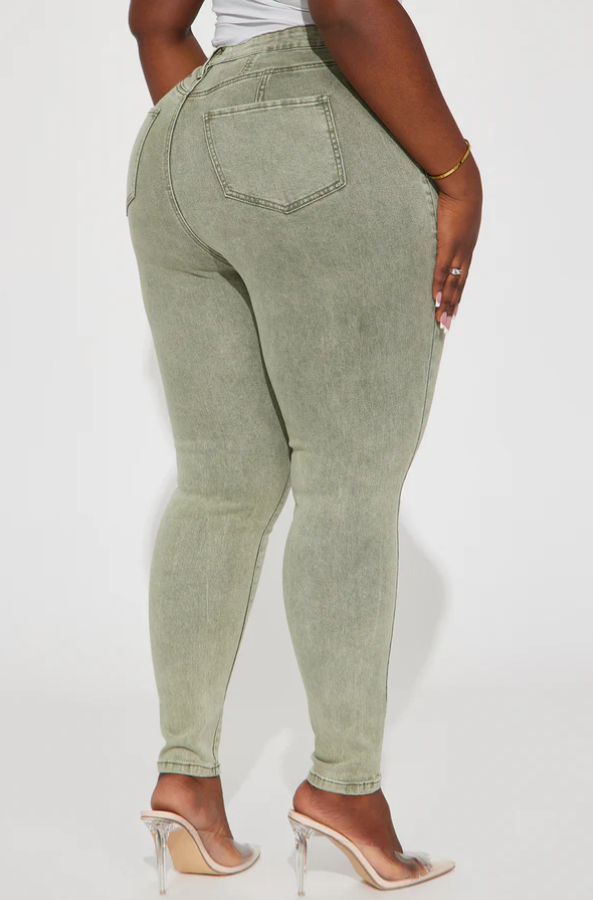
1 approved pre-production sample should match the bulk route: same denim, wash recipe, patch vendor, sewing method, and finishing sequence. Ask for wash-house test photos, measurement reports after wash, and a written change log between prototype and production sample.
- Compare washed measurements to the spec.
- Inspect crocking and patch distortion.
- Approve a sealed production reference.
Audit Quality And Export
AQL inspection plans, incoming-fabric checks, in-line measurement control, and final packed-goods inspection should be documented before purchase order approval. Ask which compliance records are available, such as OEKO-TEX, GOTS, WRAP, or BSCI where applicable, plus destination-market labeling and export experience.
- Confirm defect classification and AQL level.
- Ask for recent export-market references.
- Verify carton marks and shipping documents.
8. Common buyer mistakes to avoid
A single approved sample is not a production specification. For custom patched jeans, preventable failures usually originate before cutting: an untested reference, incomplete tolerances, or a supplier decision based only on the lowest quote.
Validate The Reference Garment
One vintage sample can hide uneven shrinkage, weak seams, or a distorted wash. Build a measurement spec, construction sheet, and approved pre-production sample instead of copying it directly. Three wash-and-wear cycles reveal whether the rise, knee, and patch edges remain stable. Require a fitted size set and documented post-wash measurements before bulk cutting.
Match Patch And Denim

12–14 oz rigid denim and stretch denim react differently to patch fabrics and adhesives. An incompatible patch can pucker, bleed dye, crack at stitch lines, or restrict movement. Two fabric swatches are insufficient for approval. Test the actual patch, backing, thread, and base denim after the intended wash, using a stitched strike-off.
Specify Artwork And Wash

5 mm of placement drift is visible on a thigh patch or back pocket motif. Approve Pantone references, patch dimensions, placement points from seams, orientation, and allowable tolerance on a production artwork sheet. One stone or enzyme wash can fade thread, abrade edges, and change patch tone. Approve a washed sample—not only a dry sample—and retain it as the bulk standard.
Test Value Beyond Quote
30 minutes of seated, walking, and squat wear testing can expose scratchy backing, seam failure, and patch lift. Add wear tests, wash tests, and final inspection criteria to pre-production approval. A low unit quote can omit testing, stable materials, rework allowance, or consistent quality control. Compare quotations against the same BOM, wash process, packaging, defect standard, and delivery terms.
9. Steps to launch custom patched jeans
A 100-unit-per-style-and-color starting point makes custom patched jeans practical for capsule labels, but only when approvals are sequenced. Lock specifications before bulk fabric and patch materials are committed.
Define The Production Brief
1 tech pack should identify silhouette, target measurements, wash, inseam, patch placement, stitch color, hardware, labels, and Pantone references. A sketch or reference garment can start development, but measurable specifications prevent interpretation gaps. 3 core inputs are quantity by size and color, target landed-cost range, and delivery market. Confirm trademark ownership and artwork rights before decorative files enter sampling.
- Measurement chart and grading range
- Front, back, and placement artwork
- Fabric weight, stretch, and wash target
Select Denim And Patch Materials

10–13 oz rigid denim suits structured vintage fits, while 11–12 oz stretch denim improves mobility when elastane recovery is specified. Review swatches, shrinkage expectations, and wash-test results before approving bulk materials. 2 patch decisions require separate confirmation: base material and attachment method. Leather, woven, embroidered, or appliqué patches behave differently through enzyme, stone, and garment-dye processes.
Sample, Fit, And Grade
1 prototype validates pattern, pocket geometry, patch position, wash character, and construction before size grading. Record every revision on one consolidated comment sheet to avoid conflicting instructions. XS–3XL programs need graded measurements rather than enlarged copies of one base size. Approve a fit sample, then request a size set when extended sizing or a new block is involved.
Approve Bulk And Inspect
1 pre-production sample is the final approval gate for bulk fabric, trims, labels, wash, and decoration. Sign off against an agreed reference sample and retain the approved specification pack for repeats. 3 inspection stages—incoming material, in-line sewing, and final packed-goods review—should check measurements, patch security, wash consistency, labeling, and carton counts. Release shipment only after final balance and packing details are confirmed.
10. Custom patched jeans pricing and cost
100 units is Junsheen’s starting production scale per style and color, and this tier normally carries the highest unit cost because pattern work, wash trials, patch sampling, and line setup are spread across fewer jeans. A confirmed quote should follow the approved tech pack, size range, fabric swatch, patch artwork, wash standard, hardware list, packaging specification, and destination. 12–14 oz denim, stretch content, and wash complexity are the largest base-garment variables. Stone or acid washes, laser effects, distressing, enzyme treatments, contrast stitching, YKK-class hardware, leather labels, and individual polybags each add materials, processing, inspection, or packing time. 1 patch versus 6 patches can change both labor and rejection risk, especially with embroidered, chenille, leather, or multi-layer appliqué patches. Larger volumes reduce setup allocation, but sampling, Pantone matching, embroidery stitch count, patch placement, and branded packaging must be fixed before bulk pricing is reliable.
| Quantity Tier | Indicative Unit-Price Drivers | Typical Production Lead Time |
|---|---|---|
| 100–299 units | Highest setup allocation; standard denim, 1–2 patches, basic wash | 25–35 days after approvals |
| 300–999 units | Better fabric and trim utilization; 2–4 patches, moderate wash | 30–40 days after approvals |
| 1,000–2,999 units | Lower setup cost per unit; efficient cutting and patch runs | 35–45 days after approvals |
| 3,000+ units | Best volume efficiency; complex washes or decoration still extend time | 40–55 days after approvals |
Start Your Custom Patched Jeans Collection
Send your tech pack, reference design or idea for a tailored OEM quotation, fit-focused development and 100-unit MOQ production.