
Custom Screen Printing for Apparel From 100 Units
Launch print-ready casualwear with custom screen printing, fit-focused XS–3XL development, private-label details, and scalable OEM production.
Featured Products for custom screen printing Development


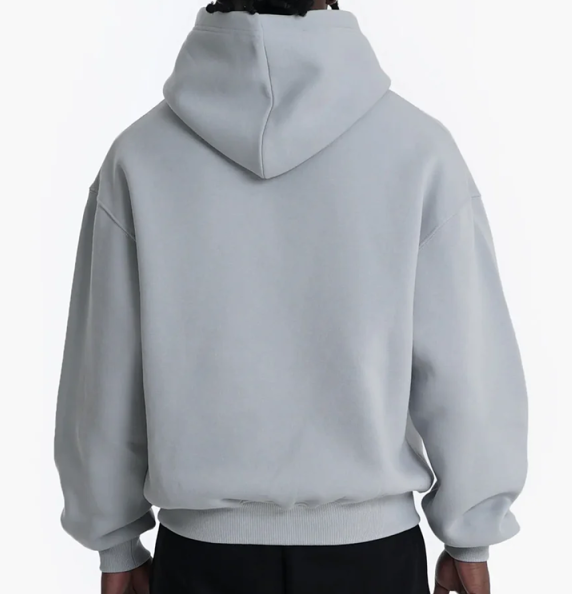

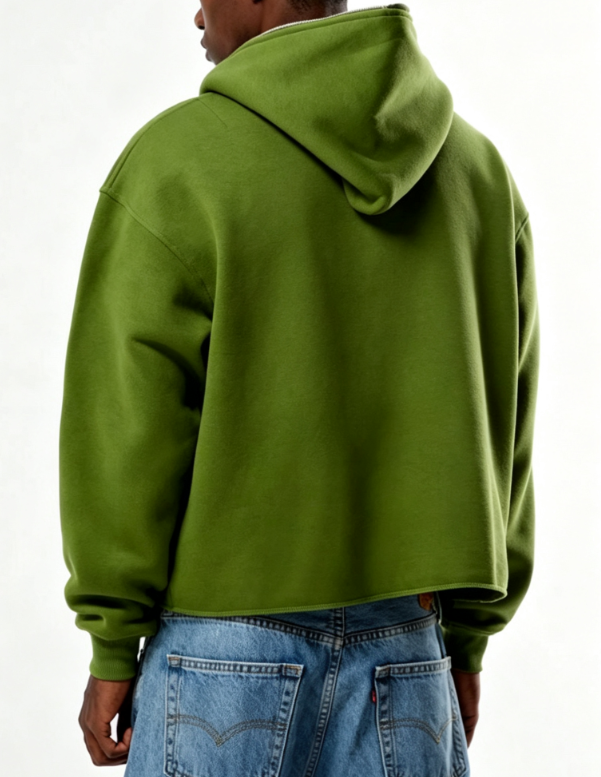
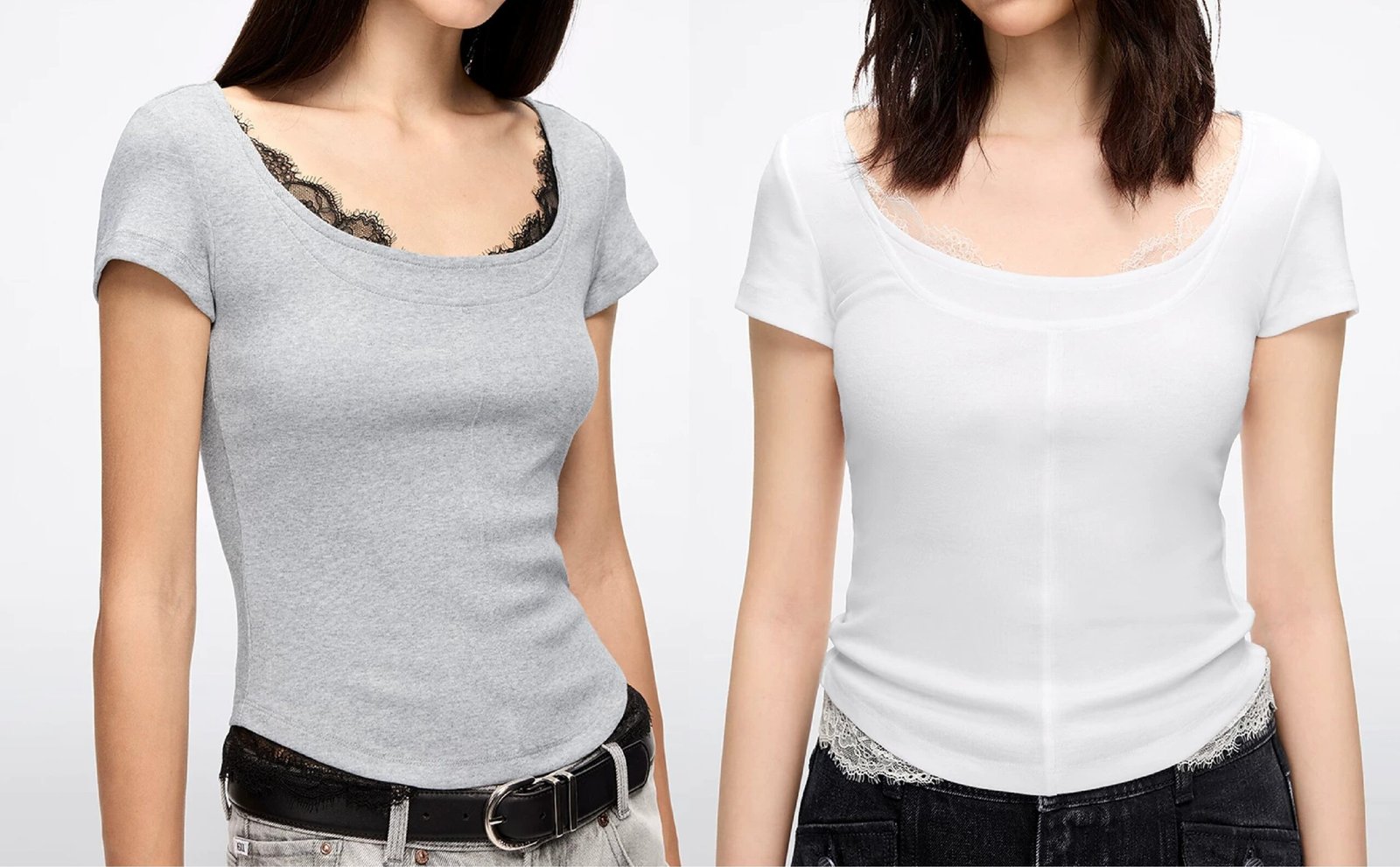


Related Product Catalogue and Quotation




Why Brands Choose Our Custom Screen Printing
Integrated apparel development, specialty decoration, fit-led production and export-ready quality control from one experienced manufacturing partner.
100-Unit Starting MOQ
Launch capsule collections from 100 units per style and color, then scale confidently into repeat and bulk production programs.
Specialty Print Effects
Create distinctive apparel with plastisol, water-based, puff, flocking, silicone, high-density, foil and discharge custom screen printing effects.
Development Under One Roof
Move from artwork, sketches or tech packs through fabric sourcing, sampling, pattern making and production with coordinated in-house support.
Fit-Focused XS–3XL
Refined pattern grading supports normal, extended-size, plus-size and oversized silhouettes with proportion-aware measurements across the complete size range.
Reliable Print Quality Control
Inspections cover incoming materials, print placement, color consistency, construction, measurements and final packed goods before global shipment.
Global Export Support
Work with an experienced team serving 2,000+ fashion-brand clients, with packaging coordination and export support for international deliveries.
Custom Apparel We Print and Produce
Screen-printing programs engineered for clear artwork, reliable repeatability, and scalable branded apparel production.

Plastisol & Water-Based Printing
Plastisol screen printing delivers durable, opaque color and dependable coverage on cotton, blends, fleece, and casualwear. Water-based options offer a softer hand for fashion-led programs. Junsheen reviews artwork, fabric, placement, and wash requirements before sampling and bulk production.
Request a Quote
T-Shirt Screen Printing
Our t-shirt screen printing service supports custom jerseys, heavyweight tees, oversized fits, and extended sizes from XS–3XL. Buyers can combine precise color matching with private labels, trims, packaging, and low-MOQ production from 100 units per style and color.
Request a QuoteCustom Screen Printing Fabrics Built to Perform

Cotton Jersey
Soft, breathable cotton jersey gives T-shirts and lightweight tops a familiar everyday hand feel. Its smooth face supports crisp custom screen printing, while available weights help balance drape, opacity, and target cost.

French Terry
French terry pairs a smooth printable outer face with absorbent loopback texture inside. Ideal for premium hoodies, crews, and shorts, it offers medium-weight comfort, stable construction, and dependable wash performance.

Brushed Fleece
Brushed fleece creates a warm, soft interior for heavyweight sweatshirts, hoodies, and joggers. The dense outer surface accommodates bold plastisol and puff effects, with substantial weight for durable cold-weather casualwear.

Denim Twill
Denim and cotton twill bring structured texture to jackets, overshirts, workwear, and bottoms. Their durable woven construction supports selected screen-print placements, patches, and washes, with weight and stretch tailored to the silhouette.

Performance Knit
Performance knits combine stretch, recovery, and moisture management for active-inspired apparel and fitted layers. Junsheen matches ink systems to the fabric surface to maintain flexibility, print adhesion, and wearer comfort through repeated use.

Recycled Blends
Recycled cotton and polyester blends help brands pursue lower-impact material options without abandoning practical production needs. Available jersey, fleece, and knit constructions can be specified for desired hand feel, weight, durability, and print compatibility.
Custom Screen Printing Methods and Effects

Water-Based Printing
Water-based custom screen printing bonds color into the fabric for a soft, breathable hand feel. It is well suited to cotton jerseys, fashion T-shirts, and premium casualwear where a lighter, more natural print appearance matters.

Plastisol Printing
Plastisol screen printing delivers opaque, consistent color coverage with strong wash durability. It performs reliably on dark garments and detailed brand graphics, making it a versatile choice for hoodies, sweatshirts, uniforms, and bulk collection programs.

Puff Print Effects
Puff printing expands during curing to create a raised, tactile graphic with noticeable dimension. Use it for bold logos, lettering, and streetwear artwork when your collection needs a durable visual and touchable point of difference.

Flocking Print Finish
Flocking applies a velvety fiber surface to selected artwork, creating a soft suede-like texture and rich contrast. It gives logos, typography, and graphic accents a premium tactile finish on fashion-focused apparel.

Silicone Print Detail
Silicone printing creates flexible, smooth, high-visibility graphics with excellent stretch recovery. It is effective for performance knits, active-inspired casualwear, and modern logo treatments that need resilient color and a refined rubberized finish.

High-Density Foil
High-density and foil effects add either sculpted dimensional edges or reflective metallic impact to custom screen printing artwork. Junsheen helps match the effect to fabric, placement, and wash requirements before sampling for production approval.
Custom Screen Printing With Private-Label Finishing

Woven Brand Labels
Add custom woven main, size and wash-care labels to screen-printed hoodies, tees and denim. Junsheen coordinates label placement, fold style and production details for a consistent private-label finish.


Zippers and Snaps
Specify branded zipper pulls, metal snaps and closures for printed jackets, outerwear, denim and utility styles. We help align finish, color, function and placement with the garment’s intended market position.

Drawcords and Tips
Choose drawcord materials, colors, aglets and logo details for custom printed hoodies, sweatpants and shorts. These small components reinforce your design direction while supporting dependable daily wear.

Custom Logo Patches
Use embroidered, woven, leather-look or applique patches to add dimensional branding alongside custom screen printing. Ideal for chest placements, sleeves, pockets and back panels on fashion-forward casualwear and outerwear.
Branded Packaging Sets
Complete finished garments with custom polybags, stickers, tissue, folding instructions and branded packaging. Junsheen coordinates packing requirements to support cleaner fulfillment, wholesale presentation and export-ready delivery.
Custom Screen Printing, Built on Apparel Expertise
Founded in 2010 in Humen Town, Dongguan, JUNSHEEN helps fashion brands turn custom screen printing concepts into production-ready apparel. Our mission is to provide one dependable partner for OEM, ODM, private-label development, garment manufacturing, decoration, finishing and export support.
With 200+ skilled workers and monthly capacity exceeding 80,000 units, we support capsule launches from 100 units per style and color through scalable bulk programs. More than 2,000 fashion-brand clients worldwide rely on our cut-and-sew, knitwear, denim, outerwear and casualwear capabilities.
What distinguishes JUNSHEEN is a fit-first development process from XS to 3XL, including plus-size and modern oversized grading. We pair pattern expertise with in-house printing, embroidery, washing, labels, trims and packaging to keep quality, communication and repeat-order consistency under one roof.

Custom Screen Printing, Refined for Production
Artwork Review That Prevents Rework
JUNSHEEN reviews artwork, placement, color separations, print dimensions and garment construction before sampling. Our team flags manufacturability risks early, helping brands translate creative files into dependable custom screen printing specifications for repeatable bulk production.
- Artwork and placement feasibility checks
- Print-size guidance by garment size
- Color separation and effect recommendations
- Sampling notes retained for repeat orders

Fabric and Ink Matched Precisely
Print performance begins with the right fabric and ink system. We match jersey, fleece, French terry, denim and blended fabrics with suitable plastisol, water-based, puff, high-density, foil or discharge effects to support hand feel, opacity, durability and wash performance.
- Fabric-weight and surface assessment
- Ink recommendations for desired hand feel
- Wash-performance considerations
- Swatches and samples before bulk approval

Fit Development From XS to 3XL
A printed garment still has to fit like a product customers return for. JUNSHEEN develops fit-focused patterns, graded size sets and oversized or extended-size proportions from XS through 3XL, rather than simply scaling a base pattern.
- Normal, oversized and plus-size development
- Balanced grading across the size set
- Measurement and mobility review
- Prototype and size-set sampling support

Integrated Quality Through Shipment
With cut-and-sew, custom screen printing, finishing, labels and packaging managed in one supply chain, JUNSHEEN controls critical handoffs. Inspections cover incoming materials, construction, measurements, print quality and packed goods before global export shipment.
- In-line construction and measurement checks
- Print adhesion and appearance inspection
- Private-label trim and packaging verification
- 100-unit MOQ with scalable capacity

Why Choose JUNSHEEN for Custom Screen Printing
A production partner built for print quality, fit consistency, and scalable global apparel programs.
← 左右滑动查看 →
Custom Screen Printing Production Process
A controlled path from artwork review to export-ready apparel, built for 100-unit launches and scalable repeat programs.
Review Artwork and Feasibility
We assess your tech pack, artwork, fabric choice, print placement, sizing, quantities and target cost before confirming a practical production route.
Source Materials and Develop
Our team sources print-ready fabrics, trims and color references, then prepares patterns, graded size sets and samples for fit and print approval.
Cut and Screen Print
Approved bulk fabric is inspected and cut before plastisol, water-based or specialty custom screen printing is applied to defined artwork and placement specifications.
Sew, Finish, and Inspect
Skilled operators construct garments, add labels and trims, and complete in-line checks for measurements, stitching, print quality and overall appearance.
Pack and Ship Globally
Final goods receive packed-garment inspection, branded packaging and export preparation, then ship worldwide with records retained for consistent repeat orders.
How to Work With JUNSHEEN for Custom Screen Printing
Move from a print concept to scalable, fit-focused apparel production with a clear four-step approval process.
Submit Your Concept
Send a tech pack, artwork, reference garment, sketch, or mood board. Our team reviews construction, fabrics, print effects, sizing, and 100-unit MOQ feasibility.
Confirm Quote and Samples
Review the quotation, material recommendations, and development plan, then approve prototype samples that verify garment fit, color, placement, and custom screen printing quality.
Approve Pre-Production Details
Confirm the final size set, graded XS–3XL patterns, labels, trims, packaging, and print specifications before we release your approved style to bulk production.
Scale Your Bulk Order
JUNSHEEN manages cut-and-sew manufacturing, screen printing, in-line inspection, final quality control, packing, and global export support for reliable repeat production.
Custom Clothing Manufacturer Credentials and Compliance Documents



Custom Screen Printing Client Results
JUNSHEEN turned our oversized tee artwork into a production-ready program within three weeks. The first 300-unit run passed our measurement checks, and the water-based prints stayed consistent through repeat orders.
We moved from a 120-piece capsule to 2,400 units across four colors without changing print quality or fit. Their team caught an artwork issue before sampling, which saved us an estimated two weeks.
The size grading was the difference for us. Our XS–3XL hoodie launch achieved a 32% lower return rate than our previous supplier, and every reprint matched the approved color and placement.
Custom Screen Printing FAQs
Clear answers on minimums, sampling, production, fit, shipping, and brand protection for apparel programs.
What is the MOQ for custom screen printing apparel?
Can I order a custom screen printing sample before bulk production?
How long does custom screen printing production take?
Which specialty screen printing effects can you produce?
Can you handle custom screen printing on hoodies, denim, knitwear, and outerwear?
Do you support XS–3XL and plus-size fit grading for printed garments?
What payment terms do you offer for apparel orders?
Do you ship custom screen printed apparel internationally?
How do you protect my artwork, patterns, and private-label details?
The Complete Buyer’s Guide to custom screen printing
Use this practical framework to compare custom screen printing methods, fabrics, supplier capabilities, quality controls, and costs—while avoiding production mistakes that delay launches, weaken brand presentation, or erode margins.
1. What Is custom screen printing?
1 screen is prepared for each ink color: artwork is separated, a photo-emulsion stencil is exposed on mesh, and a squeegee pushes ink through open areas onto the garment. Each color is flashed or cured as specified, creating an opaque, bonded graphic with repeatable placement across a production run. Pantone-matched plastisol or water-based ink makes custom screen printing especially practical when the same artwork will be repeated across branded T-shirts, hoodies, fleece, workwear, retail drops, and wholesale replenishment. The up-front screen setup is offset by faster, consistent printing once quantities grow, while specialty inks such as puff, high-density, foil, flock, silicone, or discharge can add defined visual and tactile effects. 100-unit programs can suit a focused capsule when artwork and color count are controlled; higher quantities usually improve the economics of screen setup. Unlike DTG or DTF digital printing, screen printing does not build the image from digital droplets or film transfers, so it is the stronger choice for durable spot-color graphics and repeat orders—not necessarily for one-off, photographic, or highly variable full-color artwork.
2. Evolution of Screen Printing
2,000-year-old stencil methods established the core principle still used in custom screen printing: a blocked image controls where color passes to a surface. Japanese katazome and later European textile stencilling refined repeatable pattern placement, proving that a prepared screen can deliver the same motif across a run more reliably than hand-painted decoration. 1907 is commonly associated with Samuel Simon’s screen-printing patent, which formalized silk mesh stretched over a frame and a squeegee-driven ink deposit. Photo-reactive emulsions later allowed artwork to be exposed directly onto screens, giving buyers sharper small type, more dependable registration, and repeatable Pantone color separation across reorders. 1960s-era carousel presses and subsequent automatic machines turned the process into a scalable apparel-production system. A screen remains dedicated to each spot color, so a six-color graphic needs six accurately registered screens; that setup cost is offset when quantities grow because automated strokes keep ink deposit, placement, and color repeatability controlled from the first garment through bulk production. 2020s specialty ink systems keep the established method relevant for fashion programs: water-based inks for a softer hand, plastisol for opaque coverage, puff for raised dimension, and silicone, foil, flock, discharge, or high-density effects for distinct surface character. For a 100-unit capsule or a recurring wholesale style, the sourcing decision is therefore not whether screen printing is old technology, but whether its screen count, fabric color, artwork separations, and desired effect match the order volume and approved sample.
3. Types of custom screen printing
Six principal ink systems cover most custom screen printing briefs, but they do not behave alike after curing. Specify the finish and substrate together: a premium soft hand, vintage fade, technical stretch, or raised logo starts with ink choice.
| Type | Finish And Hand | Color Behavior | Best Fabrics | Durability And Setup | Ideal Direction |
|---|---|---|---|---|---|
| Plastisol | Opaque, smooth; medium hand | Strong on darks | Cotton, blends | Very durable; moderate | Bold logos, wholesale tees |
| Water-based | Matte, soft | Subtle to vivid | Cotton-rich jersey | Durable; careful curing | Premium, breathable prints |
| Discharge | Soft, vintage | Dye-dependent | Dischargeable dark cotton | Durable; high testing | Vintage graphics |
| Puff | Raised, cushioned | Opaque | Fleece, cotton | Durable; controlled cure | Statement hoodies |
| High-density | Crisp, dimensional | Opaque | Stable cotton blends | Durable; multi-pass | Raised brand marks |
| Specialty effects | Silicone, foil, flock | Effect-led | Match ink to substrate | Test adhesion; complex | Performance or fashion accents |
Core Ink Comparison
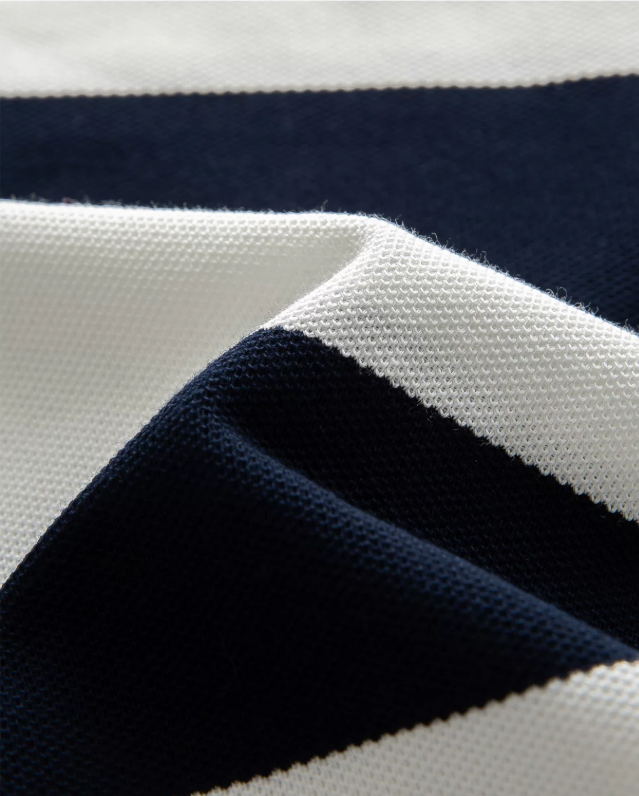
100% cotton jersey accepts the widest range of inks, while polyester and stretch blends require migration-resistant or flexible systems. 6 comparisons below separate the visible finish from production complexity, which directly affects screen preparation and approval samples.
Soft-Hand And Vintage Prints

Water-based ink penetrates cotton fibers for a matte, breathable hand; it suits premium tees, lightweight jersey, and fashion graphics. Discharge removes dye before depositing color on dischargeable dark cotton, producing a worn-in look. Test every garment dye lot because color discharge varies.
- Choose water-based for soft premium graphics.
- Choose discharge for vintage dark-cotton artwork.
Dimension And Specialty Effects

Puff expands during curing, while high-density ink builds sharply raised layers; both make bold logos read clearly on hoodies and heavyweight fleece. Silicone, foil, flock, and metallic inks add stretch, shine, suede, or reflective character. Use them selectively because extra screens, controlled curing, and adhesion tests increase setup risk.
- Puff: rounded, tactile statement logos.
- High-density: crisp architectural depth.
- Silicone: flexible performance-wear branding.
4. Fabrics for custom screen printing
Fabric choice determines how reliably ink bonds, covers color, survives laundering, and feels on the body. For custom screen printing, specify fiber content, GSM, surface texture, and intended curing route before approving artwork.
| Garment Fabric | Best Ink Direction | Print Consideration |
|---|---|---|
| Cotton jersey | Water-based or plastisol | Soft hand; strong detail |
| Cotton-poly blend | Low-bleed plastisol | Test dye migration |
| Polyester knit | Low-cure low-bleed ink | Control heat and opacity |
| French terry or fleece | Plastisol or water-based | Account for nap and GSM |
| Denim or twill | Plastisol or high-density | Print on flat stable panels |
Fiber Content And Opacity

100% ring-spun cotton gives water-based and discharge inks a soft hand and dependable absorption; dark garments still require an underbase for bright opaque color. 50/50 cotton-poly blends print cleanly with low-bleed plastisol, but polyester content can migrate dye during curing. 100% polyester needs low-cure, bleed-resistant ink and production testing on the actual colorway.
Weight And Surface Texture

160–220 GSM jersey is a practical T-shirt range because its smooth face supports fine detail without excessive ink penetration. Slub, open-end, or heavily textured knits can soften edges and require coarser mesh or simplified art. 280–400 GSM French terry and brushed fleece suit hoodies, yet raised nap can trap ink and alter print feel. Sample after washing, especially when a large solid chest or back print crosses seams, pockets, or ribbing.
Denim, Jackets, And Workwear

10–14 oz denim, twill jackets, and workwear need a stable, flatter print zone because seams, abrasion, and garment washes stress the ink film. Plastisol or high-density systems generally provide stronger opacity than soft water-based prints on dark, rugged substrates. 150–180°C is a common plastisol cure range, but the correct temperature and dwell time depend on ink, fiber, and dryer verification. Confirm adhesion and wash performance on a finished sample, not only on a fabric swatch.
5. Custom screen printing Design Options
Distinctive custom screen printing begins with a production-aware graphic system, not just a strong illustration. Confirm ink method, garment color, placement and scale before sampling so visual impact survives repeat bulk runs.
| Design Route | Best Use | Production Watchpoint |
|---|---|---|
| Spot colors | Logos and crisp graphics | Each color needs a screen |
| Halftones | Photos and tonal shading | Dot gain changes fine detail |
| Specialty inks | Texture or visibility | Require minimum line weight and testing |
Build a Repeatable Color System

1–6 spot colors are the most dependable route for bold logos, type and flat graphics. Supply Pantone references, but approve a physical strike-off because fabric color, ink opacity and garment texture shift the final appearance. 4-color process and simulated process reproduce tonal artwork through halftone dots. Simulated process is generally stronger on dark garments, while tiny highlights and gradients need testing at actual print size.
Choose High-Impact Placements

30–35 cm front prints can create an oversized statement, but seams, pockets and curved areas reduce consistent squeegee pressure. Keep key details away from rib edges, zippers and heavy seam intersections. 1-color sleeve, back-neck or nape prints add recognition without making the main artwork overcrowded. Provide placement dimensions from a fixed reference point, such as center front or neck seam.
- Oversized chest or full-back graphics
- Sleeve and cuff identifiers
- Back-neck branding
- Pocket-adjacent accents
Match Effects To Artwork

3D puff, high-density, flock and silicone create tactile contrast; metallic, foil, glow and reflective inks add directional visibility. Each effect needs adequate line weight and spacing because fine details can fill in, crack or lose definition. 300 dpi artwork at final size, vector spot-color separations and clear layer names reduce prepress errors. Junsheen can review separations and sample the chosen effect before bulk approval.
6. Print Quality and Durability Checks
A signed pre-production standard turns custom screen printing quality from a visual opinion into a release criterion. Inspect the approved garment under consistent lighting before authorizing bulk cutting, printing, and packing.
| Check | Observable Acceptance Criterion | Reference |
|---|---|---|
| Registration | No visible color shift on fine artwork | Approved strike-off |
| Opacity | Even coverage without exposed fibers | Light and dark fabric sample |
| Durability | No peeling or severe cracking after agreed wash | Washed approval sample |
| Placement | Within written tolerance from fixed garment points | Signed pre-production sample |
Artwork And Registration
Each color separation should preserve intended halftones, knockouts, and trapping without unintended overlaps. On the strike-off, inspect multicolor screen registration at fine lines, small type, and adjacent colors; edges should be clean, with no visible ghosting or pinholes.
- Check artwork against the approved production file
- Inspect thin lines and small lettering at normal viewing distance
- Confirm Pantone references or approved physical color standard
Ink Coverage And Cure
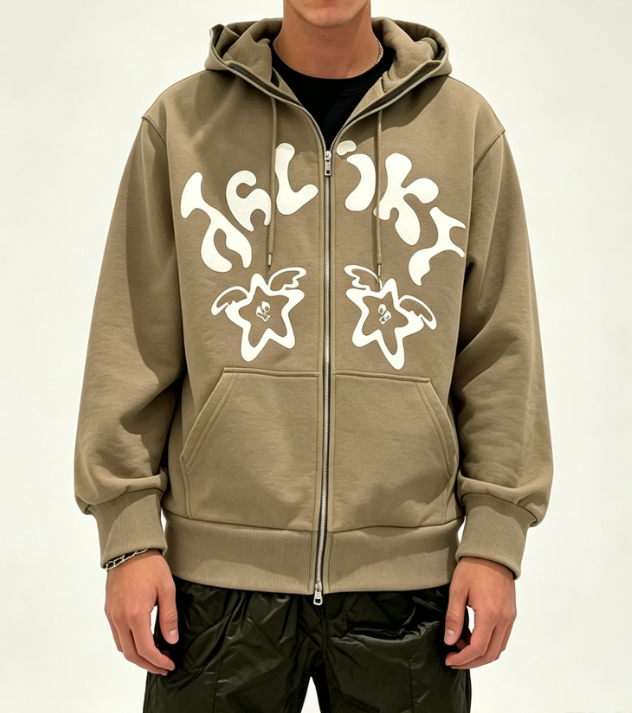
One opaque print should cover the garment ground evenly without a mottled underbase, exposed fibers, or excessively heavy hand feel. After the specified cure, ink must be bonded through the film rather than merely dry on the surface.
- Compare opacity on light and dark fabric grounds
- Check sharp edges around logos and fine details
- Review cured print for tackiness or dye migration
Stretch And Wash Verification
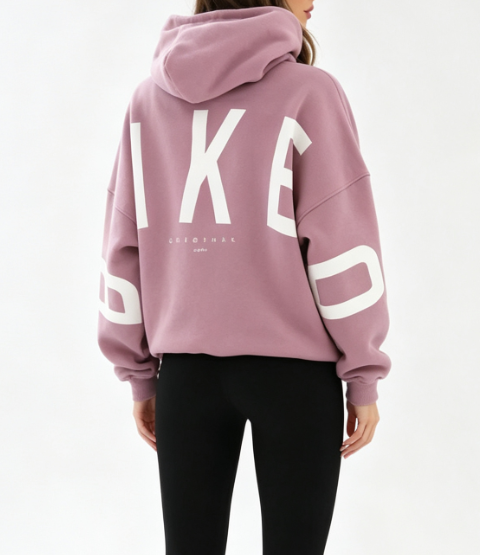
Five stretch-and-recovery cycles on the highest-stretch print area can reveal early cracking, lifting, or distortion before bulk approval. Use the agreed wash method and retain a washed approval sample beside the unwashed standard to judge color, adhesion, and hand feel.
- Stretch printed seams, rib areas, and large solid fills
- Wash according to the care-label temperature and cycle
- Reject peeling, severe cracking, or meaningful color shift
Placement And Bulk Standard
A placement tolerance should be written on the approved sample and measured from stable garment points such as the high-point shoulder, center front, or side seam. Junsheen can use the signed sample, artwork file, size chart, and placement record as the reference during in-line and final inspection.
- Record print width, height, and placement reference points
- Approve one sample for color, hand feel, and edge quality
- Require bulk checks against the retained approved standard
7. Choosing a custom screen printing Manufacturer
100-unit launches need a manufacturer that can control sampling and production without treating a small order as an afterthought. For custom screen printing, assess the supplier’s garment expertise and documentation before comparing quoted unit prices.
Verify Apparel And Print Experience
3 recent production examples should show comparable fabric weight, ink coverage, placement, and wash outcome. Ask whether printing is in-house, which press type is used, and who owns responsibility when decoration affects garment quality.
- Request dated sample photos and wash-test records
- Confirm manual versus automatic press capacity
- Ask for references from comparable apparel programs
Test The Sample Process
1 approved pre-production sample should match the bulk fabric, colorway, print size, placement, and finishing. Request a strike-off or lab dip for brand colors, then approve Pantone references and artwork separations before production.
- Confirm color tolerance and ink system
- Check registration on seams and ribbing
- Ask for measurement and placement tolerances
Check Compliance And Communication
48-hour response expectations help prevent artwork, fabric, or approval delays from becoming production delays. Request applicable OEKO-TEX, GOTS, WRAP, or BSCI documentation where required, and identify one accountable production contact.
- Get a written critical-path schedule
- Confirm inspection checkpoints and reporting
- Clarify export documentation responsibilities
Plan For Repeat Orders
100 units per style and color can validate a capsule, but repeatability depends on retained patterns, color standards, screens, material records, and approved samples. Ask how capacity is reserved as orders move from 100 units to recurring bulk programs.
- Compare sampling and bulk lead times
- Confirm reorder MOQ and color minimums
- Request capacity and peak-season planning evidence
8. Common custom screen printing Mistakes
Eight preventable decisions cause most avoidable print revisions, delays, and disputes before bulk cutting. Use the checks below before approving custom screen printing artwork, samples, and production specifications.
Match Fabric Before Technique

100% cotton jersey, fleece, and polyester blends accept ink differently; discharge needs suitable dyed cotton, while dye migration can affect polyester. Confirm fabric content, color, GSM, and wash finish before selecting plastisol, water-based, or discharge. 5% shrinkage can shift hand feel and print appearance after laundering. Wash-test the actual garment sample, then approve the decoration method against the final fabric rather than a generic swatch.
Prepare Production-Ready Artwork
300 DPI raster art at final print size and vector spot-color files reproduce predictably; low-resolution screenshots create jagged edges. Supply editable artwork, Pantone references, print dimensions, and a separated-color file. 12-color artwork is not automatically practical for every order size or fabric. Ask the printer to simplify blends, identify halftones, and confirm screen count before quotation.
Approve Physical Print Proofs
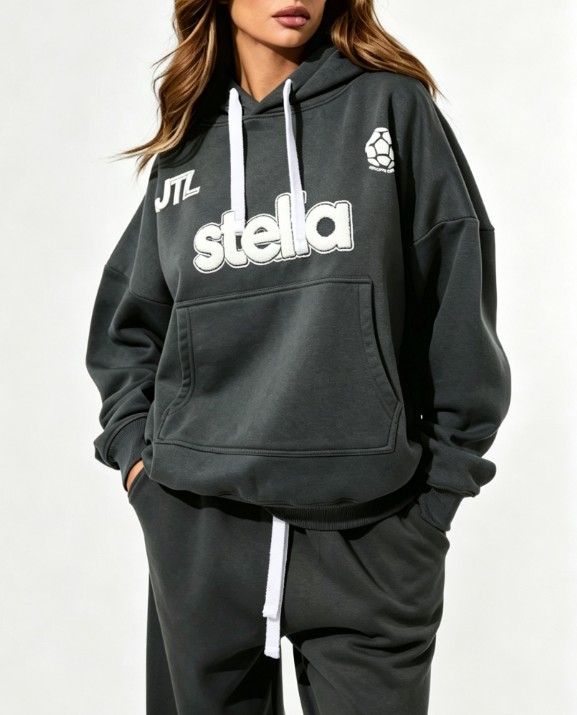
1 strike-off on the actual garment exposes opacity, registration, curing, and color issues that a digital mockup cannot show. Approve it under normal lighting and after a wash test before releasing bulk production. 10 mm placement tolerance is common for garment printing, and shrinkage can change the apparent position. Specify measured placement from a seam or neckline, print size, acceptable tolerance, and post-wash expectations.
Lock Down Commercial Specifications
$0.20 less per unit can cost more when ink coverage, curing control, packing, or reject handling are excluded. Compare like-for-like quotes covering garment, screens, colors, print locations, labels, packaging, QC, and freight terms. 1 approved production sheet should replace vague notes such as ‘large front print.’ Record SKU, fabric, color, Pantone, artwork version, placement, dimensions, technique, size breakdown, tolerances, and acceptance standard.
9. Steps to Launch Printed Apparel
A launch-ready custom screen printing program starts with a sell-through target, not artwork alone. Set the customer, retail price, launch quantity, colorway count, and delivery date before requesting factory development.
Define The Product Brief
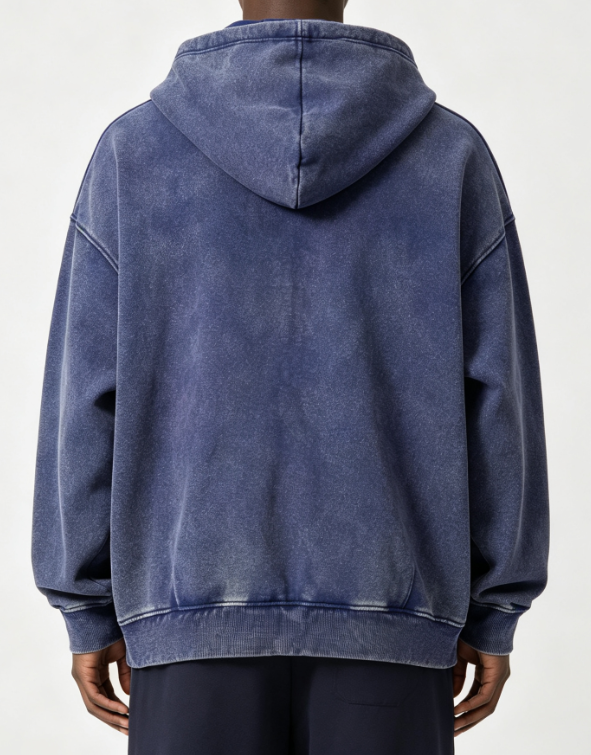
100 units per style and color is a practical starting point for a capsule program at Junsheen. Submit a line plan identifying garment silhouette, target fabric weight, size range, Pantone references, decoration placement, and required-label details. 3XL grading or an oversized fit requires its own measurement chart and fit intent. Include a reference garment, tech pack, or annotated sketch so pattern, blank selection, and costing follow the same brief.
- Line plan and target retail price
- Tech pack with measurements
- Pantone colors and placement artwork
- Size breakdown and delivery date
Prepare Artwork And Costing
300 dpi artwork at final print size reduces prepress ambiguity. Provide editable vector files for spot-color separations, specify ink effects such as puff or water-based, and identify print locations, dimensions, and color count. 1 quotation request should state quantity by color and size, fabric composition, garment color, packaging, destination, and Incoterm. Ask the factory to separate sample, screen, decoration, freight, and bulk-unit costs.
Approve Samples And Specifications

1 decorated sample should be reviewed under normal light and after a wash test before bulk approval. Check print registration, opacity, hand feel, measurements, shrinkage, labels, and packaging against the approved files. 1 signed approval pack should freeze the production standard. Keep the PO, final quotation, proforma invoice, approved sample photos, measurement spec, artwork proof, and color standard together.
- Approved sample or clear approval photos
- Final artwork and print placement sheet
- Measurement chart and tolerance
- Label, packaging, and carton specification
Control Production And Delivery
2 inspection points—during production and before packing—catch defects before shipment. Request production updates, inline measurement records, decoration checks, and final AQL inspection evidence where required. 7 to 14 days before goods are ready, confirm carton marks, shipping method, consignee details, balance payment timing, and customs documents. Reserve freight early when a launch date is fixed.
10. custom screen printing Pricing & Costs
100 units per style and color is JUNSHEEN’s practical starting point for a capsule order, but it does not create a universal unit price. The garment blank—such as 180 GSM ring-spun jersey versus 360 GSM French terry—usually has the largest impact before decoration; print locations then add screens, labor, curing, and handling. 1 to 2 spot colors on one location normally quote more efficiently than a four-color front plus sleeve or back print because each screen requires setup and registration. Water-based, discharge, puff, silicone, foil, and high-density inks can change preparation, flash-curing, wash-testing, and reject-risk allowances; detailed halftones, oversized artwork, and Pantone matching should be priced from production-ready files. 3 quotation controls keep supplier comparisons meaningful: specify the same garment specification, decoration placement and dimensions, and delivery term. Request separately stated screen/setup charges, sample cost, branded labels or packaging, carton details, freight mode, destination, duties responsibility, and estimated production window; freight should never be hidden inside an apparel unit-price comparison.
| Order profile | Decoration assumption | Setup-cost effect | Main unit-price drivers | Typical lead-time implication |
|---|---|---|---|---|
| 100–299 units | 1 location, 1–2 spot colors | Highest per-unit allocation | Blank cost, screens, print area | Sampling plus bulk scheduling |
| 300–999 units | 1–2 locations, 2–4 colors | Setup spread across more units | Color count, ink system, folds | More efficient production run |
| 1,000+ units | Repeatable artwork or multiple colorways | Lowest setup allocation | Blank volume, packaging, freight | Confirm capacity and shipping window |
| DTF or DTG alternative | Variable data or complex full-color art | Usually less screen setup | Artwork coverage, garment type | Useful for short or mixed designs |
Start Your Custom Screen Printing Project
Send your tech pack, reference garment, sketch or mood board for OEM development from 100 units per style and color.