Dye Sublimation Printing for Custom OEM Apparel
Launch private-label apparel with dye sublimation printing, 100-unit MOQs, and fit-focused XS–3XL development for global brands.
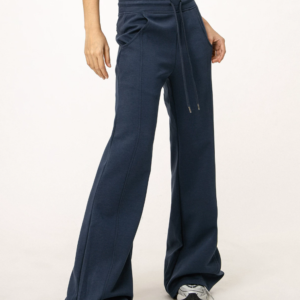
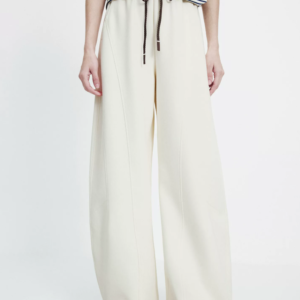
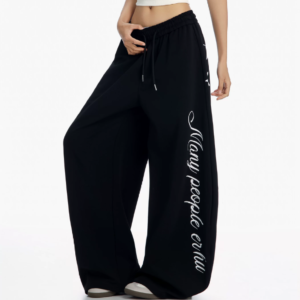
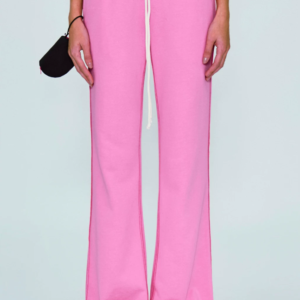
Featured Products for dye sublimation printing Development




Related Product Catalogue and Quotation





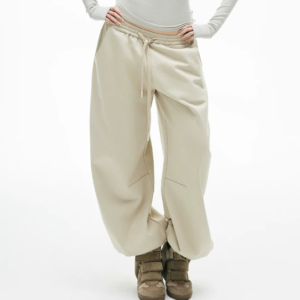
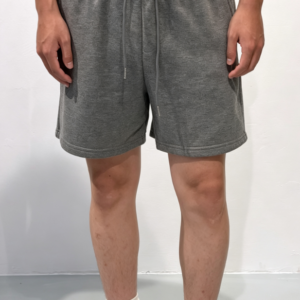
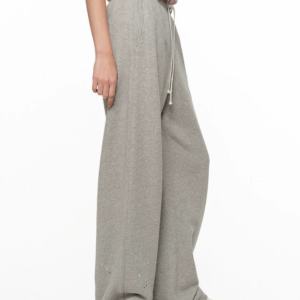
Why Choose JUNSHEEN for Dye Sublimation Printing
One accountable apparel partner for low-MOQ development, fit-focused production, integrated decoration, quality control, and global delivery.
100-Unit MOQ Launches
Launch sublimated styles from 100 units per style and color, with OEM, ODM, and private-label support for focused collections.
Scalable Production Capacity
Scale confidently with 200+ skilled workers, 80,000+ monthly units, and organized production planning for repeat programs and growing demand.
Fit-Focused XS–3XL Grading
Pattern makers refine proportions, mobility, and grading from XS to 3XL, helping sublimated apparel maintain consistent fit across size ranges.
Integrated Decoration Services
Coordinate dye sublimation printing with embroidery, labels, trims, washes, and packaging through one accountable apparel manufacturing supply chain.
Multi-Stage Quality Control
Check fabrics, construction, measurements, fit, decoration, and packed goods throughout production to protect approved samples and delivery-ready consistency.
Global Export Support
Move from feasibility review to export-ready shipping with responsive sampling, material sourcing, documentation, and worldwide support for sourcing teams.
Custom Apparel Categories We Produce
From artwork engineering to fit approval, JUNSHEEN develops category-specific apparel programs ready for private-label production and global delivery.

All-Over-Print Sublimation
JUNSHEEN develops all-over-print sublimation apparel with artwork placement planned across panels before cutting. This supports full-coverage color, repeat graphics and branded patterns on suitable polyester performance knits, with sampling used to confirm alignment, fit and print quality before bulk production.
Request a QuoteFabrics for Dye Sublimation Printing

Performance Polyester Knits
Smooth, lightweight polyester knits create sharp, saturated dye sublimation printing for activewear, teamwear, and custom tees. Their moisture-wicking construction dries quickly, while common 140–180 gsm weights keep garments breathable.

Recycled Polyester Jersey
Soft recycled polyester jersey supports vivid all-over graphics for eco-conscious sportswear, promotional apparel, and casual tops. Available in lightweight to midweight qualities, it offers dependable color retention and a comfortable everyday hand feel.

Stretch Polyester Blends
Polyester-spandex blends provide a flexible, close-to-body fit for leggings, cycling apparel, fitted tops, and performance sets. The smooth hand supports detailed dye sublimation printing, while 5–15% elastane improves recovery and mobility.

Breathable Polyester Mesh
Open-knit polyester mesh is suited to jerseys, training tops, and ventilation panels that need bold graphics without sacrificing airflow. Its textured, lightweight structure promotes breathability and can be selected in different hole sizes and weights.

Polyester Interlock Knit
Polyester interlock has a clean, stable surface with a slightly fuller hand for polos, uniforms, dresses, and premium athletic apparel. Its double-knit construction improves opacity, shape retention, and print consistency on both sides.
Dye Sublimation Printing and Coordinated Finishes

Dye Sublimation
Dye sublimation printing bonds full-color artwork into compatible polyester fabrics, producing smooth, breathable graphics with no raised ink layer. It is ideal for repeat patterns, gradients, and coordinated performance or fashion apparel programs.

Screen Printing
Screen printing delivers opaque color, strong coverage, and dependable wash durability across cotton, fleece, jersey, and blended garments. Choose plastisol, water-based, puff, silicone, foil, or high-density effects to complement sublimated pieces.

Logo Embroidery
Flat, 3D puff, chain-stitch, applique, and patch embroidery add tactile brand definition to hoodies, jackets, caps, and knitwear. Carefully positioned embroidery creates a premium contrast alongside printed all-over or panel graphics.

DTG and DTF
DTG and DTF transfers support detailed artwork, short-run graphics, and multi-color logos where screen setup is not practical. Our team recommends the appropriate method based on fabric, artwork complexity, hand feel, and order volume.

Heat Transfer
Heat transfer applies crisp logos, names, numbers, and specialty graphics with controlled placement. It works well for branded uniforms, promotional apparel, and coordinated collections requiring precise personalization across multiple garment styles.

Washing and Finishing
Garment dye, acid wash, enzyme wash, softening, brushing, napping, and anti-pilling finishes refine texture, color character, and comfort. These treatments help bring consistent visual direction to denim, fleece, jersey, and outerwear capsules.
Custom Accessories for Dye Sublimation Printing

Woven Brand Labels
Add woven main labels, size labels and wash-care labels to sublimated hoodies, tees and activewear. JUNSHEEN coordinates placement, fold style and production details for a polished private-label finish.


Branded Drawcords
Specify drawcord color, tipping, length and logo details for hoodies, sweatpants and shorts. Branded drawcords add a considered finish while supporting the fit and function of your sublimated casualwear.

Zippers and Snaps
Select custom zippers, snap buttons and hardware for jackets, outerwear, polo plackets and utility styles. Options can be matched to garment color, performance needs and your intended price position.

Custom Logo Patches
Use embroidered, woven, leather-look or applique patches to introduce texture alongside full-color sublimated graphics. Patches work well on chest panels, sleeves, pockets, caps and denim-inspired apparel details.
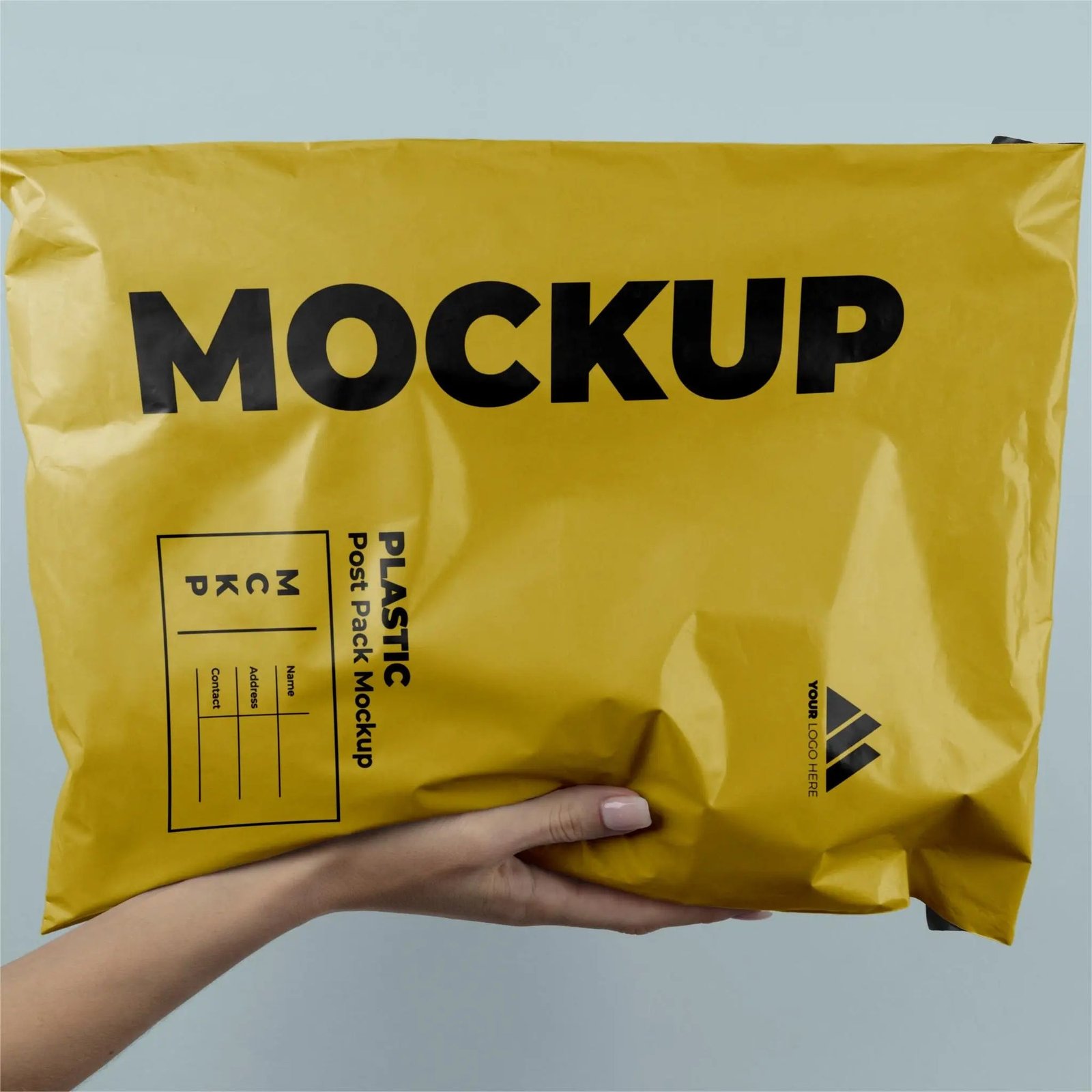
Branded Packaging
Finish each order with branded polybags, stickers, tissue, size markers or custom cartons. Packaging can support organized global shipping and give customers a cohesive unboxing experience from factory to retail.
About JUNSHEEN Apparel Manufacturing
Founded in 2010 in Humen Town, Dongguan, JUNSHEEN helps fashion brands turn concepts into production-ready apparel through one connected OEM, ODM and private-label supply chain. From dye sublimation printing to cut-and-sew development, our team supports emerging labels and established sourcing teams with clear technical guidance and dependable export coordination.
With more than 200 skilled workers and monthly capacity exceeding 80,000 units, we produce casualwear, denim, outerwear and knitwear for global programs of every scale. Brands can begin at 100 units per style and color, then grow into repeat bulk production without changing manufacturing partners.
Fit-first development sets JUNSHEEN apart. Our pattern makers build XS–3XL, extended-size, plus-size and oversized fits by refining proportions, mobility and grading across the full size range. Having served more than 2,000 fashion-brand clients, we combine responsive development with consistent quality control at every production stage.

Dye Sublation Printing Capabilities, Built for Scale
Artwork to Production
JUNSHEEN reviews placement, repeat scale, color intent and garment panels before production, helping translate supplied artwork, reference files or early concepts into dye sublimation printing specifications that are practical for sampling and bulk manufacturing.
- Artwork and panel-placement review
- Repeat patterns and scale checks
- Sampling guidance before bulk approval
- Production-ready decoration specifications

Fabric Matched to Performance
Our sourcing team recommends suitable polyester-rich performance knits and other compatible materials based on weight, stretch, hand feel, opacity, intended wear and target cost, so color-rich sublimated designs perform as well as they present.
- Fabric options for active and casual apparel
- Weight, stretch and drape recommendations
- Swatches and sample-garment review
- Cost-conscious material sourcing

Fit Across XS–3XL
Dye sublimation printing is coordinated with fit-focused pattern development, including normal, extended-size, plus-size and oversized grading. Our team refines proportions and panel alignment across the size set instead of simply enlarging a base pattern.
- XS–3XL size development
- Extended-size and oversized grading
- Panel alignment across sizes
- Prototype and size-set approval

Consistent Repeat Programs
Retained patterns, graded size sets, material records and approved production details help JUNSHEEN support repeat dye sublimation printing orders with clearer handoffs, dependable decoration coordination and scalable output from 100-unit launches to ongoing bulk programs.
- Records retained for repeat orders
- 100-unit MOQ per style and color
- In-line and final quality inspections
- 80,000+ units monthly capacity

Why Brands Choose JUNSHEEN for Dye Sublimation Printing
One accountable apparel partner from fit development and sublimation through quality control, labeling, and export.
← 左右滑动查看 →
Dye Sublation Printing Production, Managed End to End
A controlled apparel workflow that turns approved designs into consistent, shipment-ready custom garments.
Feasibility and Material Review
We review artwork, garment specifications, target quantities, fabric suitability, fit requirements, and decoration placement before confirming a practical production route.
Fabric Sourcing and Sampling
Our team sources compatible fabrics, develops patterns and graded sizes, then produces samples for color, fit, hand feel, and construction approval.
Cutting and Dye Sublimation
After approval, we cut panels and apply dye sublimation printing with controlled artwork alignment, color consistency, and placement checks before garment assembly.
In-Line Production Control
Skilled teams monitor stitching, measurements, panel matching, decoration quality, and workmanship throughout sewing to catch issues before final inspection.
Final QC, Packing, Shipment
Finished garments receive final measurement, appearance, and packing checks, then move into branded packaging and export coordination for global delivery.
Start Your Dye Sublimation Printing Order
Move from concept to shipment with a clear, fit-focused apparel manufacturing process.
Submit Your Concept
Send a tech pack, sketch, reference garment, or mood board with your preferred fabrics, sizes, colors, dye sublimation printing artwork, and target quantity.
Review Feasibility and Quote
Our team confirms construction, fabric suitability, sizing, decoration details, 100-unit MOQ requirements, lead time, and a clear quotation for your custom program.
Approve Development Samples
Review prototype and size-set samples for fit, color, print placement, hand feel, and finishing before approving production-ready specifications for your order.
Confirm Bulk Production
Confirm materials and pre-production details, then Junsheen manages cut-and-sew or knit production, in-line quality checks, labeling, packing, and final inspection.
Arrange Final Shipment
Settle the final balance before shipment, and our export team coordinates documentation and global delivery for your approved sublimated apparel order.
Custom Clothing Manufacturer Credentials and Compliance Documents



Dye Sublimation Printing Results From Brand Partnerships
JUNSHEEN helped us launch our first sublimated activewear capsule at 100 units per colorway. The print strike-off and fit sample were approved in one round, which kept our launch date intact and reduced development spend.
Our oversized jersey program needed consistent artwork placement across XS–3XL. Junsheen refined the grading and delivered 1,800 units with no fit-related rework request. We placed a repeat order within six weeks of launch.
The dye sublimation printing stayed vivid after our wash testing, and the team managed labels, hang tags, and export packing in one program. Our 2,400-piece order shipped on schedule for a retail campaign across three markets.
Dye Sublimation Printing FAQ
Clear answers on MOQ, samples, artwork, fabrics, quality control, payment and worldwide delivery for custom apparel programs.
What is the minimum order quantity for dye sublimation printing?
How long do dye sublimation printing samples take?
What artwork files do you need for dye sublimation printing?
Which fabrics work best with dye sublimation printing?
How do you control color and print quality on sublimated apparel?
What are the payment terms for a first custom apparel order?
Can JUNSHEEN ship dye sublimation printing orders worldwide?
How do you protect artwork and product ideas during development?
Complete Buyer’s Guide to dye sublimation printing
Use this practical framework to evaluate dye sublimation printing applications, fabrics, quality controls, supplier capabilities, and launch costs—while avoiding specification, color, MOQ, and production mistakes that can delay your collection.
1. What Is dye sublimation printing?
195°C is a common press range for dye sublimation printing: dispersed dye on transfer paper turns into gas under controlled heat and pressure, then bonds inside polyester fibers or a polyester-coated substrate. Unlike an ink layer sitting on top of the fabric, the color becomes part of the receptive surface, so a well-made print keeps a smooth, nearly weightless hand feel. 100% polyester delivers the strongest result because it provides the polymer structure the dye needs; blends generally print with reduced saturation and leave the natural-fiber portion uncolored. Cotton, linen, wool, and other untreated natural fibers are therefore poor candidates for standard sublimation, even when a design looks acceptable on a test swatch. 4-color process artwork can reproduce photographic gradients, repeat patterns, names, and edge-to-edge placement without the screen-count constraints of conventional screen printing. The method is the right choice for performance jerseys, polyester fashion sets, swimwear, teamwear, and all-over capsule graphics where vivid color, breathable decoration, and wash-resistant coverage matter more than using a natural-fiber base. 100-unit-per-style-and-color programs can make sublimated capsules practical when the garment has been engineered for print placement, seam allowances, and size grading before bulk production. Buyers should approve a full-size sample because panels, zippers, rib trims, and fabric stretch can change how an all-over graphic aligns on the finished garment.
2. Evolution of dye sublimation printing
1950s industrial dye chemistry established disperse dyes as the practical colorants for polyester, because heat could drive the dye from a solid state into synthetic fibers. Early transfer systems relied on screen-printed papers and heat presses, so they delivered repeatable logos and panel graphics but still required screens, film separations, and setup time. 1990s digital inkjet systems changed the workflow by printing the transfer image directly from a file before heat transfer or calendar fixation. A buyer could approve a photographic repeat, gradient, or many-color team graphic without paying for a screen per color, shortening artwork revisions and sample cycles from conventional screen-preparation schedules to print-ready digital files. 2000s wide-format printers and reliable calendar presses made roll-to-roll output practical for cut-and-sew polyester jerseys, leggings, swimwear, and all-over fashion panels. Printing before cutting also lets designers position artwork around seams, while localized short runs reduce the inventory risk of a capsule launch or regional assortment. 2020s print-on-demand workflows made dye sublimation printing especially relevant where each order, athlete number, colorway, or micro-collection can differ. The process suits sportswear for durable full-coverage graphics, fashion capsules for photographic artwork, and low-volume programs because digital setup barriers are lower than multi-screen production; buyers should still allow time for color testing, fabric approval, and press-profile validation.
3. Types of dye sublimation printing
Five production routes use the same heat-driven color conversion but change when artwork meets the fabric. Buyers should select the route before sampling because panel layout, repeat accuracy, and production flow differ.
| Method | Best Fit | Artwork Flexibility | Trade-Off |
|---|---|---|---|
| Transfer paper | Placements, samples | High | Paper and press handling |
| Direct to fabric | Soft yardage | High | Fabric preparation critical |
| Roll to roll | Repeats, volume | Repeat-focused | Lot color control |
| Cut panels | All-over garments | Engineered | Requires precise patterns |
| Finished garment | Blanks, specialty items | Placement-focused | Pressure limitations |
Transfer-Paper Sublimation
Transfer-paper sublimation prints mirrored artwork onto coated paper, then heat-presses it onto polyester fabric. It suits sampled graphics, placement prints, and controlled color matching.
Direct-To-Fabric Sublimation
Direct-to-fabric systems print dye directly onto prepared polyester, followed by fixation in a calender or steamer. They reduce paper handling but demand stable fabric preparation and careful strike-through control.
Roll-To-Roll Production
Roll-to-roll printing runs continuous fabric lengths for repeating patterns and larger programs. It offers efficient meterage and repeat registration, while color approval must account for each fabric lot.
Cut-Panel Printing
Cut-panel printing applies artwork to pattern pieces before sewing, enabling edge-to-edge jerseys, leggings, and engineered placement graphics. Seam allowances and panel alignment must be built into the production file.
Finished Garments And Substrates

Finished-garment sublimation works best on polyester blanks or specially coated items such as bags and caps. It is flexible for small runs, but seams, zippers, and uneven pressure can create lighter areas.
4. dye sublimation printing Materials and Fabrics
100% polyester delivers the strongest color yield because disperse dyes bond with polyester under heat and pressure. Fabric selection should start with end use, required opacity, stretch recovery, and target garment weight—not artwork alone.
| Fabric | Typical Weight | Best Use | Key Watchout |
|---|---|---|---|
| Polyester jersey | 140–180 GSM | Fashion tees | May show body contours |
| Interlock | 180–240 GSM | Activewear, polos | Higher material cost |
| Mesh | 120–160 GSM | Sports panels | Artwork can distort over holes |
| Fleece | 220–320 GSM | Hoodies, joggers | Control pile direction |
| Satin | 75–120 GSM | Linings, scarves | Snag-prone |
| Poly blends | Varies | Stretch styles | Lower polyester means weaker color |
Polyester Content First
95–100% polyester is the practical range for vivid, durable dye sublimation printing. A 90/10 polyester-elastane fabric can work for fitted activewear, but test stretch areas for whitening and recovery after heat pressing.
- Avoid cotton-rich blends for full-color coverage
- Use white or very light base fabrics
- Request a heat-and-wash strike-off
Construction By End Use
140–180 GSM jersey suits lightweight fashion tees and layering pieces, while 180–240 GSM interlock gives a smoother face and more stable opacity. Open-hole mesh supports breathable sports panels; brushed polyester fleece works for cooler-weather casualwear when pile direction is controlled.
Linings And Accessories
75–120 GSM satin gives scarves, lining panels, and promotional accessories a glossy surface, but snag resistance is limited. Outerwear linings need low friction, dimensional stability, and a print test after any water-repellent coating; untreated polyester usually transfers more reliably.
- Specify coating before print testing
- Check lining color against shell fabric
- Test zipper and seam show-through
5. dye sublimation printing Customization Options
At a 100-unit-per-style-and-color starting point, dye sublimation printing lets a buyer build the graphic into the garment rather than confining it to a chest logo. Lock artwork, graded patterns, and trim choices before bulk approval because seams and components change the visible composition.
| Customization | Best Use | Buyer Check |
|---|---|---|
| All-over or engineered panels | Immersive garment graphics | Confirm seam map and bleed |
| Repeat patterns and gradients | Flexible grading and continuous color | Review joins across panels |
| Embroidery, patches, transfers | Texture or separate branding | Check weight, backing, and placement |
Placement And Print Architecture
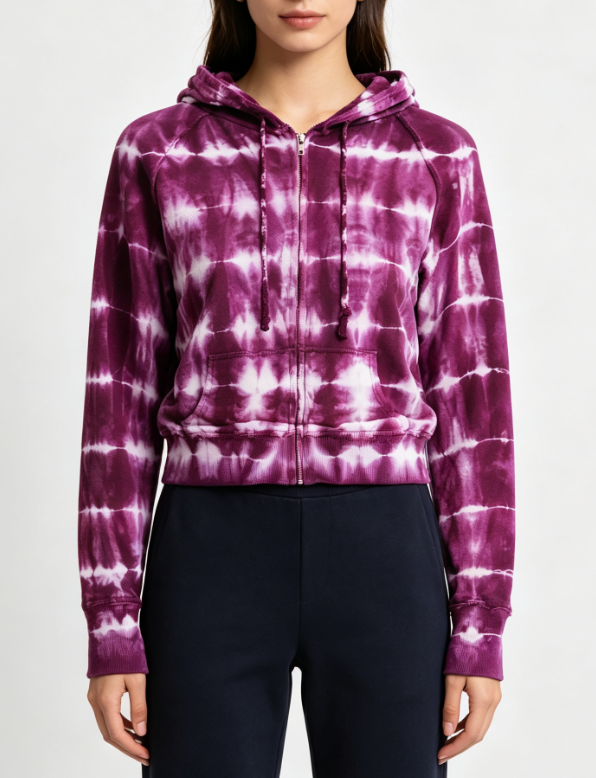
Full-bleed layouts can cover front, back, sleeves, hoods, and side panels, while engineered artwork assigns a specific graphic to each cut piece. Repeat patterns tolerate grading better than centered placements, but a logo or face must be positioned away from seam allowances, pockets, zippers, and underarm joins. 3–5 mm of bleed beyond cut lines is a practical artwork allowance for panel edges. Request a marked production layout showing grain direction, panel names, and seam joins before approving a sample.
Color, Photos, And Personalization
Pantone references, approved fabric swatches, and a physical sample provide a stronger color target than an uncalibrated screen. Gradients and photo prints need high-resolution RGB source files; avoid enlarging low-resolution web images because softness and banding become visible on large panels. One-off names, numbers, or team identifiers can be built into variable print files when the order data is checked before printing. Supply a spreadsheet with exact spelling, size, placement, and proof-approval ownership.
Labels And Added Decoration
Sublimation delivers integrated all-over color, gradients, repeats, and photographic artwork, but it does not create raised texture or metallic hardware. Add embroidery, screen print, heat transfer, silicone print, or patches when the brief needs dimension, opacity, or a separate logo finish. Woven main labels, size labels, wash-care labels, hangtags, and branded packaging should be specified alongside neck finish and seam construction. A bulky patch or embroidery backing can alter drape, so confirm its location on the approved garment.
6. Quality Controls for Sublimated Garments
Quality approval should convert a visual brief into measurable pass/fail criteria before bulk cutting. For dye sublimation printing, require an approved standard, defined viewing conditions, retained swatches, and inspection records tied to each colorway and size.
Set Print Acceptance Standards
Pantone-referenced targets should be checked under D65 light against the approved strike-off; agree tolerances, such as Delta E 2–3, before production. Confirm full strike-through where the fabric and design require it. 100% visual checks on laid-flat panels should reject banding, ghosting, poor registration, white creases, migration, and unprinted edges. Record defect location and repeat frequency by roll, panel, and print batch.
- Compare to signed strike-off, not a screen proof
- Inspect both face and reverse where relevant
- Define approved defects with photo examples
Test Garment Performance
Three wash cycles at the agreed care condition provide a practical pre-production screen for color change, bleeding, and migration. Test stretch zones after recovery; graphics must not crack, whiten excessively, or distort on the specified fabric stretch. Four-point fabric inspection should identify holes, snags, oil marks, barre, and knitting defects before printing. Check fabric weight, width, and stretch against the approved material specification.
- Wash and dry one approved sample per colorway
- Stretch-test chest, sleeve, and side-seam graphics
- Hold defective rolls before panel printing
Control Assembly And Inspection
First-piece approval should verify panel alignment, print placement, seam matching, measurements, and logo orientation before line release. Full-print garments need matched artwork across side seams, sleeves, pockets, and collars within the agreed tolerance. AQL sampling at final inspection should cover construction, measurements, decoration, packed appearance, and shade consistency. JUNSHEEN can retain approved patterns, graded size sets, and material records to make repeat-order checks consistent.
- Approve strike-off, fit sample, and pre-production sample
- Inspect incoming fabric, in-line sewing, and packed goods
- Photograph defects and document corrective actions
7. Choosing a dye sublimation printing Manufacturer
A 100-unit MOQ is useful only when the manufacturer can control fabric, fit, color and inspection without losing traceability. Evaluate the production system before comparing a unit price or paying a deposit.
Verify Production Ownership
2 production routes require different oversight: in-house transfer printing offers faster troubleshooting, while outsourced printing needs documented file, color and delivery controls. Ask which steps are owned, where printing occurs, and who approves reprints. Request dated factory photos and a process map linking fabric receipt, print, cut and sewing.
Check Color And Fabric Controls
100% polyester and polyester-rich performance knits are typical sublimation bases; fiber content, white point and GSM materially affect color yield. Ask for Pantone-targeted strike-offs and retained swatches under agreed lighting. Request wash-test results after 5 cycles, including color change, staining and print migration observations. Confirm how the supplier profiles printers, paper, ink and each fabric base.
- Pantone-referenced strike-off
- Fabric composition and GSM record
- Five-wash test sample
Approve Fit Before Bulk
XS–3XL programs need engineered grading, not simple enlargement. Review measurement tolerances, shoulder balance, sleeve length, rise and mobility on a size set before production. JUNSHEEN can develop patterns and samples from a tech pack, reference garment or concept; obtain one signed pre-production sample that defines the bulk standard.
Audit Commercial Readiness
100-unit launches require clear capacity and communication commitments. Confirm the named contact, sampling timeline, bulk window, inspection points, rework procedure and shipment handoff in writing. Ask for applicable OEKO-TEX, GOTS, WRAP or BSCI evidence only where claimed, plus final-inspection reports and packed-goods photos. Compare supplier responses against the evidence, not assurances.
8. Common dye sublimation printing Mistakes
100% polyester or a high-polyester blend is the baseline for dependable dye sublimation printing. Most bulk failures begin when buyers treat artwork approval and fabric selection as separate decisions.
Match Fiber To Process
65% polyester is a practical minimum for strong color; low-polyester cotton blends produce muted, uneven results. Confirm fiber content, fabric color, GSM, and stretch recovery on a physical swatch before sampling.
Prepare Production-Ready Artwork
300 DPI artwork at final print size prevents soft logos, pixelation, and jagged gradients. Supply layered source files, Pantone references where relevant, and a placement map with bleed beyond cut lines. 10–15 mm bleed commonly protects edge-to-edge panels, while seam allowances can consume critical details. Mark no-print zones around overlock seams, collars, zippers, pockets, and side panels before the factory makes markers.
Approve Physical Color And Repeats
Pantone-like screen-print expectations do not transfer exactly because sublimation color depends on fabric, ink, transfer paper, press settings, and monitor calibration. Approve a pressed strike-off and garment sample, not only a digital mockup. 1 repeat mismatch at a side seam can make stripes, checks, and engineered graphics look visibly broken. Request a cut-panel or sewn sample showing repeat alignment, then complete wash and abrasion testing before bulk release.
Buy Beyond Unit Price
100-unit MOQ pricing can conceal costs from weak pattern control, rework, color variation, or missed delivery windows. Compare quotations against sample quality, inspection points, fabric traceability, decoration testing, and export support. 2 pre-production approvals—fit sample and sealed production sample—reduce preventable disputes. Choose a supplier that documents artwork, graded measurements, material records, and final inspection standards before accepting a deposit.
9. Launching a Sublimated Apparel Collection
A 100-unit MOQ per style and color lets an emerging label test a focused sublimated capsule without spreading demand across too many SKUs. Start with the target customer, intended retail price, and delivery date; each later approval gate should protect those three decisions.
Build The Product Brief
Two to three hero silhouettes usually create a clearer first drop than six lightly stocked styles. Define end use, target fit, size range, retail price, and colorway count before requesting fabric. 150–220 GSM polyester interlock or performance knit is a common starting range for lightweight sublimated tops; heavier constructions suit outer layers. Record fiber content, stretch, hand feel, Pantone references, seams, labels, and packaging in a production-ready tech pack.
- Limit launch colorways to proven demand signals
- Specify artwork placement and print scale
- Include measurement tolerances and construction details
Approve Artwork And Fit
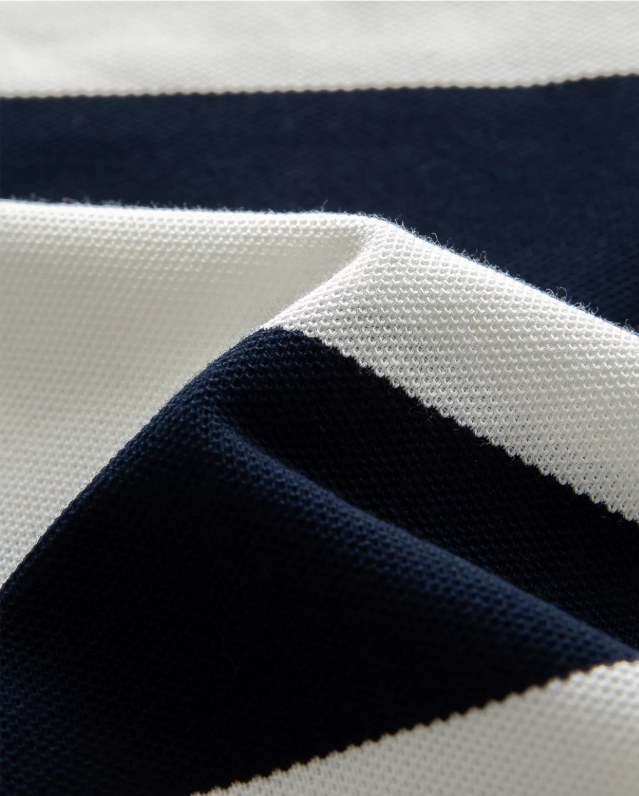
300 DPI artwork at final print scale, with embedded or outlined fonts, reduces avoidable prepress delays. Submit repeat dimensions, placement guides, and Pantone targets with the art file rather than relying on a screen preview. One prototype should confirm silhouette, color, and print placement before a size set is approved. Fit approval should cover shoulder balance, sleeve length, body proportion, mobility, and measurements from XS through 3XL where applicable.
- Approve strike-off color against physical fabric
- Freeze artwork after sample approval
- Document all changes in one revision log
Release Bulk With Gates
100 units per style and color require a planned size curve, not equal quantities in every size. Allocate units from expected customer demand, then confirm the curve before bulk cutting and printing begin. One pre-production sample is the final gate for fabric, artwork, labels, measurements, and packing. Junsheen can carry the program through in-line inspection, final packed-goods checks, and export delivery after written approval.
- Confirm bulk material before production
- Approve pre-production sample in writing
- Check final cartons against packing list
10. dye sublimation printing Pricing and Costs
100 units per style and color is a practical starting point for comparing custom sublimated apparel quotes; smaller runs spread sampling, artwork preparation, and cutting inefficiency across fewer garments. Ask whether the quoted unit uses the same polyester construction, GSM, print area, size ratio, and approved Pantone artwork. 180–220 GSM interlock or birdseye polyester generally costs more than lighter open-knit performance fabric, while all-over coverage uses more transfer paper, ink, press time, and operator handling than a chest print. Cut-and-sew details—flatlock seams, zippers, pockets, contrast panels, linings, or difficult size grading—should appear as separate line items, not disappear inside a headline price. 7–21 days is a reasonable planning range after sample and material approval for straightforward bulk work; custom fabric, multiple colorways, or elaborate packaging can extend it. Compare landed cost by including woven labels, care labels, hangtags, polybags, cartons, inspection, freight mode, duties, and whether several styles ship together; consolidated orders commonly reduce per-unit freight and carton costs.
| Order quantity | Likely cost profile | Setup or sample allowance | Indicative production lead time |
|---|---|---|---|
| 100–299 units | Highest unit cost; best for market tests | Sample, pattern, and artwork preparation | 14–21 days |
| 300–999 units | Better material and labor efficiency | Sampling amortized across bulk | 10–18 days |
| 1,000+ units | Lowest comparable unit cost when specifications match | Repeat artwork and consolidated freight help | 7–14 days |
Start Your Dye Sublimation Printing Project
Send your tech pack, artwork, reference garment, or concept for feasibility review, sampling guidance, and a custom 100-unit MOQ quote.