All Over Print Sublimation for Fit-Focused OEM Apparel
Launch private-label sublimation apparel from 100 units per style/color, with XS–3XL fit development and global production support.
Featured Products for all over print sublimation Development




Related Product Catalogue and Quotation





Why Brands Choose All Over Print Sublimation Production
A fit-focused, one-stop manufacturing partner for vibrant custom apparel programs from first sample through global delivery.
100-Unit MOQ
Launch capsule collections and test colorways from 100 units per style and color without sacrificing professional production support.
One-Stop Development
Move from tech pack, sketch, or reference garment through fabric sourcing, pattern making, sampling, labels, and packaging.
Scalable Production
Rely on 200+ skilled workers and monthly capacity above 80,000 units as successful programs grow beyond initial runs.
Fit Grading XS–3XL
Build consistent normal, oversized, extended-size, and plus-size garments with proportion-led patterns rather than simple size enlargement.
Integrated Decoration
Combine all over print sublimation with embroidery, screen printing, transfers, washes, custom trims, and branded finishing in one supply chain.
Global Export Support
Coordinate quality control, packed-goods inspection, and export-ready shipping support for fashion brands sourcing across international markets.
Custom Apparel, Built for Full Coverage
Develop fit-focused casualwear, denim, outerwear and knitwear with sublimation-ready options, private labels and scalable production from 100 units per style and color.

Custom Hoodies
Custom hoodies developed in fleece, French terry or sublimation-ready polyester blends. We support all-over artwork placement, fit grading from XS to 3XL, custom hoods, pockets, rib trims, labels and branded packaging.
Request a Quote
Custom T-Shirts
Custom tshirt programs cover jersey, performance knits and polyester fabrics suited to full-coverage sublimation. Choose crewneck, oversized, fitted or extended-size silhouettes, then confirm artwork, fabric weight, size grading, labels and packing through sampling.
Request a Quote
Custom Jeans
Custom jeans are developed with denim or stretch denim selected for wash performance, durability and target price. Our team supports pattern development, fit grading, hardware, patches, washes, distressing, labels and bulk production for private-label collections.
Request a Quote
Custom Sweaters
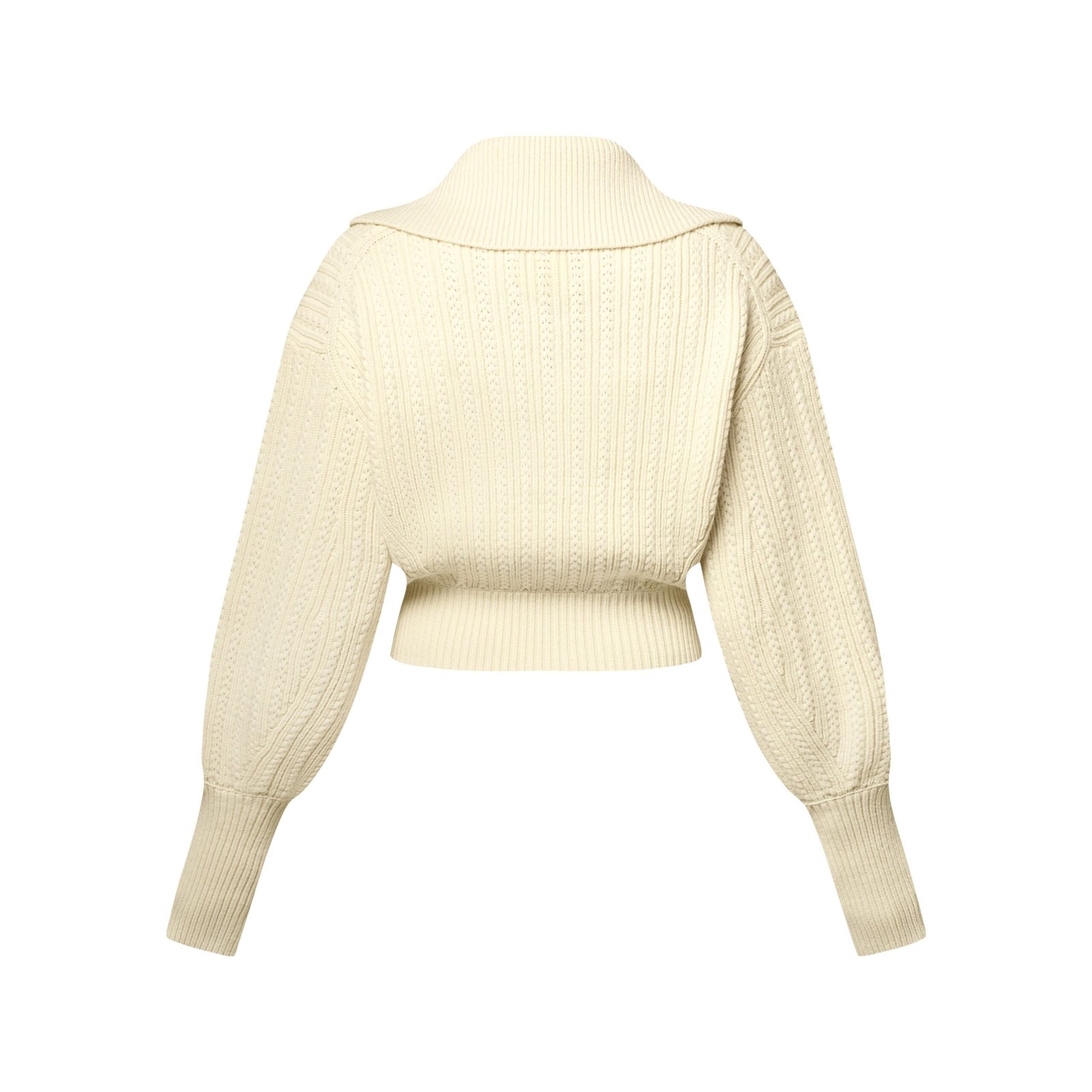
For turtle neck sweater bulk programs, Junsheen develops knit constructions with defined gauges, yarn blends, neck shapes and grading. We can produce regular, oversized and extended-size fits, with custom labels, woven trims and coordinated private-label finishing.
Request a Quote
Custom Jackets
Custom jean jacket development includes denim selection, pattern making, fit refinement, buttons, snaps, patches and wash treatments. Create classic, oversized or extended-size silhouettes, with coordinated decoration, branding and packaging for retail-ready private-label programs.
Request a Quote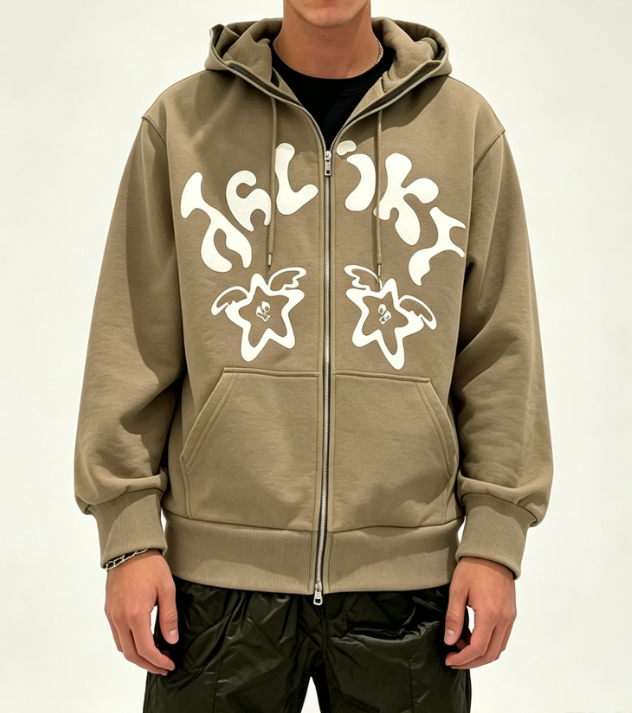
Custom Sweatshirts & Crewnecks
Custom crewneck hoodie and sweatshirt programs include fleece, French terry and sublimation-ready performance fabrics. We develop crewneck or hooded silhouettes with refined body proportions, rib details, full-coverage graphics, embroidery, labels and graded XS–3XL size sets.
Request a Quote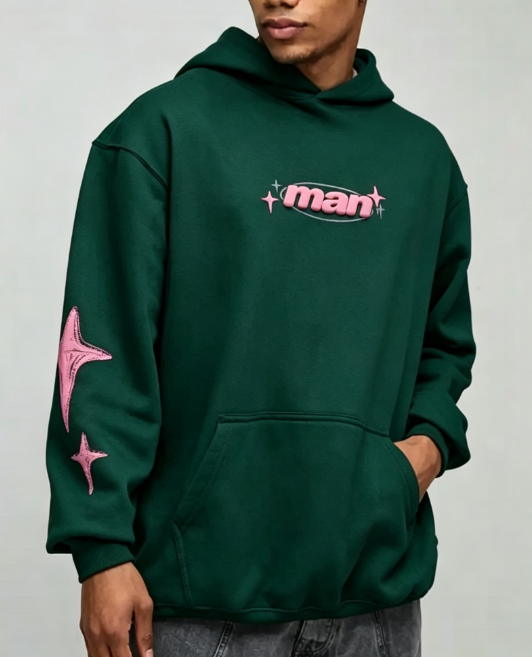
Custom Cardigans
Custom cardigan production covers knit gauges, yarn blends, button fronts, pockets and rib finishes. Our pattern and knitting teams develop standard, oversized and extended-size proportions, then add branded labels, custom buttons, hang tags and packaging for private-label release.
Request a Quote
Custom Puffer & Down Jackets
Custom puffer jacket development includes shell fabric, insulation, quilting layout, lining, zippers, pockets and branded trims. We support fit-focused sampling and private-label execution, including sublimation-compatible shell options where full-coverage graphics are required.
Request a Quote
Custom Denim Shorts
Custom jean shorts are developed in rigid or stretch denim with selected rises, inseams, pocket shapes and wash effects. Programs can include distressing, custom hardware, leather patches, labels and size grading for men’s, women’s or unisex collections.
Request a Quote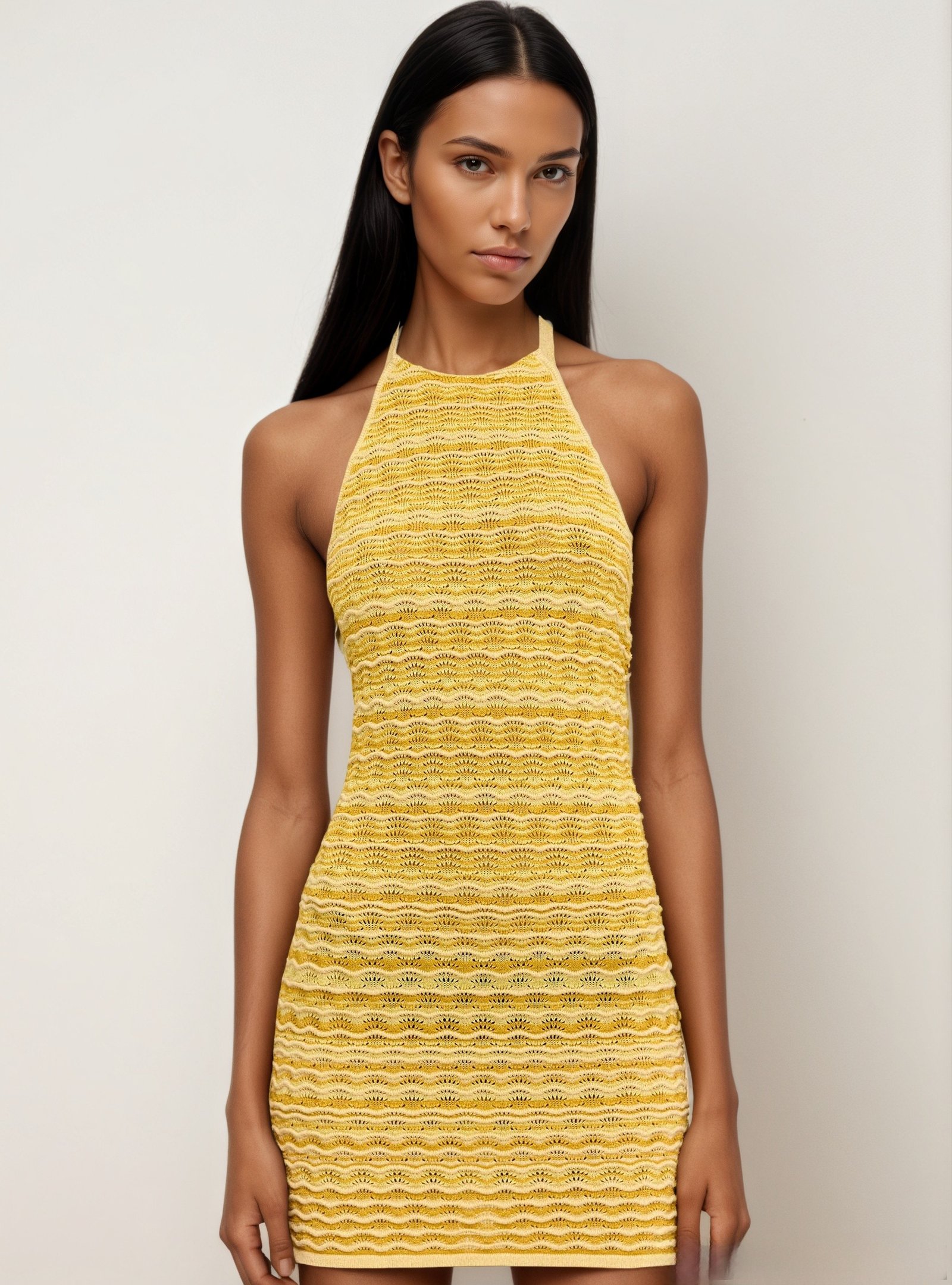
Custom Sweater Dresses
Custom sweater dresses combine knit construction planning with fit-focused pattern development for XS–3XL. Select yarn, gauge, length, neckline, shaping and finishing details, then add woven labels, hang tags and branded packaging for private-label delivery.
Request a Quote
Custom Denim Sets
Mens denim suits wholesale programs can include matched denim jackets and jeans with consistent fabric, wash and trim specifications. We develop coordinated fits, graded size sets, custom hardware, patches, labels and packing for wholesale or branded capsule collections.
Request a Quote
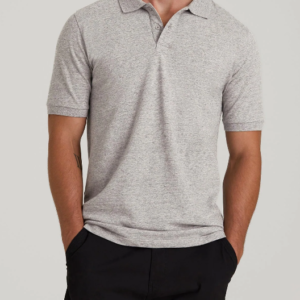
Custom Polo Shirts
Custom polo shirts are available in pique, jersey and performance-knit constructions, including sublimation-ready polyester options for full-coverage artwork. Specify collar shape, placket, buttons, sleeve finish, fit grading, embroidery, labels and retail packaging.
Request a Quote
Custom Sweatpants
Custom sweatpants are developed in fleece, French terry, jersey or performance fabrics with fit-focused rises and inseams. We support jogger, straight-leg and oversized silhouettes, all-over sublimation where suitable, plus pockets, drawcords, labels and packaging.
Request a Quote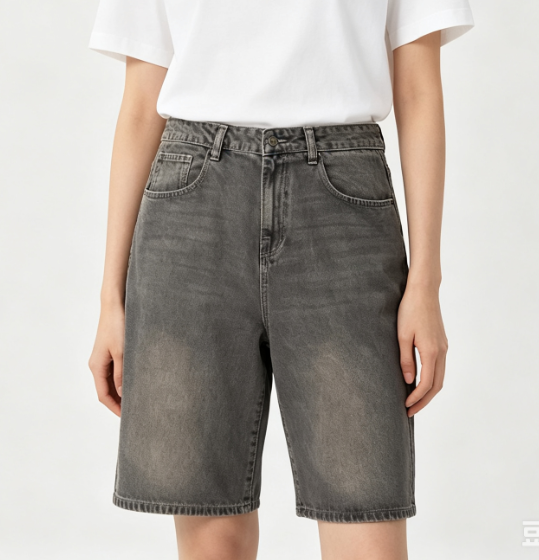
Custom Shorts
Custom shorts cover fleece, jersey, woven, denim and performance constructions for casualwear or active-inspired collections. Define inseam, rise, pocket layout, waistband and decoration, with sublimation-ready fabric options, graded fits and complete private-label trims.
Request a Quote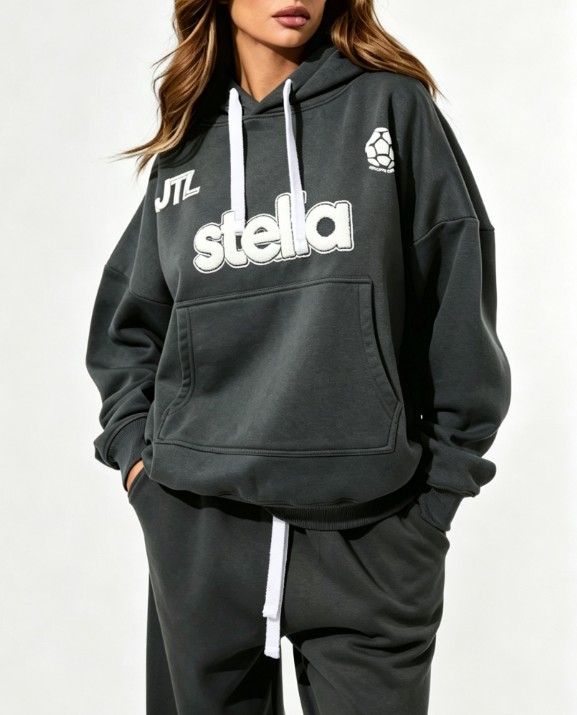
Custom Pullovers
Custom pullovers are developed across fleece, French terry, jersey and knitwear constructions. Choose quarter-zip, mock-neck, hooded or oversized silhouettes, then add full-coverage sublimation on suitable fabrics, embroidery, custom trims, labels and packaging.
Request a QuoteMaterials for Vivid, Wearable All Over Print Sublimation

Performance Polyester Knit
A smooth, moisture-managing knit for active tees, jerseys, and lightweight tops. Its fine filament surface supports crisp all over print sublimation color, while 140–180 GSM weights keep garments breathable and quick drying.

Polyester Spandex Jersey
A soft stretch jersey suited to fitted tops, dresses, leggings, and fashion activewear. Typically containing 5–12% spandex, it provides responsive recovery and body-skimming comfort while preserving detailed, high-saturation artwork.

Brushed Polyester Interlock
A stable double-knit option for premium jerseys, polos, and casual sets. The lightly brushed face adds a softer hand feel, and its balanced construction resists show-through while maintaining clean print definition.

Recycled Polyester Knit
A versatile recycled-polyester fabric for brands pursuing lower-impact sportswear and casualwear. Available in smooth or textured constructions, it delivers dependable sublimation color clarity, durable performance, and a comfortable lightweight drape.

Polyester Mesh Fabric
An airy open-knit material for athletic panels, training jerseys, and ventilated uniforms. Its breathable structure improves airflow, while selected mesh gauges accept vivid print placement without compromising lightweight performance.

Polyester Woven Stretch
A structured stretch woven for shorts, outer layers, coordinated sets, and fashion uniforms. Its clean surface supports sharp graphics, while mechanical stretch or elastane content improves movement, shape retention, and everyday durability.
All Over Print Sublimation and Complementary Processes


Screen Printing
Screen printing applies durable inks in bold, opaque layers for logos, graphics, and large production runs. Choose plastisol, water-based, puff, silicone, foil, or high-density effects to match your collection’s visual direction.

DTG and DTF
DTG and DTF printing support detailed artwork, gradient color, and flexible placement for smaller runs or complex designs. Our team recommends the right method based on fabric, artwork, hand feel, and target quantity.

Custom Embroidery
Flat, 3D puff, chain-stitch, applique, sequin, and patch embroidery add tactile dimension and premium logo definition. We review stitch density, backing, placement, and fabric stability to help maintain a clean, durable result.

Washing and Finishing
Garment dye, acid wash, stone wash, enzyme wash, softening, brushing, napping, and anti-pilling finishing create the intended hand feel and worn character while supporting consistent quality across bulk production.
All Over Print Sublimation Trims, Labels, and Packaging

Woven Brand Labels
Custom woven main, size, and wash-care labels give sublimated apparel a consistent brand identity. We match fold style, placement, yarn color, and label construction to tees, hoodies, activewear, and outerwear.

Branded Hang Tags
Hang tags present product information, sizing, and brand storytelling at retail. Choose custom stocks, shapes, finishes, stringing, and barcode-ready layouts for capsule launches, wholesale assortments, and global shipment preparation.

Custom Zippers
Specify zipper type, puller shape, tape color, and branded hardware for jackets, hoodies, track tops, and bags. Our team aligns components with garment construction, color direction, durability, and your target price point.

Drawcords and Tips
Custom drawcords, aglets, tipping, and cord colors add a considered finish to hoodies, sweatpants, shorts, and waist-adjustable styles. We help select materials and dimensions that suit the garment weight and intended use.

Logo Patches
Embroidery, woven, silicone, leather-look, and applique patches create tactile branding that complements vivid sublimation artwork. Use them on chests, sleeves, hems, pockets, caps, and denim or outerwear programs.
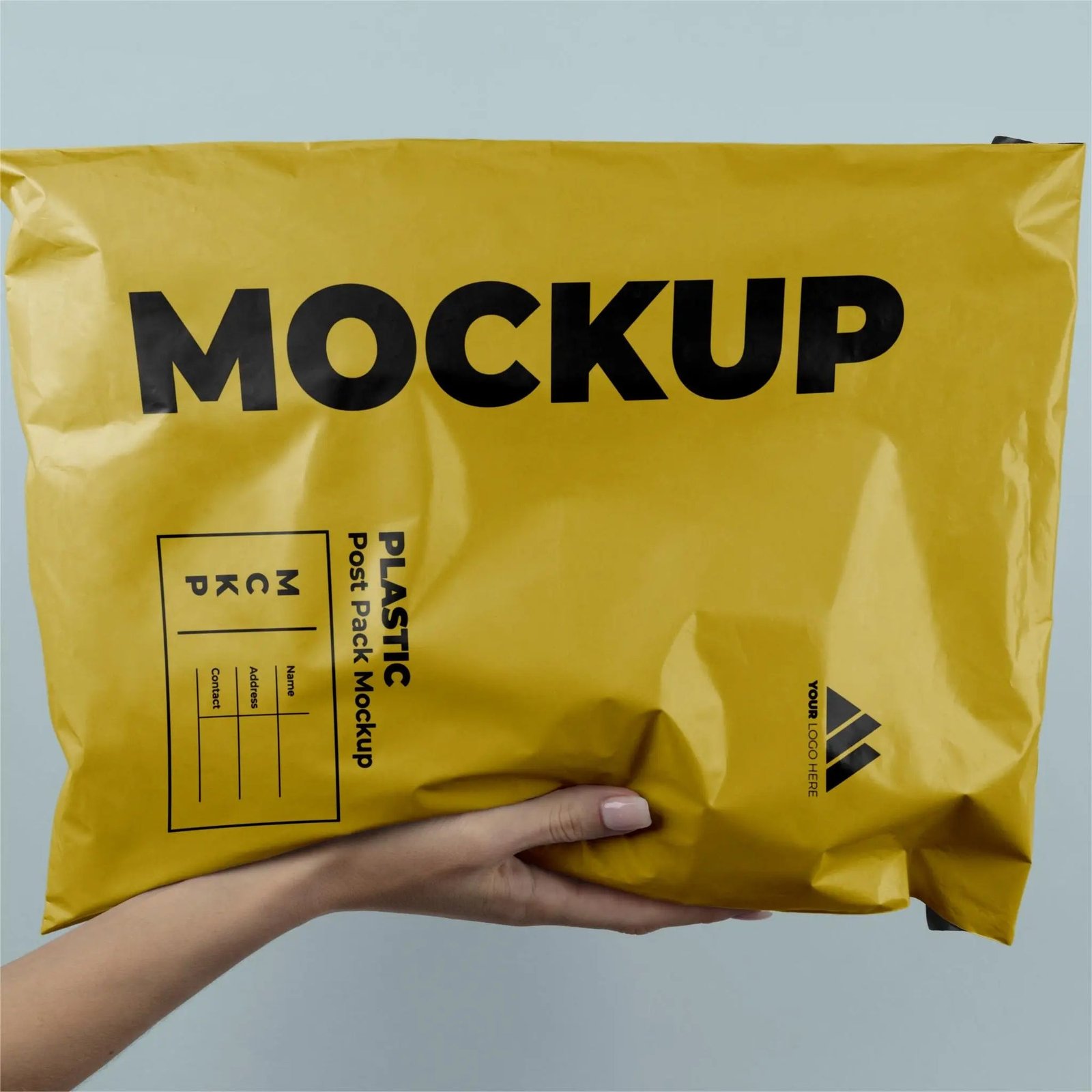
Branded Packaging
Finish orders with custom polybags, folding standards, size stickers, tissue, carton marks, and branded inserts. Packaging is coordinated with final inspection to help retail, wholesale, and direct-to-consumer teams receive organized goods.
About JUNSHEEN All Over Print Sublimation
Founded in 2010 in Humen Town, Dongguan, JUNSHEEN helps international fashion businesses turn apparel concepts into production-ready collections. Our mission is to provide responsive, fit-focused OEM, ODM and private-label manufacturing for labels that need dependable development, clear communication and export-ready support from one experienced team.
With more than 200 skilled workers and monthly capacity above 80,000 units, we produce custom casualwear, denim, knitwear and outerwear for emerging labels and established buyers worldwide. Low MOQs from 100 units per style and color make it practical to launch capsules, validate demand and scale proven programs.
What distinguishes JUNSHEEN is an integrated supply chain: pattern development and XS–3XL grading, fabric sourcing, cut-and-sew and knitting, all over print sublimation, complementary decoration, finishing, labels, packaging and quality control. We retain technical records to make repeat orders more consistent as your brand grows.

All Over Print Sublimation OEM Capabilities in Detail
Artwork to Production
JUNSHEEN reviews placement, scale, repeat direction, color intent, and garment panels before production, helping translate supplied artwork, sketches, or references into production-ready all over print sublimation apparel with fewer avoidable sampling revisions.
- Artwork and panel-placement review
- Repeat, scale, and color guidance
- Fabric and print-method recommendations
- Prototype and pre-production approval

Fit Beyond Base Grading
Our pattern makers develop XS–3XL, extended-size, plus-size, and oversized silhouettes with proportion-led grading. Rather than simply enlarging a base pattern, we refine balance, mobility, sleeve length, rise, and body measurements for a more consistent finished fit.
- XS–3XL graded size sets
- Extended-size and plus-size development
- Oversized proportion refinement
- Fit samples and measurement checks

Integrated Decoration Control
All over print sublimation can be coordinated with complementary decoration and finishing through one manufacturing team. We align cut-and-sew construction, embroidery, patches, labels, trims, and packaging so the final garment supports a complete private-label presentation.
- Sublimation with embroidery or patches
- Custom labels, trims, and hang tags
- Cut-and-sew and knitwear capability
- Branded packaging coordination
Reliable Repeat Programs
From 100 units per style and color to scalable global production, JUNSHEEN retains patterns, graded size sets, and material records to support repeat orders. In-line and final inspections help preserve fit, decoration quality, and packing consistency as programs grow.
- 100-unit MOQ per style/color
- 200+ skilled workers
- 80,000+ monthly unit capacity
- Retained production records for reorders

Why Choose JUNSHEEN for All Over Print Sublimation
One accountable OEM team for development, fit, decoration, quality control, and scalable global production.
← 左右滑动查看 →
All Over Print Sublimation Production Process
A clear, fit-focused workflow for turning your artwork into export-ready apparel from 100 units per style and color.
Review Design Feasibility
Our team reviews your tech pack, artwork, reference garment, sizing needs, placement requirements, and target cost to confirm a production-ready all over print sublimation plan.
Source Fabrics and Trims
We recommend compatible polyester-rich fabrics, weights, labels, and trims based on hand feel, color performance, durability, fit requirements, and your approved budget.
Develop Patterns and Samples
Pattern makers create and grade XS–3XL fits, then produce samples to check print alignment, color, construction, measurements, and wearability before bulk approval.
Approve Bulk Production
After confirming the pre-production sample, we schedule cutting, sublimation printing, sewing, embroidery or complementary decoration, and finishing for your approved order specifications.
Inspect Pack and Ship
Quality teams inspect fabric, print consistency, construction, measurements, and packed goods before branded packaging, export documentation, and global shipment coordination.
Work With Our All Over Print Sublimation OEM Team
Move from a production concept to approved, export-ready apparel with clear technical review, sampling, and managed bulk manufacturing.
Send Your Concept
Share a tech pack, artwork, reference garment, sketch, or mood board with target quantities, sizes, markets, and preferred fabrics for initial review.
Confirm Feasibility and Quote
Our team reviews construction, all over print sublimation artwork, fabric suitability, fit requirements, trims, and 100-unit MOQ options, then provides recommendations and pricing.
Approve Development Samples
Review prototype samples, color placement, measurements, grading, decoration quality, and private-label details before confirming bulk specifications and pre-production approval.
Launch Managed Bulk Production
JUNSHEEN coordinates fabric, cutting, sublimation, sewing, quality inspections, packing, and global shipping while maintaining approved standards for your repeatable production program.
Custom Clothing Manufacturer Credentials and Compliance Documents



All Over Print Sublimation Client Results and Production Cases
JUNSHEEN helped us launch our first all-over-print hoodie and jogger capsule at a 100-unit MOQ. The color placement stayed consistent across three sizes, and we approved bulk production after only two sample rounds.
Our extended-size sublimation tops needed the same print alignment from XS through 3XL. Their team refined the grading and delivered 1,200 units with fewer than 1% measurement issues in our receiving check.
We moved from a 300-piece test order to repeat seasonal production of 8,000 units. JUNSHEEN managed sublimation, labels, packaging, and export coordination, which shortened our vendor handoffs by four weeks.
All Over Print Sublimation FAQ
Clear answers on MOQs, sampling, artwork, production, payment, shipping, and confidential OEM manufacturing.
What is the MOQ for all over print sublimation apparel?
Can I order an all over print sublimation sample before bulk production?
How long does all over print sublimation production take?
What artwork files do you need for sublimation printing?
Can you help if I only have a design idea or reference image?
What payment terms do you offer for custom apparel orders?
Do you provide international shipping for sublimated apparel?
How does JUNSHEEN protect my all over print sublimation designs and IP?
The Complete Buyer’s Guide to all over print sublimation
Use this decision framework to evaluate all over print sublimation methods, fabric suitability, construction standards, supplier capabilities, pricing, and launch risks before committing your collection to production.
1. What Is all over print sublimation?
180–210°C is the typical heat range used to turn dispersed dye on transfer paper into gas, driving it into the polymer surface of polyester under controlled heat and pressure. Once cooled, the color becomes part of the fiber rather than a raised ink layer, giving all over print sublimation a soft hand, sharp photographic detail, and no practical limit on artwork colors. 100% polyester delivers the strongest color yield because sublimation dyes bond with polyester molecules; polyester-rich blends can work, but cotton content reduces saturation and leaves those fibers largely uncolored. Light or white base fabrics are standard because sublimation dye is transparent—it adds color but cannot reliably cover a dark ground like opaque screen-print ink. 1 cut-and-sew program normally means printing the garment panels before sewing: front, back, sleeves, hood, pockets, or side panels are positioned in the artwork file, then cut and assembled. Buyers are purchasing engineered panel artwork plus a finished garment, not simply a graphic applied to a blank tee; this method is best suited to polyester jerseys, performance tops, activewear, event apparel, lightweight hoodies, and coordinated fashion capsules needing edge-to-edge visual coverage.
2. Evolution of all over print sublimation
1957 marked a foundation for dye-sublimation when French engineer Noël de Plasse developed the process at Ciba. Early commercial uses centered on color proofs, signage and polyester-heavy sportswear because heat could drive disperse dyes into synthetic fibers with durable, vivid results. 1980s and 1990s brought faster wide-format printers, more stable disperse inks and coated transfer papers that released color more consistently under heat and pressure. Teams and performancewear suppliers adopted the method first: it supported complex graphics, names and numbers without the hand feel, cracking or color-limit constraints associated with many screen-print applications. 2000s digital textile workflows made short-run all over print sublimation practical for fashion sourcing. RIP software, calibrated color profiles and reliable heat presses improved repeatability, while print-before-cut workflows let makers place artwork across panels instead of treating a finished garment as a flat print surface. 100-unit production programs now allow independent labels to test patterned tees, jerseys, leggings, dresses and lightweight outerwear without committing to a large screen-print run. Adoption moved beyond sportswear because fashion brands can develop photographic repeats, localized graphics and seasonal capsules, then combine sublimated panels with custom patterns, grading, labels and cut-and-sew construction for a product that reads as a complete private-label garment.
3. Types of all over print sublimation
Five all over print sublimation workflows differ mainly in when color is applied—before cutting, as rolls, as panels, or after sewing. Specify the workflow with fabric composition, artwork scale, placement tolerances, and seam expectations before sampling.
| Workflow | Coverage | Color Control | Setup And Best Use | Limitation |
|---|---|---|---|---|
| Transfer paper | High on flat panels | High after strike-off | Printed paper; samples and small runs | Paper handling and press size limit |
| Roll-to-roll | Full fabric width | Stable repeats | Continuous yardage; jerseys and linings | Requires cutting after print |
| Panel printing | Near full garment | Best for placements | Cut panels; engineered apparel | Seam alignment needs tolerances |
| Direct-to-fabric | Full roll coverage | Depends on fixation | Polyester rolls; soft hand | Fabric and machine compatibility |
| Finished garment | Partial to high | Variable around folds | Simple polyester blanks | Seams and hidden areas remain unprinted |
Transfer-Paper Sublimation
180–210°C heat and pressure transfer disperse dyes from printed paper into polyester fibers, giving strong repeatability on cut panels. 100% polyester goods produce the clearest color; cotton-rich fabrics require a different decoration method and should not be specified as sublimation.
Roll-To-Roll Printing
1.6–3.2 m production widths make roll-to-roll suitable for continuous yardage, repeating prints, and larger programs. Pantone references should be approved on the actual fabric, because knit texture, base whiteness, and finishing alter perceived color.
Panel And Finished Garments
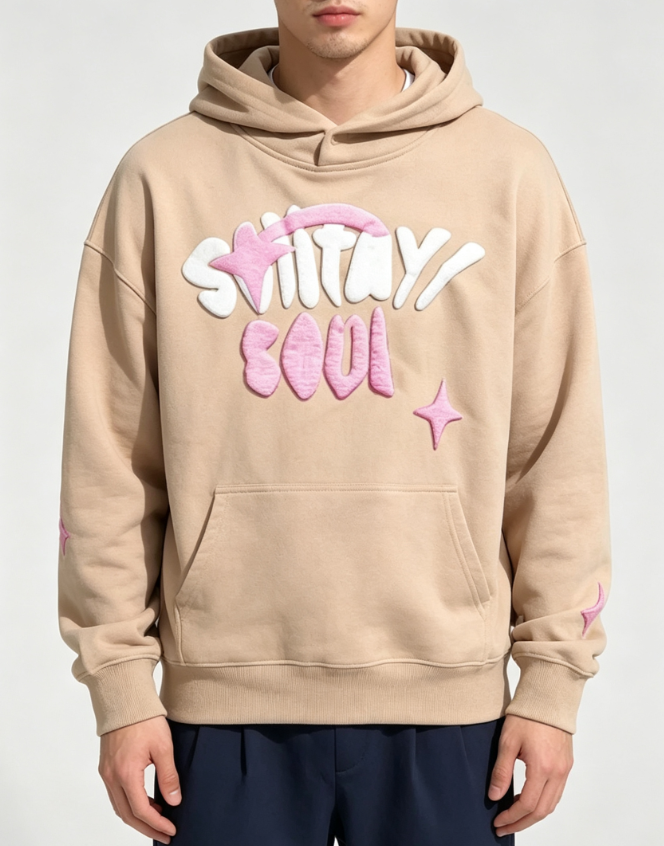
2–5 mm seam shifts can change artwork placement, so panel printing is preferred for engineered graphics, matching sleeves, and full-coverage hoodies. Finished-garment sublimation suits simple polyester blanks but cannot reliably cover underarms, seams, labels, or deep folds.
4. Fabrics for all over print sublimation
100% polyester gives the strongest color yield because sublimation dye bonds to polyester under heat. For all over print sublimation, fiber percentage, construction, GSM, finish, stretch and opacity should be approved together before bulk fabric is booked.
| Fabric | Composition / GSM | Print Performance | Hand Feel | Best Uses |
|---|---|---|---|---|
| Jersey | 100% polyester, 140–180 | Bright, sharp | Light, smooth | T-shirts, dresses |
| Interlock | 100% recycled polyester, 160–220 | Even, opaque | Soft, stable | Polos, active tops |
| Performance knit | Polyester-spandex, 180–240 | Vivid under stretch testing | Elastic, wicking | Leggings, trainingwear |
| Mesh | 100% polyester, 120–160 | Breathable; artwork shows through | Airy, textured | Jerseys, panels |
| Fleece | 100% polyester, 240–320 | Strong color; softer detail | Warm, brushed | Hoodies, joggers |
Fiber Content And Color
100% polyester is the baseline for saturated color, sharp detail and reliable washfastness. Recycled polyester can print comparably, but supplier-to-supplier yarn variation makes a strike-off essential. 85/15 polyester-spandex improves recovery for leggings and fitted tops, while cotton-rich blends produce deliberately softer, less vivid results. Low-shine yarns and a clean, smooth face usually reproduce fine artwork better than textured surfaces.
Structure, Weight And Opacity
140–180 GSM interlock or jersey suits lightweight tees, whereas 180–240 GSM performance knits give more coverage and shape. Open mesh improves airflow but can make pale artwork and seam allowances more visible. 240–320 GSM polyester fleece supports hoodies and joggers, although its brushed surface softens micro-detail. Use a compatible printed lining or a solid polyester lining when the garment interior will be visible.
Stretch And Moisture Management
4-way stretch fabric must be tested while extended because dense dark artwork can look lighter under tension. Specify recovery, stretch direction and opacity during the fit-sample review. Wicking performance knits move moisture through engineered yarns or finishes; excessive softener can reduce that effect. Test print color, hand feel and moisture transfer after the intended wash cycle.
5. Customization and branding options
100-unit capsule programs can carry a full visual system, from repeat artwork to private-label finishing. Pantone references, approved strike-offs, and placement maps keep all over print sublimation consistent across sizes and repeat orders.
| Method | Best Use | Key Limitation |
|---|---|---|
| Sublimation | Full-color panels, gradients, photos | Works best on polyester-rich light bases |
| Embroidery | Textured logos | Can pucker lightweight fabrics |
| Screen Printing | Opaque spot graphics | Less efficient for all-over artwork |
| Heat-Applied Logo | Small branding marks | May affect hand feel |
Artwork Layouts

3 layout types cover most collections: seamless repeats, engineered chest-to-hem placements, and photographic or gradient artwork. Engineered files must account for panel shapes, collar openings, seam allowances, and artwork lost inside overlock seams. XS–3XL programs need size-specific placement rules when a centered motif, face, logo, or border cannot simply scale with the garment. Junsheen can review panels and approve digital mockups before sampling.
- Use 300-dpi artwork at final print size
- Extend backgrounds beyond cut lines
- Mark grain direction and panel names
Branding Beyond The Print
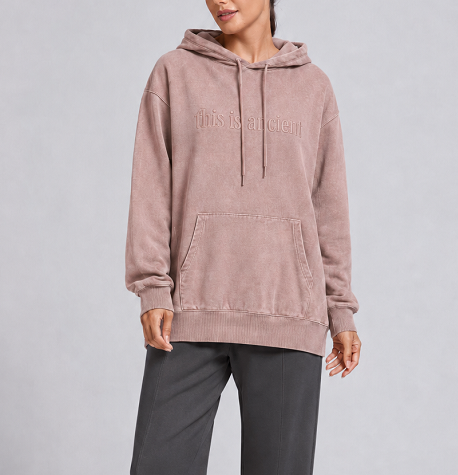
4 complementary methods solve details sublimation should not: embroidery adds texture, patches create a removable badge effect, screen printing suits opaque spot graphics, and heat-applied logos work for small marks. Dense embroidery and heavy patches should be positioned after fit testing to avoid distortion on lightweight knits. 1 neck print, woven main label, size label, wash-care label, hang tag, and branded mailer can be specified as one private-label package. Decoration approvals should show exact logo dimensions, thread or ink colors, and attachment location.
Color And Approval Control
1 master artwork file should define Pantone targets, color builds, print scale, and version number. Sublimation produces gradients and photographic detail well, but the final result depends on fabric whiteness, polyester content, and approved sample viewing conditions. 2 approvals protect consistency: first approve the digital layout, then approve a physical strike-off or garment sample under agreed lighting. Retaining approved files, graded layouts, and material records supports accurate reorders.
6. Construction details that protect quality
A 2–3 mm registration shift at a side seam can make an otherwise sharp print look inexpensive. For all over print sublimation, construction must be approved as carefully as color and artwork.
Pattern And Panel Registration
A 3–5 mm seam allowance should be built into the print layout so critical motifs do not disappear into overlock stitching. Front, back, sleeve, hood, and pocket panels need clear grainline and placement references. A pre-production sample should confirm that stripes, checks, borders, and repeat motifs meet intentionally at visible seams. Ask the factory to flag unavoidable mismatches around curved armholes, collars, and underarms before bulk cutting.
Stitching And Reinforcement
Four-thread overlock seams suit most polyester jerseys, while coverstitch hems provide a flatter, more durable finish on tees and activewear. Stitch density, balanced thread tension, and trimmed seam tails prevent puckering and loose ends. Two-needle reinforcement at shoulder seams, pocket corners, and high-stress joins helps garments survive repeat wear. Inspect seam stretch by gently extending the sample; stitches should recover without popping or permanently wavering.
Collars Cuffs And Wash Testing
1×1 or 2×2 rib collars and cuffs require compatible recovery with the body fabric; overly soft rib can bag out after laundering. Neck tape and clean coverstitching help stabilize the neckline and improve comfort. Three wash cycles before approval can reveal seam torque, collar distortion, pilling, and print-related surface damage. Record measurements before and after washing, then approve a sealed production sample with the agreed tolerances.
7. Choosing an all over print sublimation manufacturer
100-unit launches require a supplier that can control artwork, pattern pieces, and production sequencing together. Assess all over print sublimation partners through verifiable process evidence, not a sample photo or the lowest quotation.
Verify Relevant Production Experience
2–3 recent comparable styles reveal more than a generic print portfolio. Ask for photos of cut panels, finished seams, size ranges, and wash-tested garments. 100% polyester performancewear, mesh, and interlock behave differently under heat. Request fabric specifications, garment weights, and references for similar cut-and-sew programs.
Confirm Printing And Color Control
190–210°C transfer processes demand controlled press settings and repeatable artwork preparation. Ask whether sublimation is in-house or outsourced, who owns color approval, and how reprints are handled. Pantone targets should be approved on the final production fabric, not only on screen. Request strike-off swatches, ICC workflow details, and documented lot-to-lot color checks.
Test Development And MOQ Flexibility
100 units per style and color can suit a capsule, but minimums must be confirmed by fabric, print layout, and size mix. Ask for sample, size-set, and bulk lead times separately. XS–3XL programs need graded patterns rather than enlarged base sizes. Request measurement charts, patternmaking ownership terms, revision records, and a pre-production sample approval point.
Audit Quality And Delivery Support
AQL inspection should cover panel placement, measurements, seam construction, decoration, and packed quantities. Ask for inspection reports, defect handling procedures, and retained production records. OEKO-TEX, GOTS, WRAP, and BSCI claims require current supplier-specific documentation. Request compliance certificates where applicable, a named account contact, export terms, carton specifications, and shipping options.
8. Common buyer mistakes to avoid
Most preventable all over print sublimation failures begin before cutting, not on the press. A written approval trail for fabric, artwork, placement, sample measurements, and color targets gives JUNSHEEN’s production team a usable manufacturing standard.
Specify Fabric Performance
At 150–220 GSM, polyester-rich jersey typically produces vivid dye transfer; cotton-rich fabrics will not accept conventional sublimation consistently. Approve fiber content, GSM, stretch recovery, and a washed swatch before bulk booking. After the first wash, knit shrinkage and heat-related dimensional change can alter body length and print alignment. Require a wash test, allowable shrinkage tolerance, and measurement spec taken before and after washing.
Prepare Print-Ready Artwork
At 300 DPI at final print size, raster artwork retains detail; enlarged web graphics can create visible pixelation. Supply original files, embedded or linked fonts, and a defined RGB or CMYK workflow with Pantone references where color matters. Across a full garment panel, unplanned artwork can land on underarms, side seams, or zipper areas. Approve a panel map showing scale, repeat, seam locations, and the permitted placement tolerance.
Approve Physical Samples

One digital mockup can confirm intent, but it cannot reveal hand feel, seam distortion, strike-off color, or fit. Approve a printed strike-off and a sewn pre-production sample under normal lighting before releasing bulk. Two to three sample rounds are common when fit, artwork scale, and trims are still moving. Freeze the tech pack, graded measurements, artwork version, and comments after final approval to prevent mixed instructions.
Compare Total Manufacturing Value
A lower unit quote may exclude sampling, special packing, inspection, or realistic remake responsibility. Compare quotations against the same fabric specification, print coverage, construction, packaging, MOQ, and delivery terms. At a 100-unit style-and-color starting program, a supplier’s communication and repeat-order records often matter more than a small initial saving. Confirm the quality checklist, defect handling process, approval gates, and final balance timing in writing.
9. Launching your sublimated apparel collection
A 100-unit MOQ works best when the first collection is treated as a controlled proof of demand, not a broad catalog. Define the target customer, price band, fit block, and sales channel before artwork or fabric decisions lock in cost.
Build A Focused First Assortment

Three to five coordinated SKUs usually give a new label enough visual range without multiplying development risk. Use one core silhouette, such as a polyester performance tee or hoodie, across two colorways and one hero print. 100 units per style and color is a practical gate: consolidate demand into proven sizes and avoid launching four unrelated fits. Reserve extended-size grading only where customer data supports XS through 3XL demand.
Approve Production-Ready Inputs
One complete tech pack should specify graded measurements, fabric GSM, seam construction, Pantone references, label placement, and packaging. Supply repeat artwork at final scale with bleed, panel mapping, and clear placement marks before sampling. 1 prototype sample exposes fit, color migration, seam alignment, and artwork continuity. Revise the pattern or file once evidence is clear, then approve a sealed pre-production sample before bulk cutting.
Control Bulk And Delivery
80,000-plus monthly-unit capacity does not remove the need for a written production calendar. Confirm bulk fabric, approved trim, size ratios, inspection standard, and shipping method before the order moves from pre-production approval. 100% of packed goods should receive final checks for measurements, decoration, construction, labeling, and carton quantities. Retain approved patterns, graded size sets, and material records so a winning capsule can scale into repeat colorways or bulk programs.
10. all over print sublimation pricing and costs
100 units per style and color is a practical starting tier for custom all over print sublimation at Junsheen; unit cost normally falls as artwork, fabric and cutting are spread across larger runs. Request a line-item quotation after confirming the garment, graded size range, print files and delivery destination. 2 sample stages are commonly budgeted: a development sample to check pattern, print scale and color, then a pre-production approval sample before bulk cutting. Complex cut-and-sew panels, placement matching, full-coverage print and revised artwork add time and cost beyond a simple polyester jersey silhouette. 80,000-plus units of monthly capacity supports repeat programs, but landed cost still depends on fabric weight and composition, trims, labels, branded packaging, order size and freight mode. Compare factory price, sampling or setup charges, inspection, duty and air-versus-sea freight separately so a low unit price does not conceal a higher delivered cost.
| Order tier | Indicative cost drivers | Sample or setup allowance | Typical production lead time |
|---|---|---|---|
| 100-299 units | Higher development allocation; simple silhouettes protect cost | Development and approval samples quoted separately | 3-5 weeks after approvals |
| 300-999 units | Better fabric and print efficiency; panel matching remains labor-sensitive | Artwork cleanup, color testing or revised samples as needed | 4-6 weeks after approvals |
| 1,000+ units | Bulk fabric purchasing and repeat-order records can improve efficiency | Confirm strike-off, labels and packaging before bulk | 5-8 weeks after approvals |
Start Your All Over Print Sublimation Project
Send your tech pack, sketch, reference garment, or product idea for a tailored quote and sampling plan from JUNSHEEN.