Custom Cardigan Manufacturing Built Around Your Brand
Launch custom cardigans from 100 units per style and color with fit-focused XS–3XL development, OEM/ODM support, and scalable production.
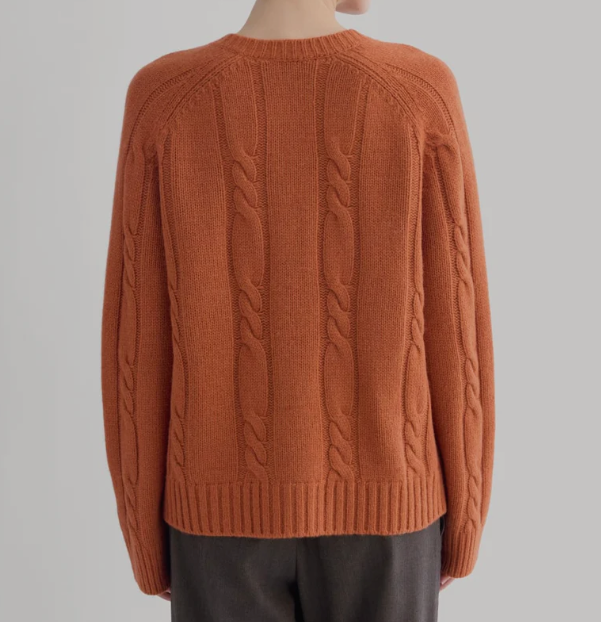
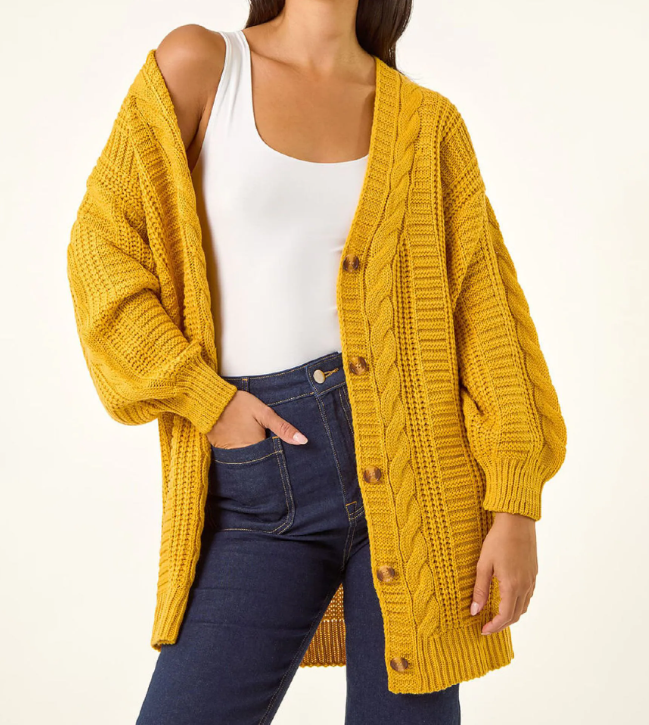
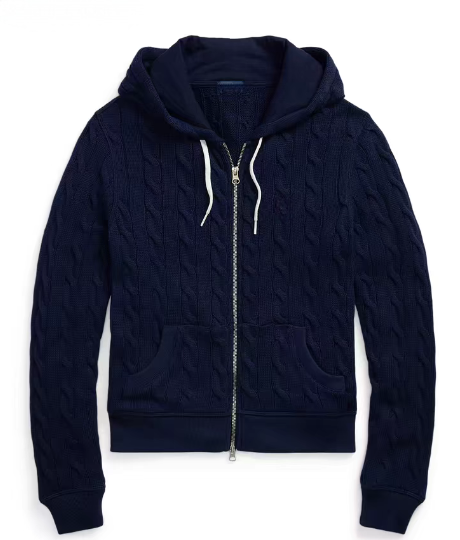
Featured Products for custom cardigan Development








Related Product Catalogue and Quotation
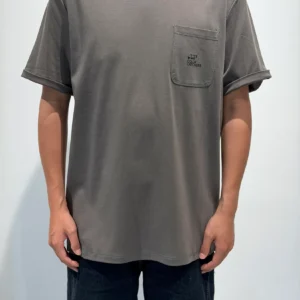

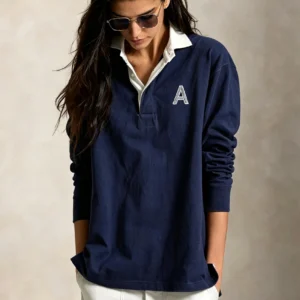


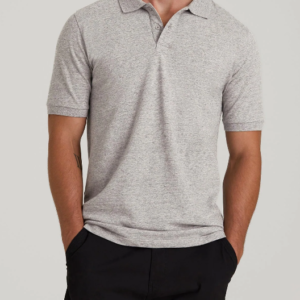


Why Brands Source Custom Cardigans From JUNSHEEN
One integrated partner for low-MOQ knitwear development, fit-focused production, and dependable global delivery.
100-Unit Starting MOQ
Launch cardigan capsules from 100 units per style and color, with practical support for emerging labels and controlled inventory planning.
OEM, ODM, Private Label
Bring a tech pack, sketch, reference, or idea; our team manages development, materials, knitwear construction, trims, and branded packaging.
Fit-Focused XS–3XL
Pattern makers refine proportions, sleeve balance, mobility, and grading across normal, extended, plus-size, and modern oversized cardigan fits.
Integrated Production Control
Coordinate knitting, cut-and-sew details, embroidery, printing, washing, labels, quality checks, and packing through one responsive manufacturing supply chain.
Scalable Global Supply
With 200+ skilled workers and 80,000+ monthly units of capacity, JUNSHEEN supports repeat programs and export-ready orders worldwide.
Custom Cardigans for Wholesale and Private Label
From yarn selection and fit grading to decoration, labeling and export-ready packing, JUNSHEEN develops cardigan programs for launches, replenishment and scalable wholesale orders.

Custom Knitted Cardigans
Wholesale knit cardigan programs begin with yarn, gauge, silhouette and target-price alignment. JUNSHEEN develops button-front, zip, cropped, oversized and classic constructions, then grades fit from XS through 3XL for production from 100 units per style and color.
Request a Quote
Custom Embroidered Cardigans
A custom embroidered cardigan requires decoration that complements the knit structure. JUNSHEEN coordinates logo embroidery, patches, applique or chain stitch with panel construction, placement and backing requirements, helping brands achieve clean results without compromising drape or wearability.
Request a Quote
Custom Womens Cardigans
For Chinese cardigan women’s collections, JUNSHEEN supports contemporary silhouettes, proportion-led fit and material selection for global markets. The team develops regular, extended-size and oversized women’s cardigans with refined shoulder balance, sleeve length and grading across XS–3XL.
Request a Quote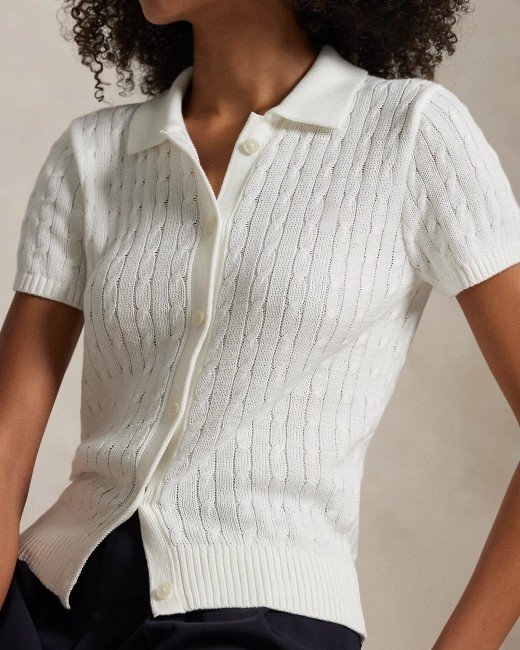
Cardigan Manufacturer
As a cardigan sweater manufacturer, JUNSHEEN manages development from sketch, reference garment or tech pack through sampling and bulk production. Knitting capability, cut-and-sew support, trims, labels, quality control and export coordination are managed within one supply chain.
Request a Quote
Cardigan Supplier
As a cardigan sweater supplier, JUNSHEEN helps sourcing teams balance hand feel, durability, gauge, color, trim choices and target cost. Clients can review swatches and samples before bulk approval, with retained specifications supporting consistent repeat orders.
Request a Quote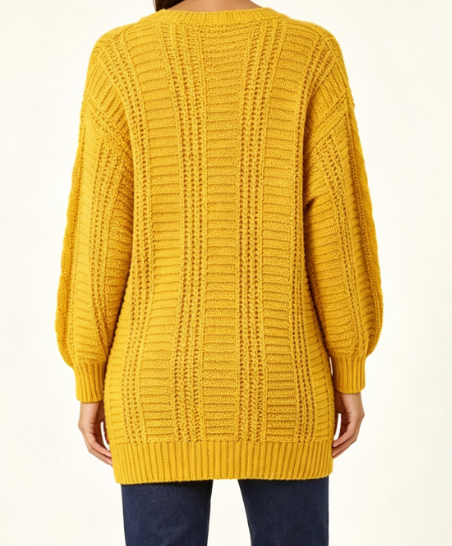
Wholesale Cardigans
Wholesale cardigan sweaters can be developed for capsule drops, retail assortments and ongoing replenishment. JUNSHEEN offers low MOQs from 100 units per style and color, while its 200+ skilled workers and 80,000+ monthly capacity support growth into larger programs.
Request a Quote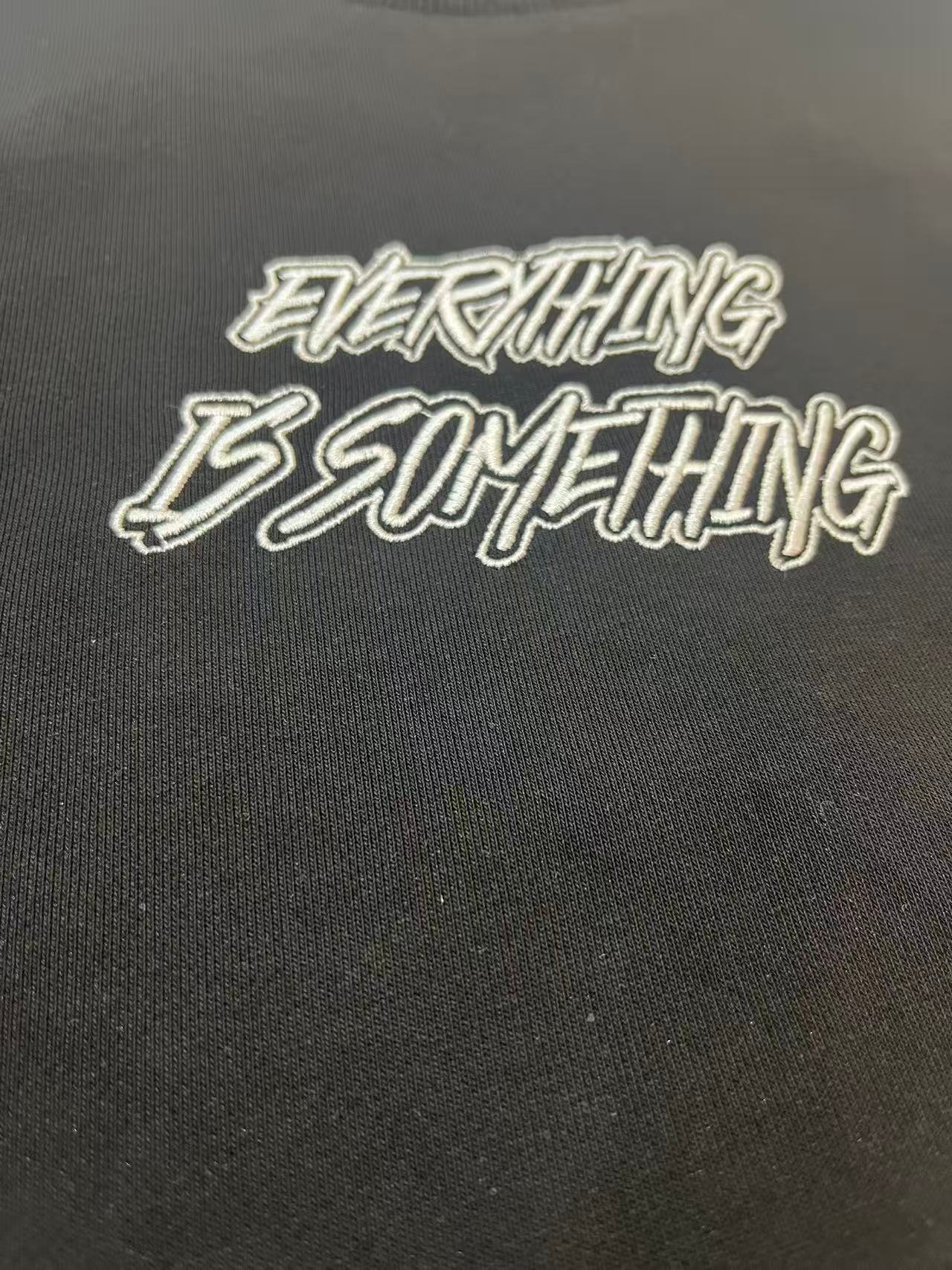
Private Label Cardigans
Private label cardigans are delivered with the brand details needed for retail readiness. JUNSHEEN can add woven or leather labels, size and care labels, hang tags, custom buttons, zippers, branded packaging and approved fit specifications before global shipment.
Request a QuoteMaterials for Premium Custom Cardigan Development

Cotton Knit
Breathable, soft cotton knit suits everyday custom cardigans and transitional layering. Available in lightweight to midweight gauges, it offers a natural hand feel, reliable dye uptake, and comfortable low-stretch wear.

Cotton Cashmere Blend
Cotton-cashmere blends create a smoother, elevated hand feel for premium retail cardigans. The yarn balances breathable cotton comfort with cashmere softness, while blend ratios and gauge selection help manage cost, warmth, and pilling performance.

Wool Blend Yarn
Wool-blend yarn delivers warmth, resilience, and a refined knit texture for fall and winter cardigan programs. Junsheen can source blends with nylon or acrylic to improve shape retention, durability, and commercial price positioning.

Viscose Nylon Blend
Viscose-nylon blends provide a silky, fluid drape for fitted, fine-gauge, and fashion-forward cardigans. Viscose gives a cool, smooth hand, while nylon adds strength and recovery to support cleaner shape retention.

Acrylic Blend Yarn
Acrylic-blend yarn is a practical option for soft, warm, color-rich custom cardigan collections at accessible target costs. It performs well in medium and heavier gauges, with blend construction selected to improve anti-pilling durability.

Recycled Fiber Blend
Recycled cotton, recycled polyester, and recycled wool blends support sustainability-led cardigan programs without sacrificing versatility. Material selection considers certification availability, yarn consistency, hand feel, and wash performance before bulk approval.
Custom Cardigan Decoration and Knitwear Finishing

Logo Embroidery
Flat, 3D puff, chain-stitch, or applique embroidery adds dimensional logo detail to custom cardigan fronts, sleeves, pockets, and chest areas. Secure stitching delivers a premium, durable finish suited to repeat-wear knitwear programs.

Knit Applique
Layered knit or fabric applique creates bold varsity, heritage, and elevated streetwear graphics with tactile contrast. Junsheen matches placement, edge treatment, and stitch density to preserve cardigan drape and reinforce long-term wear.

Custom Patch Application
Woven, embroidered, chenille, leather, or rubber patches turn custom cardigan branding into a recognizable signature. We apply patches with suitable stitching or backing methods for clean attachment, strong durability, and balanced visual weight.

Screen Print Effects
Plastisol, water-based, puff, flocking, silicone, high-density, foil, and discharge printing create expressive graphics on compatible cardigan panels. Process selection considers yarn content, stretch, opacity, and wash performance for a dependable branded result.

Garment Wash Finishing
Softening, enzyme, anti-pilling, garment-dye, brushing, and napping finishes refine hand feel, color character, and surface texture. Controlled finishing helps custom cardigan collections achieve a lived-in look while supporting comfort and durability.

Specialty Surface Effects
Sequins, reflective details, contrast trims, custom buttons, and textured embellishments add fashion-led impact without losing production control. Junsheen prototypes specialty effects during sampling to confirm appearance, attachment strength, and bulk consistency.
Custom Cardigan Trims and Accessories

Custom Buttons
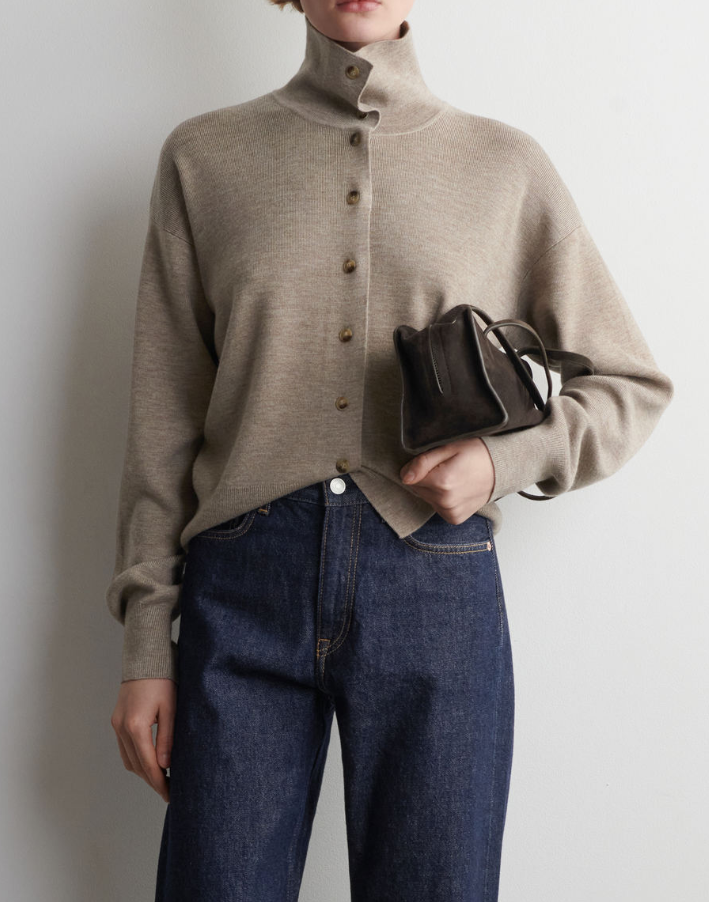
Choose branded resin, horn-look, metal or covered buttons for front plackets, cuffs and pockets. Junsheen sources finishes, colors and logo treatments that align each custom cardigan with your intended price point and aesthetic.

YKK Zippers
Add reliable YKK or specified zipper options to zip-front cardigans, detachable collars and functional pockets. We match tape color, puller style and zipper weight to the knit construction for smooth everyday performance.

Woven Labels
Apply custom woven main labels, size labels and wash-care labels that give your cardigan a finished private-label identity. Label placement and stitch methods are reviewed during sampling to protect comfort, appearance and durability.

Branded Hang Tags
Complete retail-ready presentation with custom hang tags, strings, seals and barcode-ready information. Junsheen can coordinate paper stock, finishes and attachment points so each garment arrives prepared for wholesale, stores or direct fulfillment.

Drawcords And Ribbing
Specify tipped drawcords, metal aglets, custom cords and coordinated rib trims for hooded or sport-inspired cardigan styles. These details help reinforce color stories while maintaining recovery, comfort and consistent construction across size runs.
Custom Packaging
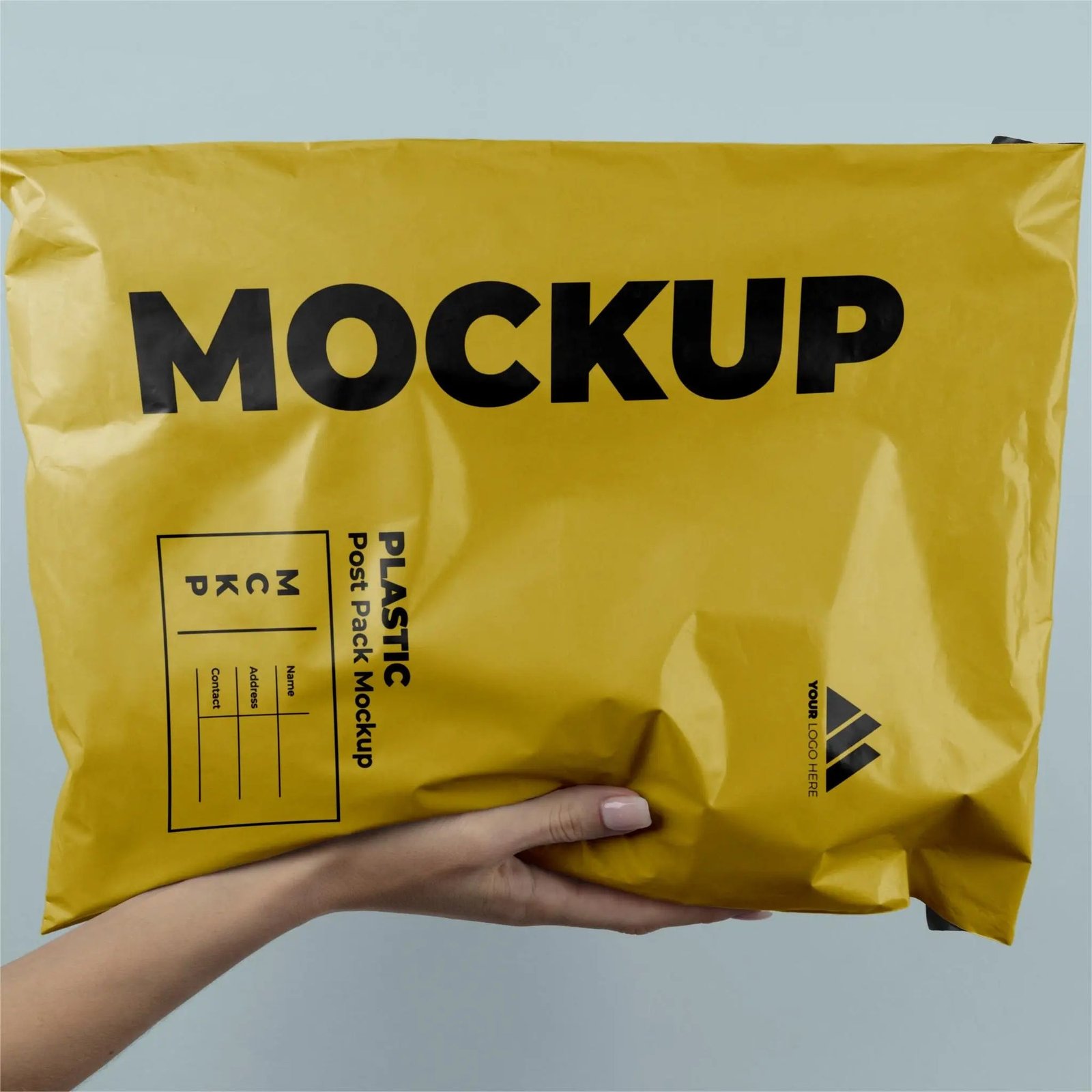
Protect and present finished cardigans with branded polybags, tissue, size stickers, carton marks and custom packing inserts. Packaging is planned around your fulfillment requirements, helping reduce handling steps from final inspection through global shipment.
About JUNSHEEN Apparel Manufacturing
Founded in 2010 in Humen Town, Dongguan, JUNSHEEN helps fashion brands turn custom cardigan concepts into dependable OEM, ODM, and private-label production. Our mission is to combine responsive product development with practical manufacturing support for labels launching new collections or scaling proven styles.
From our base in one of China’s established garment-production clusters, 200+ skilled workers support cut-and-sew and knitwear programs across casualwear, denim, outerwear, and sweaters. With capacity exceeding 80,000 units monthly, we can begin at 100 units per style and color, then scale with demand.
More than 2,000 fashion-brand clients have relied on JUNSHEEN for fit-focused XS–3XL development, fabric sourcing, sampling, decoration, quality control, packaging, and global export support. We retain the technical details that make repeat custom cardigan orders clearer, faster, and more consistent.

Custom Cardigan Fit-First Development and Production Control
XS–3XL Fit Engineering
JUNSHEEN develops custom cardigan patterns for standard, extended-size, plus-size and oversized ranges rather than simply scaling one base block. Our pattern makers refine proportions, shoulder balance, sleeve length and ease to support reliable fit across the full size set.
- Fit-focused pattern development from XS through 3XL
- Grading adjusted for body proportion and mobility
- Size-set sampling before bulk approval
- Oversized and plus-size silhouettes supported

Technical Development Support
Bring a finished tech pack, sketch, reference garment or initial concept. Our development team reviews construction feasibility, knit structure, measurements and finishing details, then turns your direction into clear specifications for custom cardigan sampling and repeatable production.
- Tech-pack review and specification refinement
- Pattern making and prototype sampling
- Construction guidance for knitwear details
- Production records retained for repeat orders

Material Choices With Purpose
Material sourcing is matched to your target price, hand feel, weight, drape and wash performance. JUNSHEEN can source cotton, wool blends, recycled options and performance knits, with swatches and sample garments available before your bulk custom cardigan materials are confirmed.
- Yarn and fabric recommendations by product objective
- Swatches available for material evaluation
- Options for softness, durability and stretch
- Bulk materials confirmed after sample approval
Control Throughout Production
Quality control follows your custom cardigan from incoming materials to packed goods. Teams check construction, measurements, fit, decoration and finishing in process, helping protect consistency for 100-unit capsule launches and scalable repeat programs shipped to global markets.
- Incoming material inspection
- In-line workmanship and measurement checks
- Final fit, finishing and packing review
- Global export support after approval

Why Choose JUNSHEEN for Custom Cardigan Production
Compare fit-focused development, integrated manufacturing, and export-ready support with a typical apparel supplier.
← 左右滑动查看 →
Our Custom Cardigan Manufacturing Process
A clear, fit-focused workflow that moves your cardigan from feasibility review to quality-checked global shipment.
Review Design Feasibility
We assess your tech pack, sketch, reference garment, target price, construction details, and 100-unit MOQ requirements before recommending a practical development route.
Source Fabrics and Trims
Our team selects yarns, knit constructions, buttons, labels, and packaging based on hand feel, durability, gauge, color, target cost, and wash performance.
Develop Patterns and Samples
Pattern makers build and grade fit-focused XS–3XL specifications, then produce prototypes for measurement, construction, color, and finishing approval before bulk confirmation.
Produce Approved Cardigans
After pre-production approval, skilled teams manage knitting or cut-and-sew assembly, decoration, washing, finishing, and private-label application to your approved standards.
Inspect Pack and Ship
We check materials, measurements, workmanship, decoration, and packed goods, then arrange export-ready packing and global shipping with retained production records for repeat orders.
How to Start Your Custom Cardigan Order
Move from concept to approved bulk production with clear technical support, fit-focused sampling, and dependable production planning.
Send Your Design Brief
Share a tech pack, sketch, reference garment, or mood board with target quantities, sizes, materials, colors, and custom cardigan branding requirements.
Review Specifications Together
Our team checks manufacturability, knit construction, fit requirements, fabric options, trims, decoration, and 100-unit MOQ feasibility before preparing your quotation.
Approve Samples and Fit
Review prototype samples, swatches, measurements, and XS–3XL grading details. Confirm revisions and pre-production standards before authorizing bulk cardigan manufacturing.
Launch Bulk Production
JUNSHEEN manages materials, knitting or cut-and-sew production, labels, finishing, inspections, packing, and export coordination for your approved order.
Custom Clothing Manufacturer Credentials and Compliance Documents


Custom Cardigan Results From Global Fashion Brands
JUNSHEEN refined the shoulder and sleeve balance across XS–3XL instead of scaling one base pattern. Our first size set needed only two fit revisions, and the cardigan launch achieved a 24% lower return rate than our previous knit program.
We sent a mood board and reference cardigan, then received a production-ready sample in 18 days. The team quickly adjusted yarn weight, button placement, and our woven labels, helping us place a 300-unit repeat order within the same season.
For our wholesale rollout, JUNSHEEN scaled from a 120-unit test colorway to 2,400 cardigans across four colors while keeping measurements and embroidery consistent. Their communication made bulk approval straightforward for our US and UK retail accounts.
Custom Cardigan Manufacturing FAQs
Clear answers on MOQ, samples, production, fit, private labeling, payment, shipping, and confidentiality for global apparel brands.
What is the minimum order quantity for a custom cardigan?
Can I order a custom cardigan sample before bulk production?
How long does custom cardigan production take?
Can you make private-label cardigans with my brand details?
Do you offer XS–3XL and plus-size cardigan grading?
What payment terms do you offer for OEM cardigan orders?
Can you ship custom cardigans internationally?
How do you protect my custom cardigan design and product information?
The Complete Buyer’s Guide to custom cardigan
Use this practical framework to define product specifications, compare supplier capabilities, control costs, and avoid common sourcing mistakes when developing a custom cardigan collection for your brand.
1. What Is a Custom Cardigan?
100 units per style and color is a practical starting point for a custom cardigan program, but the term means more than placing a logo on a ready-made knit. A true custom program lets the buyer specify silhouette, gauge and yarn blend, neckline, button or zipper choice, rib proportions, color standards, graded sizing, labels, hang tags, and branded packaging. 2010 is the year Dongguan Junsheen Clothing Co., Ltd. was founded, and its private-label service is usually the most accessible route for a new label or retailer. The buyer selects an existing or lightly adapted cardigan base, then applies identity through color, trims, labels, packaging, and controlled fit adjustments; this is distinct from blank wholesale stock, which is bought as-is and normally cannot protect a brand’s product identity. 3 program levels help buyers match development effort to commercial risk: private label for faster, lower-complexity launches; OEM for a buyer-owned tech pack or reference garment; and ODM for a manufacturer-supported concept developed into production specifications. An established fashion brand generally gains the most control from OEM or ODM because it can define proprietary proportions, yarn hand feel, Pantone colors, custom buttons, and size grading from XS through 3XL. 80,000-plus units of monthly capacity matters only after the product brief is repeatable: approved patterns, material records, trim specifications, and packing instructions make future orders more consistent. For capsule testing, start with a focused private-label adaptation; for a retailer needing differentiated exclusives, use OEM; for a brand with a clear market gap but no knitwear technical team, use ODM development.
2. The Evolution of Custom Cardigan Design
1854 brought the cardigan into popular vocabulary after James Brudenell, the 7th Earl of Cardigan, wore a knitted, front-opening layer during the Crimean War. Its practical button front, set-in sleeves and ribbed cuffs and hem made it easy to layer, repair and regulate warmth—qualities still worth retaining in a custom cardigan. 1920s fashion made the cardigan a polished wardrobe piece as Coco Chanel popularized relaxed knit separates and cardigan-style jackets. That shift established a useful buyer principle: choose a recognizable foundation—clean placket, stable rib trim and balanced button spacing—then update proportion or surface rather than redesigning every component. 1950s collegiate and team dressing helped establish lettered, contrast-trim and button-front cardigans as uniform and varsity references. Current varsity programs can translate that heritage through jacquard stripes, applique, chenille patches or embroidery, while keeping color placement disciplined enough for repeat production and future reorders. 1990s-to-2020s streetwear and contemporary fashion expanded demand toward oversized, cropped, brushed, cable-textured and gender-inclusive fits. Buyers can use these directions without shortening a product’s life by approving the silhouette on multiple bodies, specifying finished measurements and grading from XS through 3XL, and reserving trend-sensitive colors or graphics for smaller seasonal runs.
3. Types of Custom Cardigan Styles
Eight sourceable silhouettes cover most custom cardigan assortments. Select by customer, season, and channel first; then confirm gauge, closure, length, and grading requirements before sampling.
| Style | Best Customer | Season | Merchandising Role | Production Focus |
|---|---|---|---|---|
| Button-front | Classic retail shopper | Spring/fall | Core repeat style | Button spacing, placket stability |
| Zip-up | Active casual buyer | Fall/winter | Outer-layer alternative | Zipper quality, neck reinforcement |
| Varsity | Youth streetwear buyer | Fall | Graphic statement | Rib contrast, patches, stripe alignment |
| Longline | Modest-fashion customer | Fall/winter | Layering piece | Length grading, hem stability |
Core Retail Silhouettes

Button-front V-necks suit polished womenswear, schoolwear, and department-store programs across spring and fall. Crewnecks read more casual and layer cleanly over tees, making them dependable specialty-retail replenishment styles.
- Button-front: classic wardrobe staple
- V-neck: shirts-and-ties layering
- Crewneck: casual unisex crossover
Closure And Collar Choices

Zip-up cardigans target active casualwear and transitional outer-layer assortments; specify zipper tape, puller finish, and neck reinforcement early. Shawl collars add volume for premium menswear and cold-weather gifting, but require stable collar shaping and more knitting time.
- Zip-up: sport and street channels
- Shawl collar: elevated winter offer
- Varsity: collegiate graphic program
Fashion-Led Proportions
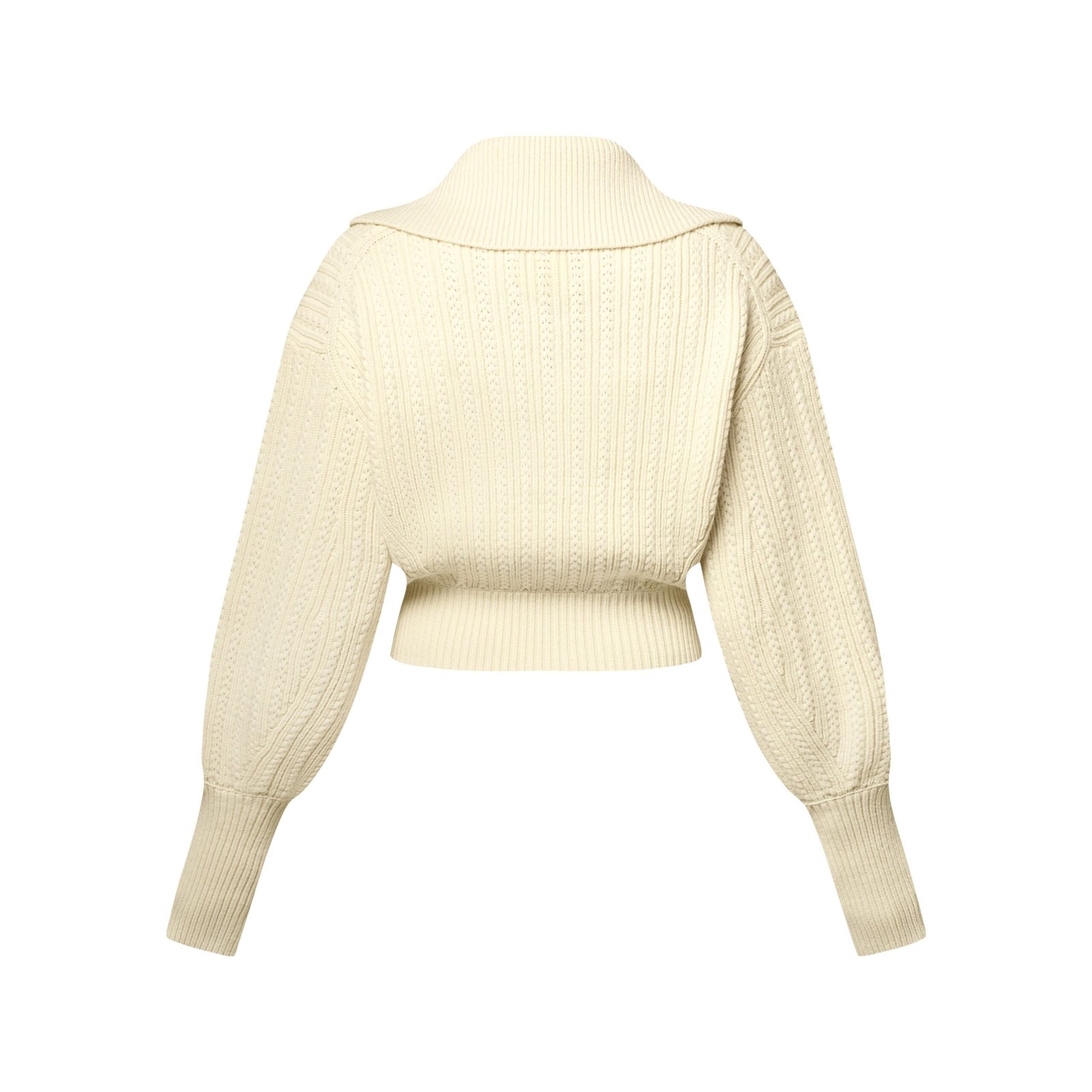
Cropped cardigans serve trend-led junior and direct-to-consumer collections, where matching sets can raise basket size. Oversized fits suit gender-inclusive streetwear, while longline options support modest fashion and layered fall merchandising; both need deliberate shoulder and sleeve grading.
- Cropped: coordinated-set merchandising
- Oversized: relaxed unisex fit
- Longline: coverage-focused layering
4. Custom Cardigan Materials and Fabrics
7- to 12-gauge knitting covers most commercial cardigan programs, balancing drape, warmth, and cost. A custom cardigan should be specified by fiber blend, yarn ply, gauge, finished weight, and care target before sampling.
| Material | Typical Knit Weight | Performance | Recommended Applications |
|---|---|---|---|
| Cotton | 220–380 gsm | Breathable; possible shrinkage | Transitional basics |
| Cotton-polyester | 240–400 gsm | Stable; durable | Uniform cardigans |
| Acrylic | 250–420 gsm | Warm; pilling risk | Value fashion |
| Wool-cashmere | 260–450 gsm | Soft; high warmth | Premium winter |
| Viscose blend | 180–300 gsm | Fluid; smooth hand | Fine-gauge layers |
| Recycled blend | 220–380 gsm | Lower-impact option; test consistency | Responsible capsules |
Gauge, Ply, And Weight

7-gauge, two-ply yarns create a substantial, cooler-weather surface; 12-gauge constructions feel lighter and smoother for layering. 300–450 gsm finished sweater weights suit dense everyday cardigans, while 180–280 gsm options fit spring, resort, and indoor programs.
Fiber Performance Tradeoffs

100% cotton offers breathable, low-static comfort but can shrink or lose shape unless yarn, wash testing, and rib recovery are controlled. Wool and cashmere blends improve warmth and softness; acrylic lowers cost but needs anti-pilling yarn selection. Viscose adds fluid drape, while recycled fibers require shade and lot consistency checks.
Care And Seasonal Matching
30–40% polyester in a cotton blend improves shape retention, drying speed, and abrasion resistance for uniform or retail replenishment programs. 20–30% nylon in wool or cashmere blends reinforces elbows and cuffs. Care labels should match the tested garment: machine wash, hand wash, or dry clean.
5. Custom Cardigan Branding and Decoration
A custom cardigan carries branding best when the method is engineered into the knit or attached without distorting it. At Junsheen, buyers can specify artwork, trims, labels and packaging during development before bulk materials are confirmed.
| Method | Impact | MOQ Implication | Durability | Best Brand Fit |
|---|---|---|---|---|
| Jacquard | High, integrated pattern | Color and yarn commitments | Excellent | Graphic knit collections |
| Intarsia | High, precise blocks | Higher setup complexity | Excellent | Statement logos |
| Embroidery or patch | Focused, dimensional | Flexible at lower runs | High after testing | Heritage or athletic marks |
| Labels and trims | Subtle, premium detail | Custom hardware may require higher MOQ | High | Private-label essentials |
Knit-In Artwork

Jacquard repeats suit all-over logos, stripes and monograms because the design is built into the fabric. Intarsia creates sharper, larger color blocks with less float yarn, but adds knitting-program and sampling work.
- Use Pantone-approved yarn shades before sampling.
- Keep fine lettering above the machine-gauge limit.
- Confirm reverse-side floats for wearer comfort.
Applied Branding

Embroidery, custom patches and woven labels work well for chest marks, sleeve details and neck branding. A knit backing or stabilizer should be tested first, since dense stitches can pucker lightweight gauge cardigans.
- Woven labels give crisp small type.
- Printed labels reduce neck-bulk irritation.
- Patches add a structured heritage look.
Trims And Presentation

Custom buttons, zipper pulls, hangtags and branded packaging turn a standard knit into a recognizable private-label product. At a 100-unit-per-style-and-color starting point, stock trims often reduce risk while bespoke molded hardware usually needs a higher commitment.
- Match button-hole size to the approved button.
- Specify metal finish and puller logo artwork.
- Approve hangtag stock, cord and carton markings.
6. Custom Cardigan Construction Quality Checks
A custom cardigan can look approved on a hanger yet fail after one wash if knit tension, linking, and trim performance were never tested. Lock measurable standards at the size-set stage, then repeat them on packed bulk goods.
Knit And Seam Control

6–8 stitches per inch is a practical starting point for many fully fashioned seams, but the approved sample—not a generic count—sets the standard. Inspect consistent gauge, even yarn tension, and no dropped stitches, needle lines, or visible join bulk. 100% of shoulder, armhole, and side linking should lie flat without twisting or open loops. Match seam stretch to the body knit so movement does not pop a linked seam.
- Compare gauge across front panels, sleeves, and ribs
- Check linking under light stretch
- Reject uneven tension or exposed yarn tails
Plackets, Buttons, And Pockets

Every buttonhole should hold its specified button through repeated opening without laddering or distortion. Button spacing, placket width, and left-right front alignment must remain straight when the cardigan is buttoned and laid flat. 2-point pocket attachment is insufficient for functional patch pockets; reinforce corners with bartacks, dense stitching, or knit stabilization as the design allows. Pull-test pockets and buttons against the approved trim standard.
- Align buttonholes to button centers
- Check placket edges for waviness
- Confirm pocket placement from grade rules
Fit, Wash, And Final Approval
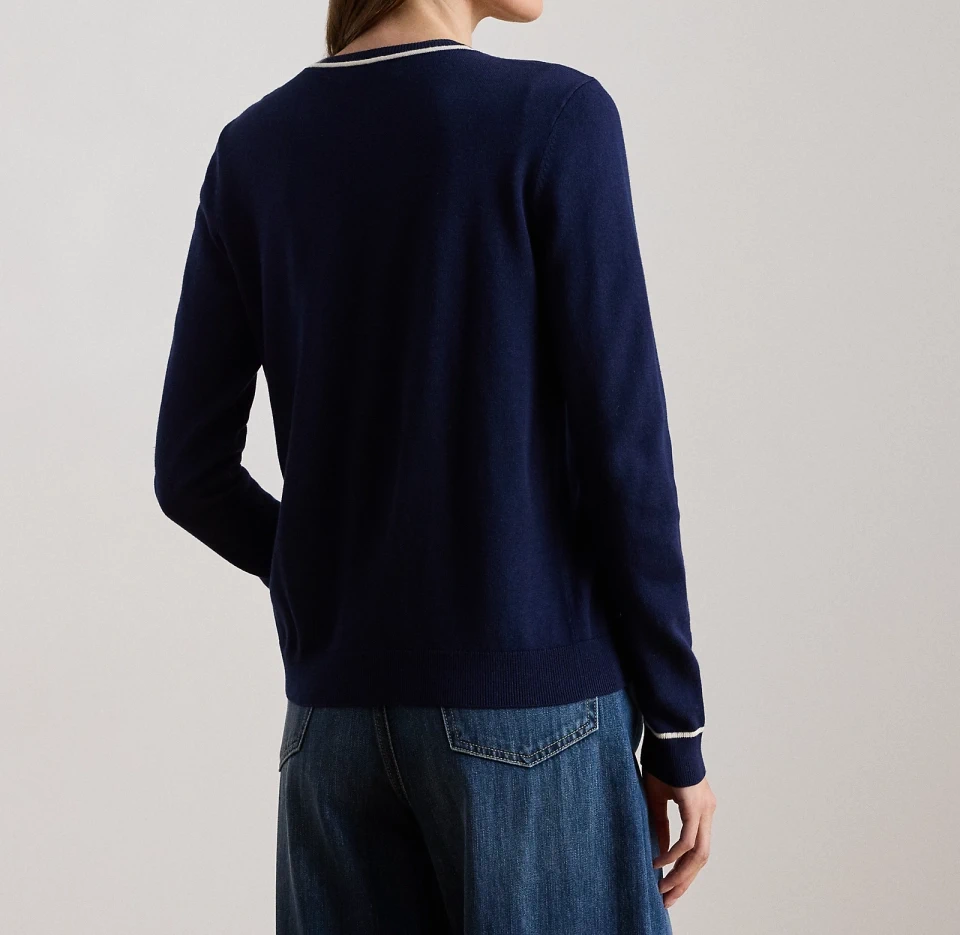
XS–3XL measurement tolerances should be written by point of measure, including chest, body length, sleeve length, rib opening, and placket length. Approve a graded size set when the garment is buttoned, worn, and measured relaxed rather than relying on a single sample size. 1 wash test on the approved yarn, color, and construction should confirm dimensional change, color behavior, rib recovery, and surface appearance. For brushed or soft-spun yarns, agree a pilling test method and acceptable rating before bulk release.
- Record before-and-after wash measurements
- Stretch cuffs and hem, then check recovery
- Inspect final goods against sealed sample and measurement chart
7. How to Choose a Custom Cardigan Manufacturer
A 100-unit starting point can suit a capsule only when the factory can control knit sampling, yarn allocation, and grading without treating the order as an afterthought. Evaluate the production system before comparing unit prices.
| Evaluation Area | Question Before Commitment | Evidence To Request |
|---|---|---|
| MOQ fit | Is 100 units feasible at our gauge and colors? | Written MOQ and yarn allocation |
| Quality system | How are measurements and defects checked? | QC plan and inspection examples |
| Export experience | Can you ship to our market reliably? | Packing, labeling, and export-document process |
Confirm Knitwear Depth
Ask whether knitting is in-house or subcontracted, which gauges are routinely made, and how the supplier controls linking, wash testing, and pilling. A capable partner should explain its process from yarn approval through finished measurement.
- Which gauges and stitches are proven in bulk?
- Can you provide a knit-off and washed sample?
- Who owns responsibility for linking defects?
Test Development Communication
Before paying development fees, send a tech pack or reference garment and request a written feasibility review. Confirm sample stages, revision limits, Pantone handling, measurement tolerances, and the person responsible for decisions.
- What information is missing from our brief?
- What changes improve manufacturability or cost?
- When will we receive comments and samples?
Verify Commercial Readiness
For a custom cardigan program, confirm that 100 units per style and color is workable for the chosen yarn, gauge, trims, and color count. Review capacity, realistic sampling and bulk lead times, export destinations, QC checkpoints, and available compliance documents.
- Can you show recent inspection records?
- Which compliance certificates apply to this facility?
- Who manages shipping documents and final export checks?
8. Common Custom Cardigan Sourcing Mistakes
Most preventable custom cardigan failures begin before bulk knitting: an attractive swatch, a low quote, or a rushed sample approval replaces a written production decision. Lock technical standards before purchase-order release, because corrections after yarn booking are slower and costlier.
Specify Yarn Performance

30/2 yarn count, fiber content, gauge, stitch density, pilling target, and shrinkage limit matter more than a showroom hand feel. Choosing yarn by appearance alone can produce a cardigan that pills, grows, or loses recovery after wear. 3 wash cycles using the intended care method should be approved before bulk. Compare dimensional change, twisting, color loss, and hand feel against the sealed reference, then retain the approved swatch.
Control Fit And Color
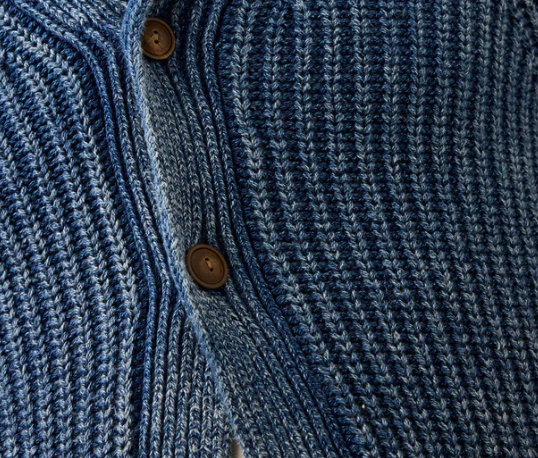
±1 cm body and sleeve tolerances, plus point-of-measure diagrams, prevent factories from interpreting a size chart differently. Omitting them creates inconsistent grading and disputed measurements across XS–3XL. Pantone references require lab dips under agreed light sources, not screen colors or verbal shade names. Approve shade bands, rib-to-body matching, and dye-lot limits before yarn dyeing; rework after knitting may be impossible.
Approve Production-Ready Samples

2–4 artwork colors, minimum line weights, and stitch-count limits should be reviewed with the knitting technician. Overly complex intarsia, embroidery, or applique can distort panels, slow output, and raise defect risk. 100-unit MOQ quotes should be compared with sampling control, inspection scope, yarn traceability, and delivery reliability—not unit price alone. Reject incomplete samples missing labels, buttons, wash results, or final measurements; approve a fully trimmed pre-production sample.
9. Steps to Launch a Custom Cardigan Line
A 100-unit-per-style-and-color starting point lets a new custom cardigan line move through development without committing to an oversized first buy. Lock each approval before the next material or production decision, because late changes affect both lead time and cost.
Build The Development Brief
Week 1 should end with a target customer, retail price, size range, color plan, and delivery date. The buyer supplies a tech pack, reference images, measurement chart, Pantone direction, branding files, and required compliance standards. JUNSHEEN reviews manufacturability, creates or refines patterns, grades the size set, and quotes feasible materials and trims. Approve specifications in writing before yarns are reserved or artwork is released.
Select Yarn And Artwork
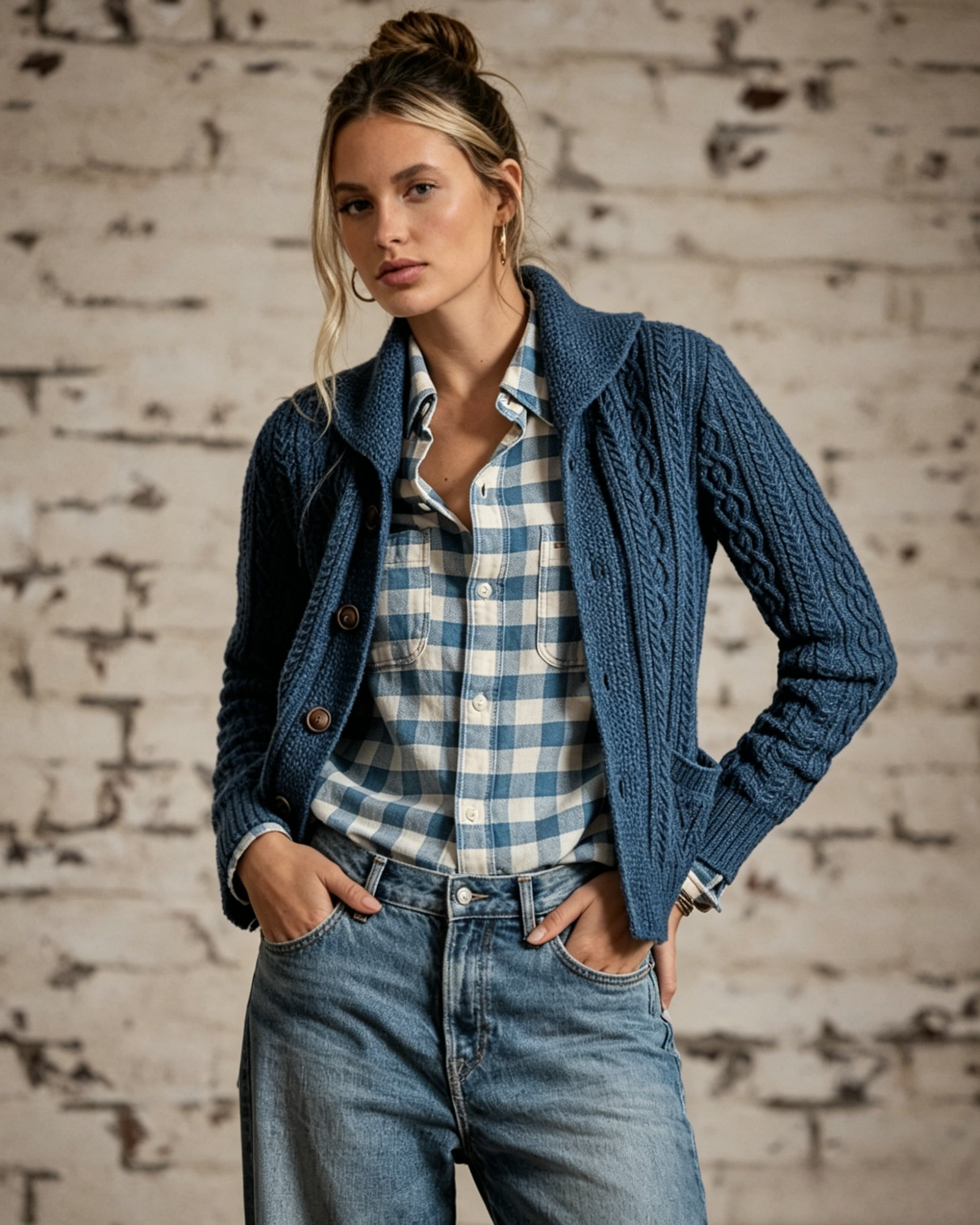
Three to five yarn or fabric swatches usually give enough hand-feel, weight, color, and cost options for comparison. Confirm fiber content, gauge, stitch construction, shrinkage expectations, buttons, labels, and embroidery or print placement. Pantone-approved artwork and a signed trim list are the gate for prototype work. A logo file alone is not sufficient; provide dimensions, placement measurements, and decoration colors.
Approve Samples And Fit

One prototype verifies construction and visual direction before final fit decisions. Record every change on a dated sample-comment sheet rather than relying on informal messages. A fit sample should be checked on the intended fit model or measurements across key sizes, especially shoulder width, body length, sleeve length, button spacing, and grading. Approval of the size set and pre-production sample releases bulk production.
Control Bulk And Launch
Bulk timing begins only after materials, pre-production sample, labels, packaging, and payment terms are confirmed. JUNSHEEN can manage incoming-material, in-line, measurement, decoration, and final packed-goods inspections. Two to four weeks before shipment, finalize carton marks, barcodes, folding instructions, freight booking, product photography, launch inventory allocation, and customer-service size guidance. Keep approved patterns, graded measurements, and material records for repeat-order consistency.
10. Custom Cardigan Pricing and Cost
100 units per style and color is a practical starting point for a custom cardigan program, but it carries the highest unit cost because yarn buying, linking setup, labels, and inspection are spread across fewer pieces. Yarn composition, gauge, stitch density, intarsia or cable work, buttons, embroidery, packaging, and approved quality tolerances all move the quote. 12-gauge fine knits usually require more precise yarn control and slower production than 5- to 7-gauge chunky constructions; a cashmere blend, custom Pantone dyeing, or complex color blocking adds further cost and development time. Reduce cost by simplifying panels or colors, standardizing trims and packaging, and consolidating volume—while protecting the yarn hand feel, fit, and finishing that define the intended price tier. 2 sample rounds are often enough when the tech pack, measurements, button placement, and label artwork are complete before sampling. Budget separately for sample development, export cartons, freight, duties, and any third-party testing or audit requirements; air freight can erase the savings achieved through a lower factory price.
| Quantity tier | Indicative unit-price direction | Setup considerations | Typical lead-time effect |
|---|---|---|---|
| 100–299 units | Highest | Sampling, yarn minimums, labels, and linking setup have limited spread | Allow sampling plus 25–40 days after approvals |
| 300–999 units | Moderate reduction | Share yarn and trim choices across colors; fewer custom components lower risk | Bulk planning becomes more efficient |
| 1,000–2,999 units | Lower | Better yarn purchasing and production allocation; confirm size ratio early | Usually supports steadier production scheduling |
| 3,000+ units | Best scale efficiency | Consolidate colors, packaging, and freight; retain final inspection standards | May require phased deliveries for color or size complexity |
Start Your Custom Cardigan Project
Send your tech pack, reference garment, or product idea to JUNSHEEN for fit-focused development, 100-unit MOQs, and scalable OEM production.