Custom Denim Clothing Manufacturer for Growing Brands
JUNSHEEN delivers fit-focused XS–3XL denim development, private labeling, and scalable production from 100 units per style and color.
Featured Products for custom denim clothing manufacturer Development
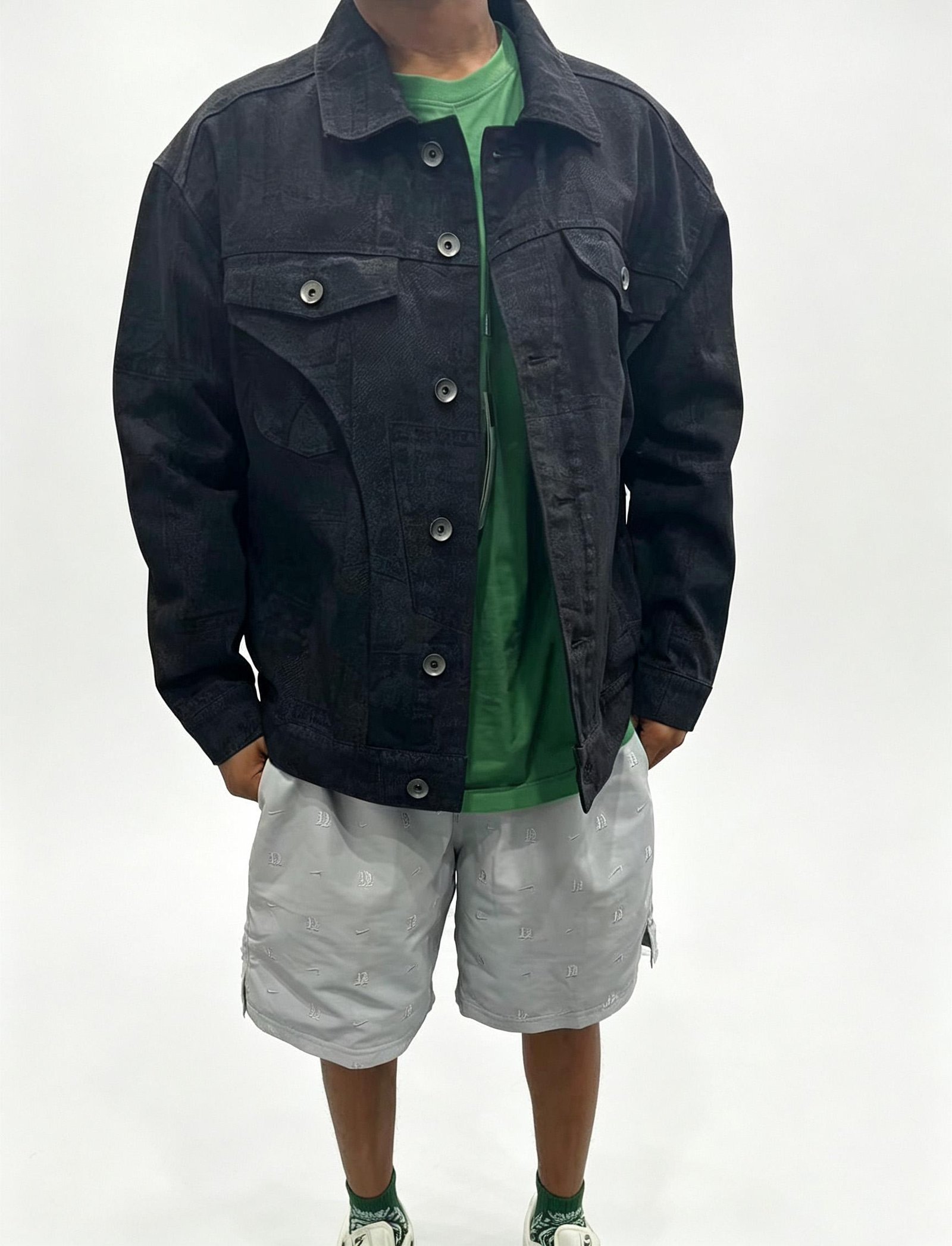
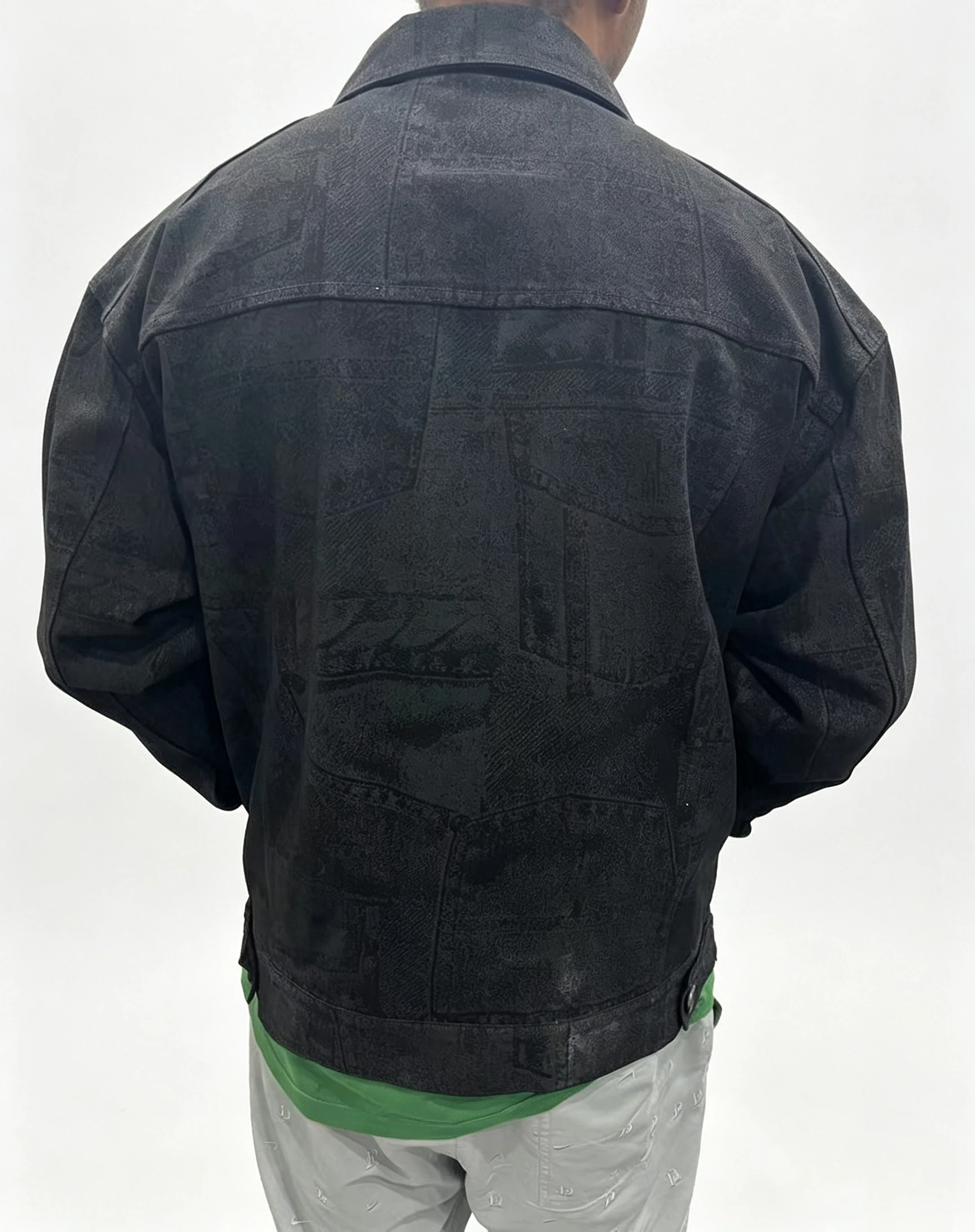
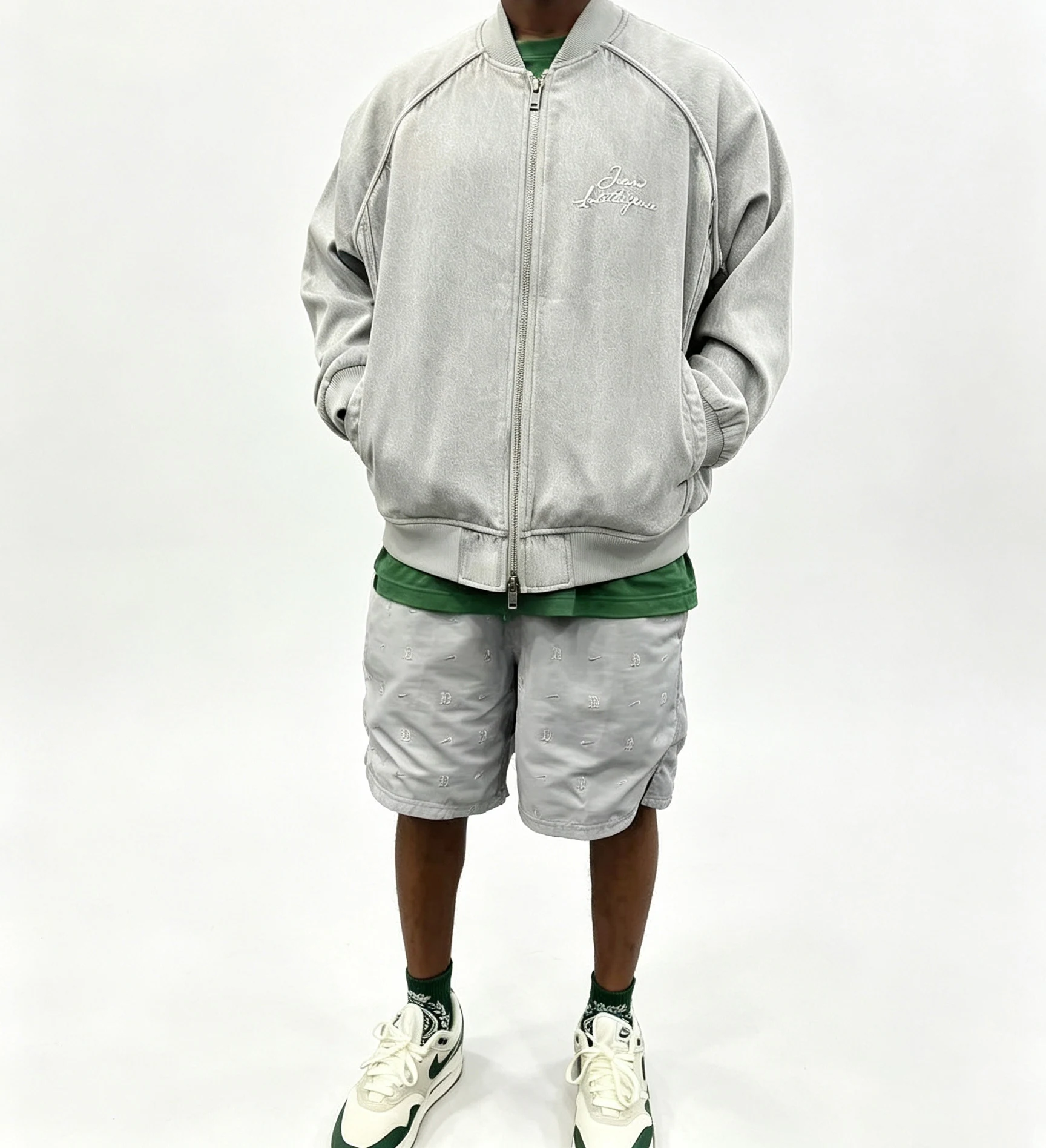
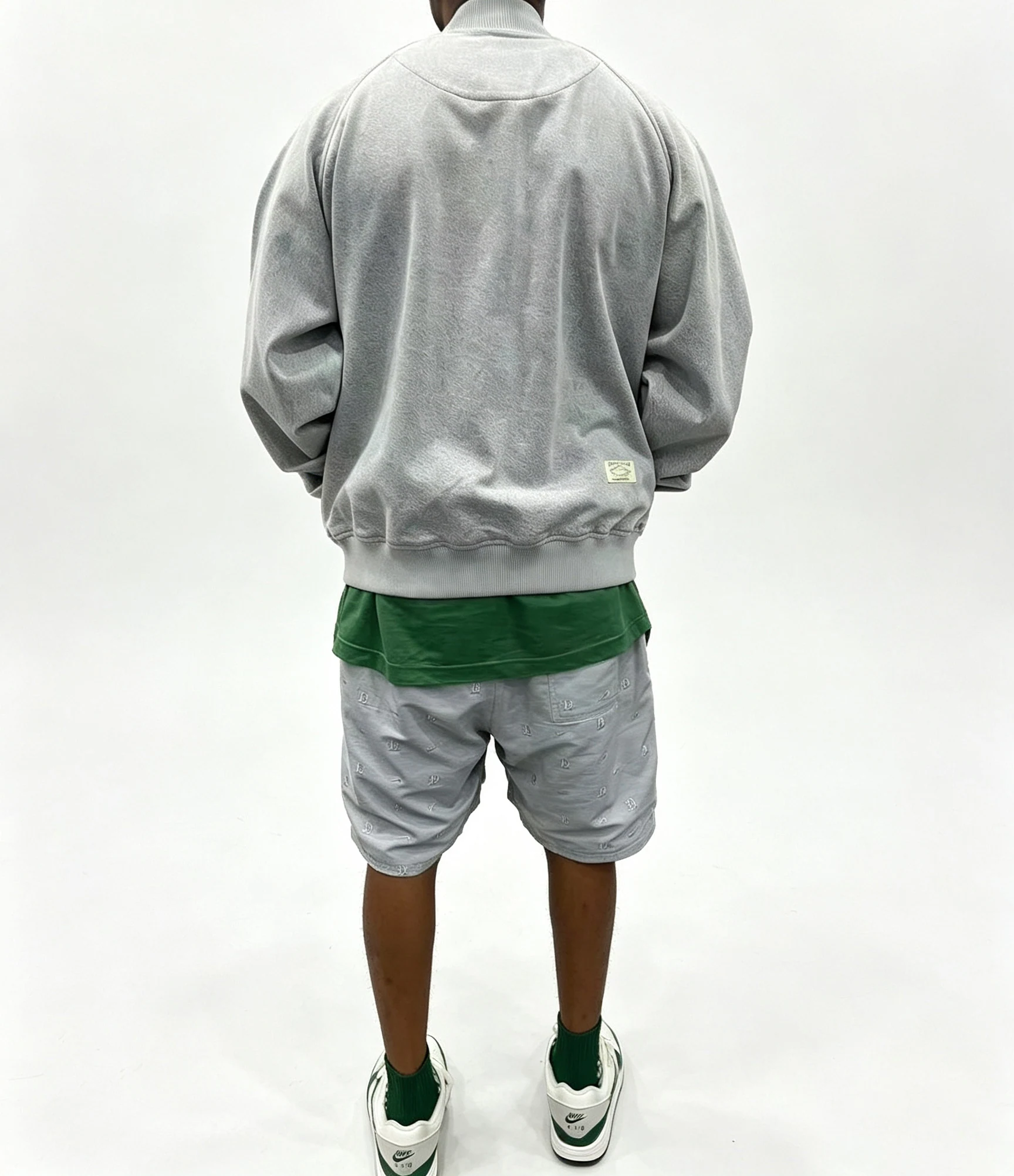

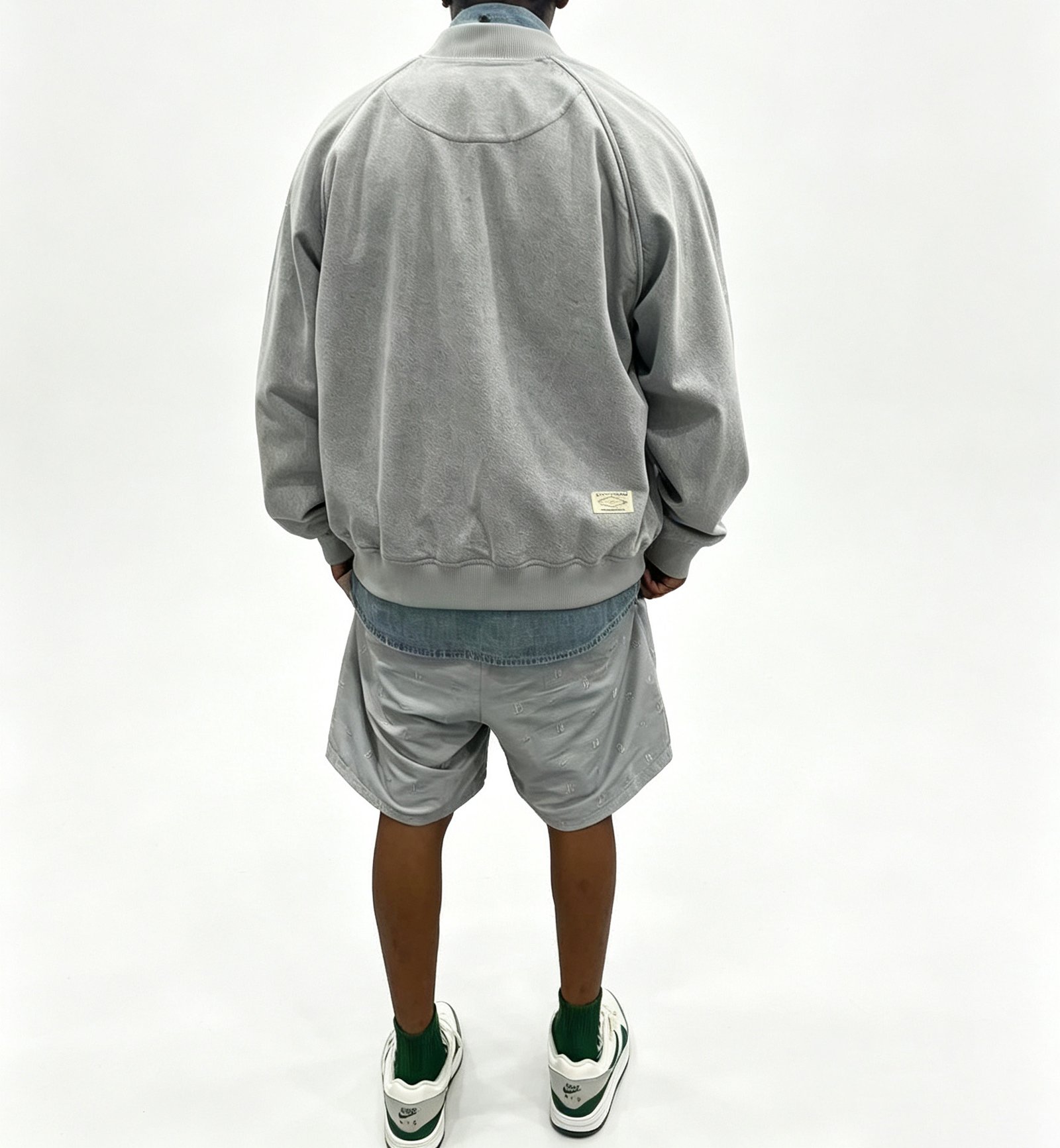


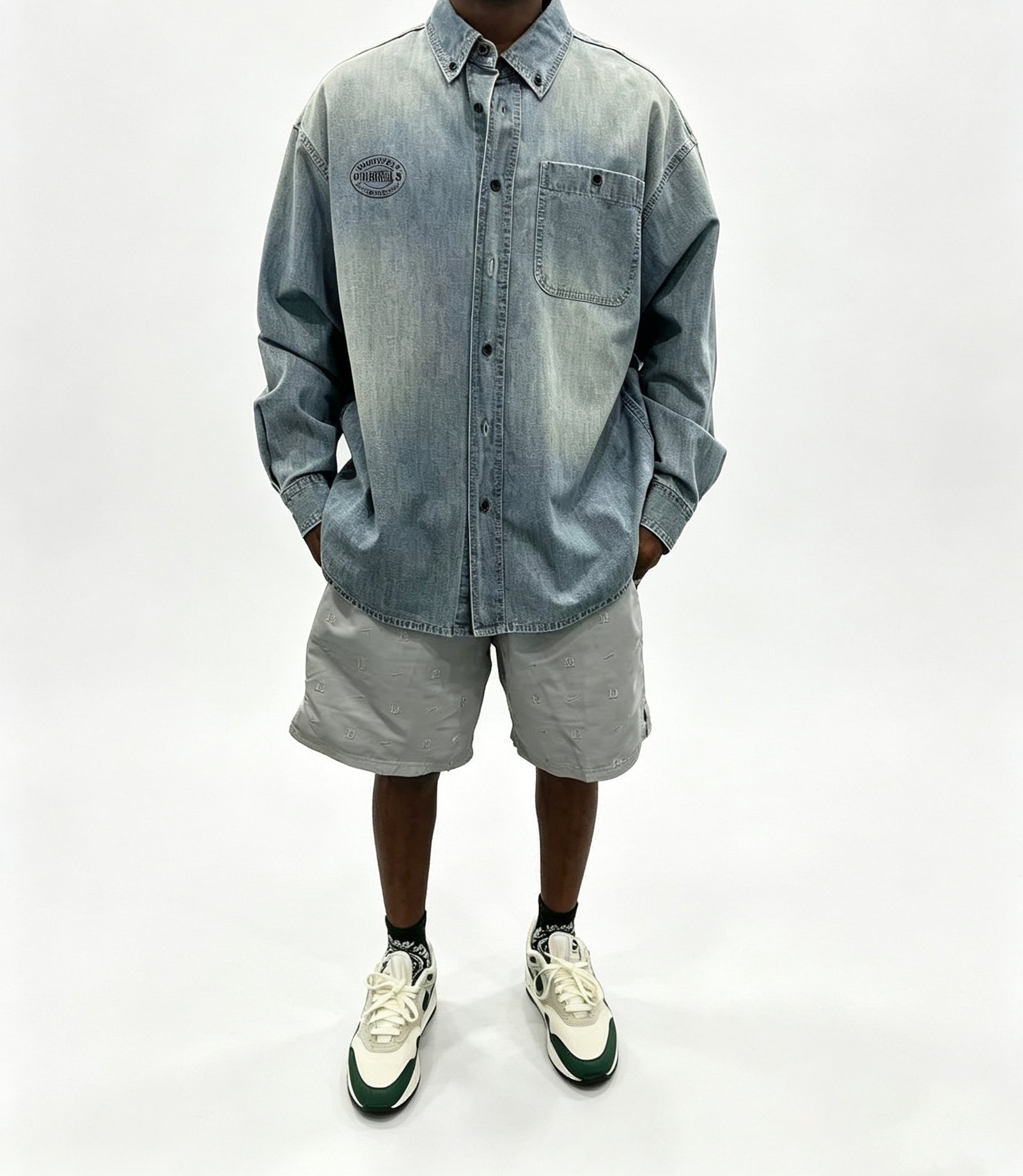

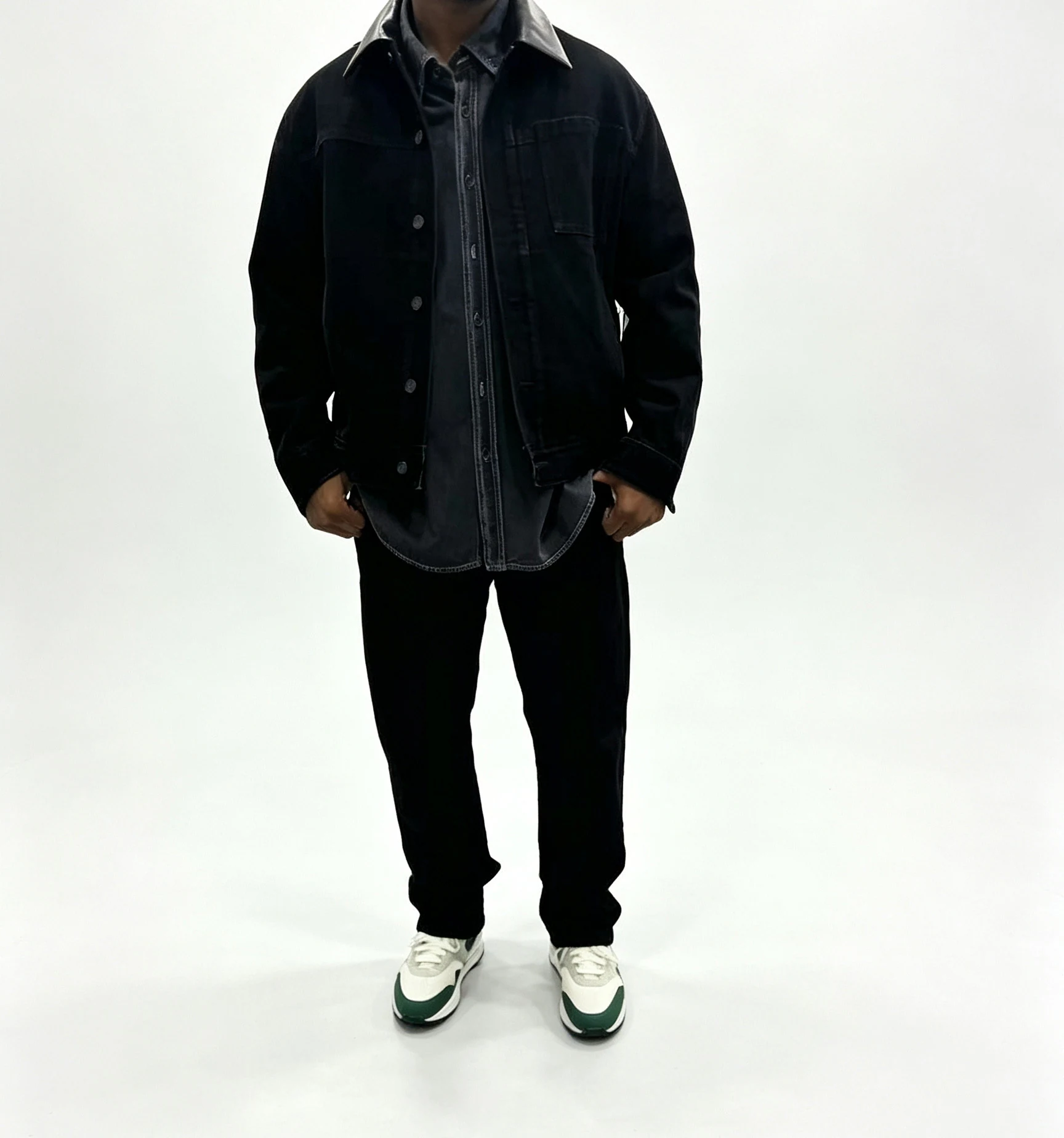

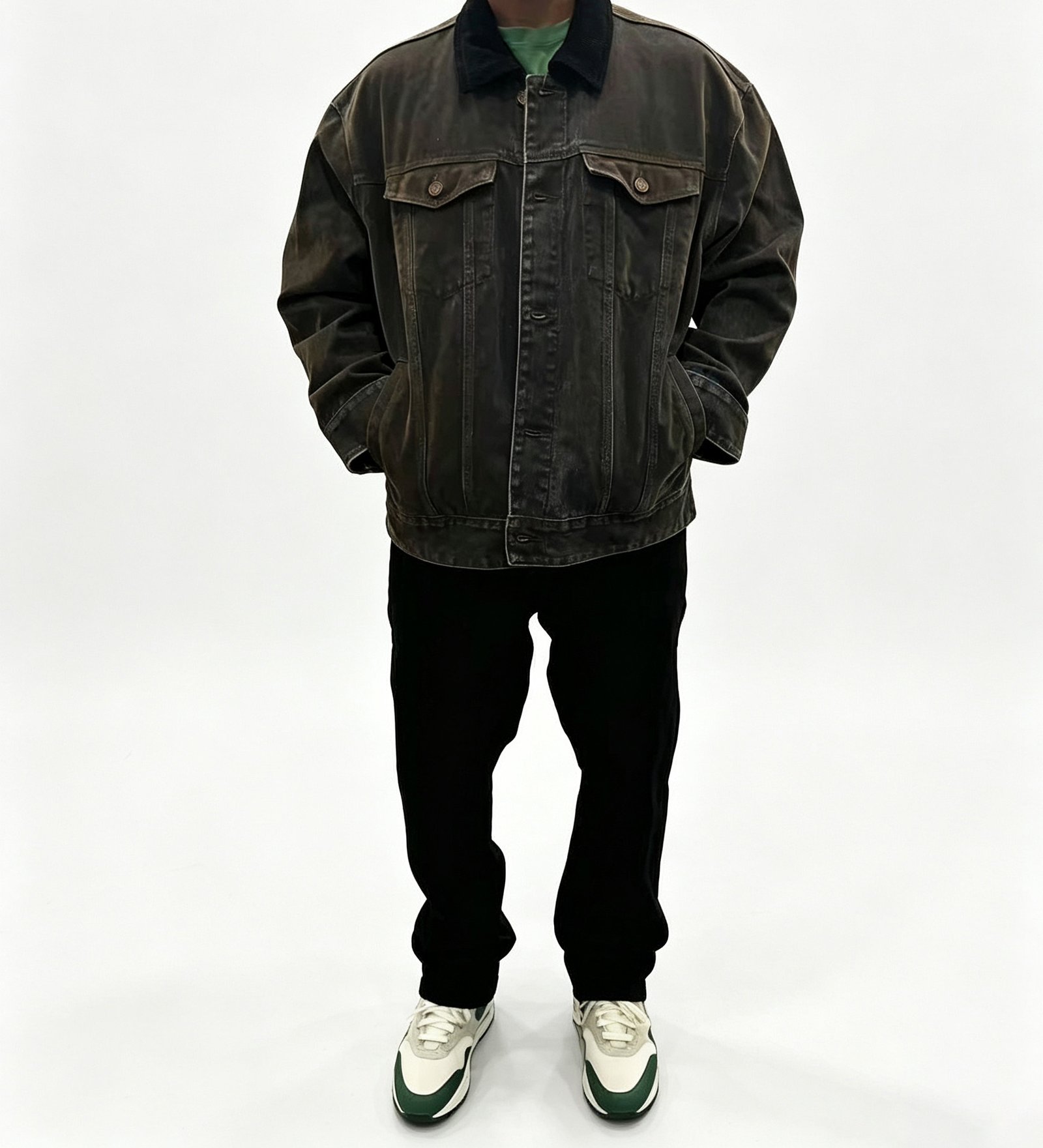
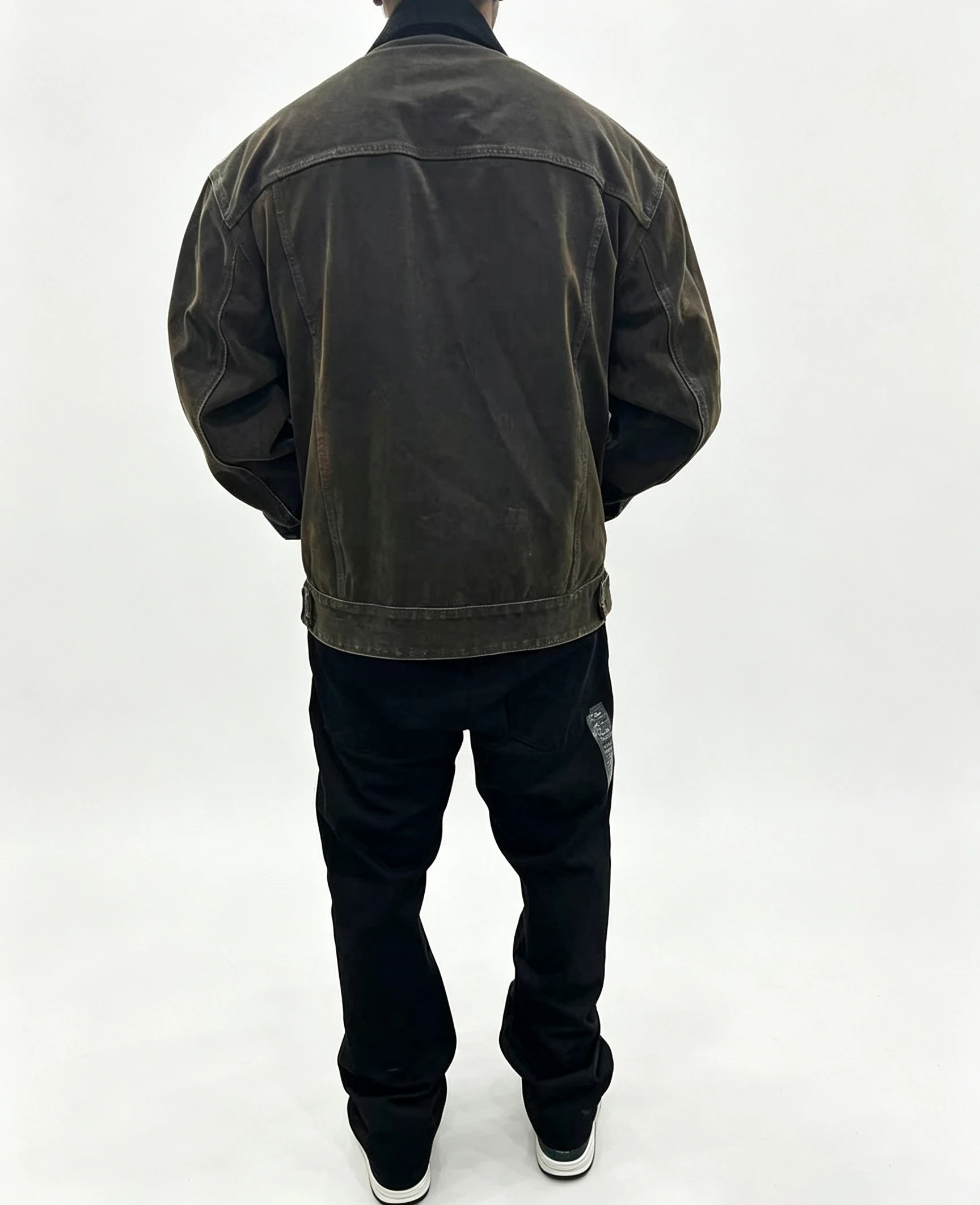
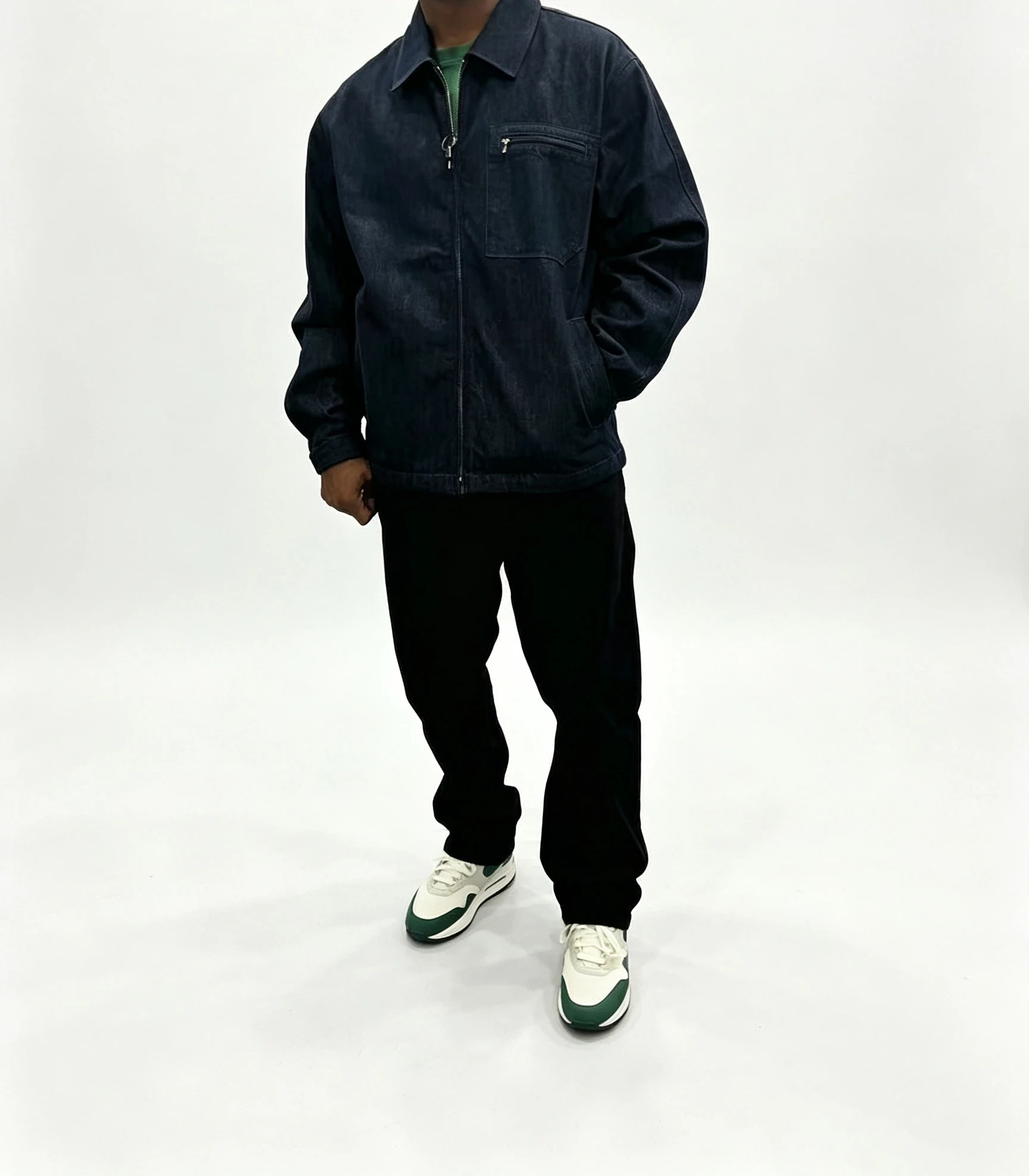
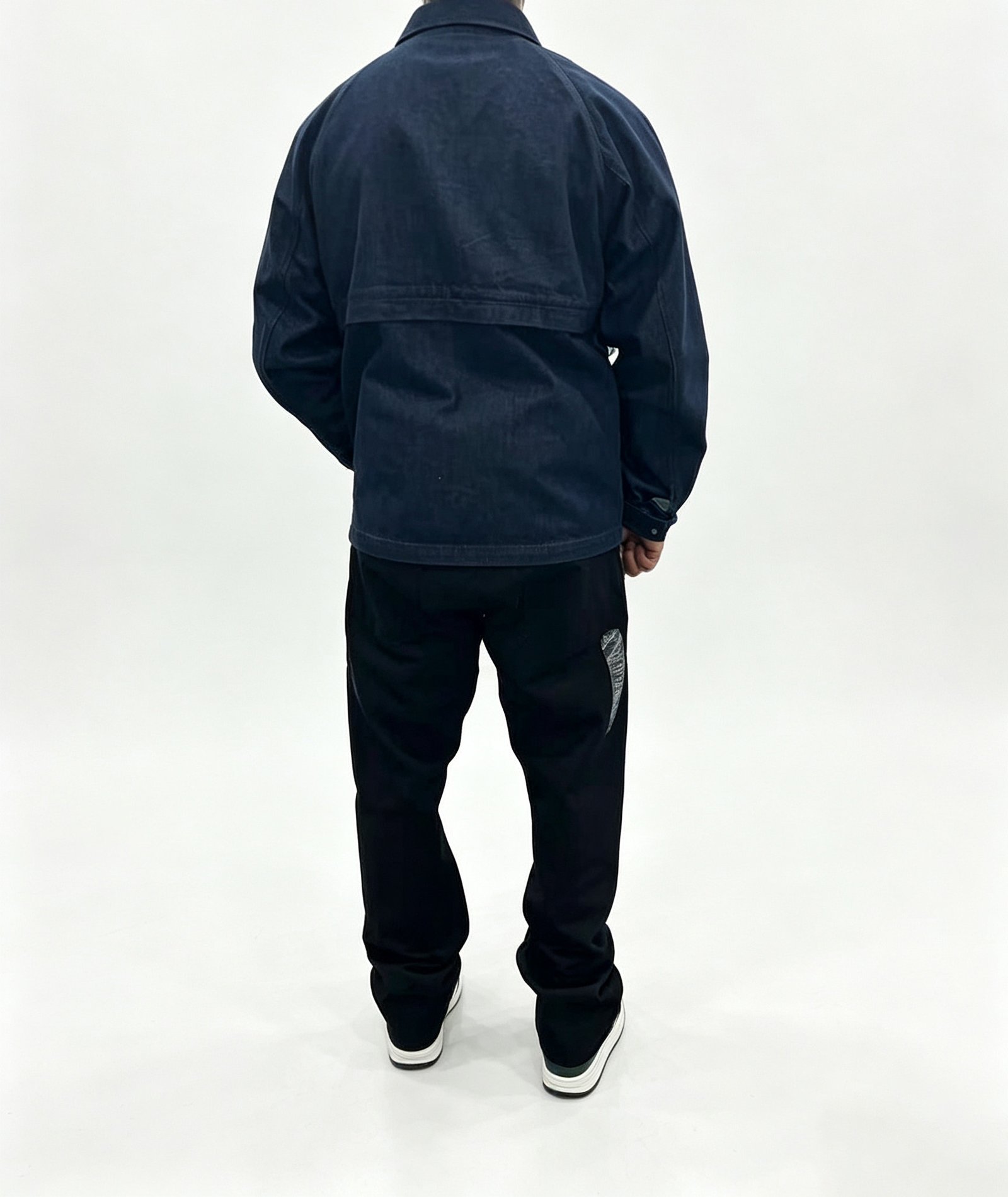
Related Product Catalogue and Quotation




Why Choose JUNSHEEN for Custom Denim Manufacturing
Fit-led denim development, flexible launch quantities and dependable production at scale.
100-Unit Denim MOQs
Start a capsule or test a colorway with 100-unit minimums per style and color, then scale into repeat bulk production.
XS–3XL Fit Development
Develop normal, extended, plus-size, and oversized denim with refined grading that considers proportion, mobility, rise, sleeves, and shoulder balance.
End-to-End Development
From tech pack, sketch, reference garment, or concept, our team supports fabric selection, patterns, grading, prototypes, and pre-production approval.
Custom Washes And Branding
Build a distinctive denim program with embroidery, printing, patches, labels, hardware, garment dyeing, enzyme washing, stone washing, and finishing.
Production Quality Control
Protect consistency through incoming fabric checks, in-line construction reviews, measurement verification, fit inspections, decoration checks, and final packed-goods review.
Global Export Support
Coordinate production and shipment with one experienced team, serving fashion brands, retailers, wholesalers, and sourcing teams across international markets.
Custom Denim, Built for Your Brand
Develop men’s and women’s denim programs with fit-led pattern work, wash development, private labeling and scalable production from 100 units per style and color.

Men's Denim Clothing Manufacturer
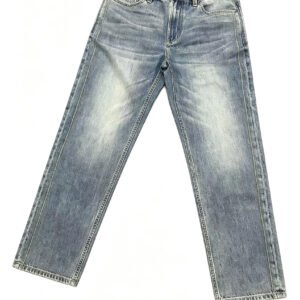
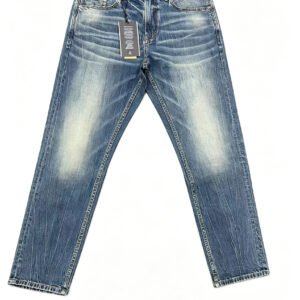
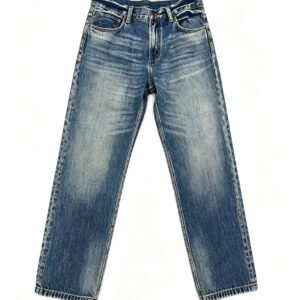
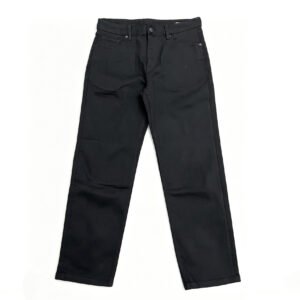
As a men’s denim clothing manufacturer, Junsheen develops jeans, jackets, overshirts, shorts and coordinated denim sets from your tech pack, reference garment or concept. Pattern makers refine rise, leg shape, mobility and grading from XS–3XL, while wash, trim and labeling teams prepare production-ready styles.
Request a Quote
Women's Denim Clothing Manufacturer
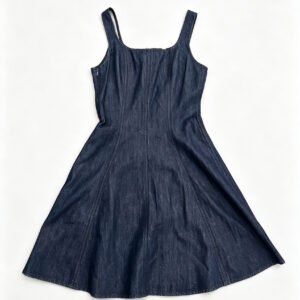
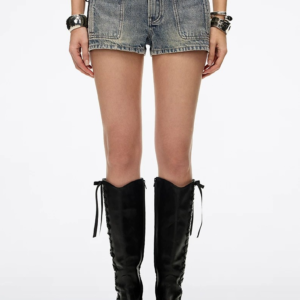
As a women’s denim clothing manufacturer, Junsheen supports fit-sensitive jeans, skirts, jackets, shorts and denim sets with custom patterns, stretch-denim sourcing and size grading. We develop proportions across standard, plus-size and oversized ranges, then manage washes, decoration, branded trims, quality checks and export-ready packing.
Request a QuoteMaterials From a Custom Denim Clothing Manufacturer

Rigid Cotton Denim
A structured, authentic denim with a firm hand and minimal give, suited to classic jeans, jackets and denim sets. Available in varied weights for durable silhouettes, defined seams and wash-driven character.

Stretch Denim
Cotton-rich denim blended for controlled recovery and everyday mobility. A practical choice for fitted jeans, skirts and slim jackets, balancing a familiar denim appearance with comfortable stretch through movement and repeated wear.

Cotton Jersey
A soft, breathable knit for T-shirts, lightweight layers and casual sets. Its naturally flexible construction offers an easy hand feel and comfortable drape, with fabric weights selected around the intended silhouette and decoration method.

French Terry
A midweight knit with a smooth outer face and looped interior, ideal for hoodies, sweatshirts and coordinated casualwear. It provides breathable comfort, reliable body and a premium base for printing, embroidery or garment washes.

Durable Cotton Twill
A woven fabric with a clean diagonal texture and dependable structure for overshirts, workwear-inspired trousers and jackets. Its stable construction supports crisp shaping, hardwearing use and a broad range of garment-dye or wash effects.

Recycled Fabric Blends
Recycled-content options developed for brands seeking material alternatives across denim, knits and woven styles. The team can assess hand feel, weight, stretch and wash performance against your target garment, cost and production requirements.
Custom Denim Clothing Manufacturer: Decoration, Washing and Finishing

Logo Embroidery
Flat, puff, chain-stitch and applique embroidery add tactile dimension to denim jackets, shirts and casualwear. Precise placement and durable stitching help logos, patches and artwork retain a premium, long-wearing appearance.

Screen Printing
Plastisol, water-based, puff, flocking, silicone, high-density, foil and discharge printing create bold graphic effects across denim and companion apparel. Junsheen helps match the technique to artwork detail, fabric surface and intended hand feel.

DTG and DTF
DTG and DTF transfers support detailed, multicolor graphics for samples, capsule drops and custom apparel programs. These methods reproduce fine artwork and gradients while allowing designs to be applied where traditional screen setups are less practical.

Dye Sublimation
Dye sublimation delivers vivid, all-over color and graphic coverage on compatible polyester-based fabrics and performance pieces. It creates a smooth finish with color integrated into the material rather than sitting heavily on the surface.

Garment Dyeing
Garment dye, tie-dye and acid-wash treatments develop nuanced color variation and a lived-in character after construction. The process gives casualwear a distinctive tonal finish while supporting cohesive collection-level color direction.

Denim Wash Effects
Enzyme, stone and softening washes refine denim hand feel, shade and vintage character. Junsheen can develop wash samples to evaluate fading, texture and overall appearance before bulk production is approved.
Custom Trims, Labels and Packaging From a Custom Denim Clothing Manufacturer

Woven Brand Labels
Add woven main labels, size labels and wash-care labels to jeans, jackets and denim sets for a polished private-label finish that keeps brand and garment information consistent across your collection.

Custom Hang Tags
Create branded hang tags for retail presentation, product storytelling and care guidance. Choose the format, artwork and attachment method that suits your denim line, from capsule launches to ongoing wholesale programs.

Branded Metal Hardware
Specify custom buttons, rivets, snaps and hardware details for denim jeans, skirts and jackets. These components reinforce your visual identity while supporting the functional closures and reinforced stress points each style needs.

Custom Zipper Pulls
Match zippers and branded zipper pulls to your garment design for denim jackets, fly fronts and outerwear. Coordinate finishes, colors and pull shapes with other trims to create a considered, cohesive product.

Logo Leather Patches
Use custom leather or leather-look patches to give jeans and denim jackets a distinctive branded signature. Placement, shape and logo treatment can be developed to complement your wash, fabric weight and collection direction.
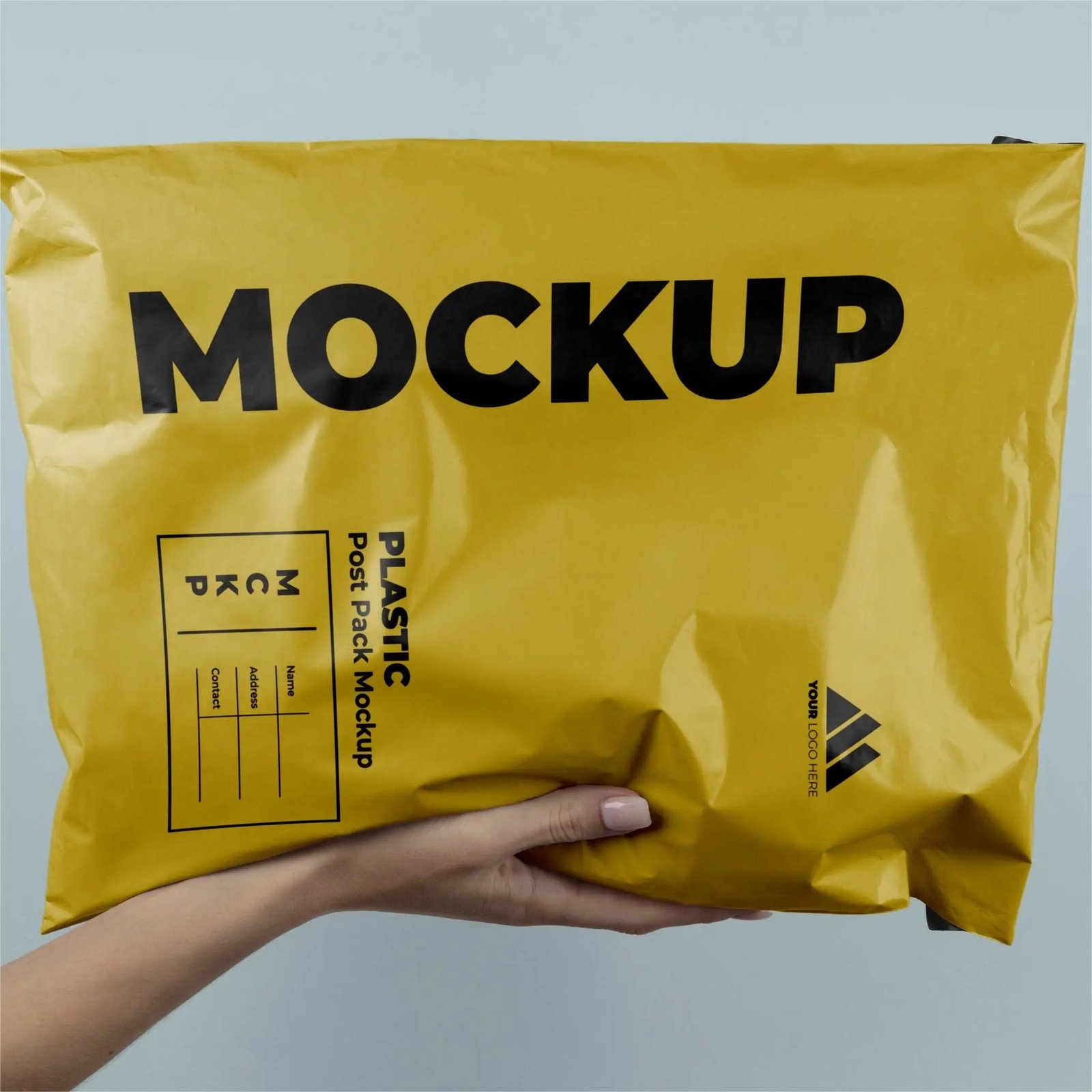
Branded Packaging
Complete your order with branded packaging, including custom bags and presentation details that protect finished garments during export and help deliver a consistent unboxing experience for retailers and end customers.
Your Custom Denim Clothing Manufacturer
Founded in 2010 in Humen Town, Dongguan, JUNSHEEN helps fashion brands turn denim concepts into production-ready collections. As a custom denim clothing manufacturer, we combine OEM, ODM and private-label development with practical technical support, from fabric selection and pattern making to sampling, finishing and export coordination.
Our 200+ skilled workers support monthly production capacity above 80,000 units across denim, casualwear, knitwear and outerwear. Brands can launch from 100 units per style and color, then scale into repeat bulk programs with cut-and-sew, knitting, embroidery, printing, washing, labels, trims and packaging managed through one supply chain.
What sets JUNSHEEN apart is a fit-first approach to XS–3XL, extended-size, plus-size and oversized apparel. We refine patterns and grading for proportion, movement and consistency rather than simply enlarging a base size. With 2,000+ fashion-brand clients served, our team brings responsive development and dependable production to global labels.

Custom Denim Clothing Manufacturer Capabilities
Fit Engineering Across XS–3XL
JUNSHEEN develops denim fits with proportion in mind, refining shoulder balance, rise, sleeve length, mobility and grading increments instead of simply enlarging a base pattern. This fit-first approach supports normal-size, extended-size, plus-size and modern oversized collections.
- Pattern making and size grading from XS through 3XL
- Fit review for jeans, denim sets, jackets and shorts
- Prototype, size-set and pre-production approval support
- Specification refinements that reduce avoidable revisions

From Concept to Sample
Bring a finished tech pack, sketch, reference garment, mood board or early product idea. Our development team turns the brief into production-ready denim through feasibility review, fabric and trim selection, pattern creation and prototype sampling for a clearer path to bulk.
- OEM, ODM and private-label development
- Denim and stretch-denim sourcing guidance
- Manufacturability review before sampling
- Low MOQ from 100 units per style and color
Signature Washes and Branding
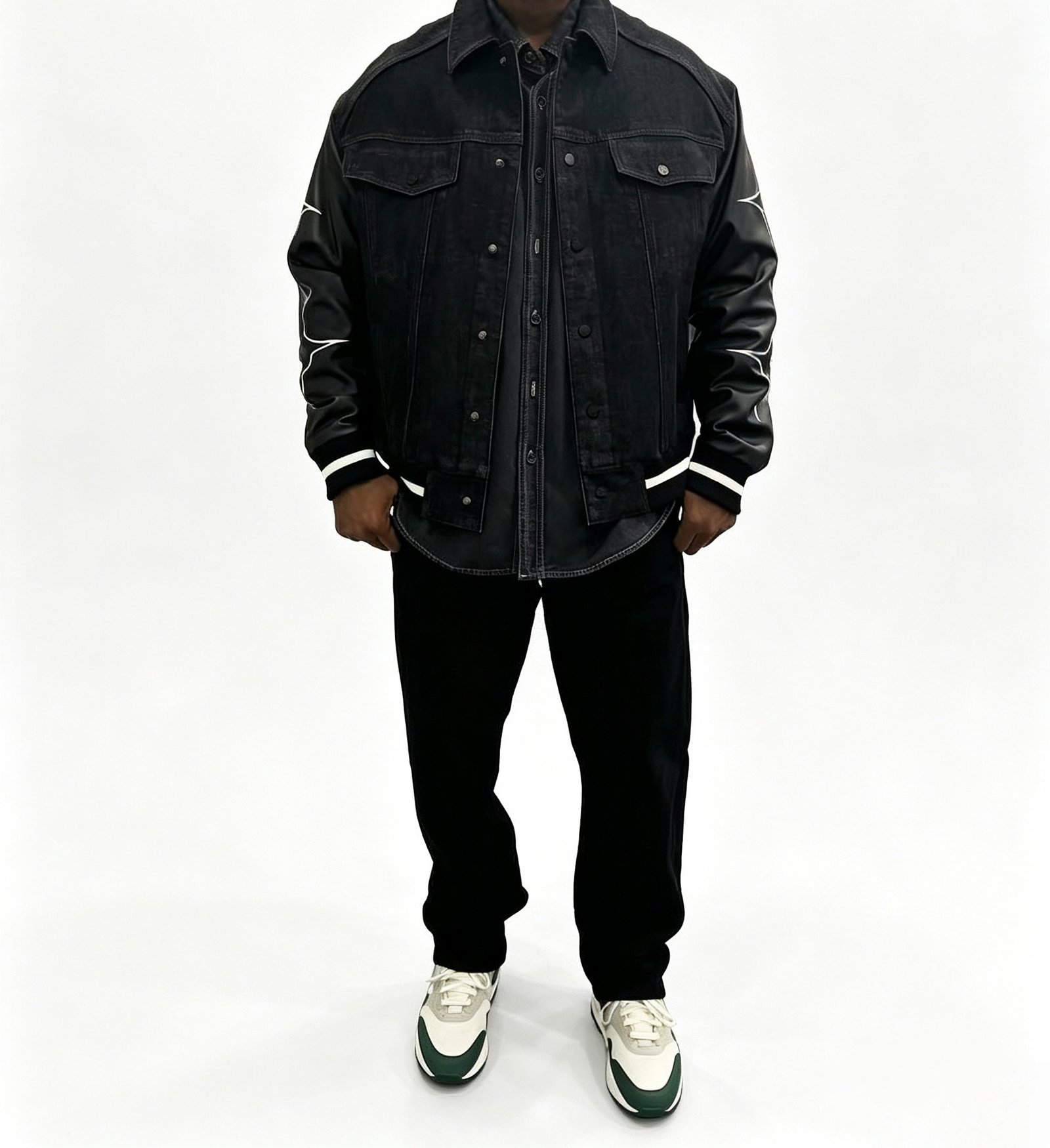
Create denim with brand-specific character through integrated decoration, washes, finishing, labels, trims and packaging. As a custom denim clothing manufacturer, JUNSHEEN helps coordinate these details within one production workflow, from logo treatment to the final packed presentation.
- Embroidery, patches, screen printing and transfer options
- Stone wash, acid wash, enzyme wash and garment dye
- Custom labels, hang tags, buttons, zippers and drawstrings
- Branded packaging and finishing details

Consistency Built for Reorders
JUNSHEEN retains patterns, graded size sets and material records to make repeat programs more consistent as your denim line grows. With 200+ skilled workers and monthly capacity above 80,000 units, we support capsule launches through ongoing bulk production and global export.
- Incoming, in-line and final packed-goods inspections
- Measurement, fit, decoration and construction checks
- Retained development records for repeat styles
- Scalable support for global fashion brands

Why Choose Junsheen as Your Custom Denim Clothing Manufacturer
One partner for fit-led development, controlled production and export-ready delivery.
← Swipe left or right to view →
Custom Denim Clothing Manufacturer: From Sourcing to Shipping
A clear, managed path from production feasibility to export-ready delivery for denim programs built to scale.
Review Your Production Brief
Share a tech pack, sketch, reference garment, or idea. Our team reviews construction, fit, quantities, and manufacturability before development begins.
Source Fabrics and Trims
We recommend denim, stretch options, washes, labels, hardware, and trims around your target hand feel, performance, brand direction, and cost.
Develop Patterns and Samples
Pattern makers create and grade fit-focused XS–3XL specifications, then produce prototype samples for construction, measurements, decoration, and wash evaluation.
Approve Details for Production
Confirm the sample, size set, materials, branding details, packing requirements, and final specifications before bulk production is scheduled.
Produce and Inspect Bulk
Skilled teams cut, sew, decorate, wash, finish, and inspect garments through in-line and final checks for consistent quality across your order.
Pack and Coordinate Shipment
Finished goods receive approved labels and packaging, then our team coordinates export documentation and global shipment support after final balance settlement.
Start With a Custom Denim Clothing Manufacturer
From your first concept to export-ready bulk goods, JUNSHEEN keeps development, approvals and production aligned around your brand requirements.
Send Your Concept
Share a tech pack, sketch, reference garment, mood board or product idea, plus target quantity, sizing, fabric direction and required denim details.
Review Feasibility and Quote
Our team reviews construction, fit, fabrics, trims, washes and decoration, then recommends practical refinements and prepares a clear quotation for your program.
Approve Development Samples
Confirm prototype samples, measurements, grading and materials before approving the final specification, including private-label details such as labels, hardware, tags and packaging.
Confirm Bulk Production
Place your order from 100 units per style and color. JUNSHEEN manages material preparation, cut-and-sew production, in-line checks and final quality control.
Arrange Final Shipment
After packed-goods inspection and balance settlement, we coordinate export support and global shipping so your approved custom denim collection arrives ready for distribution.
Custom Clothing Manufacturer Credentials and Compliance Documents



Customer Results With a Custom Denim Clothing Manufacturer
Junsheen helped us refine the rise, leg balance, and grading across XS–3XL. We reduced fit revisions from four rounds to two and launched our 120-unit denim capsule with confidence.
Starting at 100 units per style let us test two washed-denim silhouettes without overcommitting inventory. The samples, branded trims, and final packaging arrived aligned with our retail launch plan.
After our first 300-piece run, we reordered with the same patterns and material records in place. That continuity made scaling to 1,200 units far smoother for our wholesale season.
Custom Denim Clothing Manufacturer FAQs
Clear answers for brands planning denim sampling, private-label production and scalable global delivery with JUNSHEEN.
What is the MOQ with a custom denim clothing manufacturer?
Can a custom denim clothing manufacturer make samples before bulk production?
How long does custom denim clothing manufacturing take?
Can you source stretch denim, rigid denim and recycled material options?
Can a custom denim clothing manufacturer develop fits from XS through 3XL?
Can I add private-label trims, washes and branding to denim garments?
What payment methods and terms does JUNSHEEN offer?
Do you ship custom denim orders internationally and protect design information?
The Complete Custom Denim Clothing Manufacturer Buyer’s Guide
Use this practical framework to evaluate supplier capabilities, material and construction choices, customization routes, production readiness, and pricing variables—while avoiding sourcing mistakes that can derail fit, quality, timelines, or margins.
1. What Is a Custom Denim Clothing Manufacturer?
Founded in 2010, a custom denim clothing manufacturer turns a brand’s specification into a made-to-order garment rather than selling only stock styles. For private-label brands, designers, retailers, and wholesalers, this can begin with a tech pack, sketch, reference garment, mood board, or product idea. Custom cut-and-sew means the pattern, components, construction, and finish are developed for the order. OEM produces to the buyer’s approved specification; ODM adds manufacturer-led product-development input; private label applies the buyer’s identity to the finished program, while ready-made wholesale supplies pre-existing styles with limited changes. At Junsheen, the journey moves from feasibility review and fabric or trim selection to pattern making, graded sizing, prototype sampling, quotation, and approval. A custom denim clothing manufacturer then manages bulk cutting and sewing, in-line and final checks for measurements, construction, decoration, and packed goods, followed by branded packing and export shipment; programs can start from 100 units per style and color.
2. How Denim Manufacturing Evolved
1853 marked denim’s commercial workwear era, when durable cotton twill, riveted stress points, and repairable construction mattered more than seasonal styling. Those heritage choices still guide a custom denim clothing manufacturer: specify fabric weight, seam reinforcement, pocket shape, hardware, and shrinkage expectations before approving a sample. 1960s–1990s turned jeans into youth fashion, designer denim, and streetwear through stone wash, enzyme wash, bleaching, pigment effects, stretch blends, and new silhouettes. Buyers now choose between rigid ring-spun denim for character and recovery-focused cotton-elastane blends for comfort, then must confirm wash appearance on the actual fabric and fit. 2000s brought laser whiskering, ozone and lower-impact wash processes, automated cutting, digital pattern control, and globally coordinated fabric and trim sourcing. Technology improves repeatability, but it does not replace skilled sewing, wash trials, and fit review; specify both the intended vintage character and measurable tolerances for shade, measurements, and abrasion.
3. Types of Custom Denim Clothing Manufacturer Services
Five service models divide responsibility differently before denim reaches the production line. Choose the model that matches your technical readiness, cash exposure, and required brand control.
| Model | Buyer Control | Best Fit |
|---|---|---|
| Full package | Medium | Startups |
| OEM | High | Established labels |
| ODM | Medium | Wholesale programs |
| Private label | Medium | Fast launches |
| CMT | High | Experienced sourcing teams |
Full-Package Production
One full-package program combines development, fabric sourcing, patterns, sampling, production, and export coordination. It suits startups that need technical support; Junsheen can develop from a sketch, reference, mood board, or tech pack.
OEM And ODM
OEM starts with buyer-owned specifications, measurements, materials, and approvals, giving established labels maximum control. ODM adapts factory-developed bases, reducing development time but limiting originality; it fits wholesale programs needing faster assortment expansion.
Private Label And CMT
Private label adds branded labels, hardware, packaging, and selected modifications to a production-ready program. CMT cuts, makes, and trims buyer-supplied materials; it offers control but leaves sourcing, testing, and delivery risk with the buyer.
4. Denim Materials, Weights, and Fabric Choices
8–16 oz denim choices set structure, comfort, and wash behavior before sampling. A custom denim clothing manufacturer should match fiber, weave, and finish to the intended garment rather than select by weight alone.
| Material | Weight | Best Use | Key Check |
|---|---|---|---|
| Rigid cotton denim | 10–14 oz | Jeans, skirts | Shrinkage, hand feel |
| Stretch denim | 9–12 oz | Jeans, skirts | Recovery after wash |
| Selvedge denim | 12–16 oz | Jeans, jackets | Shade consistency |
| Denim twill | 6–9 oz | Shirts, skirts | Drape and torque |
| Heavy denim | 14–16 oz | Jackets, workwear | Seam bulk |
Fiber And Weave Choices

100% cotton rigid denim delivers a crisp hand and develops individual wear; twill direction affects appearance and torque risk. Selvedge is a narrow shuttle-loom fabric, best reserved for premium jeans or jackets where the finished edge is visible. Recycled-content and organic-cotton options require mill documentation and shade-lot review. Denim-look twill, Tencel blends, and knit denim suit softer shirts, skirts, or comfort-led programs.
Stretch And Stability
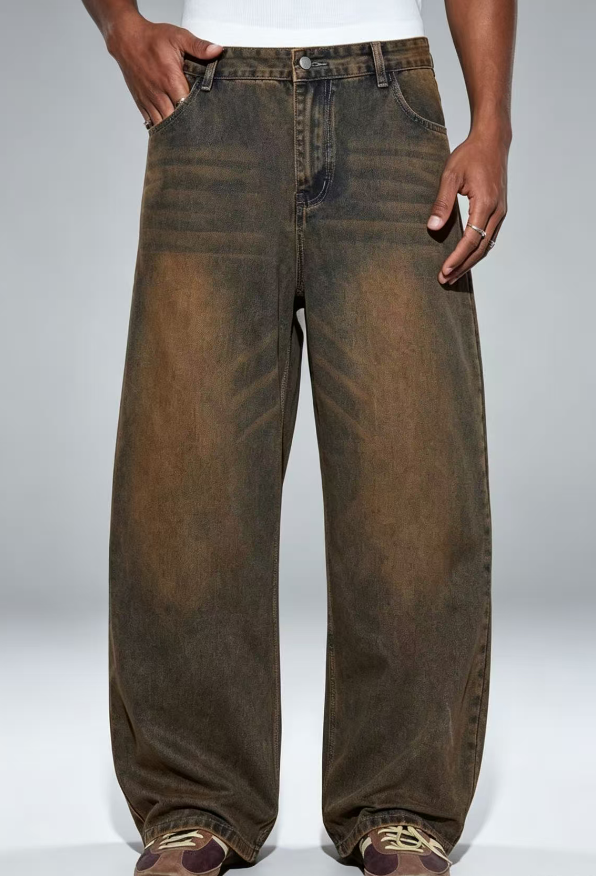
1–3% elastane can improve mobility, but recovery must be tested after laundering; poor recovery causes bagging at knees and seats. Pre-shrunk fabric still needs garment wash testing because shrinkage varies by construction and finish. Pantone approval does not replace bulk shade review. Approve a wash standard and compare panels under consistent light before cutting.
5. Customization and Denim Decoration Options
Two decision groups prevent costly specification errors: construction is locked before cutting, while washes and distressing are approved after sewing. A custom denim clothing manufacturer should record both on separate tech-pack pages.
| Option | Visual Impact | Durability | Complexity | Approval Need |
|---|---|---|---|---|
| Hardware and patches | High | High | Medium | Physical sample |
| Embroidery and printing | High | Medium–high | Medium | Artwork strike-off |
| Washes and distressing | High | Variable | High | Washed sample |
Lock Construction Before Cutting
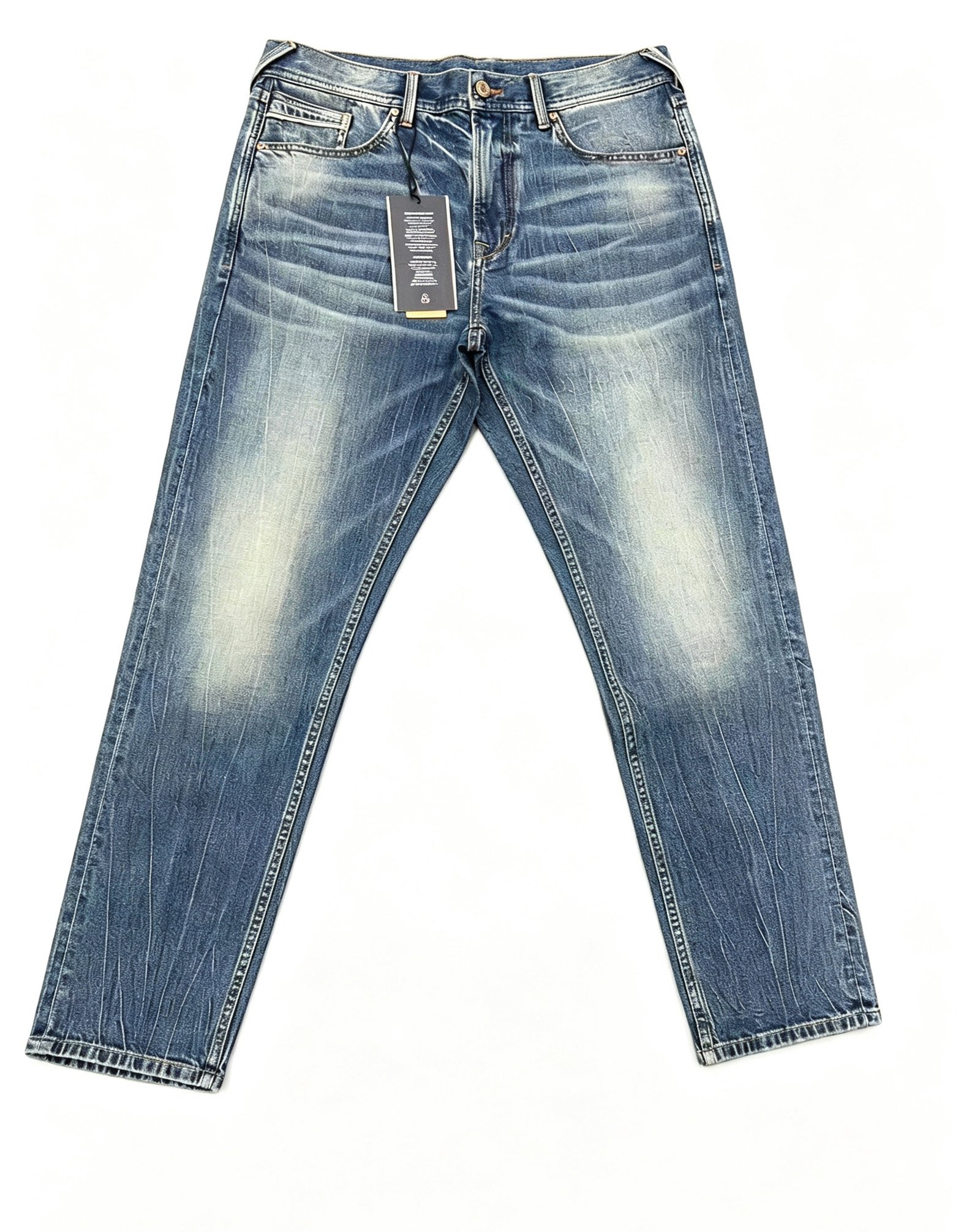
XS–3XL fit blocks need a stated rise, leg silhouette, pocket shape, yoke, seam placement, thread color, and stitch density. Junsheen pattern makers can grade proportions rather than merely enlarging a base size.
- Approve pocket and hardware placement on the pattern
- Specify button, rivet, zipper, and label materials
- Confirm leather patch size before bulk cutting
Approve Post-Sew Treatments

After sewing, enzyme, stone, acid, garment-dye, and softening treatments change color, hand feel, and shrinkage. Distressing, brushing, napping, and placement fades need a sealed reference sample because each wash batch can vary.
- Mark distress locations with measured artwork
- Approve wash standard under agreed lighting
- Recheck measurements after washing
Branding Requires Placement Control
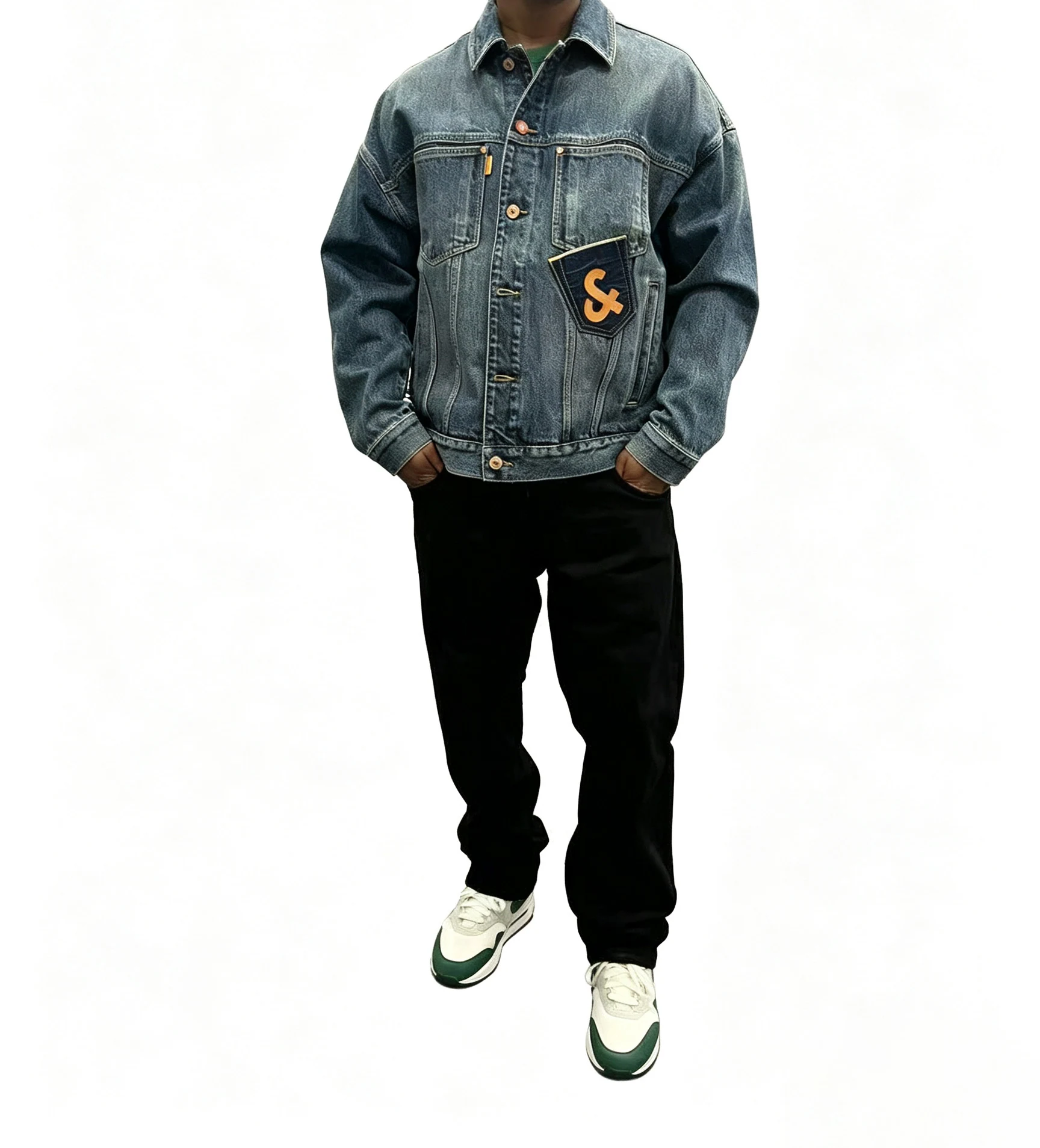
3D embroidery, chain stitch, patches, screen print, and woven labels should use approved artwork, dimensions, and placement points. Decoration must be reviewed against pocket seams, stretch areas, and wash exposure before production.
6. Denim Construction Quality Elements
A production-ready denim specification turns visual approval into measurable checkpoints. For every custom denim clothing manufacturer, the approved sample—not a sales photo—should govern bulk quality.
Seams And Stress Points

8–10 stitches per inch is a practical seam-density target to record by operation, alongside thread type and seam construction. 2–3 bartacks at pocket corners, fly ends, and belt-loop bases should match the approved sample without loose ends or skipped stitches.
- Inspect inseams and rises for twisting
- Check belt loops for secure attachment
- Confirm clean hem chain stitching
Hardware And Pocket Checks
1 approved zipper and button sample should define pull action, lock function, finish, and attachment strength before production. 5-point pocket placement measurements from waist, side seam, and yoke prevent visibly uneven back pockets across the size range.
- Open and close every zipper smoothly
- Check button clinches for rotation
- Compare pocket symmetry on paired garments
Measurements And Wash Control
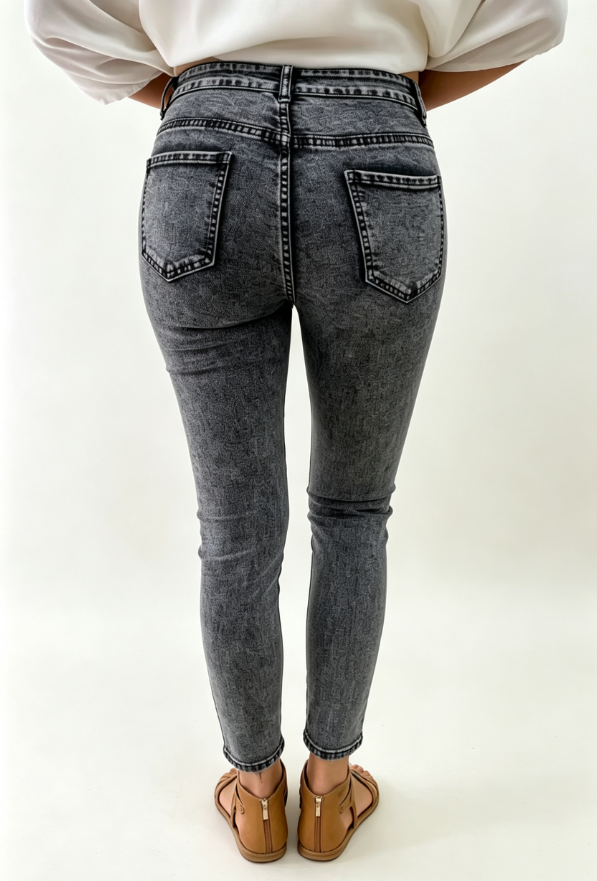
100% of critical measurements should be checked against the signed size specification at inline and final inspection. 1 sealed wash standard should anchor shade, abrasion, shrinkage, and hand feel; isolate stains, broken yarns, holes, and unacceptable shade variation.
- Measure waist, inseam, rise, and leg opening
- Compare garments under consistent lighting
- Document defects by operation and batch
7. Choosing a Custom Denim Clothing Manufacturer
A custom denim clothing manufacturer should be assessed against the product you will actually sell, not a generic capability deck. For global teams, documented development and shipment control reduce costly rework.
| Check | Evidence | Buyer Question |
|---|---|---|
| Capacity | Monthly plan | Can delivery date be reserved? |
| MOQ | Style-color minimum | Can colors consolidate? |
| Quality | Inspection points | What is the corrective process? |
| Shipping | Export readiness | Which Incoterm is quoted? |
Verify Product Experience
Ask for comparable jeans, jackets, washes, fits, and construction details. Review whether the factory can develop patterns, grade XS–3XL, and correct fit issues before bulk approval.
- Which similar styles reached bulk production?
- Who owns pattern and grading revisions?
- Can you inspect a complete size set?
Test Development Discipline
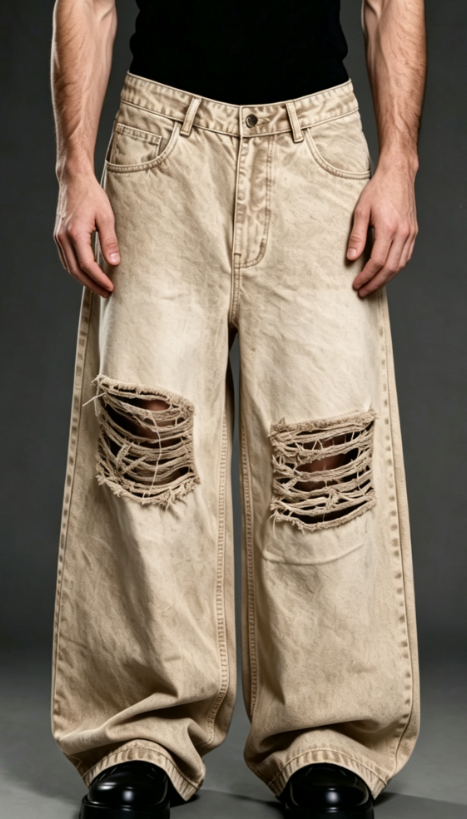
A first sample should be measured against an approved specification, then revised with dated comments. Request fabric swatches, wash panels, trim options, and a pre-production sample before cutting bulk.
- Request a critical-path timeline
- Confirm sample revision ownership
- Approve color and wash standards
Compare Landed Value
A quotation must separate fabric, washes, trims, labels, sampling, packaging, freight terms, duties responsibility, and payment milestones. Junsheen can support 100 units per style and color for capsule launches, while its retained patterns and material records support repeat-order consistency.
- Ask what the unit price excludes
- Confirm inspection and defect handling
- Verify export documents and Incoterms
8. Common Denim Sourcing Mistakes to Avoid
A custom denim clothing manufacturer can control production, but buyer decisions create most avoidable cost. Lock technical, fit, wash, and commercial decisions before bulk release.
Specify Before Sampling
One complete tech pack should state measurements, construction, BOM, Pantone references, wash target, and tolerances; vague sketches invite interpretation. The brand product developer owns sign-off, while the factory flags manufacturability gaps.
Test Fabric And Washes
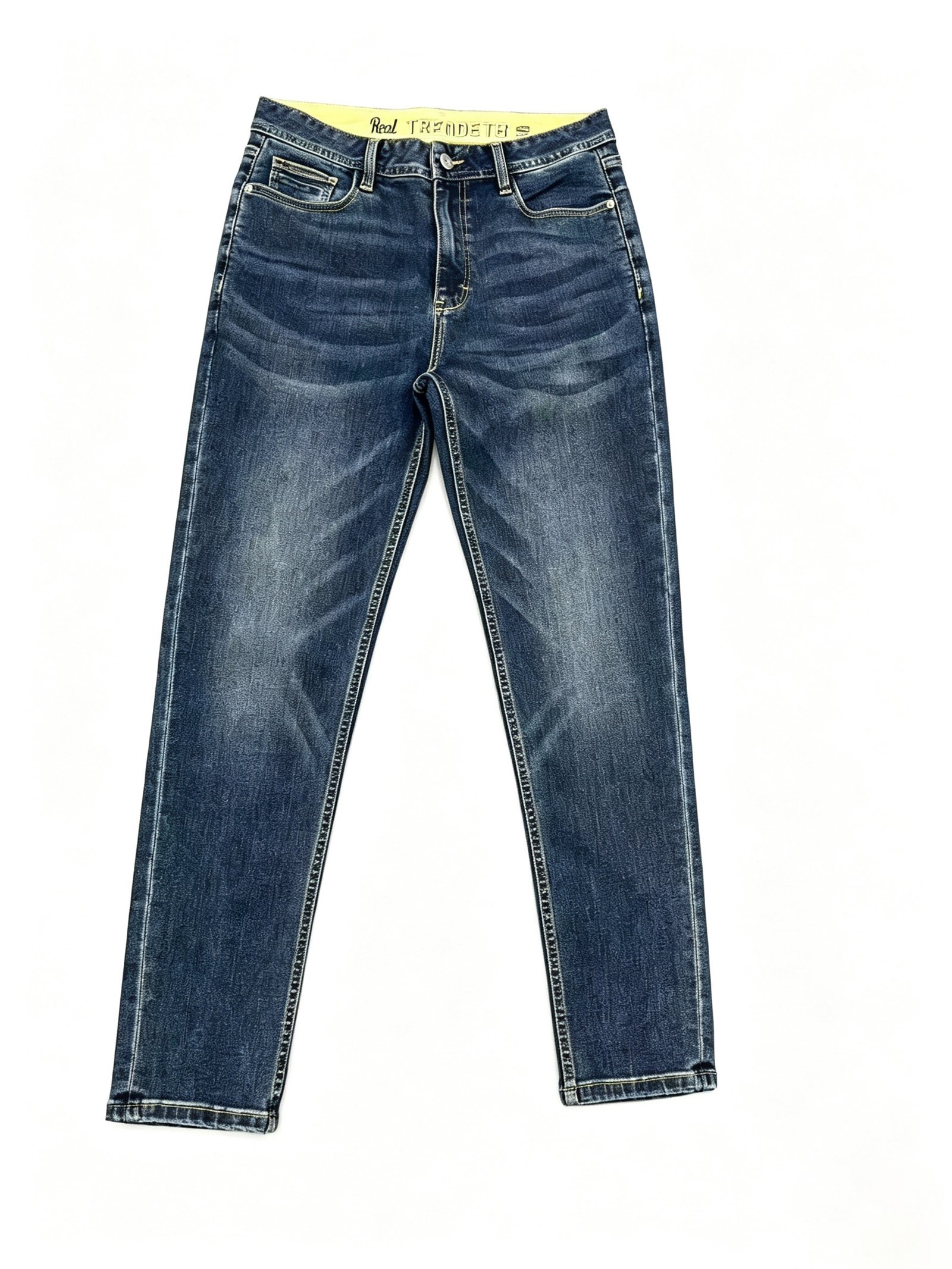
Three checks—wear, wash, and measurement—should precede sample approval because appearance alone cannot confirm stretch recovery, shrinkage, crocking, or wash variation. The designer selects the look; the technical designer approves performance results.
Protect Fit And Timing
XS–3XL programs need graded size sets, not simple pattern enlargement, to protect rise, hip, inseam, and leg balance. The fit technician owns grading approval, and the merchandiser builds development time for fabric, sampling, and revisions.
Freeze Changes And Compare Value
One approved pre-production sample should freeze hardware, labels, stitching, wash, and packaging; later changes can require new materials or rework. The production manager controls change requests, while the sourcing lead compares quotes against specifications, quality controls, and total landed risk—not price alone.
9. Steps to Launch Your Denim Brand
A 100-unit launch can stay on schedule when each decision is recorded before the next stage begins. Treat approvals as production gates, not informal feedback.
Position The First Range
One target customer, price band, and 3–5 core SKUs make a first range easier to fund and merchandise. Approve a line plan listing style, color, size range, units, retail price, and launch date. A single range brief should define fit references, competing products, and non-negotiable brand details. Submit sketches, mood boards, or reference garments with the brief.
Lock Technical Development

One tech pack per style should specify measurements, graded size chart, construction, Pantone colors, wash target, artwork, trims, labels, and packaging. Junsheen can translate incomplete concepts into patterns and prototype samples. One prototype review must produce consolidated written comments rather than separate stakeholder edits. Approve fit, wash, decoration, fabric swatch, and revised specifications before a size set.
Control Bulk And Launch
One pre-production sample is the final reference for approved materials, measurements, workmanship, labels, and packing. Sign it before bulk cutting, then retain the approved tech pack and sample photos. 100-unit programs need in-line and final checks for measurements, seams, wash consistency, decoration, and packed quantities. Confirm carton marks, shipping address, documents, and delivery window before dispatch; log customer returns and fit feedback for the repeat order.
10. Custom Denim Clothing Manufacturer Pricing and Costs
100 units per style and color is Junsheen’s starting point, but the unit cost depends first on denim type, ounces per square yard, yield, and fabric loss. Stretch blends, heavier cloth, complex paneling, extra pockets, and graded size ranges raise cutting and sewing time. 8–16 oz denim can require different washing and handling; enzyme, stone, acid, or garment washes, distressing, and abrasion add process steps and reject risk. YKK-class hardware, custom rivets, leather labels, hang tags, branded packaging, inspections, sampling, and freight should be quoted separately or explicitly included. 1 like-for-like comparison needs the same tech pack, fabric composition and weight, wash recipe, trims, packing method, Incoterm, inspection scope, and destination. A lower quote can omit development, wash testing, QC, or shipping; confirm every line before selecting a custom denim clothing manufacturer.
| Quantity tier | Indicative cost drivers | Typical lead-time implication |
|---|---|---|
| 100–299 units | Sampling allocation, custom trims, wash setup | More approval time per unit |
| 300–999 units | Fabric booking, wash complexity, hardware | Better efficiency after approvals |
| 1,000+ units | Colorways, capacity slot, inspection and freight planning | Bulk scheduling and consolidation matter |
Request a Quote for Custom Denim Production
Send your tech pack, sketch or reference garment to JUNSHEEN for feasibility review, sampling guidance and a clear production quote.