Create Custom Hoodies From 100 Units
Create custom hoodies with OEM, ODM, and private-label support, fit-focused XS–3XL development, and scalable global production.
Featured Products for create custom hoodies Development
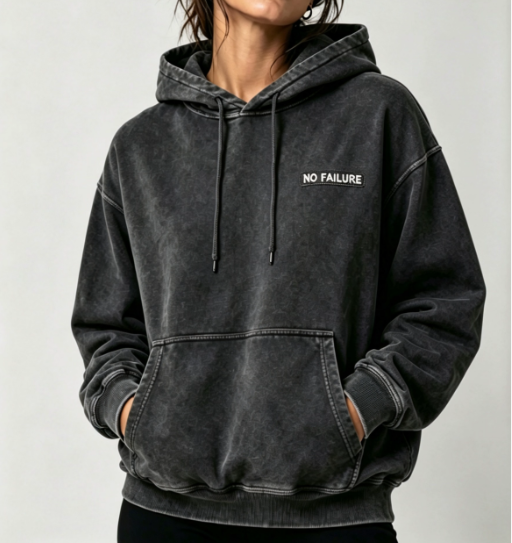

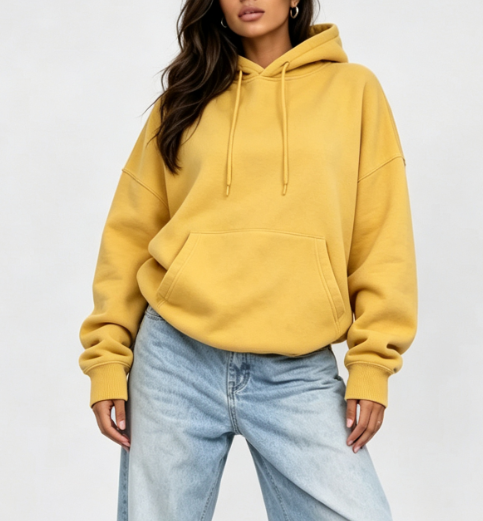

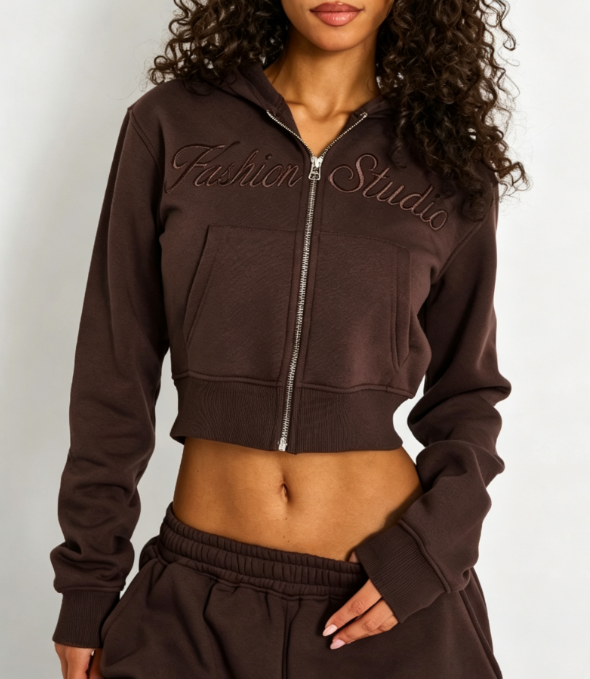


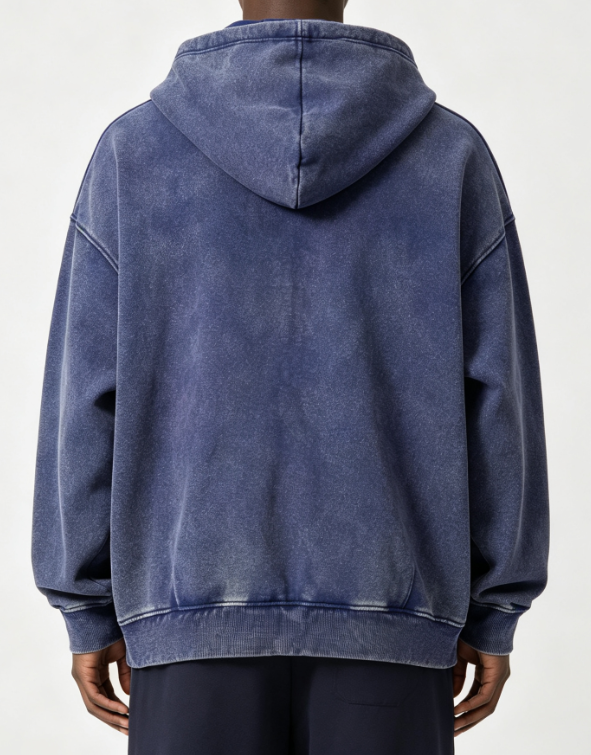


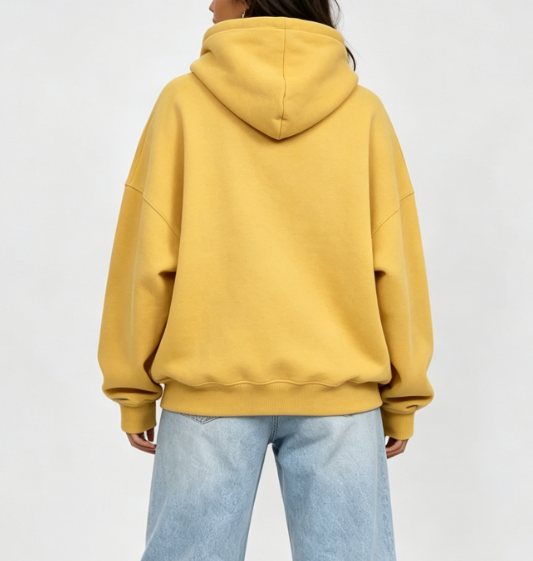


Related Product Catalogue and Quotation
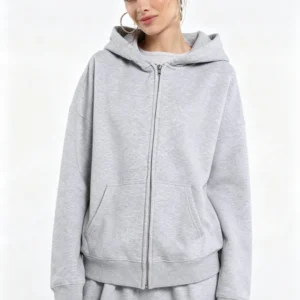

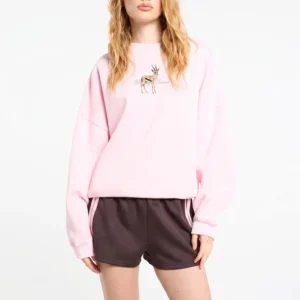
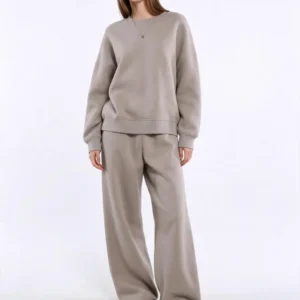

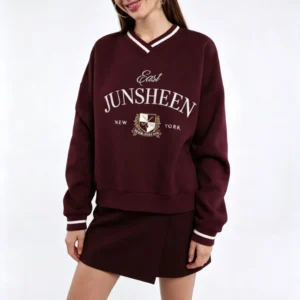

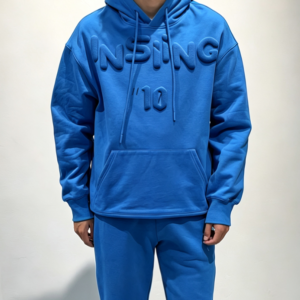
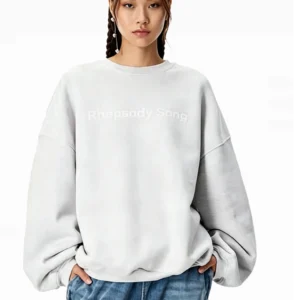

Why Brands Choose Junsheen to Create Custom Hoodies
Fit-led development, integrated decoration and dependable production support for hoodie programs from first sample through global bulk delivery.
100-Unit MOQ
Launch capsule collections or test new colorways with production starting at 100 units per style and color.
Fit-Led XS–3XL Grading
Pattern makers refine proportions, mobility and grading increments for regular, oversized, extended-size and plus-size hoodie fits.
Complete Decoration In-House
Add screen printing, DTG, DTF, puff effects, embroidery, patches, washes and finishing through one coordinated production team.
OEM to Private Label
Bring a tech pack, sketch or reference garment; we support development, materials, labels, trims, packaging and production.
Scalable Global Production
Work with 200+ skilled workers, 80,000+ monthly capacity, quality control and export support as your hoodie program grows.
Fabric Guidance That Performs
Choose fleece, French terry, cotton blends and recycled options based on target weight, hand feel, durability and wash performance.
Custom Hoodies for Every Brand Program
Develop capsule-ready hoodies and coordinated casualwear with low MOQs, fit-focused grading, private-label details, and scalable repeat production.
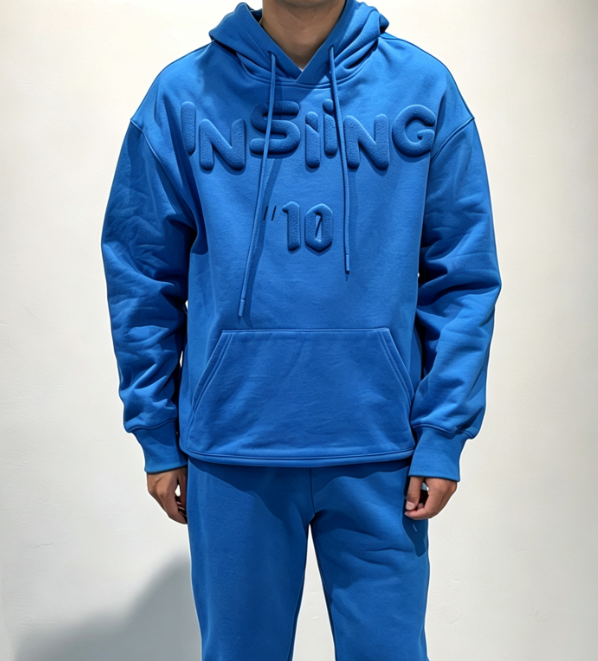
Custom Hoodies
Develop custom hoodies from 100 units per style and color, with fleece or French terry options, custom patterns, embroidery, printing, washes, labels, trims, and branded packaging. Fit development supports XS–3XL, extended sizes, plus sizes, and modern oversized silhouettes.
Request a Quote
Custom T-Shirts
Produce custom T-shirts in cotton, Pima cotton, organic cotton, blended jersey, and performance knits. Junsheen supports necklines, weights, fits, size grading, screen printing, DTG, DTF, embroidery, garment dye, private labels, and bulk repeat orders.
Request a Quote
Custom Jeans
Manufacture custom jeans in rigid or stretch denim with brand-specific fits, rises, washes, hardware, pocket construction, and labeling. Pattern makers refine proportion and grading across XS–3XL, helping brands develop consistent denim programs for launch quantities and wholesale replenishment.
Request a Quote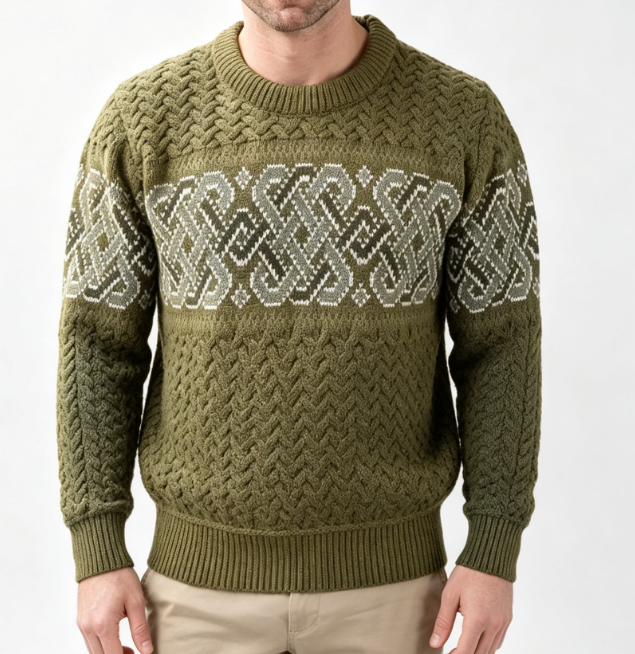
Custom Sweaters
Source and manufacture turtle neck sweaters in bulk through Junsheen’s knitwear capability. Develop gauges, yarn blends, neck shapes, rib construction, colors, and graded size sets for private-label collections, wholesale assortments, and repeat seasonal programs.
Request a Quote
Custom Jackets
Create custom jean jackets in denim or stretch denim with tailored silhouettes, oversized fits, custom washes, distressing, embroidery, patches, buttons, labels, and packaging. Sampling and size-set approval help prepare jackets for capsule releases or scalable production.
Request a Quote
Custom Sweatshirts & Crewnecks
Produce custom crewneck hoodies, sweatshirts, and crewnecks in fleece, French terry, and jersey. Specify fabric weight, rib trims, fit, print placement, embroidery, washes, and private-label components, with production starting from 100 units per style and color.
Request a Quote
Custom Cardigans
Develop custom cardigans with knitted or cut-and-sew constructions, including yarn selection, gauge, button or zipper options, rib details, pockets, and branded trims. Junsheen supports technical sampling, grading, labels, and scalable private-label production.
Request a Quote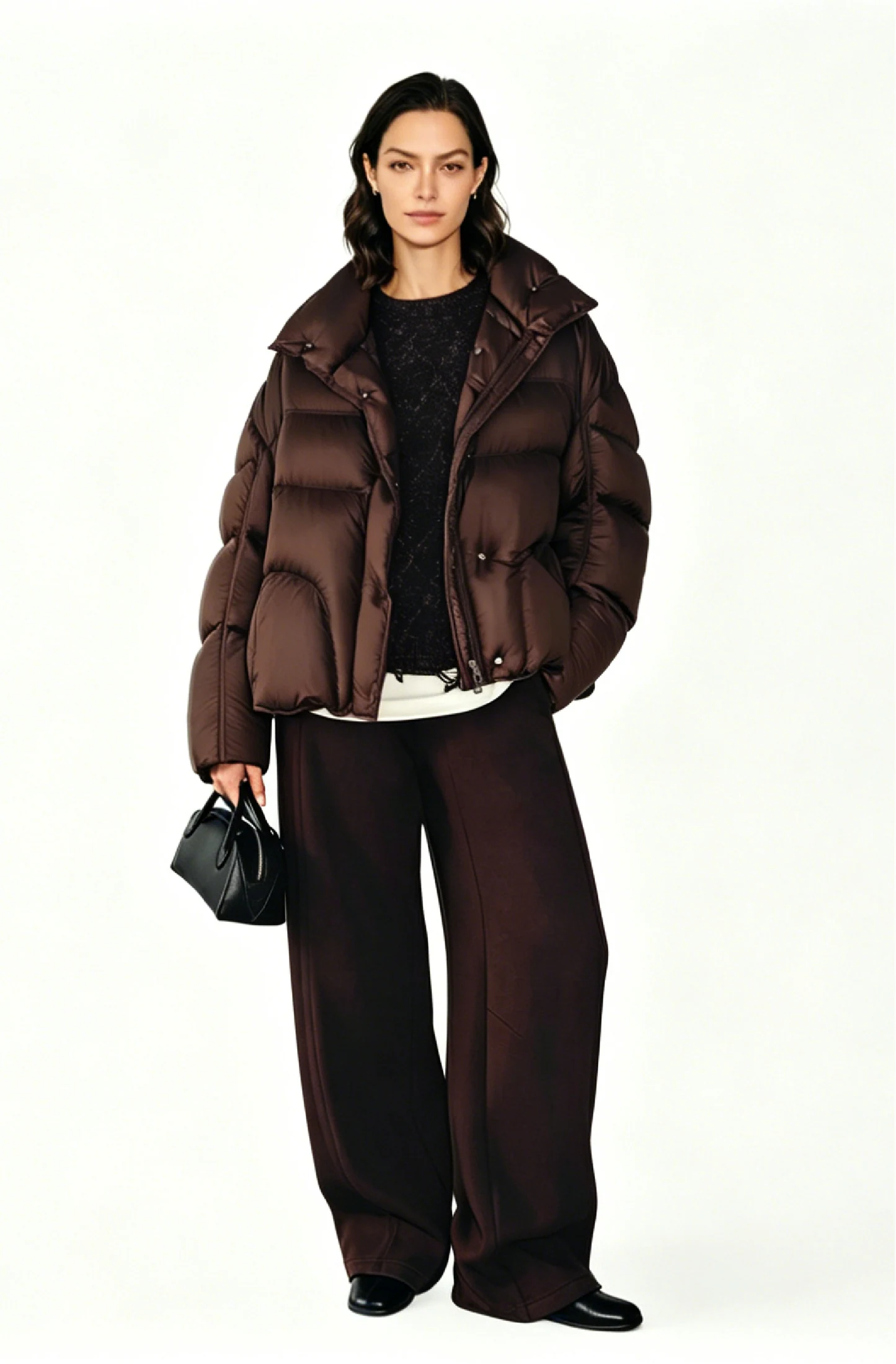
Custom Puffer & Down Jackets
Manufacture custom puffer jackets with specified shell fabrics, insulation, quilting, linings, zippers, snaps, pockets, reflective details, labels, and packaging. Development considers warmth, mobility, sizing, and construction requirements before bulk production and export.
Request a Quote
Custom Denim Shorts
Produce custom jean shorts in rigid or stretch denim with your preferred inseam, rise, fit, hem treatment, wash, distressing, pockets, hardware, and labels. Fit-focused grading supports women’s, men’s, extended-size, and oversized denim short programs.
Request a Quote
Custom Sweater Dresses
Create custom sweater dresses through Junsheen’s knitwear and product-development teams. Define yarns, gauges, silhouettes, lengths, necklines, rib structures, and size grading, then review prototypes and size sets before confirming wholesale or private-label bulk production.
Request a Quote
Custom Denim Sets
Manufacture men’s denim suits for wholesale programs, including coordinated denim jackets and jeans in matched fabrics, washes, and trims. Junsheen supports fit development, pattern grading, custom hardware, branding details, and repeat production for seasonal assortments.
Request a Quote
Custom Polo Shirts
Produce custom polo shirts in pique, jersey, performance knits, or blended fabrics. Specify collar construction, plackets, buttons, sleeve finishes, embroidery, printing, fit, grading, labels, and packaging for branded uniforms, retail collections, and wholesale orders.
Request a Quote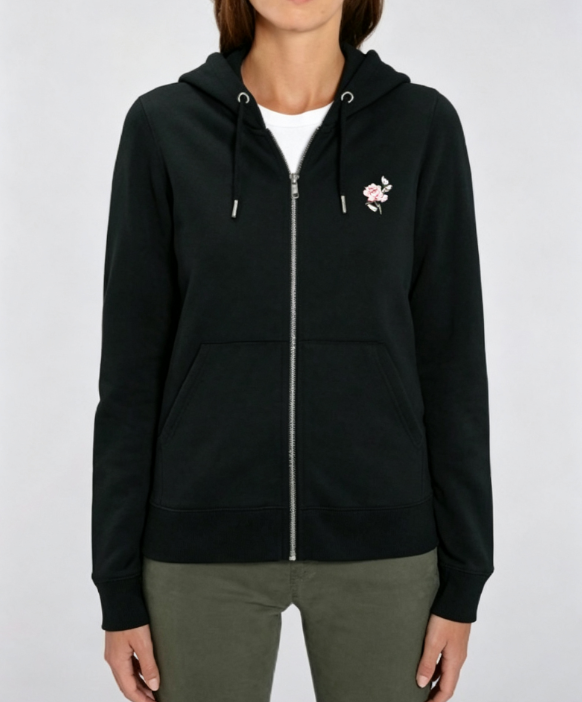
Custom Sweatpants
Develop custom sweatpants in fleece, French terry, jersey, or performance knits with selected rises, leg shapes, cuffs, waistbands, pockets, drawstrings, prints, embroidery, and washes. Pattern development supports XS–3XL and extended-size casualwear programs.
Request a Quote
Custom Shorts
Manufacture custom shorts in knit, woven, twill, denim, or performance fabrics. Develop inseam, waistband, pockets, linings, fit, size grading, decoration, washes, labels, and branded packaging for retail capsules, coordinated sets, or wholesale collections.
Request a Quote
Custom Pullovers
Create custom pullovers across knitwear, fleece, French terry, jersey, and woven constructions. Junsheen supports fabric selection, neckline and rib details, fit development, extended-size grading, embroidery, printing, labels, and production for private-label or repeat programs.
Request a QuoteCreate Custom Hoodies With Proven Fabric Options

French Terry
A loopback knit with a smooth face and breathable interior, ideal for premium midweight hoodies and year-round sets. Available in varied GSM weights, it balances structure, comfort, and dependable printability.

Brushed Fleece
Soft, warm fleece with a brushed inner surface for cozy pullovers, heavyweight streetwear, and cold-weather collections. Its insulating nap improves next-to-skin comfort while heavier constructions deliver a substantial hand feel.

Cotton Jersey
A smooth, versatile knit suited to lightweight hoodies, layering pieces, and relaxed seasonal programs. Cotton-rich jersey offers natural breathability and a soft hand, with stretch determined by fiber blend and knit construction.

Organic Cotton
Certified organic cotton options support elevated hoodie collections with a natural, breathable hand feel. Available in jersey, terry, and fleece constructions, it can be specified by GSM, blend ratio, and desired surface finish.

Recycled Blends
Recycled polyester and cotton blends suit performance-minded or sustainability-focused hoodie programs. They can improve durability, shape retention, and drying speed while offering fleece or terry constructions tailored to your target weight.
Create Custom Hoodies with Standout Decoration and Wash Effects

Logo Embroidery
Flat, 3D puff, chain-stitch and applique embroidery add premium texture and long-wearing logo definition. Ideal for chest marks, sleeve details and elevated private-label hoodies that retain their appearance through repeated wear.

Screen Printing
Plastisol, water-based, puff, flocking, silicone, high-density, foil and discharge printing deliver bold color, tactile effects and dependable wash performance. Junsheen helps match ink systems to fleece, French terry and your intended graphic finish.

DTF Transfers
DTF transfers reproduce detailed multicolor artwork with sharp edges and flexible coverage. They suit smaller production runs, complex logos and placement-specific graphics while delivering a durable finish when correctly matched to the hoodie fabric.

DTG Printing
Direct-to-garment printing creates soft, high-detail graphics with smooth color transitions, especially on cotton-rich hoodies. It is a strong choice for artwork-led collections, photographic designs and designs requiring a lighter printed hand feel.

Dye Sublimation
Dye sublimation permanently bonds vivid, full-coverage artwork into compatible polyester fabrics without adding surface weight. Use it for performance hoodies, all-over graphics and color-intensive designs that need excellent fade resistance and breathability.

Garment Wash Effects
Enzyme, anti-pilling, garment-dye, tie-dye, acid-wash, stone-wash, brushing and napping treatments build depth, softness and a worn-in identity. Sample approval helps control shade variation, hand feel and the final vintage-inspired character.
Create Custom Hoodies With Branded Labels, Trims and Accessories

Drawcords and Tipping
Choose cotton, flat, round, elastic, or reflective drawcords with metal, rubber, or dipped tipping. Custom cords reinforce your color story while providing a refined, functional finish at the hood opening.

Custom Zippers
Add branded pullers, metal teeth, nylon coil, concealed closures, or contrast zipper tape for full-zip and half-zip hoodies. Junsheen helps match zipper performance, appearance, and target cost to your program.

Rib Trims
Specify rib-knit cuffs and hems in matching, contrast, striped, or custom-developed constructions. The right rib trim improves shape retention, comfort, and the polished fit of heavyweight, oversized, or fitted hoodie styles.

Woven Labels
Create main labels, size labels, side flags, and wash-care labels with woven, printed, leather, or silicone options. Accurate label placement and clear care information support a consistent retail-ready private-label presentation.

Custom Hang Tags
Finish each hoodie with branded hang tags, string seals, barcode stickers, and price-ticket attachments. These details make products easier to merchandise, identify, and present across wholesale, retail, and direct-to-consumer channels.
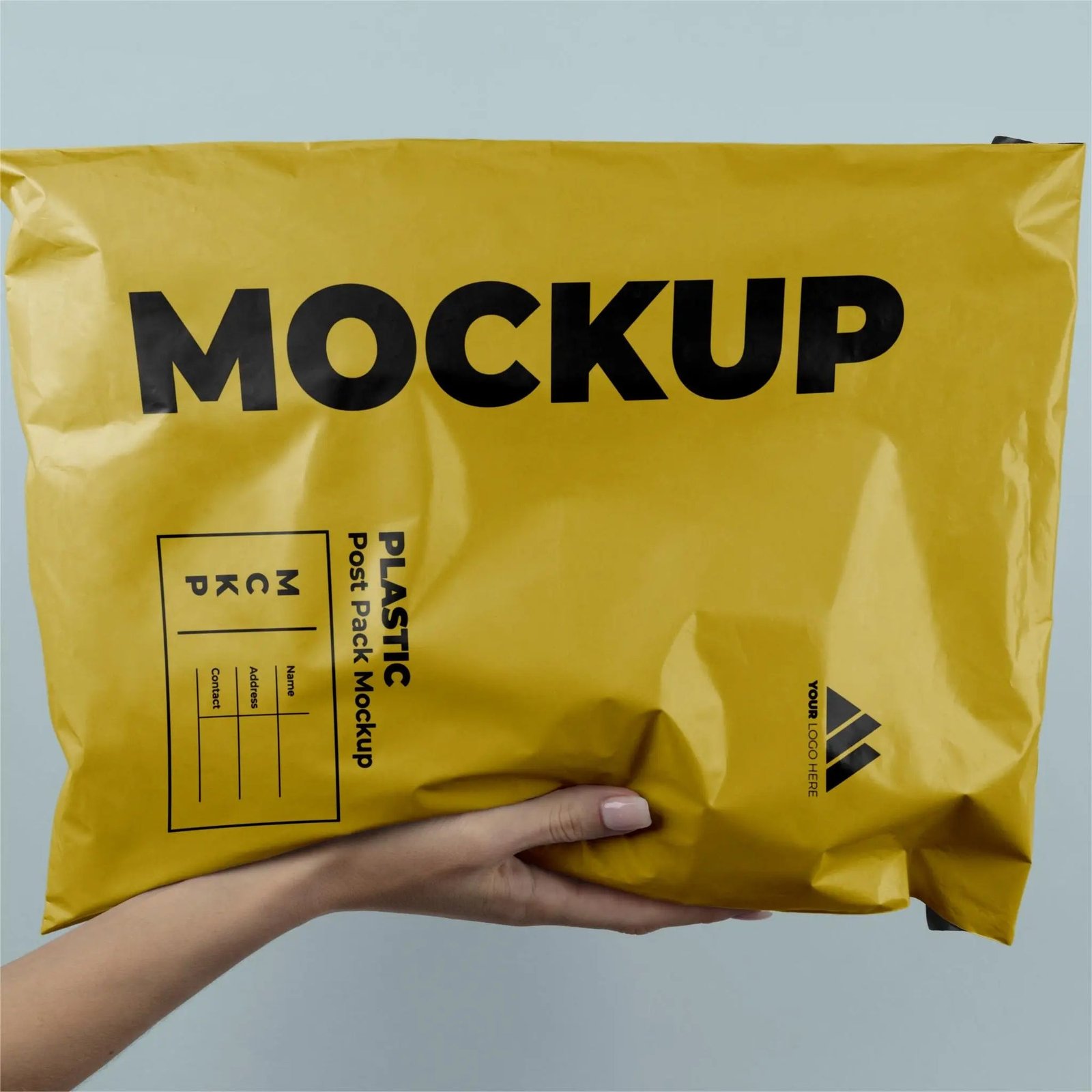
Branded Packaging
Select custom polybags, reusable bags, folding methods, tissue paper, size stickers, and carton marks for export-ready delivery. Packaging can protect garments in transit while extending your brand experience through unboxing.
About JUNSHEEN Apparel Manufacturing
Founded in 2010 in Humen Town, Dongguan, JUNSHEEN helps fashion brands create custom hoodies and complete casualwear programs with dependable OEM, ODM and private-label support. We turn tech packs, sketches, reference garments and early product ideas into production-ready apparel for global labels.
Our 200+ skilled workers combine cut-and-sew, knitwear, pattern development, fabric sourcing, decoration, finishing, quality control and export support in one supply chain. With monthly capacity above 80,000 units, we support capsule launches from 100 units per style and color through scalable bulk production.
What distinguishes JUNSHEEN is fit-focused development from XS to 3XL, including extended-size, plus-size and oversized grading. We have served 2,000+ fashion-brand clients by refining the technical details that protect fit consistency, reduce revisions and build reliable long-term production partnerships.

Create Custom Hoodies With Production-Ready Expertise
Fit Engineering Across XS–3XL
Create custom hoodies with proportioned patterns instead of simple size enlargement. Junsheen refines shoulder balance, sleeve length, body volume, hood shape and grading increments for standard, extended-size, plus-size and modern oversized fits that wear consistently across the full size range.
- Fit-focused pattern development from XS through 3XL
- Extended-size, plus-size and oversized grading support
- Size-set reviews before bulk production
- Measurement standards retained for repeat orders

Development From Idea to Sample
Bring a tech pack, sketch, reference garment or mood board to Junsheen’s development team. We review construction feasibility, recommend fabrics and trims, create patterns, build prototypes and resolve production details before your hoodie program moves into approved bulk manufacturing.
- OEM, ODM and private-label development support
- Fabric, fleece and French terry sourcing guidance
- Pattern making, prototype sampling and revisions
- Low MOQ from 100 units per style and color

Integrated Decoration and Branding
Give each hoodie a distinct brand finish through coordinated decoration, washes and private-label components. In-house embroidery, screen printing, transfers, custom patches, labels, drawstrings and packaging are managed within one supply chain to keep approvals, color matching and execution aligned.
- Embroidery, puff print, DTG, DTF and screen printing
- Custom labels, patches, hang tags and packaging
- Garment dye, acid wash, brushing and softening
- Decoration placement checked during sampling

Scalable Quality Control
From a 100-unit capsule to ongoing bulk programs, Junsheen combines 200+ skilled workers with monthly capacity above 80,000 units. Quality checks cover incoming materials, in-line construction, measurements, fit, decoration and final packed goods before global export shipment.
- Quality control from fabric inspection to packed goods
- 200+ skilled workers and 80,000+ monthly capacity
- Global export support for growing brand programs
- Production records support consistent reorders
Why Create Custom Hoodies with JUNSHEEN
Built for brands that need fit control, reliable repeat production, and scalable global delivery.
← 左右滑动查看 →
Create Custom Hoodies Through a Controlled Production Process
JUNSHEEN coordinates development, fit, production, quality control, and export support in one accountable hoodie manufacturing workflow.
Review Your Hoodie Brief
We assess your tech pack, reference, artwork, target price, sizing, fabric needs, decoration, and 100-unit MOQ feasibility before development begins.
Source Fabrics and Trims
Our team recommends fleece, French terry, jersey, rib, drawstrings, labels, and packaging based on hand feel, weight, durability, and budget.
Develop Patterns and Samples
Pattern makers build fit-focused XS–3XL grading, refine proportions, and produce prototype or size-set samples for your approval before bulk production.
Confirm Production Details
After sample approval, we finalize specifications, materials, decoration placements, color standards, quantities, delivery requirements, and the pre-production production plan.
Produce and Inspect Bulk
Skilled teams cut, sew, decorate, wash, finish, and inspect each hoodie through incoming-material, in-line, measurement, and final quality-control checks.
Pack and Ship Worldwide
Approved hoodies receive branded labels and packaging, then move through export documentation and global shipping support for dependable delivery to your destination.
How to Create Custom Hoodies with JUNSHEEN
Move from a tech pack or concept to approved bulk production with clear sampling, fit review and export coordination.
Send Your Design Brief
Share a tech pack, sketch, reference garment or mood board with target quantities, sizes, fabric preferences, logo artwork and market requirements.
Review Specifications Together
Our team checks manufacturability, recommends fabrics and trims, confirms XS–3XL grading needs, decoration methods, MOQ feasibility, lead time and quotation details.
Approve Your Sample
Receive a prototype sample to assess fit, measurements, hand feel, construction and branding. Refine details, then approve the final pre-production standard.
Confirm Bulk Production
Place your order and our 200-plus-worker team manages material preparation, cut-and-sew production, decoration, finishing and in-line quality control.
Arrange Final Inspection
We verify measurements, workmanship, decoration and packed goods before coordinating export-ready packaging and global shipment support for your approved hoodie order.
Custom Clothing Manufacturer Credentials and Compliance Documents



Brands That Create Custom Hoodies with Confidence
JUNSHEEN helped us correct the shoulder balance and sleeve grading across XS–3XL before bulk. We approved the second sample round and launched a 600-piece oversized hoodie drop with far fewer fit comments than our previous program.
Our first order was only 100 units per color, but the team treated it like a serious retail program. They matched our heavyweight fleece target, managed puff print and labels, and our reorder moved to 1,200 units within four months.
The sampling process became much easier once JUNSHEEN consolidated fabric, embroidery, wash testing and packaging. Their graded size set reduced our approval cycle by 3 weeks, and the finished hoodies arrived measurement-consistent across the full run.
Create Custom Hoodies: FAQ for OEM Buyers
Clear answers on minimums, sampling, fit, payments, production, shipping and IP protection for your hoodie program.
What is the MOQ to create custom hoodies with JUNSHEEN?
How long does it take to create custom hoodies from sample to bulk production?
How much does it cost to create custom hoodies and receive a sample?
Can JUNSHEEN develop oversized, plus-size and extended-size hoodies?
What payment terms do you offer for custom hoodie orders?
Do you ship custom hoodies internationally?
How does JUNSHEEN protect my hoodie designs and brand information?
Can JUNSHEEN handle bulk hoodie production after the sample is approved?
Complete Guide to create custom hoodies
Use this decision framework to define your hoodie program, compare fabrics and decoration methods, vet OEM suppliers, control costs, and avoid production mistakes before placing a custom apparel order.
1. What Does create custom hoodies Mean?
2010 is the year Dongguan Junsheen Clothing began supporting private-label apparel development, and to create custom hoodies means specifying a product rather than merely adding a logo. A buyer can control the silhouette, fabric weight, colors, measurements, hood shape, pocket, ribbing, labels, packaging and decoration, then approve samples before bulk production. 100 units per style and color is a practical low-MOQ starting point for a custom OEM hoodie program, although fabric availability and decoration complexity affect feasibility. This route suits brands that need a proprietary fit—such as cropped, oversized, extended-size or plus-size grading—instead of a standard blank garment. 3 common sourcing models differ mainly in product ownership. Blank wholesale hoodies use an existing stock body with limited logo application; print-on-demand decorates a ready-made blank after an order; fully custom OEM development creates a production specification, pattern and retained size data for repeatable private-label orders. 1 buyer question should guide the brief: how much ownership must the product carry? If your differentiator is only artwork, a blank may be sufficient; if fit, fabric hand feel, construction, wash effect or branded trims define the collection, develop an OEM hoodie with a tech pack, sketch or reference garment.
2. How Buyers create custom hoodies Today
1930s collegiate sweatshirts established the hooded fleece garment as practical athletic wear; decades later, hip-hop, skate and streetwear made silhouette, weight, wash and logo placement part of a brand’s identity. Buyers who create custom hoodies now develop seasonal capsules, creator merchandise and permanent private-label essentials rather than selecting a generic blank and adding a print. 100-unit-per-style-and-color production has made global small-batch launches viable for emerging labels, but it also makes early technical decisions more consequential. A 320–400 GSM brushed fleece, a 280–340 GSM French terry, or an oversized drop shoulder each changes pattern balance, trim consumption, decoration behavior and landed cost. Pantone files, digital artwork, 3D mockups and video sample reviews can shorten sourcing discussions, yet they cannot replace a physical fit and wash approval. Screen print ink opacity, puff height, embroidery backing, shrinkage and color variation must still be checked against an approved sample, measurement chart and material standard. OEKO-TEX, GOTS and recycled-content requests have also shifted the buyer’s brief from appearance alone to traceability, fiber claims and wash durability. A structured development process—feasibility review, fabric and trim selection, patternmaking, graded size set, prototype and pre-production approval—keeps creative intent aligned with repeatable bulk production across markets.
3. Types of Custom Hoodies
Six core silhouettes give a brand different selling seasons, price positions, and decoration surfaces. Choose the silhouette before sampling, because its zipper, pocket, length, and fabric weight change both pattern work and unit cost.
Pullover And Zip-Up

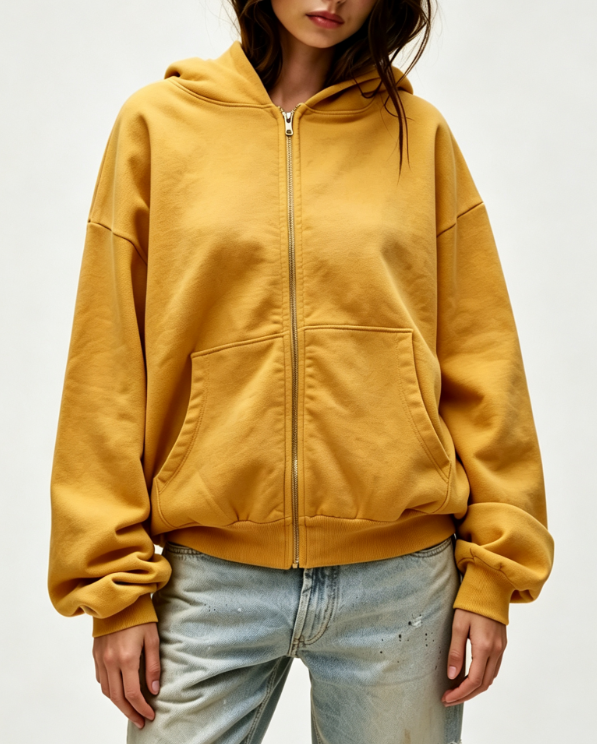
A pullover hoodie suits evergreen unisex programs, campus merchandise, and large front or back prints. Its kangaroo pocket and uninterrupted chest require artwork placement checks. A full-zip hoodie supports layering and premium retail, especially for spring and travel. A zipper adds sewing operations, tape matching, and potential logo-placement constraints.
Oversized And Cropped

An oversized hoodie uses dropped shoulders, wider bodies, and longer sleeves for streetwear and extended-size collections. Grade body width, sleeve balance, and hood scale rather than simply enlarging a standard block. A cropped hoodie targets fashion-led womenswear and warmer transitional seasons. A shortened body changes rib tension and pocket position, so approve the sample on the intended wearer.
Heavyweight Streetwear
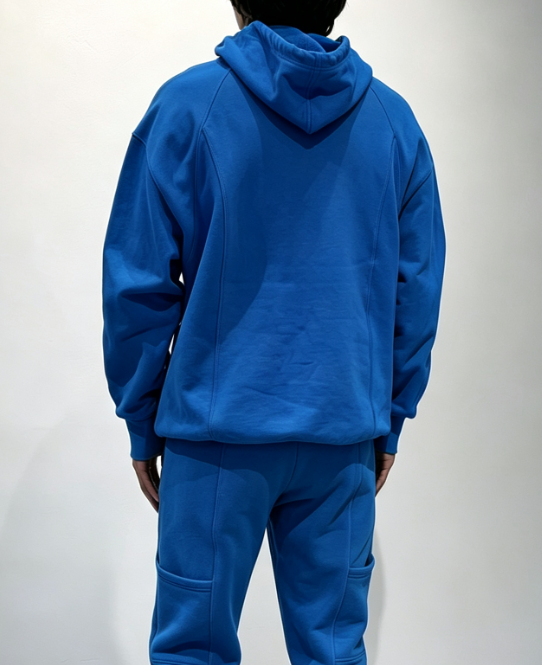
A 400–500 GSM heavyweight hoodie creates a structured, premium streetwear hand and performs well in autumn and winter. Dense fleece supports embroidery, patches, puff print, and garment washes, but raises freight weight. A 2×2 rib and reinforced shoulder seam help a heavy garment recover after washing. Request shrinkage testing before locking body length and sleeve measurements.
Performance And Lined Styles

A 280–350 GSM performance hoodie suits active, travel, and teamwear customers when stretch, moisture handling, or brushed interiors matter. Flatlock seams and bonded pockets can increase labor and sampling complexity. A fleece-lined hoodie is a cold-weather option for retail and promotional programs. Lining requires compatible shrinkage and careful hood construction to prevent twisting after laundering.
4. Materials to create custom hoodies
Fabric selection sets the hoodie’s hand feel, thermal range, wash behavior and color result before pattern work begins. To create custom hoodies reliably, specify fiber blend, knit construction, GSM, finish and acceptable shrinkage together.
| Material | Typical GSM | Hand And Warmth | Best Positioning |
|---|---|---|---|
| Cotton jersey | 260–320 | Natural; medium warmth | Premium everyday |
| French terry | 280–320 | Loopback; moderate warmth | Year-round |
| Brushed fleece | 320–400 | Soft; high warmth | Cold-weather streetwear |
| Cotton-poly | 280–360 | Stable; lower shrinkage | Teamwear and basics |
| Polyester fleece | 220–280 | Quick-dry; warm | Active or humid markets |
| Recycled/organic cotton | 280–340 | Natural; verify variation | Responsible collections |
Choose Fibers By Positioning

100% ring-spun cotton gives a natural, premium hand and strong print surface, but plan controlled shrinkage after washing. Organic cotton follows the same performance logic; request GOTS transaction documentation when making certified claims. 50/50 cotton-poly blends improve color consistency, drying speed and shape retention for teamwear or repeat programs. Recycled cotton adds circular content but can vary in fiber length, so blends and approved lab dips are especially important.
Match Construction To Climate

280–320 GSM French terry has unbrushed loops, moderate warmth and a cleaner year-round profile for temperate markets. 320–400 GSM brushed fleece is warmer and softer, making it better for cold-weather, oversized or streetwear capsules. 220–280 GSM polyester or poly-rich fleece suits activewear and humid-market layering because it dries quickly. Specify anti-pilling testing for fleece; lower-grade short fibers can pill at cuffs, underarms and pocket edges.
Approve Before Bulk
1 wash test should confirm shrinkage, torque, pilling and hand feel before bulk fabric is released. Compare approved swatches under daylight and store lighting, because dark shades and heathers can shift between dye lots.
5. Customization and Decoration Options
Customization choices should be locked before the pre-production sample, because dyeing, panel seams, and decoration all affect cost and lead time. For brands that create custom hoodies, specify artwork scale, Pantone references, placement, and wash standard together.
| Method | Visual Effect | Placement Limits | Durability | Color Complexity | Setup And Best Volume |
|---|---|---|---|---|---|
| Embroidery | Textured, premium | Avoid very large dense fills | High | Low to medium | Digitizing; strong from 100 units |
| Screen Print | Opaque, crisp | Flat panels preferred | High when cured | 1–6 colors economical | Screens; best for 100+ units |
| DTG | Photographic detail | Cotton-rich, flatter areas | Medium to high with pretreatment | High | Minimal setup; low runs |
| Heat Transfer | Sharp logos and names | Avoid thick seam crossings | Medium to high by film | High | Fast setup; small runs |
| Puff Print | Raised, tactile | Keep fine detail limited | Medium; wash-test | Low to medium | Screen setup; 100+ units |
| Appliqué | Layered, collegiate | Seams and curves need care | High when stitched | Low to medium | Cut pieces and sewing; 100+ units |
Build Color Into Construction

2-panel color blocking and contrast rib, drawcord, zipper, or binding details create a premium cut-and-sew look without relying on large artwork. Garment dye produces a softer, lived-in tone, but test shrinkage and colorfastness on the approved fabric. 3 label layers—main, size, and wash-care—should be confirmed with fold type, stitch position, and fiber-content copy. Hangtags and branded bags are packed last to avoid scuffing during production.
- Use Pantone references for contrast trims.
- Approve garment-dye wash appearance before bulk.
- Keep wash-care content market-compliant.
Match Decoration To Artwork
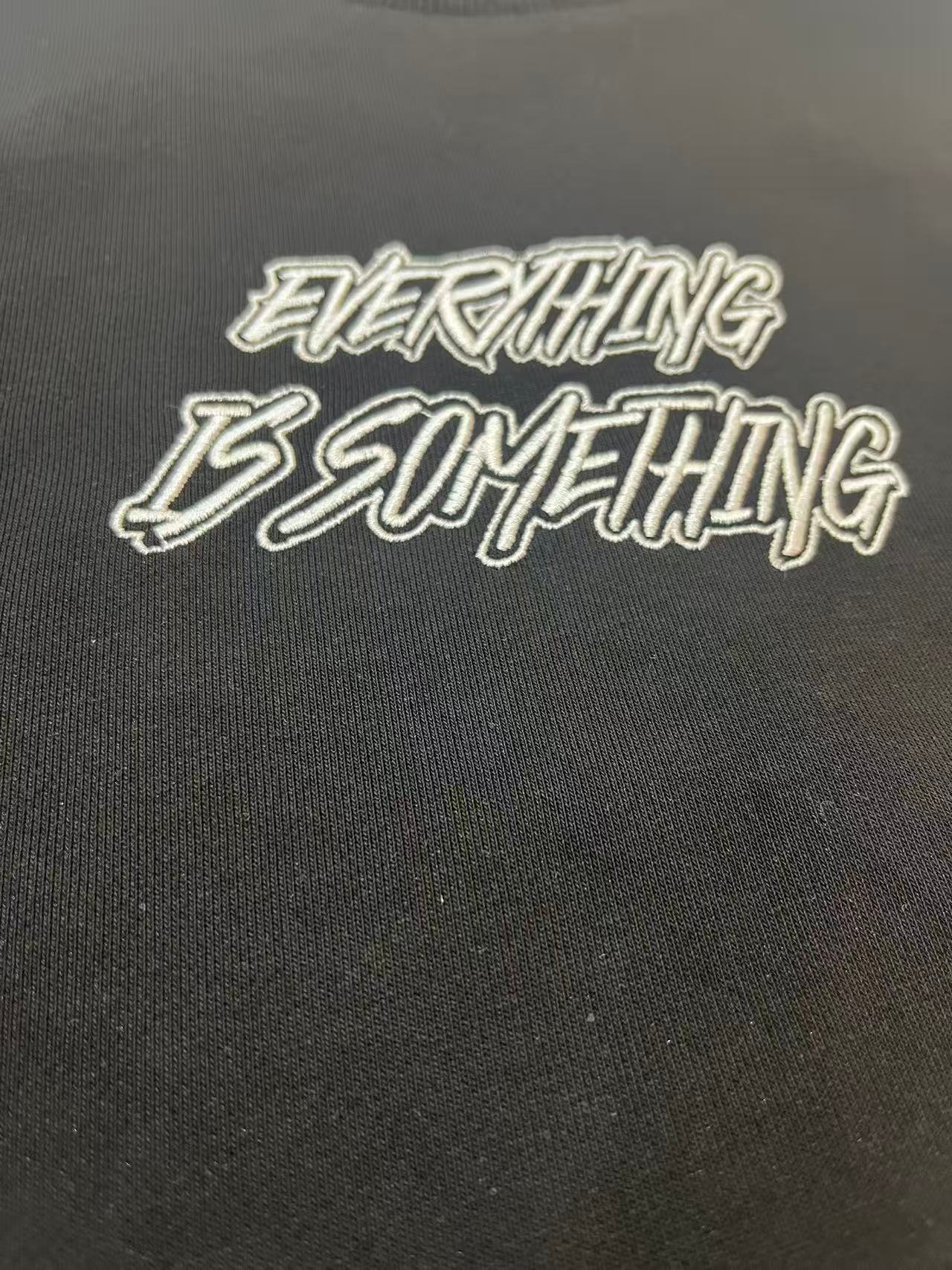
1 decoration method should be chosen from the artwork, expected washes, and quantity—not from appearance alone. Screen printing needs separated colors and screens, while DTG suits detailed, low-volume art on compatible cotton-rich garments.
Approve Placement And Samples
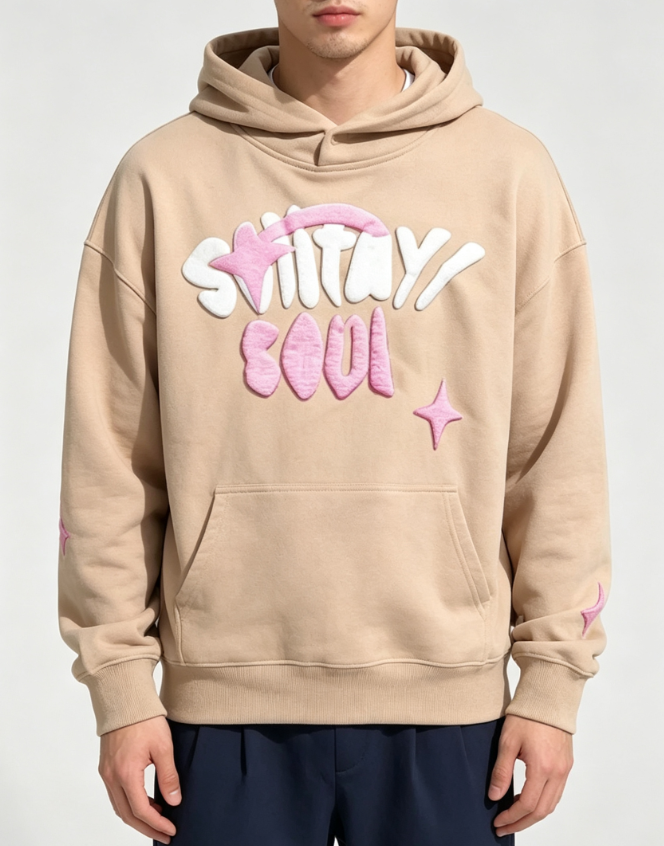
10–12 cm wide left-chest art, full-back prints, sleeve marks, and hood embroidery each need a placement spec measured from fixed seams. Request a decorated sample and wash test; puff ink, appliqué edges, and dense embroidery deserve close inspection after laundering.
6. Hoodie Construction Quality Essentials
A development sample reveals quality long before bulk cutting begins. When buyers create custom hoodies, they should approve measurable construction details—not just a flattering first try-on—because recovery, seams, hardware, and wash behavior determine repeat-wear value.
Fabric And Rib Recovery

320–420 GSM fleece or French terry should recover cleanly after a hand stretch; slow recovery leaves elbows, cuffs, and hems visibly bagged. Test the brushed face for excessive shedding. 95/5 cotton-elastane rib is a common durable cuff and waistband specification. Check that rib returns evenly, matches the body shade, and is not stretched while sewn.
Hood And Hardware Details

A two-panel hood needs a centered seam, balanced opening, and enough depth to sit over the head without pulling the neckline backward. A self-fabric or jersey lining improves shape, interior finish, and perceived value. 8–10 mm drawcords should slide smoothly through securely set metal eyelets; inspect both ends for matching tips. For zip hoodies, run a branded zipper repeatedly and check tape alignment, zipper wave, and top-stop security.
Seams, Grading, And Wash Tests

8–12 stitches per inch is a practical benchmark for clean, durable hoodie seams, with bartacks at pocket corners and reinforcement where the hood joins the neckline. Inspect kangaroo pockets for equal height and flat attachment. XS–3XL grading must preserve shoulder balance, sleeve length, body proportion, and pocket placement rather than merely enlarging widths. Wash-test the approved sample for shrinkage, twisting, pilling, color change, seam puckering, and print or embroidery stability.
7. How to Choose a Hoodie Manufacturer
100 units per style and color can be viable for a capsule, but MOQ alone does not prove factory fit. Select a partner whose hoodie development, controls, and commercial terms match the program you intend to scale.
Verify Hoodie Category Experience

2010 is Junsheen’s founding year; ask every candidate for recent hoodie tech packs, measurement charts, and bulk photos. Confirm experience with French terry, fleece, rib, hoods, kangaroo pockets, and the target fit block. 3 reference samples reveal more than a sales deck: inspect seam alignment, hood shape, shrinkage results, and print or embroidery durability. Request named production stages and the person accountable for technical approvals.
Test Development And MOQ
100 units is Junsheen’s stated starting scale per style and color, suitable for controlled launches. Ask whether MOQ changes by fabric, color, decoration method, and size breakdown. 1 approved sample is not enough for a size-sensitive program; request a prototype, revised sample, and graded size set when fit risk is high. Verify pattern ownership, revision control, and the cost and timing of sample changes.
Audit Materials And Compliance

280–400 GSM is a common heavyweight fleece range, yet weight alone cannot predict recovery or pilling. Request swatches, composition records, shrinkage testing, color-standard approval, and supplier traceability before bulk booking. OEKO-TEX, GOTS, WRAP, and BSCI claims require current certificates with scope and validity dates. Ask which mill, dye house, and trim suppliers are covered rather than accepting a logo on a quotation.
Confirm Controls And Commercial Terms
2,000+ clients and 80,000+ monthly units are Junsheen’s stated scale indicators; buyers should still request an order-specific critical path. Confirm in-line measurement checks, final inspection criteria, defect reporting, lead-time milestones, and export handoff. 100% prepayment is Junsheen’s stated first-order structure, with later terms potentially progressing to 70/30 or 50/50. Put deposits, balance timing, approved sample reference, tolerance limits, and remedies for late or nonconforming goods in writing.
- Who approves fabric, fit, color, and pre-production samples?
- What inspection report accompanies packed goods?
- Which lead-time milestone triggers each payment?
8. Common Custom Hoodie Sourcing Mistakes
Most hoodie sourcing failures begin before a purchase order: missing specifications, untested materials, and unverified approvals create costly interpretation gaps. A disciplined checkpoint at each handoff protects fit, decoration, timing, and landed-cost assumptions.
Incomplete Tech Packs
One copied reference image cannot define a production hoodie; it omits measurements, stitch details, Pantone colors, trims, and placement tolerances. The result is a sample built to the factory’s interpretation. 100-unit programs should start with a measurement chart, construction callouts, artwork files, and labeled reference photos. Require written confirmation of every open point before pattern making.
Fabric Chosen By Photos

280 GSM French terry and 280 GSM brushed fleece can look similar online but differ materially in warmth, loop texture, shrinkage behavior, and print surface. Photo-only selection often produces the wrong hand feel after sampling. Two swatches per shortlisted fabric should be washed and compared for weight, recovery, color, and pilling. Approve a cut-and-sewn sample in the exact bulk fabric and color.
Fit And Decoration Assumptions
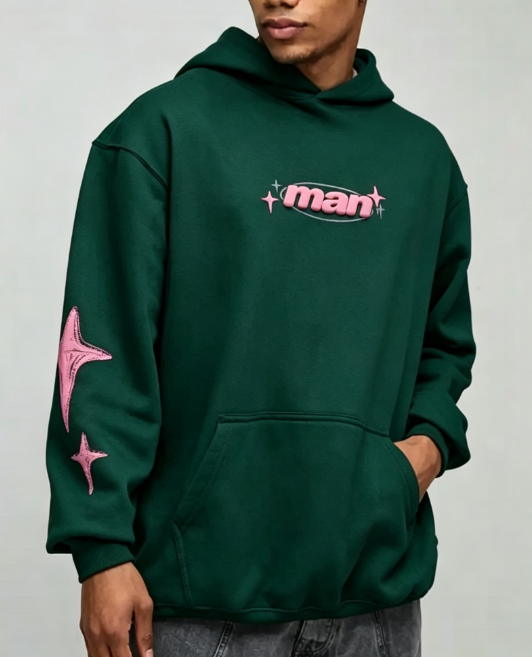
5% shrinkage can move chest, body-length, and sleeve measurements outside tolerance when a pattern is not adjusted after wash testing. Skipping a graded size set compounds the problem across XS through 3XL. 3D puff ink, embroidery, and oversized prints each have limits around seams, ribs, pockets, and thick fleece. Approve a size set and an artwork strike-off on the actual garment before bulk release.
Vague Quotes And Timelines
A lowest quote may exclude sampling revisions, custom trims, wash testing, packaging, inspection, or freight. An undefined lead time also hides the difference between material booking, sampling, bulk sewing, and shipment readiness. 100-unit orders need a written quotation with fabric composition, GSM, decoration method, MOQ by color, payment milestones, and exclusions. Request a dated critical path with approval deadlines and final inspection before balance payment.
9. Steps to Launch Custom Hoodies
Launching custom hoodies is a sequence of locked decisions, not one purchase order. Set the target wearer, retail price and delivery date before development so specifications, costs and approvals stay aligned.
Define the Brief
100 units per style and color can support a capsule at Junsheen, but the brief must first state customer, fit, channel, retail target and required margin. 1 document should capture SKU count, size range, colorways, target ex-factory cost, launch date and competitor references. Freeze these commercial inputs before requesting materials.
- Customer and fit profile
- Retail price and margin target
- Size run and color count
- Required delivery window
Build Production Specifications
1 tech pack converts the concept into measurable instructions: front and back flats, points of measure, grading, seam details, Pantone colors, artwork placement and label copy. 2 files should accompany it: editable vector artwork and a bill of materials. Confirm ownership, logo scale and print or embroidery method before sampling.
- Tech pack with measurement chart
- AI, PDF or SVG artwork
- Bill of materials
- Label and packaging artwork
Sample And Approve
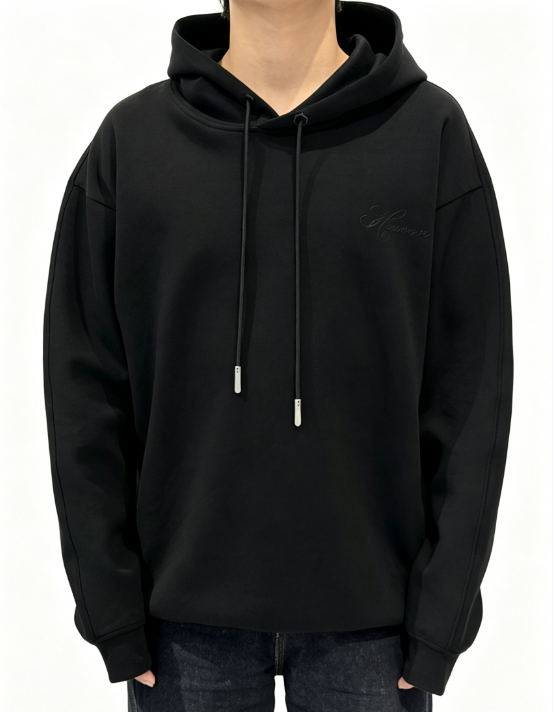
1 development sample validates fabric, construction, fit and decoration before bulk. Select swatches, confirm hoodie weight and trim choices, then obtain a quotation covering MOQ, sampling, decoration, packaging and shipping terms. 2 decision gates follow: revise the sample against measurement tolerances and artwork proof, then sign off the pre-production sample. Record every approved change in the final tech pack.
- Fabric and trim approval
- Sample measurement review
- Artwork strike-off approval
- Signed pre-production sample
Produce And Deliver
100% of bulk inputs should match approved material records before cutting. Submit the purchase order, approved tech pack, size breakdown, packing instructions and payment confirmation before production begins. 3 inspection points—incoming fabric, in-line sewing and final packed goods—help catch defects before dispatch. Book freight after final balance, carton marks, commercial invoice and packing list are confirmed.
- Purchase order and size breakdown
- In-line measurement checks
- Final inspection report
- Invoice, packing list and shipping booking
10. Create Custom Hoodies Pricing and Costs
100 units per style and color is JUNSHEEN’s practical starting point for a capsule program; the most reliable quote begins with the approved fabric, construction and decoration brief. A 280–350 GSM French terry or brushed fleece hoodie typically costs more than lightweight 240–280 GSM jersey because yarn, knitting, cutting weight and wash performance all rise together. 3 cost layers determine a landed hoodie price: garment materials and labor, one-time development or setup, and logistics. A custom pattern, full graded size set, Pantone dyeing, 3D puff embroidery, multiple print placements, YKK-style zippers, branded drawcords, woven labels and individual packaging each add cost; consolidate colors and placements where margin matters. 1 accurate RFQ should state quantity by color and size, target fabric composition/GSM, measurement spec or tech pack, artwork files, decoration dimensions, trims, labels, packaging, destination and required delivery date. Freight varies sharply by carton volume, shipment mode, destination duties and whether the buyer quotes EXW, FOB or delivered terms, so compare like-for-like quotations.
| Order tier | Indicative unit-price driver | Sample/setup cost | Typical production lead time |
|---|---|---|---|
| 100–299 units | Lower volume; standard fabric controls cost | Prototype and artwork/setup quoted separately | Sampling 7–14 days; bulk 25–35 days after approval |
| 300–999 units | Better fabric and labor efficiency | Setup spread across more units | Bulk 20–30 days after approval |
| 1,000+ units | Volume buying and repeatable operations improve pricing | New molds, dyeing or complex decoration may remain separate | Bulk 20–35 days, subject to materials and booking |
Create Custom Hoodies—Start Your Sample Today
Send your tech pack, sketch or reference garment for a tailored OEM quote, fit-focused development and 100-unit MOQ production.