Denim Jacket Custom Manufacturing, Built for Your Brand
Launch denim jacket custom programs from 100 units with OEM, ODM, private-label support and fit-focused XS–3XL development.
Featured Products for denim jacket custom Development

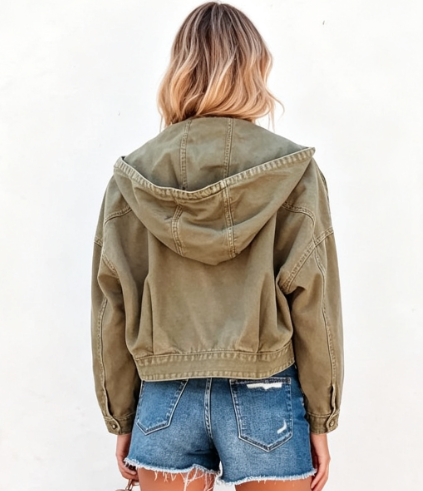
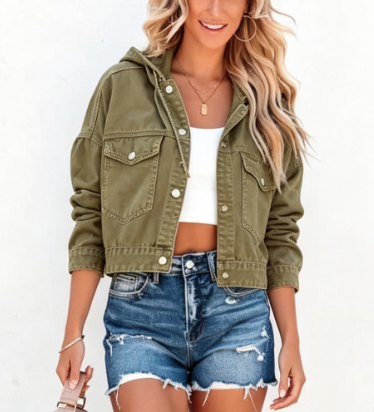
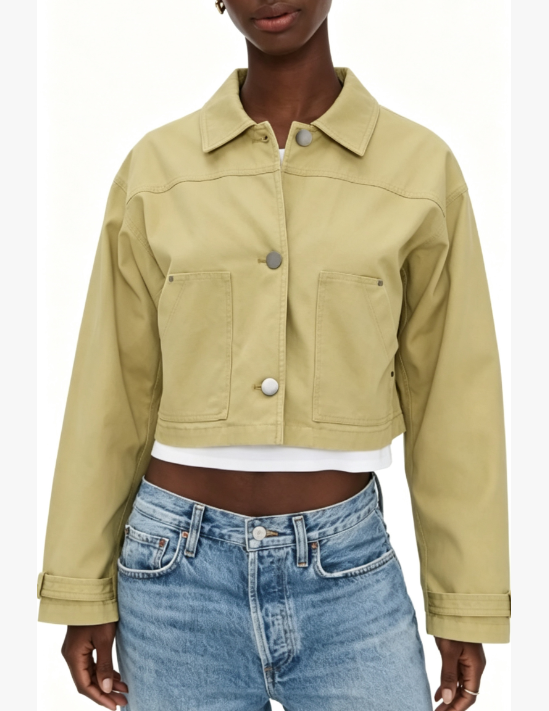





Related Product Catalogue and Quotation





OEM Advantages for Denim Jacket Custom Programs
Build production-ready denim jackets with flexible order quantities, fit-led development, integrated finishing, and reliable global delivery support.
100-Unit MOQ
Launch capsule collections or test new washes from just 100 units per style and color without sacrificing production guidance.
Fit-Focused Grading
Develop balanced XS–3XL, plus-size, and oversized fits with refined shoulders, sleeves, body proportions, mobility, and consistent grading increments.
One-Stop Development
Move from sketch, tech pack, or reference garment through fabric sourcing, pattern making, sampling, size sets, and bulk approval.
In-House Decoration
Add custom embroidery, screen printing, patches, labels, hardware, garment dyeing, acid washes, stone washes, and branded packaging in one workflow.
Scalable Production
Work with 200+ skilled workers and 80,000+ monthly units of capacity for growing denim programs and ongoing replenishment orders.
Global Export Support
Coordinate quality control, final packing, documentation, and shipment support for fashion brands, wholesalers, retailers, and sourcing teams worldwide.
Custom Denim Jackets and Apparel Categories
Develop denim jackets and coordinated casualwear with fit-led sampling, low-MOQ production, custom decoration, and private-label finishing.
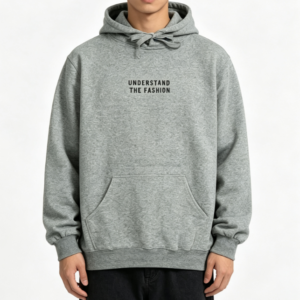
Custom Hoodies
Develop custom hoodies in fleece, French terry, or jersey with branded labels, rib trims, drawstrings, embroidery, screen printing, and wash finishes. Fit development from XS–3XL supports regular, oversized, and extended-size programs from 100 units per style and color.
Request a Quote
Custom T-Shirts
Produce custom T-shirts in cotton, Pima cotton, organic cotton, combed jersey, and performance blends. Junsheen supports specification review, pattern development, size grading, DTG, screen print, DTF, embroidery, labels, and packaging for retail-ready programs.
Request a Quote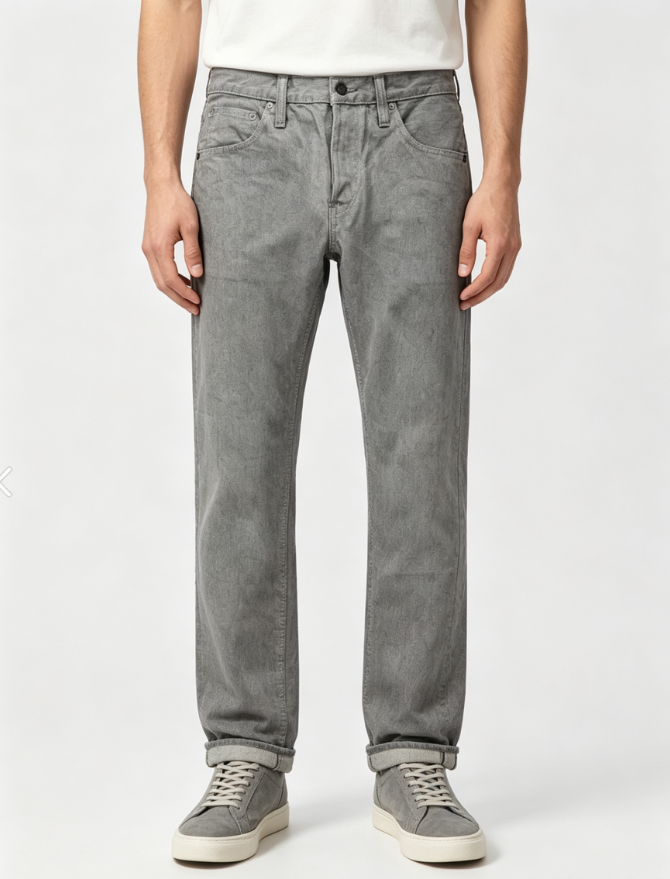
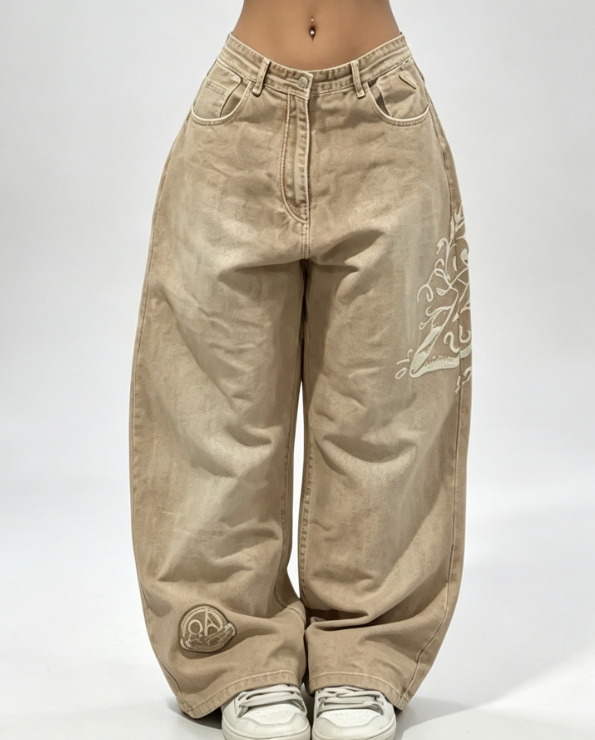
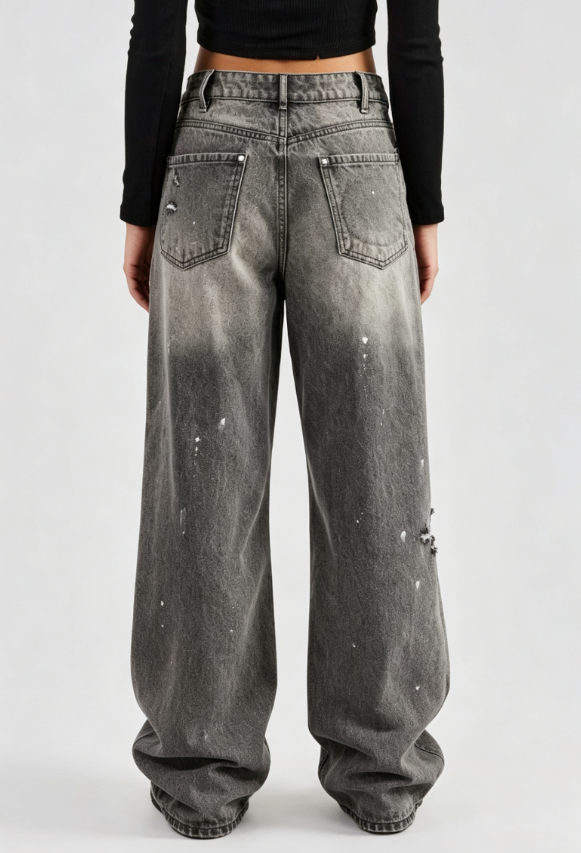
Custom Jeans
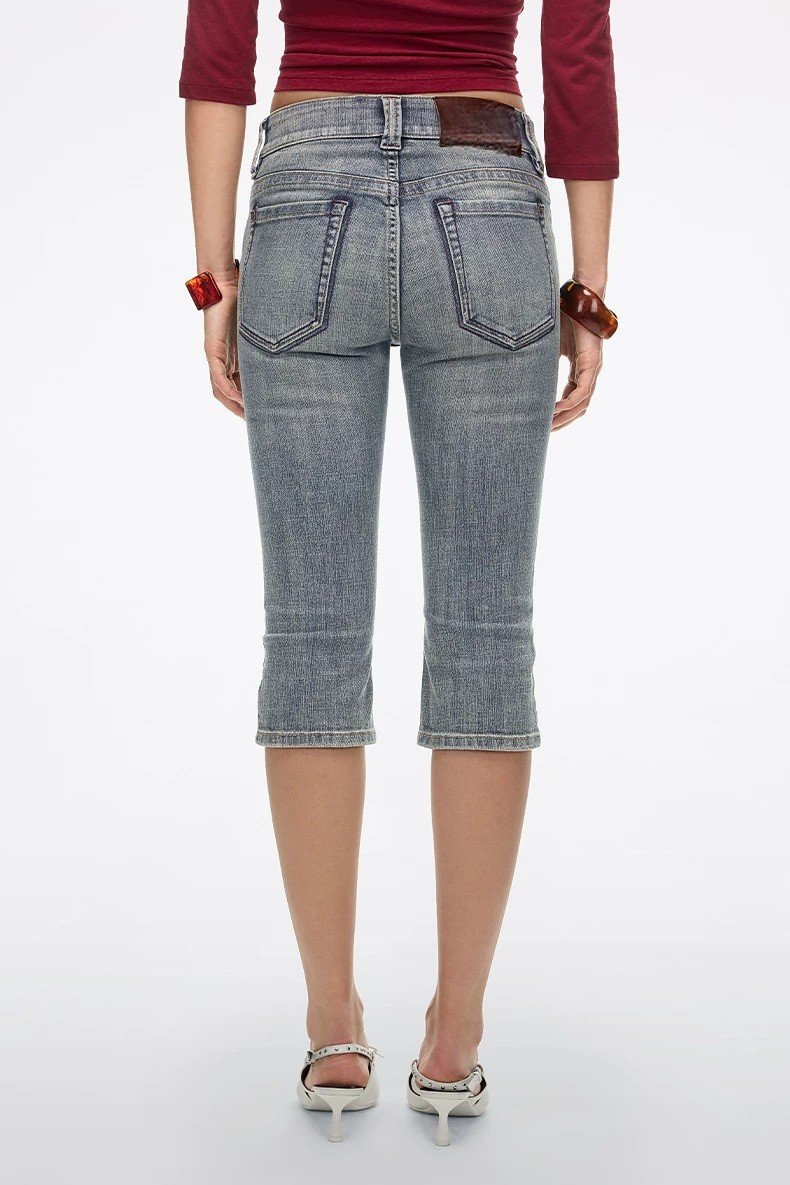
Manufacture custom jeans in rigid or stretch denim with fit development, rise and inseam options, pocket construction, washes, distressing, hardware, branded trims, and graded XS–3XL size sets. Sampling helps confirm measurements, wash appearance, and bulk-production standards before approval.
Request a Quote
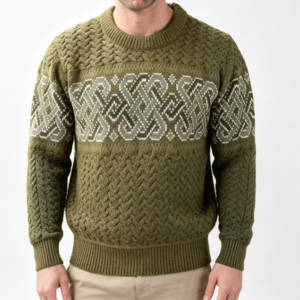
Custom Sweaters
Source and produce turtleneck sweaters in bulk using suitable yarns and sweater constructions for the intended hand feel, weight, and price point. Development covers neckline shape, gauge, rib details, fit grading, labels, and coordinated private-label packaging.
Request a Quote
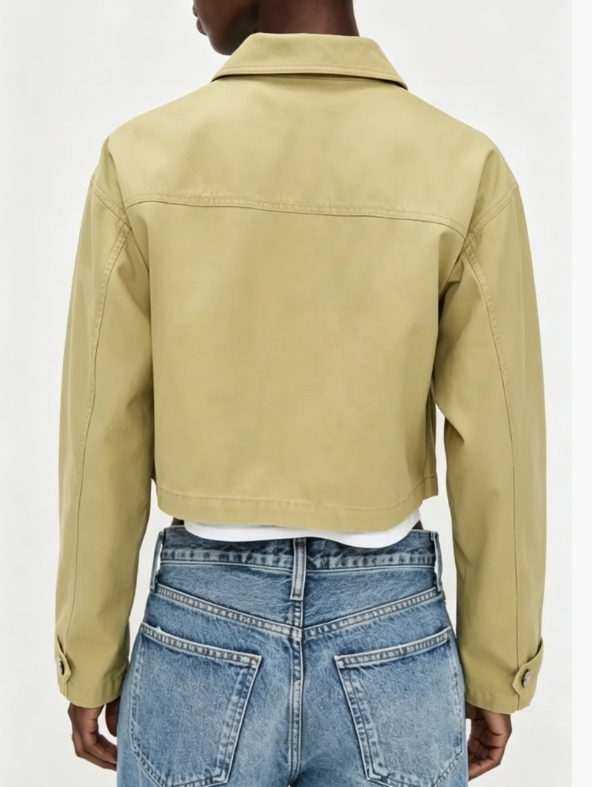
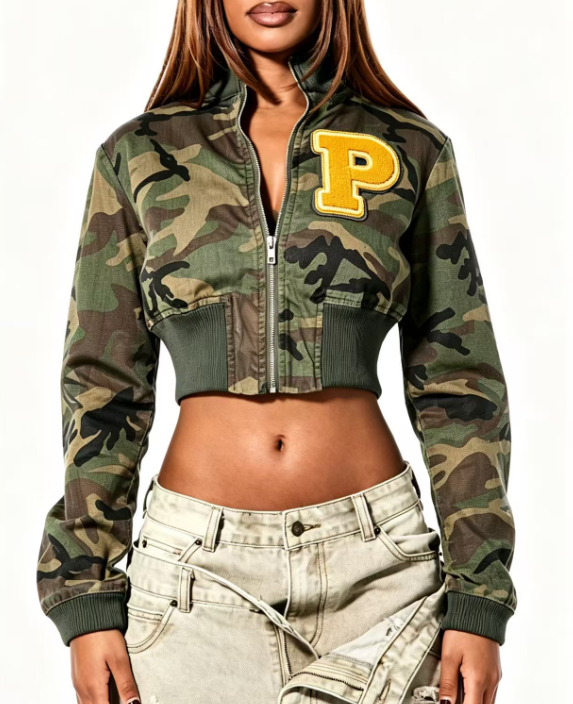
Custom Jackets
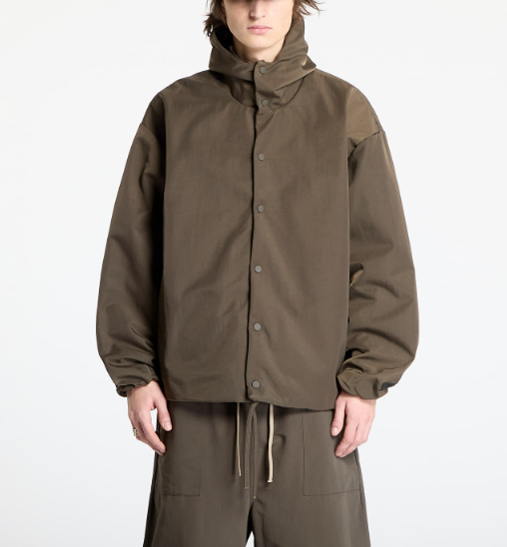
Build custom jean jackets in rigid or stretch denim with approved silhouettes, panels, pockets, collars, closures, contrast stitching, embroidery, patches, and garment washes. Pattern makers refine shoulder balance, sleeve length, and proportion before scalable bulk production.
Request a Quote
Custom Sweatshirts & Crewnecks
Produce custom crewneck hoodies, sweatshirts, and crewnecks in fleece or French terry with custom ribbing, neckline construction, branding, printing, embroidery, and finishing. Fit-led sampling supports standard, oversized, plus-size, and extended-size assortments.
Request a Quote
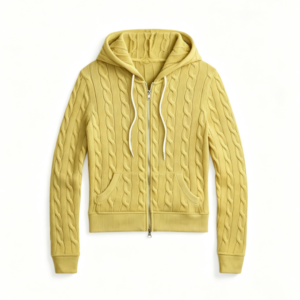
Custom Cardigans
Create custom cardigans in knit constructions suited to your target season and price point. Options include button or zipper fronts, jacquard patterns, embroidery, woven labels, custom trims, and graded fits that maintain body and sleeve proportions across the size range.
Request a Quote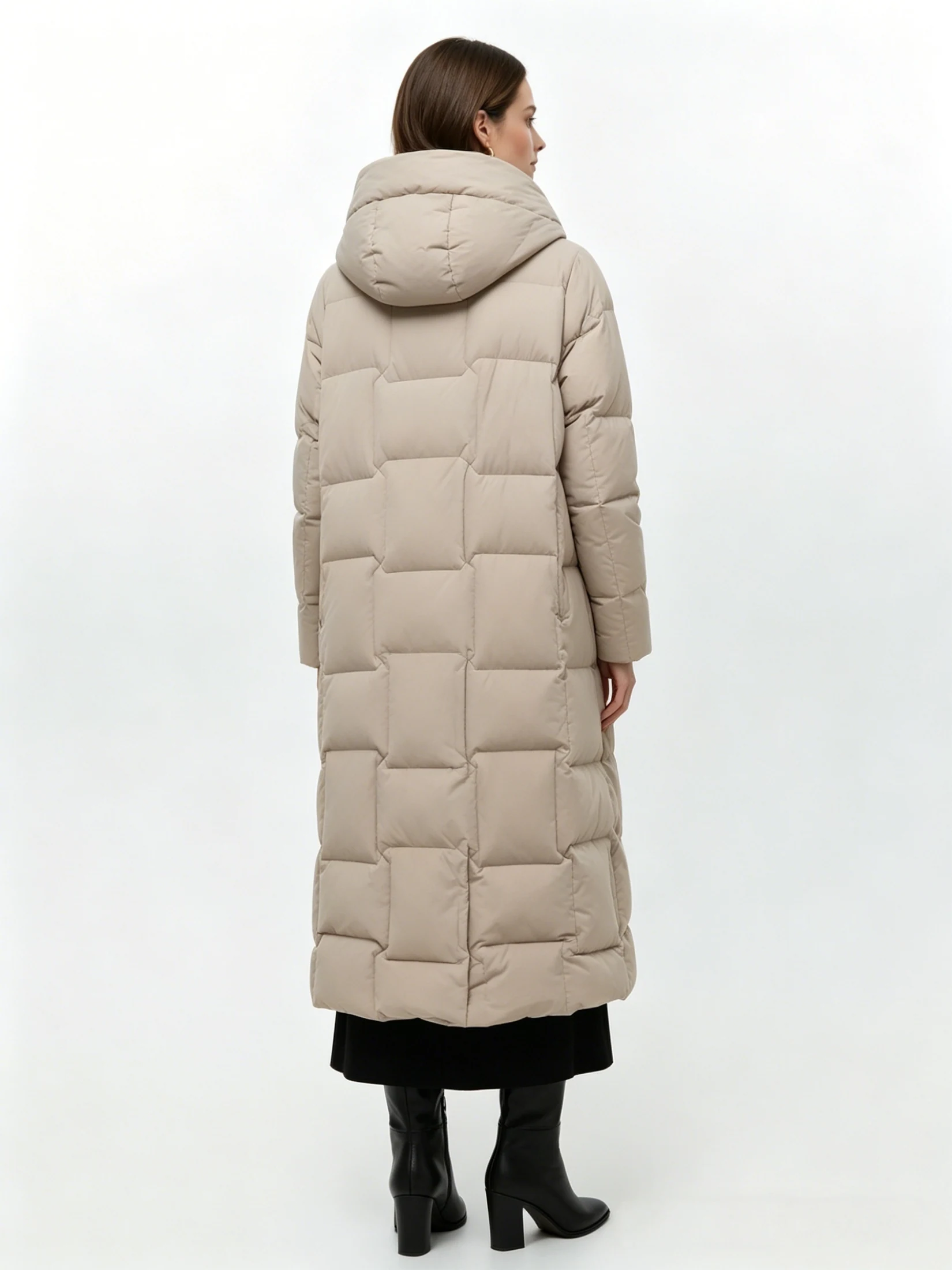
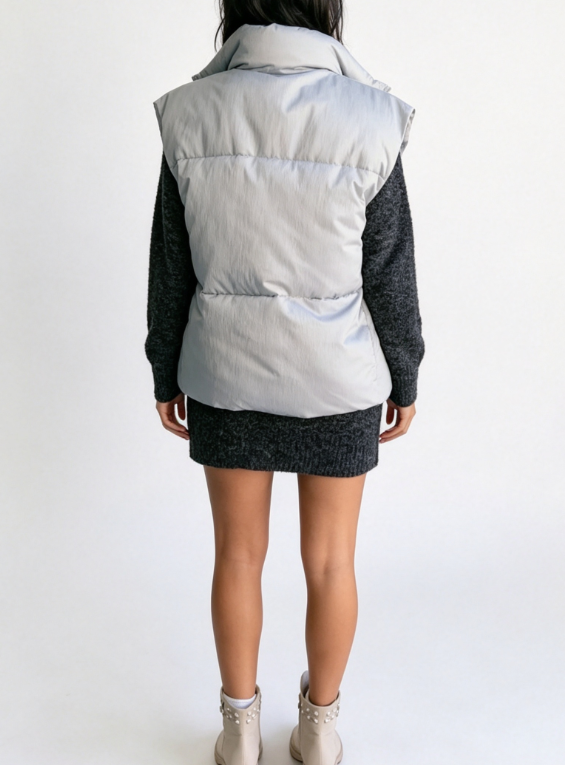
Custom Puffer & Down Jackets
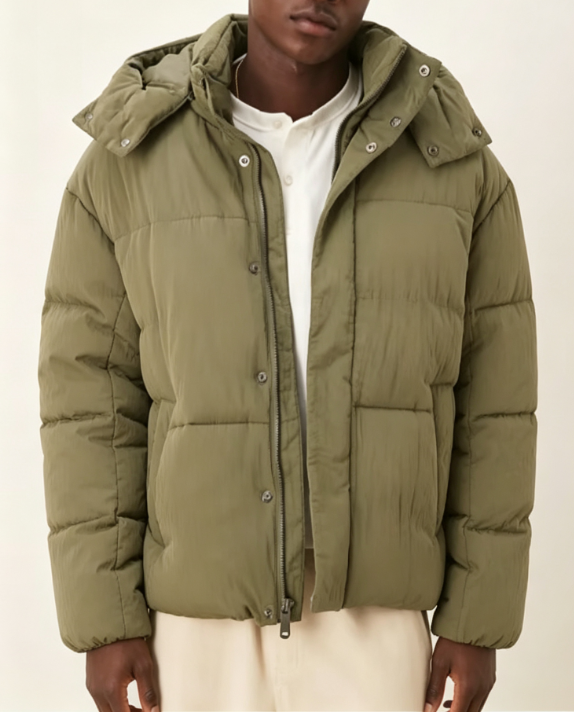
Develop custom puffer jackets with specified shell fabrics, insulation, lining, quilting, pockets, hoods, zippers, snaps, reflective details, labels, and packaging. Sampling verifies fill distribution, construction, measurement tolerances, and functional details before bulk production.
Request a Quote
Custom Denim Shorts
Manufacture custom jean shorts in rigid or stretch denim with selected rises, inseams, hems, pockets, washes, distressing, hardware, and branded trims. Pattern and grading support consistent fit for women’s, men’s, unisex, plus-size, and oversized collections.
Request a Quote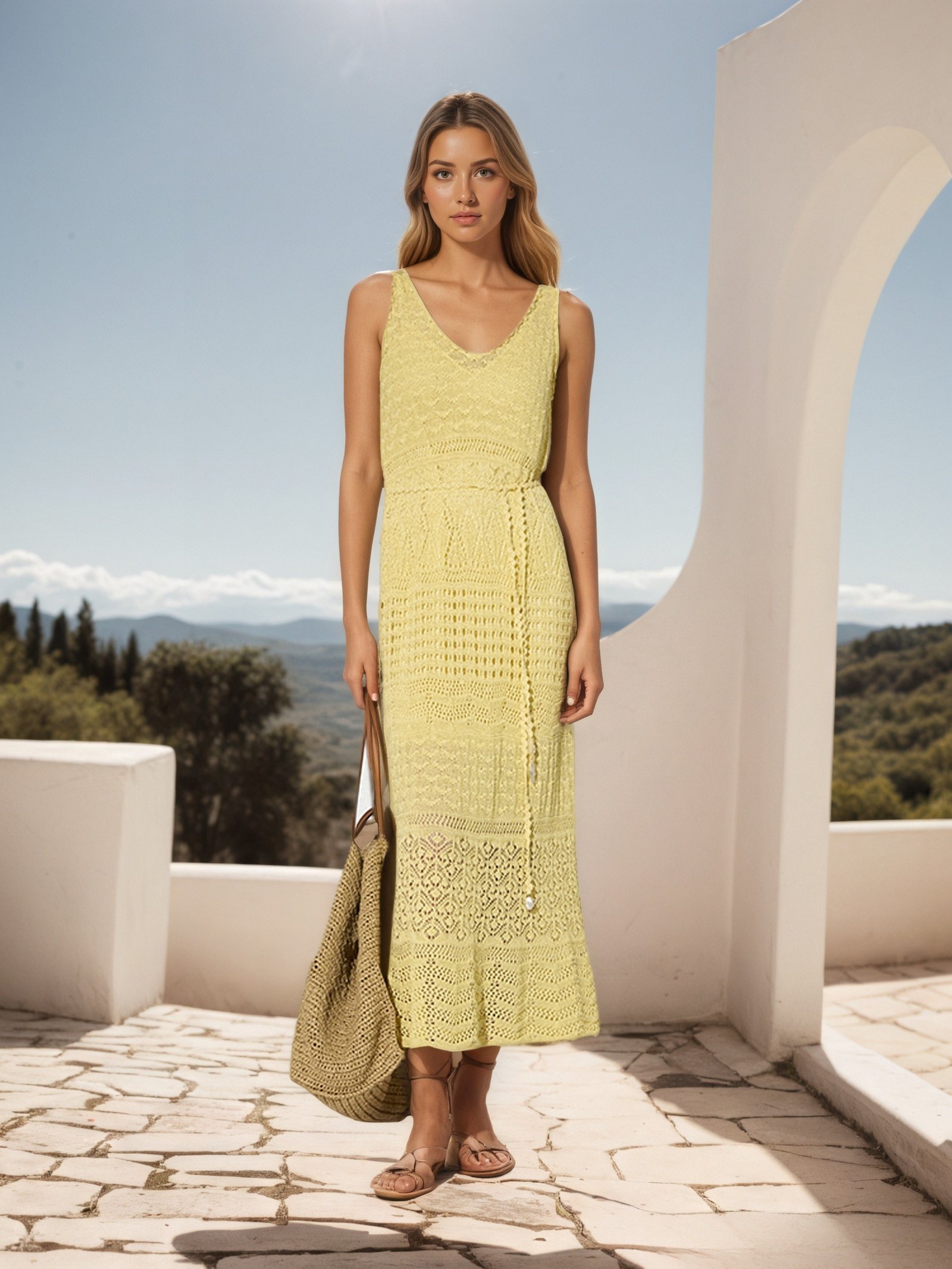
Custom Sweater Dresses
Produce custom sweater dresses with yarn, gauge, silhouette, neckline, hem, and sleeve specifications aligned to your collection. The development process includes fit refinement, size grading, knit details, labels, and packaging for wholesale or direct-to-consumer programs.
Request a Quote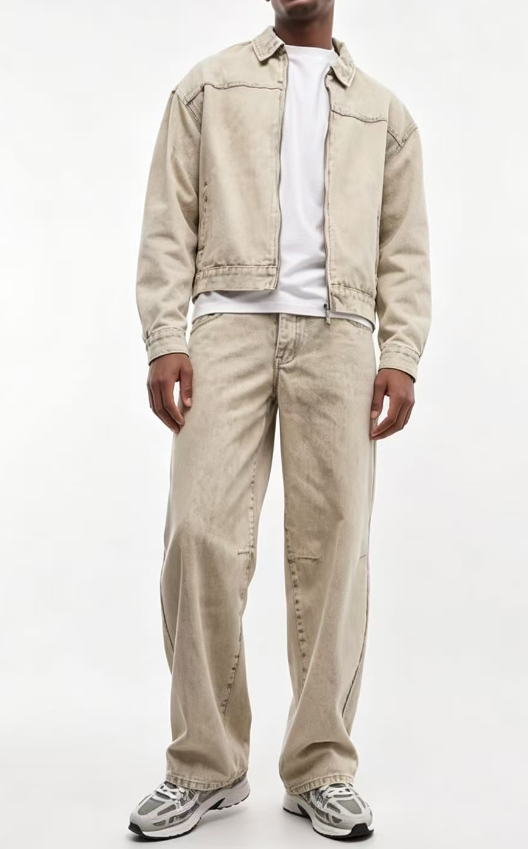
Custom Denim Sets
Develop men’s denim suits and coordinated denim sets for wholesale programs, including matching jackets, shirts, jeans, or shorts. Production can align fabric, wash, stitching, hardware, labels, and fit specifications across each garment in the set.
Request a Quote
Custom Polo Shirts
Produce custom polo shirts in piqué, jersey, or performance knits with collar and placket specifications, embroidery, printing, contrast trims, buttons, labels, and packaging. Fit development supports branded uniforms, retail collections, and extended-size assortments.
Request a Quote
Custom Sweatpants
Manufacture custom sweatpants in fleece, French terry, or jersey with selected rises, leg shapes, cuffs, pockets, drawcords, elastic, embroidery, printing, labels, and wash finishes. Graded XS–3XL patterns help preserve comfort and proportion across the size set.
Request a Quote
Custom Shorts
Develop custom shorts in woven, jersey, fleece, twill, or denim with specified inseams, waist construction, pockets, closures, prints, embroidery, trims, labels, and packaging. Low-MOQ sampling supports capsule launches before ongoing bulk programs.
Request a Quote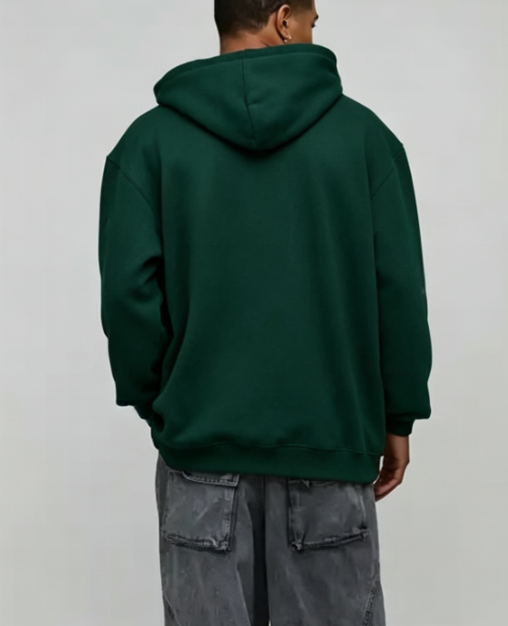
Custom Pullovers
Produce custom pullovers across jersey, fleece, French terry, and sweater constructions, with selected necklines, fits, rib details, decoration, labels, and finishing. Junsheen supports product development from a tech pack, reference garment, sketch, or initial concept.
Request a QuoteDenim Jacket Custom Fabrics We Support

Rigid Cotton Denim
A structured, authentic denim with a firm hand and minimal give, ideal for classic trucker jackets and vintage washes. Commonly specified from 10 to 14 oz for durable shape retention and defined fading.

Stretch Denim
Cotton denim blended with elastane for comfortable movement without losing a denim appearance. Well suited to fitted silhouettes, women’s styles and extended-size denim jacket custom programs; typically uses 1–3% stretch fiber.

Cotton Blend Denim
Cotton blended with polyester, rayon or Tencel to adjust softness, drape and cost. A versatile choice for lighter overshirts and fashion jackets, with smoother hand feel and improved dimensional stability after washing.

Heavyweight Cotton Twill
A dense woven fabric with a clean diagonal texture and crisp body, used for workwear-inspired jackets and non-denim color programs. Typical 8–12 oz constructions provide abrasion resistance and dependable structure for embroidery.

Recycled Denim Options
Denim incorporating recycled cotton or recycled polyester for lower-impact collections and responsible sourcing stories. Available in rigid or stretch constructions, with fiber content, weight and wash performance reviewed during material approval.

Jacket Lining Fabrics
Cotton poplin, quilted polyester, fleece or lightweight mesh linings add comfort, warmth or clean interior finishing. The lining is matched to season and intended use, with weight, breathability and bulk considered during sampling.
Denim Jacket Custom Decoration and Wash Techniques

Logo Embroidery
Flat, 3D puff and chain-stitch embroidery add dimensional branded detail to denim jacket custom programs. Reinforced stitch settings and placement checks help logos, artwork and lettering retain a clean, durable finish through wear and washing.

Screen Printing
Plastisol, water-based, puff, flocking, silicone and high-density screen prints create bold graphics with controlled texture. JUNSHEEN tests artwork, ink coverage and curing for durable visual impact across fashion denim collections.

Custom Patch Application
Woven, embroidered, chenille, leather-look and applique patches give jackets a premium, layered identity. We develop patch dimensions, backing, edge treatment and secure attachment methods to match your branding and intended wash process.

Garment Washes
Enzyme, stone, acid and softening washes create targeted vintage character, color variation and hand feel. Sample approvals define the wash level before bulk production, helping each denim jacket custom order achieve consistent results.

Fashion Finishing
Brushing, napping, garment dye and selected distressing details refine the final surface, softness and worn-in effect. Our team coordinates finishing with fabric weight, decoration and fit to protect construction quality and brand intent.
Denim Jacket Custom Trims, Labels and Hardware

Custom Metal Buttons
Add logo-engraved shank buttons or jean buttons to front plackets, cuffs and pockets. Finish options help reinforce your denim jacket custom identity while matching the garment wash, metal tone and target price point.

Branded Snap Fasteners
Use custom snaps for western jackets, detachable collars, pocket flaps and cuffs. JUNSHEEN can coordinate logo details, cap finishes and placement for reliable closure performance through sampling, bulk production and final inspection.

Custom Zipper Pulls
Specify metal or nylon zippers with branded pullers for zip-front denim jackets and utility pockets. We match zipper length, tape color, pull design and hardware finish to your construction, wash and private-label direction.

Woven Brand Labels
Create woven main labels, size labels and care labels that give every garment a finished retail presentation. Labels can be sewn into necks, side seams or pockets with clear sizing and brand information.

Leather Logo Patches
Apply debossed leather or leather-look patches at the back waistband, chest or pocket for a classic denim signature. Material, logo treatment and stitch method are reviewed during sampling to suit your wash and desired durability.
Custom Hangtag Sets
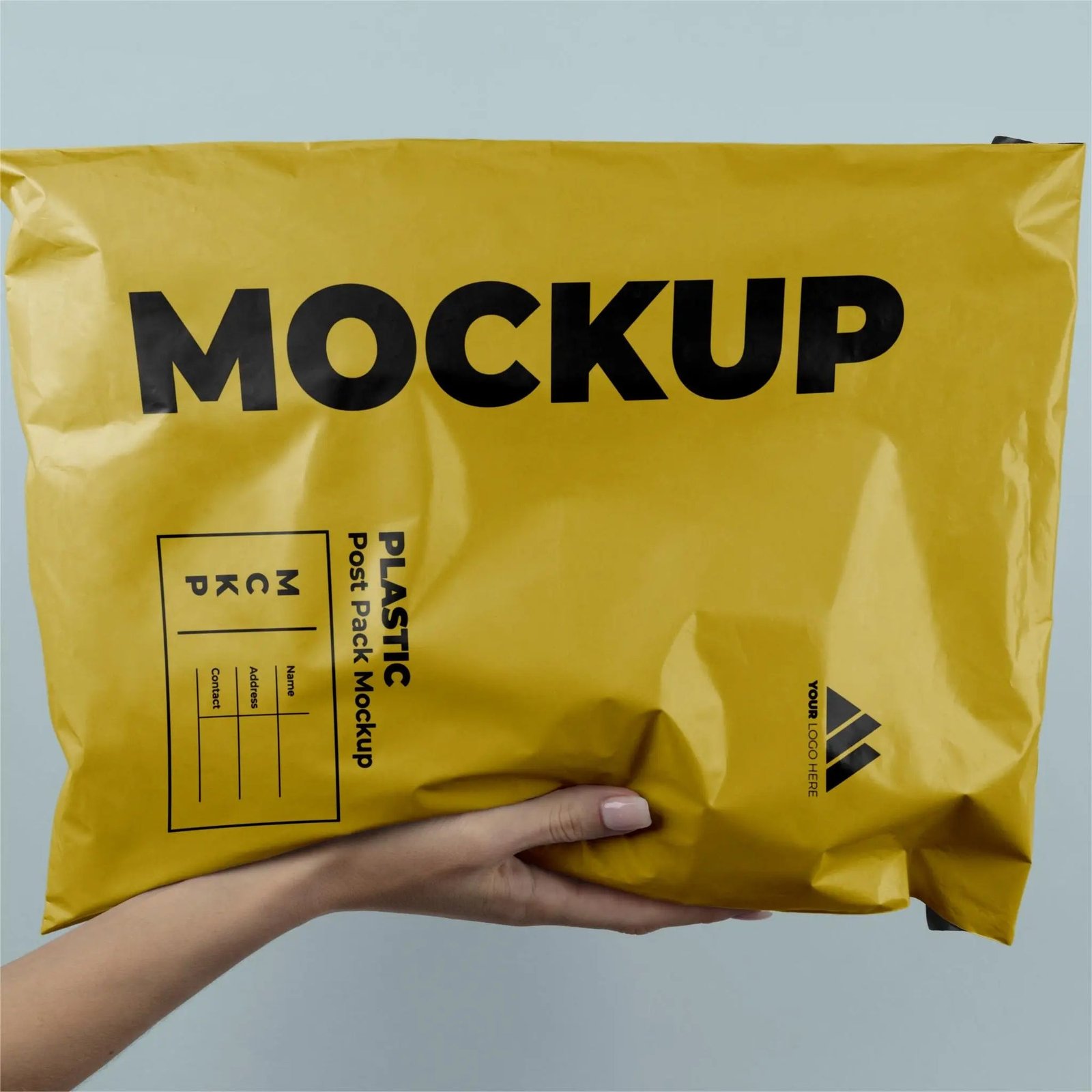
Complete your launch with branded hang tags, barcode stickers, tissue, polybags and export-ready packaging. JUNSHEEN coordinates artwork, attachment methods and packing requirements so your denim jackets arrive ready for wholesale or retail.
About JUNSHEEN Denim Jacket Custom Manufacturing
Founded in 2010 in Humen Town, Dongguan, JUNSHEEN helps global fashion brands turn denim concepts into production-ready collections. Our one-stop OEM, ODM and private-label team supports denim jacket custom programs from technical review and fabric sourcing through sampling, bulk production and export coordination.
With more than 200 skilled workers and monthly capacity above 80,000 units, we serve emerging labels, independent designers, wholesalers, retailers and established brands worldwide. Low MOQs from 100 units per style and color make it practical to launch a focused denim capsule before scaling repeat production.
What sets JUNSHEEN apart is fit-focused development across XS–3XL, including extended-size, plus-size and modern oversized grading. We combine cut-and-sew expertise with in-house decoration, washing, finishing, custom labels, trims and packaging to maintain control over the details that define your brand.

Denim Jacket Custom Capabilities That Protect Your Brand
Fit Engineering Across XS–3XL
Our pattern team develops denim jacket custom fits for standard, extended-size, plus-size, and modern oversized ranges. We refine shoulder balance, sleeve length, body proportions, mobility, and grading increments instead of simply scaling one base pattern.
- Fit development from XS through 3XL
- Balanced grading for extended and plus sizes
- Oversized silhouettes with controlled proportions
- Size-set review before bulk approval
Development That Starts Anywhere
Bring a tech pack, sketch, reference garment, mood board, or early product idea. JUNSHEEN translates it into production-ready specifications through fabric recommendations, pattern making, trim selection, prototype sampling, and manufacturability review for your denim program.
- OEM, ODM, and private-label support
- Fabric, wash, and hardware recommendations
- Pattern creation and technical specification review
- Prototype and pre-production sample development

Integrated Decoration and Finishing
Keep branding details aligned with garment construction by coordinating embroidery, printing, patches, labels, hardware, and denim washing within one production supply chain. This reduces handoffs while helping each custom jacket achieve its intended visual character and durability.
- Embroidery, patches, and logo applications
- Screen printing, DTF, and heat-transfer options
- Stone wash, enzyme wash, and acid wash
- Custom labels, snaps, zippers, and packaging
Repeat Orders Under Control
From a 100-unit capsule to ongoing bulk programs, JUNSHEEN retains patterns, graded size sets, and material records to support consistent repeat production. In-line inspections and final checks cover construction, measurements, decoration, and packed goods before global shipment.
- Low MOQ from 100 units per style and color
- Retained production records for repeatability
- In-line and final quality inspections
- 80,000+ units of monthly capacity

Why Choose JUNSHEEN for Denim Jacket Custom OEM
Built for flexible launches, fit-led development, and scalable global denim production.
← 左右滑动查看 →
Denim Jacket Custom Production Process
A clear, controlled path from technical feasibility to export-ready delivery.
Feasibility and Fabric Sourcing
We review your tech pack, reference, target price, and 100-unit MOQ, then recommend denim weights, washes, trims, and construction details.
Patterning and Fit Development
Pattern makers build and grade your jacket for XS–3XL, refining shoulder balance, sleeve length, body proportion, mobility, and oversized or extended-size requirements.
Sampling and Approval
We produce a prototype or size set for fit, fabric, wash, hardware, and decoration review, incorporating approved revisions before bulk production.
Cutting and Decoration
Approved materials move into cutting, sewing, embroidery, printing, patch application, and denim washing, with in-line checks throughout each production stage.
Quality Control and Shipping
Finished denim jacket custom orders receive measurement, construction, decoration, and packing inspections before branded packaging, final balance, and global export shipment.
How to Start Your Denim Jacket Custom Order
Move from concept to production with a clear OEM workflow built for 100-unit launches and scalable denim programs.
Send Your Concept
Share a tech pack, sketch, reference garment, mood board, target quantities, and sizing needs for your custom denim jacket program.
Review Feasibility Together
Our development team evaluates construction, denim weight, washes, trims, fit requirements, and decoration options, then recommends production-ready improvements.
Approve Samples and Pricing
Review prototype samples, size grading, materials, and workmanship before confirming the final quotation, lead time, and bulk-order specifications.
Launch Bulk Production
After approval, JUNSHEEN manages cutting, sewing, washing, finishing, quality control, branded packaging, and export preparation for your order.
Custom Clothing Manufacturer Credentials and Compliance Documents



Denim Jacket Custom Results From Brand Partnerships
JUNSHEEN adjusted the shoulder pitch and sleeve grading across XS–3XL during sampling. We approved the size set in two rounds, launched on schedule, and reordered 1,200 units after the first drop sold through faster than forecast.
Our first denim jacket custom program started at 100 units per color, which let us test two washes without overcommitting inventory. The sample matched our tech pack closely, and the team delivered bulk production in time for our retail launch.
The private-label details made a noticeable difference: custom leather patches, branded hardware, hang tags, and packing were handled in one place. We reduced supplier coordination from five vendors to one and placed three follow-up orders within eight months.
Denim Jacket Custom FAQ
Clear answers on MOQ, samples, fit, materials, payment, shipping, and confidential product development.
What is the MOQ for a denim jacket custom order?
How long does a denim jacket custom sample take, and what does it cost?
Can you develop a denim jacket custom design from a sketch or reference?
What denim fabrics and washes can I choose for custom jackets?
Can you grade denim jacket custom fits from XS to 3XL?
What payment terms do you offer for OEM denim jacket orders?
Do you provide international shipping and export support?
How do you protect my denim jacket designs and private-label details?
The Complete Buyer’s Guide to denim jacket custom
Use this practical framework to select styles, fabrics, customization methods, and reliable suppliers for denim jacket custom programs, compare quality and cost drivers, and avoid sampling, production, and sourcing mistakes that undermine your launch.
1. What Is Denim Jacket Custom?
100 units per style and color is a practical starting point for a denim jacket custom program at a manufacturer such as JUNSHEEN. It means the buyer controls a production specification rather than purchasing stock: silhouette, measurements, denim weight and composition, color, wash, hardware, decoration, labels, and packing can all be defined. OEM begins with the buyer’s approved tech pack, artwork, and construction requirements; the factory makes that design to specification. ODM starts from a manufacturer-developed base style that the buyer adapts, while private-label programs add the brand’s labels, hang tags, hardware, and packaging to an existing or newly developed jacket; made-to-order usually refers to production released only after the buyer confirms the final specification and quantity. 2010 is JUNSHEEN’s founding year, and its development workflow can begin with a tech pack, sketch, reference garment, mood board, or product idea. Before requesting a sample or quotation, buyers should settle the target fit and size range, fabric and wash direction, colorways, trim package, decoration placements, quantity by style and color, target cost, delivery market, and approval standard. 12 oz to 14 oz rigid denim and 10 oz to 12 oz stretch denim are common decision ranges, but fabric choice must match the intended silhouette and wash. A complete brief also identifies Pantone references, YKK-equivalent zipper or snap requirements, label content, carton assumptions, and whether graded sizes or a pre-production sample are required before bulk release.
2. The Evolution of Custom Denim Jackets
1880s workwear jackets paired hard-wearing cotton denim with riveted construction for miners, railroad workers, and ranch hands; the Type I, II, and III lineage later established the short body, chest pockets, waist tabs, and pointed yokes buyers still recognize. For a classic denim jacket custom program, a rigid 12–14 oz indigo fabric, contrast topstitching, and restrained hardware communicate that heritage most clearly. 1960s youth culture turned the jacket into a personal canvas, while 1980s stone washing, acid washing, oversized proportions, and band patches made finish and decoration as commercially important as the base silhouette. Contemporary streetwear continues that logic through cropped truckers, relaxed shoulders, garment dye, tonal embroidery, applique, and back-panel graphics; these references suit limited drops and identity-led collections rather than timeless core assortments. 1990s premium denim brands elevated wash recipes, fit consistency, leather branding, and cleaner trim into luxury signals, and modern buyers commonly use darker rinses, enzyme washes, custom metal buttons, and precise Pantone-matched labels for elevated retail. Branded uniforms favor a more controlled route: durable midweight denim, inclusive grading, repeatable wash standards, and logo placement that remains legible after laundering. Junsheen can translate a vintage reference, mood board, or tech pack into a production-ready direction, helping a brand decide whether its denim jacket custom product should read as heritage, fashion-forward, premium, or operationally uniform-ready.
3. Types of Denim Jacket Custom Programs
A core denim jacket custom range usually starts with two silhouettes: one proven volume driver and one directional shape. Selecting fit, wash, and weight together prevents a capsule from competing with itself across seasons.
Trucker And Fitted Jackets

12–14 oz rigid or 1–2% stretch denim suits classic truckers and fitted jackets. Truckers serve broad unisex or heritage customers; fitted shapes need size-set approval to protect bust, waist, and sleeve mobility. 3–5 Pantone wash directions, contrast topstitching, branded shanks, and back patches create distinct programs. Keep the trucker as the repeatable core when early sales data is limited.
Oversized And Cropped Shapes

10–13 oz denim gives oversized and cropped jackets enough structure without excessive shoulder bulk. Oversized fits target streetwear and layering; cropped styles suit fashion-led assortments and require clear torso-length grading. 2 fit samples per shape are prudent when both standard and extended sizes are planned. Dropped shoulders, raw hems, panel seams, embroidery, and garment washes offer strong differentiation.
Sherpa-Lined Seasonal Programs

12–15 oz shell denim paired with sherpa or quilted lining makes a cold-weather jacket. The extra layer raises material use, seam bulk, and shipping weight, so it belongs in a focused autumn-winter buy. 2 checkpoints—lining attachment and post-wash shrinkage—reduce fit surprises. Corduroy collars, insulated sleeves, snap closures, and leather labels add value without changing the base block.
Workwear And Utility Variants

12–16 oz denim or denim-twill supports workwear and utility jackets for function-led customers. Boxy fits, reinforced elbows, action backs, and larger pockets must be tested with the intended carried items. 4 functional details—tool pockets, bartacks, metal zippers, and adjustable cuffs—can justify a higher position. Limit early colorways to one rinse and one washed option to control development complexity.
4. Denim Jacket Custom Materials and Fabrics
12–14 oz denim is the usual starting point for a denim jacket custom program because it balances structure, wear life, and workable seam bulk. Specify fiber content, weave, shade, and finishing before approving the first sample.
| Denim Weight | Best Climate | Structure | Wash Response |
|---|---|---|---|
| 8–10 oz | Warm or layered | Soft, low bulk | Faster fading, more drape |
| 11–14 oz | Most seasons | Balanced jacket shape | Reliable for enzyme washes |
| 15 oz+ | Cool climates | Firm, durable body | High contrast; longer break-in |
Fiber Content And Weave
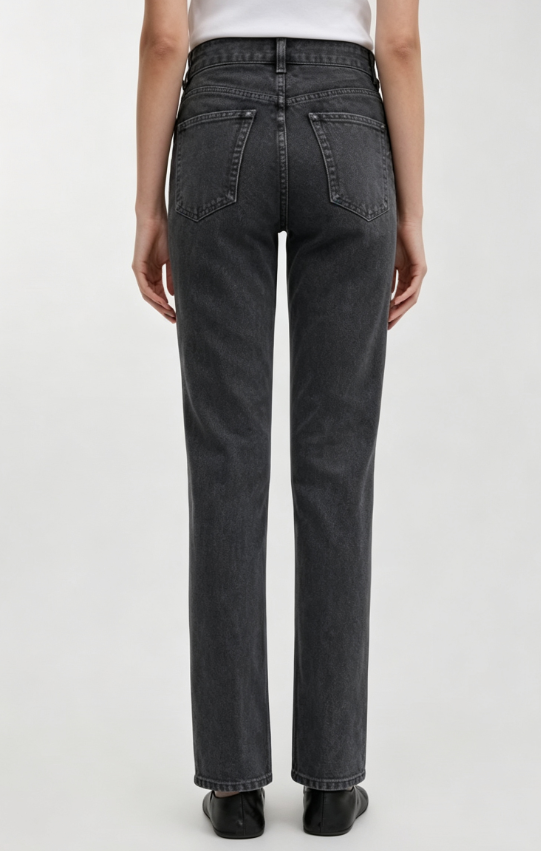
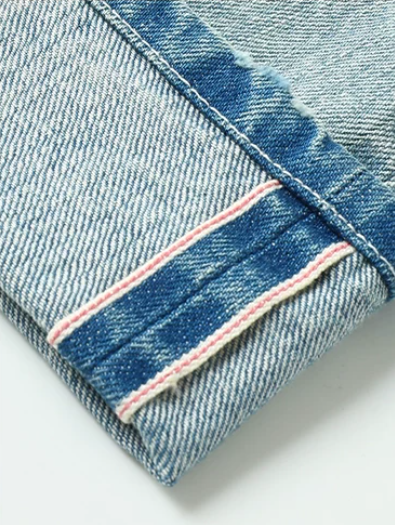
100% cotton ring-spun denim gives a crisp heritage hand and predictable aging, while 1–2% elastane improves reach at sleeves and fitted bodies. Rigid jackets generally recover less than stretch constructions after repeated washing. 20–50% recycled cotton can support a responsible-material brief, but shorter recycled fibers may change strength and surface character. Ask whether the base is 3×1 right-hand twill, left-hand twill, or broken twill.
- Request mill composition and country-of-origin records.
- Confirm recycled-content certification scope.
- Match stretch percentage to intended silhouette.
Weight And Wash Response
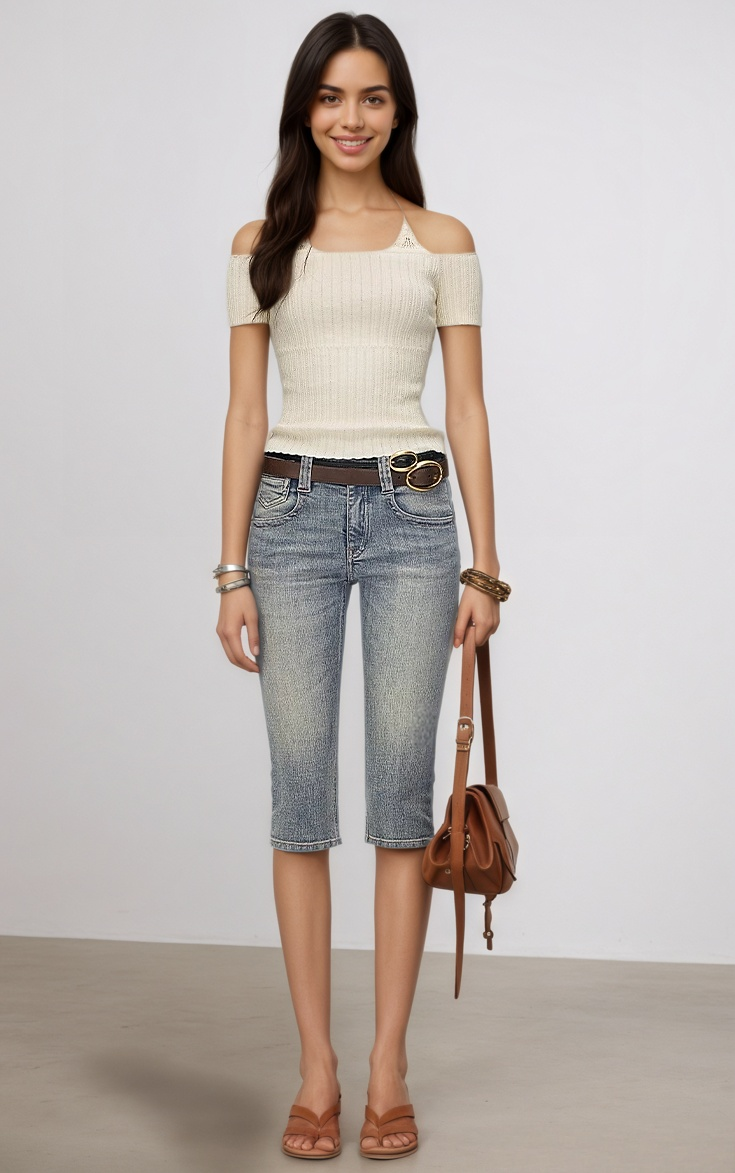
8–10 oz denim suits warm climates and layered shirt-jacket silhouettes; it drapes more readily but shows abrasion sooner. 15 oz and above creates stronger shape, yet needs careful seam engineering and longer break-in. Indigo, black, ecru, and sulfur-dyed colors can react differently to enzyme, stone, and bleach washes. Approve a wash standard with acceptable shade variation before bulk cutting.
Verification Before Bulk
Three swatches per candidate fabric—unwashed, washed, and decorated—help buyers compare hand feel, shade, and print or embroidery behavior. Junsheen can source denim through its supplier network and review swatches during development. 5% shrinkage is a practical alert threshold for pattern review; test length and width after the planned wash. Request fiber-composition test reports plus applicable GRS, GOTS, or OEKO-TEX documentation rather than relying on a supplier claim.
5. Denim Jacket Custom Decoration Options
Decoration changes both perceived value and production risk in a denim jacket custom program. Choose methods after confirming denim weight, wash recipe, artwork scale, placement, and target retail tier; sequencing matters because many finishes can fade or damage applied trims.
| Method | Visual Effect | Placement Limits | Wash Compatibility | Setup Implication |
|---|---|---|---|---|
| Embroidery | Textured premium logo | Avoid bulky seams | Good after wash | Digitizing required |
| Screen print | Bold graphic coverage | Best on flatter panels | Test after wash | Screens per color |
| Patch or appliqué | Layered branded detail | Avoid high-flex zones | Good if stitched | Custom patch sampling |
| Laser or distressing | Tonal worn character | Panel-dependent | Built into wash recipe | Wash approval needed |
| Rivets or studs | Hardware accent | Clear seams and pockets | Apply after harsh wash | Hardware tooling |
Match Method To Artwork

Embroidery suits logos, line art, and premium heritage details; dense fills need stabilizer and can stiffen lightweight denim. Keep large embroidery off high-flex elbows and heavy seam intersections. Screen print handles broad color fields and graphic fronts economically after screen setup. Test opacity on dark indigo and approve the print after the planned wash.
- Embroidery: dimensional, premium, high durability
- Screen print: graphic coverage, color-dependent setup
- Patches and appliqué: layered branding, visible edge construction
Build The Finish Sequence

Laser work creates precise tonal artwork without added ink, while distressing, bleaching, and garment dye create a worn or fashion-forward character. Approve a wash standard because abrasion, chlorine effects, and overdye can change shade and hand feel. Rivets and studs add durable hardware value but require placement clearance from pockets, seams, and body-contact areas. Apply them after aggressive washes where possible to limit scratching and corrosion risk.
Protect Brand Identifiers

Custom woven or leather labels, size labels, and care labels should be specified before sampling. Labels need wash testing, secure stitching, and sufficient seam allowance; coated leather patches can darken or mark during wet processing.
6. Denim Jacket Construction Quality Essentials
Construction quality is visible before a jacket is worn: even topstitching, balanced collar points, aligned pockets, and secure hardware define a credible denim jacket custom program. Confirm these details at each approval stage, not only after bulk production begins.
Seams And Stress Points

8–10 stitches per inch is a practical benchmark for durable denim seams; inconsistent density can pucker fabric or weaken high-stress joins. Use clean felled or double-needle seams where the design calls for visible reinforcement. 3–5 bartacks typically secure pocket corners, placket bases, and other pull points. Inspect for skipped stitches, broken thread, seam roping, and exposed raw edges in the prototype.
- Check sleeve-cap and side-seam smoothness
- Confirm bartacks match both sides
- Pull-test pocket corners and placket base
Pockets, Plackets, And Collar

2 chest pockets should sit level with matched flap angles, topstitch spacing, and distances from the center front. Measure both sides from fixed reference points rather than judging alignment by eye alone. 1 collar must lie flat without twisting, with balanced points and an even stand. Buttonholes should be densely bound, cleanly cut, and sized for the selected shank or tack button.
- Compare pocket placement to approved pattern
- Close every button through its buttonhole
- Check placket edges for twisting
Hardware, Lining, And Wash

100% of snaps, tack buttons, rivets, and zippers should be checked for attachment security and correct finish before packing. Hardware must match the approved sample, including logo orientation and plating tone. Each wash lot should match the approved standard for shade, abrasion, softness, and placement of fading. For lined styles, inspect lining seam allowance, hem attachment, sleeve mobility, and whether the lining pulls the shell out of shape.
- Verify hardware count and placement
- Compare wash shade under consistent lighting
- Check lining for twisting or trapped seams
Approval And Final QC
1 pre-production sample should lock the construction standard before cutting bulk fabric. Review a measurement report against tolerances, then photograph approved seams, pockets, collar, hardware, and wash as production references. A final inspection should cover measurements, workmanship, appearance, function, labeling, and packed quantity across sampled cartons. Junsheen can retain approved patterns, graded size sets, and material records to support repeat-order consistency.
- Prototype: validate pattern and construction
- Pre-production: approve wash and hardware
- Final QC: inspect measurements and packed goods
7. Choosing a Denim Jacket Custom Manufacturer
100-unit starting quantities can make a capsule feasible, but only if the factory can preserve fit, wash consistency, and delivery control. Evaluate a denim jacket custom supplier through evidence, not a quotation alone.
Verify Denim Track Record

3 recent denim developments reveal more than a generic factory portfolio: request front, back, inside, and wash-detail photos plus finished measurements. Ask whether the team has handled rigid and stretch denim, contrast stitching, bartacks, metal hardware, and post-wash shrinkage. 2 approved reference samples should be available for comparison: one raw construction sample and one washed, trimmed production-standard sample. Confirm who controls wash recipes and shade approvals when lots change.
- Request wash standard and shade-band photos
- Ask for measurement tolerances after washing
- Review hardware, seam, and pocket closeups
Test Development Discipline
1 complete tech-pack review should identify missing seam specs, point-of-measure locations, grading rules, and wash targets before sampling. Pattern makers should adjust shoulders, sleeve pitch, body balance, and increments rather than simply scale a base size. XS–3XL programs need a size-set sample when extended sizing is planned. Request the pattern revision log, graded measurement chart, fabric test results, and a written sample calendar.
Audit Production Readiness
80,000+ monthly units may indicate useful scale, yet buyers should ask what capacity is actually available in their delivery window. Request an inspection flow covering incoming fabric, in-line sewing, measurements, decoration, and final packed-goods checks. 3 compliance questions matter: which current audits or certifications apply, what traceability records are retained, and how are defects corrected? Verify export support, carton specifications, Incoterms, lead times, and pre-shipment balance requirements in writing.
- Current compliance documents and audit scope
- QC reports from comparable denim orders
- Shipping options, port, and document support
8. Common Denim Jacket Custom Buying Mistakes
At a 100-unit MOQ, small specification gaps can consume the margin of an entire denim jacket custom launch. A single control point before bulk—approved materials, fit, and trims—prevents most avoidable rework.
Define The Tech Pack
One incomplete tech pack invites factory interpretation on measurements, stitch count, pocket placement, and artwork scale. Specify 8–12 key points of measure, construction callouts, Pantone references, and a dated revision number. Two quotes are comparable only when fabric weight, wash, trim quality, packaging, and quantity are identical. Normalize these inputs before selecting a supplier; the lowest incomplete quote commonly becomes the highest landed cost.
Approve Fabric And Wash

Two fabric photos can show the same blue while hiding different ounces, stretch recovery, and shrinkage. Review physical swatches and a sewn wash test before approving a 10–14 oz denim specification. Indigo, acid, stone, and enzyme washes vary between lots and panels. Approve a signed wash standard with acceptable shade range, then retain it for bulk inspection and repeat orders.
Plan Trims Before Bulk

Three-to-six-week lead times are common for custom metal buttons, woven labels, leather patches, and branded zipper pulls. Confirm trim artwork, plating, dimensions, and quantity before locking the production calendar. A two-week trim delay can leave finished cut panels waiting and compress final quality checks. Use approved-stock hardware for urgent launches, or build custom-trim lead time into the critical path.
Never Skip Fit Approval
A 100-unit run with unapproved sleeve length or shoulder balance is expensive inventory, not a minor sample issue. Approve a fit sample and, for XS–3XL programs, a graded size set against written tolerances. One base pattern enlarged mechanically often distorts mobility and body proportion in extended sizes. Record corrections by size before pre-production approval so grading changes do not reach bulk unnoticed.
Limit First-Order SKUs
Four colors across three fits can turn a 100-unit launch into fragmented quantities with weak unit economics. Start with one proven fit, one wash, and one or two commercial colors, then reorder from retained patterns. Two extra SKUs also multiply sampling, labeling, wash approvals, and inventory risk. Expand only after sell-through data identifies the wash, size curve, and price point worth repeating.
9. Steps to Launch a Custom Denim Jacket Line
A 100-unit-per-style-and-color starting point lets an emerging label test a clear customer, fit direction and price band before expanding. For a denim jacket custom launch, lock the reference garment, silhouette and target retail price before sampling begins.
Define The First Drop
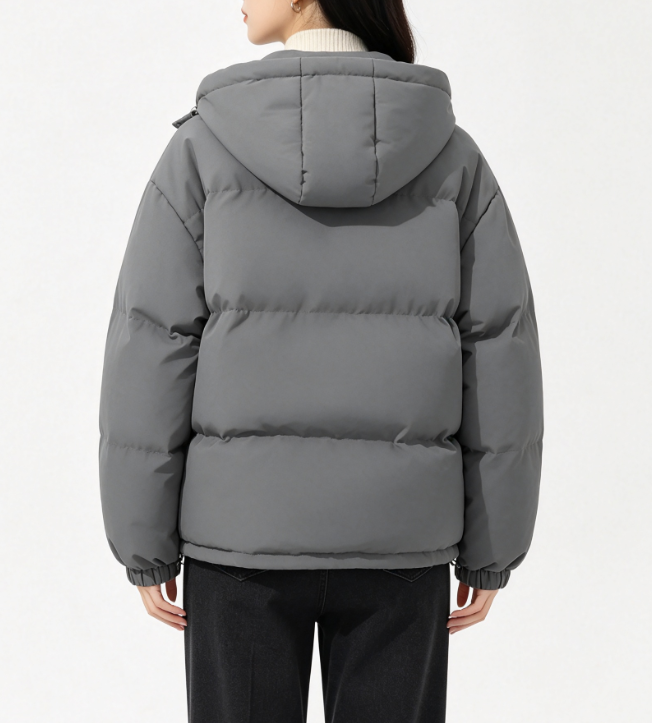
One hero jacket in one wash and one or two colors limits fabric, trim and wash variables. Choose the customer, cropped or oversized proportion, size range and sales channel before requesting development.
- Set target retail price
- Select one core silhouette
- Confirm initial size range
Build The Development Package
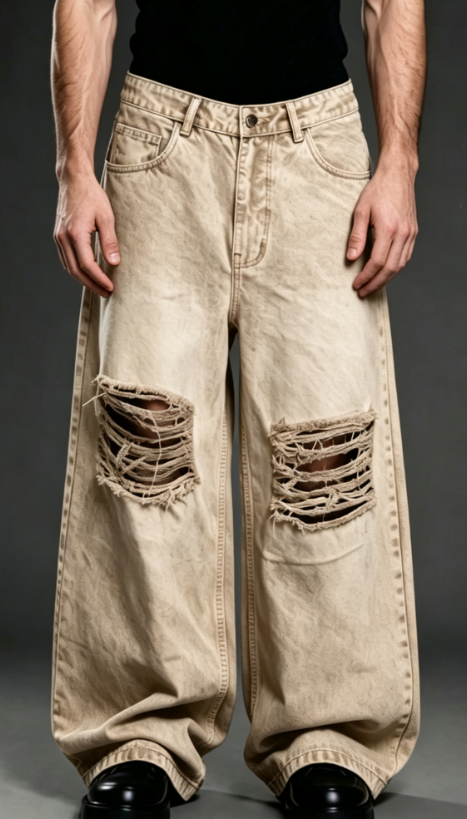
A complete tech pack specifies measurements, construction, Pantone color, denim weight, wash reference, artwork and branded hardware. Samples can begin from a sketch or reference garment, but missing details create revision cycles and move the delivery date.
- Measurement specification
- Wash and distress reference
- Label and hardware placement
Approve Before Bulk
One prototype should be reviewed for fit, wash, stitching and decoration; revise patterns and grading before a size set or pre-production sample. Bulk timing depends on fabric availability, custom trims, wash testing and written approval, so do not book launches against an unapproved sample.
- Approve final measurements
- Confirm bulk material swatches
- Sign off pre-production sample
Inspect And Deliver
Incoming-fabric, in-line and final packed-goods inspections should verify shade, measurements, seam quality, wash consistency and labeling. A focused first collection reduces inventory risk while retained patterns and material records make repeat orders faster.
- Check carton quantities
- Review measurement tolerance
- Settle balance before shipment
10. Denim Jacket Custom Pricing and Costs
100 units per style and color is JUNSHEEN’s practical starting point for a capsule denim jacket custom program. The ranges below are planning indicators, not guaranteed quotations; final pricing follows the approved tech pack, fabric, wash, trims, artwork, packing method, and destination. 10–14 oz denim is a major material-cost lever: heavier rigid denim, stretch blends, recycled content, and specialized enzyme, stone, acid, or garment-dye washes each change consumption and processing cost. Embroidery, screen print, patches, custom metal hardware, YKK zippers, leather labels, and branded packaging add cost by placement, stitch count, color count, and order quantity. 2–3 sample rounds can be cheaper than correcting fit or wash issues after bulk approval. Landed cost should separately budget sample development, freight, duties, insurance, inspection requirements, and any MOQ surcharge; retained patterns and graded size sets can reduce repeat-order development expense.
| Quantity tier | Indicative unit cost | Typical lead time | Typical inclusions |
|---|---|---|---|
| 100–299 units | US$22–42 | 35–55 days | Standard denim, basic wash, labels, simple trims |
| 300–999 units | US$18–34 | 30–50 days | More efficient cutting, wash, decoration, private label |
| 1,000+ units | US$15–29 | 30–45 days | Volume material buying, consolidated production, branded packing |
Start Your Denim Jacket Custom Program Today
Send your tech pack, reference garment or concept for a fit-focused OEM quotation from 100 units per style and color.