Knitwear Jacket Factory for Fit-Focused Private Label
Launch custom knitwear jackets with a knitwear jacket factory offering 100-unit MOQs, XS–3XL grading, OEM development, and scalable production.
Featured Products for knitwear jacket factory Development






Knitwear Jacket Factory Catalogue & Quotation






Why Brands Choose Our Knitwear Jacket Factory
From low-MOQ development to global delivery, JUNSHEEN provides the technical support and production control brands need to launch confidently.
100-Unit MOQ Launches
Launch knitwear jacket styles from 100 units per color and style, ideal for testing capsules before scaling successful collections.
OEM and ODM Development
Bring a tech pack, sketch, reference sample, or concept; our OEM and ODM team develops production-ready knitwear jackets.
Fit-Focused XS–3XL Grading
Refined XS–3XL grading adjusts proportions, sleeve balance, and mobility instead of simply enlarging one base pattern across the size range.
Integrated Branding Details
Coordinate embroidery, printing, labels, trims, and branded packaging through one supply chain for a consistent private-label jacket finish.
Scalable Global Production
Rely on 200+ skilled workers, 80,000+ monthly units, and export coordination to support repeat orders across global markets.
Custom Apparel Programs for Every Collection
From capsule launches to scalable bulk production, Junsheen develops fit-focused casualwear, denim, outerwear, and knitwear from 100 units per style and color.
Custom Hoodies
Develop custom hoodies in fleece, French terry, or jersey with fit development from XS to 3XL. Choose oversized proportions, embroidery, screen printing, garment washes, branded labels, and packaging for capsule launches or repeat bulk programs.
Request a Quote
Custom T-Shirts
Produce custom T-shirts in combed cotton, Pima cotton, organic options, and blended jersey. Junsheen supports specification review, pattern grading, DTG, DTF, screen printing, embroidery, washes, and private-label finishing from 100 units per style and color.
Request a Quote
Custom Jeans
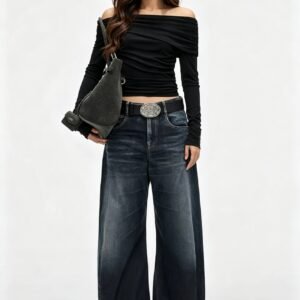
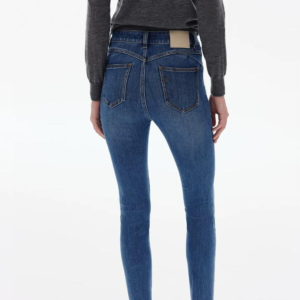
Develop custom jeans in rigid or stretch denim with refined rises, leg shapes, washes, and extended-size grading. Production supports custom hardware, embroidery, patches, labels, distressing, stone wash, acid wash, and coordinated denim programs.
Request a Quote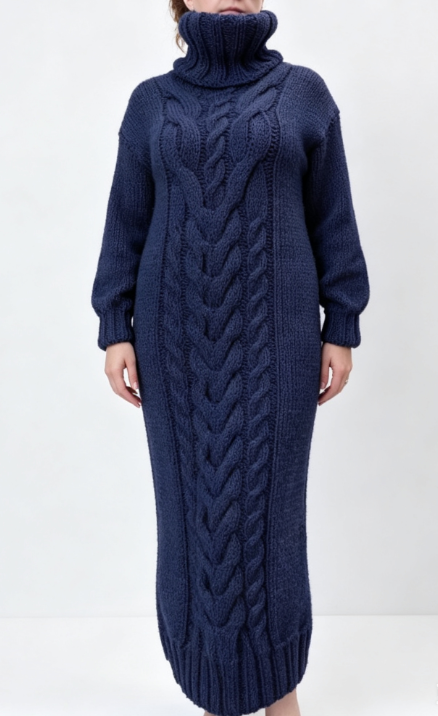
Custom Sweaters
Source turtle neck sweater bulk programs with yarn and gauge recommendations suited to target cost, hand feel, warmth, and drape. Develop pullovers in standard, oversized, and extended sizes with controlled grading, rib details, labels, and repeat-order consistency.
Request a Quote
Custom Jackets
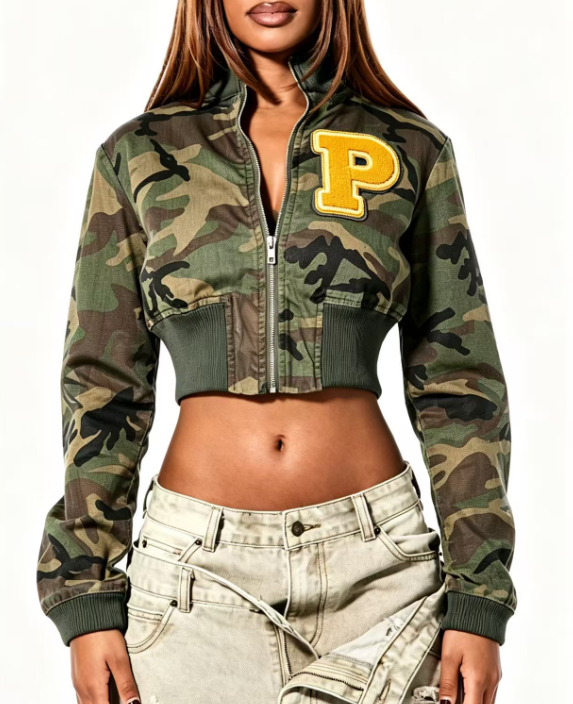
Manufacture custom jean jackets in denim, twill, or stretch-denim constructions. Junsheen supports pattern development, fit adjustments, branded buttons and labels, embroidery, patches, garment washes, and coordinated denim sets for wholesale or private-label collections.
Request a Quote
Custom Sweatshirts & Crewnecks
Build custom crewneck hoodie and sweatshirt programs in fleece, French terry, and jersey. Develop crewneck, drop-shoulder, oversized, and fit-focused silhouettes with size grading, rib trims, prints, embroidery, washes, and branded packaging.
Request a Quote
Custom Cardigans
Produce custom cardigans with knitwear development tailored to yarn choice, gauge, drape, and intended season. Pattern makers manage body balance and grading through XS–3XL, while production can include custom buttons, labels, patches, and retail-ready packaging.
Request a Quote
Custom Puffer & Down Jackets
Develop custom puffer jackets with fabric, insulation, quilting, trim, and construction options aligned to the collection’s weather and price targets. Junsheen supports fit sampling, extended sizing, custom zippers, reflective details, labels, and export-ready quality control.
Request a Quote
Custom Denim Shorts
Manufacture custom jean shorts in rigid or stretch denim with tailored inseams, rises, pocket construction, and size grading. Add custom hardware, distressed effects, stone or acid washes, embroidery, patches, labels, and packaging for seasonal denim drops.
Request a Quote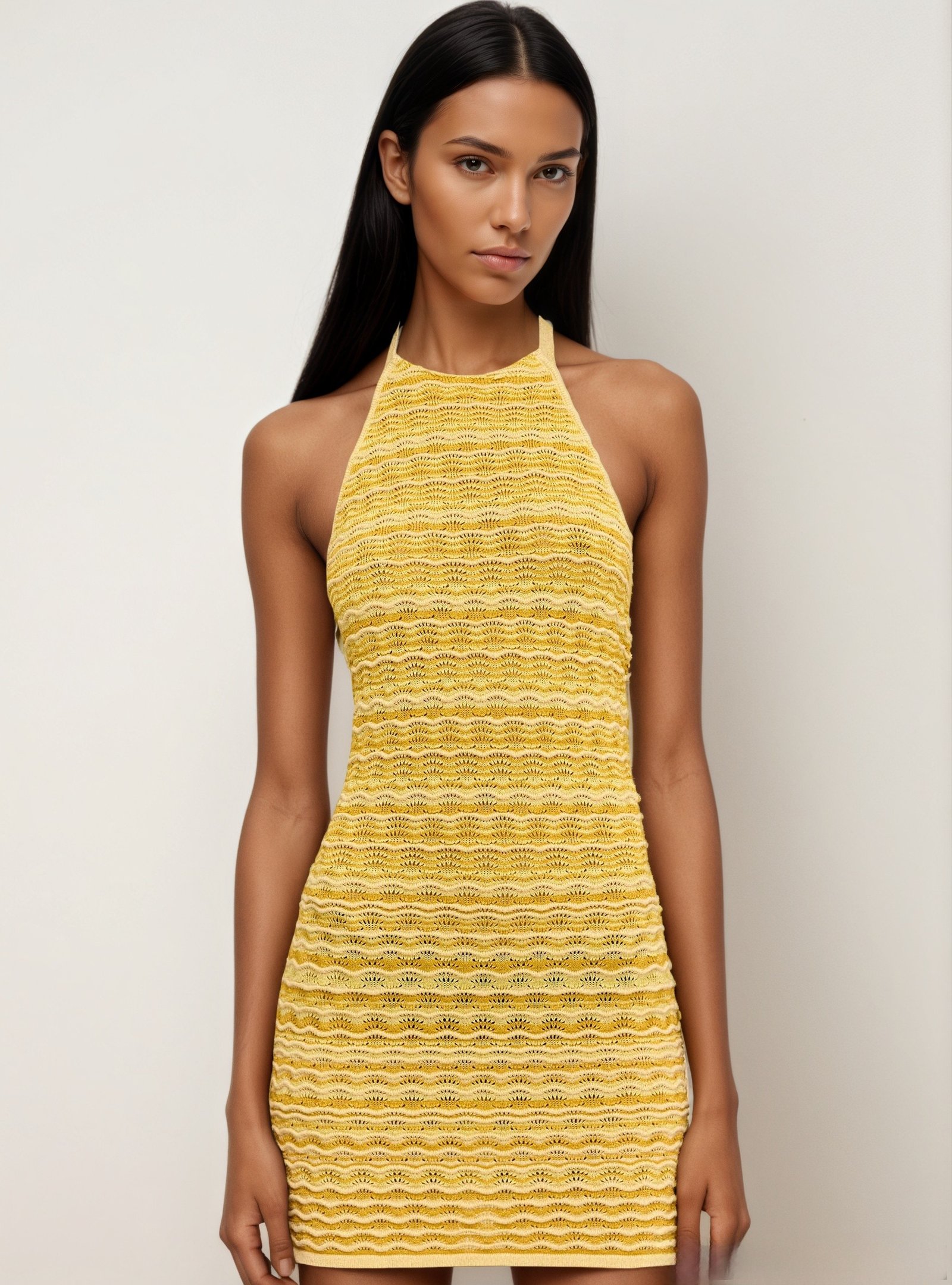
Custom Sweater Dresses
Create custom sweater dresses with knit structures, yarns, gauges, and silhouettes selected for fit, drape, and wearability. Junsheen develops normal, plus-size, and oversized proportions, with rib finishes, labels, trims, and sample approval before bulk production.
Request a Quote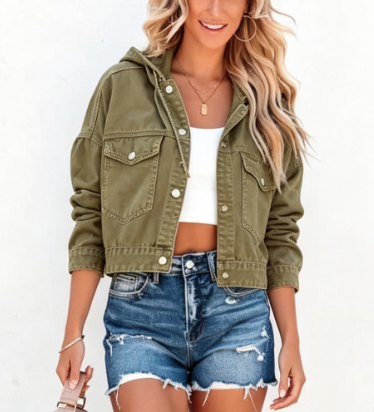
Custom Denim Sets
Produce mens denim suits wholesale programs as coordinated jackets and jeans or denim separates. Junsheen manages fabric consistency, matching washes, fit development, branded hardware, decoration, private labels, and scalable production for retail and wholesale replenishment.
Request a Quote
Custom Polo Shirts
Manufacture custom polo shirts in piqué, jersey, performance knits, or blended fabrics. Develop collar construction, plackets, sleeve fit, and grading from XS–3XL, then add logo embroidery, printing, custom buttons, labels, and branded packaging.
Request a Quote
Custom Sweatpants
Produce custom sweatpants in fleece, French terry, and jersey with fit-focused rises, inseams, leg openings, and extended-size grading. Choose elastic or rib cuffs, drawstrings, pockets, embroidery, prints, washes, labels, and matching tops for complete sets.
Request a Quote
Custom Shorts
Develop custom shorts in jersey, fleece, twill, woven, or performance fabrics. Junsheen supports inseam and rise adjustments, fit grading, pockets, drawstrings, custom trims, printing, embroidery, washes, and low-MOQ capsule production from 100 units per style and color.
Request a Quote
Custom Pullovers
Manufacture custom pullovers in knitwear, fleece, French terry, or jersey according to the intended hand feel and silhouette. Support includes pattern creation, XS–3XL grading, rib trims, embroidery, prints, garment finishing, labels, and production-ready samples.
Request a QuotePerformance Materials for Custom Knitwear Jackets

Cotton Knit
Breathable cotton knit delivers a soft, natural hand for everyday cardigan and varsity-style jackets. Available in midweight constructions, it offers comfortable wear, dependable color retention, and easy-care wash performance for branded casual collections.

Wool Blend
Wool-blend yarns provide warmth, structure, and a premium tactile finish for elevated knitwear jackets. Mid- to heavyweight gauges improve shape retention, while carefully selected blends balance natural insulation with more practical durability and care.

Merino Wool
Fine merino wool creates a smooth, refined hand for lightweight layering jackets and polished knit overshirts. Its natural temperature regulation and soft next-to-skin feel support premium collections, with yarn selection tailored for pilling resistance and wash requirements.

Viscose Nylon
Viscose nylon blends combine fluid drape with added resilience for fitted or fashion-led knitwear jackets. The yarn produces a smooth, cool hand and controlled stretch, while nylon strengthens recovery, abrasion resistance, and repeat-wear durability.

Acrylic Blend
Acrylic-blend knit offers a warm, wool-like touch at a cost-conscious target for commercial jacket programs. It accepts color well, maintains lightweight comfort, and can be engineered with anti-pilling finishes to improve wash performance and appearance retention.

Recycled Polyester
Recycled polyester knit supports durable, easy-care jacket layers with consistent color and strong shape recovery. Suitable for textured or performance-inspired styles, it dries quickly, resists wrinkles, and can be blended for softer hand feel and stretch.
Knitwear Jacket Factory Decoration & Finishing Processes

Logo Embroidery
Flat, 3D/puff, chain-stitch, applique, sequin, and logo embroidery add dimensional branded detail. We review stitch placement and backing requirements to help preserve knit structure, visual clarity, and wear durability.

Screen Print Effects
Plastisol, water-based, puff, flocking, silicone, high-density, foil, and discharge screen-print options create distinct surface effects. Process selection considers the knit surface, artwork coverage, stretch needs, hand feel, and wash performance.

Custom Patch Application
Custom embroidered patches and applique details create tactile, identifiable branding for knitwear jackets. Placement, edge finish, attachment method, and scale are reviewed during sampling to achieve a balanced, secure, production-ready result.

Garment Dyeing
Garment dye, tie-dye, acid wash, and stone-wash treatments can create depth, variation, or a lived-in character. Sample testing helps confirm the intended shade, hand feel, and appearance for the selected knit construction.

Softening And Finishing
Softening, enzyme washing, anti-pilling treatment, brushing, and napping refine touch and surface character. We align finishing choices with the yarn blend and target look to support comfortable wear and consistent bulk results.
Custom Trims & Accessories for Knitwear Jackets

Custom Zippers
Choose metal, nylon, or molded zippers with branded pullers for front closures and pockets. We match zipper finish, tape color, gauge, and functionality to your knitwear jacket’s weight, styling, and target price.

Snap Buttons
Add custom snaps to plackets, cuffs, collar tabs, and pockets for a clean functional closure. Available finishes can support varsity, utility, casual, or premium private-label knitwear jacket collections.

Woven Labels
Create woven main labels, size labels, and wash-care labels that reinforce your brand at every touchpoint. Our team can position labels securely in necklines, side seams, pockets, and interior panels.

Drawcord Tipping
Specify drawcord materials, colors, tips, and eyelets for hooded or hem-adjustable knitwear jackets. Branded metal tips and color-matched cords provide a considered finish while supporting everyday wearability.

Rib Knit Trims
Coordinate custom rib cuffs, collars, waistbands, and hem bands for reliable recovery and a unified silhouette. We develop rib construction, stripe details, weight, and color to complement the main knitwear body.
Hangtags Packaging
Finish production with custom hang tags, barcode stickers, polybags, tissue, and branded packaging for wholesale or direct retail delivery. Packaging specifications can be aligned with your labeling, compliance, and export requirements.
About Our Knitwear Jacket Factory
Founded in 2010 in Humen Town, Dongguan, JUNSHEEN is a knitwear jacket factory built to turn fashion concepts into dependable production. We provide OEM, ODM, private-label and product-development support for global brands, from early material selection and pattern making through sampling, quality control and export.
More than 200 skilled workers and monthly capacity exceeding 80,000 units give brands room to launch focused capsules or scale proven knitwear jacket programs. Having served 2,000+ fashion-brand clients, we support 100-unit MOQs per style and color with responsive coordination for international sourcing teams.
What differentiates JUNSHEEN is integrated, fit-focused manufacturing. Our team develops XS–3XL, extended-size, plus-size and oversized proportions with considered grading, then coordinates knitting, cut-and-sew work, decoration, labels, trims, packaging and shipment through one accountable supply chain.

Knitwear Jacket Factory Capabilities for Consistent Results
Fit Engineering Across XS–3XL
Our pattern makers develop knitwear jackets around real proportions, refining shoulder balance, sleeve length, body ease and grading increments instead of simply scaling a base size. This fit-first process supports standard, extended-size, plus-size and modern oversized collections.
- Pattern development from sketches, tech packs or reference garments
- Size grading engineered for mobility and proportion
- Prototype, size-set and pre-production fit approvals
- Manufacturability feedback before bulk commitment

Development From Concept to Sample
JUNSHEEN turns early product ideas into production-ready knitwear jackets through specification review, yarn and material sourcing, construction planning and sampling. Brands receive practical recommendations that balance hand feel, durability, target cost and the visual direction of the collection.
- OEM, ODM and private-label development support
- Material and trim options matched to your requirements
- Sampling for construction, fit and wash-performance review
- Low MOQs from 100 units per style and color

Integrated Customization In-House
A knitwear jacket factory needs more than knitting capability to deliver a complete branded product. JUNSHEEN coordinates embroidery, printing, washes, labels, trims and packaging within one supply chain, helping teams maintain clearer execution from approved sample through packed goods.
- Logo embroidery, patches and print effects
- Custom labels, hang tags, zippers and buttons
- Finishing options including softening and anti-pilling washes
- Branded packaging and export-ready presentation

Scalable Quality-Controlled Production
With more than 200 skilled workers and monthly capacity above 80,000 units, JUNSHEEN supports capsule launches and repeat bulk programs. Incoming materials, in-line workmanship, measurements, decoration and final packed garments are checked to help protect consistency as volume grows.
- Quality checks from incoming fabric through final packing
- Production capacity for growth beyond initial launches
- Retained patterns and material records for repeat orders
- Global shipping support for fashion brands worldwide

Why Brands Choose This Knitwear Jacket Factory Over Typical Suppliers
JUNSHEEN combines low-MOQ knitwear development, fit-focused grading, coordinated customization, and export-ready production in one accountable supply chain.
← 左右滑动查看 →
Our Knitwear Jacket Factory Production Process
A clear, fit-focused workflow from feasibility review to inspected, export-ready knitwear jackets.
Review Brief and Feasibility
We assess your tech pack, sketch, reference garment, target price, quantities, construction requirements, and fit goals before recommending a practical development path.
Source Yarn and Materials
Our team proposes suitable yarns, knit constructions, linings, trims, and labels based on hand feel, durability, weight, cost, and wash-performance requirements.
Create Patterns and Samples
Pattern makers develop XS–3XL grading and production specifications, then produce prototype samples for fit, construction, color, and branding approval before bulk confirmation.
Produce and Monitor Bulk
After approval, our knitwear jacket factory coordinates knitting, cut-and-sew assembly, decoration, finishing, and in-line quality checks across your confirmed production run.
Inspect, Pack, and Ship
Final inspections verify measurements, workmanship, decorations, and packed goods before branded packaging, export documentation, and global shipment support are arranged.
How to Work With Our Knitwear Jacket Factory
Move from concept to shipment with a clear, approval-led process built for custom OEM and private-label knitwear jackets.
Submit Your Product Direction
Share a tech pack, sketch, reference garment, or mood board with target quantities, sizing, fabric preferences, colors, branding details, and launch requirements.
Review Your Quote and Sample
Our team checks feasibility, recommends materials and construction, confirms the quotation, then develops a sample for fit, hand feel, workmanship, and branding review.
Approve Production Details
Confirm the approved sample, graded XS–3XL size specifications, colors, labels, trims, packaging, quantities, and delivery schedule before bulk knitwear jacket production begins.
Receive Quality-Controlled Shipment
JUNSHEEN monitors materials, measurements, knitting, finishing, and packed goods, then coordinates export-ready shipment for your approved order and repeat-program records.
Custom Clothing Manufacturer Credentials and Compliance Documents


What Global Fashion Brands Say About Our Knitwear Jacket Factory
JUNSHEEN refined the shoulder balance and sleeve grading across XS–3XL before bulk production. Our first knitwear jacket run of 600 units achieved a 98% measurement pass rate, cutting the fit revisions we expected for an extended-size launch.
We moved from a reference sample to an approved production sample in 24 days. The team clarified yarn, rib, lining, and label details early, so our 300-unit private-label jacket launch arrived on schedule with no last-minute packaging changes.
Starting at 100 units per color let us test two colorways without overcommitting. Sell-through was strong enough that we reordered 1,200 units, and JUNSHEEN retained our patterns and material records to make the repeat order straightforward.
Knitwear Jacket Factory FAQ
Clear answers on MOQs, development, production, payment and delivery for custom knitwear jacket programs.
What is the minimum order quantity at your knitwear jacket factory?
How long do knitwear jacket samples and bulk orders take?
Does your knitwear jacket factory charge for samples?
Can you develop a knitwear jacket from a tech pack, sketch or reference garment?
Can your knitwear jacket factory grade sizes from XS to 3XL?
What payment terms do you offer for custom knitwear jackets?
Do you arrange international shipping and export support?
How do you protect designs and intellectual property during development?
The Complete Buyer’s Guide to knitwear jacket factory
Use this decision framework to evaluate knitwear jacket factory capabilities, materials, quality controls, customization, pricing, and production readiness—while avoiding sourcing mistakes that create costly samples, delays, and inconsistent bulk orders.
1. What Is a Knitwear Jacket Factory?
Three production stages define a knitwear jacket factory: yarn preparation and knitting, panel linking or seaming, then washing, shaping, inspection, and packing. Unlike a garment assembler, it controls how stitch density, gauge, yarn count, rib recovery, and knitted panel dimensions combine before the jacket is fully made. 5GG, 7GG, and 12GG are common gauge references buyers use to specify a chunky, midweight, or finer knitted appearance, although yarn composition and stitch structure also change the result. A specialist knitwear producer can develop fully fashioned panels, link shoulders and sleeves, attach zippers or buttons, steam or wash for final measurements, and check pilling, measurements, appearance, and packing before shipment. 2010 is the founding year of Dongguan Junsheen Clothing Co., Ltd., which combines knitwear capability with pattern development, fit grading, trims, quality control, and export support. A dedicated knitwear jacket factory is the right partner when the product’s value depends on gauge, yarn hand feel, knitted construction, or consistent sizing across XS–3XL; a cut-and-sew outerwear factory is usually better suited to jackets made primarily from woven shells, insulation, and sewn panels.
2. Evolution of Knitwear Jacket Manufacturing
1900s workwear and military layers established the knit jacket as a practical warmth piece, but postwar sportswear turned cardigans, zip styles, and varsity-inspired silhouettes into recognizable fashion and uniform categories. By the 1990s, premium casualwear brands were using finer gauges, shaped panels, and branded trims to position knit jackets beyond basic layering. 1980s computerized flat-knitting systems changed development from manually intensive production toward programmable stitches, intarsia, jacquard, rib structures, and panel shaping. A modern knitwear jacket factory should still confirm machine gauge, yarn count, stitch density, and linking method, because a digital program cannot correct unsuitable yarn behavior or poor fit engineering. 100-unit per style-and-color programs now make capsule testing more practical than traditional large runs, especially when suppliers can coordinate sampling, pattern grading, yarn sourcing, and trim approval. Blends such as cotton-acrylic, wool-nylon, viscose-nylon, and recycled polyester can tune cost, recovery, softness, and wash durability; brands should expect swatches, a prototype, clear Pantone standards, and agreed lead times before committing to bulk.
3. Types of Knitwear Jacket Factory Products
A knitwear jacket factory should match the silhouette to its knitting method, trim package, and target retail channel before sampling. Six common formats range from soft layering pieces to structured outerwear, each with distinct gauge, closure, and labor requirements.
| Style | Best End Use | Key Sourcing Check |
|---|---|---|
| Cardigan/collarless | Layering and office casual | Pilling and placket stability |
| Zip-through | Sports-casual basics | Zipper reinforcement |
| Bomber/varsity | Youth and streetwear | Color placement and trims |
| Structured overshirt | Smart-casual collections | Collar and pocket stability |
Cardigan And Collarless Jackets

7- to 12-gauge cardigan jackets use button fronts or open plackets for contemporary womenswear, unisex layering, and resort capsules. Collarless versions need stable neck ribbing, clean linking, and carefully matched buttons; source low-pilling yarns when repeated officewear use is expected.
Zip-Through Styles
5- to 10-gauge zip-through jackets suit sports-casual and premium basics because the closure supports easy layering. Specify a YKK-compatible zipper length, tape color, guard construction, and rib recovery; heavy yarn can distort a lightweight zipper unless the front edge is reinforced.
Bomber And Varsity Designs
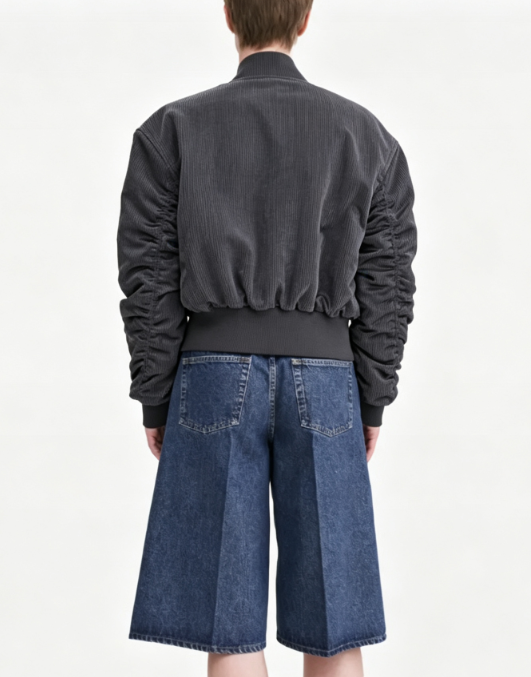
3- to 7-gauge bombers and varsity jackets create a fuller, youth-focused silhouette with rib cuffs, hem bands, and often contrast sleeves. These are among the more complex knit programs because stripe placement, intarsia panels, patches, snaps, and color matching raise sampling and yarn-planning demands.
Structured Knit Overshirts
7- to 12-gauge knit overshirts borrow woven-shirt proportions for smart-casual menswear, workwear-inspired labels, and elevated wholesale programs. Use dense Milano rib, ponte-like constructions, or plated yarns where collar shape, pocket stability, and a firmer hand matter more than stretch.
4. Knitwear Jacket Factory Materials and Yarns
Yarn selection determines whether a knitwear jacket factory delivers a crisp transitional layer or a dense winter outer piece. Specify fiber blend, gauge, yarn count, target weight, wash method, and approved hand feel before sampling.
| Material | Best Jacket Use | Hand And Warmth | Care / Cost |
|---|---|---|---|
| Cotton | Spring layering | Dry, breathable, medium warmth | Machine-friendly; mid cost |
| Merino wool | Refined cool-weather jackets | Soft, warm, light | Gentle care; premium |
| Cashmere blend | Luxury capsules | Very soft, high warmth | Pilling control; high cost |
| Acrylic blend | Value fashion programs | Soft, moderate warmth | Easy care; low cost |
| Viscose blend | Draped fashion jackets | Smooth, cool hand | Stabilize blend; mid cost |
| Recycled polyester/nylon | Durable performance layers | Resilient, moderate warmth | Easy care; mid cost |
Fiber Trade-Offs
100% cotton feels breathable and familiar, but can grow after wear; compact or combed yarn improves surface clarity. Wool and fine merino add warmth at relatively low weight, while cashmere blends soften the hand but require tighter pilling and care specifications.
- Acrylic lowers cost and adds color consistency.
- Viscose improves drape; pair it with stable fibers.
- Recycled cotton or polyester needs fiber-content verification.
- Nylon or elastane improves abrasion and stretch recovery.
Gauge And Weight
7–9 gauge constructions suit substantial cardigan-jackets, while 12–16 gauge delivers cleaner, lighter layering styles. A ribbed hem, cuff, or placket should use compatible yarn tension so recovery remains stable after laundering.
- Coarser gauge: warmer, more dimensional appearance.
- Finer gauge: smoother surface and lower bulk.
- Swatch-test washing before approving color and hand feel.
Care And Performance

3–5% elastane is often enough to improve cuff and hem recovery without making the body feel overly elastic. For wool-rich programs, require wash testing for shrinkage, spirality, pilling, and color migration before bulk yarn booking.
- Merino: premium warmth with gentler care.
- Acrylic: easy-care but assess pilling.
- Performance synthetics: useful for active, durable layers.
5. Customization and Decoration Options
For 100-unit capsule runs, lock the knit specification before requesting decoration options. A knitwear jacket factory should quote the engineered garment and post-assembly embellishment as separate cost drivers.
| Option | Built During Knitting | Quoted Input |
|---|---|---|
| Color blocking | Yes | Panel map and Pantone colors |
| Jacquard | Yes | Repeat, scale, and yarn colors |
| Intarsia | Yes | Artwork separations and color count |
| Embroidery | No | Vector file, size, placement |
| Private-label packaging | No | Label artwork, carton, polybag details |
Engineered Knit Features
3GG to 12GG gauges change weight, density, and the workable detail level; confirm gauge, yarn count, stitch structure, and rib width. 2-color blocking, jacquard, and intarsia are built during knitting, so supply a panel map and Pantone references before yarn booking.
- Specify cardigan, Milano, cable, or jersey structure
- State body, cuff, collar, and hem rib ratios
- Flag placement-sensitive logos before pattern approval
Applied Decoration And Trims
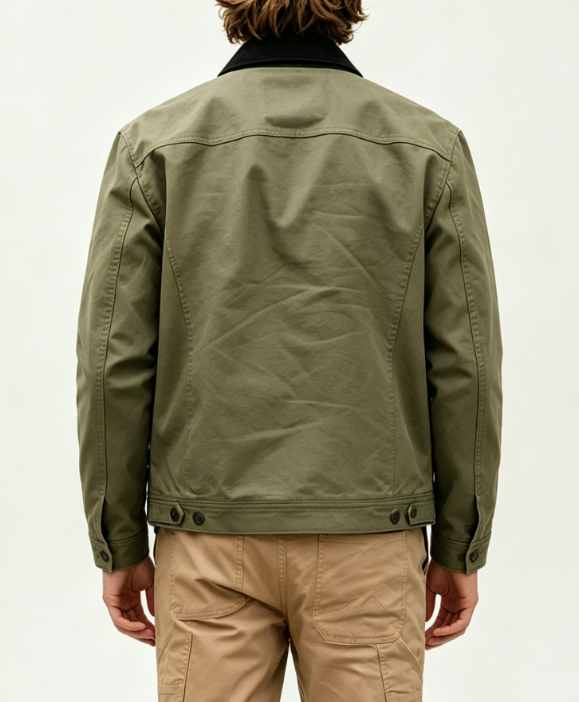
Embroidery, chenille patches, and woven labels are applied after panel knitting or assembly; each needs final placement dimensions and approved artwork. YKK-equivalent zipper type, puller finish, button diameter, snap color, and pocket hardware should be listed separately because trim MOQ and lead time vary.
- Provide vector artwork for embroidery and patches
- Name zipper length and open-end or closed-end type
- Specify woven-label fold, size label, and care-label copy
Quote And Sampling Inputs
1 approved tech pack should show graded measurements, colorway count, knit diagrams, trim bill of materials, and front-back artwork placements. 2 sampling rounds are common for a new style: review yarn shade, intarsia tension, embroidery backing, zipper function, and label placement before bulk approval.
- Send Pantone TCX or physical color standards
- Confirm artwork scale in millimeters
- Request photos and measurement records for approval
6. Construction Quality Elements to Inspect
A reliable knitwear jacket factory verifies construction before bulk approval, not only at final packing. Assess the approved sample alongside measurement records, wash results, and a pre-shipment inspection report.
Yarn And Stitch Control
At least three panels from one sample should show consistent yarn shade, twist, and surface character. Check stitch density against the approved specification; loose courses can distort shape, while excessive tension makes the fabric harsh. After gentle stretching, courses and wales should return evenly without laddering or uneven gaps. Ask whether yarn lots are controlled and whether pilling is evaluated after repeated abrasion or wash testing.
- Compare color across body, sleeves, and ribs
- Check for dropped stitches and yarn slubs
- Confirm stitch density on the approved sample
Panels, Seams, And Ribs
Linked shoulder and side seams should lie flat, align stripe or texture direction, and show no open loops. Panel matching matters most at front edges, pocket joins, armholes, and collar points. A rib cuff, hem, or collar should recover after 5–10 hand stretches without permanent flare. Plackets must remain straight when buttoned or zipped, with buttonholes cleanly bound and zipper tape free of waviness.
- Match panels at visible seams
- Test rib recovery at cuffs and hem
- Check placket edge stability
Hardware, Measurements, And Testing
Each button, snap, zipper, and puller should be firmly attached and operate smoothly through several cycles. For a knitwear jacket factory, request point-of-measurement results against the approved spec, including chest, body length, sleeve length, and opening widths. Typical production tolerances are often ±1–2 cm by measurement point, but the tech pack governs. Review wash-test shrinkage, color bleeding, seam integrity, and pilling results before releasing bulk shipment.
- Test zipper travel and button security
- Compare measurements with approved tolerances
- Review wash and pilling test records
Final Inspection Evidence
A pre-shipment report should state inspected quantity, defect categories, measurements, packing checks, and pass or fail results. Sampling plans commonly use AQL 2.5 for major defects and AQL 4.0 for minor defects, subject to the buyer’s agreement. Final checks should include stains, oil marks, needle damage, label placement, folding, polybag warnings, carton counts, and assortment accuracy. Reconcile report findings with the sealed approval sample before authorizing balance payment.
- Verify AQL level and sample quantity
- Review defect photos and corrective actions
- Confirm packed-carton quantities
7. How to Choose a Knitwear Jacket Factory
A first order should test a factory’s technical fit, not merely its quoted unit price. Ask for verifiable evidence before approving yarns, samples, deposits, and delivery dates.
Verify Product Experience
Request 3–5 recent knitwear jacket examples matching your silhouette, closure, gauge, and yarn blend. Review measurement sheets, wash results, inside finishing, and client references rather than relying on showroom photos.
Audit Development Capability
Ask whether the team can translate a tech pack, sketch, or reference garment into patterns, graded size sets, and a fit sample. Confirm sample-comment turnaround, Pantone approval steps, and who owns the revision log. 100-unit-per-style-and-color programs can suit capsule launches, but confirm MOQ by color, yarn minimum, and trim requirement. Request the sampling calendar and the bulk critical path in writing.
Confirm Production Controls
Specify the required knitting gauge and obtain the machine list, gauge range, and capacity allocation for your season. Ask for yarn supplier traceability, swatches, composition reports, color-lab process, and relevant OEKO-TEX, GOTS, BSCI, WRAP, or equivalent certificates where claimed. 4 checkpoints should cover incoming yarn, in-process panels, linking or assembly, and packed goods. Request an AQL standard, measurement tolerance chart, defect photos, and final-inspection report format.
Test Delivery Readiness
Request two customer references for comparable export programs and ask about on-time delivery, repeat-order consistency, and response speed. Verify commercial invoice, packing list, origin documentation, labeling, carton marks, and freight handoff responsibilities before paying a deposit.
8. Common Knitwear Jacket Sourcing Mistakes
A 5% cheaper quote can become the most expensive option when yarn substitution, rework, or rejected bulk goods follow. A knitwear jacket factory needs production-ready decisions before yarn is booked, not after sampling.
Price Without Specification Control
A low unit price is not comparable unless gauge, yarn count, fiber blend, stitch density, trims, and packing are matched. Request a line-item quotation and confirm approved substitutions in writing.
- Compare FOB terms and defect allowance
- Specify branded zippers and button standards
- Freeze yarn and trim alternatives before deposit
Incomplete Tech Packs
A one-page sketch rarely defines placket width, pocket placement, rib tension, or labeling. Submit measured flats, construction callouts, Pantone references, artwork files, and a graded size chart.
- List gauge and stitch structures
- State tolerance for key measurements
- Identify every logo placement
Yarn And Sample Validation
A 7GG cotton blend and a 12GG viscose blend can produce radically different weight, recovery, and appearance. Approve yarn composition, gauge, swatch color, and wash-tested sample before bulk release. Three wash cycles can reveal pilling, torque, shrinkage, color bleeding, and seam distortion. Test the sample against intended care instructions and retain the signed reference.
- Confirm Pantone under agreed lighting
- Check pilling and dimensional stability
- Approve lab dips before yarn dyeing
Fit, Color, And Inspection Gaps
XS–3XL grading cannot safely be created by enlarging a single body pattern. Review a size set for shoulder balance, sleeve length, body proportion, and mobility before production. AQL standards, measurement tolerances, and final-packing checks should be agreed before the purchase order. Define inspection points for knitting faults, holes, dropped stitches, decoration, color variation, and carton quantities.
- Use approved size-set measurements
- Set color-shade acceptance limits
- Document final inspection criteria
9. Steps to Launch a Knitwear Jacket Line
A launch starts with a defined customer, target retail price, and calendar—not a sketch alone. For a first knitwear jacket program, align design, merchandising, and sourcing on decision gates before a knitwear jacket factory reserves yarn or sampling capacity.
Set The Product Brief
1 customer profile should define silhouette, warmth level, size range, target cost, and planned color count. A mood board, reference garment, Pantone targets, and channel plan give design and merchandising one direction. 100 units per style and color can support a capsule launch at Junsheen, but SKU count still drives yarn, trim, and packaging complexity. Gate one is a signed brief with ownership for approvals and an allowable cost range.
- Customer and price architecture
- Mood board and reference photos
- Color, size, and delivery plan
Build And Validate The Tech Pack
1 production-ready tech pack should specify measurements, stitch types, yarn composition, gauge, closures, labels, artwork, and bill of materials. Junsheen can develop from a sketch or reference, then improve manufacturability through pattern making and grading. 2 sample rounds are common when fit, wash behavior, or construction changes are material. Gate two is written sample approval; record every correction by revision number rather than relying on chat images.
- Front, back, and detail flats
- Point-of-measure specification
- Artwork and placement dimensions
Approve Size Set And Bulk
XS through 3XL grading requires more than enlarging a base size: shoulder balance, sleeve length, mobility, and body proportion must be checked across the set. Review a size set before bulk when extended sizes or oversized fits are central to the offer. 3 approvals—fit, bulk material, and pre-production sample—should be frozen before cutting begins. Gate three is a signed pre-production approval matching the final yarn, colors, trims, branding, and packaging.
- Graded measurement chart
- Approved yarn swatch
- Pre-production sample photos
Control Packing And Shipment
4 inspection points—incoming materials, in-line construction, measurements, and final packed goods—reduce last-minute disputes. Agree acceptable tolerances, defect handling, carton marks, folding method, polybag requirements, and export documents before final inspection. 1 shipment plan should name the consignee, freight mode, carton count, and balance-payment date. Keep approved patterns, graded size sets, and material records for repeat orders and faster reorders.
- Final measurement report
- Packaging approval sample
- Carton and shipping marks
10. Knitwear Jacket Factory Pricing and Costs
100 units per style and color is a practical starting point for a custom knitwear jacket factory program; the indicative FOB ranges below assume a standard acrylic-cotton or cotton-blend knitted jacket, one colorway, conventional rib trims, and no unusually complex decoration. They are budgeting benchmarks, not a binding quote. 3 variables usually move the unit cost fastest: yarn composition and weight, gauge, and stitch structure. Wool, organic cotton, recycled certified yarns, intarsia, jacquard, cables, fully fashioned shaping, zipper quality, embroidery, custom labels, branded packaging, sampling, inspection level, and freight can each change the total materially. 1 confirmed tech pack is the basis for an accurate quotation because knit consumption depends on measurements, gauge, panel count, color changes, trim specifications, and finishing requirements. A factory should confirm the BOM, Pantone colors, graded size range, sample standard, packing method, Incoterm, and destination before locking price and delivery.
| Order quantity | Indicative FOB unit price | Typical production lead time | Key assumptions |
|---|---|---|---|
| 100–299 units | US$18–38 | 30–45 days | Simple structure; sampled yarn and standard trims |
| 300–999 units | US$15–32 | 35–50 days | Improved yarn and knitting efficiency |
| 1,000+ units | US$12–28 | 45–60 days | Bulk yarn booking; approved sample and packing |
Partner With Our Knitwear Jacket Factory Today
Send your tech pack, sketch, reference garment, or sourcing requirements to receive a quote and begin fit-focused sampling from 100 units.