
Custom Baggy Jeans, Built for Your Brand
Launch custom baggy jeans from 100 units per style and color with OEM, ODM, and private-label development plus fit-focused XS–3XL grading.
Featured Products for custom baggy jeans Development

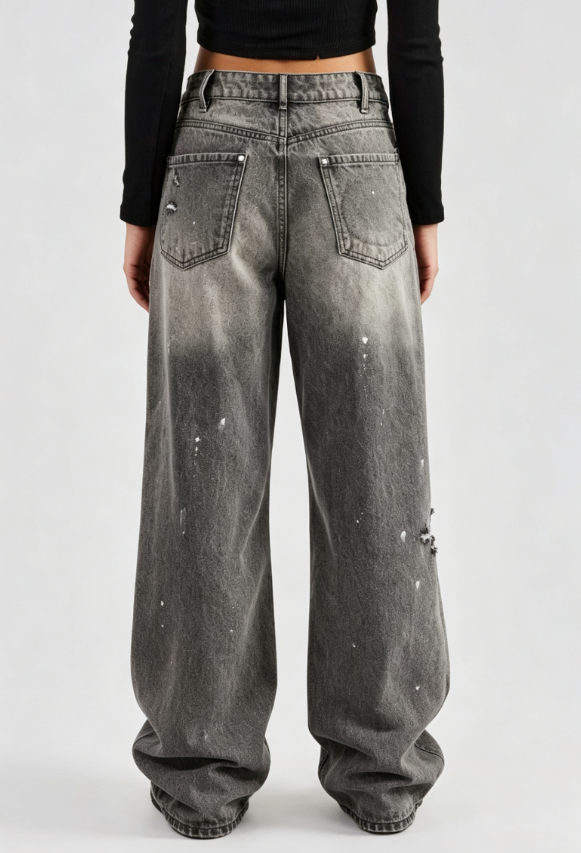
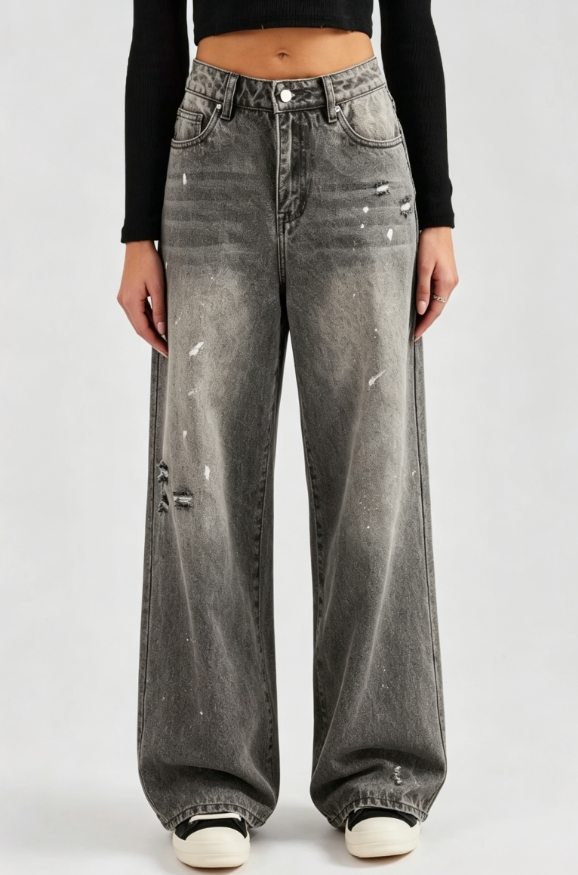
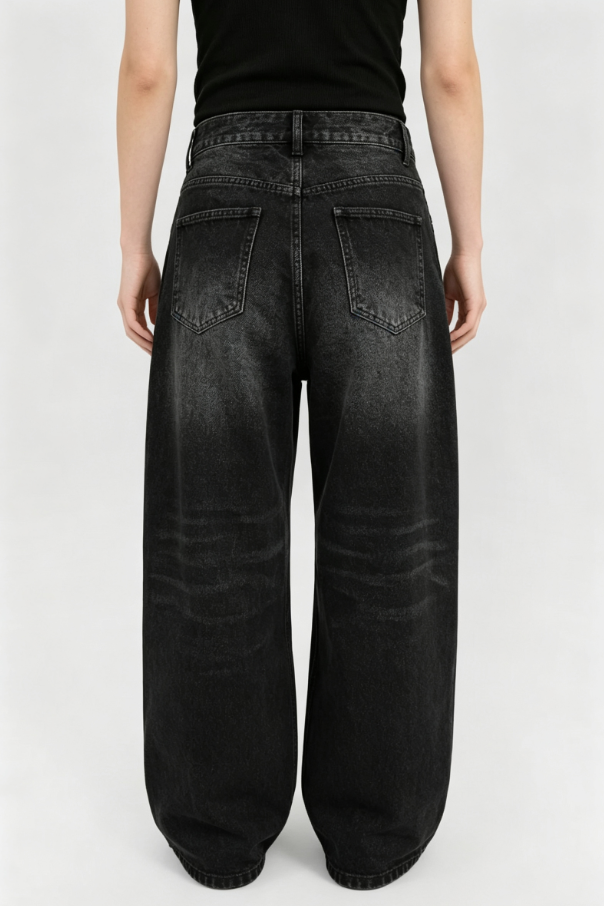
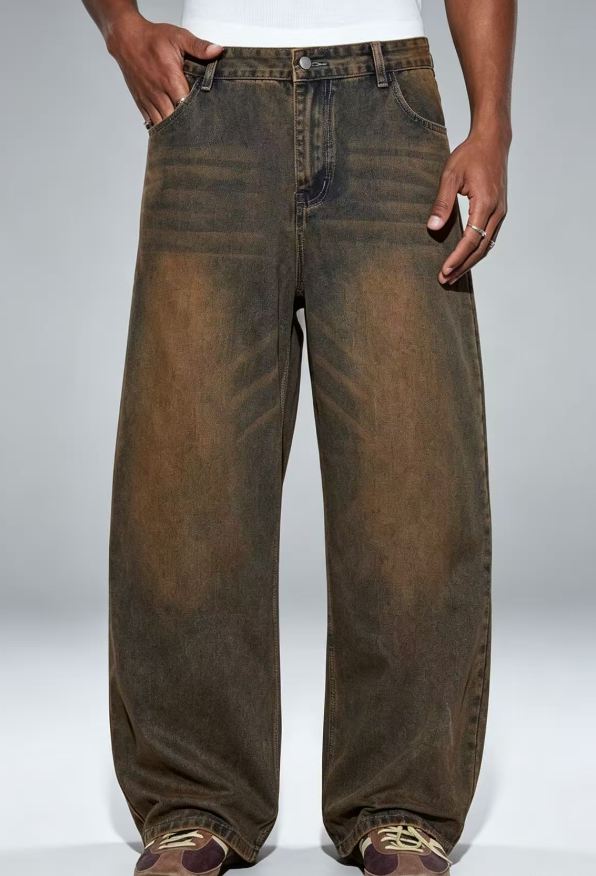


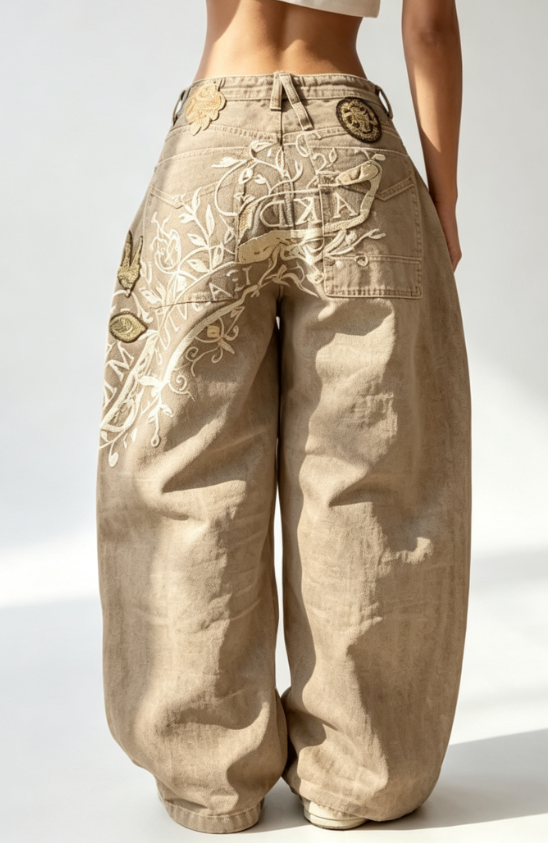
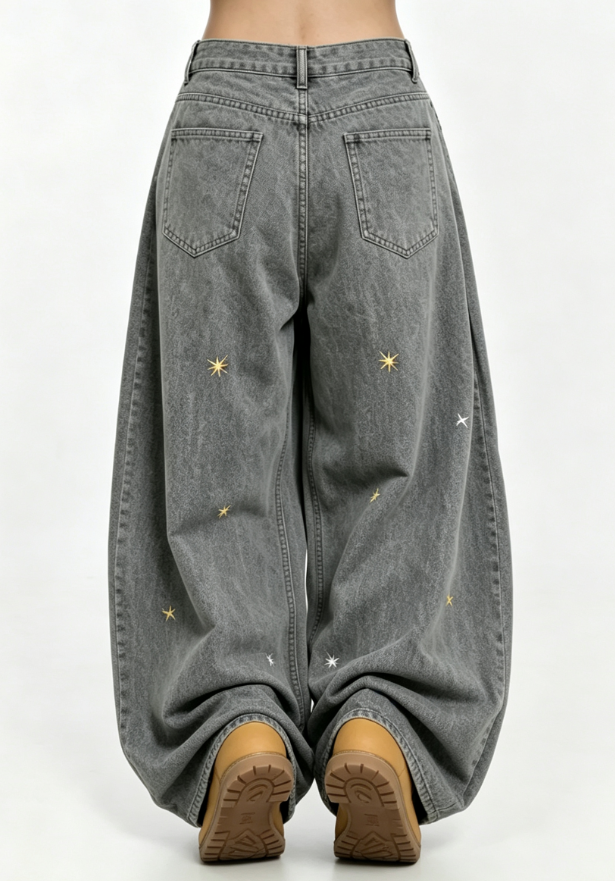

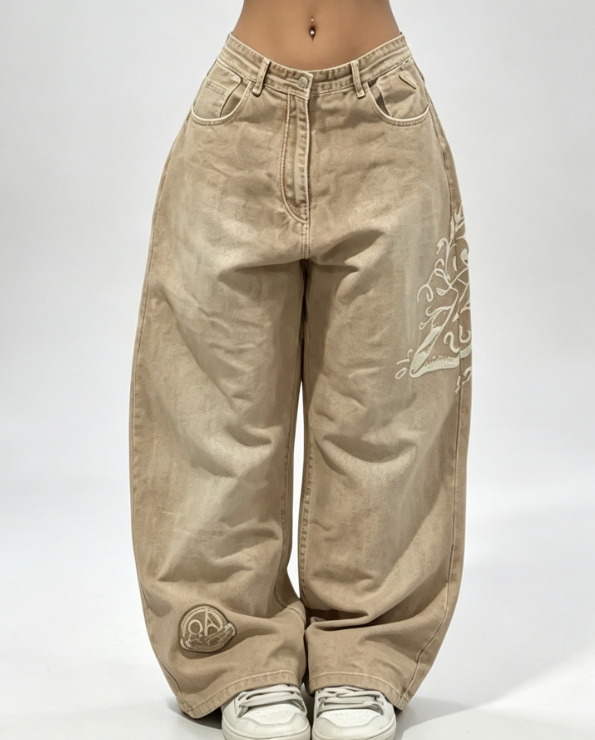

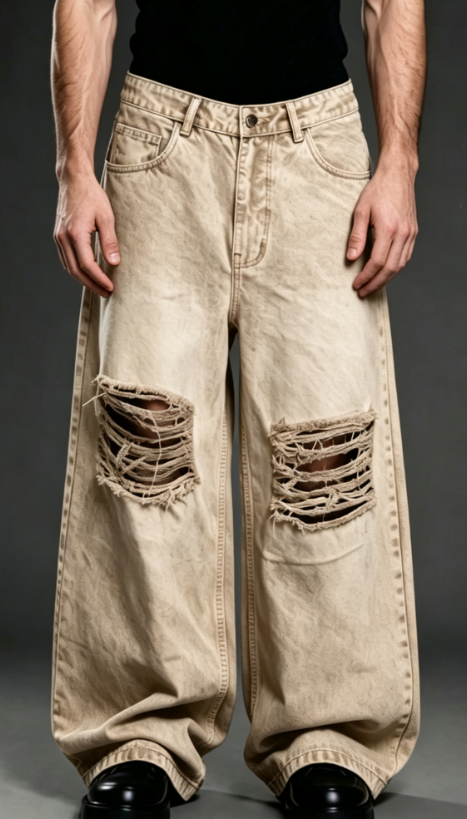


Custom Baggy Jeans Catalogue & Quotation






Why Source Custom Baggy Jeans from JUNSHEEN
Fit-focused baggy denim development, reliable low-MOQ production and export-ready support for growing fashion brands.
100-Unit MOQ, Built to Scale
Launch a custom baggy jeans capsule from 100 units per style and color, then scale into ongoing bulk programs.
Fit-First XS–3XL Grading
Our pattern team refines rise, leg volume and proportion across standard, oversized and extended-size baggy denim fits.
One-Stop Wash and Decoration
Add embroidery, printing, patches, labels, denim washes and branded packaging through one coordinated manufacturing supply chain.
Denim Sourcing That Performs
Choose rigid, stretch or recycled denim with guidance on weight, hand feel, durability, drape and wash performance.
QC and Global Export Support
From fabric inspection to final packed-goods checks, we manage quality control and shipping support for worldwide orders.
Baggy Jeans Styles and OEM Development
Build coordinated denim and casualwear programs with fit-led development, low starting MOQs, and production support from sample approval through global delivery.

Custom Hoodies
Develop custom hoodies in fleece or French terry to pair with baggy-jean collections. We support fabric weight, oversized proportions, embroidery, prints, labels, and size grading from XS to 3XL for cohesive capsule or replenishment programs.
Request a Quote
Custom T-Shirts
Produce custom tshirt styles that complement denim drops, from heavyweight jersey essentials to washed graphic tees. Junsheen manages fabric sourcing, fit specifications, screen printing or DTG decoration, private labels, and 100-unit minimums per style and color.
Request a Quote
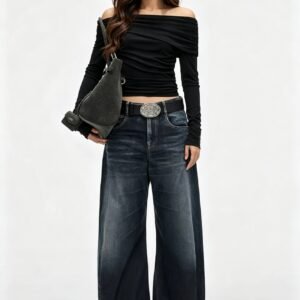
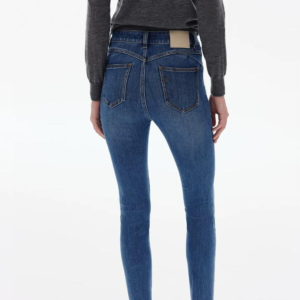
Custom Jeans
Create custom jeans with baggy, relaxed, straight, wide-leg, or oversized silhouettes. Pattern makers refine rise, leg volume, inseam, pocket placement, and XS–3XL grading, while denim washes, distressing, trims, and fit samples help reduce production-stage revisions.
Request a Quote
Custom Sweaters
Source turtle neck sweater bulk programs with gauge, yarn blend, neck height, and body proportion aligned to your collection. Our knitwear team supports sampling, graded sizing, custom labels, and repeatable bulk production for wholesale or retail assortments.
Request a Quote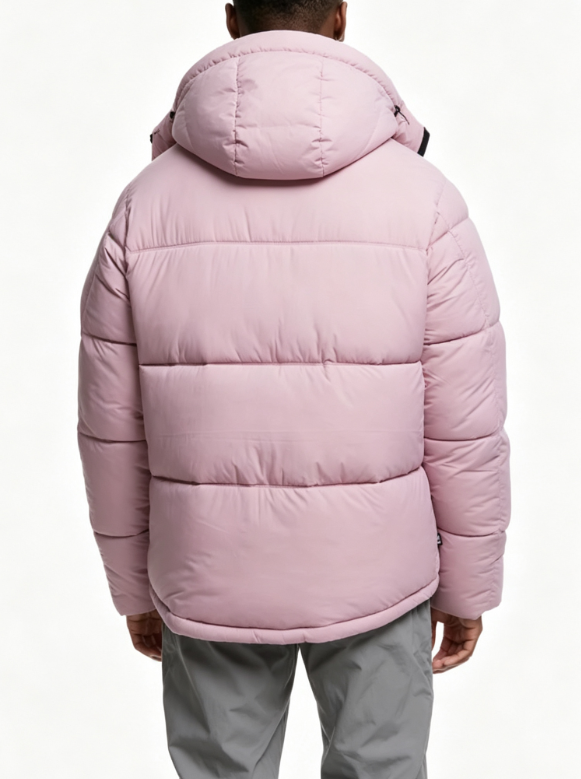
Custom Jackets
Develop a custom jean jacket that matches your denim wash, hardware, and brand fit standard. We coordinate fabric, collar and sleeve proportions, pocket construction, embroidery or patches, finishing, labels, and bulk quality control.
Request a Quote
Custom Sweatshirts & Crewnecks
Build custom crewneck hoodie and sweatshirt styles for layered denim assortments. Choose brushed fleece, French terry, or jersey constructions, then specify oversized or regular fits, rib details, prints, embroidery, washes, and private-label components.
Request a Quote
Custom Cardigans
Produce custom cardigan styles in sweater constructions suited to transitional collections and extended assortments. Development covers yarn selection, gauge, button or zipper trims, pocket placement, fit balance, and XS–3XL grading before bulk approval.
Request a Quote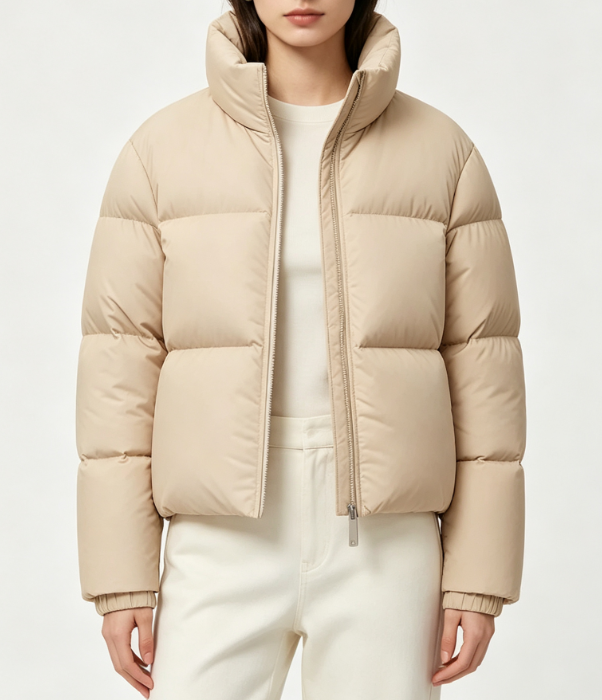
Custom Puffer & Down Jackets
Create custom puffer jacket programs with shell fabric, insulation, quilting layout, hardware, and branded trim specifications matched to your price point. Sampling verifies warmth, mobility, and fit before scalable production and export packing.
Request a Quote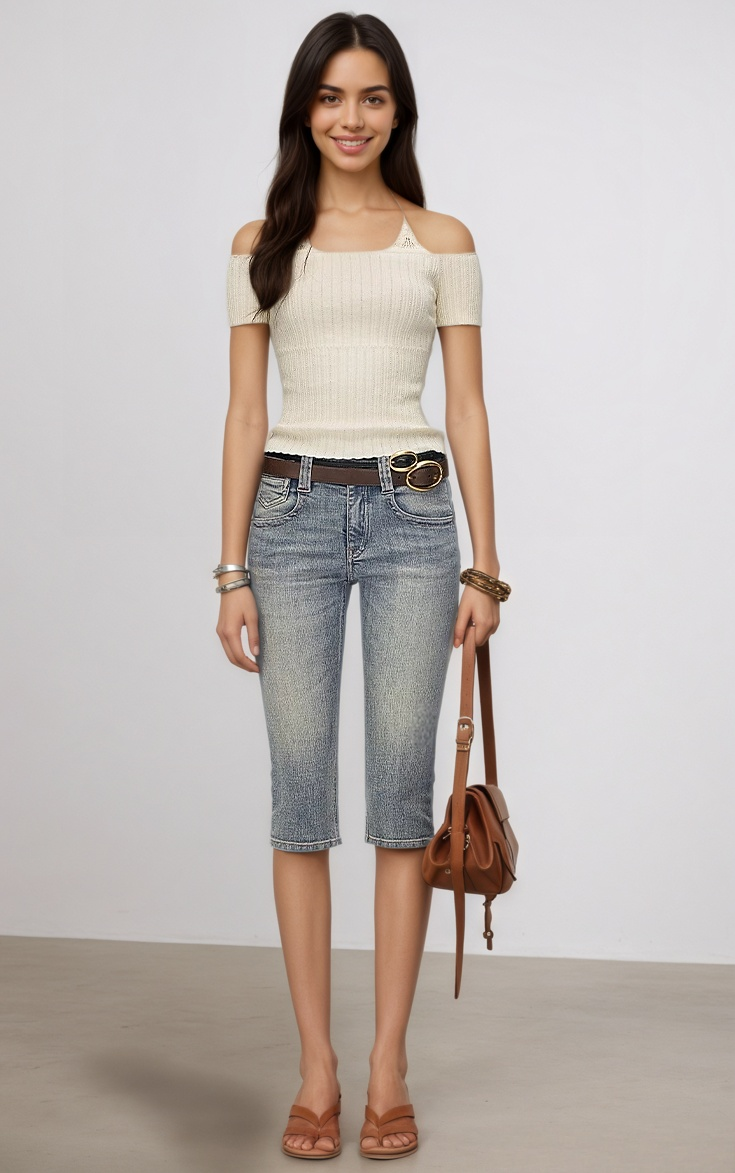
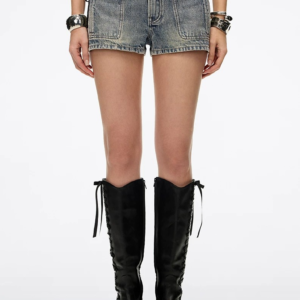
Custom Denim Shorts
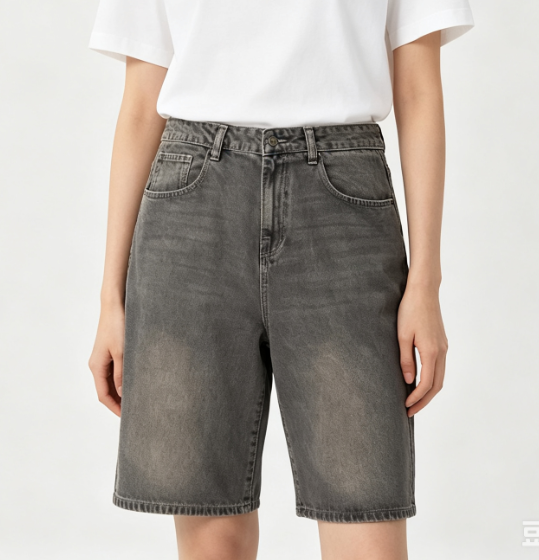
Develop custom jean shorts from the same denim, wash, and hardware story as your baggy jeans. We support inseam options, relaxed or oversized fits, raw hems, distressing, embroidery, and graded size sets for seasonal programs.
Request a Quote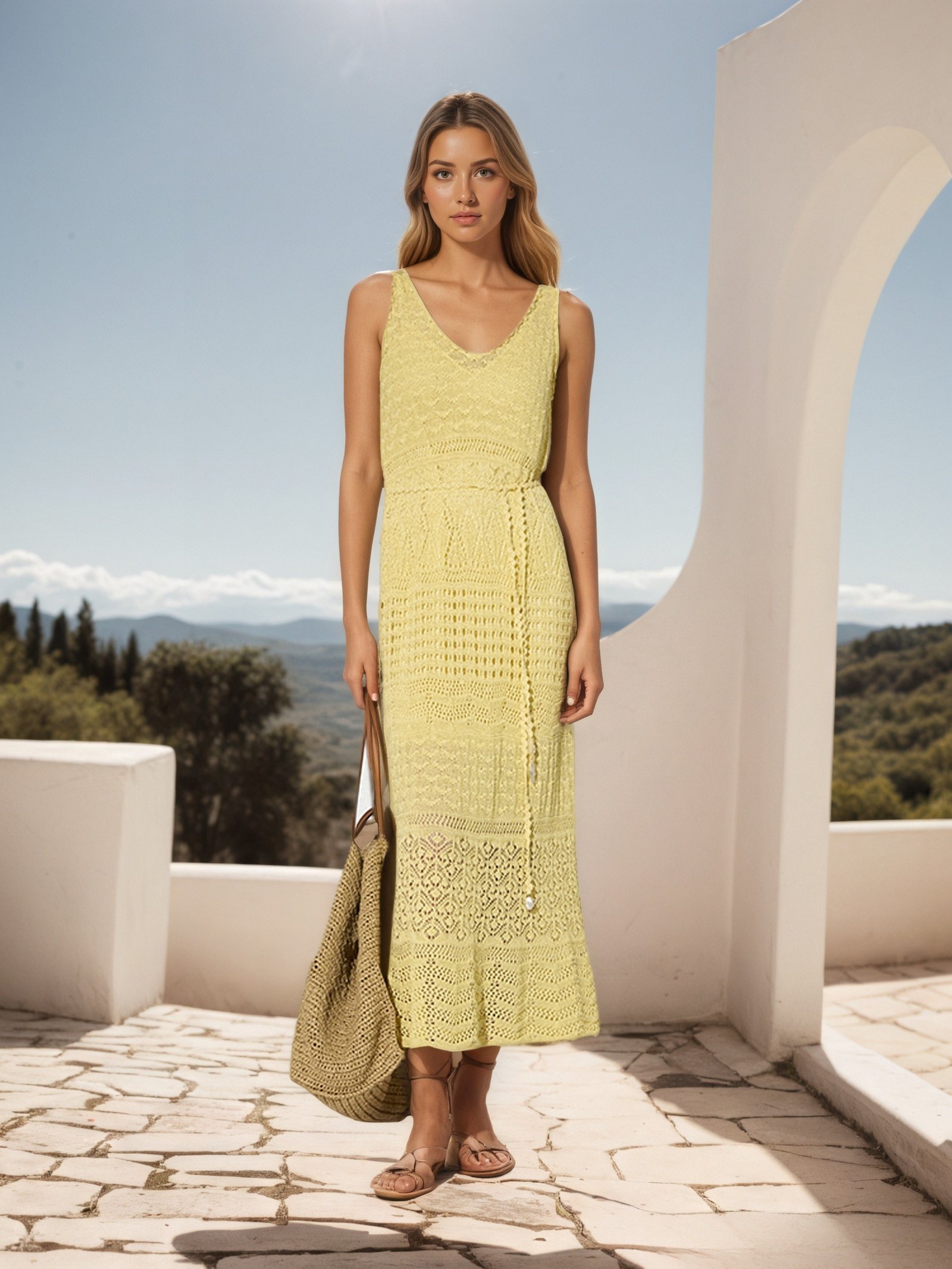
Custom Sweater Dresses
Produce custom sweater dresses with yarn, gauge, silhouette, and length tailored to your target customer. Pattern and knit development address stretch recovery, body proportion, sleeve balance, and extended sizing for consistent fit across the range.
Request a Quote
Custom Denim Sets
Build mens denim suits wholesale programs with coordinated denim blazers, overshirts, trousers, or baggy-jean separates. Junsheen aligns fabric weight, wash, hardware, fit blocks, labels, and packing standards for wholesale-ready consistency.
Request a Quote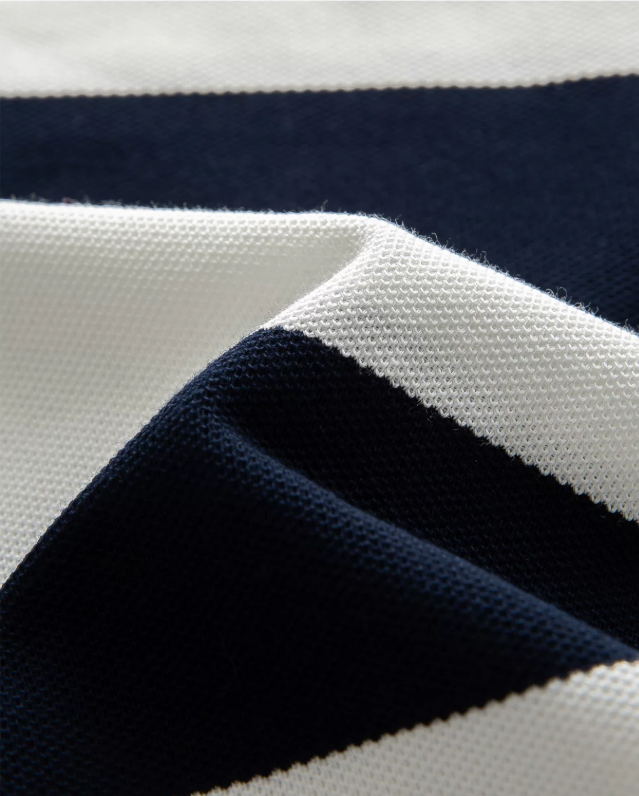
Custom Polo Shirts
Develop custom polo shirts in pique, jersey, or performance knit qualities for denim-adjacent collections. Specify collar construction, placket details, embroidery, contrast trims, fit grading, and branded labels to meet retail or uniform requirements.
Request a Quote
Custom Sweatpants
Produce custom sweatpants in fleece, French terry, or jersey with relaxed, straight, or wide-leg proportions. We support elastic or drawstring waists, pockets, garment washes, printing, embroidery, and coordinated hoodie sets from 100 units per color.
Request a Quote
Custom Shorts
Create custom shorts in knit or woven fabrics for seasonal casualwear programs. Development covers length, rise, waistband construction, pocket options, fabric performance, decoration, labels, and size grading for retail-ready fit consistency.
Request a Quote
Custom Pullovers
Develop custom pullovers across knitwear, fleece, and lightweight jersey constructions. Define neck shape, fit volume, fabric weight, rib finishing, graphics or embroidery, and private-label details to create dependable layering pieces alongside denim.
Request a QuoteCustom Baggy Jeans Denim Materials

Rigid Cotton Denim
A structured, authentic denim with a firm hand and minimal give, ideal for classic loose-leg custom baggy jeans. Its durable cotton construction supports defined silhouettes, abrasion resistance, and strong stone-wash or enzyme-wash results.

Stretch Cotton Denim
Cotton denim blended with elastane for controlled comfort and recovery. It suits baggy jeans needing easier movement through the seat and knees while retaining a substantial denim hand, dependable shape, and repeatable wash performance.

Heavyweight Slub Denim
Textured slub yarns create visible irregularity and a vintage-inspired dry hand. This heavier denim is suited to statement baggy silhouettes, offering robust wear resistance, pronounced fading potential, and character that develops through washing.

Tencel Blend Denim
A denim blend with Tencel adds a softer hand, fluid drape, and elevated comfort for relaxed wide-leg designs. It works well for fashion-forward baggy jeans while maintaining good breathability and smooth wash appearance.

Cotton Twill Fabric
A durable diagonal-weave alternative for non-denim baggy pants or contrast panels. Cotton twill offers a clean, crisp hand, reliable abrasion resistance, and consistent color retention for garment-dye, pigment-dye, or utility-inspired programs.
Custom Baggy Jeans Washes, Printing and Decoration

Logo Embroidery
Flat, puff and chain-stitch embroidery adds dimensional logos, artwork or monograms to custom baggy jeans. Reinforced stitching and placement review help preserve definition, texture and wear durability through repeated washes.

Screen Print
Plastisol, water-based, puff, high-density and discharge screen printing bring bold graphics to baggy denim. Junsheen tests artwork placement and adhesion against the selected fabric and wash process for a durable finished effect.

Custom Patchwork
Woven, embroidered, leather and applique patches create branded focal points on pockets, legs and waistbands. Our team coordinates patch materials, stitching and edge finishing to maintain a secure, premium look on denim.

Garment Dye
Garment dye creates rich, fashion-led color with natural tonal variation across custom baggy jeans. We align dye recipes, fabric weight and trim selection to achieve the intended hand feel and consistent bulk appearance.

Acid Stone Enzyme Wash
Acid, stone and enzyme washes produce faded contrast, worn character and a softer hand feel. Wash development is sampled before production to control abrasion, color loss, seams and the final vintage denim aesthetic.
Custom Baggy Jeans Trims and Accessories

Custom Metal Buttons
Add logo-engraved shank buttons or tack buttons at the waistband and fly. Custom finishes, colors and branding help custom baggy jeans carry a cohesive premium identity from the first wear.

Branded Zipper Pulls
Specify zipper type, tape color and custom logo pullers for jean flies, pockets or detachable details. Junsheen coordinates hardware selections with your wash, fabric weight and intended garment function.

Leather Waist Labels
Debossed or printed leather and faux-leather patches give the back waistband a durable signature detail. Choose shape, tone, logo treatment and stitching placement to suit vintage, streetwear or premium denim positioning.

Woven Care Labels
Custom woven main labels, size labels and wash-care labels keep brand and compliance information clear inside every pair. We can coordinate label materials, folds and placement during sampling and pre-production approval.

Custom Denim Patches
Use embroidered, chenille, woven or printed patches on pockets, legs and waistbands to create collection-specific visual impact. Our team advises on backing, stitch method and placement for reliable bulk production.
Branded Retail Packaging
Complete your order with custom hangtags, polybags, barcode stickers, tissue paper and export-ready cartons. Coordinated packaging helps retailers and direct-to-consumer brands deliver a polished unboxing experience.
About JUNSHEEN Custom Baggy Jeans
Founded in 2010 in Humen Town, Dongguan, JUNSHEEN helps fashion brands turn custom baggy jeans concepts into production-ready denim programs. Our mission is straightforward: combine responsive product development, dependable manufacturing and clear technical support so labels can launch confidently and grow without changing partners.
With 200+ skilled workers and monthly capacity above 80,000 units, we support capsule launches from 100 units per style and color through scalable global bulk production. Our integrated capabilities cover denim sourcing, pattern making, XS–3XL grading, sampling, washing, decoration, labels, packaging, quality control and export coordination.
JUNSHEEN stands apart through fit-focused development. Rather than simply enlarging a base pattern, our team refines rise, leg proportion, mobility and grading for normal, extended-size, plus-size and oversized fits. More than 2,000 fashion-brand clients have relied on this one-stop approach to develop consistent custom denim collections.

Custom Baggy Jeans Fit Development, Built to Scale
Fit-First Pattern Engineering
JUNSHEEN develops custom baggy jeans from your tech pack, reference garment, sketch, or concept, refining rise, seat, leg volume, inseam, and hem opening before production. Our pattern team builds the intended relaxed silhouette without sacrificing balance, mobility, or repeatable measurements.
- Custom blocks for loose, wide-leg, stacked, and oversized silhouettes
- XS–3XL, extended-size, and plus-size grading support
- Prototype and size-set reviews before bulk approval
- Manufacturability feedback to reduce sampling revisions

Denim, Wash, and Finish Control
Select denim construction and finishing as one development decision. We source rigid, stretch, and blended denim, then match weight, drape, durability, and wash performance to your target price and aesthetic. Samples let your team assess color, hand feel, fading, and shrinkage before confirmation.
- Rigid, stretch, heavyweight, and recycled denim options
- Stone wash, enzyme wash, acid wash, and garment dye
- Distressing, brushing, softening, and anti-pilling finishes
- Fabric swatches and wash samples for approval

Private Label, Fully Integrated
Turn approved custom baggy jeans into a retail-ready product through one coordinated supply chain. JUNSHEEN manages in-house decoration and garment finishing alongside branded labels, hardware, trims, hang tags, and packaging, helping preserve design intent while simplifying supplier coordination.
- Woven and leather labels with size and care labels
- Custom buttons, rivets, zippers, patches, and drawstrings
- Embroidery, screen printing, DTF, and heat-transfer options
- Branded hang tags and export-ready packaging
Records That Protect Reorders
For each approved style, JUNSHEEN retains patterns, graded measurements, material details, and production records to support faster, more consistent repeat orders. With 100-unit MOQs per style and color and scalable capacity, brands can test a capsule then replenish with greater confidence.
- Retained patterns and graded size specifications
- Material and trim records for repeat sourcing
- In-line and final checks for measurements and construction
- Scalable production from capsule runs to bulk programs

Why Choose JUNSHEEN for Custom Baggy Jeans
Fit-focused denim development, controlled production, and scalable export support for fashion brands.
← 左右滑动查看 →
Custom Baggy Jeans Production, Step by Step
A clear OEM workflow that turns your denim concept into production-ready, private-label goods with fit control and global export coordination.
Design and Material Review
Share a tech pack, sketch, reference garment, or mood board; our team confirms construction, target cost, denim weight, stretch, washes, and trims.
Pattern and Fit Development
Pattern makers build baggy-jeans blocks and grade XS–3XL, refining rise, leg volume, inseam, mobility, and proportions instead of simply enlarging one base size.
Sampling and Approval
We produce prototype samples, review measurements, fit, wash effects, decoration, labels, and hardware, then make revisions before your size set or pre-production approval.
Cutting, Sewing, and Finishing
Approved materials move into controlled cutting and denim construction, followed by requested embroidery, printing, distressing, garment washes, softening, and branded private-label finishing.
Quality Control and Shipment
Teams inspect fabric, construction, measurements, appearance, decoration, and packed goods before custom baggy jeans are labeled, packaged, balanced, and prepared for global shipment.
How to Start Your Custom Baggy Jeans Order
Move from concept to approved bulk production with a clear denim development process built for brands, designers and sourcing teams.
Send Your Design Brief
Share a tech pack, sketch, reference garment or mood board with target quantities, size range, wash direction, branding details and delivery requirements.
Confirm Feasibility and Pricing
Our team reviews construction, denim options, fit specifications and decoration needs, then recommends production-ready details and provides a clear quotation from 100 units.
Approve Your Denim Samples
Review prototype samples, fabric hand feel, baggy fit, wash effects, measurements and private-label trims; refine patterns and grading through XS–3XL before approval.
Launch Bulk Production
After pre-production approval, JUNSHEEN manages material sourcing, cut-and-sew manufacturing, in-line quality checks, final inspection, packing and global shipping coordination.
Custom Clothing Manufacturer Credentials and Compliance Documents



Custom Baggy Jeans Results from Fashion Brands
JUNSHEEN corrected the rise and leg-volume balance across our XS–3XL size set before bulk approval. We reduced fit revisions from four rounds to two and launched our first 240-piece baggy denim capsule on schedule.
We started with a 100-unit custom baggy jeans run in two washes. The samples matched our reference more closely than expected, and the capsule sold through in six weeks. We have since placed three repeat denim orders.
For our 1,800-unit wholesale program, JUNSHEEN kept measurements, wash tone and private labels consistent across four colorways. Our incoming inspection pass rate reached 98%, which helped us deliver to retail partners without relabeling delays.
Custom Baggy Jeans FAQ
Clear answers on MOQ, sampling, production, fit, washes, payments and global delivery for your denim program.
What is the MOQ for custom baggy jeans?
How much does a custom baggy jeans sample cost, and how long does it take?
How long does bulk production take for custom baggy jeans?
Can you develop baggy jeans sizing from XS to 3XL?
Can you match a custom denim wash or create a new wash development?
What payment terms do you offer for a first custom baggy jeans order?
Do you ship custom baggy jeans internationally?
How does JUNSHEEN protect my baggy jeans designs and private-label details?
The Complete Buyer’s Guide to custom baggy jeans
Use this practical framework to define fit, fabric, customization, quality, and pricing for custom baggy jeans, evaluate OEM suppliers confidently, and avoid costly sampling, specification, and production mistakes before launch.
1. What Are custom baggy jeans?
A 100-unit custom baggy jeans program starts with a deliberately relaxed denim silhouette: extra ease through the seat and thigh, an oversized leg profile, and a hem opening that stays visually broad rather than tapering tightly. For OEM or private-label buyers, the product is not an off-the-shelf fit with a logo added; the pattern, wash, trims, labels, grading, and packing can be specified for the brand. Two common rise positions are low rise and mid rise, but the front rise, back rise, crotch shape, and waistband placement must work together to create the intended slouch without exposing the wearer or pulling at the seat. Baggy describes overall volume and proportion; it can be paired with a puddled inseam, a stacked hem, or a cleaner full-length break. Four nearby terms should not be treated as interchangeable. Loose-fit jeans add comfort but may retain a relatively conventional leg; wide-leg jeans usually expand more evenly from hip to hem; carpenter jeans are defined by workwear details such as utility pockets and hammer loops; straight jeans keep a more consistent, narrower line from thigh to ankle. Eight core inputs should be ready before requesting development or a quote: target customer, base size, size range, rise, thigh and hem measurements, inseam, denim weight and stretch, wash reference, and required branding. JUNSHEEN can translate a tech pack, sketch, reference garment, or product idea into a production-ready custom baggy jeans specification, but measurable fit targets reduce sampling revisions.
2. The Evolution of Baggy Denim
1873 established the riveted work pant as durable equipment, and early loose denim was valued for movement, layering, and abrasion resistance rather than fashion. A heritage-led collection should translate that utility language through rigid or low-stretch indigo, mid-to-dark washes, visible seam character, workwear pockets, and proportions that feel generous without becoming costume. 1970s youth subcultures widened denim silhouettes, while 1990s hip-hop made relaxed, low-slung jeans a highly visible expression of identity; skateboarding reinforced roomy legs that clear the shoe and allow unrestricted movement. For a custom baggy jeans program aimed at streetwear customers, prioritize a longer rise, fuller thigh-to-hem line, 18–24 inch leg openings depending on size, and washed blues, black, grey, or vintage-tinted finishes that work with oversized tops and sneakers. 2000s Y2K denim pushed exaggerated volume, stacked hems, light washes, whiskering, distressing, and lower waist placements; contemporary premium fashion has since refined oversize denim into cleaner, more intentional proportions. Choose one reference family before sampling: Y2K supports bold fading and low-rise styling; skate supports durable mid-rise volume and practical pockets; heritage favors authentic dark washes; premium fashion favors controlled drape, restrained finishing, and balanced proportions for a broader adult customer.
3. Types of custom baggy jeans
Seven silhouettes cover most custom baggy jeans programs, but a reference sample should be translated into measurable rise, thigh, knee, hem, and inseam specifications. Choose the shape before grading: the same loose leg can fit very differently from XS through 3XL.
| Silhouette | Leg Shape | Rise/Inseam | Pocket Approach | Best Use |
|---|---|---|---|---|
| Classic baggy | Loose, slight taper | Mid/high; 30–34 in | Five-pocket | Core unisex denim |
| Wide-leg | Full to hem | High; full length | Five-pocket | Fashion-forward range |
| Balloon | Full thigh, narrow hem | High; cropped | Minimal five-pocket | Statement capsule |
| Skate | Wide, straight | Low/mid; long | Deep front pockets | Youth streetwear |
| Carpenter | Relaxed straight | Mid; full length | Utility pockets, loop | Workwear crossover |
| Cargo-inspired | Loose straight | Mid; full length | Side cargo pockets | Technical streetwear |
| Cropped | Any loose shape | Mid/high; 26–30 in | Five-pocket or utility | Warm-weather drop |
Core Loose-Leg Shapes

Classic baggy jeans use a relaxed seat and thigh, a straight-to-tapered leg, mid or high rise, and 30–34 inch inseams; five-pocket construction suits broad unisex and streetwear programs. Wide-leg jeans hold width from thigh to hem, usually with a higher rise, making them useful for fashion-led womenswear, elevated denim, and longer visual proportions.
Volume And Skate Fits

Balloon jeans expand through the thigh and knee before a noticeably narrowed hem; a 10–12 inch rise and cropped or ankle inseam keep the volume intentional. Skate fits keep a low-to-mid rise and broad, straighter leg with deep front pockets, serving youth-focused labels that need movement and footwear-friendly stacking.
Utility And Cropped Options

Carpenter jeans add utility pockets, a hammer loop, and a relaxed straight leg, while cargo-inspired denim uses larger side pockets that must be positioned clear of knee bend and grading points. Cropped baggy jeans typically remove 2–4 inches from a standard inseam; they merchandise well with boots, sandals, and seasonal capsule drops.
4. Fabrics for custom baggy jeans
12–14 oz (407–475 GSM) denim is a balanced starting point for custom baggy jeans, but fiber content determines recovery and wash character. Specify ounces and GSM, weave, finish, shade, stretch, and approved shrinkage—not simply denim.
| Fabric | Weight | Drape And Comfort | Wash Response | Best Use |
|---|---|---|---|---|
| Rigid cotton | 12–15 oz | Structured; low recovery | Strong fades; may shrink | Classic baggy jeans |
| Cotton-elastane | 11–13 oz | Comfortable; moderate recovery | Softer fades | Movement-focused fits |
| Recycled cotton blend | 11–14 oz | Variable softness | Test strength carefully | Lower-impact programs |
| Organic cotton | 12–14 oz | Breathable; natural hand | Reliable with testing | Certified collections |
| Slub denim | 12–14 oz | Textured, relaxed | Enhanced character | Vintage-inspired styles |
| Heavyweight cotton | 16–18 oz | Stiff, durable | High-contrast fading | Winter or workwear |
Weight And Season

10–12 oz denim suits spring, summer, and layered streetwear because it drapes quickly. 13–15 oz holds a stronger wide-leg silhouette, while 16 oz-plus heavyweight denim suits cold-weather, workwear-inspired, or premium washes.
Fiber And Stretch Choices
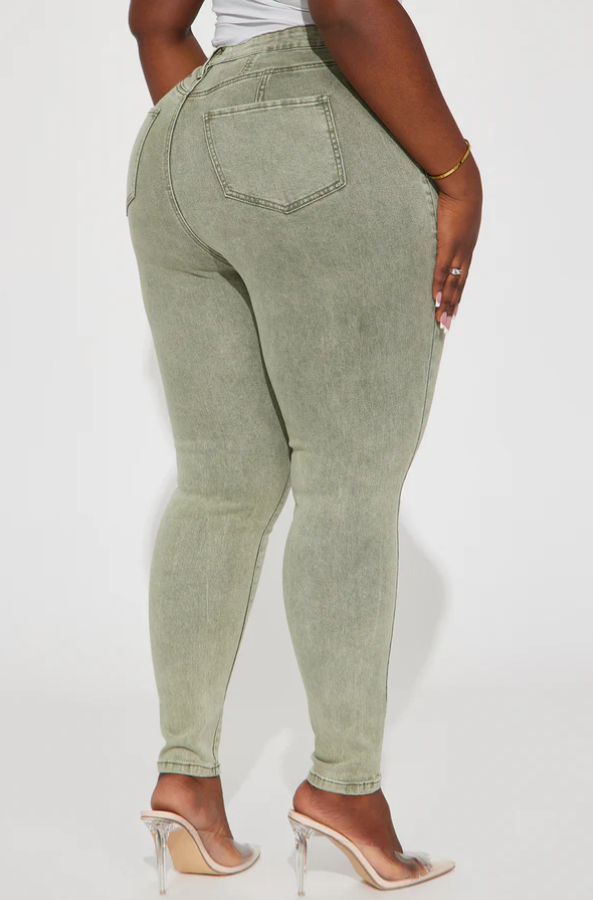
100% cotton rigid denim delivers authentic fading and durable structure, but needs fit allowance after washing. Cotton-elastane blends at 1–2% stretch improve seated comfort; excessive stretch can weaken baggy-leg shape and reduce abrasion resistance.
- Use recycled cotton for lower-impact narratives; confirm strength and color consistency.
- Use certified organic cotton when the supply chain supports the required documentation.
- Request fabric swatches, wash trials, and shrinkage results before bulk approval.
Weave And Finish Specification

3×1 right-hand twill is the standard durable denim weave, while slub yarn adds irregular texture and visual depth. Enzyme, stone, acid, or garment washes change hand feel and shade; approve a washed-size measurement chart, not only an unwashed sample.
5. Custom Baggy Jeans Customization Options
At a 100-unit MOQ, custom baggy jeans need a focused decoration plan: one wash, one core branding element, and repeatable hardware. Confirm each effect on a washed sample because denim shrinkage, abrasion, and color migration can alter placement and hand feel.
| Option | Visual Impact | 100-Unit Practicality | Key Tradeoff |
|---|---|---|---|
| Enzyme or stone wash | High | Strong | Wash variation requires sealed sample |
| Whiskers and distressing | High | Moderate | More hand labor and repair risk |
| Embroidery or patches | Medium-high | Strong | Test wash durability and backing |
| Custom hardware | Medium | Moderate | Supplier minimums and longer sourcing |
| Pantone garment dye | High | Limited | Color approval and dye-lot variation |
Wash And Surface Effects
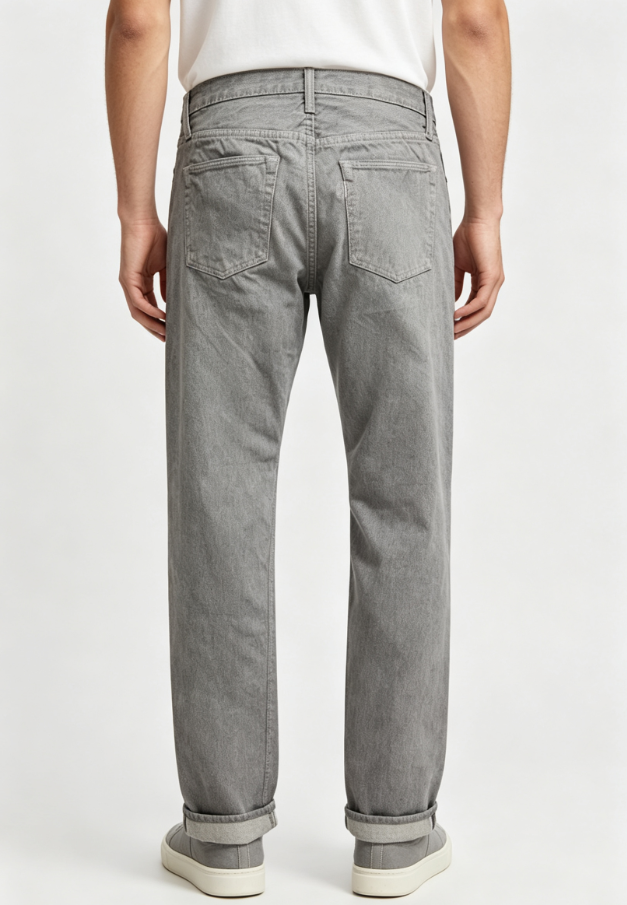
Three practical wash routes are enzyme, stone, and acid wash; fading, whiskers, and hand sanding add visual depth but require approved placement standards. One wash formula per colorway keeps a 100-unit run controllable. Heavy distressing, tears, and repair patches raise labor, reject risk, and unit cost; reinforce stress points with bartacks or backing fabric.
Branding And Construction Details

Two high-impact details—contrast stitching plus a custom back-pocket shape—usually read more clearly than several small embellishments. Chain-stitch embroidery, woven patches, screen prints, and leather labels should be tested after washing for cracking, fraying, adhesion, and shade change. One approved size set should confirm label positions, rivets, buttons, zipper pullers, belt loops, and pocket openings. Specify nickel requirements, sharp-edge controls, and care-label content for the intended market.
Cost-Smart Development Priorities

100-unit programs benefit from one signature wash and one branded trim family rather than multiple custom components. Pantone dyeing, specialty hardware, and large embroidery programs can require supplier minimums above the garment MOQ. Two sample stages—prototype then pre-production sample—help lock distress maps, thread color, patch dimensions, and wash tolerance before bulk cutting. Junsheen can review manufacturability from a tech pack, sketch, reference garment, or mood board.
6. Construction Quality Checks for Denim
Premium baggy denim depends on stress-point engineering as much as fabric weight. Inspect construction at three gates: prototype, approved pre-production sample, and packed bulk goods.
Seams And Stitching

8–10 stitches per inch is a practical target for consistent denim seams; loose, skipped, or visibly tensioned stitches are rejects. Double-felled inseams and flat-felled outseams reduce abrasion, while chain-stitch construction can create desirable hem roping after washing.
- Check seam allowance is fully caught
- Match topstitch thread color and spacing
- Verify no puckering at curved seams
Stress Points And Hardware

2–3 bartacks at pocket corners, the fly base, and belt-loop ends prevent common tear failures. Rivets must be firmly set without sharp backs that can damage skin or adjacent garments. YKK or equivalent zippers should run smoothly through 20 open-close cycles; button flies need securely attached shanks and aligned buttonholes.
- Pull-test belt loops and pocket corners
- Check fly alignment when seated
- Confirm rivets do not spin
Waistband And Hem Control

Five to seven belt loops distribute tension on adult baggy-jeans waistbands, with a centered back loop where the design permits. The waistband should lie flat, retain its shape, and match the graded waist measurement. 1.0–1.5 cm finished hem turns should be even around both legs. Compare inseam, leg opening, and hem twist against the approved size set.
- Measure waistband after relaxation
- Inspect belt-loop spacing
- Check hems for roping consistency
Wash And Bulk Verification

3% or less residual shrinkage after the specified wash is a useful approval benchmark, but the tech pack should define the allowed tolerance. Test the actual denim, wash recipe, hardware, and decoration together. AQL sampling at final inspection should confirm measurements, shade consistency, loose threads, stains, and packed quantity. Retain approved swatches and wash-tested garments as production references.
- Wash-test before bulk fabric approval
- Measure before and after laundering
- Inspect every carton’s size assortment
7. Choosing a Custom Jeans Manufacturer
100-unit style-and-color programs can suit a capsule, but MOQ alone does not establish denim capability. Compare manufacturers through the same technical brief, approved reference garment, target ex-factory date, and fully itemized quote.
Test Development Capability
Two sample rounds are a practical minimum: first confirm silhouette, rise, leg opening, pocket placement, and wash direction; second verify corrections against a marked sample. Ask who owns patterns, whether a pre-production sample is required, and how construction changes are recorded.
- Tech pack with measurement spec and tolerances
- Front, back, and detail reference photos
- Pantone colors, trim list, and labeling artwork
Audit Denim And Wash Control
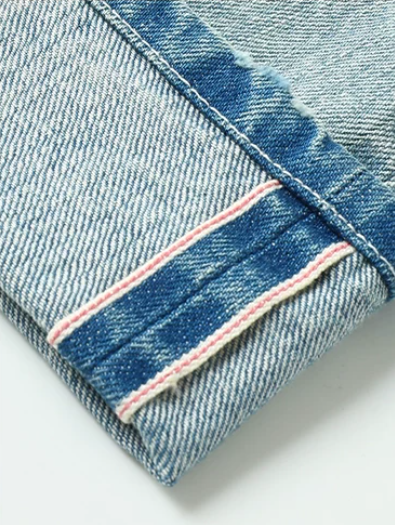
10–14 oz denim behaves differently after enzyme, stone, bleach, or laser finishing, so request mill composition, shrinkage data, and wash test swatches. Confirm whether the wash house controls recipe repeatability, garment measurements after wash, and shade variation by lot.
- Ask for fabric origin and fiber content
- Request OEKO-TEX, GOTS, WRAP, or BSCI evidence where required
- Approve a sealed wash standard before bulk
Verify Scale And Communication
XS–3XL requires purposeful grading rather than uniform enlargement; inspect a graded measurement chart and fit comments for each size. Ask for in-line inspection points, final AQL standard, realistic sample and bulk lead times, and a quote separating fabric, wash, trims, labor, packaging, freight, and sample charges.
- Name one decision-maker for daily approvals
- Confirm revision cutoff and balance-payment milestones
- Request defect, rework, and delay escalation procedures
8. Common Custom Baggy Jeans Buying Mistakes
A 100-unit custom baggy jeans run can still incur weeks of rework when approval points are unclear. Most preventable problems begin before bulk cutting, in specifications, wash standards, fit testing, and shipment planning.
Lock the Technical Package
A complete tech pack should specify measurements, tolerances, stitch construction, Pantone colors, artwork placement, and every trim; vague notes force factory interpretation. A reference garment is useful only when its fabric, stretch, rise, and intended fit are documented, because copying an unsuitable sample can distort the final silhouette.
- Add front, back, and detail callouts
- Name zipper, rivet, button, and label specifications
- Approve a measurement spec before sampling
Approve Wash and Fit First

Denim can shrink or change torque after washing, especially with cotton-rich rigid constructions and enzyme, stone, or acid washes. Request a washed sample, recorded post-wash measurements, and a size-set approval before bulk production. Two fit rounds are often cheaper than correcting a completed order. Review rise, inseam, leg opening, seat ease, and grading from XS through 3XL on appropriate fit models.
- Approve wash swatches under consistent lighting
- Set post-wash measurement tolerances
- Sign off on the pre-production sample
Cost the Full Delivered Product

Fabric appearance alone does not predict performance: compare weight, stretch recovery, abrasion resistance, shrinkage, and wash behavior before selecting denim. Specify packaging, carton marks, barcode labels, fiber content, country-of-origin labeling, and destination import requirements at quotation. A missing leather patch, custom button finish, or retailer polybag rule can create late costs. Provide a packing list template and compliance requirements before materials are ordered.
- Test fabric after the intended wash
- Confirm branded trim quantities and lead times
- Share destination-market labeling rules
9. Launching Your Baggy Jeans Collection
A 12-to-20-week calendar gives a new custom baggy jeans program time for development, approvals, and channel preparation. Start with a defined customer, price band, and reference set before requesting samples.
| Stage | Typical Decision | Deliverable |
|---|---|---|
| Research | Customer and price band | Assortment brief |
| Sampling | Fit and wash revisions | Approved size set |
| Pre-production | Materials and packaging | Sealed sample |
| Sell-in | DTC or wholesale assets | Photos and line sheet |
Set The Assortment
Three to five SKUs usually create a focused first drop: one core loose fit, one fashion wash, and selective detail variations. Limit launch colorways to two or three, then reserve additional washes for proven reorders.
- Define target retail price and gross-margin goal
- Map competitor fits, washes, and size gaps
- Choose DTC, wholesale, or mixed-channel launch
Build Production Specifications

One complete tech pack should specify garment measurements, rise, leg opening, stitch details, Pantone colors, wash reference, trims, artwork, labels, and packing. A factory can then review manufacturability before committing fabric and sample costs.
- Include front, back, and detail flats
- State tolerance ranges and measurement points
- Attach wash, hardware, and label references
Approve Fit And Materials

Two sample rounds are common for denim: a first prototype confirms silhouette, followed by a revised fit or size set. Select denim weight, stretch recovery, wash effect, and trim performance from swatches before bulk approval.
- Fit-check waist, seat, rise, inseam, and hem
- Grade the approved pattern across planned sizes
- Approve a sealed pre-production sample
Schedule Launch Readiness
Eight to twelve weeks of bulk production should be planned after final approval, with in-line and final measurement, construction, wash, and packing inspections. Photograph approved samples early enough to build product pages, line sheets, and wholesale sell-in materials before delivery.
- Book e-commerce photography with fit-model measurements
- Prepare SKU codes, size charts, and care content
- Confirm carton marks and delivery window
10. Custom Baggy Jeans Pricing and MOQ
100 units per style and color is JUNSHEEN’s practical starting point for custom baggy jeans, but a defensible quote follows the approved specification rather than a generic unit price. Cost moves most with denim weight, fiber content, stretch recovery, wash recipe, distressing labor, hardware, embroidery, packaging, sampling, and the number of graded sizes. 250 units usually improve fabric utilization and spread development work across more garments, while 1,000+ units can support sharper purchasing terms and more efficient wash planning. Confirm the sample, wash standard, measurement chart, Pantone references, label pack, carton requirements, and destination before comparing quotations. 7–14 days is a common target for prototype development after materials and details are confirmed; bulk timing begins only after pre-production approval. A basic enzyme wash and standard trims price differently from heavy stone washing, hand sanding, rip-and-repair work, leather patches, custom rivets, or embroidered artwork, so request itemized options rather than fixed online pricing.
| Quantity tier | Indicative unit-price drivers | Typical lead time |
|---|---|---|
| 100–249 units | Small-run fabric allocation; standard denim, simple wash, stock trims reduce cost | 30–45 days after approval |
| 250–499 units | Improved fabric yield; one wash formula and limited hardware control cost | 30–40 days after approval |
| 500–999 units | Better material purchasing; repeated colors and shared size grading improve efficiency | 25–35 days after approval |
| 1,000+ units | Bulk sourcing leverage; specialized washes or custom packaging still add cost | 25–35 days after approval |
Develop Your Custom Baggy Jeans Collection
Send your tech pack, sketch or reference garment to JUNSHEEN for fit-focused sampling, 100-unit MOQ production and a clear factory quote.