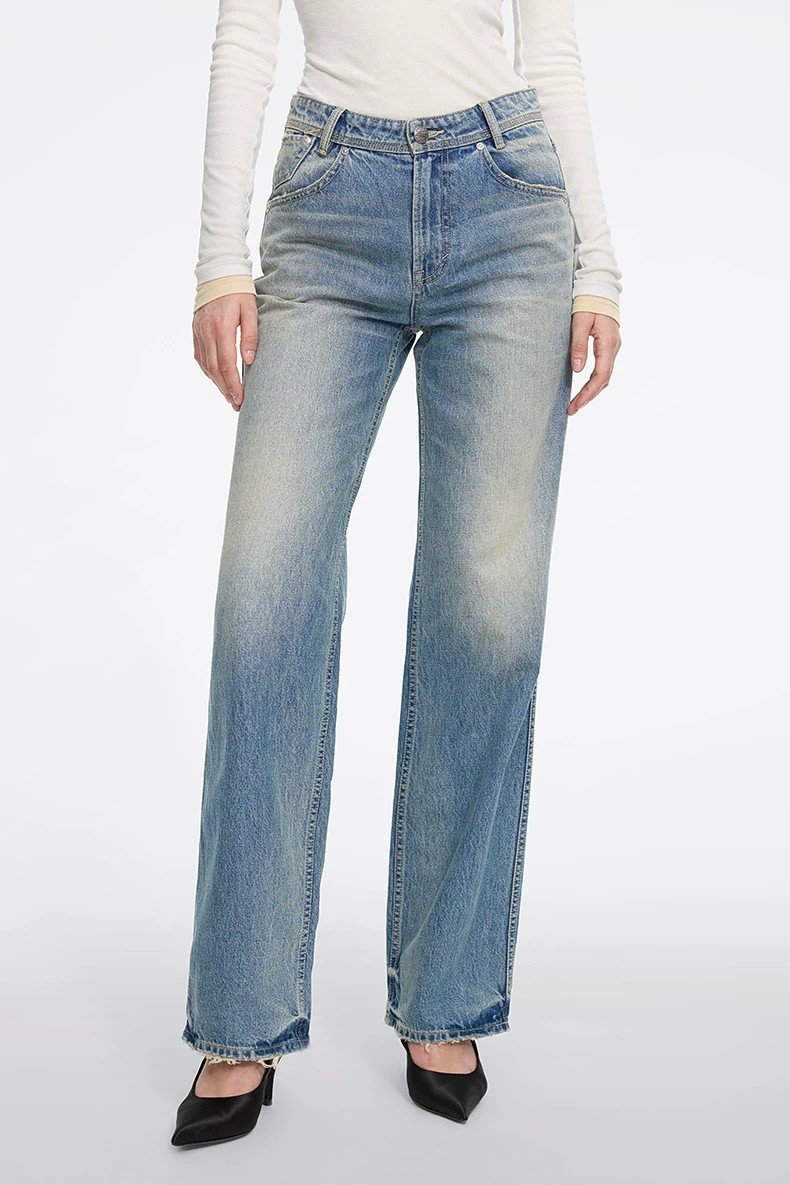
Custom Blue Jeans OEM Manufacturing From 100 Units
Develop custom blue jeans with OEM, ODM and private-label support, fit-focused XS–3XL grading, and scalable global production.
Featured Products for custom blue jeans Development




Related Product Catalogue and Quotation







Why Brands Choose JUNSHEEN for Custom Blue Jeans
From first sample to global delivery, JUNSHEEN gives denim brands fit-focused development and dependable production capacity.
100-Unit Denim MOQ
Launch a capsule, test a wash, or expand a colorway from 100 units per style and color.
Fit-First Size Development
Pattern makers refine rise, proportion, mobility, and grading for XS–3XL, plus-size, and modern oversized denim fits.
Integrated Washes and Decoration
Build signature custom blue jeans with embroidery, printing, patches, garment washes, branded labels, trims, and packaging.
Controlled Denim Quality
Inspections cover fabric, construction, measurements, fit, decoration, and packed goods to protect consistency from sample through bulk production.
Scalable Global Export
Use responsive production support from 200+ skilled workers, 80,000+ monthly units, and export coordination for worldwide denim programs.
Custom Denim & Apparel Programs
Develop fit-focused denim and casualwear collections with low-MOQ sampling, scalable manufacturing, and integrated decoration, finishing, labeling, and export support.

Custom Hoodies
Custom hoodies developed in fleece, French terry, and heavyweight jersey, with pattern support from XS–3XL. Add embroidery, screen print, puff effects, custom drawstrings, labels, and branded packaging for capsule drops or repeat programs.
Request a Quote
Custom T-Shirts
Custom T-shirts produced in cotton, Pima cotton, organic cotton, combed jersey, and blends. Junsheen supports fit specifications, size grading, fabric-weight selection, DTG or screen printing, washes, labels, and 100-unit-per-style/color launches.
Request a Quote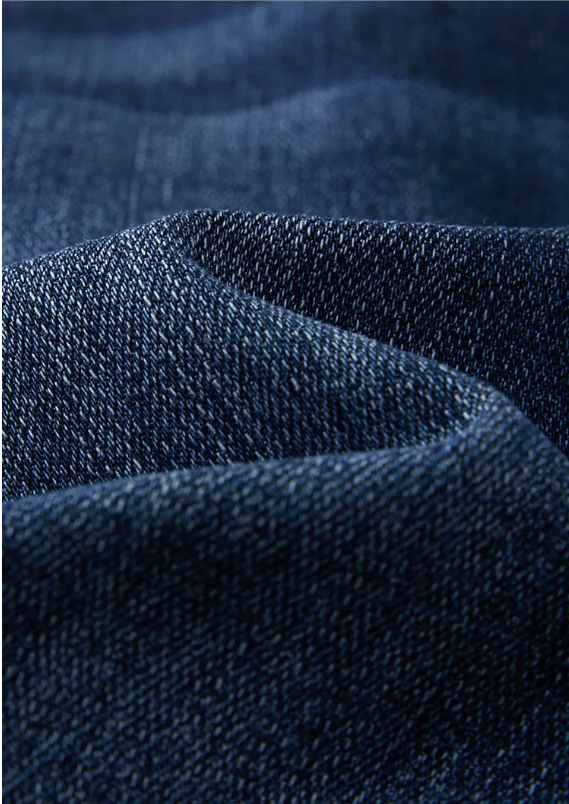
Custom Jeans
Custom jeans built around your target silhouette, wash, stretch, and size range. Pattern makers refine rise, hip balance, leg shape, and grading from XS–3XL, while production covers denim sourcing, hardware, embroidery, washing, finishing, and private-label details.
Request a Quote
Custom Sweaters
Turtleneck sweater bulk programs with knit construction, yarn selection, gauge planning, and fit development matched to your market. Develop classic, oversized, or extended-size styles with consistent neck shape, sleeve proportion, body length, trims, labels, and export-ready packing.
Request a Quote
Custom Jackets
Custom jean jackets developed in rigid or stretch denim with controlled fit, pocket placement, seam construction, and hardware selection. Choose garment dye, acid wash, stone wash, embroidery, patches, branded buttons, labels, and coordinated denim washes.
Request a Quote
Custom Sweatshirts & Crewnecks
Custom crewneck hoodie and sweatshirt programs for brushed fleece, French terry, and jersey constructions. Junsheen manages silhouette development, rib specifications, grading, printing or embroidery, anti-pilling finishes, private labels, and low-MOQ production.
Request a Quote
Custom Cardigans
Custom cardigans produced with knitwear capability for button-front, zip-front, cropped, oversized, and extended-size styles. The team supports yarn and gauge selection, fit grading, rib trims, custom buttons, logo embroidery, labels, and packaging.
Request a Quote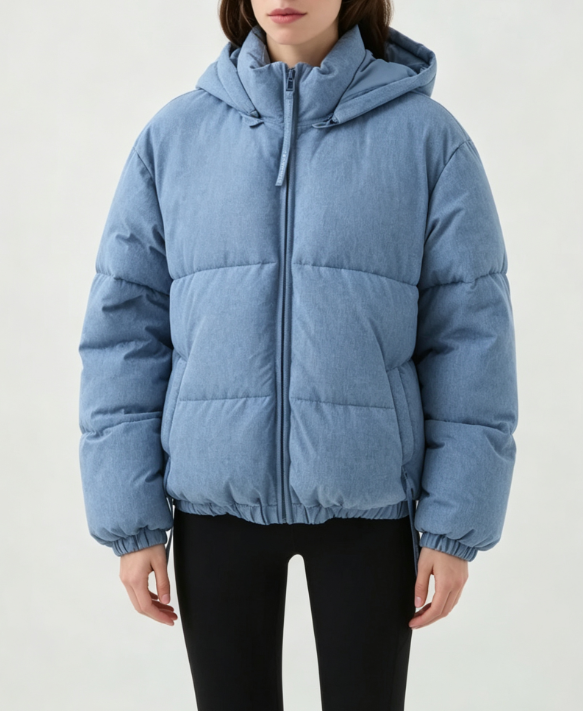
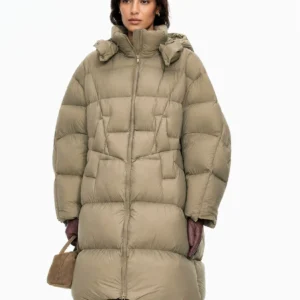
Custom Puffer & Down Jackets
Custom puffer jackets developed around insulation level, shell fabric, quilting layout, and intended climate. Production includes sample fitting, fill and lining selection, zippers, snaps, reflective details, branded labels, and quality checks before global shipment.
Request a Quote
Custom Denim Shorts
Custom jean shorts made in rigid or stretch denim with fit development for inseam, rise, leg opening, and size grading. Add raw hems, distressing, garment washes, embroidery, patches, hardware, labels, and coordinated jeans programs.
Request a Quote
Custom Sweater Dresses
Custom sweater dresses developed with knitwear expertise for body length, stretch recovery, neckline, sleeve proportion, and XS–3XL grading. Suitable for fitted, relaxed, oversized, and extended-size collections with selected yarns, trims, labels, and packaging.
Request a Quote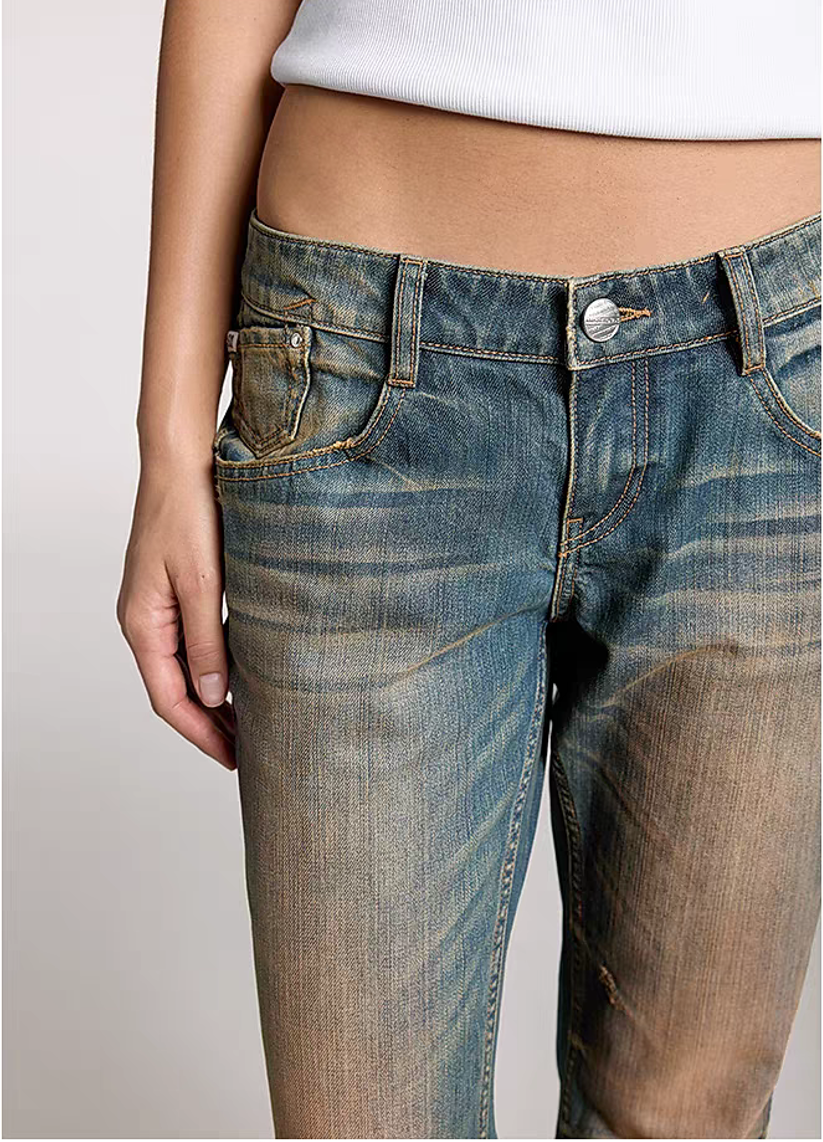
Custom Denim Sets
Men’s denim suits wholesale programs combine matching denim jackets and jeans with consistent fabric, wash, color, and hardware. Junsheen supports coordinated pattern development, bulk-size grading, branded trims, private labeling, and scalable repeat production.
Request a Quote
Custom Polo Shirts
Custom polo shirts in pique, jersey, performance knits, and blended fabrics, developed for retail, uniform, and branded merchandise needs. Specify collar structure, placket, fit, embroidery, printing, buttons, labels, and grading across the full size range.
Request a Quote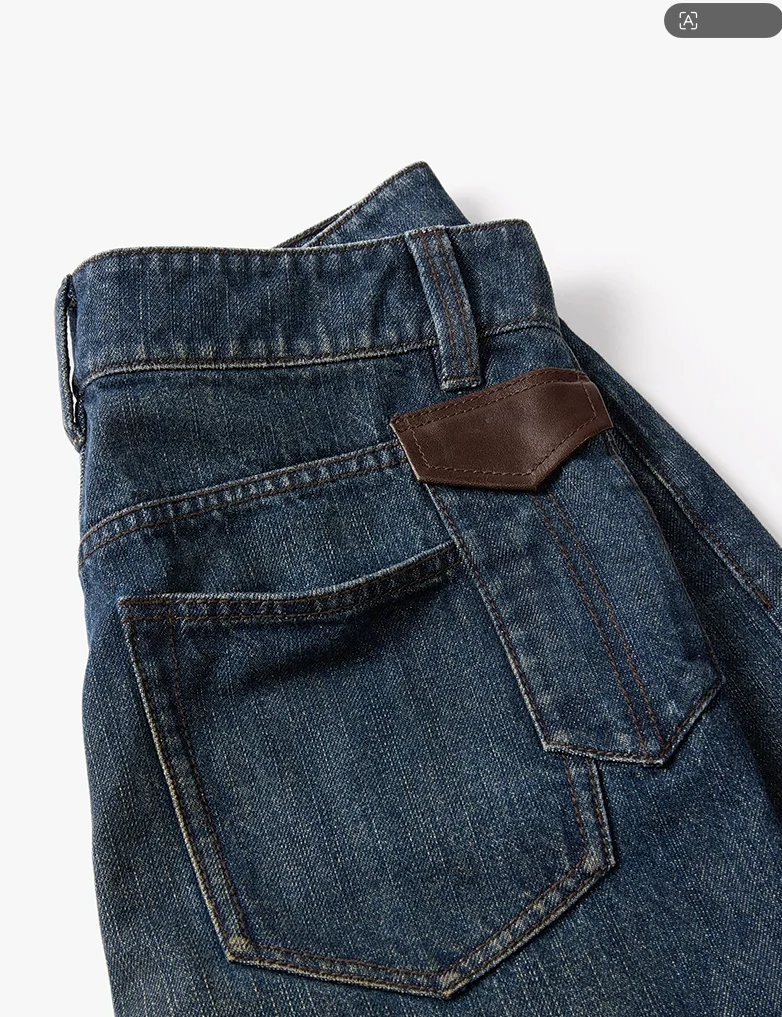
Custom Sweatpants
Custom sweatpants developed for fleece, French terry, jersey, and performance-knit programs. Control rise, taper, inseam, pocket construction, waistband, cuffs, and XS–3XL grading, then add embroidery, print, washes, labels, and coordinated tops.
Request a Quote
Custom Shorts
Custom shorts produced for casualwear, active-inspired, woven, jersey, twill, and denim collections. Junsheen supports inseam and fit development, pocket layouts, waistband construction, fabric sourcing, decoration, washing, private labels, and 100-unit minimums.
Request a Quote
Custom Pullovers
Custom pullovers developed in fleece, French terry, jersey, or knit constructions for seasonal layers and coordinated sets. Define neckline, fit, sleeve balance, rib trims, fabric weight, decoration, wash finish, labels, and packaging before bulk approval.
Request a QuoteCustom Blue Jeans Fabrics and Materials We Support

Rigid Cotton Denim
A structured, authentic denim with a dry hand feel for classic five-pocket jeans, jackets and denim sets. Commonly developed in 10–14 oz weights, it softens and gains character through washing and wear.

Stretch Denim
Cotton-rich denim blended with elastane for comfortable movement and shape retention. Ideal for slim, skinny and fitted custom blue jeans, typically using 1–3% stretch fiber with weights around 9–12 oz.

Comfort Stretch Denim
A balanced denim that keeps a substantial cotton hand while adding moderate flexibility for everyday fits. Suited to straight-leg, relaxed and extended-size programs, with durable recovery for repeated wear and washing.

Lightweight Denim
A softer, more fluid denim for shirts, wide-leg styles, lightweight jeans and layered casualwear. Usually 6–9 oz, it offers easier drape and breathable comfort while remaining suitable for garment dyeing and washes.

Denim Twill
A durable diagonal-weave cotton fabric for workwear-inspired trousers, utility details and structured denim alternatives. Its firm hand and abrasion resistance support reinforced pockets, panels and silhouettes requiring dependable shape retention.
Custom Blue Jeans Washing, Printing and Decoration Options

Enzyme Washing
Enzyme washing softens custom blue jeans while creating a naturally worn appearance with reduced fabric harshness. The process enhances comfort, preserves denim character and supports consistent wash results across approved bulk production.

Stone Wash
Stone washing delivers authentic faded contrast, abrasion and vintage texture for denim collections. Junsheen calibrates wash intensity and placement during sampling to help brands achieve a repeatable, retail-ready distressed aesthetic.

Acid Wash
Acid washing creates high-contrast, irregular color variation for statement custom blue jeans. This controlled treatment gives each garment a bold retro finish while development samples establish the target effect before bulk manufacturing.

Logo Embroidery
Flat, 3D puff and chain-stitch embroidery add durable dimension to pockets, waistbands and panels. Reinforced stitching and placement review help logos retain definition through wear and laundering on heavyweight denim.

Denim Screen Printing
Screen printing applies bold artwork, logos and graphic effects to selected denim panels. Options including plastisol, water-based, puff and high-density inks are matched to the desired color coverage, texture and wash performance.

Garment Finishing
Brushing, softening, distressing and anti-pilling finishes refine hand feel and visual depth after construction. These final treatments help custom blue jeans align with the intended premium, vintage or streetwear product direction.
Custom Blue Jeans Trims, Labels and Hardware

Logo Shank Buttons
Custom metal shank buttons add durable closure performance and a branded focal point at the waistband of custom blue jeans. Choose finishes, logo embossing and antique treatments that complement raw, vintage or washed denim.

Branded Zipper Pulls
Specify zipper tape, metal finish and custom puller details for jean flies, pockets or denim jackets. JUNSHEEN coordinates dependable zipper options with your construction requirements, wash process and desired premium hand feel.

Leather Waist Labels
Embossed leather or vegan leather patches give the back waistband a signature private-label identity. We can develop shape, color, artwork and stitch placement to stay legible and secure through repeated washing.

Woven Care Labels
Custom woven main labels, size tabs and wash-care labels organize essential branding and garment information inside each pair. They can be matched to your logo colors, size range and retail compliance requirements.

Custom Hang Tags
Hang tags present your brand story, fit notes and product information at retail or during wholesale delivery. Select cardstock, print treatment, string and attachment method to align each custom blue jeans collection with its positioning.
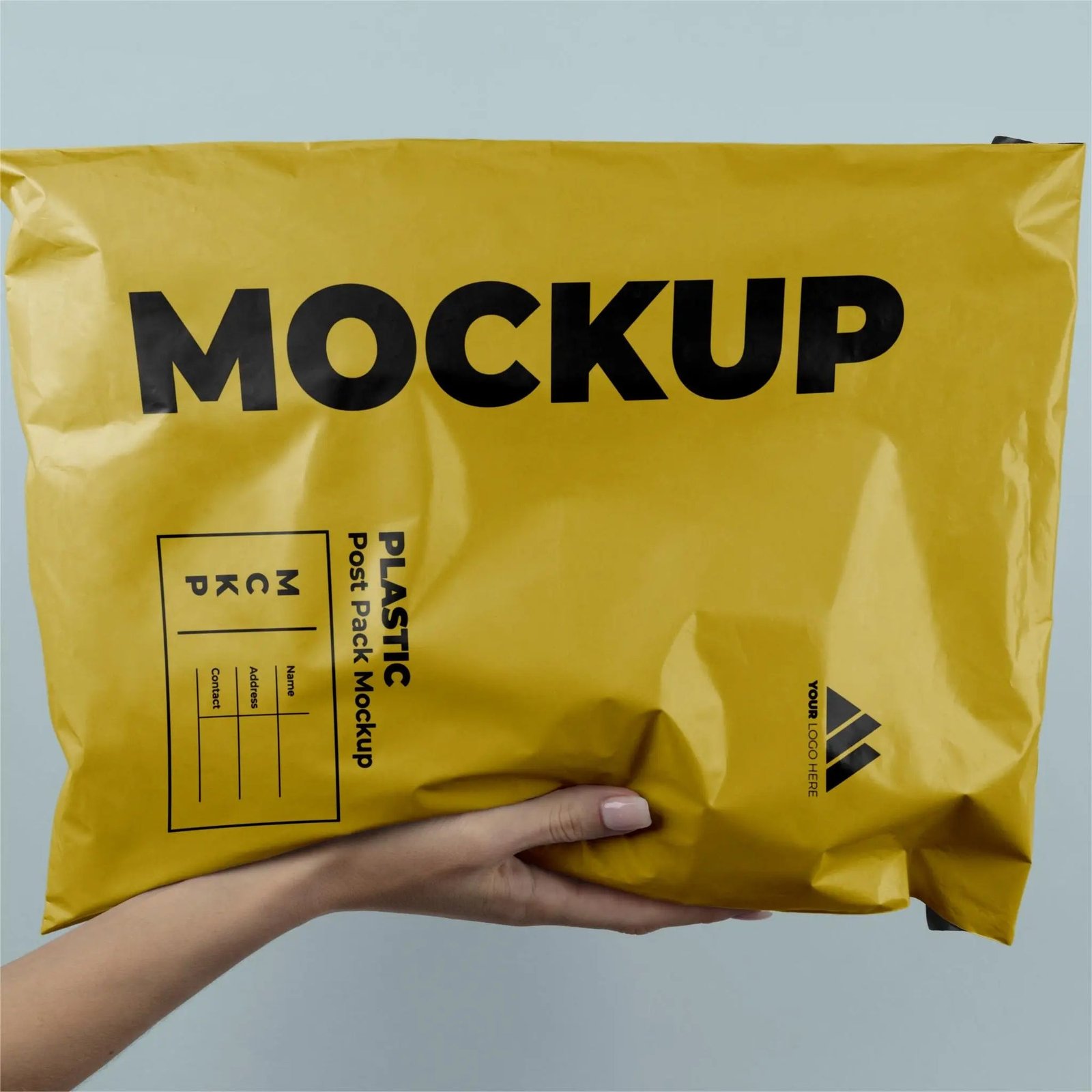
Branded Denim Packaging
Complete your presentation with custom polybags, cartons, stickers, tissue or insert cards. JUNSHEEN coordinates packaging specifications to protect finished jeans in export shipping while delivering a consistent unboxing experience.
About JUNSHEEN Custom Blue Jeans Manufacturing
Founded in 2010 in Humen Town, Dongguan, JUNSHEEN helps fashion brands turn denim ideas into production-ready custom blue jeans. Our one-stop OEM, ODM and private-label service connects development, fabric sourcing, pattern making, sampling, bulk production and export support under one accountable manufacturing team.
With more than 200 skilled workers and monthly capacity above 80,000 units, we support focused capsule launches from 100 units per style and color as well as scalable repeat programs. Our cut-and-sew expertise, denim washing, decoration, trims, labels and packaging capabilities keep critical production details coordinated in-house.
What sets JUNSHEEN apart is a fit-first approach built for long-term brand partnerships. We refine patterns and grading from XS to 3XL, including extended-size, plus-size and oversized fits, then retain approved records to make reorders more consistent. More than 2,000 global fashion-brand clients have relied on this responsive, quality-focused process.

Custom Blue Jeans Fit-First Development, Built for Scale
Fit Engineering Beyond Base Sizes
JUNSHEEN develops custom blue jeans from XS through 3XL with pattern adjustments that consider rise, hip balance, thigh ease, leg shape and mobility. Our team refines each grade instead of simply scaling a base pattern, helping brands approve more dependable fits across their size range.
- XS–3XL, extended-size, plus-size and oversized grading
- Fit review for rise, seat, thigh, knee and hem proportions
- Size-set sampling before bulk approval
- Pattern records retained for future programs
Development From Concept to Sample
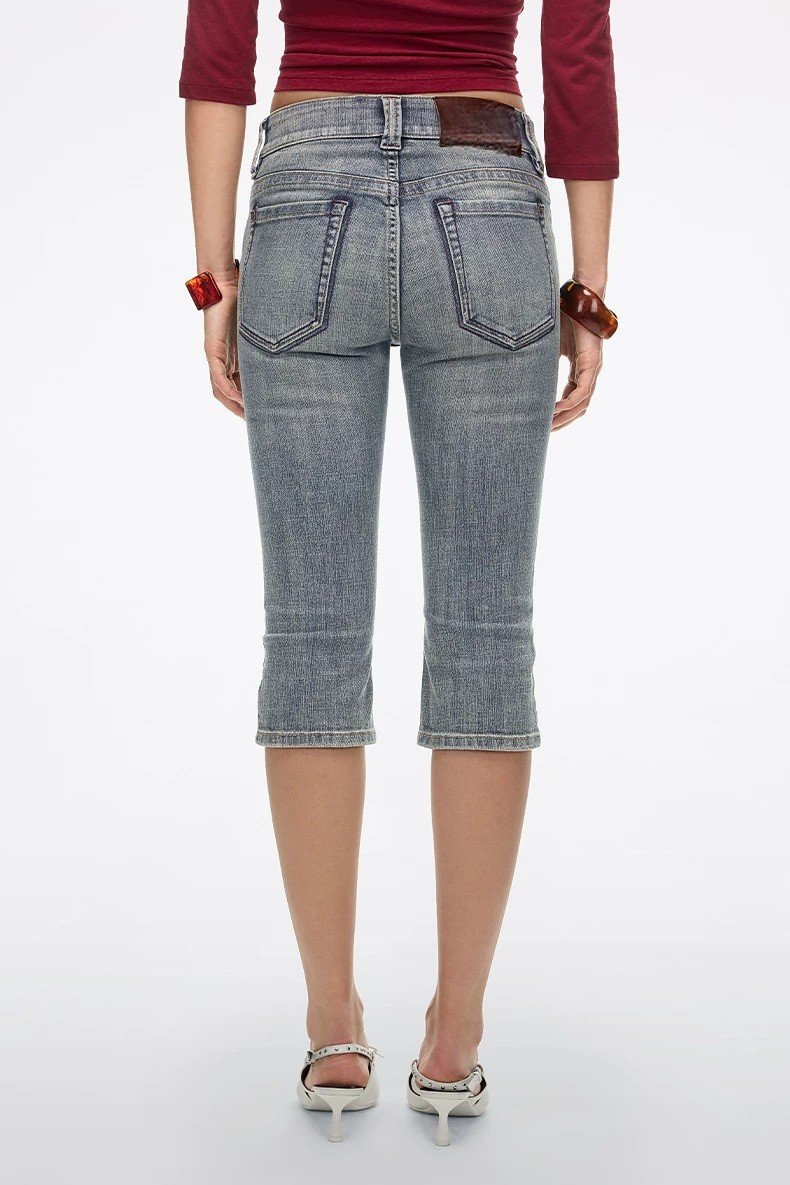
Whether you provide a complete tech pack, a reference jean, a sketch or a mood board, our product-development team turns the direction into a production-ready denim specification. We review construction, fabric weight, stretch, washes, trims and target cost before sampling begins.
- OEM, ODM and private-label development support
- Fabric, hardware and wash recommendations
- Pattern making and prototype sampling
- Manufacturability review before quotation

Integrated Denim Production Control
With cut-and-sew production, decoration, washing, finishing, labels and packaging coordinated through one supply chain, JUNSHEEN keeps custom blue jeans programs moving with clearer control over quality and timing. Production starts from 100 units per style and color, then scales for ongoing demand.
- 100-unit MOQ per style and color
- Embroidery, printing, patches and custom branding
- Stone, enzyme, acid and garment-wash options
- 200+ skilled workers and 80,000+ monthly units
Consistency for Repeat Orders
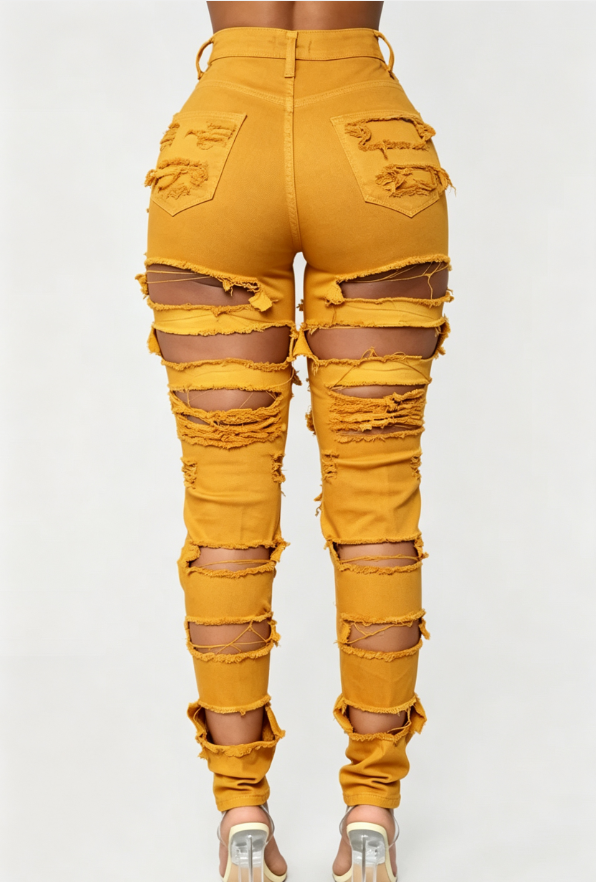
Repeat denim programs benefit from retained patterns, graded size sets and material records that support faster reorders and more stable execution. In-line and final inspections check measurements, construction, decoration and packed goods, while global export support helps brands replenish across markets with confidence.
- Retained specifications for reorder continuity
- Incoming, in-line and final quality inspections
- Scalable support from capsule drops to bulk programs
- Global shipping support for 2,000+ brand clients served

Why Choose JUNSHEEN for Custom Blue Jeans Manufacturing
Compare a fit-focused OEM denim partner with typical suppliers.
← 左右滑动查看 →
Custom Blue Jeans Production, Step by Step
A controlled denim workflow that turns approved specifications into export-ready goods, from fabric selection and fit development through finishing, inspection and shipment.
Source Denim Materials
We review your target price, weight, stretch and wash direction, then source suitable denim, pockets, hardware, labels and packaging components.
Develop Patterns and Samples
Our team converts your tech pack, sketch or reference into fit-focused patterns, graded XS–3XL size sets and prototype custom blue jeans samples.
Confirm Specifications and Bulk
After sample approval, we lock measurements, construction details, wash standards, trims and production quantities before preparing materials and production schedules.
Cut, Sew and Finish
Skilled teams cut and sew each order, then apply approved stone wash, enzyme wash, printing, embroidery or other denim decoration treatments.
Inspect, Pack and Ship
We check fabric, measurements, construction, finish and packed goods, then complete branded packing and coordinate export shipment for global delivery.
How to Start Your Custom Blue Jeans Project
Move from concept to production with a clear, fit-focused OEM workflow built for 100-unit launches and scalable denim programs.
Send Your Design Brief
Share a tech pack, sketch, reference garment, mood board, or product idea with target quantities, size range, wash direction, and required branding details.
Review Feasibility and Quote
Our team evaluates construction, fabric, fit grading, denim washes, trims, decoration, and timeline, then recommends practical specifications and prepares a detailed quotation.
Approve Development Samples
Review prototype samples, fabric swatches, measurements, fit, wash effects, labels, and hardware. We refine approved details before creating size sets and production records.
Launch Bulk Production
Confirm your order and move into controlled bulk production, with in-line inspections, final quality checks, branded packing, and global export support before shipment.
Custom Clothing Manufacturer Credentials and Compliance Documents



What Global Fashion Brands Say About Custom Blue Jeans
JUNSHEEN turned our reference fit into a graded XS–3XL denim program without losing the intended high-rise silhouette. We launched with 120 units per wash and reduced sample revisions from four rounds to two.
For our first private-label drop, the 100-unit MOQ let us test two custom blue jeans washes without overcommitting inventory. The finished order arrived on schedule, and our first run sold through 78% in six weeks.
We began with a 150-unit capsule and scaled to 3,600 units across three fits after repeat orders. JUNSHEEN kept the measurements, wash effect, branded hardware, and packaging consistent as our wholesale accounts grew.
Custom Blue Jeans Manufacturing FAQ
Clear answers on MOQs, sampling, production, payment, shipping and confidentiality for OEM denim programs.
What is the MOQ for custom blue jeans?
Can you make custom blue jeans from my tech pack or reference sample?
How does sampling work for custom blue jeans?
How long does custom blue jeans production take?
Can you develop plus-size and oversized denim fits?
What payment terms do you offer for OEM denim orders?
Do you ship custom blue jeans internationally?
How do you protect my custom blue jeans designs and brand details?
The Complete Buyer’s Guide to custom blue jeans
Use this decision framework to define product specifications, evaluate OEM suppliers, control costs, and avoid the sourcing mistakes that can compromise fit, wash quality, compliance, and launch timelines.
1. What Are custom blue jeans?
100 units per style and color is a practical starting point for custom blue jeans in an OEM or private-label program. Rather than modifying a finished retail pair, the buyer defines a production specification that a factory samples, approves, grades, and repeats for wholesale or direct-to-consumer sale. 2010 is the founding year of Dongguan Junsheen Clothing Co., Ltd., whose denim development can begin with a tech pack, sketch, reference garment, or product idea. A brief can specify the silhouette and fit, size range and grading, denim weight and stretch, indigo shade, wash effect, stitching, pocket shape, hardware, labels, logo treatment, hang tags, and branded packaging. 3 buyer groups benefit most from this model: emerging labels building a first capsule, established brands adding a controlled denim line, and wholesalers or retailers requiring repeatable branded stock. It is different from retail personalization, which usually adds a name, patch, or limited decoration to an existing jean, and from made-to-measure, which builds an individual garment around one person’s measurements; custom manufacturing creates a standardized, brand-owned product specification designed to scale.
2. The Evolution of Blue Jeans
1873 marked the patenting of riveted waist overalls, establishing denim as hard-wearing workwear built around durable cotton twill, reinforced stress points and indigo dye. For a modern label, that heritage still informs decisions on fabric weight, pocket reinforcement, contrast stitching and hardware—details that make a basic five-pocket jean feel credible rather than generic. 1950s youth culture moved jeans from utility into identity, while later decades repeatedly reset demand through straight, bootcut, relaxed, skinny and oversized silhouettes. Each shift changes the pattern brief: rise, thigh ease, leg opening, inseam break and grading must be developed together, especially when custom blue jeans run from XS through 3XL. 1980s designer denim and 1990s–2000s streetwear turned wash and branding into commercial differentiators. Stone wash, enzyme wash, acid wash, tinting, whiskers, patches, embroidery and branded trims can define a price tier, but each should be sampled against the final fabric because abrasion, color loss and shrinkage affect fit and repeatability. 2000s stretch denim expanded comfort expectations, commonly using elastane blends, while current buyers also expect clearer material traceability and lower-impact choices. Specify recovery after wear, wash durability, fiber composition, recycled-content claims and labeling requirements early; a premium-looking jean fails commercially if stretch bags out, shade varies between lots or sustainability language cannot be supported.
3. Types of custom blue jeans
Eight core silhouettes give a first custom blue jeans range enough fit choice without creating internal competition. Start with distinct customer jobs, then match each block to wash direction and development effort.
| Style | Primary Customer | Pattern Complexity | Wash Direction |
|---|---|---|---|
| Straight | Broad everyday buyer | Low | Dark rinse or vintage mid-blue |
| Slim | Polished casual customer | Medium | Clean indigo or black |
| Wide-Leg | Trend-led customer | Medium | Mid-blue or soft faded wash |
| Carpenter | Workwear and streetwear | High | Enzyme or stone wash |
Core Fit Families
Straight and slim jeans serve the broadest repeat customer: straight holds a consistent leg opening, while slim narrows below the knee without the compression of skinny. Skinny needs reliable stretch recovery and close thigh-to-calf grading; use it only when the brand already has a clear fitted customer.
- Straight: evergreen, low-risk opening style
- Slim: polished everyday silhouette
- Skinny: fitted niche with higher fit sensitivity
Volume-Led Silhouettes
Relaxed, wide-leg, and flare styles create visibly different proportions from the same denim program. Relaxed adds ease through seat and thigh; wide-leg requires hem sweep control; flare needs a balanced knee break and wider opening. Medium vintage washes, subtle fading, and clean dark rinses preserve versatility. Avoid placing relaxed and wide-leg styles on nearly identical blocks.
- Relaxed: casual, unisex-friendly ease
- Wide-leg: fashion-forward volume
- Flare: statement silhouette with durable revival cycles
Workwear-Derived Styles

Carpenter and utility-inspired jeans suit workwear, streetwear, and premium casual customers. Patch pockets, hammer loops, articulated knees, cargo pockets, and extra topstitching add operations and pattern pieces. Choose rigid or low-stretch denim with enzyme, stone, or light acid washes; cleaner rinses keep complex pocket details legible.
- Carpenter: hammer loop and utility pockets
- Utility: modular pockets or reinforced panels
- Budget extra labor before confirming trims
4. Fabrics for custom blue jeans
12 oz (about 407 GSM) is a common starting point for custom blue jeans, but composition determines how that weight wears and washes. Denim is usually a 3×1 twill: dyed warp yarns cross undyed weft yarns, creating the familiar diagonal face.
| Fabric weight | Approx. GSM | Best use | Sourcing note |
|---|---|---|---|
| 8–10 oz | 271–339 | Shirts, summer jeans | Prioritize opacity and seam strength |
| 11–13 oz | 373–441 | Core jeans | Balanced drape, durability, and wash options |
| 14–16 oz | 475–542 | Rigid premium jeans | Confirm shrinkage and break-in expectations |
Choose Fiber And Stretch

100% cotton rigid denim develops personal creases and fading, but needs allowance for break-in and wash shrinkage. Ring-spun yarn generally feels smoother than open-end yarn; slub yarn adds deliberate irregular texture. 1–2% elastane creates stretch denim, while comfort stretch uses low stretch for easier movement without a legging-like feel. Recovery is the fabric’s ability to return after extension; poor recovery causes bagged knees and seats. 20–40% recycled cotton can reduce virgin-fiber use, though fiber length may require blending for strength. Organic cotton should be specified with transaction documentation when certification claims will appear on labels.
Specify Weight And Testing

8–10 oz denim suits shirts, summer jeans, and layered styles; 14 oz and above suits structured, durable silhouettes. Ounces normally mean ounces per square yard, while GSM measures grams per square meter. 3–10% shrinkage can occur depending on sanforization, wash recipe, and fiber blend, so approve after-wash measurements rather than greige measurements. Before bulk, test shade consistency, dimensional stability, tensile/tear strength, stretch, recovery, and crocking.
5. Custom Blue Jeans Washes and Branding
100-unit custom blue jeans programs can use rinse, stone, enzyme, bleach, vintage, or laser effects to establish a recognizable finish. Approve a physical wash reference and signed wash standard before bulk cutting; screen images cannot reliably show shade, abrasion, or hand feel.
| Finish | Durability | Repeatability | Cost/MOQ Effect |
|---|---|---|---|
| Rinse | High | High | Lowest impact |
| Enzyme or stone | High | Medium | Moderate processing |
| Bleach or vintage | Medium | Medium | More controls |
| Laser wash | High | High | Artwork setup may affect MOQ |
Wash Selection And Control

3 wash variables—denim shade, abrasion placement, and hand feel—must be reviewed together on the approved sample. Laser fading offers precise, repeatable artwork; stone and bleach effects need tolerance ranges because lots can vary. 1 retained control sample per approved wash gives Junsheen’s production and QC teams a practical comparison point during bulk finishing.
Distressing And Decoration

2 high-visibility details, whiskers and distressing, should be positioned from a marked reference garment or artwork file. Reinforce heavy tears with backing where wear life matters, and specify whether frayed edges may evolve after laundering. 3 decoration routes—embroidery, patches, and prints—need separate placement, color, and wash-test approval. Test adhesion and thread stability after the intended wash process, not before it.
- Whiskers: define thigh position and contrast
- Embroidery: confirm thread color after washing
- Patches: specify woven, leather, or synthetic material
- Prints: validate cracking and abrasion resistance
Branding And Packout
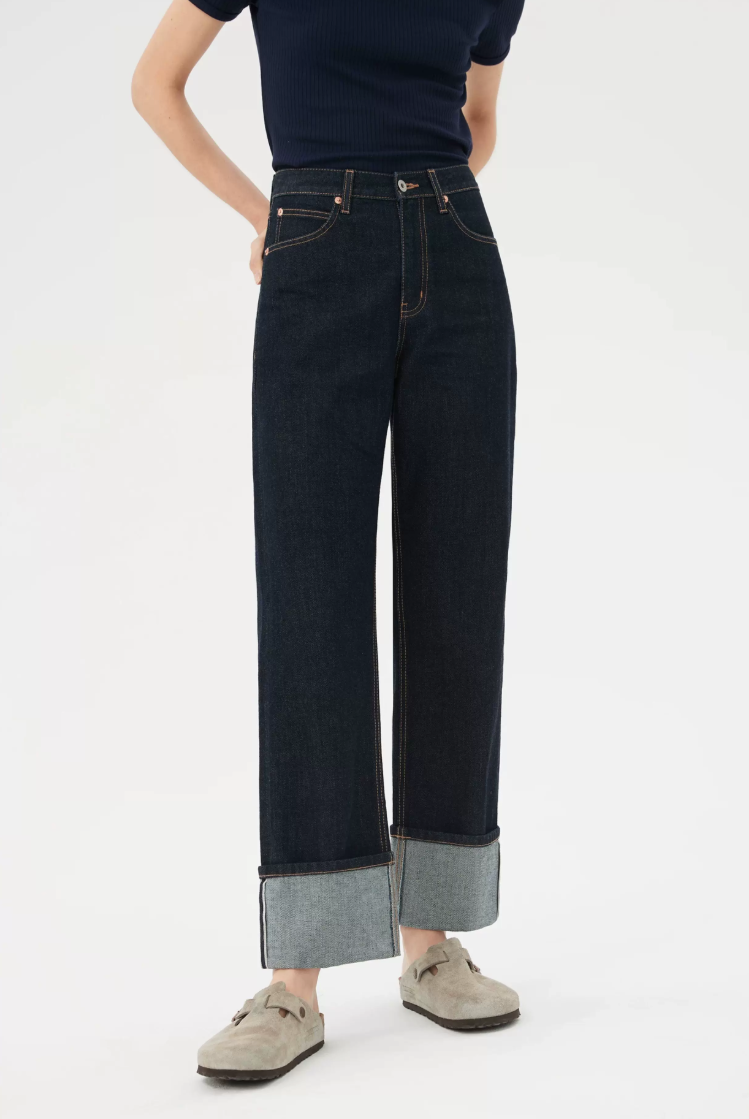
4 brand touchpoints—main label, size label, hardware, and packaging—should match the approved bill of materials. Specify rivet and button finish, zipper type, label composition, care content, barcode, and fold method before production. 100-unit runs can accommodate private labels and selected trims, but custom molds, specialty hardware, and bespoke packaging commonly raise MOQ or unit cost. Confirm compliance requirements for fiber content, care labeling, restricted substances, and destination-market labeling early.
6. Construction Quality for custom blue jeans
Reliable custom blue jeans begin with a balanced pattern, then prove themselves in repeated wear and washing. Approve construction against a measured sample, not only a flat technical drawing.
Pattern And Grading
A balanced jean keeps side seams vertical, inseams aligned, and the rise proportionate from XS through 3XL. Request a graded measurement chart covering front rise, back rise, thigh, knee, leg opening, and inseam. One size set should be tried on across the intended fit range. Check that grading changes preserve pocket position, crotch comfort, and leg shape rather than merely enlarging widths.
Seams And Stress Points

Double-needle felled seams are the usual durability benchmark for outseams and inseams, while chain-stitch construction can create a roping effect at the hem. Specify thread color, stitch count, and seam allowance in the tech pack. Bartacks should reinforce pocket corners, belt loops, fly ends, and the crotch junction. Ask to inspect skipped stitches, puckering, loose thread tails, and seam twisting after wash testing.
- Confirm consistent stitch density on paired seams
- Check bartacks at all pocket stress points
- Inspect seams after three home-laundering cycles
Hardware And Finishing

Five to seven belt loops, a stable waistband, and securely set rivets prevent common early failures. Choose a zipper or button fly only after confirming fly length, closure security, and metal finish against the approved sample. Pre-shipment inspection should compare hem width, inseam length, pocket symmetry, rivet placement, and wash shade to the sealed sample. Review several cartons across production, because wash variation can appear between lots.
7. How to Choose a Denim Manufacturer
Approve a denim OEM only after its development workflow, wash controls, and inspection evidence match your product brief. For custom blue jeans, the cheapest quote is secondary to repeatable fit, traceable materials, and clear corrective-action ownership.
Verify Development And Fit

100-unit starting MOQs can suit capsule launches, but confirm the minimum applies per style, color, and wash. Request a development calendar covering pattern release, prototype, size set, pre-production sample, and bulk approval. XS–3XL programs need graded measurements, not a scaled-up base size. Ask for a measurement spec, grade rules, fit comments, and photos of the approved sample on the intended size range.
- What is the sample turnaround by wash complexity?
- Who approves patterns and fit revisions?
- Can the factory retain patterns for repeat orders?
Audit Wash And Material Control

8–14 oz denim can react very differently to enzyme, stone, bleach, or laser finishing. Request fabric composition, weight tolerance, stretch recovery data, shade-band policy, and bulk swatch approval before cutting. OEKO-TEX, GOTS, BSCI, WRAP, and similar certificates should be current, scope-specific documents—not logos in a presentation. Confirm whether the mill, sewing factory, and wash facility each fall within the stated scope.
- Mill test reports and lot numbers
- Wash recipe and approved handfeel standard
- Restricted-substance and colorfastness reports
Confirm Capacity And Inspection
80,000-plus monthly units may indicate scale, yet your order needs a reserved production window and named quality checkpoints. Ask for incoming-fabric, in-line, measurement, decoration, and final-packed-goods inspection records. AQL sampling level, defect classifications, rework procedure, and final inspection report should be agreed before the purchase order. Establish one communication owner and a 24-hour response expectation for sample or production issues.
- Which AQL level governs final release?
- How are shade and measurement defects handled?
- Will you receive inspection photos before balance payment?
8. Common Custom Denim Sourcing Mistakes
Most denim production failures begin before cutting, when approvals leave room for interpretation. For custom blue jeans, lock technical, wash, fit, trim, and test decisions into dated production records before bulk release.
Ambiguous Tech Packs
One incomplete tech pack can produce several supplier interpretations of rise, pocket placement, stitch count, and tolerances. Provide graded measurements, construction callouts, Pantone references, artwork files, and a marked reference sample. Two approval rounds should close every open point before sampling moves forward. Record revision numbers and require the factory to return a production-ready specification sheet for sign-off.
Unsealed Wash Standards
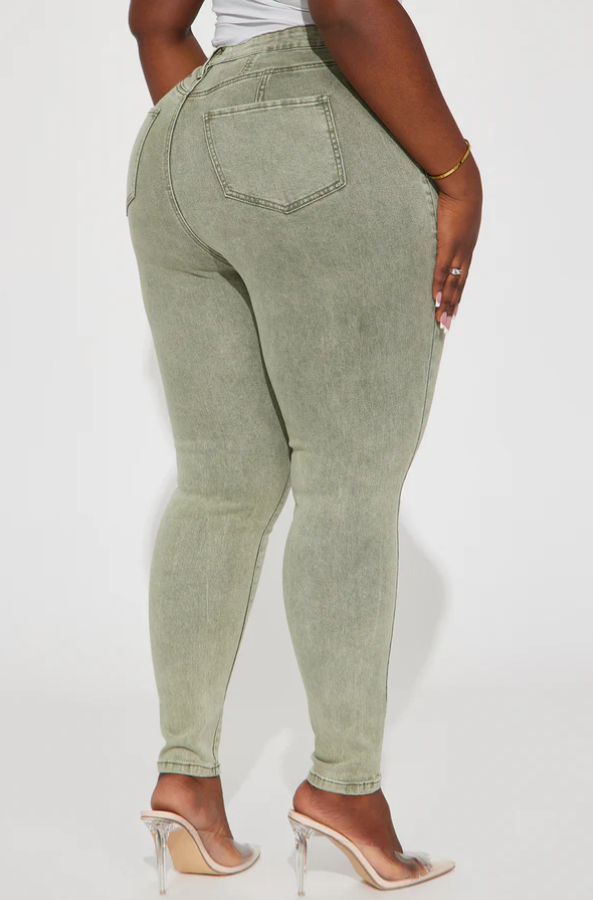
A stone wash can vary substantially with enzyme strength, load size, and drying time. Approving a single unlabelled sample leaves no enforceable bulk benchmark. One sealed, dated wash panel or approved garment should identify shade, abrasion zones, whiskers, hand feel, and acceptable variation. Keep it at the factory and attach photos to the PP approval.
Fabric And Fit Shortcuts

A lower fabric quote may hide weaker yarn quality, unstable stretch recovery, or inconsistent indigo performance. Compare composition, ounce weight, shrinkage, tear strength, and wash results—not price per yard alone. Three wash-and-wear checks should cover dimensional stability, color transfer, and stretch recovery. Confirm shrinkage allowances and graded fit on a size set, especially across XS through 3XL.
Late Changes And Testing
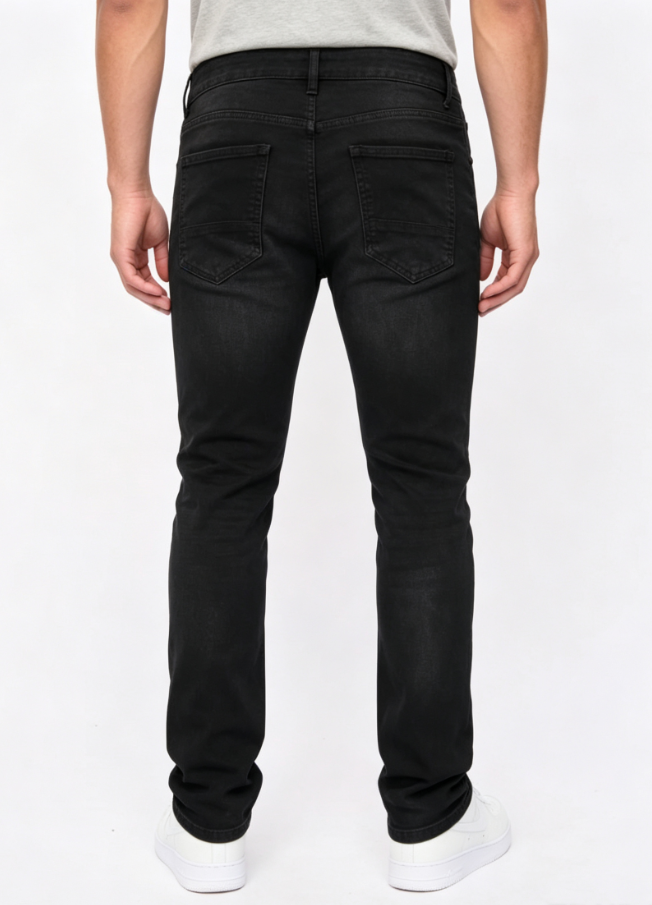
Four-to-eight-week trim lead times are common for custom metal buttons, leather patches, and branded zippers. Release trim artwork and approvals with the fabric order, then verify strike-offs before bulk. One PP sample is the production contract; changing fabric, wash, measurements, or hardware afterward can require re-costing and new approvals. Test finished garments for measurement, wash shrinkage, colorfastness, and decoration adhesion before shipment.
9. Launching Your Custom Jeans Collection
A 100-unit-per-style-and-color launch can move efficiently when the brand locks its customer, price point, and reference board before sampling. For custom blue jeans, each approval gate should assign a single brand decision-maker and a dated sign-off.
Position The Range
Three inputs should be fixed first: target customer, retail price, and competitive references. The brand owns silhouette, color count, and margin target; the manufacturer flags feasibility, MOQ, and construction risk.
- Define hero fit, rise, inseam, and leg shape
- Limit a first capsule to one or two washes
- Submit clear front, back, and detail references
Build The Technical Package

One tech pack should specify measurements, tolerances, bill of materials, Pantone references, artwork placement, and packaging. Junsheen can turn a sketch or reference garment into production patterns, but the brand must approve every specification.
- List denim weight, stretch, and fiber content
- Call out zipper, buttons, labels, and thread
- Include graded measurements through the intended size range
Approve Samples And Washes
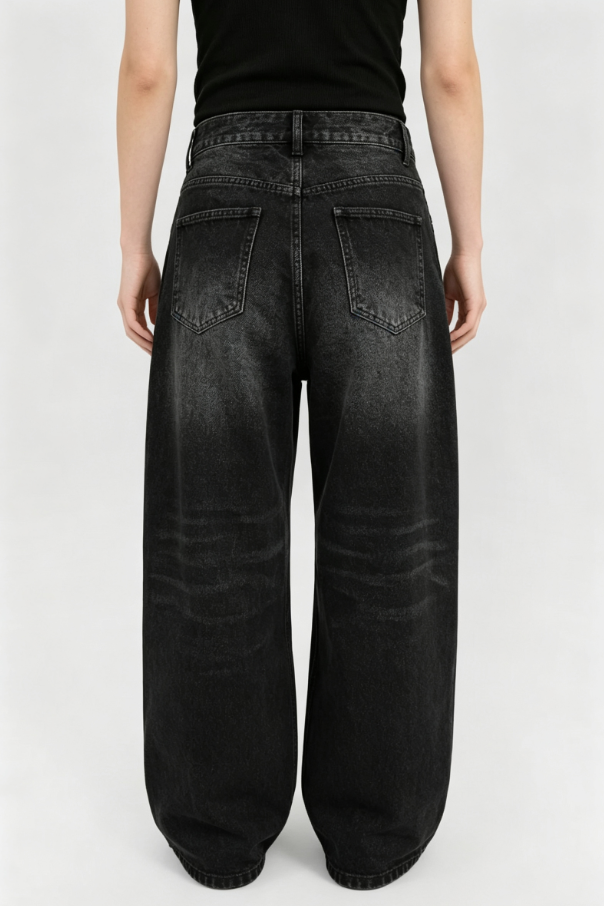
Two to four weeks is a practical planning allowance for development sampling, depending on fabric and wash complexity. Approve fit, hand feel, shrinkage, hardware, and wash appearance on physical samples before releasing grading.
- Fit sample: validate shape and key measurements
- Wash sample: approve shade, abrasion, and distress placement
- Size set: check grading, rise balance, and mobility
Release Production Carefully
One approved pre-production sample is the final gate before cutting bulk fabric. Bulk work then proceeds through incoming-fabric checks, in-line measurement inspections, final QC, branded packing, balance payment, and export delivery.
- Freeze approved samples and revision dates
- Inspect packed goods against approved specifications
- Allow extra time for freight booking and customs clearance
10. custom blue jeans Pricing and Cost
100 units per style and color is a practical starting point for a capsule order, but custom blue jeans should be priced from an approved specification rather than a catalog rate. The ranges below are indicative FOB China planning figures in USD; freight, duties, and destination charges are separate. 12–14 oz stretch or rigid denim is usually the largest material-cost driver, followed by fabric origin, cotton blend, weight, and wash yield. Enzyme, stone, acid, bleach, tint, hand-sanding, whiskering, repairs, and laser effects add labor, wash risk, and rejection allowance. 3 cost checkpoints prevent surprises: sample development, pre-production approval, and the final landed-cost review. YKK hardware, leather or woven labels, custom rivets, hang tags, polybags, cartons, order volume, and air versus sea freight can each shift the final quote.
| Quantity tier | Indicative FOB unit price | Sample or development | Typical production lead time |
|---|---|---|---|
| 100–299 units | US$18–35 | US$80–200 per style | 35–50 days after approvals |
| 300–999 units | US$14–28 | Sample fee often creditable by agreement | 30–45 days after approvals |
| 1,000–2,999 units | US$11–23 | Size set or wash trial may add cost | 30–40 days after approvals |
| 3,000+ units | US$9–19 | Development depends on fabric and wash complexity | 25–35 days after approvals |
Ready to Develop Custom Blue Jeans for Your Brand?
Send your tech pack, reference garment or product idea for fit-focused denim development and a custom manufacturing quote from 100 units.