
Custom Golf Polos From 100 Units
Develop fit-focused custom golf polos in XS–3XL with OEM, ODM and private-label support, from sampling through scalable global production.
Featured Products for custom golf polos Development
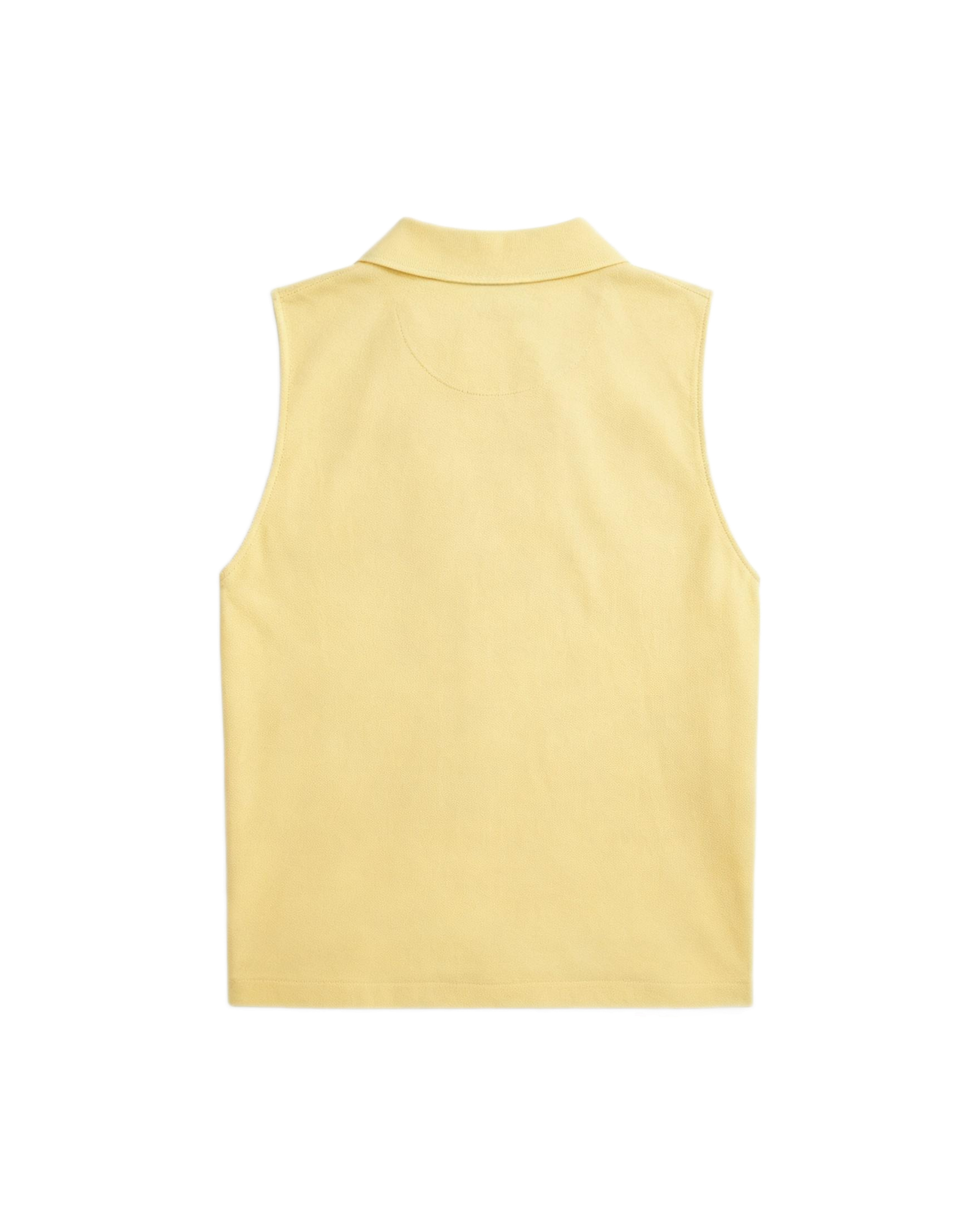


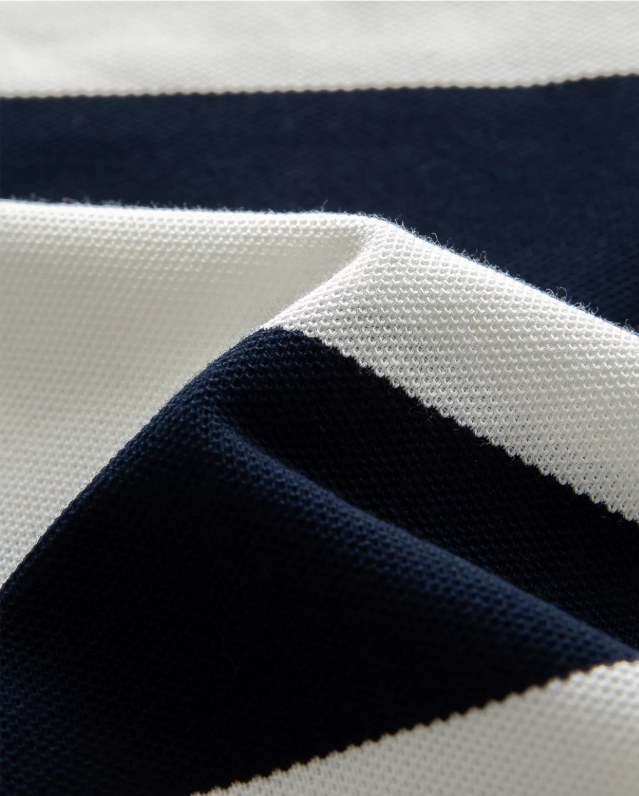

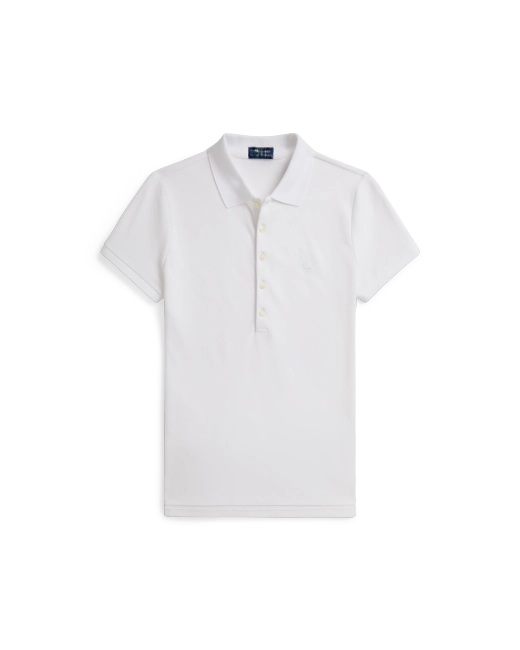


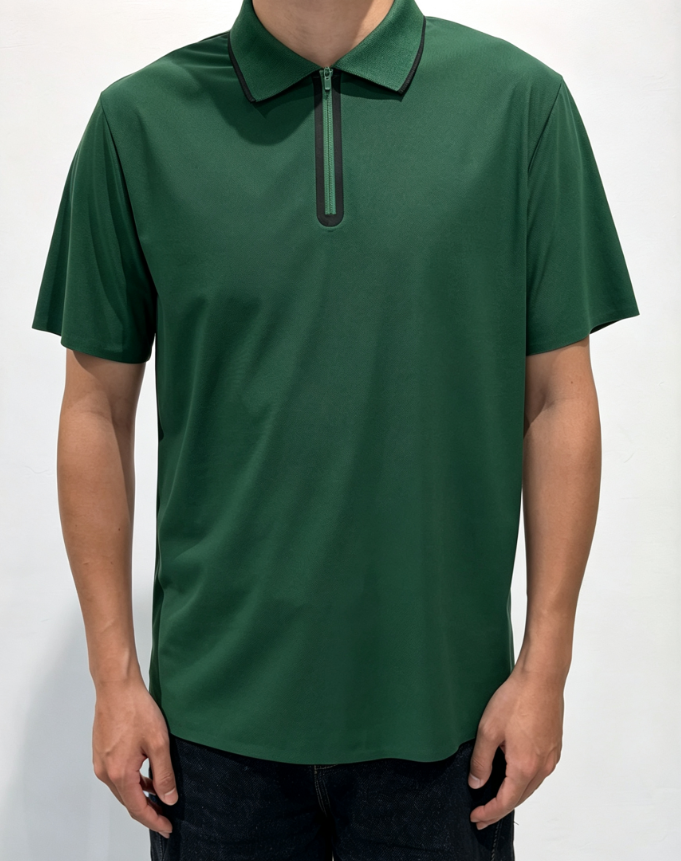


Related Product Catalogue and Quotation





Why Buyers Choose Our Custom Golf Polos
From first sample to repeat bulk orders, JUNSHEEN combines flexible development, branded finishing and export-ready production in one apparel supply chain.
100-Unit Starting MOQ
Launch custom golf polos from 100 units per style and color, giving new labels and test programs a practical entry point.
Fit-Focused Size Development
Pattern makers refine proportion, mobility and grading from XS to 3XL for regular, oversized and extended-size polo programs.
Integrated Logo Decoration
Coordinate embroidery, screen printing, transfers and custom patches with fabric selection for a polished, durable branded golf polo.
Private-Label Finishing
Add woven labels, care labels, hang tags, custom buttons, branded packaging and trims through one managed production workflow.
Scalable Production Capacity
More than 200 skilled workers and monthly capacity above 80,000 units support capsule launches, replenishment and growing wholesale demand.
Export Support Included
Receive coordinated quality control, packing and global shipping support from a Dongguan manufacturer serving fashion brands worldwide.
Custom Apparel Programs for Brands and Teams
From retail collections and branded uniforms to scalable private-label production, Junsheen develops fit-focused casualwear, denim, knitwear and outerwear from 100 units per style and color.

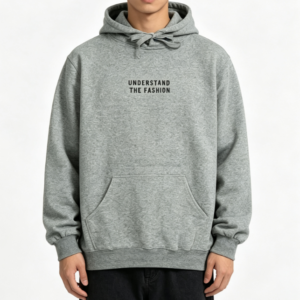
Custom Hoodies
Develop custom hoodies in fleece, French terry or heavyweight jersey with refined XS–3XL grading. Choose pullover or zip styles, custom hoods, pockets, rib trims, embroidery, printing, washes, labels and retail-ready packaging for branded collections or uniform programs.
Request a Quote
Custom T-Shirts
Produce custom T-shirts from combed cotton, organic cotton, blended jersey or performance knits. Junsheen supports silhouette development, fabric weight selection, oversized and extended-size grading, screen printing, DTG, DTF, embroidery, private labels and consistent bulk production.
Request a Quote
Custom Jeans
Develop custom jeans with denim or stretch-denim sourcing, fit development and size grading from XS through 3XL. Programs can include custom washes, distressing, hardware, pocket construction, embroidery, patches, branded labels and packaging for retail or wholesale assortments.
Request a Quote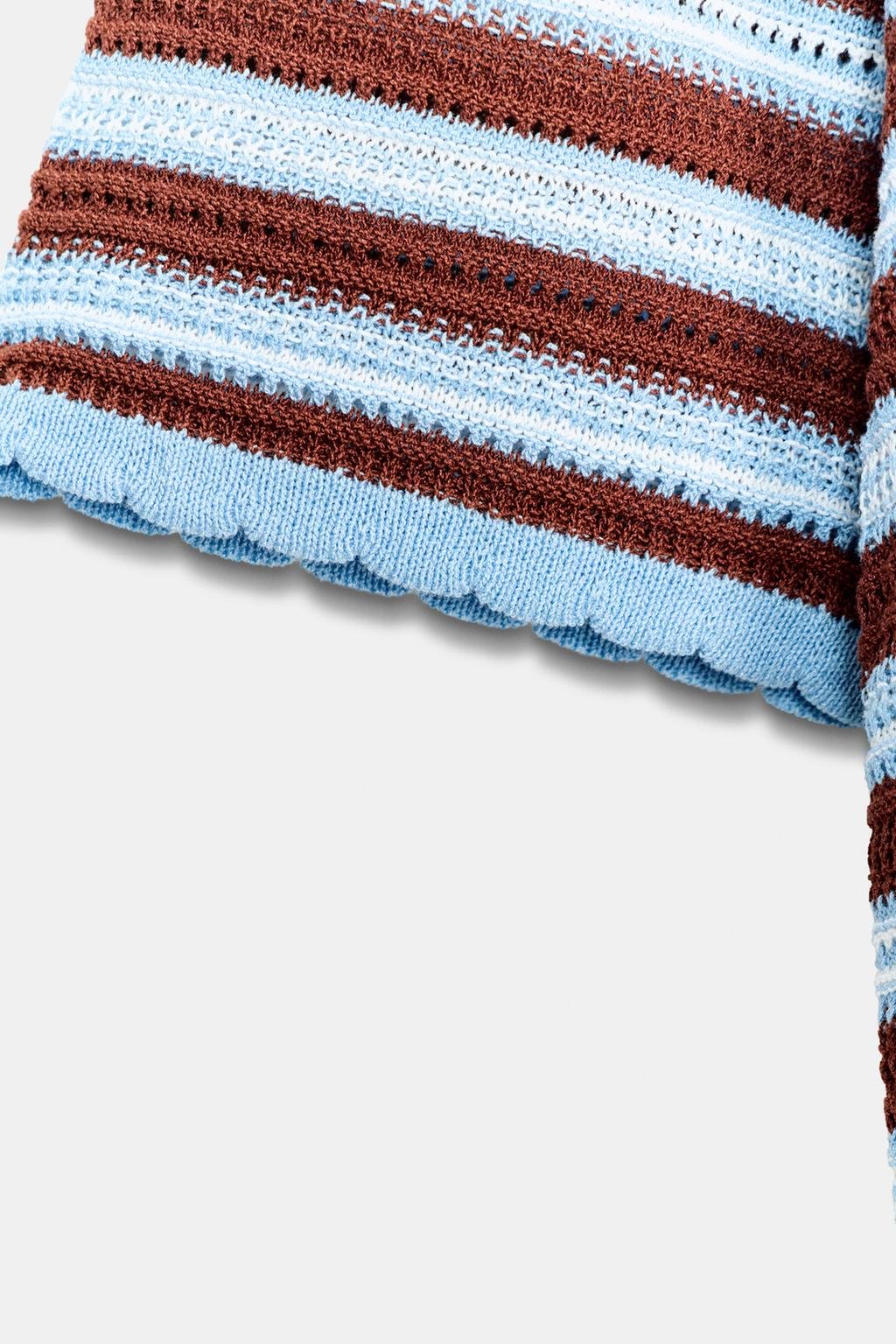
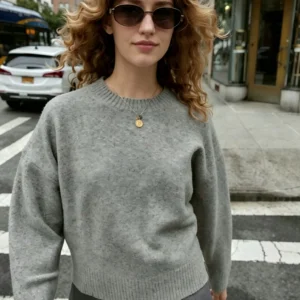
Custom Sweaters
Source turtle neck sweater bulk programs in knit constructions suited to your target hand feel, warmth and price point. Junsheen develops neck finishes, gauges, yarn blends, graded sizing and private-label details for retail collections, uniforms or seasonal replenishment.
Request a Quote
Custom Jackets
Build custom jean jacket programs with denim selection, pattern development and wash testing aligned to your market. Specify fit, collar, pocket layout, seams, branded buttons, patches, embroidery, printing, distressing and labels before bulk approval.
Request a Quote
Custom Sweatshirts & Crewnecks
Create custom crewneck hoodie and sweatshirt programs in fleece or French terry, with crewneck, pullover or hybrid silhouettes. Development covers fabric weight, rib construction, fit grading, embroidery, printing, washes, labels and scalable production from 100 units.
Request a Quote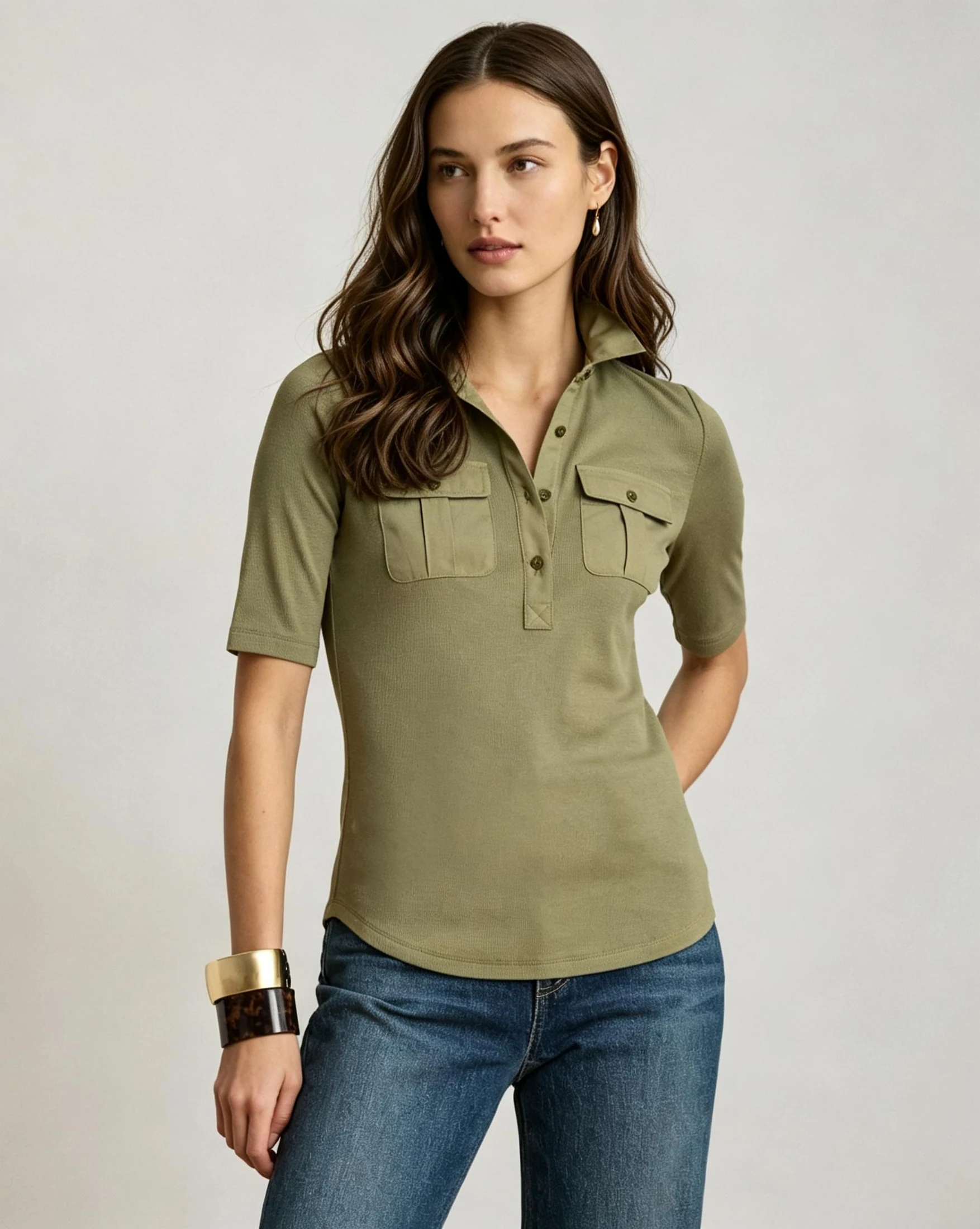
Custom Cardigans
Develop custom cardigan programs in knitwear constructions matched to your intended drape, warmth and retail price point. Choose yarn blends, gauges, button or zip closures, pocket details, rib finishes, fit grading, labels and branded packaging.
Request a Quote
Custom Puffer & Down Jackets
Produce custom puffer jackets with shell, lining and insulation options selected for weight, warmth and target cost. Junsheen supports panel construction, quilting, hoods, zippers, pockets, reflective details, branding, fit development and bulk quality control.
Request a Quote
Custom Denim Shorts
Manufacture custom jean shorts in rigid or stretch denim with fit, rise and inseam tailored to your customer. Add wash effects, frayed hems, distressing, custom hardware, embroidery, patches, labels and coordinated size grading for retail programs.
Request a Quote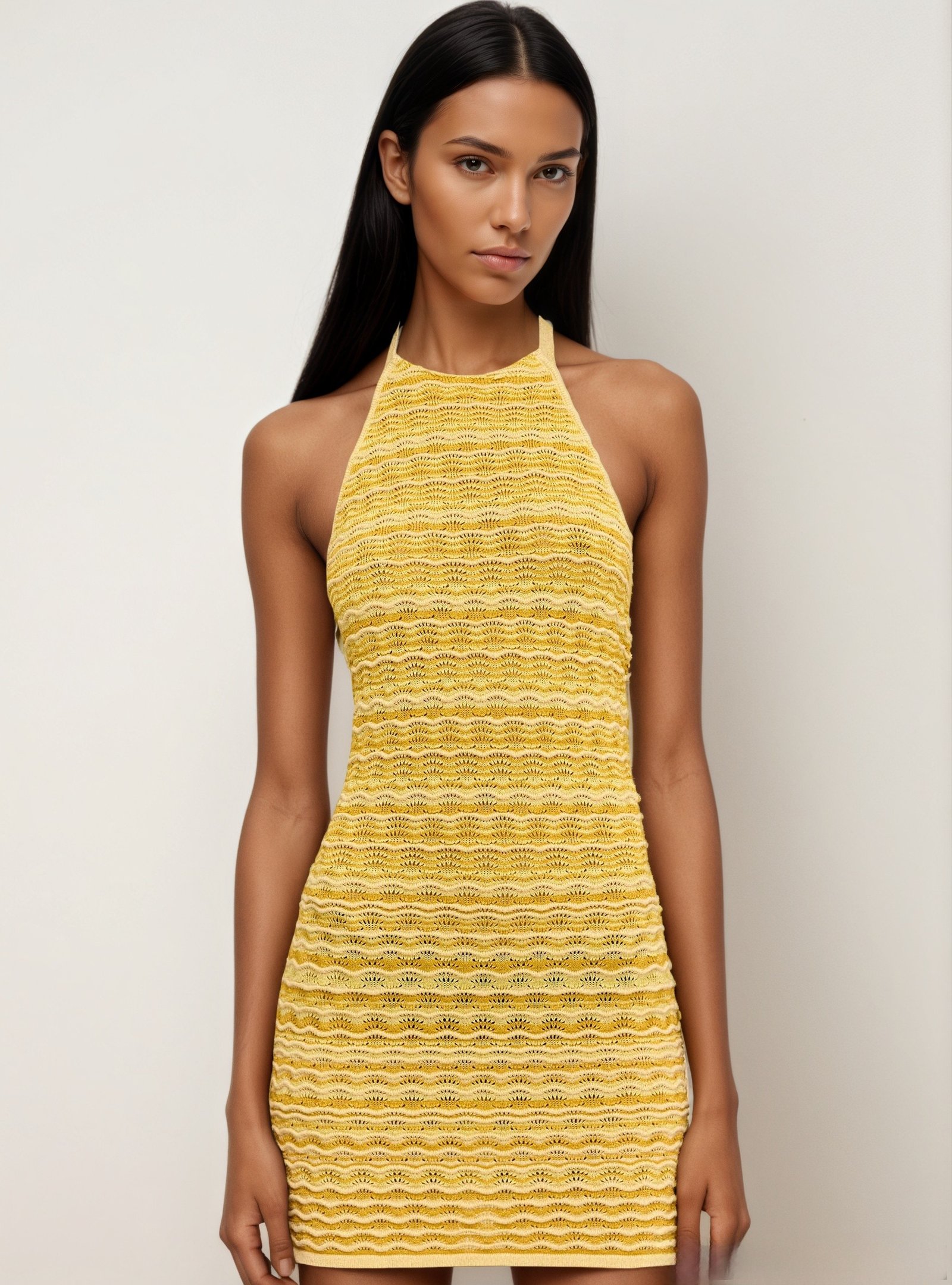
Custom Sweater Dresses
Develop custom sweater dresses with knit structures, yarn blends and silhouettes designed around drape, recovery and warmth. Junsheen supports body shaping, neckline and sleeve development, XS–3XL grading, trims, labels and pre-production samples for approval.
Request a Quote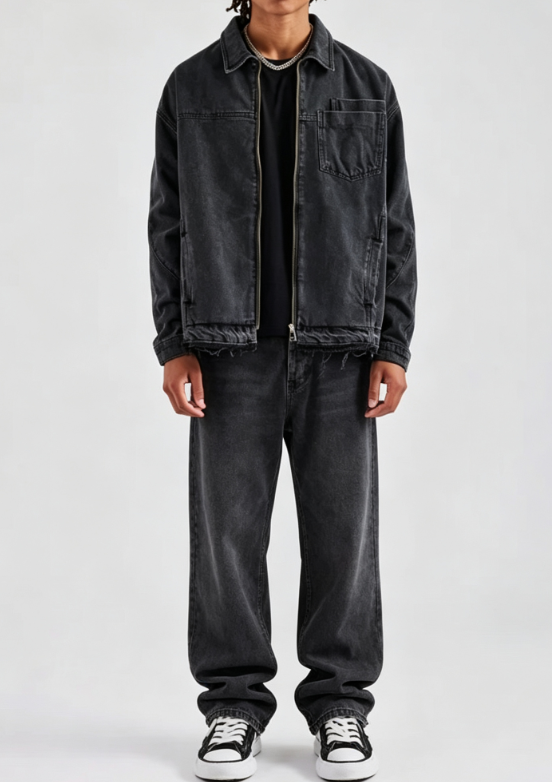
Custom Denim Sets
Source mens denim suits wholesale programs that coordinate jackets and trousers across fabric, wash and fit. Junsheen manages pattern development, construction details, branded hardware, labels, packaging and repeatable production for retailers, wholesalers and private-label buyers.
Request a Quote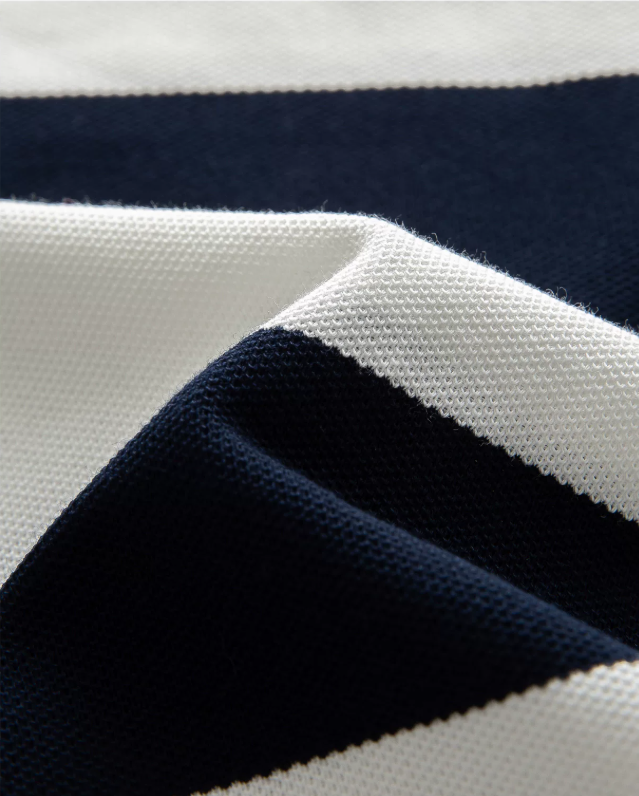
Custom Polo Shirts
Manufacture custom polo shirts for branded uniforms, golf programs, events and retail collections. Select pique, jersey or performance fabrics, collar construction, plackets, contrast details, logo embroidery, printing, fit grading and durable finishing suited to repeated wear.
Request a Quote
Custom Sweatpants
Produce custom sweatpants in fleece, French terry or performance knit fabrics with tapered, straight-leg or relaxed fits. Specify waistband construction, drawcords, pockets, cuffs, embroidery, prints, washes, labels and coordinated sizing for matching sets.
Request a Quote
Custom Shorts
Develop custom shorts across jersey, fleece, twill, woven and performance fabrics. Junsheen supports inseam selection, pocket layouts, waist finishes, stretch requirements, decoration, labels and fit-focused XS–3XL grading for retail, teamwear and promotional programs.
Request a Quote
Custom Pullovers
Create custom pullovers in knit, fleece, French terry or performance fabrics, including quarter-zip, mock-neck and lightweight layering styles. Development includes fabric selection, fit and grading, zipper or collar details, decoration, private labels and bulk production control.
Request a QuoteCustom Golf Polos in Fabrics Built for Comfort and Performance

Pique Cotton
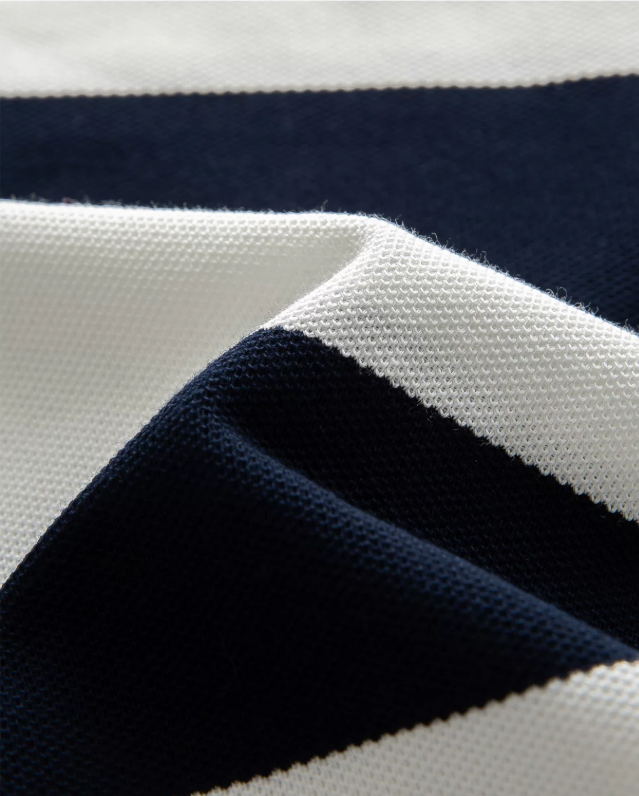
Breathable textured cotton with a classic dry hand and structured appearance. Ideal for premium lifestyle golf polos, its open knit improves airflow while maintaining dependable shape and everyday wear durability.

Cotton Spandex Pique
A soft, natural-feel pique enhanced with stretch for easier movement through the swing. Well suited to golf and corporate uniforms, it offers recovery, breathable texture and a polished traditional polo look.

Polyester Performance Knit
Lightweight performance knit with a smooth hand, quick-drying comfort and reliable color retention. Designed for active golf polos, it supports moisture management and durability through frequent wear and laundering.

Polyester Spandex Jersey
Smooth, flexible jersey with a soft hand and four-way stretch for unrestricted mobility. A strong choice for modern fitted golf polos, it combines moisture-wicking performance with resilient shape retention.

Recycled Performance Knit
Performance knit made with recycled polyester options for brands pursuing lower-impact material choices. Its lightweight, smooth hand supports breathable, quick-dry golf polos while preserving stretch, color and wash durability.
Decoration Methods for Custom Golf Polos

Logo Embroidery
Flat, 3D puff and chain-stitch embroidery create a textured, premium logo finish for custom golf polos. Carefully matched thread colors and stable backing help maintain clean detail, shape and durability through repeated wear and washing.

Screen Printing
Screen printing delivers bold, consistent artwork for chest logos, back graphics and event branding. Choose plastisol, water-based, puff, silicone or high-density effects to balance color impact, hand feel, stretch and long-term wash performance.

Heat Transfers
DTF, heat-transfer vinyl and silicone transfers reproduce detailed logos, gradients and small lettering with precise placement. This flexible option suits performance polo fabrics, short-run programs and multi-color branding where sharp visual definition matters.

Dye Sublimation
Dye sublimation bonds full-color artwork directly into compatible polyester performance fabrics, leaving no added surface layer. It is ideal for all-over patterns, team colorways and vivid graphics that remain lightweight, breathable and resistant to cracking.

Custom Patchwork
Woven, embroidered, leather-look and applique patches add tactile brand distinction to polos for clubs, retail collections and premium uniforms. Junsheen can coordinate patch size, edge finish, attachment method and placement with your complete private-label program.
Custom Golf Polos With Branded Trims and Accessories

Custom Polo Buttons
Select branded resin, metal, corozo, or shell-effect buttons with custom colors, logo engraving, and coordinated thread. Ideal for plackets that need a premium hand feel and a recognizable private-label finish.

YKK Zipper Plackets
Add reliable YKK zippers to quarter-zip golf polos, mock-neck styles, or performance layers. Choose zipper tape, puller shapes, and finishes that complement your fabric, logo treatment, and intended retail positioning.

Woven Brand Labels
Create woven main labels, size labels, and wash-care labels with your logo, sizing system, and fiber details. JUNSHEEN applies them accurately during production for a polished, compliant custom golf polo program.

Custom Hang Tags
Use custom hang tags to communicate fabric benefits, fit information, brand story, and retail pricing. Options include tailored card stocks, string colors, barcode placement, and premium finishes for wholesale-ready presentation.

Drawcord And Tipping
Specify contrast tipping, striped rib collars, drawcord details, or branded cord ends for golf-inspired layers and polo-adjacent styles. These accents help extend a coordinated collection beyond a standard placket polo.
Branded Retail Packaging
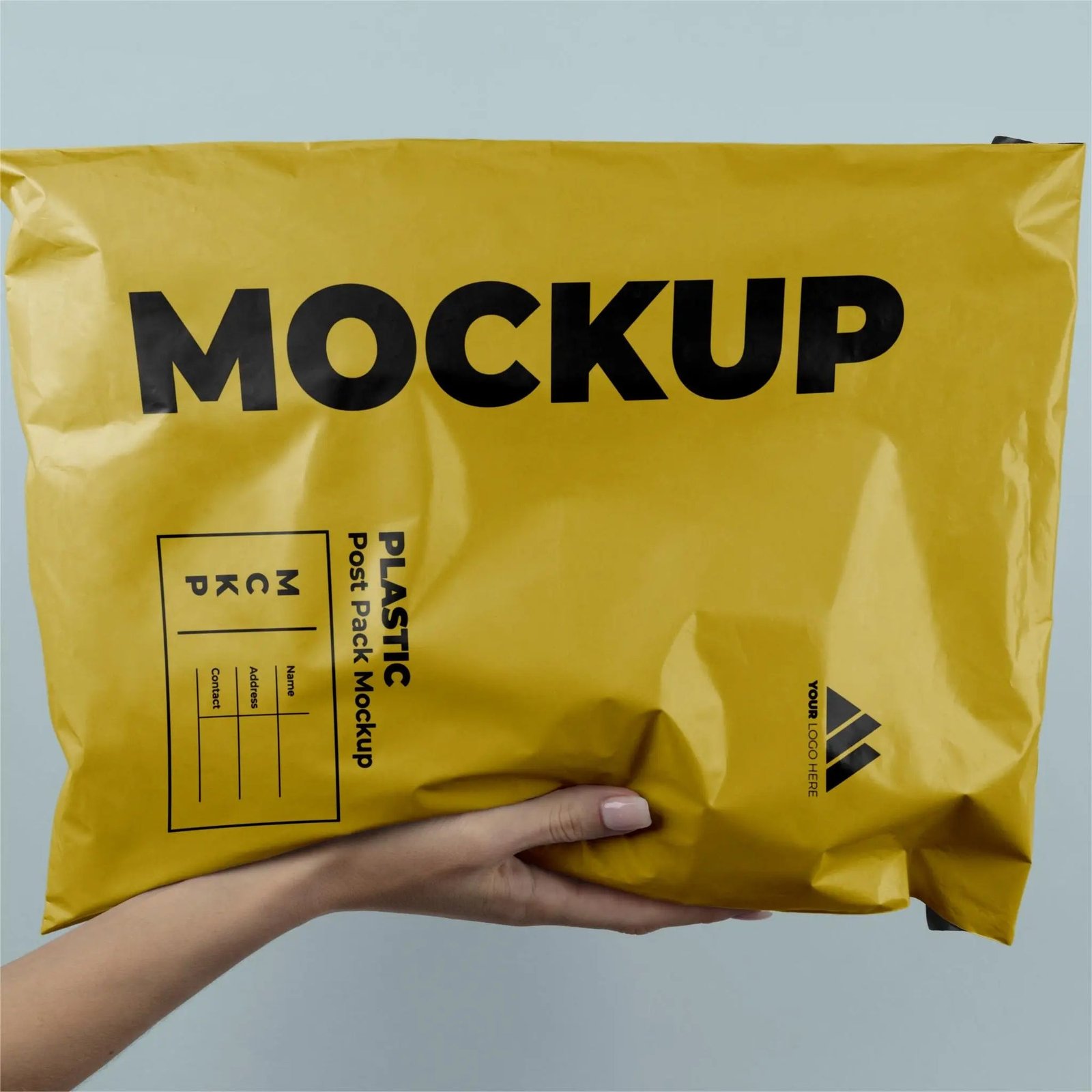
Complete your order with branded polybags, tissue, stickers, folding instructions, cartons, and insert cards. Packaging is coordinated with your labeling and export requirements to help custom golf polos arrive ready for distribution.
Custom Golf Polos, Built by JUNSHEEN
Founded in 2010 in Humen Town, Dongguan, JUNSHEEN is a one-stop OEM, ODM and private-label apparel manufacturer for brands that need dependable custom golf polos and broader casualwear production. Our mission is to turn ideas, tech packs and reference samples into production-ready garments with clear technical support.
More than 200 skilled workers support cut-and-sew, knitting, pattern development, fabric sourcing, embroidery, printing, finishing, labels, packaging and export coordination. With monthly capacity above 80,000 units, we can support a 100-unit style-and-color launch as confidently as an ongoing global bulk program.
What sets JUNSHEEN apart is fit-focused development from XS through 3XL. Rather than simply scaling one pattern, we refine proportions and grading for normal, extended, plus-size and oversized fits. That detail-driven approach has helped more than 2,000 fashion-brand clients build consistent products for their customers.

Custom Golf Polos: Fit, Development and Production in Depth
Fit-Focused XS–3XL Grading
JUNSHEEN develops custom golf polos with proportion-aware grading from XS through 3XL, including extended-size and modern oversized options. Pattern makers refine shoulder balance, sleeve length, body shape and movement instead of simply enlarging a base size.
- XS–3XL, plus-size and oversized fit development
- Balanced shoulder, sleeve and body proportions
- Size-set reviews before bulk approval
- Retained graded patterns for repeat orders

From Tech Pack to Sample
Bring a finished tech pack, sketch, reference garment or product concept. Our development team reviews construction and manufacturability, recommends fabrics and trims, creates patterns, then moves your golf polo through prototype and pre-production sampling.
- Specification and feasibility review
- Fabric, collar, placket and trim selection
- Pattern making and prototype sampling
- Pre-production approval before bulk

Integrated Brand Decoration
Keep your branding details coordinated within one production partner. JUNSHEEN supports logo embroidery, screen printing, transfers, patches, custom labels, hang tags and branded packaging, helping custom golf polos arrive retail-ready with consistent execution.
- Flat, 3D and puff logo embroidery
- Screen print, DTF and heat-transfer options
- Custom labels, hang tags and patches
- Branded packaging and finishing support

Quality-Controlled Scalable Production
Start with a 100-unit MOQ per style and color, then scale with confidence through a supply chain backed by 200+ skilled workers and 80,000+ monthly units of capacity. Inspections cover materials, construction, measurements, decoration and packed goods.
- Low MOQ from 100 units per style/color
- Incoming, in-line and final inspections
- Cut-and-sew and knitwear production capability
- Global export support for growing programs

Why Choose JUNSHEEN for Custom Golf Polos
A fit-focused, one-stop production partner for dependable golf polo programs from first sample through global delivery.
← 左右滑动查看 →
Our Custom Golf Polos Production Process
A controlled, fit-focused workflow that takes your golf polo program from feasibility review to export-ready delivery.
Review Feasibility and Specs
We assess your tech pack, reference garment or concept, confirm construction, target price, MOQ, sizing and production requirements before development begins.
Source Performance Materials
Our team recommends polo fabrics, collars, trims and color options based on hand feel, stretch, breathability, durability, wash performance and target market.
Develop Patterns and Samples
Pattern makers build and grade fit-focused XS–3XL patterns, then produce samples for measurement, mobility, fabric, collar and branding approval.
Cut, Decorate and Assemble
Approved materials move into cutting, embroidery, printing and sewing, with private-label trims and finishing applied to your confirmed custom golf polos specification.
Inspect, Pack and Ship
In-line and final inspections verify measurements, construction, decoration and packed goods before branded packaging and coordinated worldwide export shipment.
Start Your Custom Golf Polos OEM Project
Move from concept to export-ready production with clear development checkpoints, low MOQs from 100 units per style and color, and fit-focused support.
Send Your Product Brief
Share a tech pack, sketch, reference garment, mood board, or product idea, including target quantities, colors, logo placement, fabric preferences, and required size range.
Review Feasibility and Quote
Our team reviews construction, performance fabric, decoration, fit grading, trims, and packaging requirements, then confirms manufacturability, recommended options, lead times, MOQ, and pricing.
Approve Samples and Fit
Review prototype samples, fabric swatches, logo execution, measurements, and XS–3XL grading. Refine details before approving the size set and pre-production standard for bulk manufacturing.
Confirm Bulk Production
Confirm your order and production details. JUNSHEEN manages fabric sourcing, cut-and-sew manufacturing, embroidery or printing, in-line quality checks, labels, packaging, and final inspection.
Arrange Global Shipment
After final quality control and balance settlement, packed custom golf polos are prepared for export, with shipping support for worldwide brand, wholesale, retail, and sourcing programs.
Custom Clothing Manufacturer Credentials and Compliance Documents




Client Results From Custom Golf Polos Programs
JUNSHEEN turned our performance polo concept into an approved size set in two sampling rounds. Their grading gave us consistent XS–3XL proportions, and the first 600-unit launch sold through 78% faster than our prior program.
We began with a 100-unit colorway test, then expanded to 2,400 custom golf polos across four seasonal drops. Reorder measurements and embroidery placement stayed consistent, which cut our internal production checks by about 30%.
Our retailer needed dependable delivery for 18 club-shop locations. JUNSHEEN coordinated fabric, private labels, and logo embroidery in one workflow, helping us launch 1,800 units on schedule with less than 2% quality-related follow-up.
Custom Golf Polos FAQ
Clear answers on MOQ, sampling, sizing, decoration, payments and global delivery for OEM and private-label polo programs.
What is the minimum order quantity for custom golf polos?
Can I order a sample before producing custom golf polos in bulk?
How long does custom golf polo production take?
Can you make custom golf polos in extended sizes?
What decoration options are available for golf polo logos?
What fabrics can you source for performance golf polos?
What payment terms do you offer for OEM polo orders?
Do you ship custom golf polos internationally and protect my designs?
The Complete Buyer’s Guide to custom golf polos
Use this practical framework to specify custom golf polos, compare fabrics and decoration methods, vet OEM/ODM suppliers, control costs, and avoid production mistakes before placing a bulk order.
1. What Are custom golf polos?
150-220 GSM is a common working range for a golf polo: light enough for warm-weather wear, yet substantial enough to hold a collar and embroidery. Custom golf polos are performance or lifestyle shirts specified by the buyer, including knit construction, fiber blend, fit, Pantone color, collar and placket, trims, logo treatment, labels, hang tags, and packaging. 100-unit style-and-color runs can suit a capsule collection, but the development route determines what is actually custom. A stock logo polo adds decoration to an existing blank; a private-label program applies a buyer’s labels and presentation to an established garment; full OEM/ODM development creates or revises the pattern, graded size set, material package, and production specifications from a tech pack, reference, sketch, or concept. 2010 is the year Junsheen began operating in Dongguan’s Humen garment-production cluster, where buyers can consolidate development, sourcing, cut-and-sew production, decoration, quality control, and export support. This model is most useful for brands, pro shops, event programs, wholesalers, and retailers deciding whether moisture management, stretch recovery, extended sizing through 3XL, decoration method, target cost, and repeat-order consistency justify a purpose-built polo rather than a decorated stock item.
2. From Coursewear to Branded Apparel
1926 is the year René Lacoste’s short-sleeve piqué shirt helped move the polo silhouette beyond its original equestrian association and into modern sport uniform design. Its knit collar, button placket, and easier arm movement made it a practical bridge between formal shirting and activewear; golf later adopted the format because it looked orderly while allowing a fuller swing. By the 1990s, polyester performance knits, filament yarns, and elastane blends had changed the buyer brief from a simple cotton piqué to moisture-wicking, quick-dry coursewear. A typical 180–220 GSM golf knit now needs recovery after repeated motion, a collar that holds shape, and colorfast decoration that survives laundering without compromising breathability. In 2026, custom golf polos sit across pro-shop merchandise, corporate uniforms, resort programs, event apparel, and fashion-led retail drops. Relaxed bodies, dropped shoulders, tonal embroidery, contrast tipping, silicone badges, and precise Pantone color matching have raised expectations: the same garment must perform for 18 holes, photograph well off-course, and retain a recognizable branded finish on the sales floor.
3. Types of custom golf polos
Six product families serve different golf, lifestyle, and corporate buyers. Build custom golf polos around wearer, price tier, fit expectation, and route to market—not a single silhouette.
Classic Pique And Performance Jerseys

180–220 GSM cotton-rich pique anchors pro-shop, resort, and uniform programs. Its rib collar and regular body suit traditional players and embroidered club crests. 140–180 GSM performance jersey targets active golfers and event merchandise. A cleaner athletic fit and moisture-management positioning work best for e-commerce and tournament sales.
Long-Sleeve And Women’s Fits

180–220 GSM long-sleeve polos extend the assortment for cool-weather rounds and corporate uniforms. Use a regular sleeve with a stable cuff for club shops and outdoor workwear accounts. Women’s polos need independent shoulder, bust, waist, and hip shaping rather than a scaled-down men’s block. Offer fitted and relaxed options to specialty retail, teamwear, and direct-to-consumer channels.
Knit Polos And Fashion Styles

12-gauge knit polos occupy a premium lifestyle position for boutiques and contemporary resort retail. A refined collar, shorter body, or full-fashioned hem signals a more elevated price tier. 240 GSM oversized polos and zip-collar styles attract younger streetwear and golf-lifestyle customers. Dropped shoulders or quarter-zips suit creator-led drops, fashion wholesale, and limited online capsules.
4. Fabrics for custom golf polos
180–240 GSM is the practical range for most custom golf polos: weight changes opacity, drape, and heat comfort as much as fiber content. Match the knit to the wearer’s climate, activity level, logo method, and intended retail tier before approving swatches.
| Fabric | Typical GSM | Wear Profile | Climate / Price Tier |
|---|---|---|---|
| Cotton pique | 200–230 | Breathable, textured; low wicking | Temperate / mid |
| Polyester pique | 160–200 | Quick-dry; moderate pilling risk | Hot / value |
| Poly-spandex jersey | 170–220 | Smooth, mobile, strong recovery | Warm / mid-premium |
| Recycled polyester blend | 180–220 | Wicking with sustainability story | Warm / mid-premium |
| Mercerized cotton | 180–220 | Smooth, refined, color-rich | Temperate / premium |
| Technical knit | 180–250 | Airflow, recovery, structured | Variable / premium |
Natural Hand And Prestige

200–230 GSM cotton pique gives a dry, textured hand and strong breathability for temperate clubwear, but dries slowly and may pill if yarn quality is weak. Mercerized cotton feels smoother, holds color well, and supports a premium presentation; use it where moisture management matters less than polish.
Performance And Recovery

160–200 GSM polyester pique wicks efficiently, resists wrinkles, and suits hot climates, events, and value programs. Its lower-cost versions can feel slick and show abrasion pilling. 170–220 GSM polyester-spandex jersey provides smoother hand feel, mobility, and better stretch recovery. Specify anti-odor yarn or finish when repeat wear is central to the brief.
Recycled And Technical Options

180–220 GSM recycled-polyester blends can meet a sustainability-led product story while retaining quick-dry performance; request traceable fiber documentation from the supplier. Technical double knits or engineered piques improve airflow, recovery, and structured drape, placing them in premium performance ranges. Confirm logo testing because dense knits may favor embroidery, transfers, or silicone prints over detailed screen work.
5. Customize custom golf polos
Pantone-approved artwork, trims, and placement maps prevent a polo program from looking generic. For custom golf polos, choose decoration around the fabric, expected wash frequency, logo scale, and whether the order serves staff, promotion, or retail.
| Method | Visual Effect | Durability | Placement Or Artwork | Best Use |
|---|---|---|---|---|
| Embroidery | Textured, premium | High | Small-to-medium logos; digitized file | Premium retail, teams |
| Screen Print | Flat, bold color | Medium-high | Simple vector art; broad panels | Promotional orders |
| Heat Transfer | Crisp detail | Medium | Names, numbers, small runs | Teamwear |
| Sublimation | All-over color | High | Polyester-rich fabric; full artwork | Fashion brands, teams |
| Silicone Badge | Raised modern mark | High | Flat, stable panels; simplified logo | Premium retail |
Choose The Decoration Method

Embroidery gives a dimensional, premium mark for left-chest logos, sleeves, and collars; avoid very small lettering and dense fills on lightweight performance knits. Screen print suits larger, simple artwork and promotional volume, while heat transfer handles names and numbers. Dye sublimation requires polyester-rich light fabric but enables seam-to-seam graphics without a raised hand feel.
Build Recognizable Trim Details

Two-color contrast collars, tipped ribs, custom buttons, and all-over color blocking create recognizable teamwear without relying on oversized logos. Confirm Pantone references, rib width, stripe spacing, and button color on the approved sample. Silicone badges deliver a modern raised finish, but need a stable, relatively flat placement. Woven labels work best at the side seam, hem, or neck where they do not interfere with comfort.
- Contrast collar: team and resort identities
- Tipped rib: restrained premium detail
- Custom buttons: private-label polish
- Silicone badge: contemporary logo focus
Finish The Private Label Experience

Three label layers—main, size, and wash-care—make a private-label polo retail-ready and reduce fulfillment confusion. Add hang tags, folded presentation, polybags, or branded cartons according to channel requirements. JUNSHEEN can coordinate labels, trims, decoration, packaging, and export packing from one production brief. Supply vector artwork, Pantone values, placement dimensions, and packaging dielines before sampling.
6. Construction Details That Signal Quality
Two construction gaps can make visually similar custom golf polos perform very differently after retail handling and repeated laundering. Inspect the collar, placket, seams, vents, and finishing as a connected system—not as isolated trims.
Collar And Placket Stability
1×1 rib collars should recover cleanly after stretching and steaming; weak ribs wave at the neckline or curl at the edge. A fused or well-supported placket helps buttons sit flat without distorting the chest. 2-needle topstitching keeps placket edges and collar joins consistent, while matched stitch density prevents puckering. Buttonholes should be cleanly cut, and each button needs secure lockstitch or cross-stitch attachment.
Seams, Vents, And Hem

3-thread overlock seams are common for knit polo assembly, but shoulder tape or reinforcement helps stabilize high-stress shoulder seams. Seam lines must meet evenly at the collar, sleeve joins, and side seams. 2 side vents should be bar-tacked at their tops and finished without exposed, twisting seam allowance. A twin-needle hem should remain level around the body after washing, with no skipped stitches or roping.
Wash-Test Approval Controls Risk
3 wash cycles before bulk approval can expose shrinkage, spirality, color bleeding, and collar loss of recovery. Record garment measurements before and after testing against agreed tolerances. 1 approved fit sample and 1 pre-production sample create the reference for construction, grading, Pantone color, decoration placement, and packing. At JUNSHEEN, retaining approved patterns, graded size sets, and material records supports more consistent repeat orders and fewer preventable claims.
7. Choosing a custom golf polos Manufacturer
100-unit starting quantities can suit a capsule launch, but they do not prove a factory can reproduce fit, color and decoration at scale. Evaluate custom golf polos suppliers against documented development, control and export routines before paying for samples or deposits.
Verify Polo Development
2 approved reference polos should be enough for a supplier to explain pattern changes, collar construction, placket reinforcement and graded measurements. Ask whether it can develop from a tech pack or reference garment and provide a fit sample plus size set.
- Request polo-specific production examples
- Confirm XS–3XL grading capability
- Approve measurements before bulk cutting
Audit Materials And Sampling
180–220 GSM piqué and 160–200 GSM performance knits need confirmed fiber content, shrinkage and colorfastness before bulk booking. Ask for swatches, supplier test reports, sample cost, revision limits, sample lead time and Pantone matching method.
- Check fabric source and replenishment
- Confirm MOQ by color and fabric
- Define sample approval in writing
Check Control And Capacity
4 checkpoints—incoming fabric, in-line sewing, measurement/decoration review and final packed-goods inspection—should be defined in the purchase order. Request current social-compliance documentation such as BSCI, WRAP, SEDEX or equivalent where required, rather than assuming certification.
- Ask who issues inspection reports
- Confirm export markets and shipping terms
- Verify monthly capacity and production window
- Set response-time and escalation contacts
Match Supplier To Growth
100-unit programs help new labels test demand; established wholesalers should reserve fabric, confirm repeat-order lead times and map capacity by month. Before a deposit, ask what changes after sample approval, who owns patterns, and how shortages or late approvals are handled.
- New labels: prioritize clear sampling
- Wholesalers: prioritize repeatability and capacity
- Both: document payment milestones
8. Common Sourcing Mistakes to Avoid
Most preventable polo failures are approved before cutting begins. For a 100-unit launch, lock the evidence—physical samples, measurable tolerances, and signed approvals—before paying for bulk fabric or decoration.
Validate Fabric And Collar
150–220 GSM swatches show hand feel, not full-garment drape, shrinkage, or pilling. Approve a washed prototype in the selected colorway, with fiber content and test requirements recorded. 1×1 rib collars need recovery after repeated stretch; a collar that stays waved makes an otherwise sound polo look worn. Request a stretch-and-recovery test and approve the collar construction on the pre-production sample.
Lock Technical Specifications
XS–3XL cannot be graded by merely enlarging a medium. An unclear tech pack causes inconsistent chest, shoulder, sleeve, and body-length proportions; approve a graded measurement chart with tolerances and a size-set sample. Pantone references guide color, but dye lots, fabric composition, and lighting affect the result. Submit a Pantone code, lab dip, and approved fabric swatch under agreed light conditions before bulk.
Test Artwork Before Production

300 DPI raster files and clean vector artwork reproduce more reliably than screenshots or compressed logos. Supply AI, EPS, PDF, or production-ready artwork with exact placement and dimensions. 24-hour adhesion, wash, and stretch tests can expose cracking, migration, or embroidery puckering before a run. Sign off on a decorated sample, including thread or ink color, backing, and placement.
Compare Total Production Value
A low quote may omit testing, better yarns, trim quality, rework allowance, or inspection. Compare like-for-like quotations against a bill of materials, sampling scope, QC checkpoints, packaging, and shipping terms. 100-unit orders leave little room to absorb preventable defects. Choose a supplier only after the approved sample, measurement records, decoration results, and written commercial scope align.
9. Launching Your Golf Polo Collection
A 100-unit-per-style-and-color starting point lets a new label test a defined customer before committing to a broad golf assortment. Build the launch as a gated sequence, so commercial decisions are validated before bulk fabric is cut.
Position the First Drop
Three customer questions should guide the brief: course performance or lifestyle wear, target retail price, and expected fit profile. Review 5-10 competing polos for price, fiber claims, collar shape, logo placement, and size availability. Two to four colorways usually create a clearer opening range than eight unproven shades. Select one reliable core color, one seasonal color, and one brand-distinct option; align each to Pantone references.
Create Production-Ready Specifications
One complete tech pack should define graded measurements, construction callouts, artwork scale, label positions, packaging, and bill of materials. Supply vector logos, Pantone codes, and approved care-content wording before quotation. XS through 3XL is a practical initial range when the customer base spans normal and extended sizes. Confirm shoulder balance, body length, sleeve opening, and grading increments on a size set rather than enlarging one base pattern.
Approve Materials And Samples

150-220 GSM performance knit is a common starting range for lightweight golf polos, but hand feel, stretch recovery, snag resistance, and wash behavior must match the intended use. Approve fabric swatches, collar rib, buttons, and thread together. One prototype identifies construction issues; a revised fit sample confirms corrections before pre-production approval. Request relevant lab testing for colorfastness, shrinkage, pilling, and moisture management where those claims appear in sales materials.
Control Bulk And Reorders
100% of bulk orders should have incoming-material, in-line, measurement, decoration, and final-pack inspection checkpoints. Lock approved samples, patterns, graded size sets, and material records with the production file. Four launch data points—sell-through by color, size returns, reorder requests, and margin—should determine the second run. Photograph garments, prepare SKU-level size charts, and retain digital artwork so winning options can be replenished without re-development.
10. custom golf polos Pricing and Lead Times
100 units per style and color is a practical starting point for custom golf polos at Junsheen, but quoted cost should be treated as an indicative production range until the tech pack, size breakdown, and material specification are reviewed. A 180–220 GSM polyester-spandex pique polo with a small embroidery is typically less complex than a 240 GSM cotton-rich knit with contrast collar, custom placket, and multiple placements. 7–14 days is a common development window after artwork, Pantone references, and materials are confirmed; bulk timing normally begins only after sample approval and deposit arrangements. Screen-print screens, embroidery digitizing, custom labels, and molded buttons may add setup charges, while air, sea, DDP, FOB, and EXW terms change the landed-cost comparison. 3 variables often move a quote more than buyers expect: fabric composition and GSM, decoration method and color count, and trim or packaging complexity. Request comparable quotes with the same Incoterm, packing specification, inspection level, size ratio, and delivery destination; otherwise a lower unit price can conceal higher setup or freight exposure.
| Order quantity | Indicative unit price, USD | Typical development/setup | Production lead time |
|---|---|---|---|
| 100–299 units | $8.50–$16.00 | $30–$100 digitizing; sample charge may apply | 25–35 days after approval |
| 300–999 units | $7.00–$13.00 | Screens or digitizing spread across order | 20–30 days after approval |
| 1,000+ units | $5.50–$11.00 | Custom trims and packaging quoted separately | 20–35 days, subject to capacity |
Start Your Custom Golf Polos Sampling Project
Send your tech pack, reference garment or concept for feasibility review, fit-focused sampling and a tailored quotation from 100 units.