Knit Polo Shirt Manufacturer for Custom Labels
JUNSHEEN delivers one-stop knit polo shirt manufacturer support, 100-unit MOQs, and fit-focused XS–3XL development for global brands.
Featured Products for knit polo shirt manufacturer Development




Related Product Catalogue and Quotation





Why Brands Choose JUNSHEEN as Their Knit Polo Shirt Manufacturer
One integrated team for low-MOQ development, fit-led knit polo production, private labeling, and dependable scale.
100-Unit MOQ
Launch capsule collections or test new colorways from 100 units per style and color without sacrificing professional production support.
Integrated OEM & ODM
Move from tech pack, sketch, reference garment, or concept through development, sampling, production, labeling, and export coordination.
Fit-Focused XS–3XL
Pattern makers refine proportions, mobility, sleeve balance, and grading increments for normal, extended-size, plus-size, and oversized knit polos.
Fabric Sourcing Guidance
Select piqué, jersey, performance knits, cotton blends, and recycled options based on target cost, hand feel, durability, and wash performance.
Brand-Ready Decoration
Add logo embroidery, screen printing, patches, custom labels, buttons, trims, hang tags, and branded packaging through one supply chain.
Scalable Global Output
Rely on 200+ skilled workers, 80,000+ monthly units of capacity, quality control, and export support as demand grows.
Knit Polo and Casualwear Manufacturing
Develop fit-consistent, production-ready casualwear and knitwear programs with low-MOQ sampling, scalable capacity, and integrated finishing for global retail and wholesale channels.

Custom Hoodies
Develop custom hoodies in fleece, French terry, jersey, or heavyweight cotton blends. Junsheen supports pattern development, XS–3XL grading, oversized proportions, embroidery, screen printing, washes, custom labels, and packaging from 100 units per style and color.
Request a Quote
Custom T-Shirts
Produce custom tshirt programs in combed cotton, Pima cotton, organic cotton, jersey, and performance blends. The team refines neckline, body length, sleeve balance, and grading, then manages print methods, embroidery, labels, and repeatable bulk specifications.
Request a Quote
Custom Jeans
Build custom jeans with denim or stretch-denim sourcing, fit development, pattern grading, washes, hardware, and branded trims. Junsheen can develop straight, relaxed, wide-leg, skinny, and oversized fits while controlling measurements and wash consistency through sampling and production.
Request a Quote
Custom Sweaters
Source and manufacture turtle neck sweater bulk programs in wool, cotton, blended yarns, or recycled options. Knitting development addresses gauge, stitch structure, neck shape, body balance, and size grading so wholesale and retail orders maintain a consistent hand feel and fit.
Request a Quote
Custom Jackets
Create custom jean jacket programs with denim sourcing, cut-and-sew construction, branded buttons, patches, embroidery, printing, and garment washes. Development can begin from a reference garment or tech pack and include fit refinement for regular, cropped, oversized, or extended-size silhouettes.
Request a Quote
Custom Sweatshirts & Crewnecks
Manufacture custom crewneck hoodie and sweatshirt styles in fleece, French terry, and jersey constructions. Junsheen develops rib specifications, shoulder shape, sleeve length, body proportion, and XS–3XL grading, with options for embroidery, puff print, labels, and wash finishes.
Request a Quote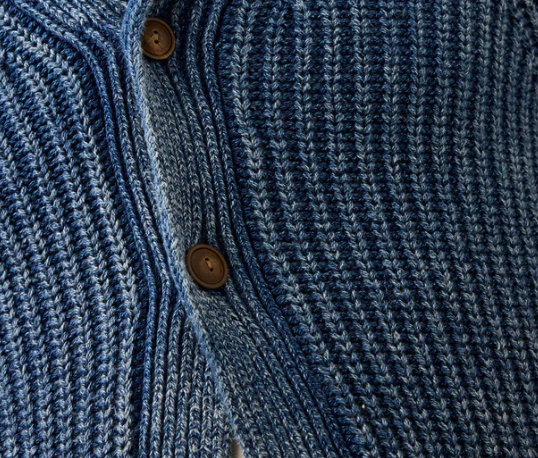
Custom Cardigans
Develop custom cardigan collections in knitted cotton, wool, blended, or recycled yarns. The team manages gauge, button plackets, rib trims, pockets, logo embroidery, and graded measurements to help brands translate seasonal knitwear concepts into production-ready specifications.
Request a Quote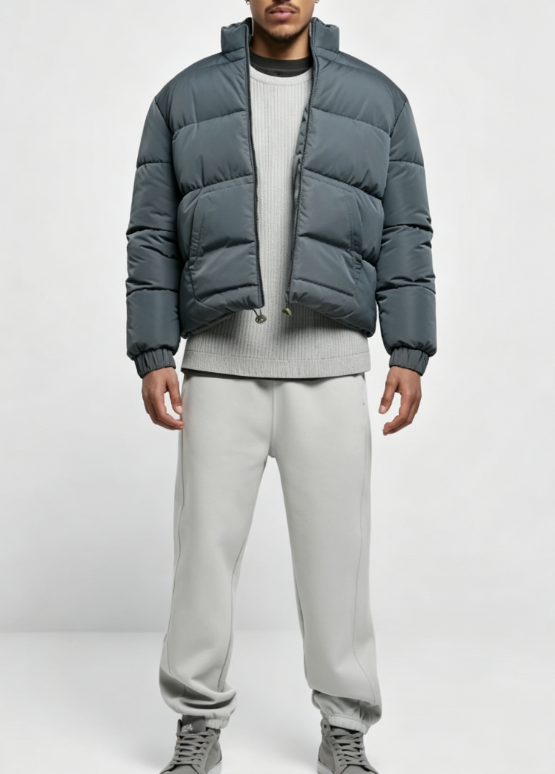
Custom Puffer & Down Jackets
Produce custom puffer jacket programs with shell, lining, insulation, hardware, quilting, and branded-trim options. Junsheen supports sampling, pattern balance, fit grading, and construction review for lightweight, insulated, cropped, oversized, and extended-size outerwear programs.
Request a Quote
Custom Denim Shorts
Manufacture custom jean shorts in rigid or stretch denim with fit development, rise and inseam control, hems, pockets, hardware, labels, and wash treatments. Sampling helps brands confirm silhouette, shrinkage, and measurements before low-MOQ or larger seasonal production.
Request a Quote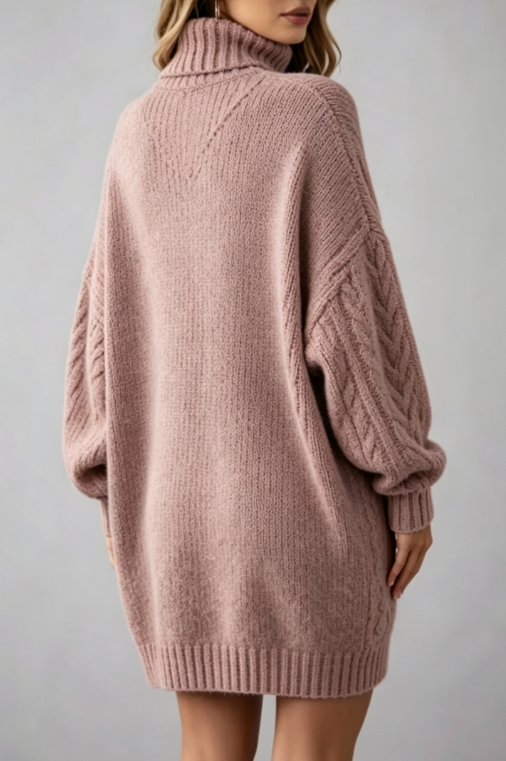
Custom Sweater Dresses
Develop custom sweater dresses with knit construction suited to the intended drape, coverage, stretch, and season. Junsheen refines necklines, body length, sleeve proportion, stitch details, and XS–3XL grading for fitted, relaxed, oversized, or extended-size assortments.
Request a Quote
Custom Denim Sets
Produce mens denim suits wholesale programs including coordinated denim jackets, overshirts, jeans, and shorts. Junsheen aligns fabric lots, wash effects, fit blocks, hardware, labels, and decoration across each component so sets remain commercially consistent at bulk scale.
Request a Quote
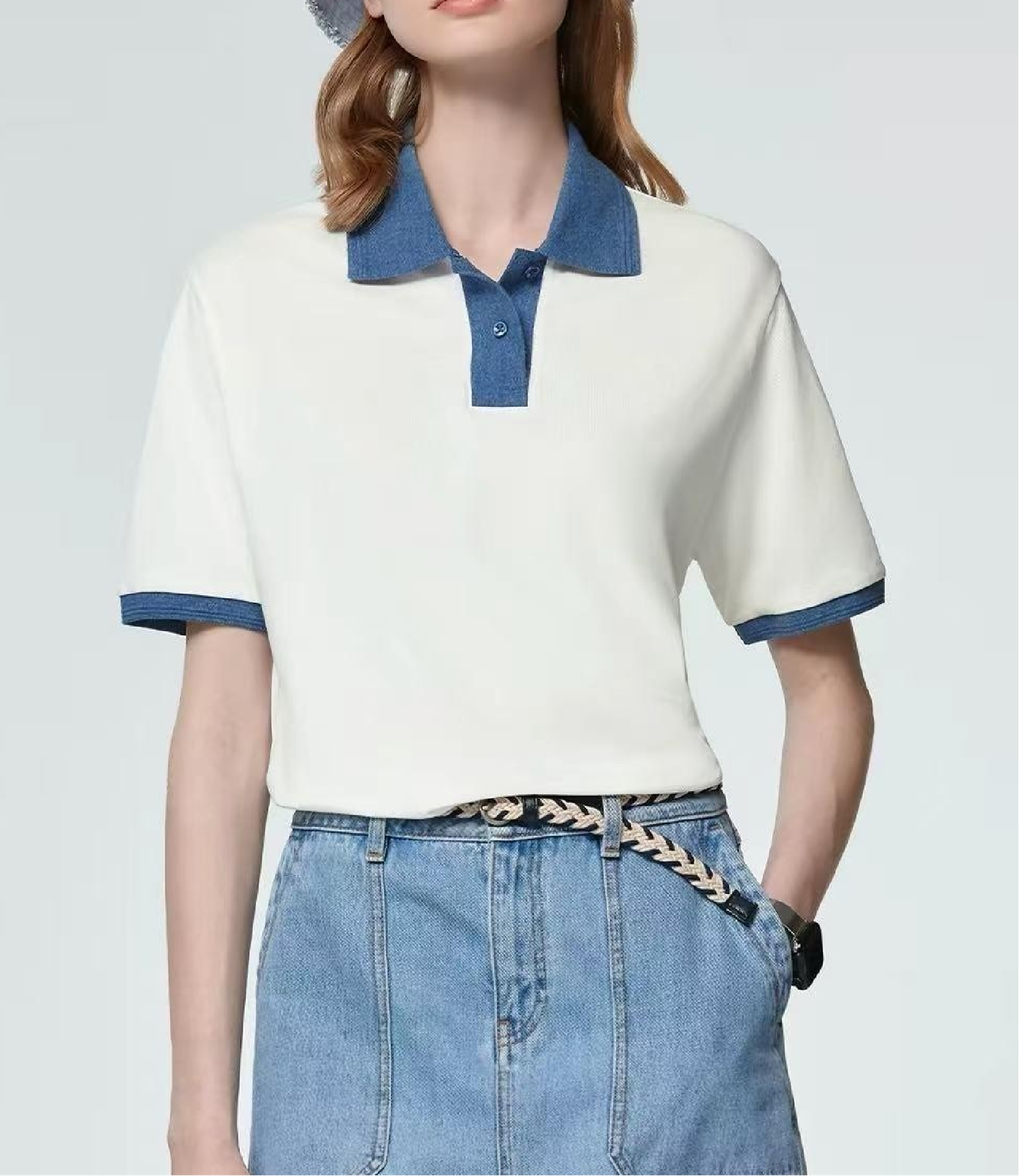
Custom Polo Shirts
Manufacture custom polo shirts in pique, jersey, performance knits, and cotton blends. Development includes collar structure, placket construction, sleeve ribbing, embroidery placement, color matching, and fit grading for branded uniforms, retail collections, and private-label programs.
Request a Quote
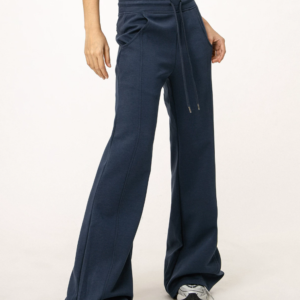
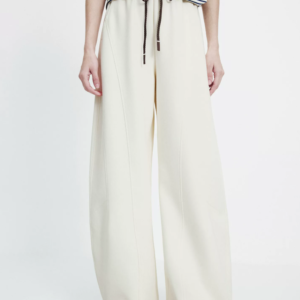
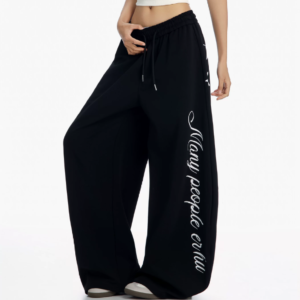
Custom Sweatpants
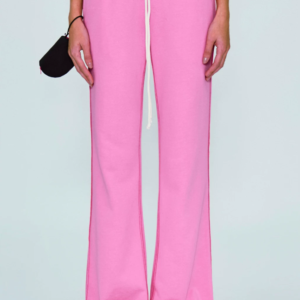
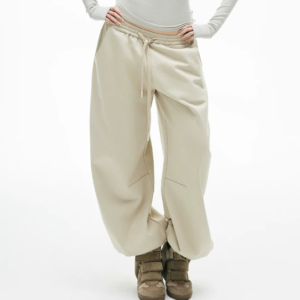
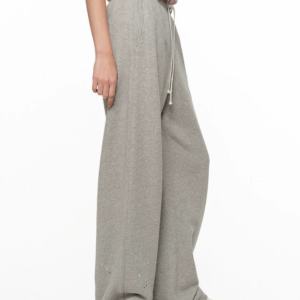
Build custom sweatpants in fleece, French terry, jersey, and performance fabrics. Junsheen develops rise, leg shape, inseam, waistband, cuffs, pocket construction, and extended-size grading, with printing, embroidery, custom drawstrings, labels, and packaging available in-house.
Request a Quote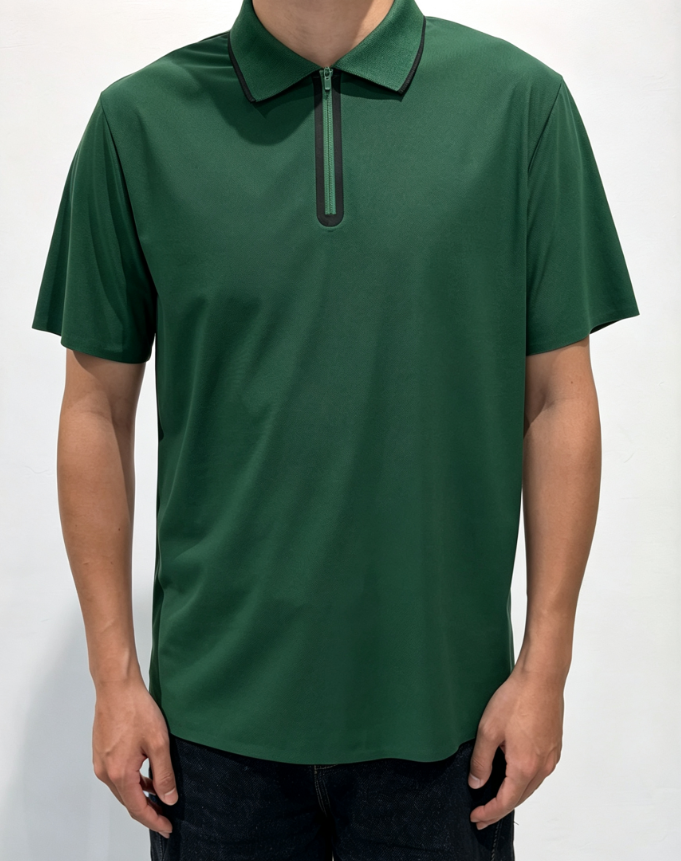
Custom Shorts
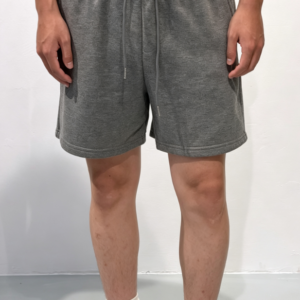
Produce custom shorts across jersey, fleece, twill, woven, and performance constructions. The team helps define fit, inseam, waistband, pocket layout, lining, trim, and decoration while maintaining measured consistency from samples through repeat bulk orders.
Request a Quote
Custom Pullovers
Develop custom pullovers in knitted, fleece, French terry, or jersey constructions for seasonal casualwear programs. Junsheen supports silhouette development, collar and placket details, sizing, decoration, washes, labels, and packaging for private-label launches and scalable replenishment.
Request a QuoteMaterials for Custom Knit Polo Shirts

Cotton Piqué
Breathable cotton piqué delivers the textured, classic polo hand feel brands expect. Ideal for premium casual, golf, and uniform styles, it offers structured drape, good air flow, and durable honeycomb construction.

Cotton Poly Blend
Cotton-poly piqué balances a soft natural touch with improved shape retention and color durability. A dependable choice for uniforms and everyday polos, it resists wrinkles and supports repeat industrial or home laundering.

Performance Knits
Performance knits provide a smooth, lightweight hand with moisture management and comfortable mechanical stretch. Use them for active polos, golf programs, and travel apparel where quick drying, mobility, and consistent recovery matter.

Organic Cotton
Organic cotton piqué offers a soft, breathable hand for elevated private-label polo collections. Suitable for conscious casualwear, it can be developed in varied weights while retaining the natural comfort and textured polo appearance.

Recycled Polyester
Recycled polyester knits create durable, colorfast polos with a clean, resilient surface. Well suited to performance, corporate, and promotional programs, they offer quick-dry behavior and dependable abrasion resistance for frequent wear.
Knit Polo Shirt Manufacturer Decoration & Finishing

Logo Embroidery
Flat, 3D puff, chain-stitch, and applique embroidery create a premium dimensional logo on knit polos. JUNSHEEN matches thread, backing, and stitch density to preserve clean detail and comfortable wear.

Screen Printing
Plastisol, water-based, puff, silicone, high-density, foil, and discharge screen printing delivers bold graphics with dependable wash performance. We recommend ink systems according to knit fabric weight, stretch, and desired hand feel.

Heat Transfer
DTF, heat-transfer vinyl, and specialty transfer applications produce sharp multicolor artwork, names, numbers, and small-batch branding. This flexible option is suited to detailed polo graphics where screen setup is not economical.

Dye Sublimation
Dye sublimation permanently infuses full-color artwork into compatible polyester performance knits, retaining a smooth hand and breathable surface. It is ideal for all-over graphics, teamwear-inspired polos, and vivid repeat patterns.

Washing Effects
Enzyme, softening, garment-dye, tie-dye, acid-wash, and anti-pilling treatments adjust color character and hand feel. Sampling confirms that each finish supports your knit polo’s intended look, shrinkage tolerance, and repeatability.

Surface Finishing
Brushing, napping, soft-touch finishing, and controlled fabric treatments refine comfort and visual texture. Our team tests finishing methods with your yarn and construction to maintain shape recovery, color consistency, and durability.
Knit Polo Shirt Manufacturer Trims & Accessories

Custom Polo Buttons
Match your knit polo collection with dyed, engraved, metal-look, horn-look or custom logo buttons. Button options are selected for placket function, wash durability and the visual position your brand wants to own.

Zipper Plackets
Add branded zippers to quarter-zip or modern polo plackets for a sportier silhouette. JUNSHEEN can coordinate zipper tape, puller finishes and zipper length with your knit structure and target price.

Drawcord Tipping
Use custom drawcords, contrast tipping and rib details on knit polo variations with adjustable hems or elevated collar styling. These accents add recognizable color blocking while maintaining a production-ready finish.

Woven Brand Labels
Apply woven main labels, size labels and wash-care labels that clearly communicate your brand and garment information. Label placement, fold style and material are reviewed during sampling to protect wearer comfort.

Custom Logo Patches
Create embroidered, woven, silicone or applique patches for chest, sleeve or hem branding. Patches give knit polo programs a stronger signature while being tested for attachment security, thickness and wash performance.
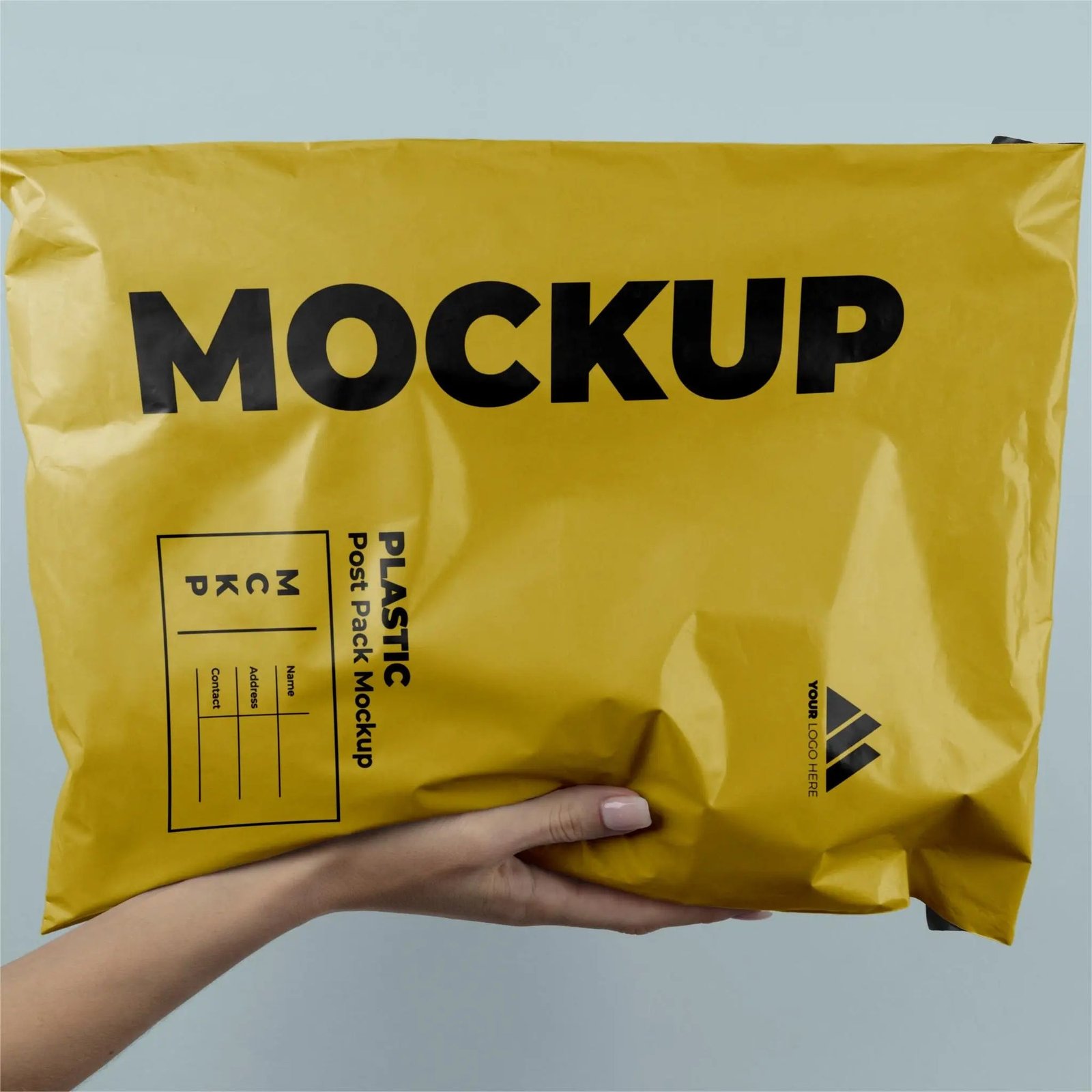
Hangtags Packaging
Complete each order with custom hangtags, barcode stickers, polybags, boxes and branded packing inserts. JUNSHEEN aligns retail-ready packaging specifications with your order workflow and global export requirements.
About JUNSHEEN, Your Knit Polo Shirt Manufacturer
Founded in 2010 in Humen Town, Dongguan, JUNSHEEN is a knit polo shirt manufacturer built to help fashion brands turn concepts into dependable private-label and OEM production. We combine product development, fabric sourcing, pattern making, knitting, cut-and-sew manufacturing, decoration, quality control and export support in one responsive supply chain.
With more than 200 skilled workers and monthly capacity above 80,000 units, JUNSHEEN supports capsule launches from 100 units per style and color as well as scalable repeat programs. Our team develops knit polos with fit-focused XS–3XL grading, including extended-size, plus-size and modern oversized proportions tailored to your target customer.
More than 2,000 fashion-brand clients have relied on JUNSHEEN for clear development guidance, consistent construction and long-term production partnership. From samples and custom labels to embroidery, printing, finishing and branded packaging, we manage the technical details so global brands can build confidently and grow without changing suppliers.

Knit Polo Shirt Manufacturer Capabilities Built for Growth
Fit-First Pattern Development
As a knit polo shirt manufacturer, JUNSHEEN develops patterns and graded size sets from XS to 3XL, refining shoulder balance, collar proportion, sleeve length, body shape, and mobility so normal, oversized, and extended-size fits perform consistently.
- Pattern creation from tech packs, sketches, or reference samples
- Fit-focused grading for XS–3XL and extended sizes
- Prototype, size-set, and pre-production approval support
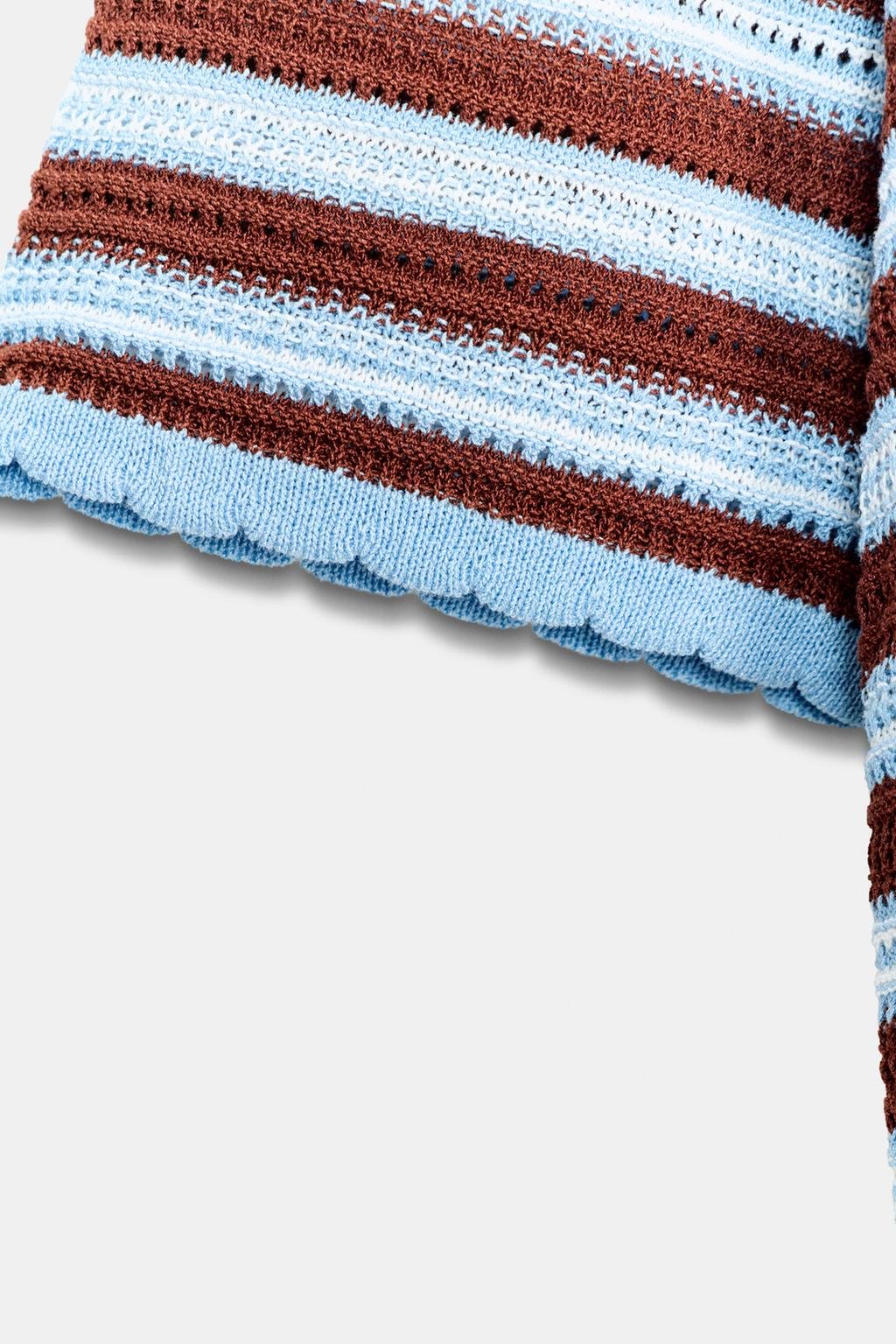
Fabric and Trim Sourcing
Our sourcing team matches knit constructions, yarn blends, collar ribs, buttons, labels, and packaging to your target price, hand feel, durability, stretch, and wash performance. Review swatches and samples before bulk materials are confirmed for production.
- Cotton, pique, jersey, performance, and blended knit options
- Custom ribs, plackets, buttons, labels, and hang tags
- Material recommendations aligned with cost and performance

In-House Branding Details
Build a distinctive private-label knit polo with coordinated embroidery, printing, patches, washes, trims, and packaging managed through one manufacturing partner. JUNSHEEN helps position logos and branded details for a clean, production-ready result across your collection.
- Flat, 3D, puff, chain-stitch, and applique embroidery
- Screen print, DTF, heat-transfer, and specialty effects
- Custom labels, patches, buttons, and branded packaging

Repeat-Order Control
JUNSHEEN retains approved patterns, graded size sets, material records, and production specifications to support dependable repeat programs. Incoming, in-line, measurement, decoration, and final packed-goods checks help maintain the approved knit polo standard as volumes scale.
- Saved development records for faster reorders
- Quality checks from fabric inspection through packing
- 100-unit MOQs with scalable global production capacity
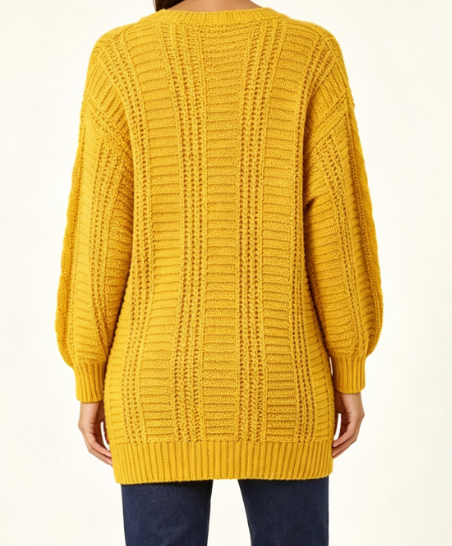
Why Choose JUNSHEEN as Your Knit Polo Shirt Manufacturer
A fit-focused, fully integrated production partner for launches, repeat programs, and scalable global supply.
← 左右滑动查看 →
Knit Polo Shirt Manufacturer Production Process
A clear, fit-focused workflow that moves custom knit polos from feasibility review to quality-controlled global shipment.
Review Feasibility and Specs
Our team reviews your tech pack, reference, target price, size range, decoration, and MOQ to confirm a practical knit polo production plan.
Source Materials and Trims
We recommend yarns, knit constructions, collars, buttons, labels, and packaging based on hand feel, durability, stretch, wash performance, and budget.
Develop Patterns and Samples
Pattern makers create fit-focused XS–3XL grading, then produce prototypes and size sets for measurement, mobility, construction, and approval review.
Confirm Bulk Production Details
After sample approval, we lock specifications, materials, colors, artwork, trims, packing requirements, and production scheduling for your custom knit polo order.
Produce and Inspect Orders
Skilled teams manage knitting, cut-and-sew assembly, decoration, finishing, and multi-stage checks covering fabric, construction, measurements, appearance, and packed goods.
Pack and Ship Globally
Approved polos receive branded labels and packaging before export coordination, final balance settlement, and reliable shipment support for worldwide delivery.
Work with Our Knit Polo Shirt Manufacturer
Move from concept to export-ready custom knit polos with clear development, approval and production milestones.
Send Your Product Brief
Share a tech pack, sketch, reference garment or mood board. Our team reviews knit construction, fit targets, branding details, quantities and feasibility.
Confirm Materials and Quote
Select yarns, fabrics, trims and decoration options with guidance on hand feel, weight, durability and target cost. Receive a clear production quotation.
Approve Development Samples
Review prototype samples, measurements, knit quality, colors and branding. Pattern makers refine XS–3XL grading, extended-size proportions and construction before bulk approval.
Launch Controlled Bulk Production
Confirm your order from 100 units per style and color. Our 200+ skilled workers manage knitting, cut-and-sew, decoration, finishing, labeling and in-line quality checks.
Receive Export-Ready Goods
Final inspections verify measurements, workmanship, decoration and packed goods. We arrange export support and global delivery while retaining records for consistent repeat orders.
Custom Clothing Manufacturer Credentials and Compliance Documents



Results from Global Knit Polo Shirt Manufacturer Programs
JUNSHEEN turned our reference polo into launch-ready samples in three weeks. After two fit rounds, we approved XS–3XL grading and placed a 600-unit first order with measurements that matched our approved size set.
For our resortwear label, the team resolved collar recovery and sleeve balance before bulk production. Sampling revisions dropped from five rounds to two, and our 1,200-piece reorder arrived consistent with the first production run.
We needed a low-risk 100-unit color launch with custom neck labels and embroidery. JUNSHEEN handled development, packaging, and export coordination, helping us launch on schedule and scale the next order to 900 units.
Knit Polo Shirt Manufacturer FAQ
Clear answers on minimums, sampling, production, quality control, shipping, and private-label protection for custom knit polo programs.
What is your minimum order quantity for custom knit polo shirts?
Can a knit polo shirt manufacturer make a sample before bulk production?
How long does custom knit polo shirt production take?
How does JUNSHEEN control knit polo shirt quality?
Does your knit polo shirt manufacturer offer private-label branding?
What payment terms do you offer for custom knit polo orders?
Can you ship custom knit polos internationally?
How does a knit polo shirt manufacturer protect my designs and brand details?
Complete Knit Polo Shirt Manufacturer Buyer’s Guide
Use this practical framework to compare knit polo shirt suppliers, assess materials and construction, understand customization and costs, and avoid sourcing mistakes that delay launches or weaken product quality.
1. What Is a Knit Polo Shirt Manufacturer?
100-unit capsule orders usually need a cut-and-sew knit polo shirt manufacturer: a factory that sources knit fabric, develops the pattern and collar, samples the garment, cuts panels, sews, finishes, inspects, packs, and arranges export. This model suits custom piqué, jersey, interlock, or rib polo programs where fit, placket details, embroidery, and private labels matter as much as the fabric. 12- to 16-gauge fully fashioned knitwear suppliers work differently. They knit shaped body panels from yarn on flat knitting machines, then link and finish them; this is the right route for sweater-like polos with integral collars, engineered stripes, or premium wool and cotton yarn constructions, but development, minimums, and lead times are often higher. 1 trading company may coordinate factories, fabric mills, and freight without owning production. It can simplify multi-category sourcing, yet buyers should confirm who controls the pattern, approved sample, in-line inspection, measurement tolerances, and final packing list. 2010-founded JUNSHEEN is best aligned with brands needing custom cut-and-sew polos from a tech pack, sketch, reference, or concept, including XS–3XL and extended-size grading. Its integrated workflow covers fabric selection, prototype and size-set sampling, bulk production, quality control, branded packing, and shipment support; fully fashioned programs should be specified early so yarn gauge and linking requirements can be assessed.
2. Evolution of Knit Polo Shirt Manufacturing
1926 marked a turning point when René Lacoste introduced a short-sleeve cotton piqué tennis shirt, replacing the restrictive long-sleeve woven shirts common on court. Its breathable textured knit, rib collar and placket established the performance template that later moved into golf, uniforms and everyday wardrobes. 1950s circular-knitting advances made piqué and jersey more consistent at industrial scale, giving factories reliable control over stitch density, shrinkage and color continuity. Buyers could specify lighter 160–180 GSM summer polos or denser 200–240 GSM options with better collar support and repeated-wash durability. 1980s fashion adoption expanded the polo beyond sport through relaxed fits, striped collars, contrast tipping and logo-led merchandising; premium programs later added mercerized cotton, fine-gauge knit collars and cleaner plackets. A capable knit polo shirt manufacturer now has to balance hand feel with functional details such as reinforced shoulder seams, stable rib recovery and colorfast dyeing. 100-unit per style-and-color programs have changed sourcing by making custom capsules feasible without the inventory risk of traditional large runs. Modern buyers expect Pantone-controlled branding, private labels, tested wash performance and traceable material options such as organic or recycled fibers, while retaining the comfort and longevity that made piqué polos commercially durable.
3. Types of Knit Polo Shirt Manufacturer
Five supplier models serve materially different polo programs. Match the factory type to construction, order volume, and how much development control your team needs before comparing quotations.
| Supplier Type | Typical MOQ | Development Control | Best Fit |
|---|---|---|---|
| Cut-and-sew | 100–300 | High | Piqué capsule |
| Fully fashioned | 300–1,000 | High | Sweater polo |
| Vertical | 500–2,000 | Medium-high | Repeat bulk |
| OEM/ODM | 100+ | High/medium | Custom launch |
| Agent/trader | Varies | Lower | Multi-supplier buy |
Cut-And-Sew Knit Factories
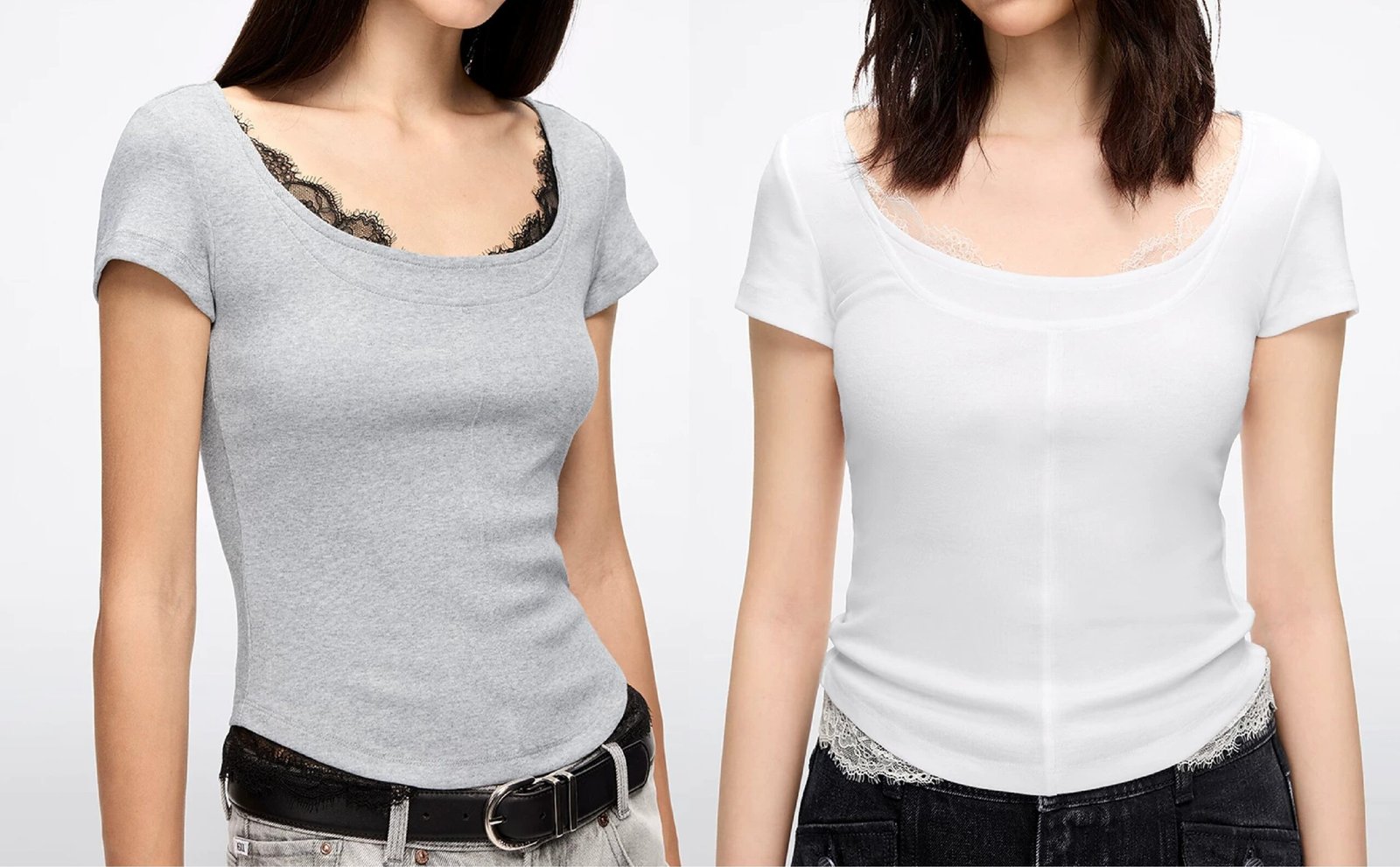
180–280 GSM piqué, jersey, and interlock polos are cut from fabric rolls, then sewn with collars, plackets, and rib trims. They suit printed logos, contrast panels, and fashion fits. 100–300 units per style-color is a practical entry range for many flexible factories. Buyers retain strong control over fabric, measurements, grading, and decoration.
Fully Fashioned Knitters
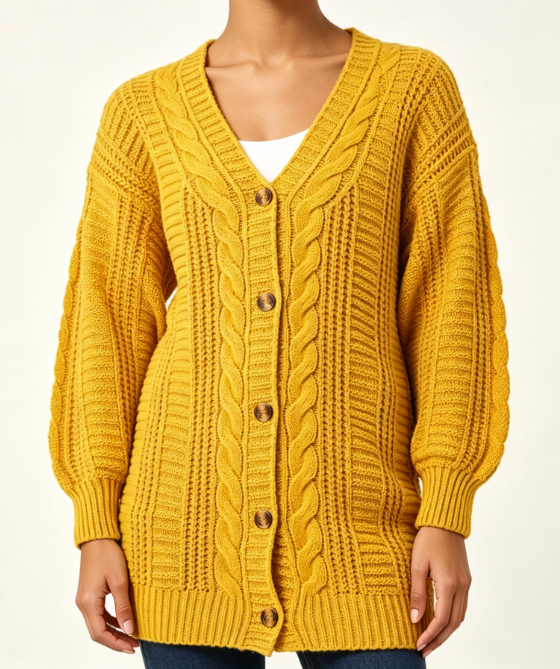
3-gauge to 14-gauge machines knit panels or whole garments to shape, reducing cut waste and enabling engineered stripes. This route is for sweater polos rather than piqué polos. 300–1,000 units per color is common because yarn purchasing and machine setup are less forgiving. Development is slower but stitch, texture, and collar integration are highly controllable.
Vertical Suppliers
Vertical suppliers coordinate yarn or fabric, dyeing, knitting, sewing, and finishing under one production system. They offer better traceability and fewer handoffs for repeat programs. 500–2,000 units per style is typical, although capabilities vary. Choose them when color consistency, replenishment, and bulk scale outweigh the need for the lowest pilot MOQ.
OEM, ODM, And Traders
OEM partners build your approved specification; ODM partners adapt proven blocks, fabrics, and trims for faster launches. A knit polo shirt manufacturer with development support can turn a sketch into patterns, samples, and graded specifications. Agents and traders can consolidate suppliers, but they add a margin and may limit direct factory visibility. Use them for multi-category sourcing or unfamiliar regions, with transparent inspection authority.
4. Knit Polo Shirt Manufacturer Materials and Fabrics
A 180–240 GSM fabric decision sets a knit polo’s hand, breathability, recovery, shrinkage risk, decoration suitability, and retail tier. Seven material families give buyers a practical starting point for a manufacturer-ready brief.
| Material | Weight Or Gauge | Finish | Best Use |
|---|---|---|---|
| Cotton piqué | 180–240 GSM | Enzyme wash | Classic branded polo |
| Cotton jersey | 160–220 GSM | Silicone softener | Printed casual polo |
| Mercerized cotton | Fine gauge | Mercerization | Premium retail |
| Cotton-poly | 200–260 GSM | Anti-pilling | Uniforms and repeat wear |
| Viscose blend | Fine gauge | Softener | Draped fashion polo |
| Wool blend | 12–16 gauge | Washable wool | Cool-weather premium |
| Recycled fibers | 180–240 GSM | Low-impact finish | Sustainability-led range |
Performance By Fiber

100% cotton piqué delivers the classic textured polo surface, airflow, and dependable embroidery ground, but requires shrinkage testing. Cotton jersey feels smoother and prints more cleanly, while mercerized cotton adds luster, strength, and a premium hand.
Blends And Retail Positioning
5–15% polyester in a cotton blend improves recovery, color retention, drying speed, and cost control for uniforms or volume programs. Viscose blends increase drape and softness; wool blends suit refined cool-weather polos but need careful wash-care planning.
Write A Material Brief
3 specifications prevent avoidable sampling revisions: fiber composition, target GSM or gauge, and approved finish. Recycled cotton or polyester should state the claimed content, certification requirement, color standard, shrinkage tolerance, and intended decoration method.
5. Customization and Decoration Options
A 100-unit-per-style-and-color program can accommodate meaningful knit-polo customization when the concept is converted into measurable specifications. Define the silhouette, yarn or fabric color, collar build, trims, artwork placement, and packed presentation before sampling.
| Option | Best Use | Trade-Off |
|---|---|---|
| Stock-color yarn | Fast capsule orders | Limited shade selection |
| Custom-dyed yarn | Precise brand color | Extra sampling and lead time |
| Embroidery | Durable small logos | Higher stitch-driven cost |
| Printed graphic | Large or detailed art | Test adhesion and wash durability |
| Woven patch | Textured branding | Adds material and sewing steps |
Build The Polo Profile

Three silhouette decisions drive the pattern: regular, slim, or oversized body; sleeve length; and hem treatment. Specify finished measurements, tolerances, shoulder shape, side vents, and graded sizes rather than relying on a reference photo. Two collar routes are common: cut-and-sew rib or fully fashioned knit. Match collar and cuff rib, placket length, button count, and stripe-tipping width on the tech pack.
- Specify two or three collar colors
- State placket depth in centimeters
- Approve button size, finish, and attachment
Control Color And Trims

Pantone references provide a target, but yarn-dye and fabric-dye results should be approved under agreed lighting before bulk. Contrast tipping, neck tape, buttons, woven labels, and care labels need separate color and placement callouts. Three production choices affect minimums and timing: stock colors are fastest, custom dye adds approval steps, and special buttons or labels need supplier lead time. Keep physical swatches and signed trim cards with the pre-production sample.
Choose Decoration For Wear

5,000 to 8,000 stitches is a practical range for a small chest embroidery, though stitch count—not logo size alone—sets embroidery cost and run time. Use backing and a test wash to check puckering, especially on lighter knits. One-color screen print suits broad graphic areas; embroidered patches add dimension but require secure edge stitching. Specify artwork size, placement from HPS, thread or ink colors, wash test expectations, labels, and packaging in the approval pack.
6. Key Knit Polo Construction Quality Elements
A knit polo succeeds or fails at the points stressed by wear and laundering. A capable knit polo shirt manufacturer validates construction on prototypes, graded size sets, and packed pre-shipment samples—not only on an appearance sample.
Collar And Placket Control
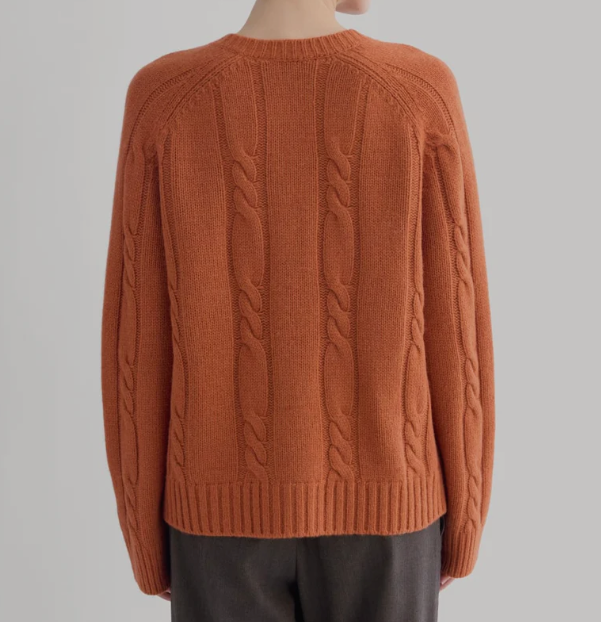
After 3–5 wash cycles, the collar should lie flat, retain its point spread, and recover without edge waviness. Check rib weight, collar stand symmetry, and whether the neck seam twists. At prototype review, buttonholes must be centered on the placket and buttons aligned vertically when fastened. Inspect placket length, topstitch spacing, reinforcement at its base, and secure button shanks.
Seams, Panels, And Recovery
At 10–12 stitches per inch for many lightweight piqué seams, consistent density matters more than chasing a single universal number. Inspect shoulder joins, side seams, armholes, and hem for skipped stitches, seam puckering, or exposed overlock thread. Across a size set, front and back panels should hang evenly and sleeves should match in length and pitch. Rib cuffs and hems need recovery after repeated stretching, with no permanent flare or tunneling.
Size, Shrinkage, And Final Inspection
Before bulk approval, measure chest, body length, shoulder, sleeve, collar opening, and placket against the graded specification in every key size. Extended-size grading should adjust body proportion and mobility rather than merely adding width. After the agreed wash test, approve tolerances and confirm shrinkage has been accounted for in the pattern. On pre-shipment samples, inspect pressing, loose-thread trimming, label placement, button count, measurement reports, and carton-ready presentation.
7. How to Choose a Knit Polo Shirt Manufacturer
A 100-unit MOQ can suit a launch, but it does not prove a supplier can deliver a stable knit polo program. Compare manufacturing evidence, communication quality, and commercial risk before treating the lowest quote as the best value.
| Evaluation Point | Evidence To Request | Why It Matters |
|---|---|---|
| Knit polo capability | Recent samples and specifications | Confirms relevant construction experience |
| Capacity and MOQ | Monthly capacity and MOQ sheet | Tests scaling and launch flexibility |
| Export and terms | Incoterms, lead-time, payment schedule | Prevents hidden cost and timing risk |
Verify Relevant Product Experience

3 recent knit polo examples should show collar construction, placket finishing, sleeve rib, and post-wash appearance. Ask for comparable fabric weights, size ranges, order quantities, and whether development started from a tech pack or reference sample. 2 sample questions expose depth quickly: Which collar interlining suits this yarn and GSM? How will you control placket twisting after laundering?
Test Technical Communication
1 complete request for quotation should return a line-item specification, not only a unit price. Provide Pantone references, measurement tolerances, BOM details, artwork placement, packaging requirements, and target delivery date. 48 hours is a practical benchmark for an initial acknowledgement; assess whether open points are listed clearly. Ask who owns pattern revisions, size grading, and pre-production approval.
Audit Sampling And Quality Controls
1 approved sample is the baseline for bulk, so request a sampling calendar with revision ownership and sign-off gates. Confirm checks for fabric shrinkage, measurements, collar symmetry, button security, decoration, and final packed goods. OEKO-TEX, GOTS, WRAP, and BSCI are document requests, not assumptions. Ask which certificates apply to the proposed mill or factory and request current copies where required.
Compare Commercial Readiness
100 units per style and color may be feasible for a capsule, while repeat programs need confirmed monthly capacity and material lead times. Obtain a written quote stating MOQ, sample fee, bulk lead time, payment milestones, Incoterms, and balance-before-shipment terms. 3 landed-cost scenarios—air, express, and sea—reveal risk beyond FOB price. Ask what changes if fabric fails approval, a color is delayed, or inspection finds defects.
8. Common Knit Polo Sourcing Mistakes
At a 100-unit MOQ, one avoidable approval error can consume the margin intended for a capsule launch. A knit polo shirt manufacturer should convert every visual preference into measurable bulk-production criteria before materials are committed.
Price-Only Supplier Selection
A quote 10% below comparable offers may omit yarn testing, collar stabilization, inspection, or export-ready packing. Compare fabric composition, GSM, sample scope, defect tolerance, and stated Incoterms—not unit price alone.
Incomplete Technical Information
A one-page sketch cannot define placket length, stitch density, collar rib, button quality, or grading rules. Submit a tech pack with measurement points, construction callouts, Pantone references, artwork files, and a signed sample comment sheet.
Color And Shrinkage Approval
A screen-rendered color is not a production standard, and cotton knits can change dimensions after washing. Approve lab dips under relevant lighting and require wash testing with an agreed shrinkage tolerance before bulk cutting.
Trims, Sizes, And Timing
Three custom trims—buttons, neck labels, and hang tags—can each carry separate supplier minimums and delivery windows. Confirm trim MOQs, approve a graded size set from XS through 3XL where applicable, and obtain a dated critical path covering materials, sampling, bulk, inspection, and shipment.
9. Steps to Launch a Custom Knit Polo
A 100-unit launch succeeds when the knit polo shirt manufacturer receives decisions in the right order, not merely an attractive reference. Lock the customer, fit direction, target retail price, and delivery window before sampling begins.
Define The Product Brief
Week 1: assemble references, a target cost, Pantone colors, size range, logo placement, and competitor price points. Approve one hero silhouette before adding colorways or collar variations.
- Customer and use case
- Target retail and landed cost
- Regular, oversized, or extended fit
Build Technical Specifications
Week 1–2: turn the concept into a tech pack with measurement points, tolerances, stitch details, placket construction, label locations, and artwork files. Junsheen can review a sketch or reference garment for manufacturability before quoting.
- Fabric composition and GSM
- Collar, cuff, and button specifications
- Graded XS–3XL measurements
Source And Prototype
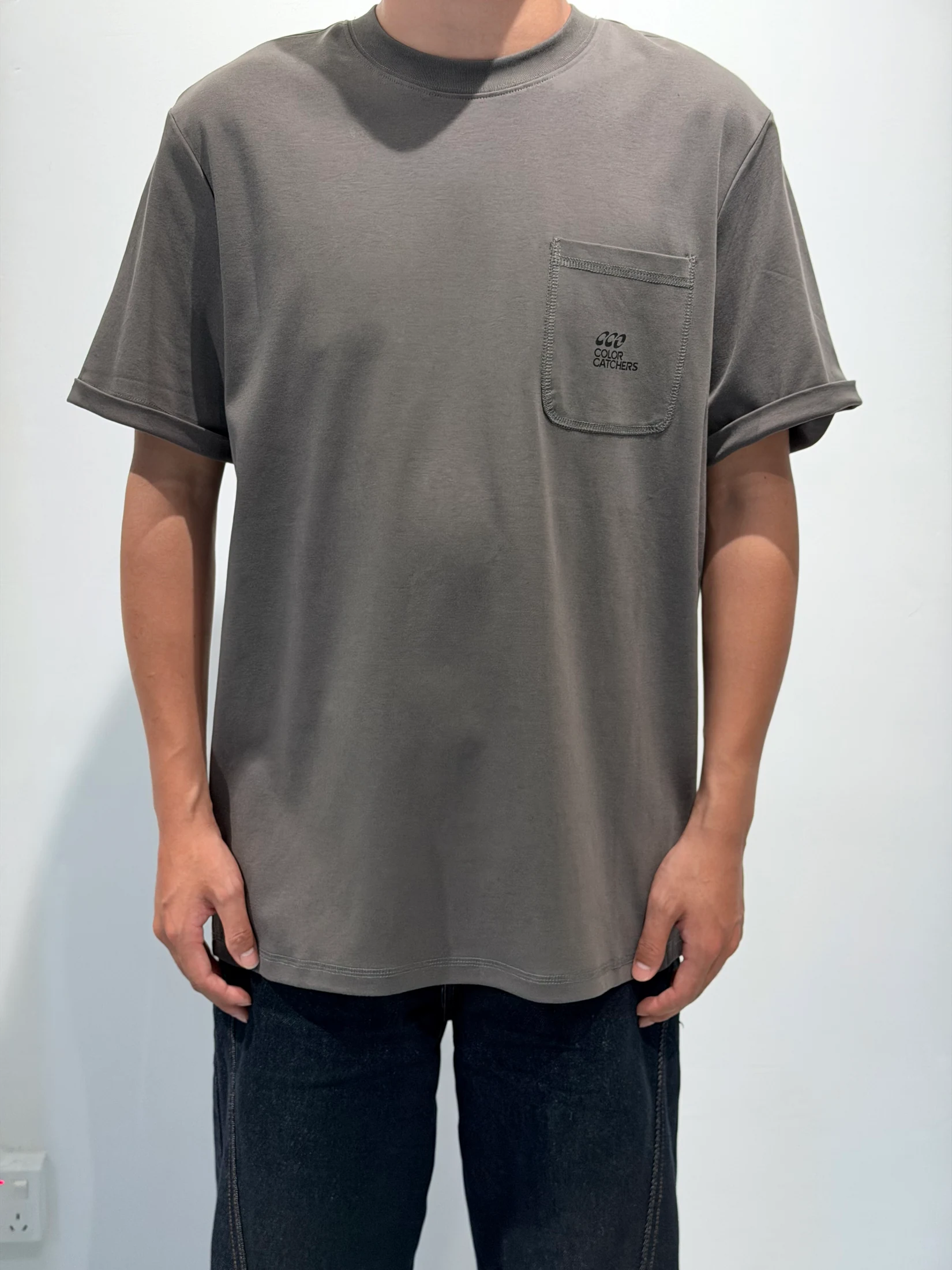
Week 2–4: compare swatches for hand feel, recovery, pilling risk, shrinkage, and colorfastness, then approve one bulk-intent fabric. Request a prototype in the intended knit, rather than approving fit from an unrelated substitute.
- Confirm lab-test requirements
- Approve strike-off or embroidery sample
- Check wash shrinkage before grading
Revise Fit And Size Set
Week 4–6: fit the sample on the intended body type and record changes by measurement point, not subjective comments. Approve a revised sample and graded size set before releasing bulk; 100 units should stay concentrated in one fabric, one color, and one trim package.
- Shoulder balance and sleeve length
- Chest ease and body length
- Collar roll after washing
Release Bulk And Deliver
Week 6 onward: sign the pre-production sample, packaging artwork, carton marks, and inspection standard. Check incoming materials, in-line sewing, final measurements, decoration, packed assortments, and balance payment before shipment.
- Approve AQL level and tolerances
- Confirm labels, hangtags, and polybags
- Book freight against the launch date
10. Knit Polo Pricing and Cost Factors
100-unit knit polo programs commonly carry the highest unit cost because yarn allocation, knitting setup, sampling, and inspection are spread over fewer garments. Treat the ranges below as planning figures, not a binding quote: a knit polo shirt manufacturer must confirm the specification, material availability, and destination before costing. 12–30 days is a typical bulk-production window after approvals and material confirmation; development samples usually add 7–14 days. Higher yarn quality, finer gauge, heavier GSM, engineered stripes, custom collar ribs, branded buttons, embroidery, individual packaging, testing, duties, and freight can all change the landed cost materially.
- Provide a tech pack, flat sketch, size chart, target fit, colors, and quantity by color.
- State yarn composition, gauge or GSM, decoration placement, trims, labels, packaging, and delivery country.
- Request separate ex-factory, sampling, freight, duty, and setup-cost lines for comparable quotes.
| Quantity tier | Indicative ex-factory unit price | Sample/setup planning cost | Typical timing |
|---|---|---|---|
| 100–299 units | US$14–28 | US$80–200 sample; US$50–150 knit or embroidery setup | Sample 7–14 days; bulk 20–30 days |
| 300–999 units | US$11–22 | US$50–150 sample; setup often amortized | Bulk 15–25 days after approval |
| 1,000+ units | US$8–18 | US$50–120 sample; confirm tooling separately | Bulk 12–22 days, subject to capacity |
Start Your Custom Knit Polo Project
Send your tech pack, reference garment, sketch, or product idea for feasibility review, fit-focused sampling, and a clear quote from JUNSHEEN.