
Polo Shirt Manufacturer for OEM, ODM & Private Label
JUNSHEEN is a polo shirt manufacturer offering 100-unit MOQs, fit-focused XS–3XL development, custom decoration, and scalable global production.
Featured Products for polo shirt manufacturer Development

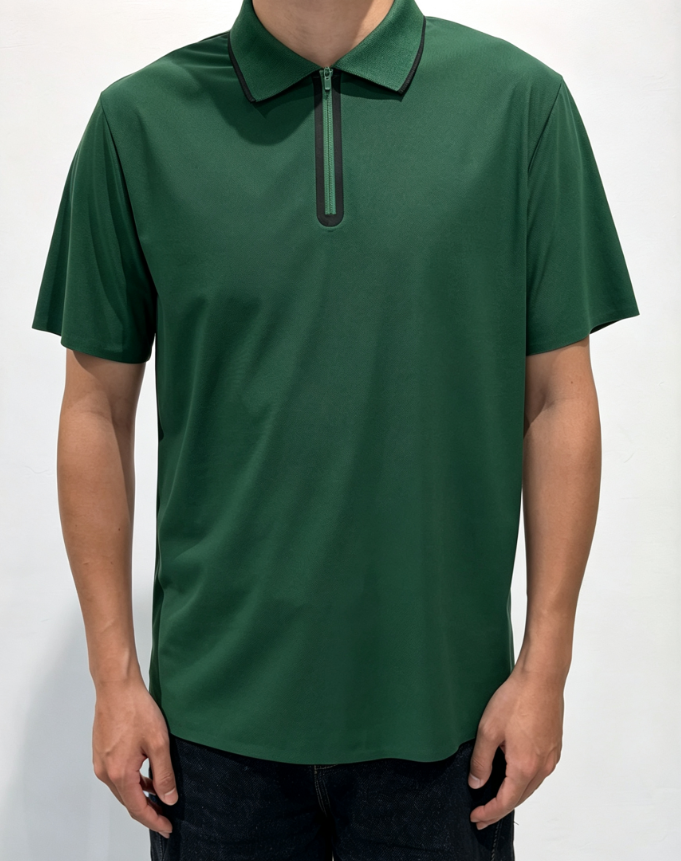


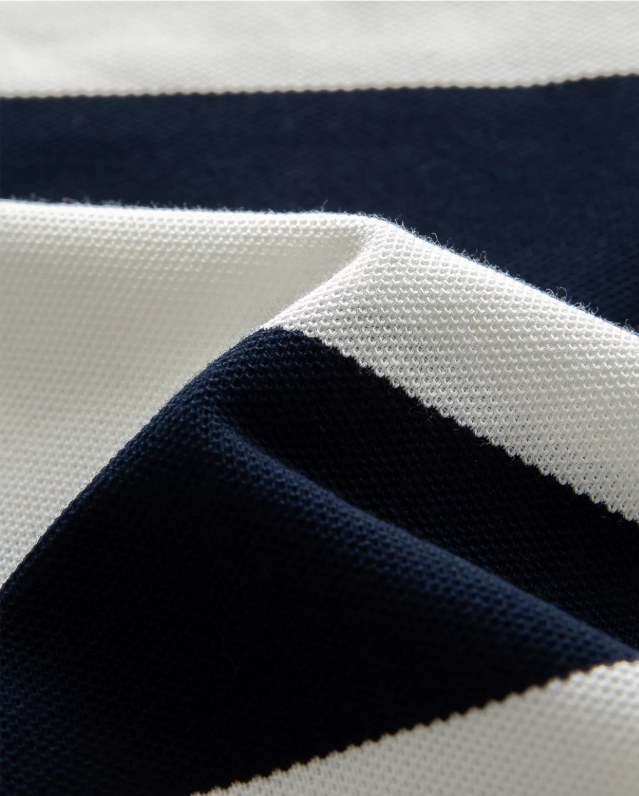


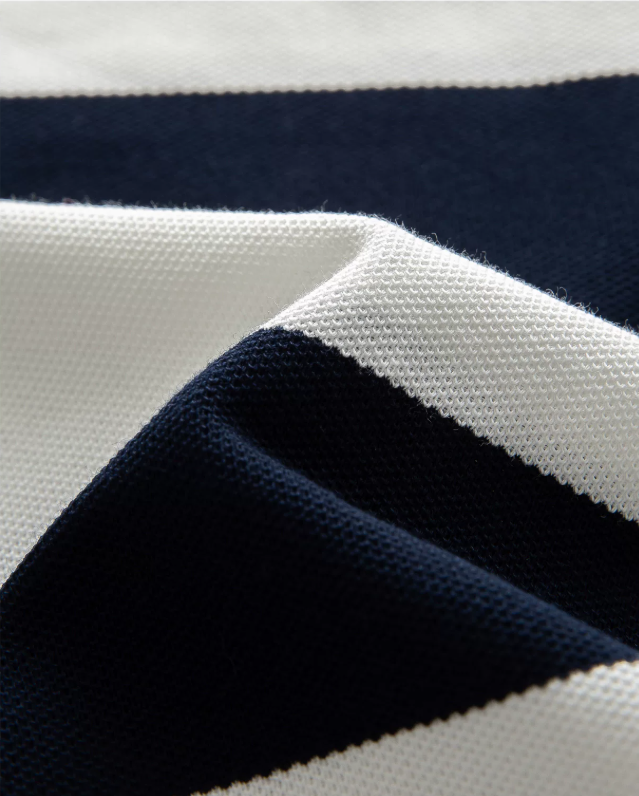
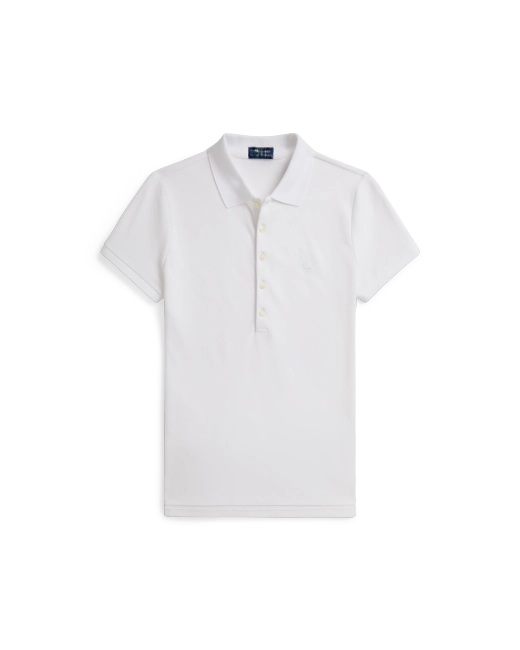





Related Product Catalogue and Quotation





Why Brands Choose Our Polo Shirt Manufacturing
From low-MOQ launches to repeat bulk programs, JUNSHEEN combines fit development, integrated production and dependable export coordination.
100-Unit Starting MOQ
Launch custom polo shirt styles and colors from 100 units, giving new labels room to test assortments without overcommitting inventory.
Fit-Focused XS–3XL Grading
Our pattern team refines proportions, shoulder balance and grading increments for regular, oversized and extended-size polo shirt collections.
Integrated Decoration
Coordinate logo embroidery, screen printing, custom patches, labels, trims and packaging through one production team for clearer execution.
Scalable Production Capacity
With 200+ skilled workers and 80,000+ monthly units of capacity, we support capsule launches and ongoing bulk polo programs.
Global Export Support
JUNSHEEN manages quality checks, packed-goods inspection and export coordination, helping international brands move approved polo orders with confidence.
Polo Shirt OEM for Every Brand Stage
From capsule launches to repeat wholesale programs, develop fit-focused casualwear with low MOQs, private-label details, and scalable production support.

Custom Hoodies
Develop custom hoodies from 100 units per style and color, with fleece or French terry options, fit-focused XS–3XL grading, custom rib, drawcords, labels, embroidery, printing, washes, and retail-ready packaging.
Request a Quote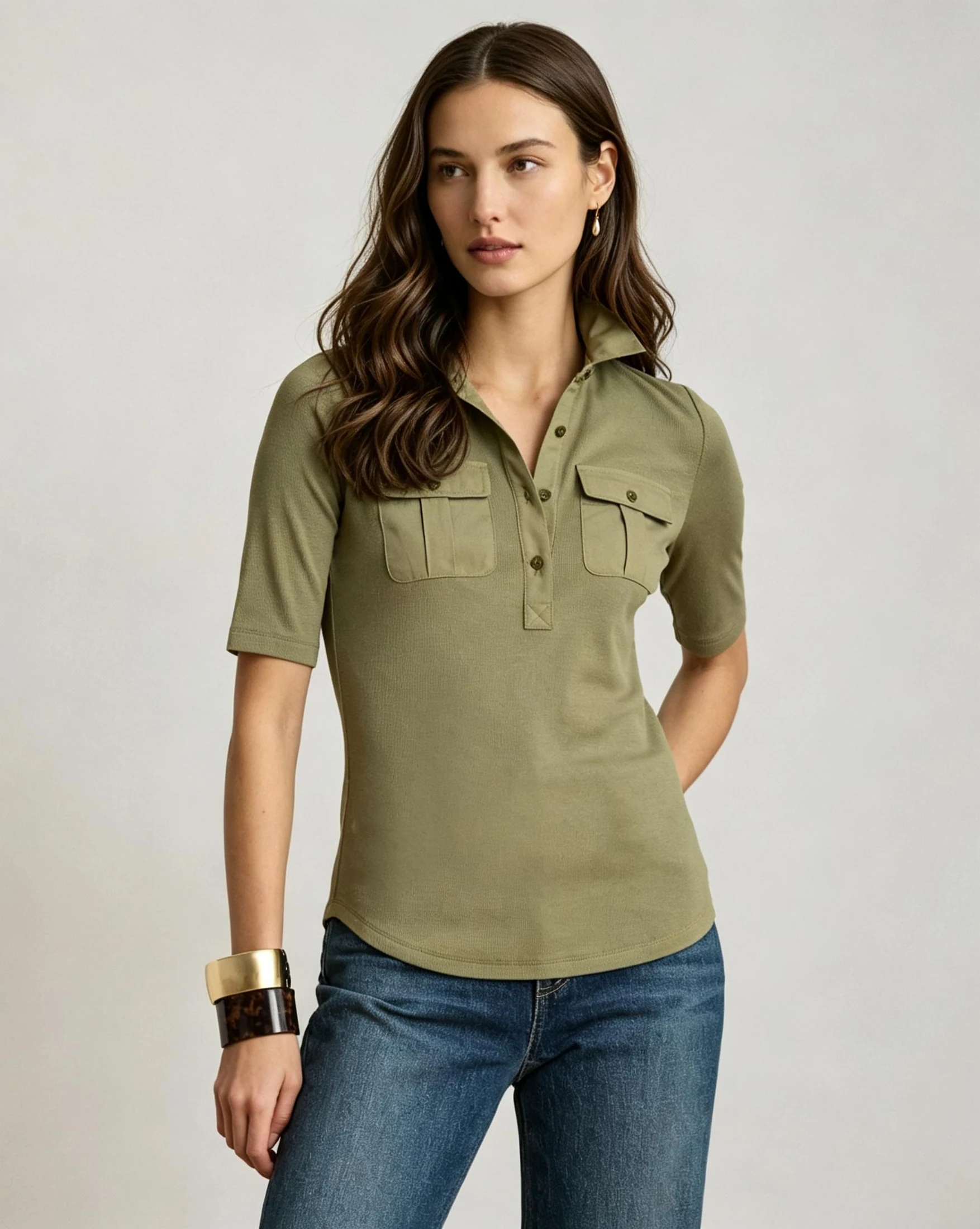
Custom T-Shirts
Produce custom tshirt programs from a tech pack, reference, or concept. Choose jersey weight, cotton blend, neckline, fit, size grading, screen print, DTG, embroidery, labels, and packaging for capsule, uniform, or wholesale needs.
Request a Quote
Custom Jeans
Build custom jeans with denim or stretch-denim sourcing, pattern development, fit refinement, grading, wash testing, hardware, labels, and packaging. Junsheen supports consistent repeat production for fashion collections, retailer programs, and private-label denim lines.
Request a Quote
Custom Sweaters
Source turtle neck sweater bulk programs with knit construction, yarn selection, gauge guidance, rib details, fit development, and XS–3XL grading. Suitable for wholesale assortments and private-label collections requiring repeatable sizing and dependable production records.
Request a Quote
Custom Jackets
Develop a custom jean jacket with denim weight, wash, distressing, hardware, pockets, embroidery, patches, and branded trims specified for your collection. Sampling verifies construction and fit before bulk production begins from 100 units per style and color.
Request a Quote
Custom Sweatshirts & Crewnecks
Create custom crewneck hoodie and sweatshirt programs with brushed fleece, French terry, or jersey options. Refine body length, shoulders, sleeves, and grading, then add screen printing, embroidery, garment washes, labels, and packaging.
Request a Quote
Custom Cardigans
Produce custom cardigan styles in knitwear constructions suited to lightweight layering, uniform programs, and branded collections. Junsheen supports yarn selection, gauge, button or zipper trims, size grading, labels, and pre-production samples.
Request a Quote
Custom Puffer & Down Jackets
Develop a custom puffer jacket with shell fabric, insulation, lining, quilting layout, pockets, zippers, snaps, reflective details, and branded packaging. Fit and construction are reviewed through sampling before scalable bulk production.
Request a Quote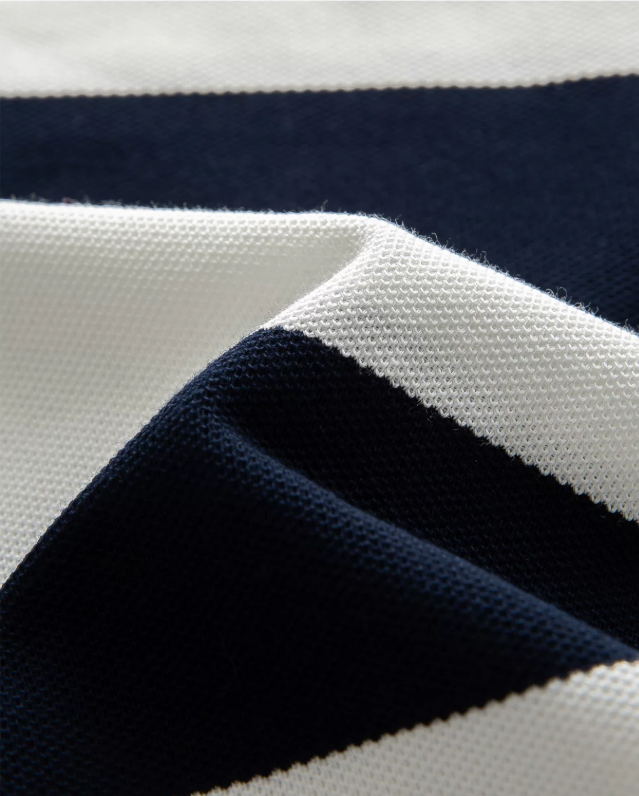
Custom Denim Shorts
Create custom jean shorts with denim or stretch denim, rise and inseam development, wash effects, distressing, pockets, hardware, labels, and fit-focused grading. Ideal for seasonal capsule drops and repeat private-label denim programs.
Request a Quote
Custom Sweater Dresses
Produce custom sweater dresses with yarn, gauge, silhouette, neckline, sleeve, and hem specifications aligned to your target market. Pattern and size development support normal, extended, plus-size, and oversized fits through XS–3XL.
Request a Quote
Custom Denim Sets
Supply mens denim suits wholesale with coordinated denim jackets, overshirts, jeans, or tailored separates. Control fabric, wash, fit, hardware, labels, and size sets across the program to keep matching pieces consistent for repeat orders.
Request a Quote
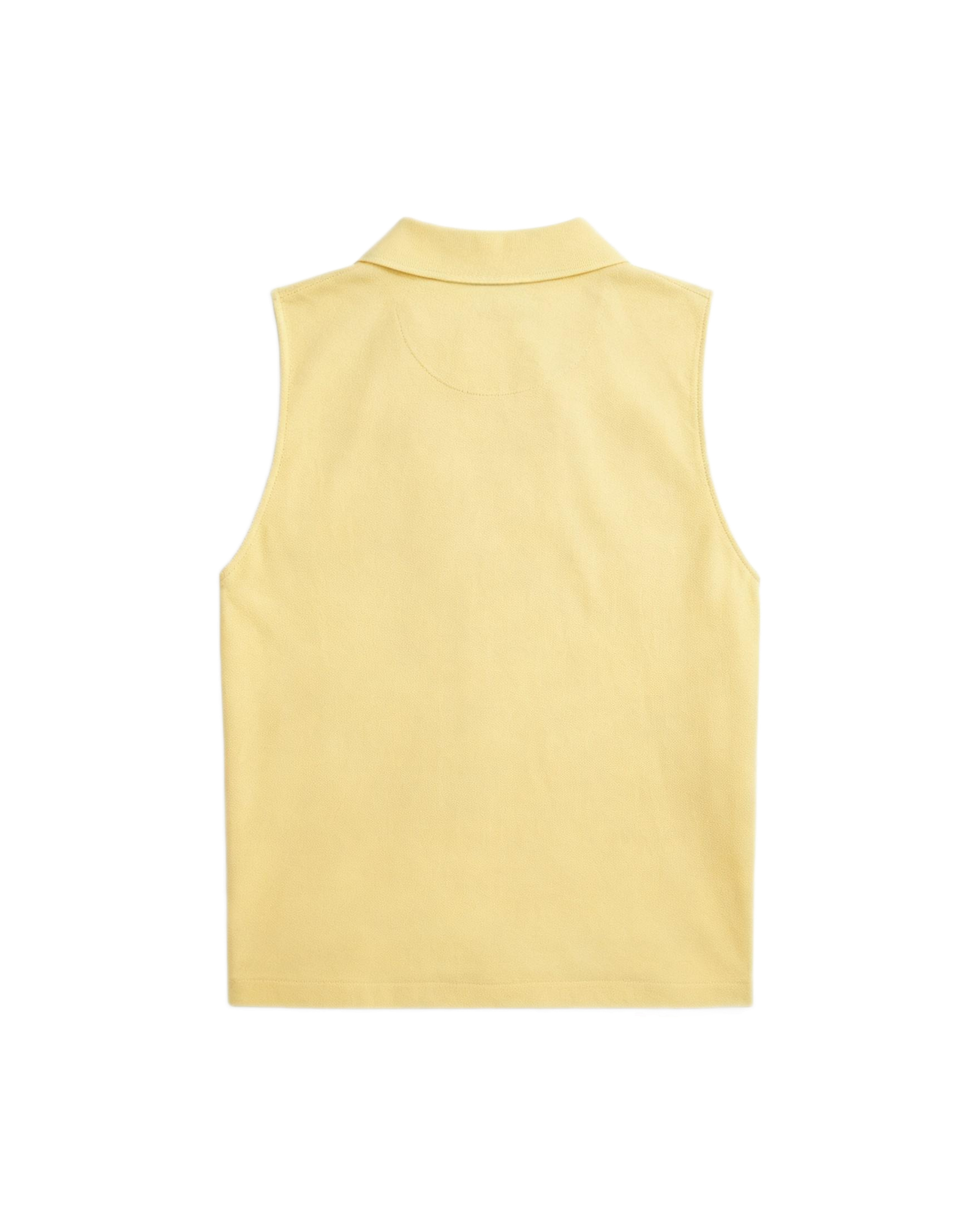
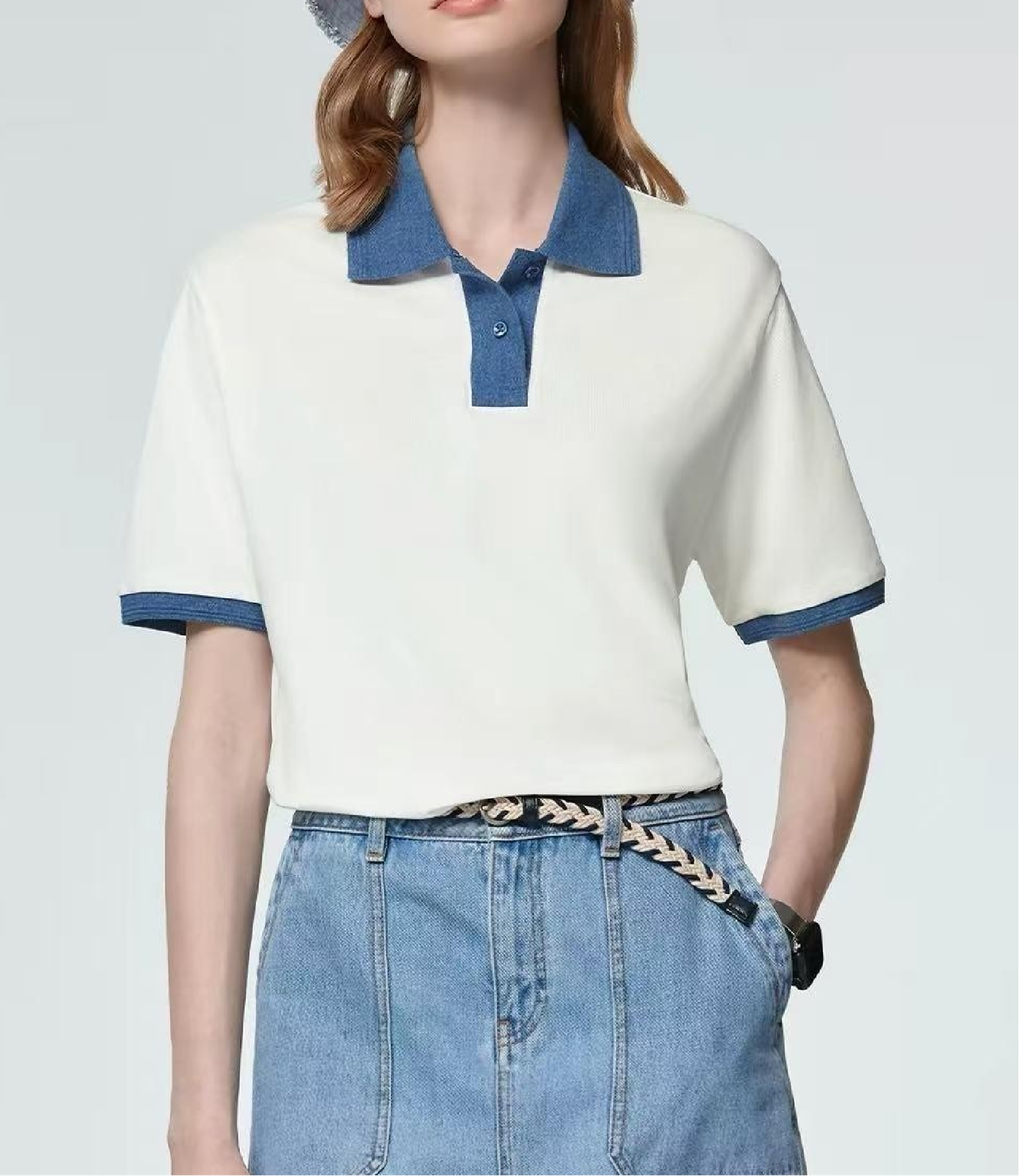
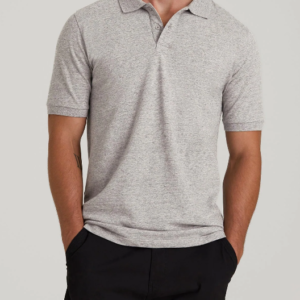
Custom Polo Shirts
Develop custom polo shirts for uniforms, wholesale assortments, and private-label collections. Select pique or jersey, collar and placket construction, sleeve finish, embroidery, printing, color matching, size grading, and branded trims.
Request a Quote
Custom Sweatpants
Produce custom sweatpants with fleece, French terry, or jersey, plus specified rise, leg shape, cuffs, pockets, drawcords, and branding. Fit-focused grading supports XS–3XL size runs for coordinated sets, wholesale, and repeat production.
Request a Quote
Custom Shorts
Create custom shorts in jersey, fleece, twill, woven, or denim with specified inseam, rise, pockets, waistband, trims, printing, embroidery, labels, and packaging. Start from 100 units per style and color for seasonal or uniform programs.
Request a Quote
Custom Pullovers
Develop custom pullovers across knitwear, fleece, French terry, and jersey constructions. Junsheen supports silhouette development, yarn or fabric sourcing, fit grading, decoration, garment finishing, private labels, and scalable replenishment orders.
Request a QuotePolo Shirt Manufacturer Materials We Source

Cotton Piqué
Breathable, textured and classically structured, cotton piqué is the core fabric for retail, uniform and lifestyle polos. Its raised knit surface improves airflow and durability, commonly specified from 180 to 240 GSM.

Cotton Jersey
Smooth, soft and lightweight, cotton jersey suits modern casual polos with a relaxed drape. It delivers a clean hand feel and easy printability, with stretch and recovery adjusted through fiber blends or knit construction.

Performance Polyester Knits
Quick-drying performance knits are made for golf, active uniforms and technical polos. Polyester fibers manage moisture efficiently, while engineered micro-piqué or interlock constructions provide breathable comfort, color retention and dependable shape stability.

Cotton Elastane Blends
Cotton-elastane blends combine a familiar natural hand feel with added mobility and recovery. Ideal for fitted or premium everyday polos, they typically include 3–8% elastane to help collars, sleeves and body panels retain shape.

Organic Cotton Piqué
Organic cotton piqué offers the breathable texture expected from a classic polo with a more responsible material story. It suits elevated private-label collections and can be sourced in certified options, weights and yarn qualities.

Recycled Polyester Blends
Recycled polyester blends support performance-focused or sustainability-led polo programs without sacrificing practical wear. They provide moisture management, abrasion resistance and color durability, making them suitable for uniforms, sportswear and repeat-order collections.
Polo Shirt Manufacturer Decoration and Finishing

Logo Embroidery
Flat, 3D puff, chain-stitch, and applique embroidery create dimensional chest, sleeve, or collar branding with clean stitch definition and dependable wear performance on pique, jersey, and knit polo fabrics.

Screen Printing
Plastisol, water-based, puff, flocking, silicone, high-density, foil, and discharge screen prints deliver bold logo coverage and controlled texture. Our polo shirt manufacturer team matches ink selection to fabric weight, stretch, and wash requirements.

Heat Transfers
DTF, heat transfer, and specialty transfer applications reproduce detailed multicolor artwork, small placement logos, and variable graphics. Proper heat settings and testing support crisp edges, flexible hand feel, and reliable adhesion after laundering.

Dye Sublimation
Dye sublimation permanently infuses all-over graphics, team colorways, and intricate repeat patterns into compatible performance polyester polos. The result is vivid, lightweight color that will not crack, peel, or add a heavy surface layer.

Garment Finishing
Softening, enzyme, anti-pilling, garment-dye, tie-dye, acid-wash, brushing, and napping treatments refine hand feel and visual character. We test finishing choices against shrinkage, color consistency, and the intended branded polo appearance.
Custom Trims and Labels for Your Polo Shirts

Custom Polo Buttons
Choose branded resin, metal, horn-look, shell-look, or recycled buttons with custom sizing, colors, logo molds, and contrast stitching for polo plackets, cuffs, and collar details.

Quarter Zip Hardware
Add branded zippers to quarter-zip polos, collar openings, pockets, or performance styles. Select puller shapes, zipper tape colors, finishes, and logo details that match your collection.

Drawcord and Tipping
Specify drawcords, contrast tipping, rib trims, and neck tapes for fashion polos and polo-inspired layers. These details sharpen color blocking, reinforce stress points, and create a more distinctive private-label finish.

Woven Brand Labels
Apply woven main labels, size labels, side flags, and hem labels with your logo, artwork, color palette, and fold style. We position labels for comfort, visibility, and a consistent premium identity.

Care Labels Hangtags
Complete each garment with compliant wash-care labels and custom hangtags carrying fiber information, care instructions, barcodes, pricing, or brand messaging for wholesale, retail, and direct-to-consumer programs.
Branded Retail Packaging
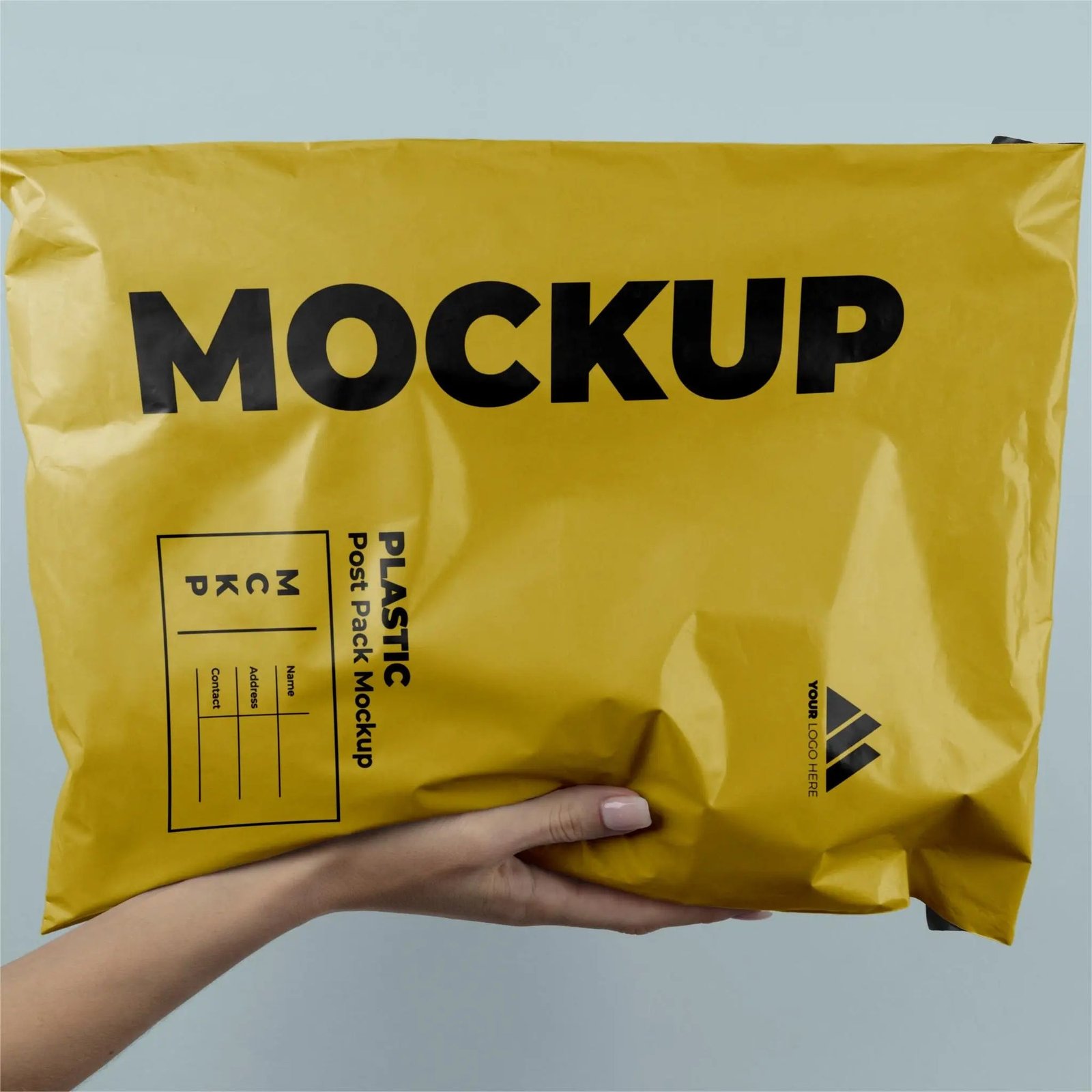
Finish polos in custom polybags, tissue, belly bands, boxes, stickers, and shipping cartons. JUNSHEEN coordinates packaging specifications to protect garments and support a polished unboxing or store-ready presentation.
About JUNSHEEN, Your Polo Shirt Manufacturer
Founded in 2010 in Humen Town, Dongguan, JUNSHEEN helps global brands turn custom polo concepts into production-ready collections. As a polo shirt manufacturer, we bring OEM, ODM, private-label and product-development support together in one responsive apparel supply chain.
Our 200+ skilled workers support monthly capacity above 80,000 units, from 100-unit capsule orders per style and color to repeat bulk programs. Cut-and-sew, knitting, fabric sourcing, embroidery, printing, finishing, labels, packaging and export coordination are managed with clear accountability.
What distinguishes JUNSHEEN is a fit-first approach. Our pattern team develops XS–3XL, extended-size, plus-size and oversized proportions by refining balance, mobility and grading across the size set, helping fashion clients achieve more consistent samples and dependable repeat production.

Polo Shirt Manufacturer Built for Fit and Repeatable Quality
Fit-First Size Development
JUNSHEEN develops polos from XS to 3XL with proportion-aware grading, including extended-size, plus-size and oversized fits. Our pattern makers refine shoulder balance, chest ease, sleeve length and body shape across the full size range before bulk production.
- XS–3XL graded size sets
- Extended-size and oversized expertise
- Fit samples reviewed before approval
- Measurement consistency across sizes

From Tech Pack to Sample
Whether you provide a complete tech pack, a sketch or a reference garment, our development team turns your concept into a production-ready polo. We review construction, recommend fabrics and trims, create patterns, and manage prototype and size-set sampling clearly.
- Tech-pack and feasibility review
- Fabric, collar and trim recommendations
- Pattern making and prototype sampling
- Pre-production approval support
Integrated Polo Production
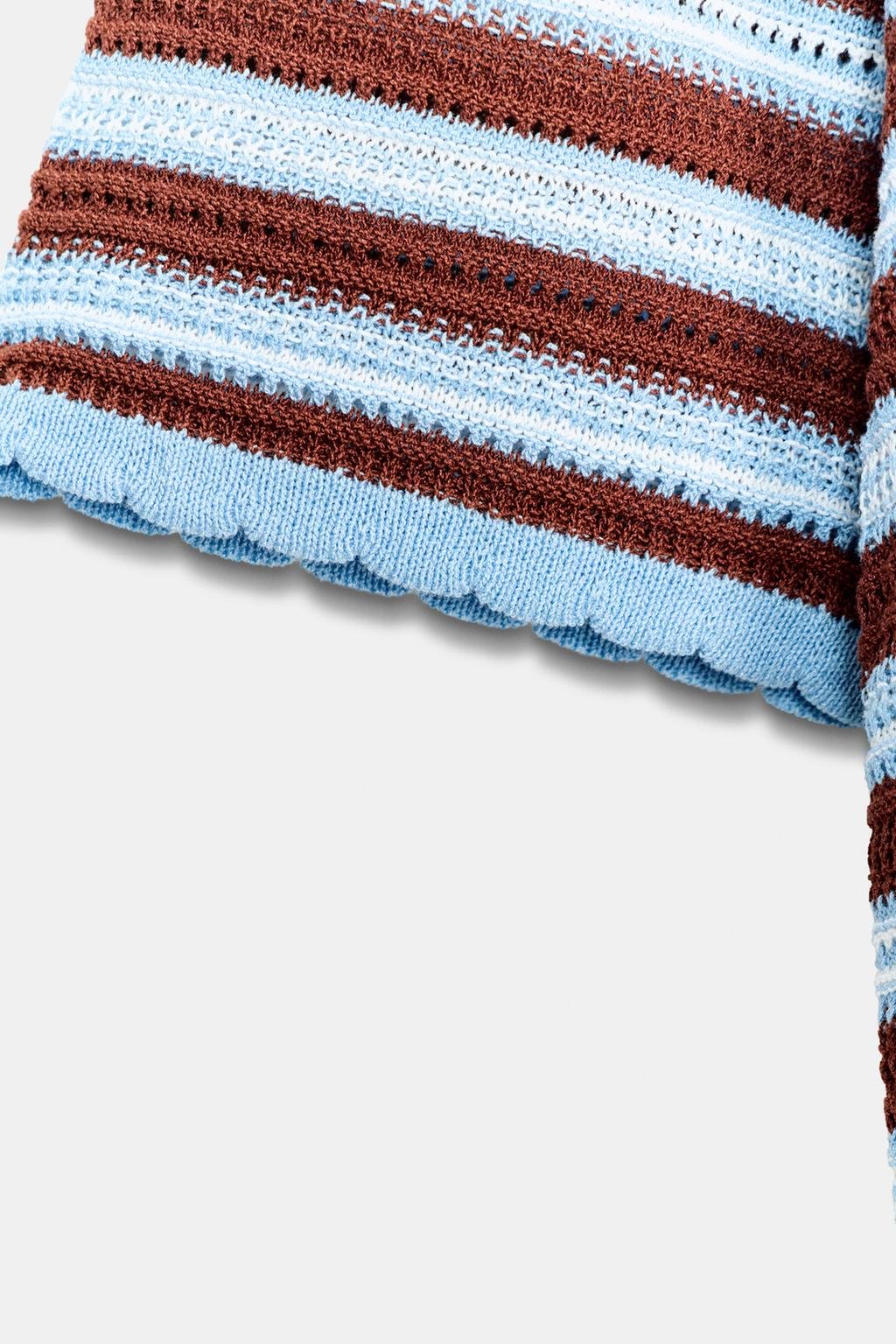
As a polo shirt manufacturer with one connected supply chain, JUNSHEEN coordinates cut-and-sew construction, knit components, embroidery, printing, finishing, labels and packaging. This keeps technical details aligned from approved sample through final packed goods.
- OEM, ODM and private-label support
- In-house decoration and finishing
- Custom labels, trims and packaging
- 100-unit MOQ per style and color

Records That Support Reorders
JUNSHEEN retains approved patterns, graded size sets and material records to make repeat polo programs faster and more consistent. Incoming, in-line and final inspections help protect the fit, construction and decoration standards your brand approved.
- Approved pattern retention
- Material and size-set records
- Incoming, in-line and final QC
- Scalable repeat-order production

Why Choose This Polo Shirt Manufacturer Over a Typical Supplier?
JUNSHEEN keeps development, fit, production, quality control and export coordination connected in one accountable supply chain.
← 左右滑动查看 →
Polo Shirt Manufacturer Process: From Fabric Sourcing to Global Shipment
A controlled, transparent workflow that moves approved polo designs into dependable bulk production and export-ready delivery.
Feasibility and Specification Review
JUNSHEEN reviews your tech pack, reference, sizing, target cost, MOQ, decoration requirements, and delivery goals before confirming a practical production route.
Fabric Sourcing and Sampling
Our team sources piqué, jersey, performance knit, and trims, then develops patterns, graded XS–3XL fits, and samples for your approval.
Cutting and Logo Decoration
Approved materials are cut to verified patterns, then embroidered, printed, patched, or finished according to your brand’s specified polo design.
In-Line Quality Control
Production teams inspect fabric, stitching, measurements, collar shape, placket construction, decoration placement, and fit throughout bulk manufacturing to prevent avoidable issues.
Packing and Export Shipping
Final goods receive packed-garment checks, branded labels and packaging, carton preparation, and export coordination for reliable delivery to your destination.
Start Your Polo Shirt Manufacturer Project
Move from concept to delivered custom polos with a clear, fit-focused development and production process.
Send Your Product Brief
Share a tech pack, sketch, reference garment, mood board, or product idea. Our team reviews construction, fit targets, quantities, decoration, and manufacturability.
Confirm Materials and Pricing
Select polo fabric, colors, trims, labels, and finishing options with our sourcing team. Receive a clear quotation based on specifications, MOQ, and delivery requirements.
Develop and Approve Samples
We create patterns, grade sizes from XS to 3XL where needed, and produce samples for fit, measurements, fabric hand feel, and branding approval.
Launch Bulk Production
After pre-production approval, our polo shirt manufacturer team manages cutting, sewing, embroidery or printing, in-line inspections, final quality control, packing, and export coordination.
Custom Clothing Manufacturer Credentials and Compliance Documents




What Global Fashion Brands Say About Our Polo Shirt Manufacturing
JUNSHEEN reduced our polo sampling cycle from three rounds to one approved size set. Their pattern team corrected sleeve balance across XS–3XL, and our first 600-unit bulk order matched the approved samples exactly.
We needed a polo shirt manufacturer willing to start at 100 units per color without compromising embroidery quality. The team delivered our launch order 12 days ahead of schedule, helping us restock our best-selling color immediately.
After two repeat orders, measurements and fabric hand feel remained consistent across 1,800 polos. JUNSHEEN’s retained patterns and clear production updates gave our sourcing team confidence to expand the program into new markets.
Polo Shirt Manufacturer FAQ
Clear answers on minimums, sampling, fit, decoration, payment, shipping and confidential product development with JUNSHEEN.
What is your minimum order quantity for custom polo shirts?
How long does a polo shirt manufacturer need to make samples?
How much do custom polo shirt samples cost?
Can a polo shirt manufacturer develop sizes from XS to 3XL?
What decoration options can you add to custom polo shirts?
What payment terms does JUNSHEEN offer for polo shirt orders?
Do you ship custom polo shirts internationally?
How does JUNSHEEN protect my polo shirt designs and brand information?
Complete Buyer’s Guide to Choosing a polo shirt manufacturer
Use this practical framework to compare supplier capabilities, fabric and customization options, quality controls, pricing, and lead times—while avoiding the sourcing mistakes that can derail your polo program.
1. What Is a polo shirt manufacturer?
2010 is the founding year of Dongguan Junsheen Clothing Co., Ltd., a polo shirt manufacturer in Humen, Dongguan that turns a brief, sketch, reference garment, or tech pack into production-ready apparel. Its work extends beyond sewing: feasibility review, fabric and trim sourcing, pattern making, size grading, prototype samples, fit corrections, and pre-production approval all determine whether the finished polo matches the brand’s intent. 100 units per style and color is a practical low-MOQ starting point for a capsule program, while established styles can move into repeat bulk production. An end-to-end partner coordinates piqué or jersey selection, Pantone color matching, collar and cuff ribs, plackets, buttons, embroidery or screen printing, measurement control, packing specifications, final inspection, and export documentation. 3 supplier models require different buyer involvement. A factory controls or directly manages production; a trading company usually coordinates external factories and may add communication convenience but less direct visibility; a private-label supplier combines manufacturing with brand identifiers such as woven labels, wash-care labels, hang tags, and custom packaging. Buyers should expect clear sampling stages, retained patterns and material records, in-line and final quality checks, realistic lead-time communication, and one accountable contact from development through shipment.
2. Evolution of the Polo Shirt
1926 marked a turning point when René Lacoste replaced stiff, long-sleeved tennis whites with a short-sleeved cotton piqué shirt, rib collar and button placket. What began as practical sportswear moved into golf, resort, retail and corporate uniforms because the collar looked more polished than a T-shirt while remaining easy to wear. 1980s logo-driven casualwear made the polo a recognisable promotional and fashion item, expanding demand beyond traditional white piqué. Buyers now choose slim, regular, relaxed or oversized blocks; a uniform fit must accommodate movement and repeat sizing, while a fashion fit may prioritise shoulder shape, body length and a specific silhouette. 160–220 GSM cotton piqué remains a common starting range, but moisture-wicking polyester blends, stretch yarns, recycled polyester and organic-cotton options have broadened the brief. A polo shirt manufacturer should therefore be selected after the buyer defines end use, target customer, size range, decoration method, wash expectations and price position: embroidered hospitality uniforms, sublimated teamwear and premium retail polos require different fabrics, patterns, trims and quality controls. 100-unit production can suit a focused capsule or test program, provided colourways and sizing are planned against the intended customer. Early specification of Pantone colour, collar and cuff construction, button standard, logo placement and target landed cost prevents a sports-inspired concept from becoming an unsuitable bulk garment.
3. Types Offered by a polo shirt manufacturer
Eight polo categories cover different wear occasions, price points, and fit expectations. A capable polo shirt manufacturer should match the collar, knit structure, placket, and finishing method to the intended channel—not simply copy a reference silhouette.
Classic Piqué And Jersey

180–240 GSM cotton piqué is the core choice for heritage casualwear, golf-inspired lines, and branded basics; its textured face holds a traditional collar shape. Choose jersey at 160–200 GSM for a softer, slimmer T-shirt-like polo, but stabilize the collar and placket to prevent rolling after washing.
Performance And Uniform Polos

150–220 GSM polyester or polyester-spandex performance polos suit teamwear, hospitality, golf, and active programs because they dry quickly and retain color. Specify snag resistance, moisture management, colorfastness, and reinforced stress points before approving bulk. 2- or 3-button plackets remain standard for uniforms, while contrast piping or color-block panels help identify roles without complicating fit. Confirm Pantone lab dips and decoration placement on every size.
Long-Sleeve And Knitted Styles

220–300 GSM long-sleeve polos serve transitional weather, smart-casual retail, and school programs; cuff rib must recover cleanly after repeated wear. A reinforced neck tape and stable collar interlining reduce distortion. 12–14 gauge fully fashioned knitted polos create a more elevated, drapey silhouette than cut-and-sew piqué. Review shrinkage, button reinforcement, and grading separately because knitwear measurements change after washing.
Rugby And Fashion Fits

280–360 GSM rugby-inspired polos use heavier cotton, broad stripes, twill collars, and concealed or reinforced plackets for durable streetwear. Check stripe matching at side seams and collar alignment during sampling. 220–280 GSM oversized fashion polos need deliberate dropped shoulders, longer sleeves, and revised body proportions rather than simple size enlargement. Extended-size grading should preserve armhole mobility and collar scale from XS through 3XL.
4. Fabrics a polo shirt manufacturer Can Source
Fabric selection sets a polo’s breathability, collar stability, shrinkage risk, and price position. A capable polo shirt manufacturer should match knit construction and finishing to the intended wear environment before sampling.
| Material | Typical GSM | Strengths | Limitations | Best Positioning |
|---|---|---|---|---|
| Cotton piqué | 180–240 | Breathable, textured, classic structure | Shrinkage and fading without finishing | Core retail polo |
| Cotton jersey | 160–200 | Soft, smooth, drapey | Less structured | Fashion or lifestyle polo |
| Cotton-poly blend | 180–220 | Durable, stable, colorfast | Less natural hand | Uniforms and wholesale |
| Performance polyester | 140–190 | Wicking, quick-dry, durable | Can retain odor | Sport and staff wear |
| Recycled polyester | 140–190 | Performance with recycled-content option | Fiber claims need verification | Sustainability-led active polo |
| Mercerized cotton | 180–220 | Lustrous, strong, refined color | Higher cost | Premium corporate or golf polo |
| Premium blends | 170–230 | Soft hand and elevated drape | Care and cost vary | Designer capsule |
Piqué And Jersey Basics

180–240 GSM cotton piqué is the classic polo choice: its textured knit breathes well, hides minor wrinkles, and supports a structured collar. It can shrink or fade unless fabric is pre-shrunk and dye quality is verified. 160–200 GSM cotton jersey feels smoother and softer, with more drape than piqué. It suits fashion polos and layering pieces, but needs stable rib and careful recovery testing to avoid a T-shirt-like appearance.
Performance And Premium Options

180–220 GSM cotton-poly blends improve abrasion resistance, color retention, and dimensional stability versus all-cotton. They are practical for uniforms and repeat-wash programs, though polyester content can reduce the natural hand feel. 140–190 GSM polyester performance knits and recycled polyester options dry quickly and manage moisture when engineered with wicking yarns. Mercerized cotton and cotton-modal or cotton-silk blends create a smoother, more lustrous premium hand, but increase material cost and require gentler care.
5. Polo Shirt Customization and Decoration Options
At a 100-unit starting program, customization choices must balance brand recognition against setup cost and repeatability. A capable polo shirt manufacturer should review artwork, fabric, retail target, and color plan before committing to trims or decoration.
| Method | Visual Effect | Setup And Minimums | Durability | Best Logo Detail |
|---|---|---|---|---|
| Embroidery | Textured, premium | Digitizing; practical from 100 units | High | Simple linework |
| Screen Printing | Bold, opaque | Screen setup; efficient for volume | High when cured correctly | Large solid artwork |
| Heat Transfer | Sharp, multicolor | Low setup; useful for small runs | Medium to high by film | Fine detail and gradients |
| Woven Patch | Heritage, dimensional | Patch development and sewing | High | Small woven motifs |
Color And Collar Direction

Pantone references control body color, while yarn-dyed collars and contrast tipping create a cleaner, longer-lasting stripe than a printed collar edge. Two-color tipping, contrast plackets, and colored undercollars add visible differentiation without changing the core silhouette. Confirm strike-offs against the selected pique or jersey because dye appearance shifts by fiber content and GSM.
- Match collar rib recovery to body stretch
- Approve color under production lighting
- Limit early capsules to repeatable colorways
Plackets And Private Labels
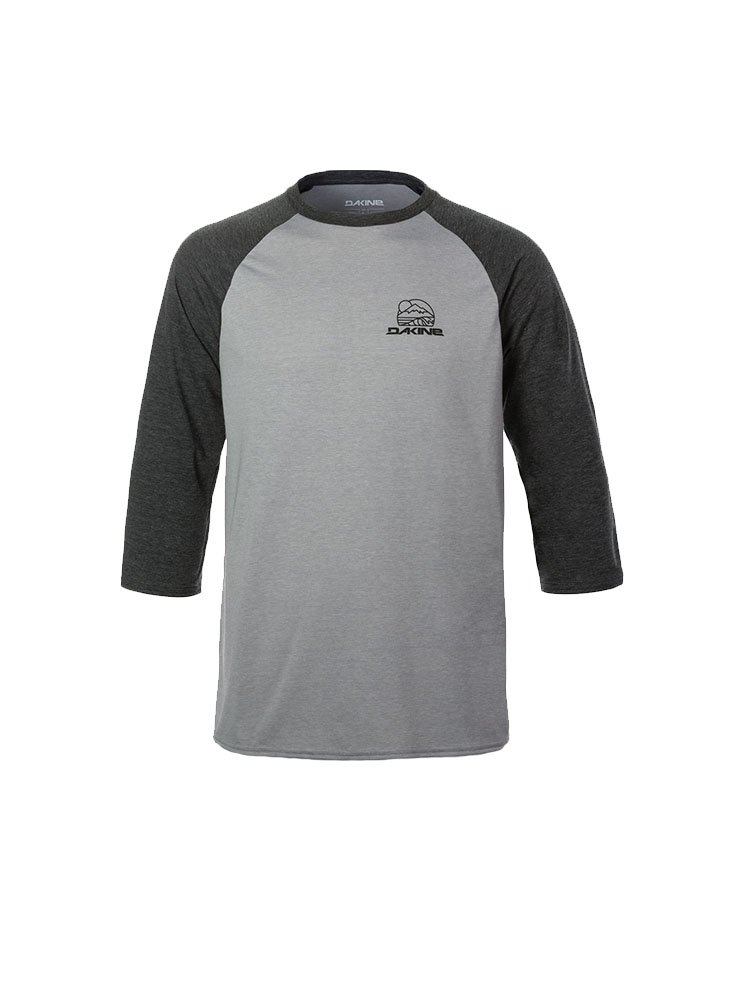
Two- and three-button plackets are the standard base; button material, thread color, and placket facing determine whether the polo reads sporty, premium, or corporate. Woven main labels, size labels, neck tape, woven badges, and custom patches should be specified in the tech pack with placement and attachment method. Soft neck tape helps protect comfort and gives private-label programs a finished interior.
- Specify button diameter and finish
- Show label fold and stitch direction
- State badge size and exact placement
Match Decoration To Program

Embroidery suits durable premium branding, especially on pique, while screen printing favors broad artwork and heat transfer preserves fine multicolor detail on smaller runs. 100-unit capsule orders benefit from simple placements and fewer decoration locations. Test every method after washing, particularly on textured pique, dark colors, and stretch blends.
- Use embroidery for small chest logos
- Use screen print for large bold graphics
- Use heat transfer for detailed multicolor marks
6. Quality Elements in Polo Shirt Construction
A reliable polo is judged at stress points and after laundering, not only by its first hand feel. A capable polo shirt manufacturer locks these checkpoints during sample approval and repeats them in final inspection.
Collar And Placket Control
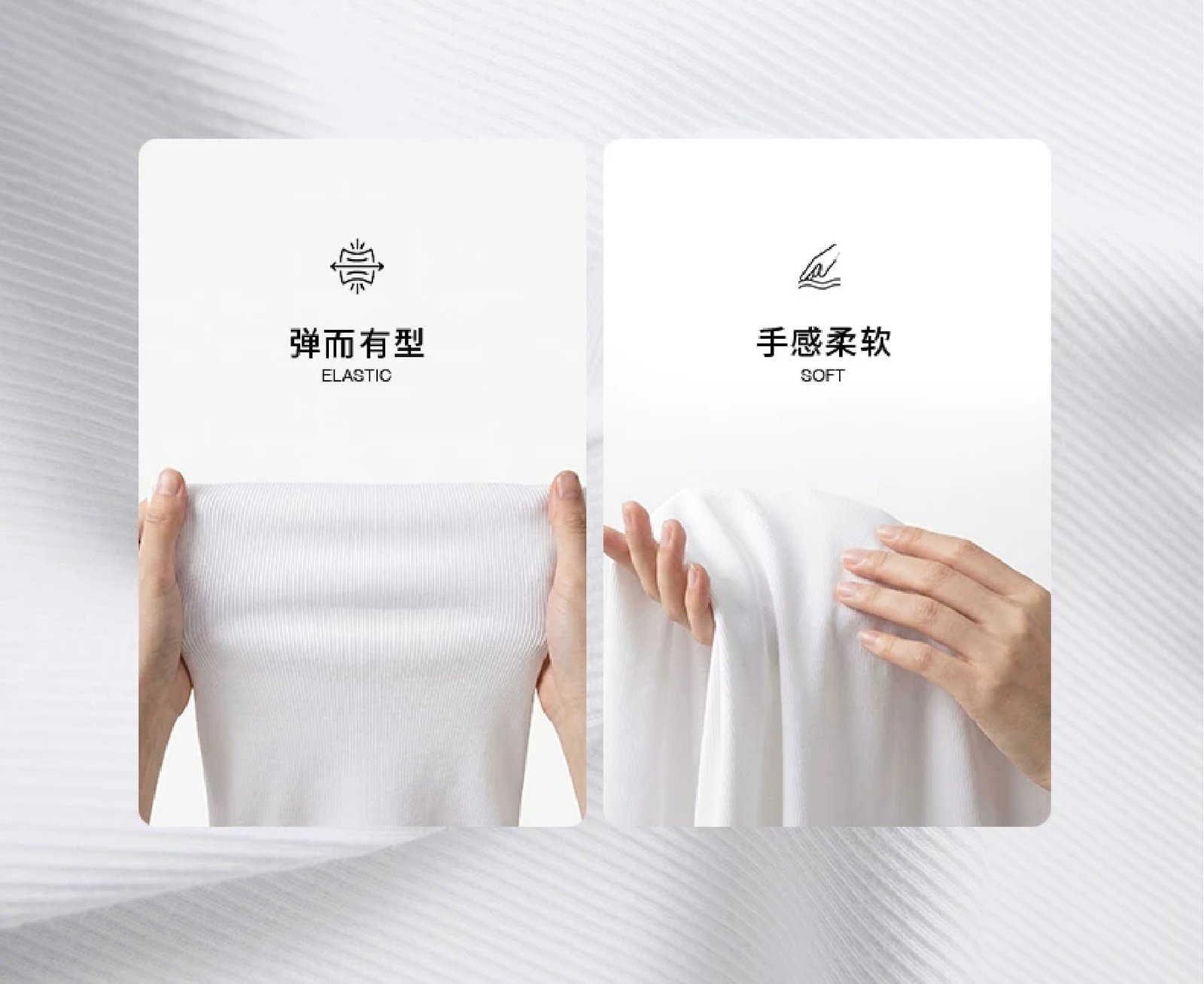
1×1 or 2×2 rib collars should recover after repeated stretching without rolling, waviness, or a permanently open neckline. Match rib weight, elastane content, and collar stand shape to the approved sample. 2- to 3-button plackets need equal spacing, centered buttonholes, matched left-right lengths, and a clean bottom box. Check that the placket lies flat when buttoned and after wash testing.
Seams, Buttons, And Hems

10-12 stitches per inch is a practical benchmark for many knit-polo lockstitch seams; overly sparse stitches can gap, while excessive tension can pucker. Inspect straight side seams, secured sleeve joins, reinforced shoulder tape or clean overlock construction, and balanced thread tension. 2-hole or 4-hole buttons require secure attachment, aligned shanks, and no loose thread tails. Confirm split hems are bar-tacked where specified and the coverstitch hem remains even around the full circumference.
Wash, Color, And Measurements

3-5 wash cycles on the approved sample expose shrinkage, torque, color bleed, collar distortion, and print or embroidery stress. Set shrinkage allowances before bulk cutting, especially for cotton piqué and garment-dyed programs. ±1 cm is a common working tolerance for key adult-polo points, unless the tech pack sets a tighter rule. Pre-shipment inspection should compare graded measurements, shade consistency, colorfastness, appearance, packing, and workmanship against the sealed approval sample.
7. How to Choose a polo shirt manufacturer
Three documents should precede any development payment: a category-relevant sample portfolio, a written MOQ and lead-time quote, and a documented quality workflow. A capable polo shirt manufacturer can turn those claims into style-specific evidence, not broad assurances.
Verify Polo Category Experience
Five recent polo samples reveal more than a generic factory deck: inspect placket alignment, collar recovery, side vents, rib quality, embroidery, and post-wash measurements. Two buyer questions matter first: Which comparable styles have you produced, and can you provide construction photos, measurement specs, and approved sample references?
Test Development And Communication
One paid prototype should confirm fabric weight, Pantone color, collar shape, fit, shrinkage, and decoration before bulk approval. Ask who owns pattern revisions, how many sample rounds are included, and when comments receive a written response. 24-hour acknowledgement and a dated critical-path schedule are practical signs of control; vague promises are not.
Audit Production Evidence
100-unit MOQs can suit a capsule launch, but buyers should confirm whether the threshold applies per style, color, fabric, and size run. Request current capacity, sample and bulk lead times, export destinations, inspection checkpoints, and final-defect handling in writing. OEKO-TEX, GOTS, WRAP, or BSCI claims require current certificates covering the relevant mill or factory; certification names alone are insufficient.
- Ask for incoming-fabric, in-line, and final-inspection records.
- Confirm fabric source, GSM tolerance, and wash-test method.
- Request shipping terms, export documents, and balance-payment trigger.
8. Common Polo Shirt Sourcing Mistakes
A low quotation can conceal fabric substitutions, failed color minimums, or rework that appears only after cutting. Before bulk approval, convert every commercial and technical assumption into a dated, signed production record.
Price-Only Selection
A 5% lower quote can disappear through lower GSM piqué, open-end yarn, unquoted labels, or excess rejects. Compare like-for-like quotations covering fabric composition, weight, trims, decoration, packing, Incoterms, and defect responsibility.
Incomplete Sample Approval

One prototype does not prove graded fit, wash stability, or final branding. Approve a labeled size set, bulk fabric swatch, Pantone reference, artwork placement, and sealed pre-production sample before cutting.
Unspecified Fabric And Fit
A measurement chart without tolerances creates disputes when chest, body length, collar opening, or sleeve length shifts. State point-of-measure methods, grading rules, allowed tolerances, and required tests such as shrinkage, pilling, colorfastness, and spirality.
Decoration And Order Gaps

A fine-detail logo may fill poorly in embroidery, while screen print can crack on unstable rib or stretch areas. Match the artwork to stitch density, print method, garment panel, and wash requirement through a production test. A 100-unit style-and-color MOQ may not cover every size or custom dye lot. Confirm color, size-ratio, trim, and fabric minimums in writing, plus response times, approval owners, AQL inspection level, and final-inspection plan.
9. Launching a Custom Polo Shirt Program
A controlled launch turns a polo shirt concept into an approvable production order. Set decision gates early: the target customer, cost ceiling, fit standard, delivery date, and approved reference must be clear before a polo shirt manufacturer cuts sample fabric.
Lock the Product Brief
100-unit programs need one written brief per style-color. Define wearer, retail price, target FOB, size range, silhouette, market, and required delivery date before requesting a quotation.
- Tech pack with measurement spec
- Pantone color references
- Reference garment or photos
- Bill of materials and trim notes
Develop Fabric and Fit

180–240 GSM pique is a common starting range, but confirm hand feel, shrinkage, pilling, colorfastness, and collar recovery on swatches. Approve a fit sample against a signed measurement sheet; record every correction in one consolidated comment file. XS–3XL grading requires deliberate shoulder, chest, body-length, and sleeve increments. Avoid approving fit from only one size when extended sizes are part of the launch.
Approve Artwork and Pre-Production
Pantone-coded artwork, placement dimensions, embroidery stitch files, and print strike-offs should be approved before bulk. A pre-production sample is the final gate: compare construction, labels, packaging, color, measurements, and decoration against the approved sample and purchase order.
Control Bulk Through Delivery
During bulk production, inspect incoming materials, in-line measurements, stitching, decoration, and final packed goods. Emerging labels reduce risk by freezing changes after pre-production approval; established buyers should maintain a version-controlled tech pack and retained graded patterns for repeat orders. 100% of cartons should match the approved packing list, carton marks, assortment ratio, and shipping documents before release. Confirm balance payment, commercial invoice, packing list, and destination requirements before dispatch.
10. Polo Shirt Manufacturer Pricing and Costs
100 units per style and color is a practical starting tier for a custom polo program, but a polo shirt manufacturer can price a simple piqué differently from a fully engineered retail style. The table gives indicative USD planning ranges before freight, duties, and destination taxes. 180–240 GSM cotton piqué, collar construction, Pantone dyeing, embroidery stitch count, woven labels, custom buttons, and branded packaging can move unit cost materially. Screen-print color count, testing, and air versus sea shipping should be itemized separately.
- Final quotations require an approved tech pack, size range, colorways, decoration files, packaging specification, quantities, and delivery destination.
- Confirm Incoterms, freight method, duty responsibility, and whether sample, setup, and testing charges are refundable against bulk orders.
| Order quantity | Indicative unit price | Sample or setup cost | Typical production lead time |
|---|---|---|---|
| 100–299 units | US$7.50–14.00 | US$80–200 sample; US$30–100 setup | 25–40 days |
| 300–999 units | US$5.80–11.00 | US$80–180 sample; US$30–100 setup | 20–35 days |
| 1,000+ units | US$4.50–9.00 | US$80–160 sample; setup varies | 20–30 days |
Partner With a Polo Shirt Manufacturer Built to Scale
Send your tech pack, reference sample or product idea to JUNSHEEN for a clear quotation and fit-focused development plan.