
Womens Polo Shirt Manufacturer for 100-Unit OEM Programs
JUNSHEEN is a womens polo shirt manufacturer delivering OEM, ODM, and private-label production with fit-focused XS–3XL development.
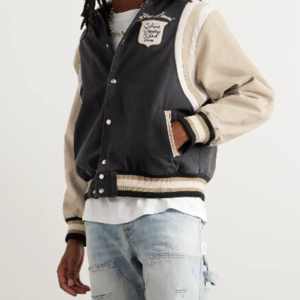
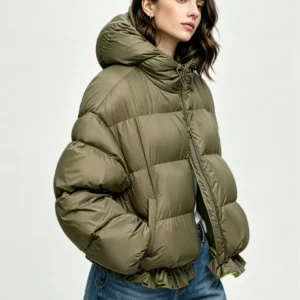
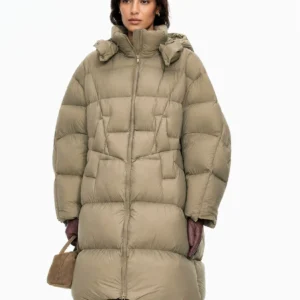
Featured Products for womens polo shirt manufacturer Development


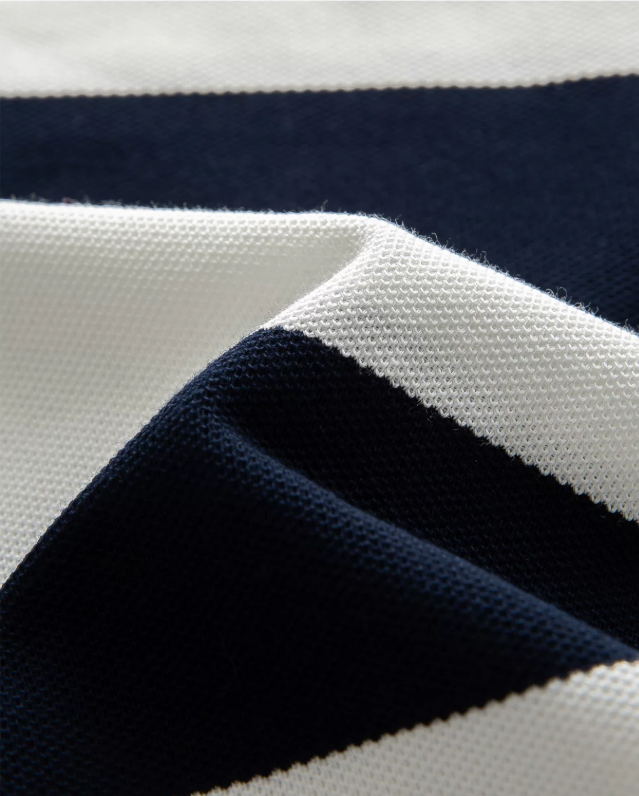

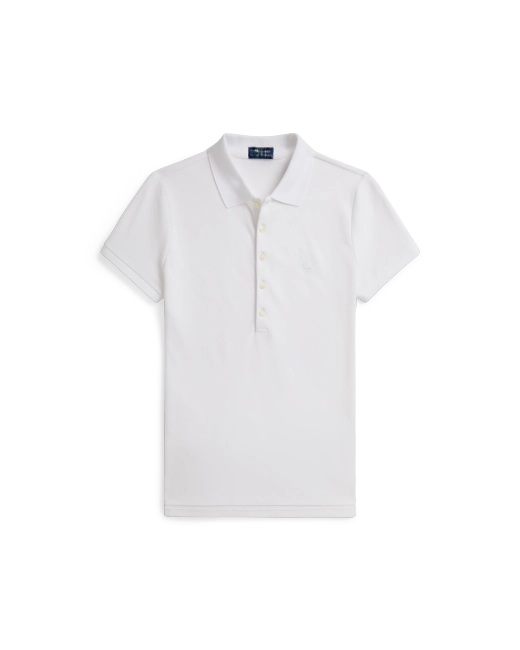


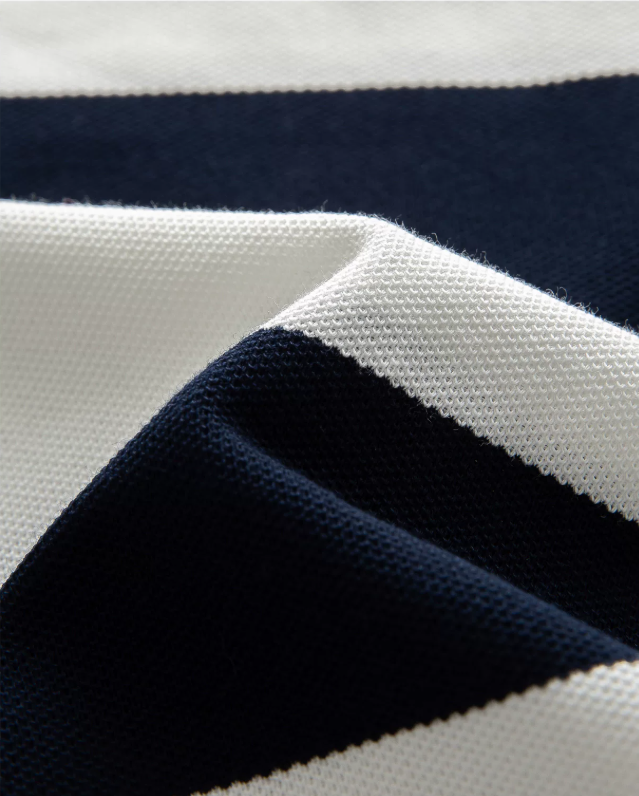

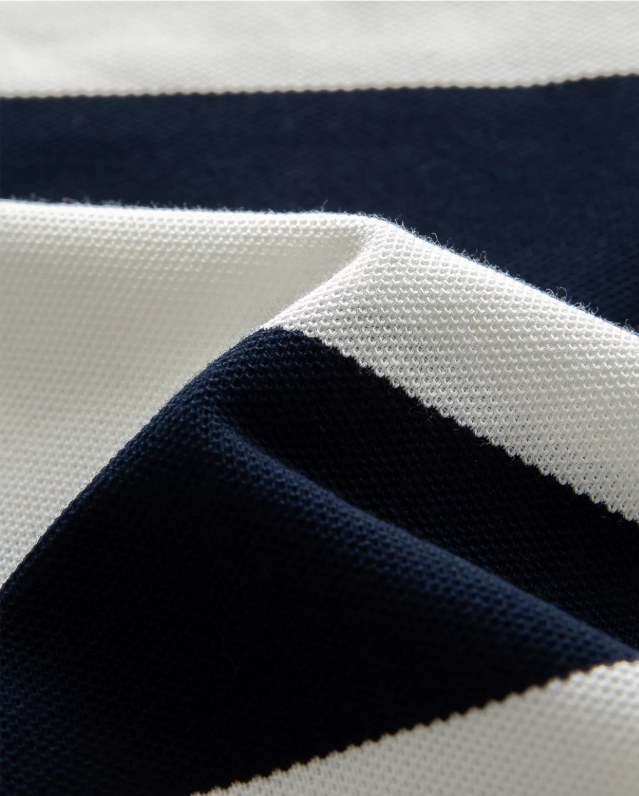



Related Product Catalogue and Quotation







Built for Brand-Ready Women’s Polo Production
One integrated manufacturing partner for custom women’s polos, from early development through export-ready bulk production.
100-Unit MOQs
Launch capsule colors or test new polo programs from 100 units per style and color without sacrificing production support.
Fit-Focused XS–3XL
Refined pattern grading supports normal, plus-size and oversized fits with balanced shoulders, sleeves, body proportions and movement.
Complete Brand Decoration
Add logo embroidery, screen printing, patches, labels, custom buttons, hang tags and branded packaging through one coordinated supply chain.
Fabric Sourcing Expertise
Select piqué, jersey, performance knits and recycled options based on hand feel, weight, durability, stretch and target cost.
Scalable Global Output
Work with a womens polo shirt manufacturer backed by 200+ skilled workers, 80,000+ monthly units and export support.
OEM to Private Label
Move from tech pack, sketch or reference garment into sampling, bulk production, quality control and shipment with clear coordination.
Women’s Polo and Casualwear OEM Categories
Develop fit-led casualwear categories from low-MOQ launches to scalable global programs, with coordinated materials, construction, decoration and private-label finishing.

Custom Hoodies
Develop custom hoodies in fleece, French terry or jersey with women’s fit blocks, oversized proportions, custom hoods, pockets, rib trims, embroidery, printing and branded labels. Start from 100 units per style and color with sampling before bulk approval.
Request a Quote
Custom T-Shirts
Produce custom tshirt programs in combed cotton, Pima cotton, organic cotton or blended jersey. Junsheen supports women’s silhouettes, cropped and oversized options, XS–3XL grading, screen printing, DTG, embroidery, wash effects and private-label packaging.
Request a Quote
Custom Jeans
Build custom jeans with fit development that addresses rise, hip balance, leg shape, stretch recovery and grading across women’s size ranges. Select denim weights, washes, hardware, labels and finishes, then approve samples and size sets before bulk production.
Request a Quote
Custom Sweaters
Source turtle neck sweater bulk programs with yarn, gauge and construction matched to your target hand feel, warmth and price point. Junsheen develops women’s turtlenecks in fitted, relaxed or oversized silhouettes, with grading, labels and export-ready finishing.
Request a Quote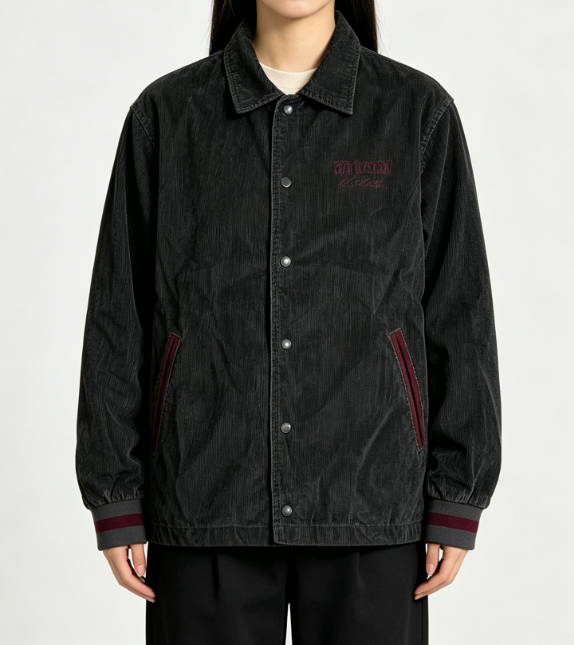
Custom Jackets
Create custom jean jacket collections with women’s proportion control through shoulders, sleeve length, body length and ease. Choose rigid or stretch denim, washes, distressing, contrast stitching, custom buttons, patches and embroidered branding for consistent repeat production.
Request a Quote
Custom Sweatshirts & Crewnecks
Develop custom crewneck hoodie and sweatshirt programs for clean layering, logo capsules or coordinated sets. Control fabric weight, neckline shape, cuffs, hem ribs and women’s fit; add screen printing, puff effects, embroidery, garment dye or washed finishes.
Request a Quote
Custom Cardigans
Produce custom cardigan styles in knit constructions suited to lightweight layering, textured capsules or polished casualwear. Junsheen supports yarn selection, gauges, button and trim sourcing, women’s size grading and private-label finishing from development through bulk.
Request a Quote
Custom Puffer & Down Jackets
Develop custom puffer jacket programs with shell fabric, insulation, quilting layout and fit specified for your market. Junsheen manages women’s proportions, zipper and hardware sourcing, lining, pockets, reflective details, branded trims and pre-production approval.
Request a Quote
Custom Denim Shorts
Produce custom jean shorts with controlled women’s rise, hip fit, inseam and leg opening across the graded size set. Choose rigid or stretch denim, hem treatments, washes, distressing, pocket details, hardware and labels for repeatable bulk quality.
Request a Quote
Custom Sweater Dresses
Create custom sweater dresses with yarn, gauge, neckline and body shape developed around your intended silhouette. Junsheen refines length, waist placement, sleeve proportion and XS–3XL grading, then completes trims, labels and packaging for private-label delivery.
Request a Quote
Custom Denim Sets
Develop coordinated custom denim sets, including jackets, jeans, skirts or shorts, with matching fabric, wash and trim standards across every piece. Junsheen maintains consistent color, fit and construction for fashion brands, including wholesale-ready paired programs.
Request a Quote
Custom Polo Shirts
Produce custom polo shirts with women’s fit development for shoulder balance, bust ease, body length and sleeve proportion. Select pique, jersey or performance knits; add contrast collars, plackets, embroidery, printed details, labels and scalable color programs.
Request a Quote
Custom Sweatpants
Build custom sweatpants with women’s rise, hip, inseam and cuff proportions developed for lounge, athleisure or coordinated fleece sets. Choose French terry or fleece weights, pocket layouts, drawcords, embroidery, printing and branded trims from 100-unit MOQs.
Request a Quote
Custom Shorts
Develop custom shorts for casual, sport-inspired or matching-set collections with fabric and construction aligned to wear requirements. Junsheen supports women’s fit, inseam options, elastic or tailored waists, pockets, print and embroidery decoration, labels and graded sizes.
Request a Quote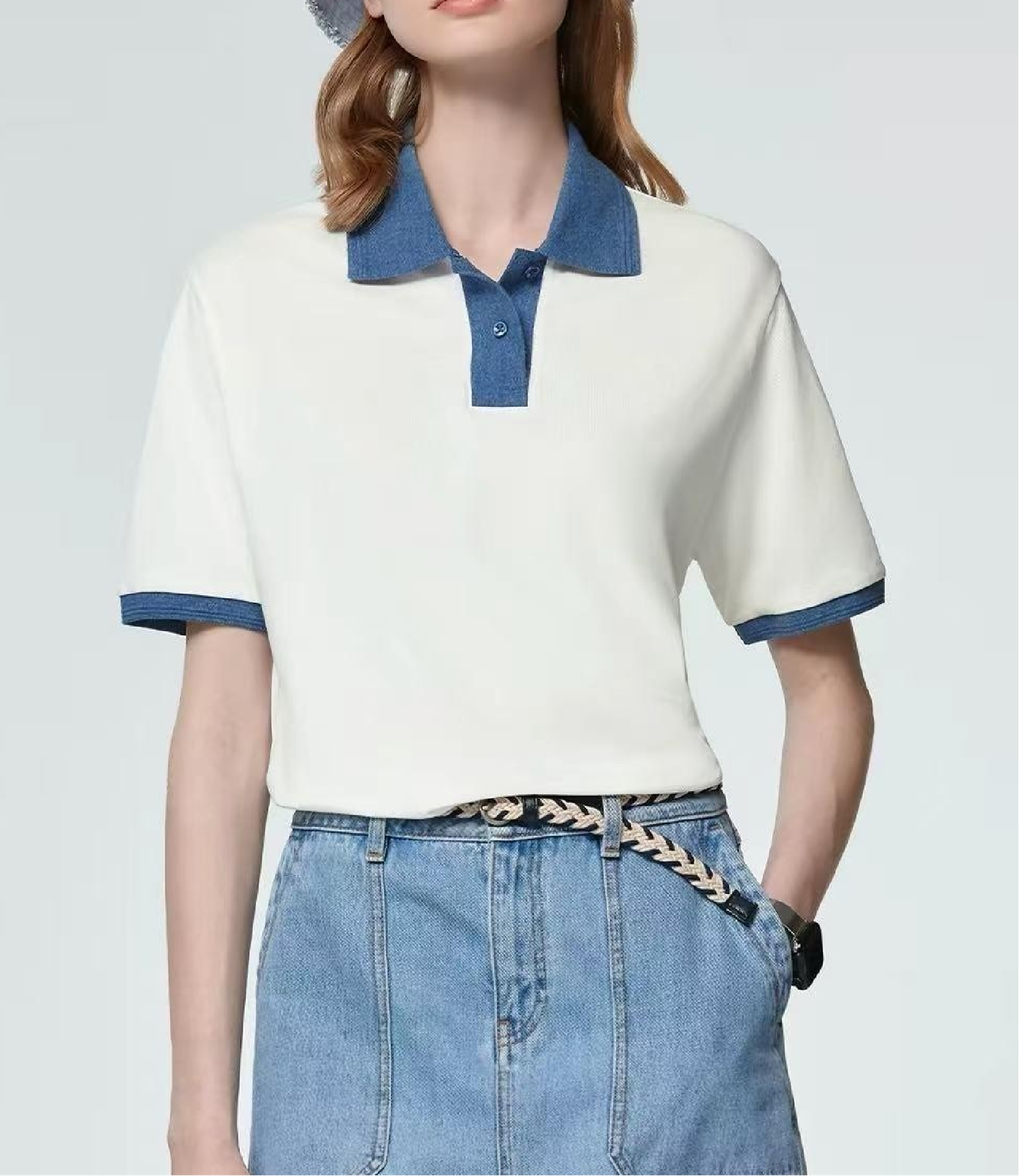
Custom Pullovers
Produce custom pullovers in knit, fleece or jersey constructions for lightweight layers and seasonal capsules. Junsheen develops neckline, sleeve, body and hem proportions across XS–3XL, then manages material sourcing, decoration, washing, labels and bulk quality control.
Request a QuoteMaterials for Custom Women’s Polo Shirts

Cotton Piqué
A breathable, textured classic for polished everyday polos, with a dry hand and dimensional waffle surface. Available in multiple weights, it holds a clean collar shape while remaining comfortable for casual and uniform programs.

Organic Cotton Piqué
A softer, responsibly sourced option for premium women’s polo collections and conscious labels. Its natural hand feel, breathable knit structure and dependable medium-weight body suit elevated basics, resortwear and branded merchandise.

Stretch Cotton Jersey
A smooth, flexible knit suited to fitted, cropped and modern oversized polo silhouettes. Added elastane supports recovery and mobility, while the lighter, softer hand feel works well for fashion-forward casualwear and layering pieces.

Performance Interlock Knit
A clean-faced, durable knit for active polos, golf-inspired styles and staff uniforms. Moisture-management yarn options, controlled stretch and a stable medium-weight construction help garments retain a neat appearance through repeated wear.

Recycled Polyester Blend
A practical choice for performance-led or sustainability-focused polo programs. This quick-drying blend offers color retention, abrasion resistance and lightweight comfort, with recycled fiber options suited to sportswear, uniforms and promotional collections.
Branding Processes for Custom Polos

Logo Embroidery
Flat, 3D puff, and chain-stitch embroidery create a premium, textured logo finish for women’s polos. Placement, stitch density, and backing are selected to preserve clean detail, shape retention, and wash durability.

Screen Printing
Plastisol, water-based, puff, silicone, and high-density screen printing deliver vivid chest graphics and promotional branding. Our team matches ink systems to polo fabric and artwork for opacity, flexibility, and reliable repeated-wash performance.

Heat Transfer
Heat-transfer decoration suits precise logos, multicolor artwork, names, and small-run personalization. Applied with controlled temperature and pressure, it produces crisp edges and a smooth, durable finish on compatible women’s polo fabrics.

DTF Printing
DTF printing reproduces detailed graphics, gradients, and fine lettering without complex screen setup. It provides flexible color output for custom women’s polo shirt manufacturer programs, especially capsule collections, event apparel, and varied logo artwork.

Garment Finishing
Softening, enzyme, anti-pilling, garment-dye, and wash treatments refine hand feel, color character, and surface performance. Finishing specifications are tested with samples to help polos maintain their intended look and comfort after laundering.
Private-Label Accessories for Women’s Polos

Custom Polo Buttons
Select resin, shell-look, metal, or recycled buttons with custom colors, logo engraving, and contrast threading. Button choices reinforce your collection’s price point and brand character across classic, performance, and fashion polo styles.

Branded Collar Zippers
Add custom zipper pulls or branded zipper tape for modern zip-neck women’s polos. Junsheen matches hardware finish, pull shape, and color to your garment design while supporting secure, durable daily wear.

Woven Brand Labels
Create woven main labels with your logo, size information, and chosen fold style. Positioned at the back neck or side seam, they give every polo a polished private-label identity without compromising comfort.

Care Label Sets
Include compliant wash-care labels with fiber content, care instructions, country-of-origin details, and size data. Clear label sets support export-ready production and help customers maintain fit, color, and fabric performance.

Custom Hang Tags
Pair your polos with custom hang tags featuring brand stories, fabric claims, QR codes, pricing details, or collection information. Choose card stock, shape, finish, string, and attachment method for your target retail channel.
Branded Polo Packaging
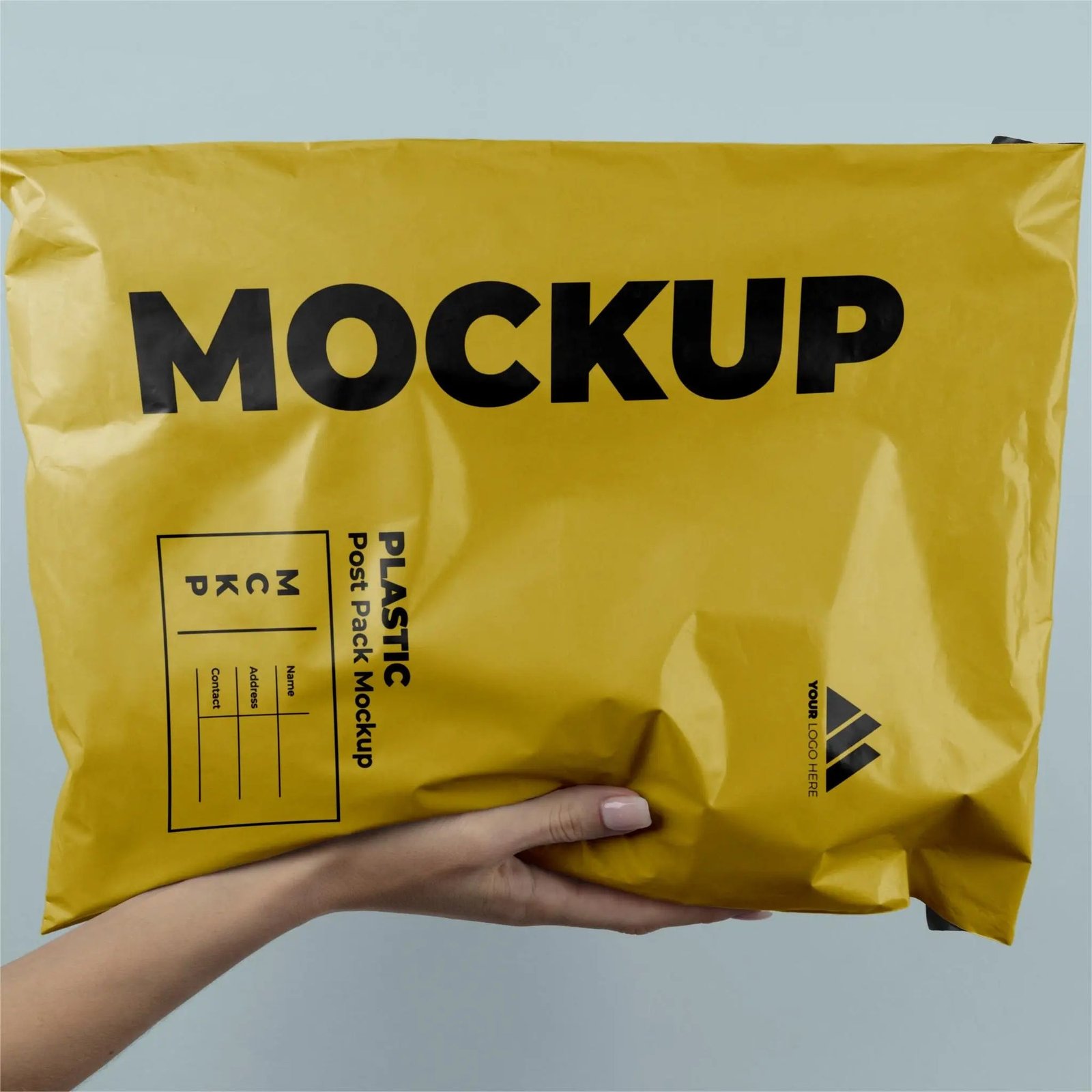
Finish each order with custom polybags, tissue paper, stickers, carton marks, or reusable packaging. JUNSHEEN coordinates packing specifications to protect garments in transit and deliver a cohesive unboxing experience for buyers.
Your Womens Polo Shirt Manufacturer
Founded in 2010 in Humen Town, Dongguan, JUNSHEEN helps global fashion brands turn women’s polo concepts into production-ready collections. As a womens polo shirt manufacturer, we provide OEM, ODM, private-label and product-development support from early specifications and fabric selection through sampling, bulk production and export.
Our 200+ skilled workers combine cut-and-sew and knitting capability with in-house embroidery, printing, washing, finishing, labels, trims and packaging. With capacity exceeding 80,000 units monthly, we support 100-unit-per-style-and-color launches as confidently as scalable repeat programs for wholesalers, retailers and established labels.
Fit comes first at JUNSHEEN. We develop XS–3XL, extended-size, plus-size and modern oversized silhouettes with considered pattern grading rather than simple size enlargement. That technical focus, backed by global export experience and more than 2,000 fashion-brand clients served, gives buyers a dependable manufacturing partner for better-fitting women’s polos.

Womens Polo Shirt Manufacturer Capabilities
Fit Engineering Across XS–3XL
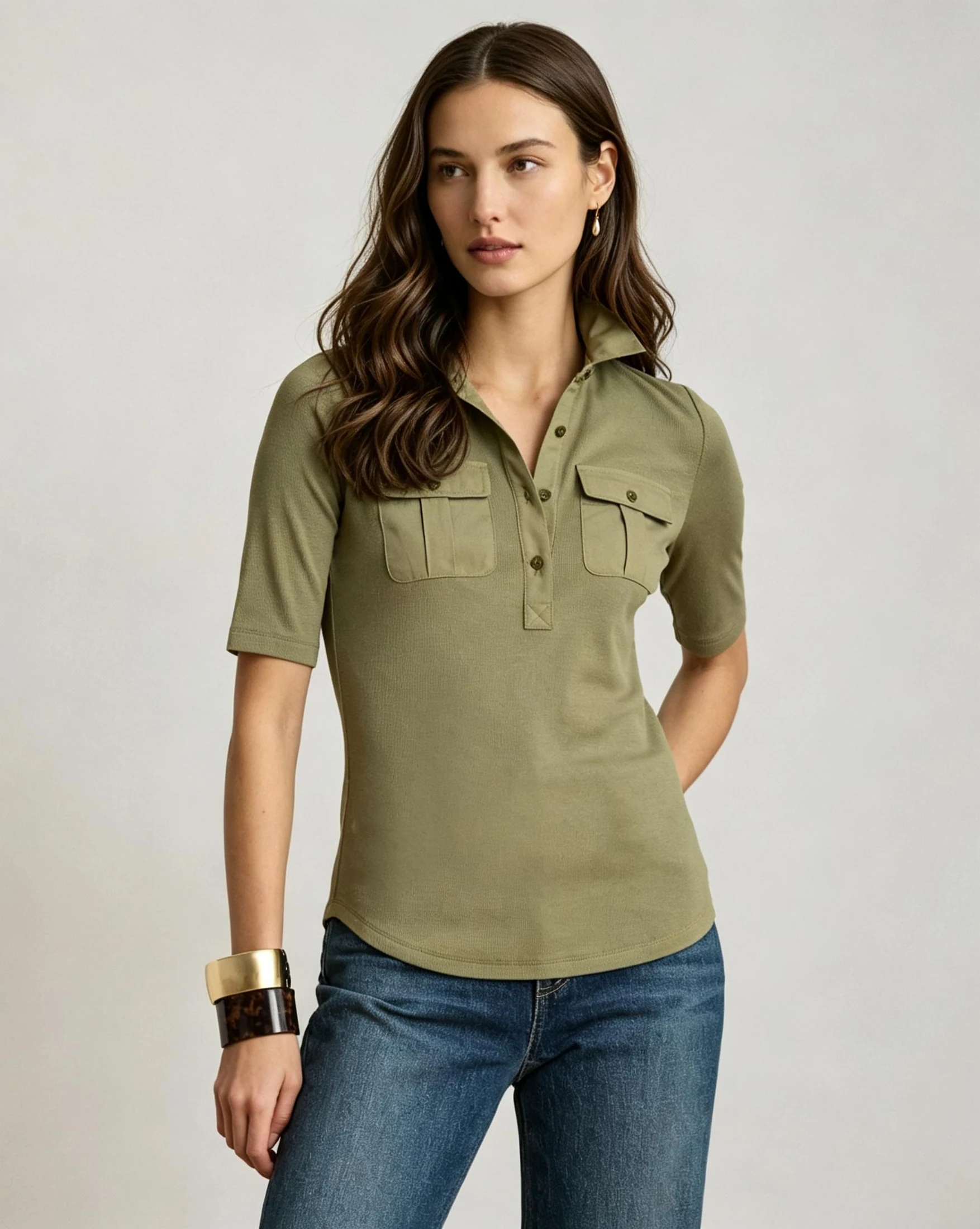
JUNSHEEN develops women’s polos with proportion-led patterns, not simple size scaling. Our team refines shoulder placement, bust ease, sleeve length, body shape and grading increments to help your collection deliver a consistent, wearable fit from XS through 3XL.
- Normal, extended-size, plus-size and oversized grading
- Size-set reviews before bulk approval
- Pattern records retained for repeat-order consistency
- Fit adjustments guided by your target customer

Development From Idea to Sample
Bring a tech pack, sketch, reference garment or product concept. Our development team reviews construction feasibility, recommends fabrics and trims, creates patterns, and produces prototypes that turn a women’s polo direction into a production-ready specification.
- OEM, ODM and private-label development support
- Fabric weight, stretch and hand-feel recommendations
- Collar, placket, cuff and silhouette engineering
- Prototype and pre-production sample coordination

Integrated Polo Manufacturing
As a womens polo shirt manufacturer with cut-and-sew and knitwear capability, JUNSHEEN keeps core production stages connected. From fabric sourcing and decoration through labels, finishing and packaging, buyers work with one accountable manufacturing partner instead of multiple vendors.
- Low MOQ from 100 units per style and color
- Embroidery, screen printing, transfers and custom patches
- Woven labels, hang tags, buttons and branded packaging
- Scalable capacity exceeding 80,000 units monthly
Quality Control That Protects Launches
Quality checks are built into material intake, in-line sewing, measurements, decoration and final packed-goods review. This structured control helps OEM buyers catch issues before shipment while maintaining approved fit, construction details and presentation across each production run.
- Incoming fabric and trim inspection
- In-line workmanship and measurement checks
- Decoration and wash-performance review
- Final packed-goods inspection before export

Why Brands Choose JUNSHEEN, a Womens Polo Shirt Manufacturer
Fit-focused development, integrated production and export-ready support for women’s polo programs from 100 units.
← 左右滑动查看 →
Women’s Polo Shirt Manufacturing Process
A fit-focused, production-ready workflow for custom women’s polo programs from 100 units per style and color.
Feasibility and Sourcing
We review your tech pack, sketch, or reference sample, confirm construction feasibility, and recommend fabrics, piqué weights, trims, colors, and target cost.
Pattern and Fit Development
Our team creates patterns and XS–3XL grading, refining shoulder balance, body proportion, sleeve length, and mobility for your intended women’s polo fit.
Sampling and Approval
We produce prototype samples for fabric, fit, color, decoration, and trim review, then incorporate approved revisions before establishing production specifications.
Bulk Production and Decoration
After pre-production approval, skilled teams cut, sew, embroider or print, wash, finish, label, and assemble your custom polo order at scale.
Quality Control and Shipping
Inspections verify measurements, construction, decoration, and packed goods before branded packaging, export documentation, and worldwide shipment support are arranged.
How to Start Your Womens Polo Shirt Manufacturer Project
Move from concept to delivered polos through a clear, fit-focused development and production path.
Send Your Design Brief
Share a tech pack, sketch, reference garment, mood board, or product idea. Specify target quantities, size range, fabric preferences, branding details, and delivery market.
Review Pricing and Sampling
JUNSHEEN reviews feasibility, recommends materials and construction, then provides a quotation. Approve a prototype and size set to confirm fit, measurements, colors, and trims.
Confirm Production Details
Finalize bulk fabric, graded XS–3XL patterns, labels, decoration, packaging, order quantities, and delivery requirements. Your approved sample becomes the production reference for every unit.
Receive Quality-Checked Goods
Our team manages bulk production, in-line inspections, final measurement and appearance checks, packing, and export coordination, then ships finished women’s polos to your requested destination.
Custom Clothing Manufacturer Credentials and Compliance Documents




What Global Apparel Buyers Say About JUNSHEEN
JUNSHEEN turned our reference polo into a production-ready women’s fit in two sample rounds. Their XS–3XL grading reduced fit comments by 40%, and we launched our 600-unit color program on schedule.
Communication was fast and specific from fabric selection through label packing. Our 100-unit first run sold through in six weeks, and the retained patterns made the 450-unit reorder much easier to approve.
We needed a womens polo shirt manufacturer that could scale without changing the hand feel or measurements. JUNSHEEN delivered 1,200 units across four colors with less than 2% measurement variance in our final inspection.
Womens Polo Shirt Manufacturer FAQ
Clear answers on MOQ, development, lead times, labeling, fit, payment, shipping, and production safeguards for custom women’s polo programs.
What is the MOQ for a womens polo shirt manufacturer?
Can a womens polo shirt manufacturer make samples before bulk production?
How long does custom women’s polo shirt production take?
What fabrics can you source for women’s polo shirts?
Can you develop women’s polo sizing from XS to 3XL?
Can a womens polo shirt manufacturer add private labels and custom branding?
What payment terms do you offer for new apparel orders?
How do you protect designs and manage quality for women’s polo orders?
The Complete Guide to womens polo shirt manufacturer
Use this practical framework to evaluate supplier capabilities, fabrics, customization, quality controls, pricing, and launch readiness—while avoiding sourcing mistakes that can delay production, weaken brand positioning, or inflate costs.
1. What Is a womens polo shirt manufacturer?
2010 is the founding year of Dongguan Junsheen Clothing Co., Ltd., a womens polo shirt manufacturer: a factory that converts a brand brief or technical package into finished, labeled polos for sale. Its work should span pattern development, size grading, material and trim sourcing, prototype and size-set samples, cutting, sewing, inspection, packing, and export coordination. OEM means the buyer supplies the design specifications and the factory produces to them; ODM adds supplier-led development from a sketch, reference garment, or concept. Private-label production applies the buyer’s brand identifiers—main labels, size labels, care labels, hangtags, and packaging—to an approved product, while a trading company normally coordinates one or more factories rather than operating the production floor. 100 units per style and color is a practical entry point for brands validating a capsule with a direct factory, provided the supplier can manage low-MOQ material sourcing and repeatable specifications. Work directly with a factory when fit control, sampling feedback, lead-time visibility, and cost traceability matter; use an intermediary when you need multi-country sourcing, consolidated purchasing, or local-language project management that the factory cannot provide.
2. Evolution of the Women’s Polo Shirt
1920s tenniswear helped establish the polo as a short-sleeve, collared alternative to formal sporting shirts; later golf and team uniforms made cotton piqué, rib collars, button plackets, and chest branding familiar commercial codes. Women’s versions initially borrowed these proportions, often using straight bodies and unmodified grading rather than patterns built for a female fit. 1970s–1990s casualwear shifted the polo beyond the court: slimmer shoulders, shaped side seams, shorter sleeves, and brighter color programs positioned it as a preppy fashion basic. Corporate uniform buyers adopted it for its tidy appearance and easy logo placement, while fashion labels used contrast tipping, striped collars, cropped lengths, and oversized silhouettes to differentiate collections. 2000s performance apparel accelerated fabric change from traditional cotton piqué toward polyester piqué, cotton-poly blends, stretch jersey, and moisture-management constructions. Current sourcing should define the intended role first—heritage casual, active uniform, polished hospitality, or fashion-led layering—because collar recovery, opacity, pilling resistance, stretch, and decoration method follow that decision. XS–3XL women-specific development matters because bust ease, shoulder slope, armhole depth, waist shaping, hem sweep, and sleeve circumference cannot be resolved by simply scaling a unisex block. A womens polo shirt manufacturer should review graded measurements and sample wear across the target size range, then balance a versatile silhouette with the brand’s intended styling: tucked, untucked, layered, or worn as branded workwear.
3. Types from a womens polo shirt manufacturer
Six core polo directions let buyers match hand feel, coverage, and price position to a defined customer. A womens polo shirt manufacturer should confirm the intended silhouette before sampling, because collar structure and fabric behavior change the fit.
Classic Pique And Jersey

180–240 GSM cotton pique creates the familiar ribbed, straight-to-easy-fit polo for uniforms, golf-inspired capsules, and warm-weather casual lines. It suits broad adult sizing and needs stable collar rib, placket reinforcement, and shrinkage testing. 160–200 GSM jersey produces a softer, slimmer-draping alternative for lifestyle, layering, and fashion basics. Its curl-prone edges and lower body require careful placket interfacing and recovery testing after washing.
Performance And Knit Polos

140–180 GSM polyester or poly-spandex performance polos target active, hospitality, and corporate-wear programs in spring through summer. Specify moisture management, snag resistance, colorfastness, and logo method before approving bulk. 12–16 gauge knit polos serve premium resort, smart-casual, and transitional-season collections with a more structured, sweater-like silhouette. Buyers should approve stitch density, neck shape, and dimensional stability on a size set.
Long-Sleeve And Fashion Fits

Long-sleeve polos extend classic styling into fall, cool-climate retail, and polished workwear. Cuff construction, sleeve pitch, and placket length matter more than on short-sleeve versions. 18–22 inch cropped bodies and fitted waist shaping target younger fashion customers, festival capsules, and layered looks. Confirm torso length, bust ease, and grade rules from XS through 3XL rather than scaling a standard polo pattern.
4. womens polo shirt manufacturer Fabric Options
180–240 GSM is the practical starting range for most women’s polos: lighter constructions suit warm-weather programs, while denser piqué improves shape retention. A capable womens polo shirt manufacturer should match fiber content to the intended price point, care expectations, and wear environment.
| Fabric | Typical GSM | Wear Traits | Best Positioning |
|---|---|---|---|
| Cotton piqué | 180–240 | Breathable; textured; may shrink | Premium lifestyle |
| Cotton-poly blend | 180–230 | Durable; lower shrinkage; less breathable | Uniform and core retail |
| CVC piqué | 190–230 | Cotton-forward; durable; economical | Value branded |
| Polyester performance | 150–200 | Quick-dry; low shrinkage; moisture-managed | Sport and hospitality |
| Modal blend | 170–210 | Soft drape; test pilling | Fashion premium |
| Recycled polyester | 160–220 | Durable; verify certification | Sustainability-led programs |
Fiber Selection By Market

100% cotton piqué provides a dry, textured hand, strong breathability, and a premium natural-fiber story, but it needs shrinkage control through pre-shrinking and wash testing. CVC usually places cotton above polyester, giving a softer, more cotton-forward hand than a balanced blend while improving durability and reducing cost volatility.
- Cotton piqué: heritage retail and lifestyle polos
- Cotton-poly: uniforms and repeat-wear programs
- CVC: value-conscious branded collections
Performance And Softness

150–200 GSM polyester performance knits are lightweight, quick-drying, and resistant to shrinkage; moisture management depends on yarn shape, knit structure, and finish rather than polyester alone. Modal-cotton blends deliver a notably smooth, drapey hand for fashion-led polos, but require pilling and recovery testing before approval, especially in lighter jersey constructions.
- Performance knit: golf, hospitality, active uniforms
- Modal blend: elevated fitted or relaxed polos
Recycled Fiber Specifications

30–100% recycled polyester can support a lower-impact material brief and retains polyester’s wash durability, though traceable recycled content and color consistency should be confirmed with the mill. 4–5 wash cycles during development reveal practical shrinkage, spirality, pilling, and colorfastness risks before a bulk fabric is locked.
- Request fiber-content documentation
- Approve lab dips and bulk swatches
- Set acceptable shrinkage tolerances
5. Customization and Decoration Options
At Junsheen, a 100-unit style-and-color starting point lets buyers test custom polo details without committing to a large run. Pantone-approved trims and decoration samples should be signed off before bulk materials are released.
| Method | Visual Effect | Setup And Minimums | Durability And Best Fit |
|---|---|---|---|
| Embroidery | Raised, textured | Digitized stitch file; best for small logos | High; premium polos and crests |
| Screen Print | Flat, bold color | Artwork separations; efficient for larger runs | Good when ink and fabric are tested |
| Heat Transfer | Fine multicolor detail | Print-ready file; flexible for small tests | Good; assess stretch and wash adhesion |
| Woven Patch | Dimensional badge | Custom weave and placement sample | High; heritage or varsity branding |
Build The Polo Identity

Two-color collar and cuff tipping creates a recognizable sportswear signal with little added bulk. Contrast panels, engineered stripes, or custom yarn-dyed patterns require color artwork, placement measurements, and a confirmed production sample. Three placket choices—self-fabric, woven, or contrast—change both price and perceived formality. Specify button diameter, buttonhole direction, and spare-button placement in the tech pack.
- Match tipping colors to Pantone references
- Mark panel seams on graded patterns
- Approve buttons against the final fabric
Choose Decoration Early

Embroidery delivers a raised, premium logo and suits chest marks, sleeves, and small crests; stitch files and backing approval are required. Screen printing gives strong opaque color on larger graphics, while heat transfer suits detailed multicolor artwork and smaller test quantities. One patch can add dimension through woven, chenille, silicone, or applique construction. Test every method after laundering because knit density, stabilizer, ink, and adhesive affect stretch recovery.
Finish Private-Label Details

Three label layers—main, size, and wash-care—make a polo retail-ready and should include fiber content and required care information for the destination market. Neck tape, woven side tabs, hem labels, and branded packaging reinforce identity without competing with the front logo. 100-unit capsule orders benefit from limiting bespoke components to the details customers will notice. Retain approved artwork, trim specifications, and placement measurements for repeat-order consistency.
6. Construction Details That Signal Quality
Premium polos reveal their quality at stress points, not in a flat sketch. A womens polo shirt manufacturer should document construction tolerances before the development sample becomes the bulk-production standard.
Collar And Placket Recovery
Two-layer collars should return to shape after stretching and steaming; inspect collar-point symmetry, neckline balance, and waviness after laundering. Three-button plackets need clean topstitching and reinforcement at the lower opening. Confirm interfacing, button spacing, and placket alignment remain stable when worn open.
- Stretch the collar and check recovery
- Inspect placket ends for puckering
- Verify buttonholes follow the placket grain
Seams, Vents, And Hem
Eight to 12 stitches per inch is a practical benchmark for durable knit seams, subject to fabric weight and stitch type. Check shoulder seams for balanced tape or clean overlock construction without twisting. Two side vents should be equal in length and securely bar-tacked at their tops. Inspect hem depth, coverstitch consistency, and whether the front and back hems hang level.
- Measure both side vents
- Check seam allowance is fully caught
- Look for skipped coverstitches at hems
Buttons And Size Consistency
Two-pass button attachment or a secure cross-lock stitch reduces button loss in repeated wear. Pull-test buttons by hand and check that thread ends are trimmed without cutting the fabric. XS through 3XL require graded measurements rather than scaled enlargement. Compare chest, shoulder, body length, sleeve opening, and collar circumference against the approved size specification.
- Count button stitches consistently
- Measure every graded sample size
- Record approved measurement tolerances
Wash And Final Inspection
One completed wash test should assess shrinkage, collar recovery, seam torque, color change, and placket distortion before bulk approval. Test the intended care method, not an easier laboratory substitute. AQL-based final inspection should sample packed goods for measurements, stains, needle damage, loose threads, labeling, and decoration placement. Retain the approved sample and measurement sheet as the shipment reference.
- Recheck garments after wash and dry
- Inspect packed units for correct size labels
- Compare random cartons with approval records
7. Choosing a womens polo shirt manufacturer
100-unit minimums can suit a capsule, but capacity alone does not prove a factory can protect women’s fit through repeat orders. Evaluate the womens polo shirt manufacturer with records, not sales promises.
Verify Product And Fit Experience
3 approved women’s polo samples should show how the factory handles collar roll, placket balance, bust ease, sleeve pitch, and grading from XS through 3XL. 100-unit programs need a confirmed MOQ by style, color, and fabric, plus a written sample calendar. Ask for comparable polo photos, measurement charts, fit comments, and graded patterns.
- Comparable women’s polo specification sheet
- Base pattern and size-grade rules
- Sample, revision, and bulk approval timeline
Map The Production Chain
80,000+ monthly units may indicate scale, but buyers should confirm which steps are controlled in-house. Ask whether knitting, cutting, sewing, embroidery, printing, washing, packing, and final inspection are subcontracted. 200 skilled workers are meaningful only when linked to available lines and seasonal loading. Request a capacity plan, critical-path schedule, fabric sourcing options, and Pantone lab-dip process.
- Approved supplier and subcontractor list
- Fabric test reports and composition records
- Capacity by line and delivery week
Test Controls And Communication
A 3-stage inspection record—fabric receipt, in-line checks, and packed-goods audit—makes quality expectations reviewable before production. Request AQL standards, measurement tolerances, defect photos, and a corrective-action example. 2 export documents commonly required are a commercial invoice and packing list; destination rules can add others. Confirm the account owner, response window, shipping terms, export markets, and current OEKO-TEX, GOTS, WRAP, or BSCI certificates where required.
- Pre-production approval checklist
- Final inspection report template
- Certificate copies and expiry dates
8. Common Buyer Mistakes to Avoid
100-unit programs can expose specification gaps faster than large replenishment orders. A capable womens polo shirt manufacturer will flag risks, but buyers must document the decisions that protect fit, margin, and delivery.
Chasing the Lowest Quote
Three quotes can differ because fabric weight, collar construction, testing, and packing are excluded. Compare a matched bill of materials and workmanship checklist; otherwise, the apparent saving can become rework, claims, or inconsistent bulk goods.
Accepting Generic Sizing
XS–3XL labels do not guarantee consistent shoulder, bust, body-length, or sleeve proportions. Supply a target measurement chart and approve graded size sets, especially for extended-size or oversized fits, before bulk cutting.
Skipping Wear And Wash Tests
Three wash cycles can reveal shrinkage, collar torque, color loss, and print cracking that a new sample hides. Test the intended care method and wear the sample; revise fabric, rib, stitch, or decoration specifications before approval.
Leaving Details Unspecified
One unspecified item—such as button material, Pantone color, placket stitch count, label placement, or polybag warning—invites factory interpretation. Put trims, artwork files, tolerances, and packaging into a signed tech pack and sample comments.
Ignoring Production Constraints
100 units per style and color may be feasible, but fabric mills, custom dye lots, and specialty trims can impose higher minimums or limited colors. Confirm MOQ by fabric, color, and decoration, then lock calendar dates and an AQL-based final-inspection standard before payment.
9. Launching Your Polo Shirt Collection
A 100-unit OEM launch works best when the collection is narrowed before sampling: one customer, one fit block, and a controlled color plan. A womens polo shirt manufacturer can then turn approved specifications into a repeatable bulk order.
Define The Customer
1 target wearer should determine silhouette, retail price, and use case before a sketch is sent. Lock cropped or regular length, slim or relaxed fit, core sizes, and no more than two launch colors.
- State target retail price and margin goal
- Choose market and intended wear occasion
- Set size range, including XS–3XL if needed
Build The Tech Pack
1 production-ready tech pack reduces interpretation during sampling. Include front and back flats, Pantone references, point-of-measurements, construction callouts, artwork placement, label copy, and a bill of materials. 2 reference garments can supplement drawings, but measurements and tolerances must govern approval. Confirm collar shape, placket length, button count, hem treatment, and decoration dimensions.
Approve Fabric And Fit

180–240 GSM piqué is a practical starting range for many polos, while jersey gives a softer hand. Lock fiber blend, color standard, shrinkage expectation, and wash test before bulk fabric is reserved. 1 prototype should be reviewed on-body, then graded across the intended size set. Approve revised shoulder balance, bust ease, sleeve opening, body length, and measurement tolerances before issuing the bulk sample approval.
Place And Track Production
100 units per style and color can support a focused first OEM run when components are shared. Lock purchase-order quantities, approved sample, packaging, shipping terms, inspection standard, and delivery window before cutting begins. 3 checkpoints—pre-production, in-line, and final packed-goods inspection—should compare measurements, stitching, decoration, labels, and carton counts against the approved sample. Plan freight around launch photography, customs clearance, and a buffer for receiving.
10. womens polo shirt manufacturer Pricing
100 units per style and color is a practical low-MOQ starting point for custom polo production, but quoted cost depends on the specification rather than a catalogue price. The illustrative ranges below assume a standard short-sleeve women’s polo in cotton piqué, one colorway, conventional labels, and bulk-sea freight excluded. 7–21 days for development sampling and roughly 25–45 days for approved bulk production are common planning ranges after materials and artwork are confirmed. A complete tech pack, Pantone references, measurement chart, decoration files, and approved fit sample let a womens polo shirt manufacturer price the exact construction, prevent scope gaps, and turn estimates into a reliable factory quotation. 6 cost areas require separate review: fabric composition and GSM; embroidery or print stitch/coverage; collar, buttons, labels, and other trims; colorway count; branded packaging; and air, sea, duty, or destination freight.
| Order quantity | Illustrative unit price | Expected bulk lead time | Typical specification |
|---|---|---|---|
| 100–299 units | US$8.50–15.50 | 30–45 days | 180–220 GSM cotton piqué, stock buttons, small chest embroidery |
| 300–999 units | US$6.80–12.00 | 25–40 days | Custom labels, 2–3 colors, screen print or embroidery |
| 1,000+ units | US$5.20–9.50 | 25–35 days | Optimized fabric booking, repeatable trims, consolidated packing |
Partner With a Womens Polo Shirt Manufacturer
Send your tech pack, sketch, or product idea for a tailored OEM quotation and fit-focused 100-unit production plan.