
Wholesale Puffer Jackets From 100 Units
One-stop OEM, ODM and private-label wholesale puffer jackets with fit-focused XS–3XL development, custom materials, trims and global production support.
Featured Products for wholesale puffer jackets Development








Related Wholesale Puffer Jackets Catalogue and Quotation

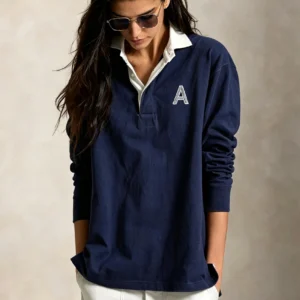




Why Brands Source Wholesale Puffer Jackets From JUNSHEEN
From first sample to export-ready bulk orders, JUNSHEEN combines flexible development, fit precision, and integrated production support.
100-Unit MOQ
Launch capsule collections or test new colorways with wholesale puffer jackets from just 100 units per style and color.
Fit-Focused XS–3XL Grading
Pattern makers refine proportions, mobility, sleeve balance, and grading increments for standard, extended-size, plus-size, and oversized fits.
Integrated Decoration
Add logo embroidery, patches, printing, custom labels, branded trims, and packaging through one coordinated apparel production team.
Scalable Production Capacity
More than 200 skilled workers and 80,000-plus monthly units support reliable growth from sampling through ongoing bulk programs.
Global Export Support
Receive clear production coordination, quality inspections, packing support, and worldwide shipping assistance for your puffer jacket orders.
Outerwear and Apparel OEM Categories
Build capsule, retail, wholesale, and branded-workwear programs with fit-focused development, low-MOQ sampling, and scalable production.
Custom Hoodies
Develop custom hoodies for capsule drops, team merchandise, and retail basics in fleece or French terry. Junsheen supports fit development from XS–3XL, custom weights, embroidery or printing, branded trims, and production from 100 units per style and color.
Request a Quote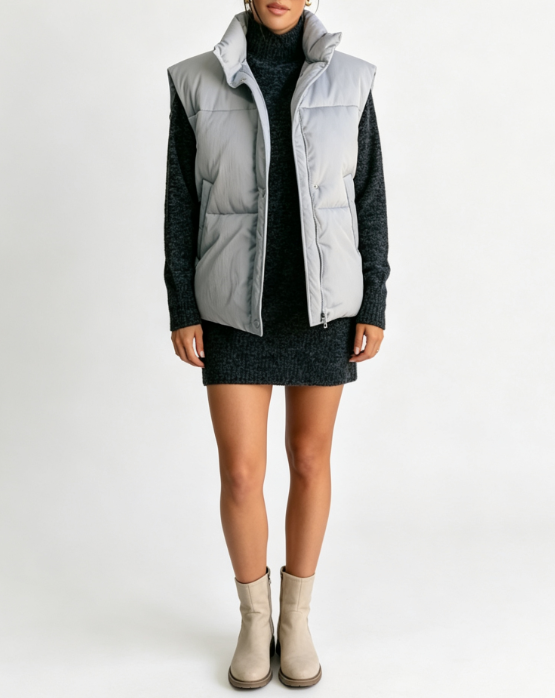
Custom T-Shirts
Produce custom T-shirts in combed cotton, blended jersey, heavyweight, oversized, or performance constructions. From a tech pack or reference garment, Junsheen manages patterns, grading, screen printing, DTG, embroidery, labels, and bulk quality control for branded programs.
Request a Quote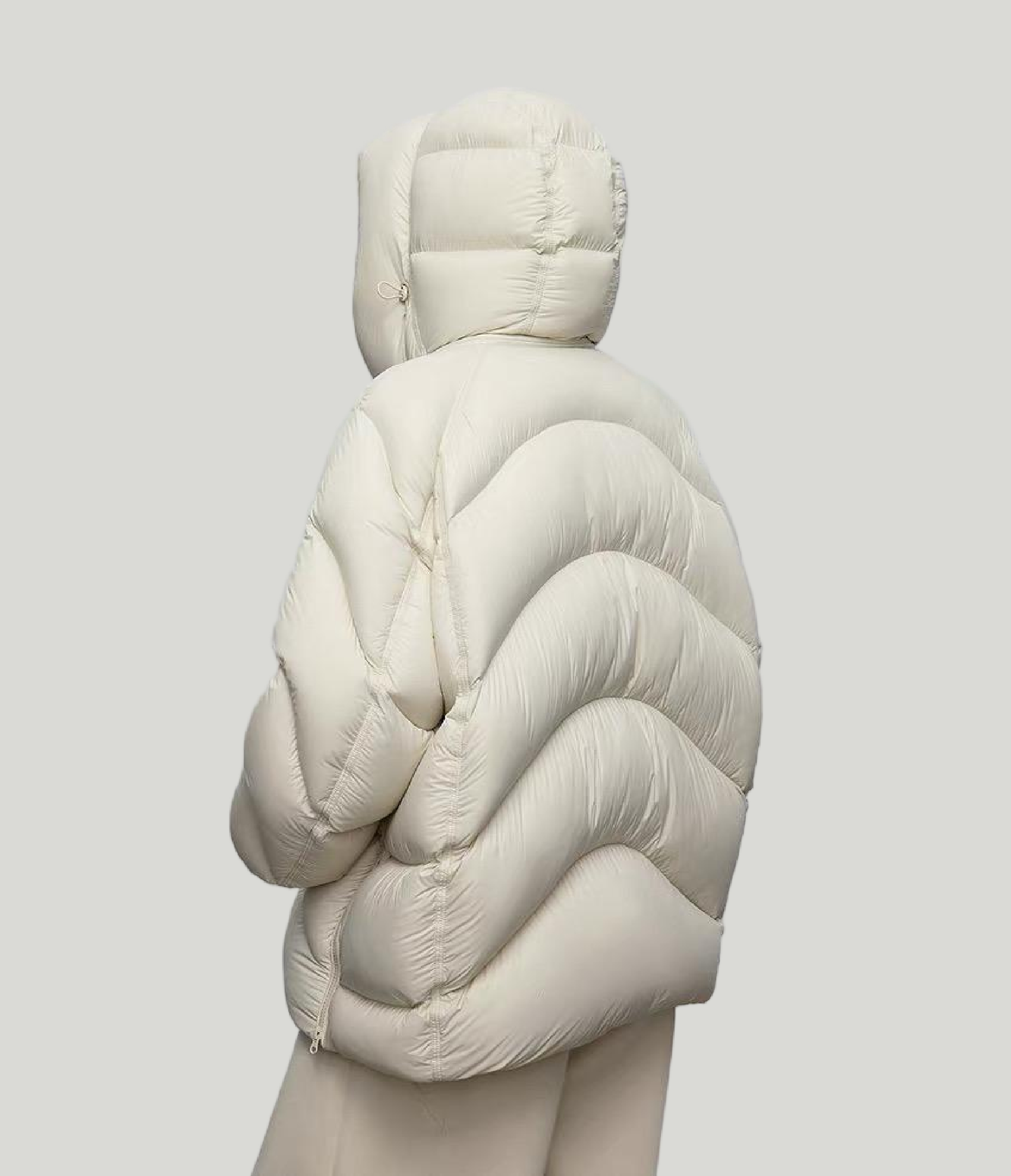
Custom Jeans
Develop custom jeans with denim weight, stretch, wash, rise, leg shape, and pocket details aligned to your target customer. Pattern makers grade fits through XS–3XL, while production covers custom hardware, embroidery, distressing, stone wash, and branded packaging.
Request a Quote
Custom Sweaters
Source turtle neck sweater bulk programs with yarn, gauge, stitch, rib, collar height, and fit requirements defined before sampling. Junsheen develops regular, oversized, and extended-size silhouettes, then supports private labels, color assortments, and repeatable wholesale production.
Request a Quote
Custom Jackets
Create custom jean jackets and other denim outerwear with specified denim, fit, lining, closures, pocket construction, and finishing. Junsheen supports capsule launches through retail replenishment, including embroidery, patches, washes, custom buttons, and XS–3XL grading.
Request a Quote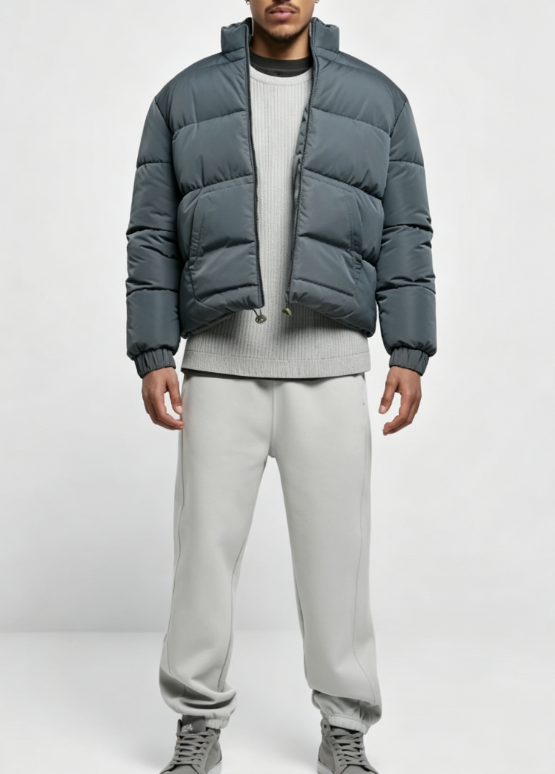
Custom Sweatshirts & Crewnecks
Produce custom crewneck hoodie and sweatshirt programs with fleece or French terry options, neckline and rib specifications, and brand decoration requirements. Junsheen develops samples, graded size sets, embroidery or print applications, labels, and scalable bulk runs.
Request a Quote
Custom Cardigans
Develop custom cardigans in selected yarns, gauges, stitch structures, button configurations, and fits. The team supports women’s, men’s, unisex, oversized, and extended-size programs with prototype sampling, private-label trims, and quality checks for knit consistency.
Request a Quote
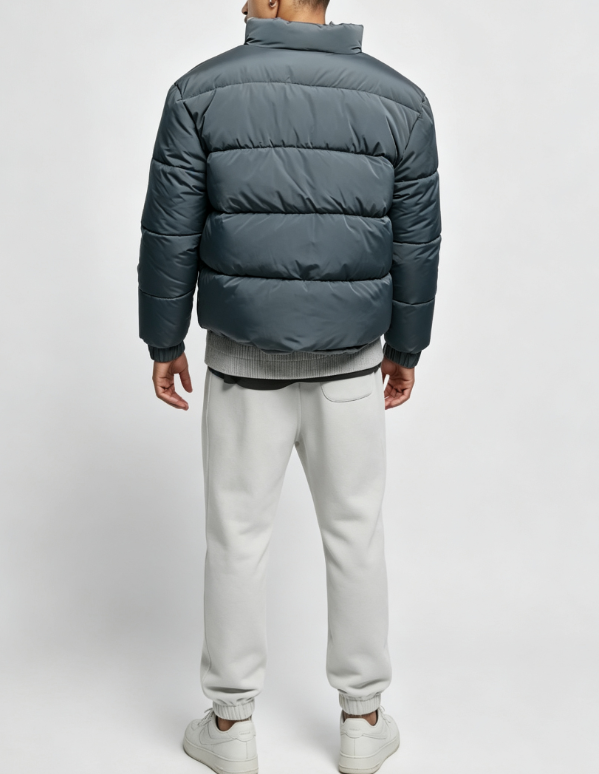
Custom Puffer & Down Jackets
Develop custom puffer jackets for seasonal capsules, retail outerwear programs, and branded workwear. Specify shell fabric, insulation, quilting, lining, hood, pockets, zippers, reflective details, and fit; Junsheen manages samples, branded trims, inspection, and scalable production.
Request a Quote
Custom Denim Shorts
Produce custom jean shorts with controlled rise, inseam, leg opening, stretch, wash, and hem finish for your market. Junsheen supports fit-focused grading, custom pockets and hardware, distressed or washed effects, labels, and low-MOQ launch quantities.
Request a Quote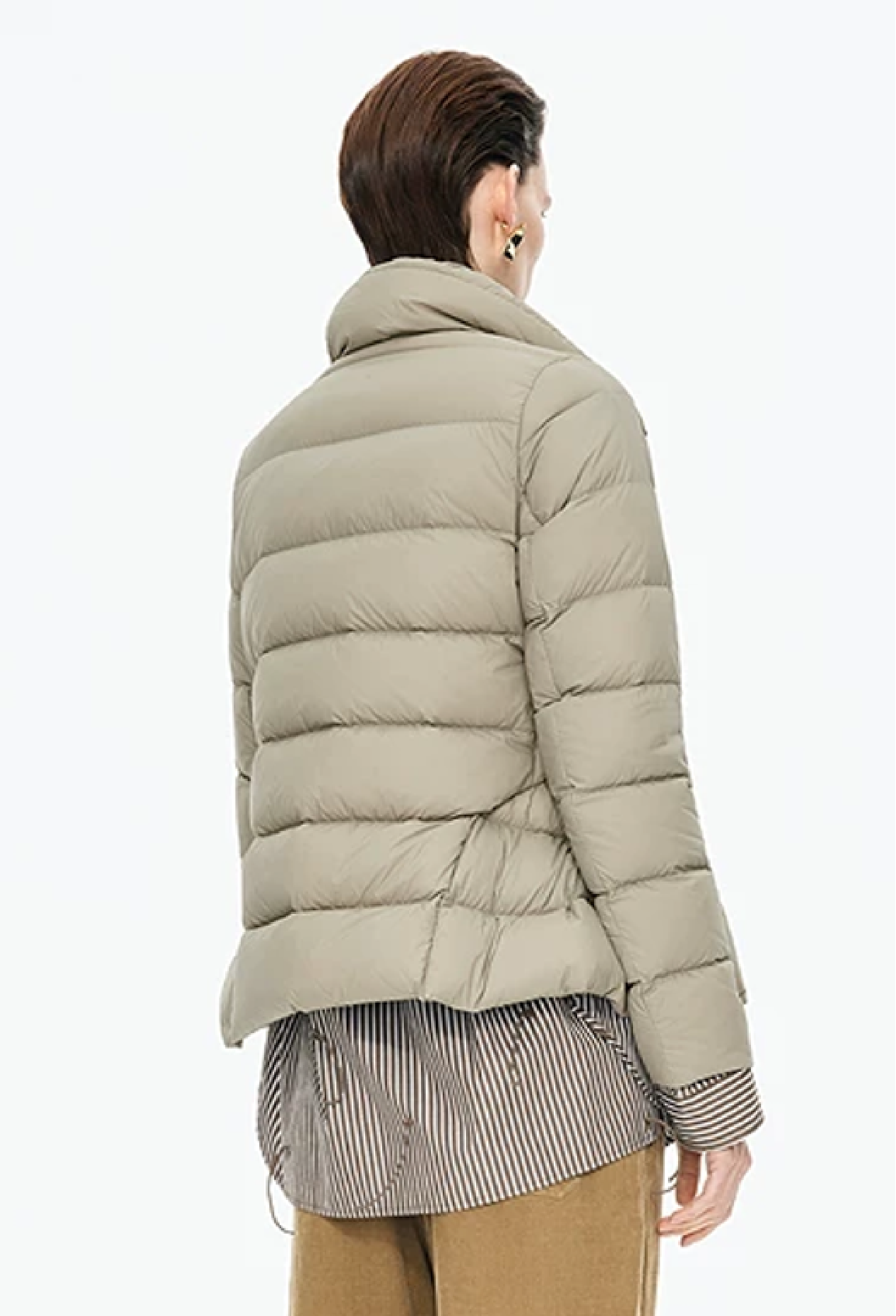
Custom Sweater Dresses
Develop custom sweater dresses with yarn selection, gauge, stitch structure, silhouette, length, neckline, and rib details tailored to your collection. Junsheen supports samples, size grading through 3XL, branded labels, and bulk production for seasonal retail assortments.
Request a Quote
Custom Denim Sets
Build mens denim suits wholesale programs with coordinated denim jackets, shirts, jeans, or tailored separates. Junsheen aligns fabric washes, color consistency, measurements, hardware, and branding across each set, supporting wholesale-ready size ranges and repeat production.
Request a Quote
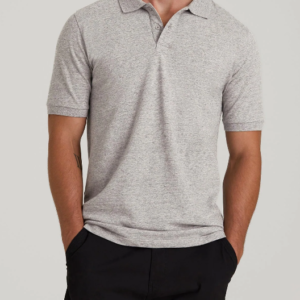
Custom Polo Shirts
Produce custom polo shirts for uniform, retail, golf, hospitality, and promotional programs. Choose piqué, jersey, performance knit, collar construction, plackets, embroidery, contrast trims, and fit specifications, with size grading and branded packaging managed in one supply chain.
Request a Quote
Custom Sweatpants
Develop custom sweatpants in fleece, French terry, jersey, or performance fabrics for coordinated sets, retail basics, and branded merchandise. Junsheen supports waistband, cuff, pocket, drawstring, fit, decoration, labels, and extended-size grading requirements.
Request a Quote
Custom Shorts
Produce custom shorts for casualwear, active-inspired collections, uniforms, and promotional programs. Define fabric, inseam, waistband, pockets, liner, trim, and decoration needs; Junsheen develops samples and coordinates fit, labels, finishing, and bulk production.
Request a Quote
Custom Pullovers
Develop custom pullovers in knit, fleece, French terry, or woven constructions, including quarter-zip and hoodless styles. Junsheen manages pattern development, fit grading, fabric sourcing, embroidery or printing, branded trims, and production from low-MOQ launches to volume orders.
Request a QuoteWholesale Puffer Jackets Material Options for Performance and Comfort

Recycled Nylon Shell
A smooth, lightweight shell for fashion-forward puffers, packable jackets and premium outerwear. Its crisp hand feel and dense weave help resist wind and light moisture while supporting a polished, modern surface.

Matte Polyester Shell
A versatile, cost-conscious shell for everyday retail puffer jackets and volume wholesale programs. It offers a soft matte appearance, dependable abrasion resistance and easy compatibility with water-repellent coatings, prints and branded details.

Polyester Taffeta Lining
A lightweight, smooth lining suited to quilted jackets, cropped puffers and transitional outerwear. Its slick hand feel allows easy layering, while its stable construction supports clean quilting channels and efficient garment assembly.

Recycled Polyfill Insulation
A reliable synthetic fill for insulated jackets requiring consistent loft and accessible pricing. It delivers soft warmth with quick-drying performance, and fill weight can be adjusted for lightweight, midweight or cold-weather programs.

Down Blend Insulation
A lofty insulation option for elevated cold-weather puffer jackets and premium private-label collections. Its exceptionally soft, lightweight warmth supports reduced bulk, while carefully selected fill power helps balance packability and thermal performance.

Performance Fleece Panels
A warm, brushed knit used for collar facings, pocket bags, hood linings and hybrid puffer styles. Its soft hand feel improves next-to-skin comfort, while stretch options add mobility in high-movement panel areas.
Wholesale Puffer Jackets Decoration and Finishing Options

Logo Embroidery
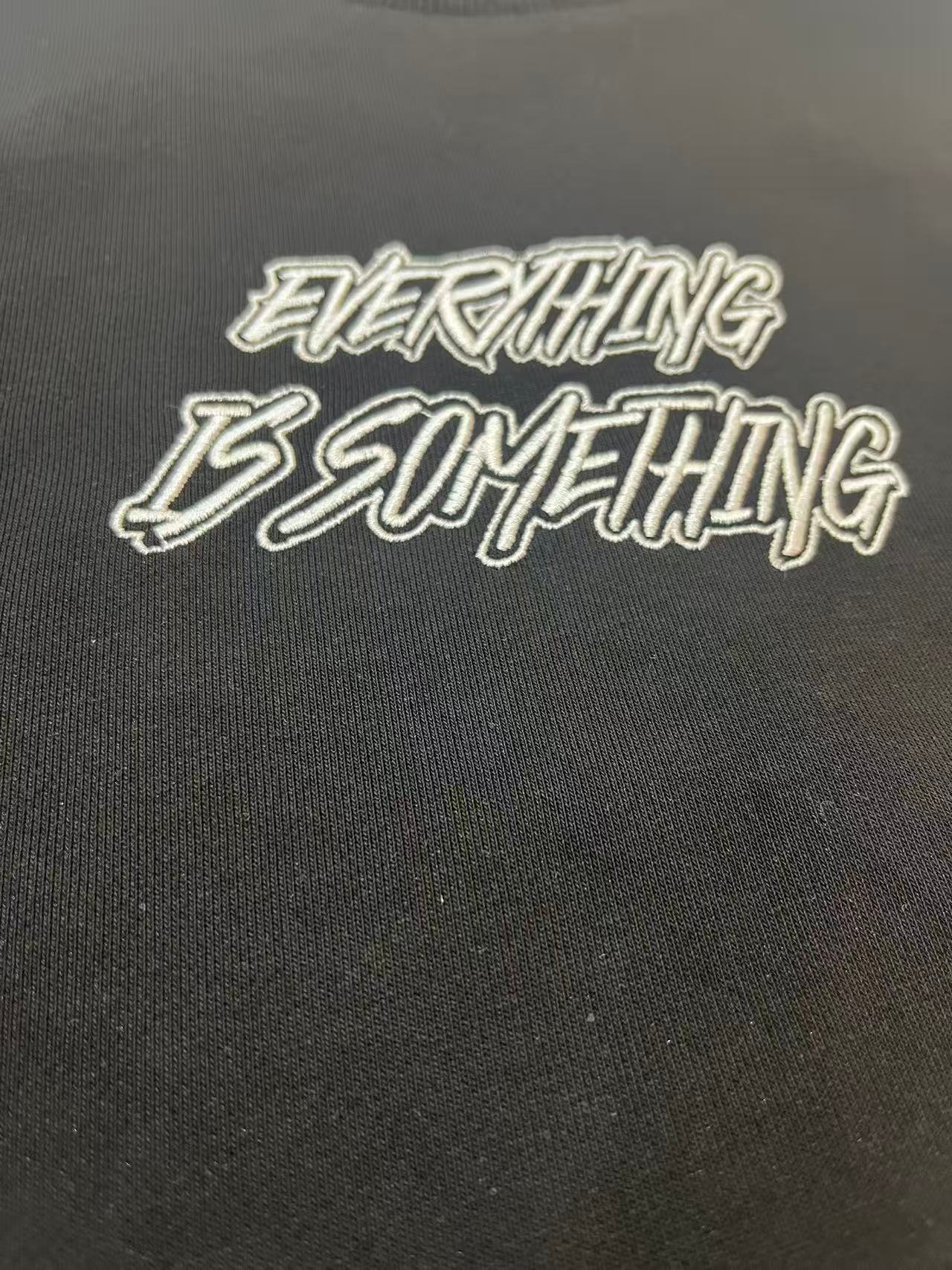
Flat, 3D puff, chain-stitch, and applique embroidery create dimensional logo placement on chest panels, sleeves, and back yokes. Stabilized construction helps retain clean stitch definition and durable branding through regular wear.

Screen Printing
Plastisol, water-based, puff, silicone, high-density, foil, and discharge screen prints add bold artwork to compatible shell fabrics and lining panels. Junsheen reviews ink adhesion, placement, and heat settings before bulk production.

Heat Transfer
DTF, heat-transfer vinyl, reflective transfers, and silicone badges deliver detailed graphics, small logo runs, and precise color reproduction. This flexible process is ideal for technical accents where conventional printing may not suit the garment construction.

Custom Quilting
Diamond, channel, onion, and engineered quilting patterns secure insulation while defining the jacket silhouette. Our team aligns stitch density, baffle dimensions, and panel construction to balance warmth, loft retention, mobility, and visual identity.

Garment Finishing
Water-repellent treatments, softening, brushing, anti-pilling processes, and wash testing refine hand feel and performance. Finishing specifications are matched to your shell fabric and intended use to support a polished, durable outerwear result.
Custom Trims for Wholesale Puffer Jackets

Branded Zippers
Choose custom zipper pulls, logo sliders, coil or metal zippers, and protective zipper garages for center fronts, pockets, and detachable features. Options are matched to insulation weight, use conditions, and target price.

Custom Snap Buttons
Add branded snaps to storm flaps, cuffs, pockets, and removable hoods. JUNSHEEN can source finishes, logo embossing, and corrosion-conscious options that support secure closures and a cohesive outerwear presentation.

Drawcord Sets
Specify drawcords, cord locks, aglets, and tipping details for adjustable hoods and hems. We coordinate color, texture, length, and branding so functional adjustment details complement your wholesale puffer jacket design.

Woven Brand Labels
Apply woven main labels, size labels, and wash-care labels with your brand identity and required garment information. Placement and construction are reviewed during sampling for a clean, comfortable, production-ready result.

Reflective Details
Use reflective piping, tapes, prints, zipper pulls, or logo details to improve visibility and add a technical outerwear accent. JUNSHEEN can integrate these components into panels, pockets, sleeves, and branded trims.
Hangtags Packaging
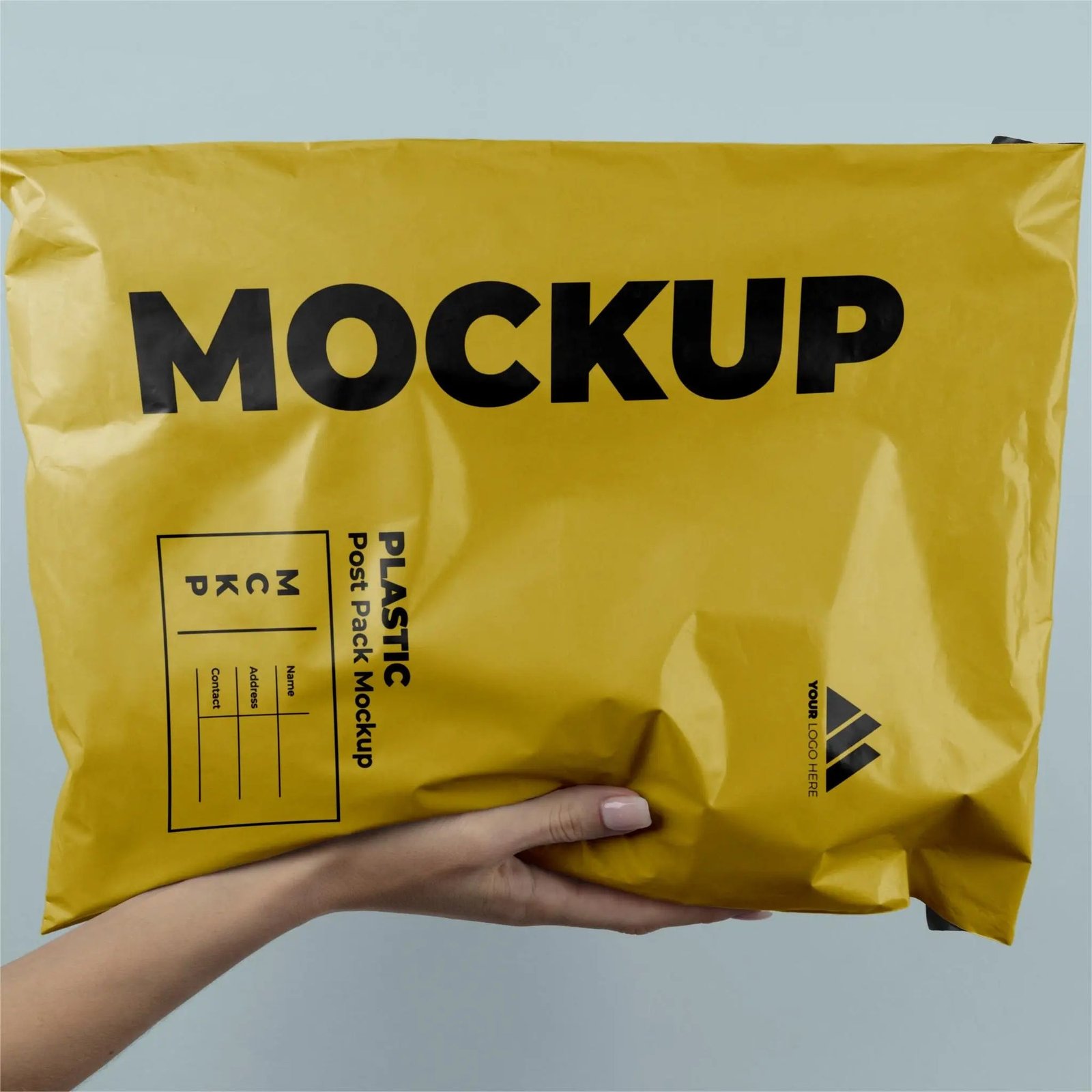
Complete delivery-ready puffer jackets with custom hangtags, barcode stickers, polybags, tissue, cartons, and branded packaging. Packaging specifications are coordinated with your retail, wholesale, and export requirements before bulk shipment.
About JUNSHEEN Wholesale Puffer Jackets
Founded in 2010 in Humen Town, Dongguan, JUNSHEEN helps fashion businesses turn outerwear concepts into production-ready collections. Our one-stop OEM, ODM and private-label service supports wholesale puffer jackets from technical development and fabric sourcing through sampling, bulk production and export.
With 200+ skilled workers and monthly capacity exceeding 80,000 units, we serve emerging labels, retailers, wholesalers and established brands worldwide. Programs begin at 100 units per style and color, giving buyers a practical route from focused capsule launches to repeat bulk orders.
What distinguishes JUNSHEEN is fit-led development backed by integrated production. We refine patterns and grading from XS to 3XL, including extended-size and oversized fits, while coordinating insulation, shells, quilting, decoration, labels, trims, packaging and quality control in one accountable supply chain.

Wholesale Puffer Jackets Built for Reliable Scale
Fit Development That Performs
JUNSHEEN develops wholesale puffer jackets from XS through 3XL with fit-focused patterns, including extended-size, plus-size, and oversized silhouettes. Our team refines shoulder balance, sleeve mobility, body proportion, and grading increments before bulk production to reduce costly revisions.
- Pattern making from tech packs, references, or concepts
- XS–3XL grading tailored to target customers
- Prototype, size-set, and pre-production approvals
- Mobility and proportion checks for layered outerwear

Materials and Trims Sourced Together
Select shell fabrics, linings, insulation, zippers, snaps, and drawcords through one coordinated sourcing process. We recommend materials based on warmth, hand feel, durability, target cost, wash performance, and the intended market position of your puffer jacket collection.
- Woven shells, recycled options, linings, and insulation
- Custom zippers, snaps, cord locks, and reflective details
- Swatches and sample garments for material review
- Supplier-network sourcing aligned with your specifications

Private Labels Built In
Turn each jacket into a recognizable brand asset with integrated decoration, labels, trims, and packaging. JUNSHEEN manages embroidery, printing, custom patches, woven labels, wash-care labels, hang tags, and branded packing within the same production workflow.
- Flat, 3D, puff, and chain-stitch embroidery
- Screen printing, DTF, heat transfer, and patches
- Woven, leather, main, size, and care labels
- Custom hang tags and branded packaging
Quality Control at Every Stage
Reliable wholesale puffer jackets require control before, during, and after sewing. Our quality team checks incoming materials, construction, measurements, fit, decoration, and packed goods, while retaining production records to support consistent repeat orders and scalable global delivery.
- Incoming fabric and trim inspections
- In-line checks for construction and measurements
- Final inspection of decoration and packed goods
- Retained patterns, size sets, and material records

Why Choose JUNSHEEN for Wholesale Puffer Jackets
Fit-focused development, low-MOQ flexibility, and scalable production for brands that need more than a standard supplier.
← 左右滑动查看 →
Wholesale Puffer Jackets Production, Step by Step
A clear OEM workflow that moves your insulated outerwear program from feasibility review to export-ready delivery.
Review Brief and Feasibility
We assess your tech pack, reference garment or concept, target price, MOQ, fit requirements, construction details and delivery expectations before development begins.
Source Fabrics and Trims
Our team recommends shell fabrics, insulation, linings, zippers, labels and branded trims based on warmth, hand feel, durability, cost and intended market.
Develop Patterns and Samples
Pattern makers create and grade fit-focused XS–3XL specifications, then produce prototype samples for construction, measurement, insulation placement and branding approval.
Confirm Quote and Production
After sample approval, we finalize materials, colorways, quantities, packaging and production details, then schedule bulk manufacturing from 100 units per style and color.
Inspect Pack and Ship
Quality teams check fabrics, stitching, measurements, decoration and packed goods before branded packaging, export documentation and global shipment coordination.
How to Start Your Wholesale Puffer Jackets Project
Move from concept to reliable bulk production with a clear, fit-focused development path.
Send Your Concept
Share a tech pack, sketch, reference garment, or mood board. Our team reviews construction, insulation, fabrics, sizing, trims, and decoration requirements.
Review Quote and Samples
Confirm specifications, MOQ, target cost, and lead time, then review fabric swatches and prototype samples before committing to bulk materials.
Approve Production Details
Finalize the pre-production sample, graded XS–3XL fit, labeling, packaging, colors, and quality standards so every approved detail is documented.
Launch Bulk Manufacturing
JUNSHEEN coordinates fabric sourcing, cut-and-sew production, in-line inspections, finishing, final quality control, and export-ready packing for your order.
Custom Clothing Manufacturer Credentials and Compliance Documents




What Global Wholesale Puffer Jackets Buyers Say
JUNSHEEN turned our reference sample into an approved size set in two rounds. The revised shoulder and sleeve grading reduced our fit comments by 60%, and we placed a 1,200-unit repeat order with the same measurements.
For our first insulated-jacket launch, the 100-unit MOQ let us test two colorways without overcommitting. Sampling stayed on schedule, and final inspection showed a 98.7% pass rate across our 400-piece follow-up order.
The team managed shell fabric, recycled fill, custom zipper pulls, woven labels, and export packing in one workflow. Our second wholesale puffer jackets order shipped 12 days faster because JUNSHEEN retained the approved patterns and material records.
Wholesale Puffer Jackets FAQ
Clear answers on MOQ, sampling, production, fit development, payment, shipping and confidentiality for custom puffer-jacket programs.
What is the MOQ for wholesale puffer jackets?
Can I order custom wholesale puffer jackets with my own logo and labels?
How long does a wholesale puffer jackets sample take?
How much does a puffer jacket sample cost?
What is the production lead time for custom puffer jackets?
Can you develop puffer jackets in XS–3XL and plus sizes?
What payment terms do you offer for puffer jacket orders?
Do you ship wholesale puffer jackets internationally and protect my designs?
Complete Buyer’s Guide to wholesale puffer jackets
Use this decision framework to compare wholesale puffer jackets, evaluate materials and construction, select reliable OEM suppliers, control costs, and avoid sourcing mistakes that compromise fit, performance, timelines, or brand positioning.
1. What Are Wholesale Puffer Jackets?
100-unit programs can qualify as wholesale puffer jackets when a buyer orders insulated, quilted outerwear for resale or a branded collection rather than a single consumer purchase. A puffer jacket uses stitched or welded baffles to hold down, synthetic fill, or recycled insulation in place, creating loft that traps warm air for commuting, travel, workwear, ski-adjacent layers, and everyday cold-weather use. 3 sourcing routes serve different B2B needs. Ready-stock wholesale means buying an existing style, color, and size run for the fastest replenishment; private-label production applies a buyer’s labels, hang tags, and packaging to a proven base style; fully custom OEM starts with a tech pack, sketch, or reference and can change shell fabric, fill weight, baffle layout, fit, trims, and decoration. 100 units per style and color is a practical starting point for capsule brands testing custom wholesale puffer jackets, while wholesalers and retailers may prioritize repeatable stock programs and broader size curves. The correct route depends on MOQ, target retail price, climate, required warmth, compliance expectations, delivery window, and whether the target market needs normal, extended, plus-size, or oversized grading. 2010-founded Dongguan Junsheen Clothing Co., Ltd. supports OEM, ODM, private-label, and low-MOQ development from Humen, Dongguan. Its process can combine pattern making, fabric and trim sourcing, sampling, grading, quality control, branded packaging, and export support, helping buyers turn a selected sourcing route into a production-ready jacket.
2. Evolution of Wholesale Puffer Jackets
1936 marked a turning point when Eddie Bauer patented a quilted down jacket after a near-fatal hypothermia experience, proving that stitched chambers could control insulation for serious cold-weather use. Early puffers prioritized loft, wind resistance, and mobility over visual refinement, with bulky proportions accepted as a performance trade-off. 1970s outdoor brands broadened the category through lighter nylon shells, synthetic fills, and packable constructions that made insulated jackets practical for travel and changing conditions. Those developments now shape sourcing briefs: buyers compare fill weight, shell denier, baffle layout, and warmth-to-weight performance instead of treating every padded jacket as interchangeable. 1990s streetwear and workwear made the puffer a visible silhouette rather than only a technical layer, creating demand for cropped bodies, oversized shoulders, longline profiles, utility pockets, and bold color blocking. Contemporary wholesale puffer jackets need a clear intended use because hem length, hood volume, quilting scale, and zipper specification all affect both fit and perceived market position. 100-unit OEM programs let emerging labels test differentiated private-label capsules without committing to a broad seasonal buy. Recycled polyester shells or fills, extended sizing from XS through 3XL, and properly reworked grading help brands answer current expectations for lower-impact materials, inclusive fit, and recognizable design rather than competing only on price.
3. Types of Wholesale Puffer Jackets
Three insulation tiers and six silhouettes give buyers enough range to cover transitional weather, cold climates, and fashion-led drops. A balanced wholesale puffer jackets assortment should separate practical warmth from proportion-driven styling.
| Format | Best Customer | Climate | Production Focus |
|---|---|---|---|
| Lightweight | Commuters | Mild | Low-bulk fill |
| Midweight | Everyday retail | Cool | Versatile baffles |
| Heavyweight | Cold-weather markets | Cold | Fill control |
| Cropped | Streetwear labels | Cool | Graded proportions |
| Longline | Practical outerwear | Cold | Hem mobility |
| Vest | Layering programs | Mild | Armhole binding |
Insulation Weight Tiers
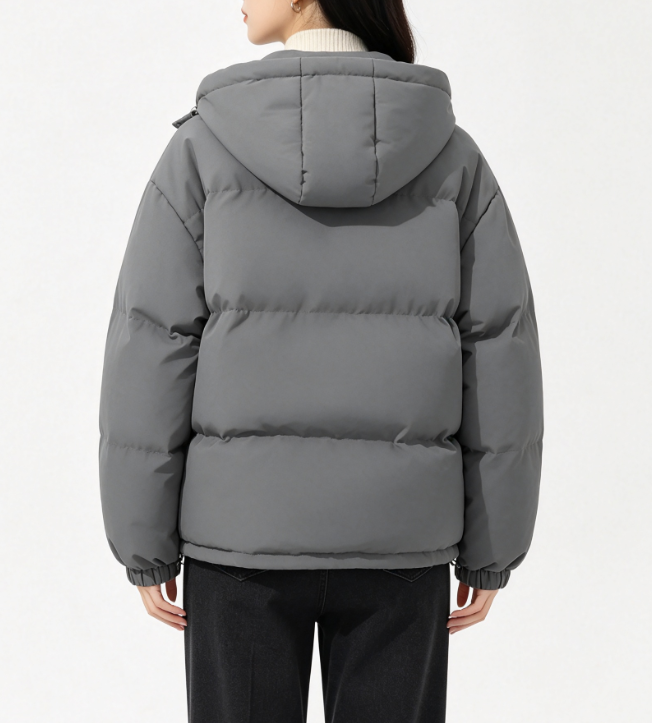
40–100 g/m² fills suit lightweight layers for mild weather, commuters, and spring delivery windows; keep shells supple for easy layering. 120–200 g/m² midweight and 220 g/m²-plus heavyweight styles target colder regions, but require larger baffles and stricter fill-distribution control.
Core Jacket Silhouettes
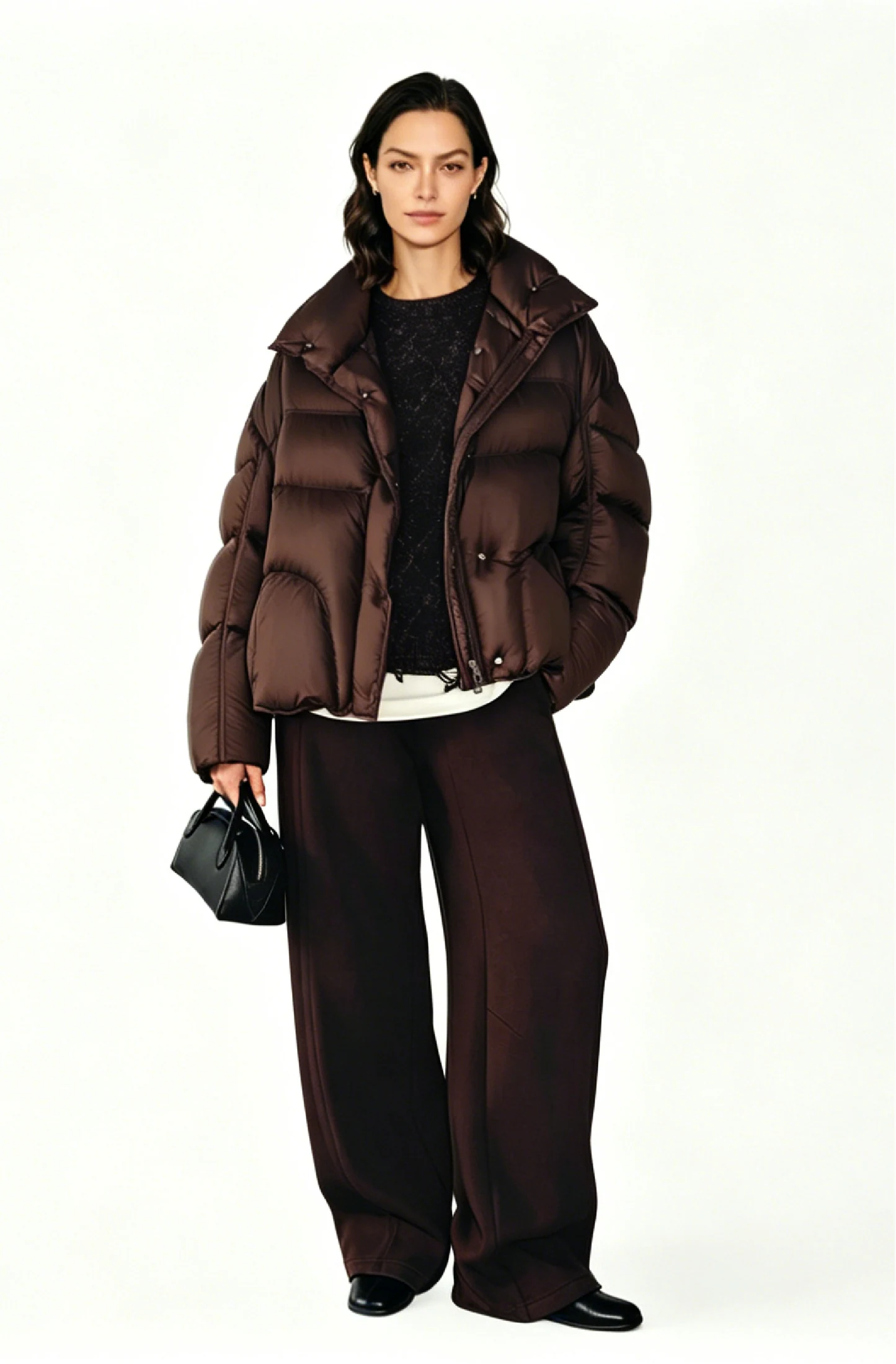
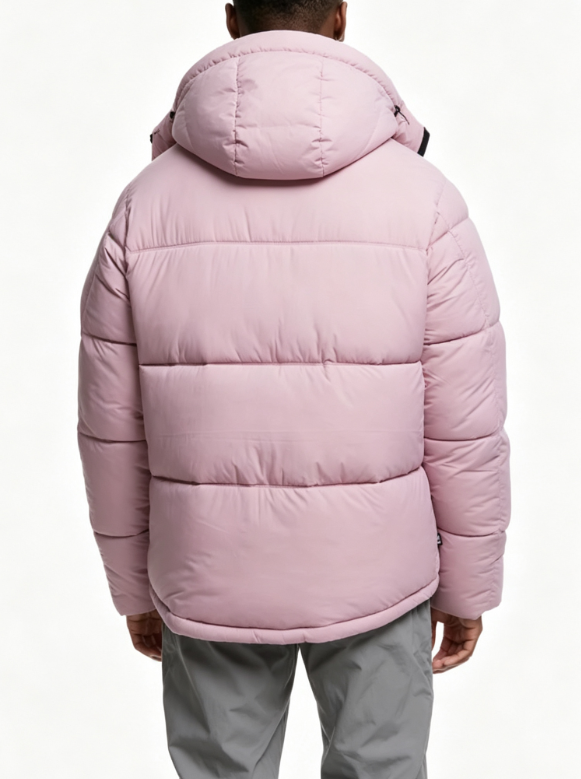
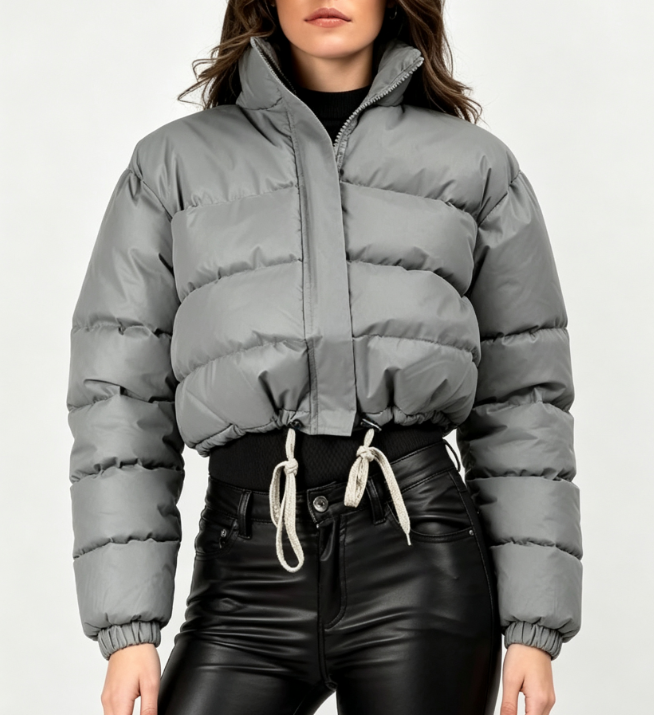
Hooded puffers serve weather-first customers and need adjustable hood volume, chin guards, and secure drawcord routing. Cropped puffers suit youth and streetwear capsules, while longline formats serve colder markets; both need proportion-specific grading rather than simple length changes.
Specialty Commercial Formats

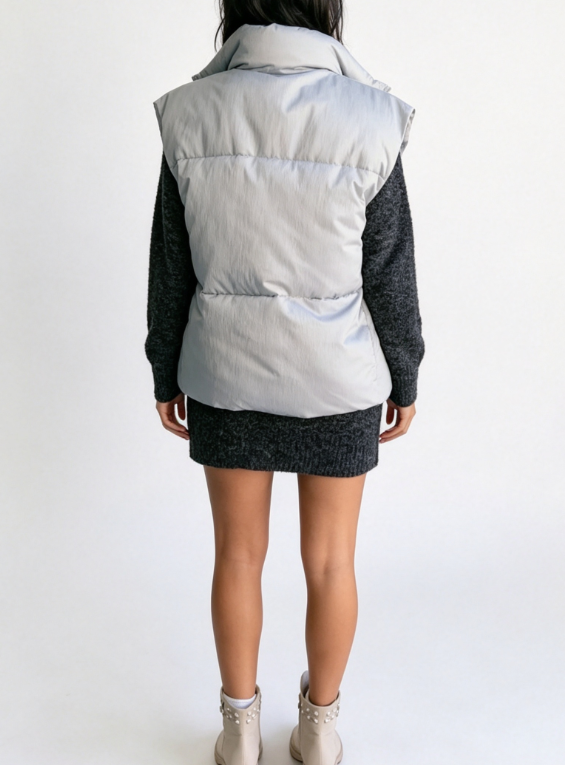
Packable jackets appeal to travel and outdoor customers, so specify low-bulk insulation, a durable stuff sack, and recovery testing after compression. Reversible jackets create two styling options but add labor through double-facing construction; puffer vests are strong layering pieces and need clean armhole binding.
4. Materials for Wholesale Puffer Jackets
Shell, lining, fill, and trim must be specified as one system because each affects warmth, bulk, care, and landed cost. For wholesale puffer jackets, confirm performance targets before approving swatches and a sample.
| Material System | Typical Weight | Performance | Best End Use |
|---|---|---|---|
| Polyester shell + synthetic fill | 50–90 gsm shell; 100–200 gsm fill | Good water resistance, wind protection, durability; easy care | Value everyday puffers |
| Nylon shell + synthetic fill | 35–70 gsm shell; 60–150 gsm fill | Light, wind-resistant, strong; moderate breathability | Packable travel jackets |
| Recycled polyester + synthetic fill | 50–90 gsm shell; 80–180 gsm fill | Durable, easy care; verify recycled-content records | Sustainability-led collections |
| Nylon shell + down fill | 20–45 gsm shell; 80–140 gsm fill | Highest warmth-to-weight; dry-clean or specialist care | Premium cold-weather styles |
Shell Fabric Selection

40–70D polyester is a practical shell for everyday styles: durable, printable, and commonly finished with DWR for light rain. 20–40D nylon gives a lighter, smoother hand and stronger tear resistance, but needs careful heat control during decoration.
- Specify DWR performance after washes, not only at receipt.
- Choose recycled polyester when certification documentation is required.
Insulation And Lining
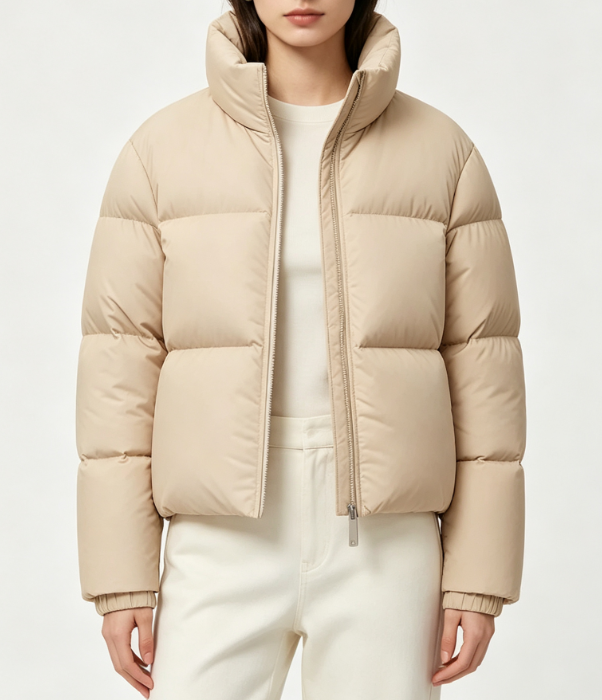
60–200 gsm synthetic fill suits most commercial programs because it retains insulation when damp and is machine-washable. Down offers superior warmth-to-weight, but needs fill-power, content, leakage, and care specifications agreed before bulk approval.
- Use 210T polyester lining for a smooth, durable interior.
- Add breathable lining where active or travel use is intended.
Trim Performance

5–8 mm molded zippers provide dependable front closure for standard outerwear, while coil zippers reduce weight. Storm flaps, rib cuffs, elastic binding, and adjustable hem cords limit drafts at openings.
- Request zipper pull tests and snap attachment checks.
- Match reflective trim placement to local visibility requirements.
5. Customizing Wholesale Puffer Jackets
At a 100-unit-per-style-and-color starting point, private-label wholesale puffer jackets need a locked silhouette, fill map, and trim plan before decoration is quoted. A physical sample exposes placement, puckering, and color risks that flat artwork cannot.
| Quantity Tier | Indicative FOB Unit Price | Development Effect | Typical Lead Time |
|---|---|---|---|
| 100–299 | US$28–45 | Stock-like trims; one decoration | 30–45 days |
| 300–999 | US$22–38 | Custom labels and quilting spread better | 35–50 days |
| 1,000+ | US$18–32 | Custom pulls and packaging become efficient | 40–60 days |
Build The Product Specification

Three development inputs—tech pack, reference garment, or sketch—can define length, collar, hood, pocket shape, lining, Pantone colorways, and custom quilting. Two fit rounds are common when grading XS–3XL or extended sizes; confirm mobility at shoulders and sleeve bends before bulk approval.
- Specify shell, lining, fill weight, and quilting map.
- Approve zipper pull, labels, snaps, and branded packaging.
- Use Pantone references for shell, lining, and rib colors.
Choose Decoration By Panel

One padded chest panel rarely behaves like a flat T-shirt: embroidery and screen print can bridge channels, compress insulation, or distort after washing. 2–3 mm embroidery-friendly spacing from seam lines and quilting channels reduces strike-through; a patch, sleeve print, or heat transfer often gives cleaner logo definition.
- Supply vector artwork: AI, EPS, or outlined PDF.
- Use embroidery for textured logos and durable patches.
- Use screen print on smooth panels; test adhesion.
- Test heat transfers through wash and flex cycles.
Plan Cost And Timing
100-unit runs favor fewer colorways and shared trims because custom zipper pulls, woven labels, and quilting patterns add sampling and setup work. 7–14 days is a practical sampling allowance after materials and artwork are approved; complex decoration can extend the critical path.
6. Key Puffer Jacket Construction Quality
Construction quality shows up in how a puffer holds its loft, moves at stress points, and survives repeated opening, washing, and packing. For wholesale puffer jackets, approve a production sample against measurable construction checkpoints—not appearance alone.
Baffles And Fill Control

8–12 cm horizontal baffles suit most fashion puffers; wider channels can look premium but make uneven fill more visible. Stitch lines should be straight, evenly tensioned, and free of skipped stitches. 100% of baffles should feel consistently filled when pressed by hand. Check shoulder seams, side panels, and lower hems for thin spots, migration, or exposed fill.
- Compare fill loft across left and right panels.
- Inspect baffle ends for fill leakage.
- Confirm quilting aligns at center front.
Seams And Hardware

8–10 stitches per inch is a practical benchmark for most shell seams, with reinforcement at pocket corners and zipper ends. Raw seam allowances should be cleanly overlocked or bound where the construction exposes them. A full-length zipper must run smoothly through 20 opening-and-closing cycles without catching the lining. Verify zipper tape lies flat, the chin guard covers the top stop, and pullers match the approved trim.
- Check bartacks at pocket openings.
- Test snaps with gloved hands.
- Inspect thread color under daylight.
Fit Closures And Pockets

Rib cuffs or elastic storm cuffs should recover after stretching and sit evenly at both sleeves. A hem drawcord needs secure cord exits, matched toggles, and enough channel clearance to adjust without twisting. Hood adjustment should shape the opening without pulling the hood off balance. Pocket bags need secure stitching, matched depth, and enough capacity for the intended phone size.
- Measure both sleeve lengths.
- Pull each drawcord through its full range.
- Load-test pocket bags with a small weight.
Grading And Final Inspection
XS–3XL grading should preserve shoulder balance, sleeve length, body proportion, and mobility instead of merely enlarging a base pattern. Request a size set when the target customer includes extended or oversized fits. Before shipment, inspect a statistically agreed carton sample for measurements, fill distribution, seams, hardware, labels, and packed appearance. Record tolerances by point of measure so the factory can separate repairable defects from rejects.
- Check chest, body length, sleeve, and hem measurements.
- Compare left-right symmetry on laid-flat garments.
- Verify care labels and size labels match the PO.
7. Choosing a Puffer Jacket Manufacturer
Choose a puffer supplier on proof of outerwear control, not a polished catalogue. For wholesale puffer jackets, compare the same specification, approval process, and shipping terms across at least three factories.
Verify Outerwear Capability
Ask for recent samples with comparable shell fabric, insulation weight, quilting, and zipper construction. A factory should explain needle control, seam allowances, down or fill containment, and how it prevents shifting after wash testing.
- Request measurement and construction sheets
- Review comparable bulk-production photos
- Confirm XS–3XL grading capability
Test Development And Sourcing

Set a written sampling sequence: tech-pack review, prototype, fit sample, size set, and pre-production sample. Confirm lead times, Pantone lab-dip ownership, shell and lining availability, fill specifications, and approved zipper or snap alternatives before deposits.
- Ask who approves material substitutions
- Request swatches and trim cards
- Confirm revision costs and timelines
Audit Commercial Readiness
Check capacity against your delivery window and ask how incoming fabric, in-line sewing, measurements, decoration, and packed goods are inspected. Request documentation for applicable OEKO-TEX, GOTS, WRAP, or BSCI claims; certification scope matters more than a logo.
- Written quotation and MOQ by color
- Incoterm, payment schedule, and shipment plan
- Packing list, commercial invoice, and carton marks
Assess Communication Discipline
Use the first sample cycle as a communication test. Junsheen can support development from 100 units per style and color, but buyers should still require dated comments, revision records, graded measurement tolerances, and final material approvals.
- Name one accountable project contact
- Approve changes in writing
- Retain patterns and material records
8. Common Wholesale Puffer Jacket Mistakes
A low unit price can conceal costly rework, rejected cartons, and weak repeatability in wholesale puffer jackets. Buyers should turn each predictable risk into a documented approval gate before bulk fabric is booked.
Specify Fill And Thermal Performance
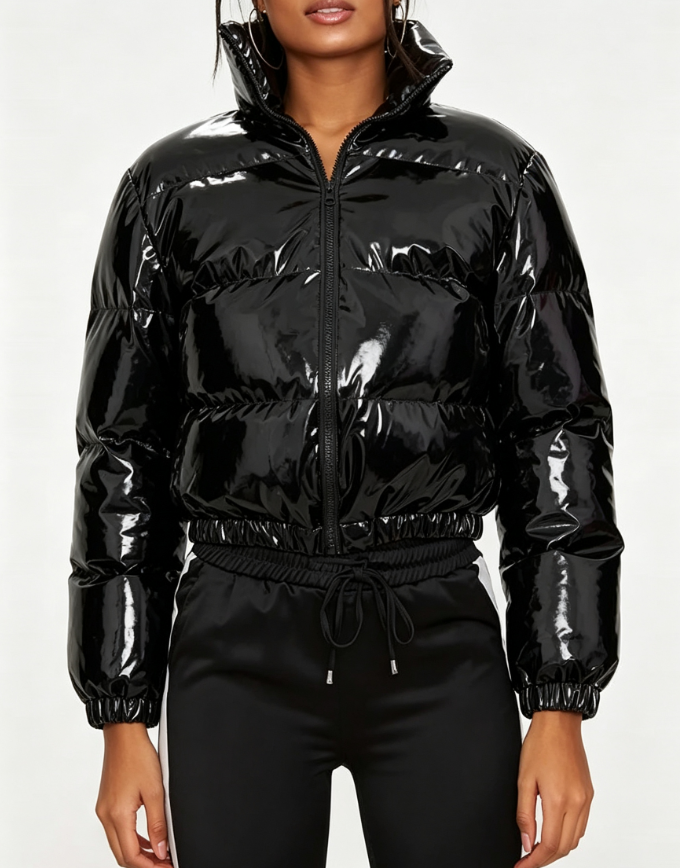
90/10 down blends, recycled polyester fill, and hollow-fiber insulation differ in loft, recovery, weight, and care performance; price alone is not a usable specification. 300–700 fill-power targets, fill weight by panel, and a wash-test requirement should appear on the purchase order. Approve a filled sample after compression and laundering, not only an unfilled shell.
Lock Fit And Technical Details

XS–3XL grading cannot be created by enlarging a medium pattern, especially across shoulders, sleeve pitch, body length, and baffle placement. 1 complete tech pack should state POM tolerances, baffle map, stitch type, zipper model, artwork placement, and label positions. Run a size set and revise the pattern before pre-production approval.
Validate Samples, Colors, And QC

2–3 sample rounds are common when fit, insulation distribution, or decoration needs correction; treating the first prototype as final invites bulk surprises. Pantone lab dips, zipper pull tests, print adhesion tests, and approved trim cards should be signed off against the production fabric. Select suppliers that document incoming inspection, in-line measurement checks, and final packed-goods inspection.
- Confirm embroidery does not puncture or flatten baffles.
- Test reflective transfers after washing and flexing.
- Compare bulk trims against the approved sample.
9. Launching a Wholesale Puffer Jacket Line
A 6- to 9-month calendar is prudent for wholesale puffer jackets intended for an autumn-winter selling window. Lock the commercial brief before sampling so fabric, fill, trims, freight method, and retail margin do not shift after costing.
Position The Range
Three competitor price points reveal the gap to target: retail price, comparable jacket weight, and visible features. Define customer, climate, silhouette, planned colors, launch date, and target landed cost before design work begins.
Build The Technical Pack
One complete tech pack should specify flat sketches, measurements, graded sizes, Pantone colors, quilting layout, fill weight, shell composition, zipper, labels, and packaging. Fix size range and color count early; late revisions multiply sampling time and material exposure.
Cost Samples And Approvals

Two approval gates—prototype and pre-production sample—keep bulk decisions controlled. Request fabric swatches, fill specifications, labelling details, quotation, and a calendar covering sample turnaround, bulk sewing, inspection, and dispatch. A 100-unit-per-style-and-color starting program can suit a focused capsule at Junsheen. Confirm the approved sample, measurement tolerances, decoration placement, carton configuration, and final purchase order before bulk fabric is committed.
Protect Delivery Windows
Thirty to 45 days of freight contingency protects an in-season launch when ocean transit, customs, or inland delivery changes. Choose air, sea, rail, or split shipments against the required in-warehouse date, not factory completion. Final inspection should check measurements, stitch and quilting consistency, fill distribution, hardware function, labels, and packed-carton counts. Release launch photography, SKU data, wholesale line sheets, and inventory allocation only after shipment quantities are verified.
10. Wholesale Puffer Jackets Pricing and Costs
100 units per style and color is Junsheen’s starting point for a capsule puffer program, but quoted unit cost follows the approved specification rather than a universal price list. Shell fabric weight, recycled or performance finishes, fill type and fill weight, baffle complexity, zipper grade, snaps, and pocket construction move the factory price quickly. $80–$250 is a practical development allowance for a first sample when patterns, materials, trims, and construction must be confirmed; complex prototypes can require additional revisions. Embroidery, screen-print screens, custom patches, branded labels, hang tags, and retail-ready packaging should be costed separately before bulk approval. 15–45 days is a typical bulk-production planning range after sample and material approval, with fabric availability and decoration scheduling affecting the final calendar. Landed cost also includes export carton volume, destination freight, duty, insurance, and local delivery, so compare supplier offers on the same Incoterm and packing basis.
| Quantity tier | Indicative factory-price driver | Sample or setup allowance | Planning lead time |
|---|---|---|---|
| 100–299 units | Simple polyester shell, standard synthetic fill, limited colors | $80–$250 first sample; artwork setup extra | 25–45 days |
| 300–999 units | Better fill, WR/DWR shell, branded hardware or light decoration | Trim, print, or embroidery setup quoted by design | 20–35 days |
| 1,000+ units | Volume efficiency; custom quilting, recycled inputs, premium hardware | Amortize development and setup across more units | 15–30 days |
Start Your Wholesale Puffer Jackets Quote
Send your tech pack, design reference, or sourcing requirements to JUNSHEEN for fit-focused OEM development from 100 units per style and color.