Pullover Manufacturer for Fit-Ready Private Labels
JUNSHEEN is a pullover manufacturer offering 100-unit MOQs, OEM/ODM support, and fit-focused XS–3XL development for growing fashion brands.
Featured Products for pullover manufacturer Development




Related Product Catalogue and Quotation





Pullover Manufacturer Advantages for Growing Apparel Brands
JUNSHEEN combines low-MOQ development, fit-focused grading, integrated customization, and export-ready capacity for custom pullover programs.
100-Unit Starting MOQ
Launch capsule pullovers from 100 units per style and color, with flexible support for emerging labels and wholesale buyers.
Fit-First XS–3XL Grading
Pattern makers refine proportions, mobility, sleeves, and grading increments for normal, oversized, extended-size, and plus-size pullover fits.
Integrated Decoration
Add logo embroidery, screen printing, puff effects, patches, washes, labels, trims, and branded packaging through one coordinated production team.
Fabric Sourcing Support
Select fleece, French terry, cotton blends, wool, and performance knits based on hand feel, weight, durability, cost, and wash performance.
Scalable Global Production
Work with 200+ skilled workers, 80,000+ monthly capacity, quality control, and export support as your pullover orders grow.
Pullover Manufacturing Across Core Apparel Categories
Develop coordinated casualwear, denim, knitwear, outerwear, and fit-focused XS–3XL programs from sampling through scalable bulk production.

Custom Hoodies
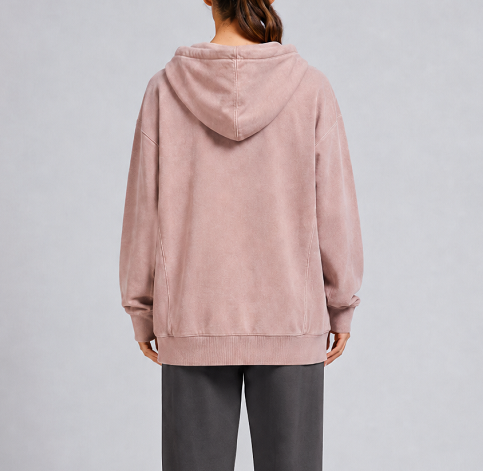
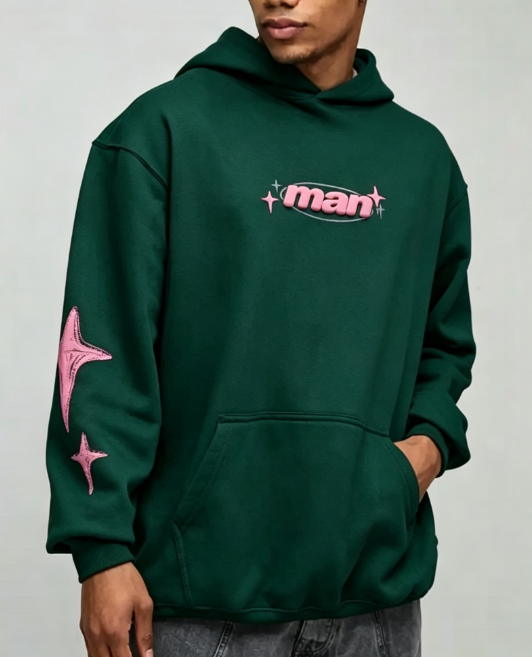
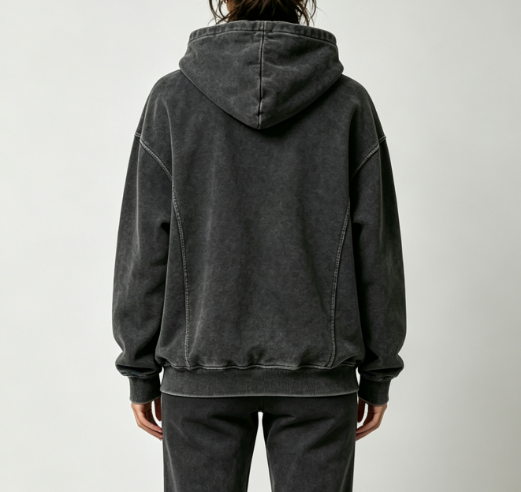
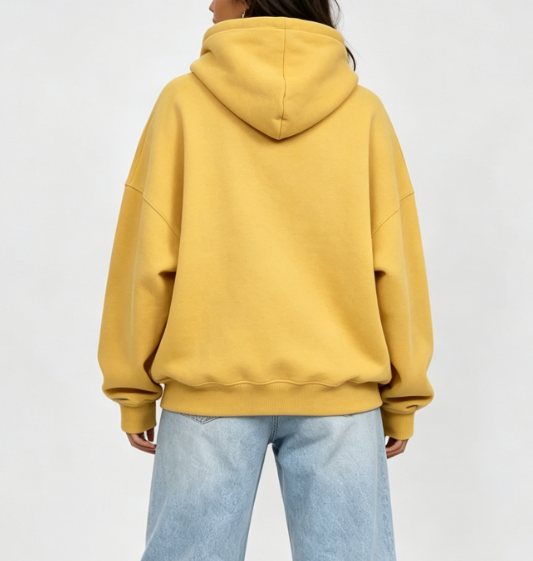
Develop custom hoodies in fleece, French terry, or heavyweight jersey with refined hood shapes, pocket construction, rib trims, embroidery, screen printing, washes, and private labels. Low MOQs from 100 units per style and color support capsule launches and replenishment programs.
Request a Quote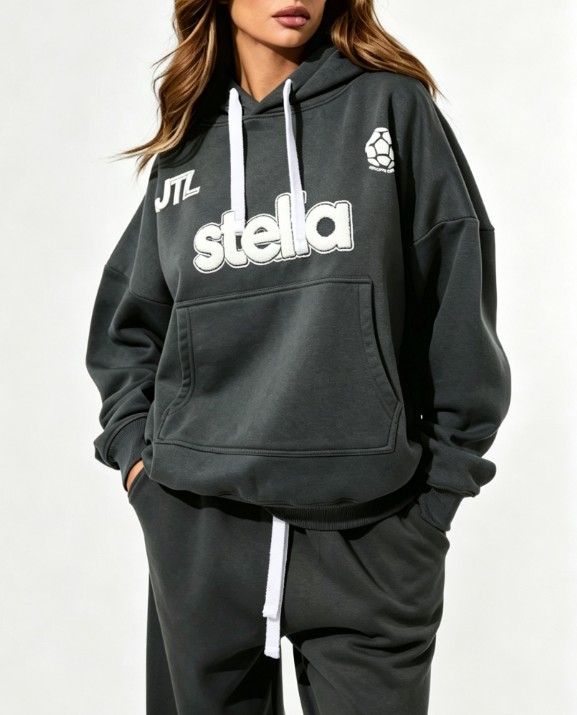
Custom T-Shirts
Produce custom T-shirts from combed cotton, Pima cotton, organic cotton, and blended jersey. Junsheen supports fit specification, neckline selection, size grading, screen printing, DTG, DTF, embroidery, garment dye, labels, and packaging for retail-ready custom tshirt programs.
Request a Quote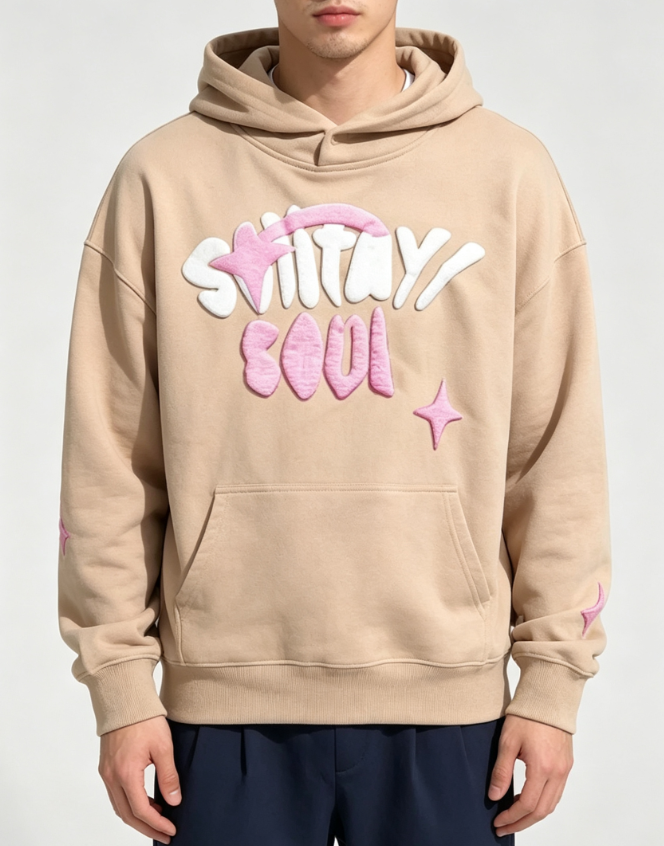
Custom Jeans
Manufacture custom jeans in rigid, stretch, and recycled denim with fit development across XS–3XL. Support includes pattern making, rise and leg-shape refinement, wash development, distressing, hardware, labels, and repeatable bulk specifications for consistent denim production.
Request a Quote
Custom Sweaters
Create turtleneck sweater bulk programs in knitted constructions suited to your target hand feel, weight, and price point. Develop neck height, body proportion, sleeve balance, rib details, yarn selection, grading, labels, and packaging for coordinated knitwear collections.
Request a Quote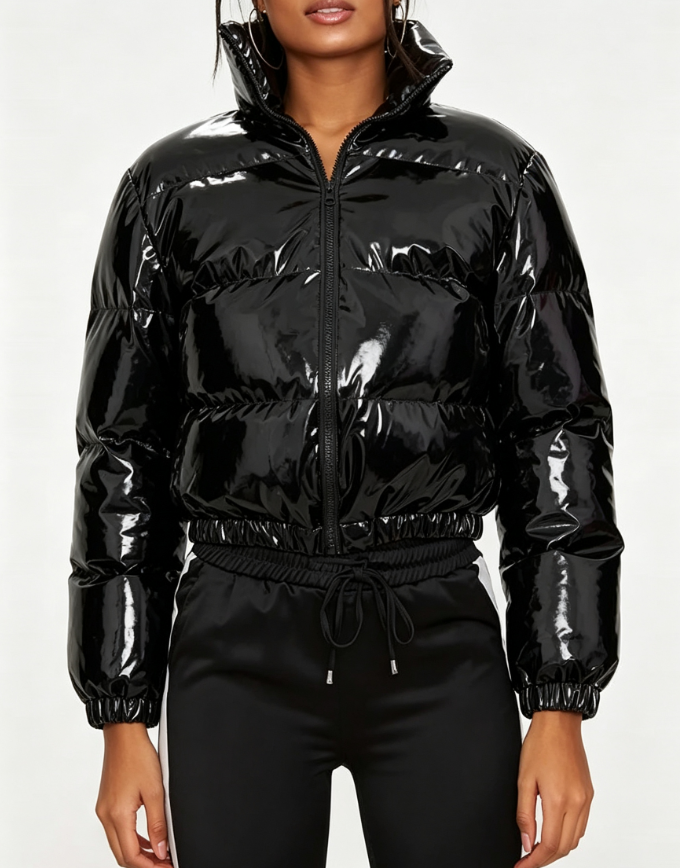
Custom Jackets
Build custom jean jackets and other denim outerwear with structured pattern development, fabric and wash selection, pocket placement, metal hardware, embroidery, patches, and branded trims. Fit review helps maintain shoulder balance and mobility across the full graded size range.
Request a Quote
Custom Sweatshirts & Crewnecks
Develop custom crewneck hoodie and sweatshirt programs in fleece, French terry, and jersey. Specify neckline, rib recovery, body length, pocket options, oversized proportions, printing, embroidery, washes, and private-label details before bulk production.
Request a Quote
Custom Cardigans
Produce custom cardigans with sweater knitting capability for button-front, zip-front, cropped, oversized, and classic silhouettes. Junsheen helps align yarn, gauge, placket construction, rib trims, fit grading, branded buttons, labels, and packaging with your collection requirements.
Request a Quote
Custom Puffer & Down Jackets
Manufacture custom puffer jackets with support for shell fabrics, insulation selection, quilting layouts, lining, zippers, snaps, pockets, reflective details, and branded trims. Development reviews bulk, warmth, mobility, and packing requirements before production approval.
Request a Quote
Custom Denim Shorts
Produce custom jean shorts in rigid or stretch denim with controlled inseams, rise, leg opening, pockets, hems, hardware, and wash effects. Fit-focused grading supports consistent proportions across normal-size, plus-size, and oversized denim short programs.
Request a Quote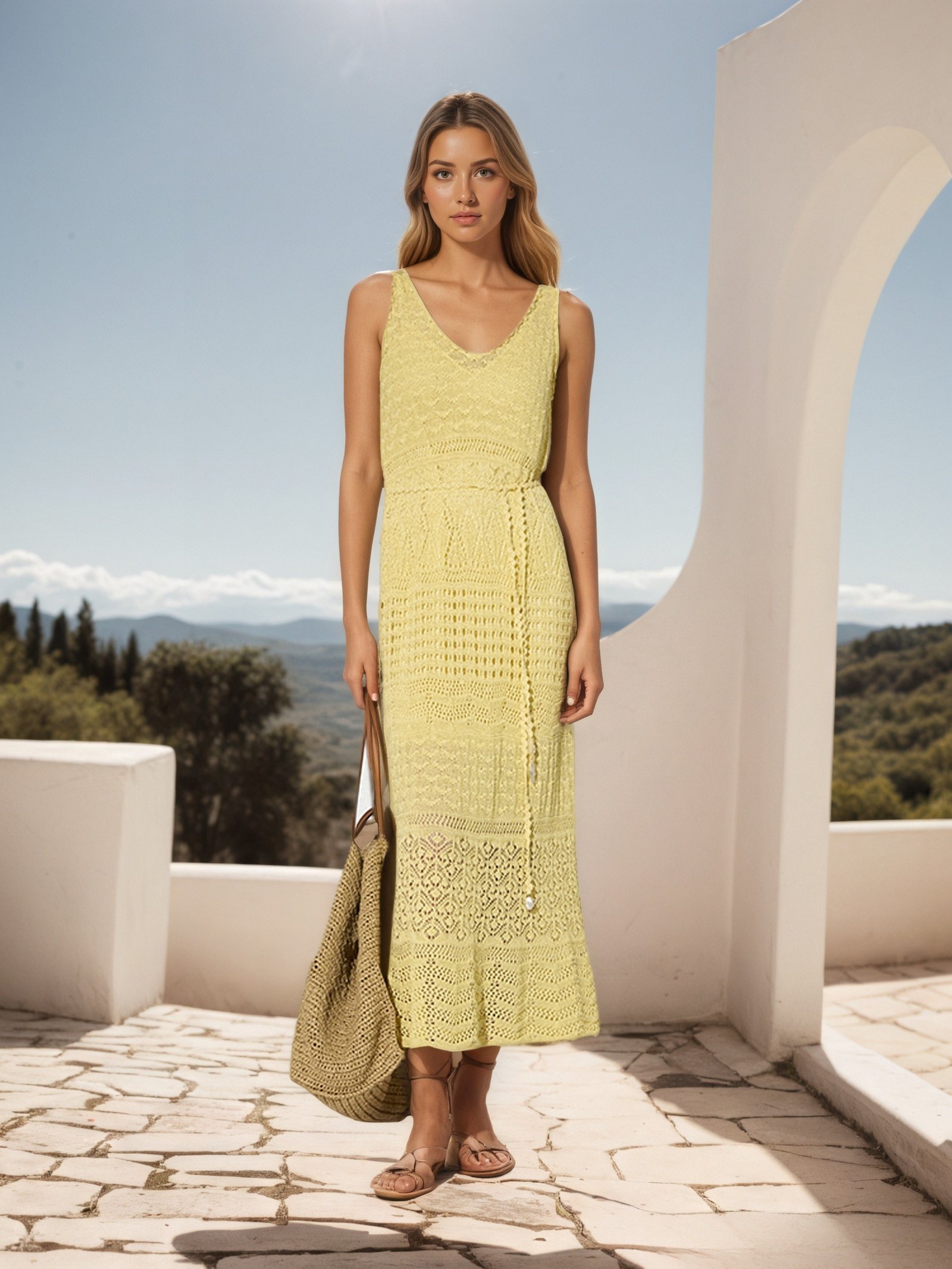
Custom Sweater Dresses
Develop custom sweater dresses in knit constructions tailored to the intended silhouette, from fitted to relaxed and oversized. Junsheen supports yarn selection, gauge, neckline, length, rib details, size grading, labels, and production-ready sampling.
Request a Quote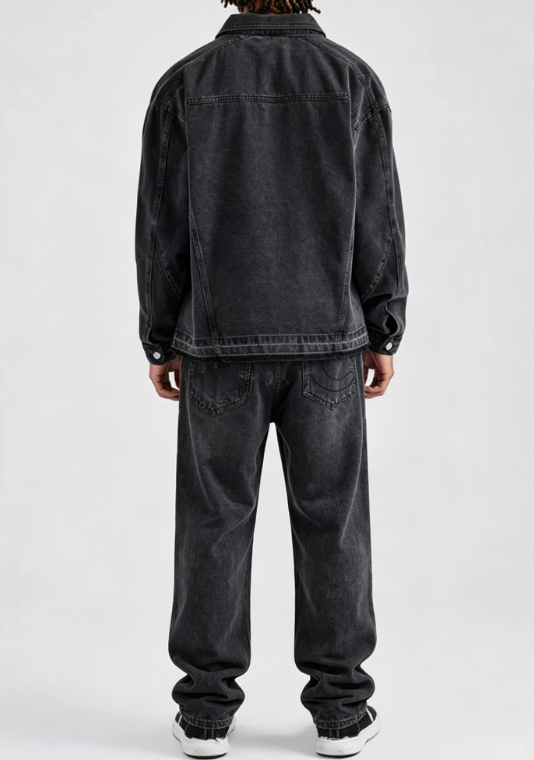
Custom Denim Sets
Create mens denim suits wholesale programs with matched denim jackets and bottoms, coordinated washes, consistent hardware, and repeatable fit specifications. Low-MOQ development supports brands testing denim sets before moving into larger seasonal or wholesale volumes.
Request a Quote
Custom Polo Shirts
Manufacture custom polo shirts in piqué, jersey, performance knits, and blended fabrics. Define collar construction, plackets, cuff ribs, contrast details, embroidery placement, grading, labels, and packaging for branded retail, uniform, or wholesale programs.
Request a Quote
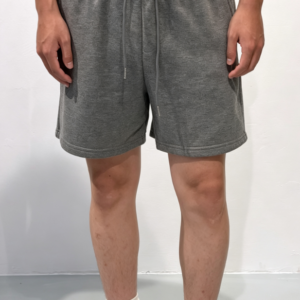
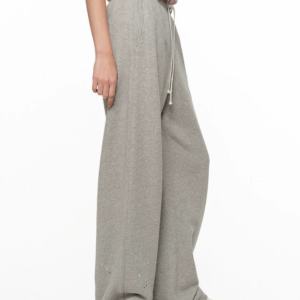
Custom Sweatpants
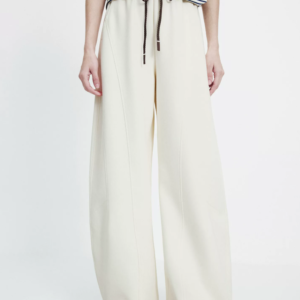
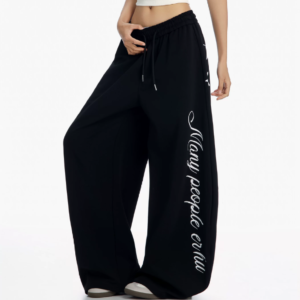
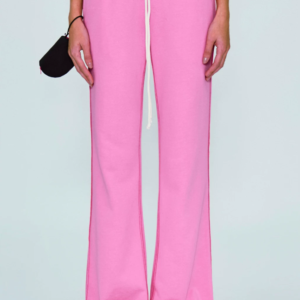
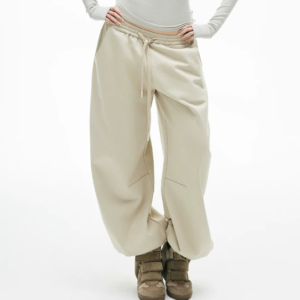
Produce custom sweatpants in fleece, French terry, and jersey with refined rise, leg shape, waistband, cuffs, drawcords, pockets, prints, embroidery, and washes. Pattern development supports regular, extended-size, plus-size, and modern oversized fits.
Request a Quote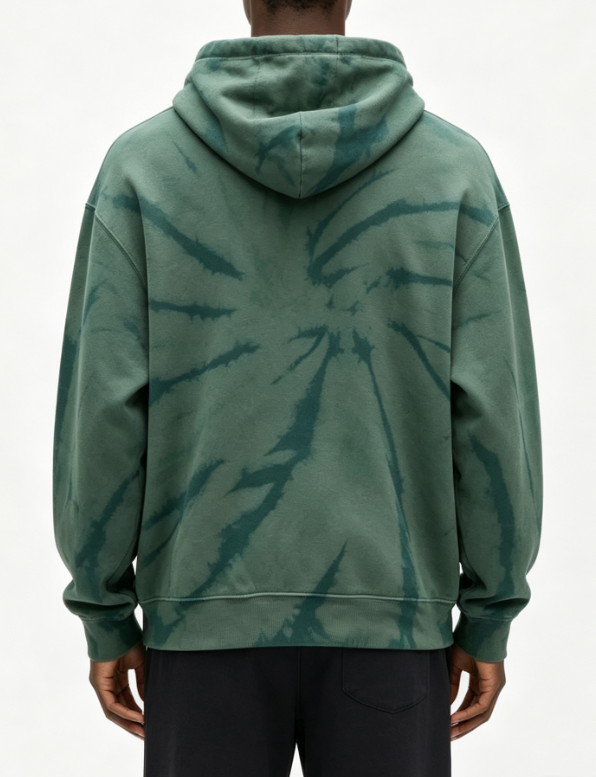
Custom Shorts
Develop custom shorts across jersey, fleece, twill, denim, and performance fabrics. Control inseam, rise, leg opening, elastic or fixed waist construction, pockets, trims, decoration, and XS–3XL grading to meet your target market and wear requirements.
Request a Quote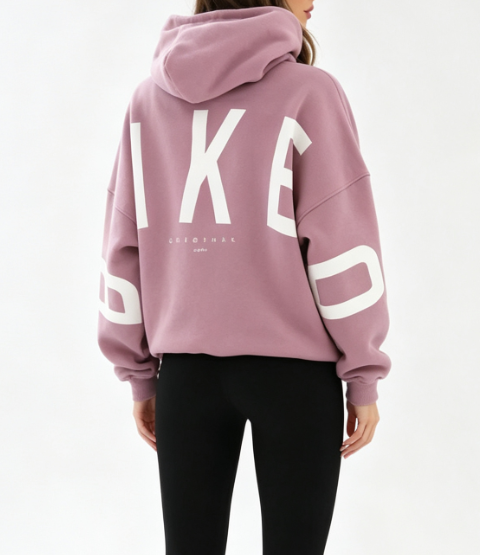
Custom Pullovers
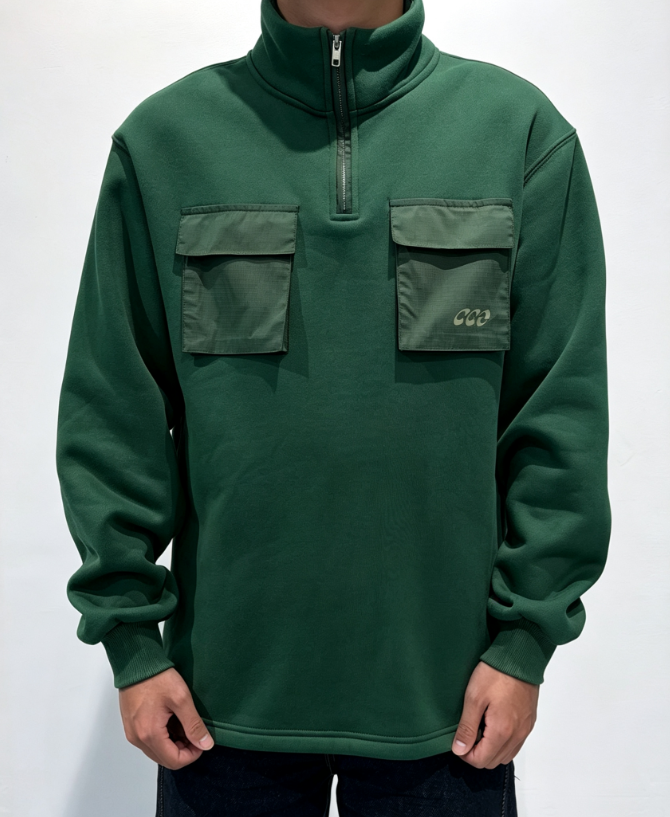
Manufacture custom pullovers in knitwear, fleece, French terry, and jersey constructions. From turtlenecks and quarter-zips to oversized essentials, Junsheen supports pattern development, fabric selection, decoration, fit grading, private labels, sampling, and scalable bulk production.
Request a QuotePullover Manufacturer Materials for Comfort, Structure & Wash Performance

Combed Cotton Jersey
Soft, breathable and versatile for lightweight pullovers, layering styles and transitional collections. Combed yarn creates a cleaner hand feel and reduced surface lint, while weight can be specified for a more structured or relaxed drape.

French Terry
A smooth-faced knit with unbrushed loops inside, ideal for premium casual pullovers and year-round sets. It offers breathable comfort, moderate warmth and dependable structure, with fabric weight selected to suit your desired silhouette.

Brushed Cotton Fleece
Warm, plush fleece suits cold-weather pullovers, oversized streetwear and coordinated loungewear. The brushed reverse adds insulation and a soft hand feel, while anti-pilling finishing can help maintain appearance after repeated washing.

Cotton Blend Fleece
Cotton-polyester blends balance natural comfort with shape retention for everyday logo pullovers and larger-volume programs. Added polyester improves durability and drying performance, while the blend ratio can be adjusted for softness, weight and cost targets.

Wool Blend Knit
Wool blends bring elevated warmth and a refined texture to sweater pullovers and premium seasonal capsules. Fiber composition can be developed for softness and durability, with gauge and stitch construction controlling stretch, density and visual structure.

Recycled Performance Blends
Recycled polyester and cotton blends support responsible pullover programs without sacrificing practical wear performance. These fabrics can provide moisture management, resilience and stable color retention, with certifications and material records available when applicable.
Pullover Manufacturer Decoration and Finishing Processes

Logo Embroidery
Flat, 3D puff, chain-stitch, and applique embroidery add dimensional brand marks with clean edges and strong wear resistance. JUNSHEEN positions artwork for balanced placement across fleece, French terry, and knit pullover constructions.

Screen Printing
Plastisol, water-based, puff, flocking, silicone, high-density, foil, and discharge printing create bold graphics with tailored texture and opacity. We match ink systems to fabric weight and artwork detail for durable, production-ready private-label pullovers.

Digital Print
DTG, DTF, heat-transfer, and dye-sublimation options reproduce detailed artwork, gradients, and short-run graphics with precise color control. These methods support capsule launches and scalable programs from JUNSHEEN’s 100-unit MOQ.

Garment Dyeing
Garment dye, tie-dye, and acid-wash treatments create rich, lived-in color variation that makes each pullover feel distinct. Sampling helps confirm shade, shrinkage, hand feel, and wash behavior before bulk production.

Washed Finishes
Enzyme washing, softening, anti-pilling treatments, brushing, and napping refine the surface and hand feel of custom pullovers. The result can range from smooth and premium to soft, vintage-inspired, or warm and brushed.
Private-Label Trims and Accessories

Woven Brand Labels
Custom main, size, and wash-care labels give every pullover a consistent private-label identity. Choose woven, printed, or leather-look options matched to your garment construction, brand standards, and target market requirements.

Custom Drawcord Tipping
Add branded drawcords, metal or silicone tips, and color-matched aglets to hooded pullovers. These details improve function while creating a considered finish that supports your logo, palette, and retail positioning.

Zippers and Snaps
Specify zippers, snap buttons, and custom pulls for quarter-zips, full-zip styles, pockets, and detachable details. JUNSHEEN sources components for smooth operation, dependable durability, and a finish aligned with your target cost.

Rib Trims
Custom rib cuffs, collars, and hems help pullovers retain shape through wear and washing. Select weights, stripe patterns, stretch recovery, and coordinated colors to suit fleece, knitwear, varsity, or oversized silhouettes.

Logo Patches
Use embroidered, woven, chenille, rubber, or leather patches to add a distinctive branded focal point. Patches work across chest, sleeve, hem, and back placements for elevated private-label pullover programs.
Retail-Ready Packaging
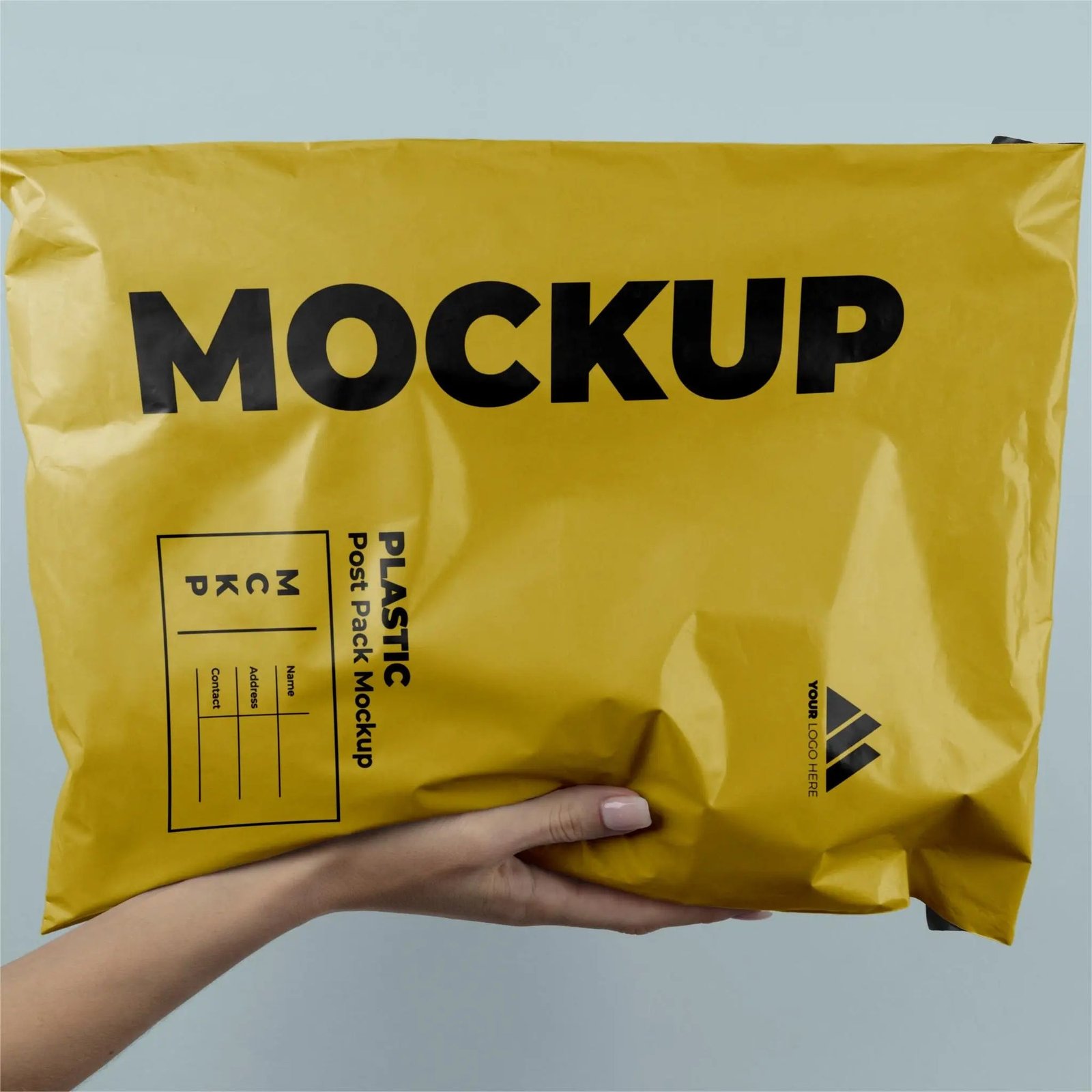
Finish each order with custom hangtags, polybags, tissue, stickers, barcode labels, and branded cartons. JUNSHEEN coordinates packaging details to help your pullover manufacturer program move smoothly from factory inspection to global fulfillment.
About JUNSHEEN, Your Pullover Manufacturer Partner
Founded in 2010 in Humen Town, Dongguan, JUNSHEEN is a pullover manufacturer and one-stop apparel partner for brands that need dependable OEM, ODM, and private-label production. We turn finished tech packs, sketches, reference garments, and early product ideas into production-ready casualwear with clear technical support.
Our team of 200+ skilled workers supports monthly production capacity above 80,000 units, from 100-unit capsule orders per style and color to scalable ongoing programs. Cut-and-sew and knitting capability, fabric sourcing, decoration, finishing, labeling, packaging, quality control, and export support are managed through one coordinated supply chain.
JUNSHEEN stands apart through fit-first development for XS–3XL, extended-size, plus-size, and modern oversized garments. Having served 2,000+ fashion-brand clients worldwide, we refine patterns and grading for real wearability, then preserve technical records to help repeat orders move faster and stay consistent.

Pullover Manufacturer Expertise From Fit to Repeat Orders
XS–3XL Fit Engineering
As a fit-first pullover manufacturer, JUNSHEEN develops normal, extended, plus-size and oversized silhouettes with grading that considers shoulder balance, sleeve length, body proportion and mobility. This creates a more consistent wear experience across the full size range.
- Pattern development from sketches, tech packs or reference garments
- Refined grading increments for XS–3XL size sets
- Fit samples and size-set reviews before bulk approval
- Oversized and plus-size proportions developed intentionally

Development Built for Production
Our development team turns early concepts into production-ready pullovers by reviewing construction, fabric weight, trims and specifications before sampling. Brands receive practical recommendations that support target pricing, reliable make quality and a smoother path from prototype to approved order.
- OEM, ODM and private-label development support
- Fabric, yarn, rib and trim sourcing guidance
- Pattern making, prototypes and pre-production samples
- Low MOQ from 100 units per style and color

Integrated Decoration and Finishing
Keep key visual and hand-feel decisions coordinated through one manufacturing partner. JUNSHEEN manages embroidery, printing, washing, finishing, labels and packaging in-house or through controlled supply partners, helping custom pullovers arrive with details aligned to the approved sample.
- Flat, 3D/puff, chain-stitch and applique embroidery
- Screen print, DTF, DTG, foil and high-density effects
- Softening, enzyme, anti-pilling and garment-wash finishes
- Custom labels, hang tags, drawstrings and branded packaging

Consistency for Repeat Programs
JUNSHEEN retains approved patterns, graded size sets and material records to make repeat production more efficient and consistent. With 200+ skilled workers and monthly capacity above 80,000 units, we support capsule launches first and scalable replenishment programs afterward.
- Retained technical records for easier reorders
- Incoming, in-line and final quality inspections
- Sampling-to-bulk references maintained across programs
- Global export support for growing fashion brands

Why Brands Choose Our Pullover Manufacturer
One accountable team for fit, development, production, and scalable delivery.
← 左右滑动查看 →
Pullover Manufacturer Process: From Sourcing to Global Shipment
A controlled, fit-first workflow that moves your custom pullover from feasibility review to export-ready delivery.
Review Design Feasibility
Our team reviews your tech pack, sketch, reference garment, or concept, confirming construction, target pricing, sizing needs, and manufacturability before development begins.
Source Materials and Trims
We recommend fabrics, ribs, labels, drawstrings, and decoration methods based on hand feel, weight, durability, wash performance, target cost, and brand direction.
Build Patterns and Samples
Pattern makers develop fit-focused XS–3XL grading, then produce prototype and size-set samples for measurement, mobility, construction, decoration, and approval review.
Confirm Production Details
After sample approval, we finalize specifications, bulk materials, color standards, labeling, packaging, order quantities, production schedule, and pre-production requirements for your program.
Produce and Inspect Bulk
Skilled teams manage cutting, sewing, knitting, decoration, finishing, and in-line inspections, with final checks for measurements, workmanship, fit, and packed-goods consistency.
Pack and Ship Globally
Approved pullovers receive branded packing and export documentation, then move through coordinated global shipping support to reach your warehouse, retailer, or fulfillment partner.
Work With a Pullover Manufacturer in Four Clear Steps
Move from concept to production-ready custom pullovers with direct development support, transparent approvals, and managed bulk manufacturing.
Share Your Product Brief
Send a tech pack, sketch, reference garment, mood board, or product idea. Our team reviews fit, construction, fabric, decoration, and private-label requirements.
Confirm Feasibility and Quote
Review recommended materials, construction options, MOQ, lead time, and pricing with our OEM team. We clarify specifications before development begins to prevent costly revisions.
Approve Development Samples
Assess prototype samples, measurements, fit, wash performance, colors, trims, and branding details. Pattern makers refine XS–3XL grading and oversized proportions before bulk approval.
Launch Managed Bulk Production
Approve the final pre-production sample, then let JUNSHEEN manage fabric sourcing, cutting, sewing, finishing, quality inspections, packing, and export coordination for your order.
Custom Clothing Manufacturer Credentials and Compliance Documents



What Our Pullover Manufacturer Clients Say
JUNSHEEN turned our oversized pullover concept into an approved size set in two sampling rounds. Their XS–3XL grading reduced fit comments by 40%, and our first 300-unit launch arrived in Canada on schedule.
We moved from inconsistent supplier samples to repeatable production with JUNSHEEN. Their team matched our fleece weight and embroidery placement across three colorways, then delivered 1,200 pullovers with less than 2% measurement variance.
The development communication was exceptionally clear from tech-pack review through export. We launched a 150-unit private-label capsule for the UK market, approved bulk after one revised sample, and received packed goods within our planned window.
Pullover Manufacturer FAQs for OEM Buyers
Clear answers on minimums, development, production, payments, shipping, and confidential manufacturing with JUNSHEEN.
What is the minimum order quantity for a custom pullover manufacturer?
Can your pullover manufacturer make samples before bulk production?
How long does custom pullover sampling and bulk production take?
Can you develop pullovers in plus sizes and oversized fits?
What fabrics, decoration, and private-label options do you offer?
What payment terms does JUNSHEEN offer for pullover orders?
Does your pullover manufacturer arrange international shipping?
How do you protect designs and intellectual property during production?
The Complete Buyer’s Guide to pullover manufacturer
Use this practical framework to compare production capabilities, materials, customization, quality controls, pricing, and supplier credentials—so you can select the right partner, avoid costly sourcing errors, and launch confidently.
1. What Is a pullover manufacturer?
100-unit capsule orders illustrate the sourcing role of a pullover manufacturer: it is a production partner that converts a buyer’s approved specification into repeatable finished garments. Unlike a wholesaler selling stock styles, the manufacturer controls or directly manages development, material procurement, cutting, sewing or knit assembly, decoration, finishing, packing, and bulk quality checks. OEM means the buyer supplies the design direction, branding, and usually a tech pack; the factory executes the product to approved specifications. ODM adds product-development input—such as recommending a 280–400 GSM fleece, refining an oversized shoulder balance, selecting rib ratios, building patterns, grading XS–3XL, and producing prototype and size-set samples before pre-production approval. JUNSHEEN, founded in 2010 in Humen, Dongguan, operates as this kind of integrated supplier for custom casualwear and knitwear programs. A qualified pullover manufacturer should provide feasibility review, fabric and trim swatches, clear quotations and MOQ guidance, Pantone and artwork control, measurement tolerances, in-line and final inspection, branded labels and packaging, export documentation, and shipment coordination. 3 supplier models are often confused: a trading company coordinates factories but may not control the production floor; a general garment factory may sew competent basics without dedicated development or knitwear expertise; and a true pullover manufacturer owns the technical path from fit and sample approval through consistent bulk delivery. Buyers should ask who develops patterns, approves materials, inspects goods, retains production records, and remains accountable when a sample or shipment misses the agreed standard.
2. Evolution of pullover manufacturing
By the 19th century, pullovers had moved beyond hand-knit workwear and maritime layers into standardized wool garments valued for warmth, repairability, and easy movement. Early production was largely local: knitters, small mills, and cut-and-sew workshops controlled yarn choice, gauge, shaping, and finishing close to the end market. Since the 1950s, industrial knitting machines, overlock sewing, rib attachments, and later computerized flat knitting made repeatable sizing and higher-volume output practical. The category expanded from sweaters into jersey sweatshirts, hooded pullovers, fleece styles, French-terry programs, and oversized fashion silhouettes, while global OEM networks separated design, yarn sourcing, knitting, sewing, decoration, and export logistics across specialist suppliers. At a 100-unit-per-style-and-color entry point, modern sourcing can support a capsule without treating development as disposable. A pullover manufacturer should now be assessed on pattern and grading control, fabric traceability, wash and shrinkage testing, decoration compatibility, and the ability to document approved materials for repeat orders; sustainable requests also require verification of claims such as organic cotton, recycled content, OEKO-TEX, or GOTS rather than a generic eco label.
3. Pullover manufacturer types and capabilities
Five supplier models dominate pullover sourcing, and their equipment determines what they can make reliably. Match the factory to your construction before comparing quotes, samples, or MOQ promises.
| Supplier Type | Best Product Fit | Development Depth | Typical Limitation |
|---|---|---|---|
| Knitwear specialist | Fully fashioned sweaters | Yarn and stitch expertise | Limited fleece production |
| Fleece factory | Hoodies and crewnecks | Construction focused | No shaped knitwear |
| Cut-and-sew manufacturer | Fashion pullovers | Patterns and grading | Specialties may outsource |
| Full-package OEM/ODM | Multi-step launches | End-to-end support | Requires clear approvals |
| Trading company | Mixed-category buying | Supplier coordination | Less factory visibility |
Knitwear Specialists

3-gauge through 12-gauge flat-bed machines suit fully fashioned wool, cotton, and acrylic pullovers. They handle linking and intarsia well, but usually offer less expertise in fleece cut-and-sew.
Fleece And Sweatshirt Factories
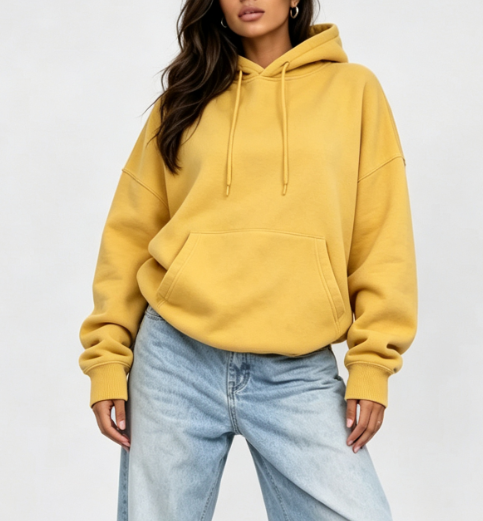
280–400 GSM fleece and French terry programs rely on cutting tables, overlock machines, coverstitch, and rib attachment. They are efficient for hoodies and crewnecks, but cannot replace shaped knit panels.
Cut-And-Sew Manufacturers
1 prototype can start a cut-and-sew development program from a tech pack, sketch, or reference garment. Pattern making, grading, and sampling support varied silhouettes, although specialty knitting may be subcontracted.
Full-Package OEM ODM Partners
100-unit style-and-color minimums can suit a capsule when one partner sources fabric, develops patterns, manages trims, and checks bulk goods. This model reduces handoffs, but buyers should still approve swatches, size sets, and pre-production samples.
Trading Companies
2 or more factories may sit behind a trading company, expanding category access without owning production. Their coordination can help small teams, but direct visibility into machinery, capacity, and in-line quality control is lower.
4. Materials a pullover manufacturer should offer
Material choice sets the pullover’s warmth, recovery, wash behavior and retail position before sampling begins. A capable pullover manufacturer should present swatches, composition data and finished-garment test expectations alongside price.
| Fabric | Typical GSM | Hand And Performance | Best Use |
|---|---|---|---|
| Cotton jersey | 180–260 | Soft, breathable; moderate shrinkage | Lightweight casual pullovers |
| French terry | 280–340 | Loopback, medium warmth | Transitional sweatshirts |
| Brushed fleece | 300–450 | Plush, warm; pilling risk | Cold-weather hoodies |
| Wool/cashmere blend | 250–400 | Warm, refined; delicate care | Premium knit pullovers |
| Recycled performance blend | 200–280 | Quick-dry, durable | Travel and active layers |
Cellulosic Everyday Bases

100% ring-spun cotton gives a soft, breathable hand for premium lightweight pullovers, but it can shrink unless fabric is pre-shrunk or compacted. 95/5 cotton-poly blends improve shape retention and drying speed; organic cotton needs credible GOTS chain-of-custody documentation when that claim appears on labels.
- Request fiber content and finished GSM.
- Check wash shrinkage by length and width.
- Compare combed, ring-spun and open-end yarns.
Warmth And Knit Structure

280–340 GSM French terry has looped inner yarns, moderate warmth and easier year-round wear than brushed fleece. Fleece at 300–450 GSM is warmer and softer, but buyers should assess brushing quality and anti-pilling performance. 5–12 gauge wool knitwear offers natural warmth and odor resistance; cashmere blends add softness but require gentler care and tighter pilling control.
Recycled And Performance Options

30–100% recycled polyester can lower virgin-fiber use, but certification such as GRS should match the claimed recycled content. Polyester or nylon performance knits suit active layers because they dry quickly and resist abrasion. 200–280 GSM synthetic blends are practical for travel pullovers, although they can retain odor and need a hand-feel review before approval.
5. Pullover manufacturer customization options
From a 100-unit style-and-color starting point, a capable pullover manufacturer should convert design intent into controlled specifications. Lock silhouette, fit block, trims, finishing and branding before the pre-production sample.
| Method | Practical Minimum | Durability | Best Application |
|---|---|---|---|
| Embroidery | 100 units | High | Logos, chest marks, textured detail |
| Screen print | 100+ per colorway | High | Bold spot-color graphics |
| DTG | Low quantities | Medium | Detailed multicolor artwork |
| Heat transfer | Low quantities | Medium-high | Names, short runs, complex art |
| Appliqué or woven patch | 100 units | High | Varsity graphics, heritage branding |
Silhouette And Fit

Three core blocks—regular, oversized and cropped—need separate body lengths, shoulder drops and sleeve proportions; simply scaling one pattern distorts fit. XS–3XL grading should adjust chest, sweep, armhole and sleeve increments together. Specify crewneck, hooded, quarter-zip or full-zip construction, plus kangaroo, welt or zipper pockets.
- Rib cuffs and hems: width, recovery and stripe layout
- Hoods: single-layer, double-layer or lined
- Zippers: coil, metal or molded teeth
Color, Wash And Branding

Pantone-approved lab dips prevent avoidable color variation before bulk cutting. Garment dye, enzyme wash, acid wash, brushing and anti-pilling treatments must be approved on the actual fabric and trim combination. Three identity layers—main label, size label and wash-care label—should align with the destination market. Add woven labels, leather patches, hangtags, barcodes, polybags or branded cartons as required.
Decoration Selection

Six decoration routes solve different artwork problems. Test stretch, abrasion and wash performance on a production-representative sample, especially across ribs, seams and brushed fleece. 100-unit programs suit transfers and digital methods best when artwork varies by colorway. Screen-print setups and embroidery files become more efficient as quantities rise.
6. Pullover construction and quality controls
Construction separates a sample that feels premium from one that distorts after several washes. Ask a pullover manufacturer to document fabric, stitching, measurements, and wash-test standards before bulk approval.
Fabric And Stitching

280–360 GSM brushed fleece suits substantial hooded pullovers, while 240–320 GSM French terry offers a lighter, loop-back hand. Specify ring-spun yarn where softness and lower surface fuzz matter. 8–10 stitches per inch is a practical baseline for joining seams; stress points need secure back-tacking. Request matching thread shade, balanced tension, and no skipped stitches.
Seams, Ribs, And Pockets
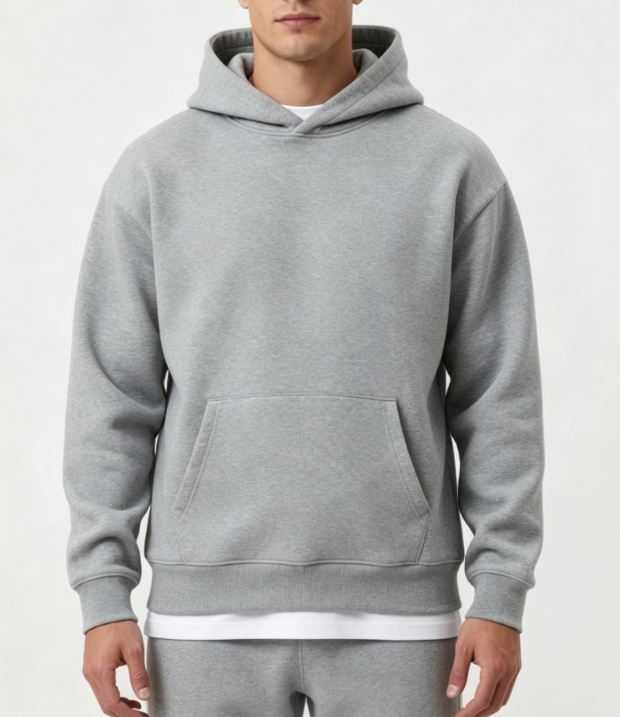
2×2 rib at cuffs and hem should recover after stretching rather than remain wavy. Confirm rib composition, rib height, and whether elastane is required for repeated-wear recovery. Shoulder seams benefit from tape or clean coverstitch reinforcement, especially on heavier garments. Kangaroo-pocket corners should be bar-tacked, with placement checked against the approved center front.
Fit And Wash Verification
XS–3XL grading needs separate review of shoulder balance, body length, sleeve length, and neck opening; simply enlarging a base pattern creates uneven proportions. Set tolerances by measurement point, commonly ±1 cm for key finished-garment dimensions. 3–5 wash-and-dry cycles should confirm shrinkage, twisting, color bleeding, pilling, and rib recovery before production. Agree the wash method, temperature, detergent, and acceptable shrinkage percentage in writing.
Production Inspection Requests
100% final packed-goods checks should cover size labels, color, decoration placement, stains, holes, loose threads, measurements, and packaging count. Incoming-fabric and in-line inspections catch shade variation and construction faults before they become a full-order problem. AQL sampling can supplement, not replace, critical-point checks. Request retained approved samples, measurement reports, wash-test records, and clear pre-shipment photos from the supplier.
- Verify neckline shape lies flat after wash testing
- Check colorfastness against adjacent light-colored fabric
- Compare pocket symmetry to the approved sample
7. How to choose a pullover manufacturer
Three supplier checks prevent most costly pullover errors: proven knitwear specialization, transparent commercial terms, and repeatable quality systems. Ask a pullover manufacturer to substantiate each claim with current factory evidence before approving development.
Verify Product Evidence

Five recent production examples should show comparable gauge, yarn, neckline, finishing, and decoration—not generic apparel photos. Request factory-floor video, equipment lists, and two client references you can contact. 100-unit programs suit capsule launches, but confirm the MOQ applies per style, color, and size range. A factory with documented sweater and cut-and-sew experience is usually safer than a general trading supplier.
Test Samples And Communication
One paid development sample should be evaluated against measurements, hand feel, stitch density, wash results, and approved Pantone color. Require written comments, a revised sample timeline, and a sealed approval standard. 24-hour acknowledgement and a named merchandiser are practical communication benchmarks for international sourcing. Confirm who owns pattern updates, fabric approvals, and deviation reporting before bulk production.
Check Compliance And Sourcing

Four documents commonly requested by brands are OEKO-TEX material records, GOTS scope certificates where relevant, BSCI or WRAP audits, and test reports. Verify certificate numbers with the issuer and distinguish factory certification from supplier certification. Two fabric-source details matter: mill name and composition specification. Ask for swatches, fiber percentages, GSM, lead time, and replacement-material approval rules.
- Current audit or certification documentation
- Fiber-content and fabric test reports
- Traceable mill or supplier details
Pilot Before Bulk Commitment
30 to 100 units can function as a pilot when the factory’s MOQ permits it. Inspect final garments for measurements, seams, labeling, packing, and wash performance before releasing a larger reorder. 2 to 4 weeks is a common sampling window, while bulk timing depends on fabric availability and production loading. Obtain itemized pricing, payment milestones, quality inspection checkpoints, and written remedies for defects or delays.
8. Common pullover manufacturer sourcing mistakes
A 100-unit starting MOQ does not remove sourcing risk; it makes early decisions more visible in unit cost and launch timing. Treat every quote, sample, test, and shipment plan as a controlled approval gate.
Price-Only Supplier Selection
A 10–15% cheaper quote can omit heavier rib, shrinkage allowance, or inspection time, creating claims after delivery. Three comparable quotes should specify fabric GSM, trim, decoration, packing, Incoterms, and defect handling before selection.
Incomplete Development Briefs
A missing tech pack forces a factory to interpret measurements, stitch details, Pantone colors, and logo placement, delaying samples. One approved spec sheet should include graded measurements, construction callouts, artwork files, BOM, and tolerance limits.
Rushed Sample And Fabric Approval
A single sample approval without wash testing can conceal 3–5% shrinkage, pilling, color bleeding, or uneven fleece torque. Two review stages—prototype and pre-production sample—should confirm hand feel, measurements after wash, decoration adhesion, and bulk shade.
Unplanned Production And Shipping
A 100-unit style may require separate fabric, color, and trim minimums, while sampling, bulk sewing, and freight add weeks. Thirty days before launch, lock MOQ by color, critical-path dates, AQL standard, carton marks, Incoterms, and customs documents.
9. Launching a pullover brand step by step
A 100-unit-per-style-and-color starting point makes a capsule launch practical, but it does not replace disciplined approvals. Set dates backward from the delivery window and freeze each decision before the next cost-bearing stage.
Define The Commercial Brief
Two customer profiles are enough for an initial range: identify their price ceiling, preferred fit, use occasion, and competing pullovers. Compare 5-10 competitors, then approve a product brief covering silhouette, target retail price, color count, and margin before design work.
Develop And Validate Samples
One tech pack should specify measurements, tolerances, Pantone colors, construction, artwork placement, labels, and packaging. Select French terry or fleece by weight, hand feel, shrinkage, and target cost; approve swatches before the first prototype. Two fit rounds are common when launching a new block. Review samples on the intended size model, record changes to shoulder balance, body length, sleeve length, and grading, then sign a sealed pre-production sample.
Control Bulk And Learn
Weekly production updates should confirm fabric arrival, cutting, decoration, sewing, inspection, and packing against the agreed critical path. Approve carton markings, polybag requirements, shipping mode, and final inspection before the balance and dispatch. Thirty days after launch, compare returns, fit comments, sell-through, and repeat-color demand by size. Keep approved patterns, graded specs, and material records so the next order starts from verified decisions.
10. Pullover manufacturer pricing and MOQ
100 units per style and color is a workable starting point for a capsule, but it is not a standardized price point. Compare like-for-like specifications: a 280 GSM cotton-poly fleece pullover with one-color screen print is materially different from a 450 GSM combed-cotton style with custom rib, embroidery and individual packaging. 7–21 production days after pre-production approval is a common planning range for straightforward repeatable styles; sampling, fabric booking and freight sit outside a simple unit quote. Ask a pullover manufacturer to separate fabric, decoration, trims, packaging, development, testing and shipping so that low-MOQ offers can be evaluated on the same specification sheet.
| Quantity tier | Indicative FOB unit price | Typical production lead time | Main cost drivers |
|---|---|---|---|
| 100–199 units | US$18–36 | 14–21 days | Custom fabric color, 320–450 GSM, embroidery, labels |
| 200–499 units | US$14–28 | 14–21 days | Fabric yield, color count, print setup, branded packaging |
| 500–999 units | US$11–22 | 10–18 days | Ring-spun versus open-end yarn, fleece weight, trims |
| 1,000+ units | US$9–18 | 10–18 days | Volume efficiency, repeat materials, decoration complexity |
Start Your Pullover Manufacturer Partnership Today
Send your tech pack, reference garment, sketch, mood board, or product idea for a feasibility review and sampling plan.