Mens Pullover Manufacturer for Fit-Focused Private Label
JUNSHEEN is a mens pullover manufacturer offering OEM development, XS–3XL grading, custom details, and 100-unit MOQs for growing global brands.
Featured Products for mens pullover manufacturer Development





Related Product Catalogue and Quotation

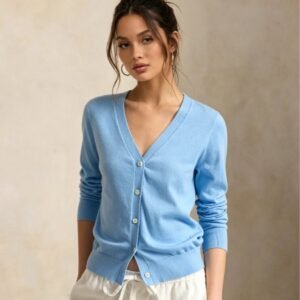


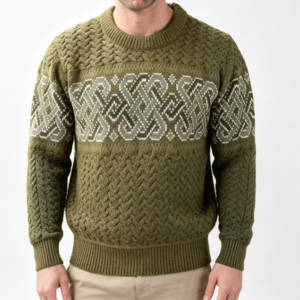


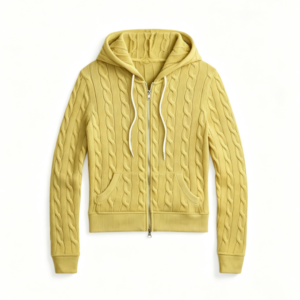
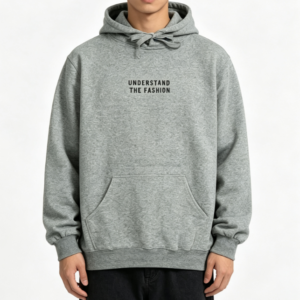
Mens Pullover Manufacturer Built for Reliable Development
Source custom pullovers with practical minimums, engineered fits, integrated branding, and production capacity that grows with your program.
100-Unit MOQ
Launch capsule collections from 100 units per style and color, giving emerging labels a practical path to custom pullover production.
Fit-First Grading
Develop balanced XS–3XL, extended-size, plus-size, and oversized fits with refined proportions, mobility, sleeve lengths, and grading increments.
Knitwear Expertise
Access sweater constructions, yarn sourcing, pattern development, and sampling support for men’s pullovers designed around your target hand feel.
Integrated Branding
Add logo embroidery, screen printing, custom labels, hang tags, trims, and branded packaging through one coordinated manufacturing supply chain.
Scalable Global Production
Work with 200+ skilled workers and 80,000+ monthly units of capacity, backed by quality control and export support worldwide.
Custom Pullover Styles and OEM Programs
Develop fit-consistent casualwear, denim and knitwear programs from 100 units per style and color, with sampling, grading and scalable production managed in one supply chain.

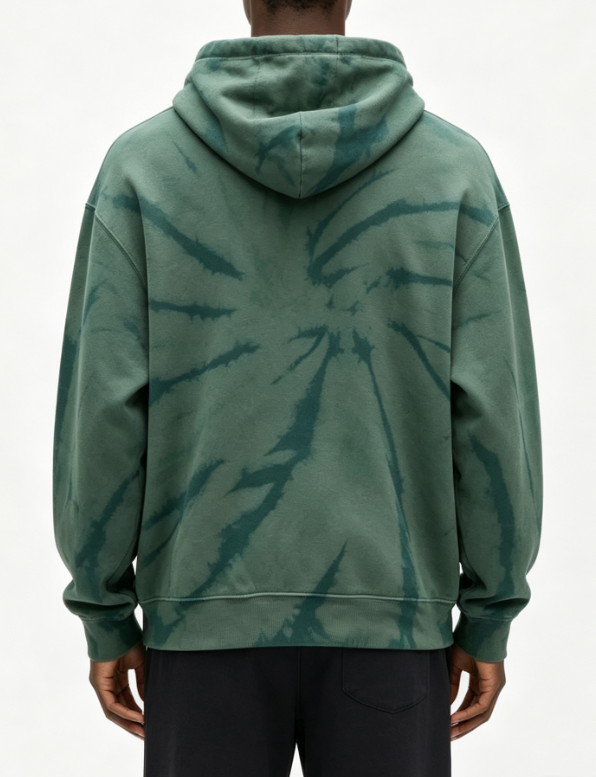
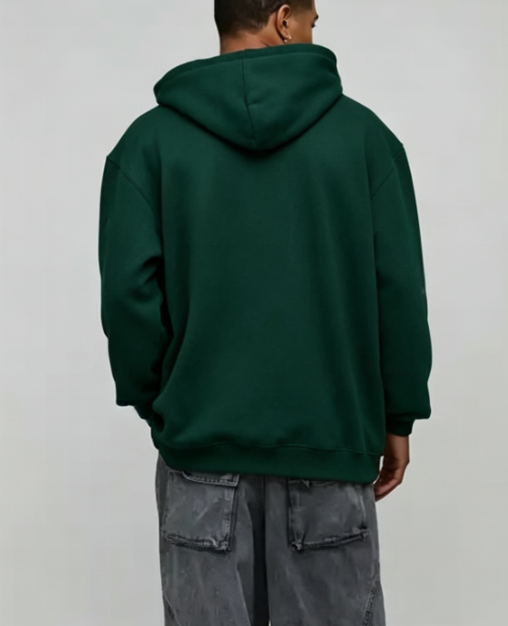
Custom Hoodies
Custom hoodies developed in fleece, French terry or performance knits, with pattern making, XS–3XL grading, branded labels and print or embroidery options. Suitable for capsule launches, merch programs and repeat bulk styles requiring consistent fit.
Request a Quote
Custom T-Shirts
Custom T-shirts produced in combed cotton, Pima cotton, organic options and blended jersey. We support custom tshirt specifications, neck construction, fabric weight, fit grading, screen printing, DTG, DTF, labels and packaging from development through bulk production.
Request a Quote
Custom Jeans
Custom jeans built around the intended rise, leg shape, stretch level and wash direction. Junsheen supports denim sourcing, pattern development, size grading, hardware, embroidery, garment washes and quality checks for brands developing reliable fit across size ranges.
Request a Quote
Custom Sweaters
Source turtle neck sweater bulk programs with defined yarn composition, gauge, rib structure and fit requirements. Our knitwear team develops samples, graded size sets and repeatable production specifications for classic, oversized, extended-size and plus-size sweater collections.
Request a Quote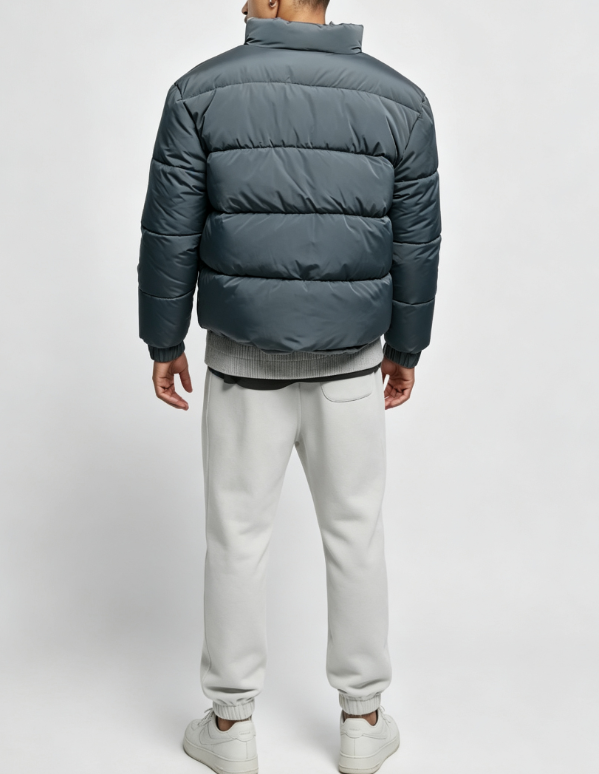
Custom Jackets
Custom jean jacket development covers denim weight, silhouette, collar construction, pockets, closures, washes and branded trims. We refine measurements and mobility during sampling so outerwear programs can move into bulk with clearer fit and construction standards.
Request a Quote
Custom Sweatshirts & Crewnecks
Custom crewneck hoodie and sweatshirt programs can be developed in brushed fleece, French terry or jersey-backed constructions. Specify neck rib, sleeve shape, body length, embroidery or printing, then confirm fit through prototypes and graded size sets before production.
Request a Quote
Custom Cardigans
Custom cardigans produced with selected yarns, gauges, button systems and rib details for lightweight through substantial knitwear programs. Development includes pattern review, size grading and trim sourcing to maintain proportion across XS–3XL and oversized fits.
Request a Quote
Custom Puffer & Down Jackets
Custom puffer jacket programs include shell fabric, insulation, lining, quilting, zipper, pocket and hood specifications. We support sampling and construction review to balance warmth, movement, fill distribution and branded finishing before bulk manufacturing.
Request a Quote
Custom Denim Shorts
Custom jean shorts developed with targeted rise, inseam, leg opening, stretch and wash effects. Brands can add distressed details, embroidery, labels and custom hardware while using graded patterns to maintain proportion across normal and extended sizes.
Request a Quote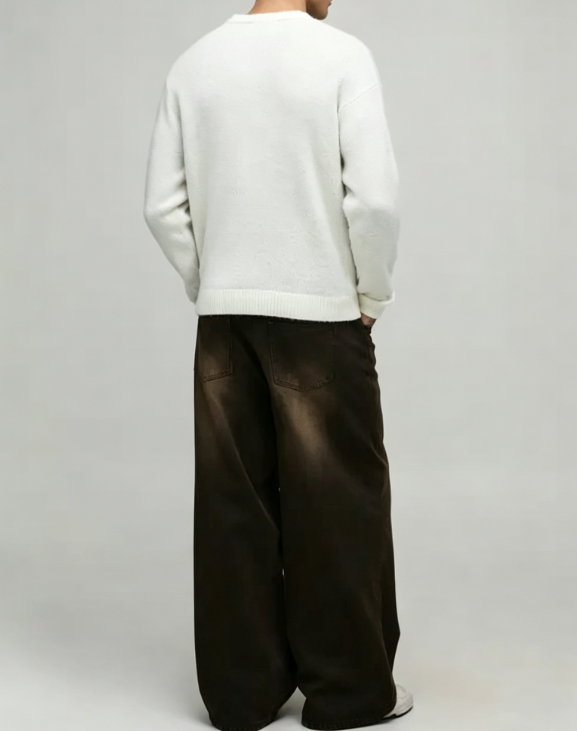
Custom Sweater Dresses
Custom sweater dresses developed around yarn, gauge, silhouette, length and stretch recovery requirements. Our team supports fitted, relaxed and oversized styles with size grading that addresses body proportion, sleeve length and mobility across the full size set.
Request a Quote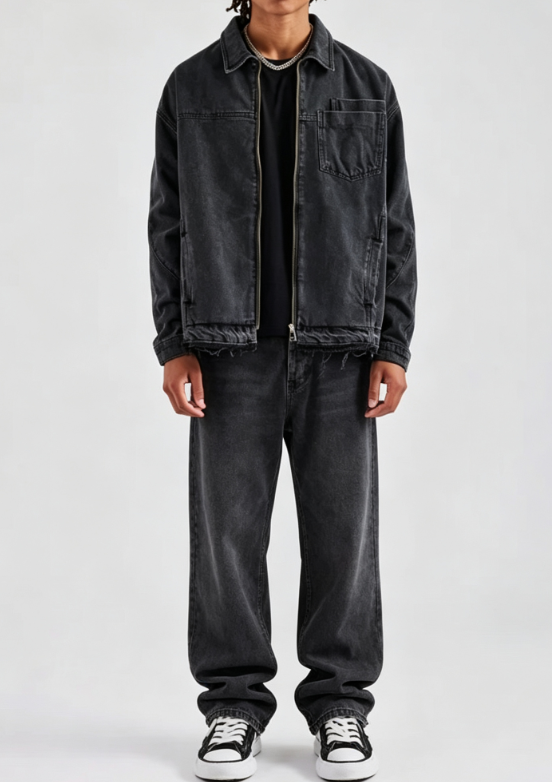
Custom Denim Sets
Mens denim suits wholesale programs combine coordinated denim jackets, overshirts, jeans or shorts with consistent fabric, wash and trim specifications. We manage sampling, grading and production records to support matching sets, seasonal drops and repeat orders.
Request a Quote
Custom Polo Shirts
Custom polo shirts produced in pique, jersey or performance knits with specified collar, placket, cuff and logo treatments. We support fit development, embroidery, printing, labels and packaging for uniforms, retail collections and branded wholesale programs.
Request a Quote
Custom Sweatpants
Custom sweatpants developed in fleece, French terry or performance fabrics with defined rise, taper, waistband and cuff construction. Graded patterns help maintain comfort and proportion across standard, extended-size and oversized size runs.
Request a Quote
Custom Shorts
Custom shorts manufactured in jersey, fleece, twill, denim or woven performance fabrics. Choose inseam, pocket configuration, waistband, lining, decoration and branded trims, then validate measurements through samples before low-MOQ or scaled bulk production.
Request a Quote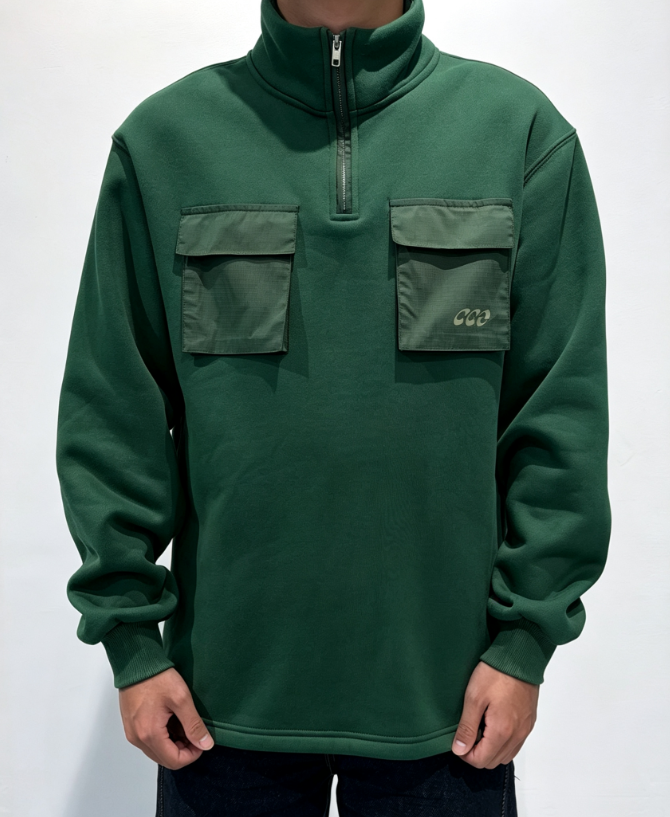
Custom Pullovers
Custom pullovers developed across knitwear, fleece and jersey constructions for fashion and casualwear collections. We translate a tech pack, reference garment or concept into production-ready patterns, XS–3XL grading, samples, decoration and private-label finishing.
Request a QuoteMens Pullover Manufacturer Yarn & Fabric Options

Cotton Knit Yarn
A breathable, naturally soft option for everyday crewnecks and lightweight pullovers. Cotton knit yarn offers a clean hand feel and reliable moisture absorption, with gauge and yarn count adjusted for desired weight and structure.

Merino Wool Blend
A refined choice for premium seasonal pullovers with warmth, softness and a polished surface. Merino wool blends provide natural temperature regulation and can be engineered with nylon or acrylic for improved resilience and shape retention.

Cashmere Blend Yarn
Designed for elevated private-label pullovers, cashmere blends create a notably soft, lightweight hand feel with comfortable warmth. Blending cashmere with wool or nylon improves durability while helping maintain a luxurious finish through regular wear.

Viscose Nylon Blend
A smooth, fluid knit suitable for modern fitted or refined fashion pullovers. Viscose adds softness and drape, while nylon strengthens the construction, helping finer-gauge garments recover well and retain a cleaner silhouette.

Cotton Acrylic Blend
A versatile yarn option for accessible fashion collections and dependable repeat programs. Cotton acrylic blends balance a familiar soft hand feel with lighter cost control, color consistency and improved dimensional stability after washing.

Recycled Polyester Blend
A durable option for performance-inspired or sustainability-focused pullovers. Recycled polyester blends offer quick-drying performance, strong color retention and resistance to creasing, while yarn blends can be tuned for stretch, warmth or a softer hand.
Mens Pullover Manufacturer Decoration & Finishing

Logo Embroidery
Flat, 3D puff, chain-stitch, and applique embroidery create a premium dimensional logo treatment. Stabilized placement and thread selection help branded pullovers retain clean definition, color, and structure through repeated wear and washing.

Screen Printing
Plastisol, water-based, puff, silicone, high-density, foil, flocking, and discharge printing support bold graphics across fleece and jersey pullovers. JUNSHEEN matches ink systems to fabric and artwork for strong coverage, stretch, and wash durability.

Custom Knit Structures
Rib, cable, jacquard, textured, and engineered knit constructions add depth directly through the garment. Our knitwear team develops yarn, gauge, and stitch combinations that deliver the intended weight, recovery, drape, and visual character.

Garment Washing
Enzyme, softening, garment-dye, acid-wash, stone-wash, and anti-pilling treatments create worn-in color, softer hand feel, or a more refined surface. Test samples confirm shade consistency, shrinkage, and the desired vintage or elevated finish.

Brushing and Napping
Brushing and napping raise fibers to produce a warmer, softer interior or exterior surface. This finishing option is ideal for fleece pullovers when brands want a plush hand feel while maintaining dependable comfort and appearance.
Custom Trims, Labels and Packaging

Woven Brand Labels
Custom woven main labels, size labels, and wash-care labels give men’s pullovers a consistent brand identity. Choose woven, printed, leather, or specialty label options matched to your neckline construction, yarn, and target price point.

Custom Drawcord Tipping
Add cotton, polyester, braided, or flat drawcords with custom aglets, tipping, and color matching for hooded pullovers. This detail improves function while carrying your brand palette through the hood, hem, or neckline finish.

Zippers and Snaps
Specify branded zippers, metal snaps, buttons, or concealed closures for quarter-zips, half-zips, cardigans, and hybrid pullover styles. JUNSHEEN helps match hardware finish, puller shape, durability, and placement to the garment design.

Embroidered Logo Patches
Use woven badges, embroidered patches, chenille, applique, or leather patches to create distinctive chest, sleeve, hem, or back-neck branding. Each option can be developed to complement the pullover fabric, stitch density, and intended wash performance.

Retail Ready Packaging
Finish each order with custom hang tags, polybags, barcode stickers, tissue paper, cartons, and branded packaging. Retail-ready packing supports cleaner receiving, wholesale presentation, and a more polished unboxing experience for your customers.
Your Mens Pullover Manufacturer
Founded in 2010 in Humen Town, Dongguan, JUNSHEEN helps fashion brands turn pullover concepts into production-ready collections. Our mission is to provide responsive, dependable apparel manufacturing for emerging labels, independent designers, wholesalers and established global brands.
With more than 200 skilled workers and monthly capacity above 80,000 units, we support launches from 100 units per style and color through scalable repeat programs. Our experienced team combines cut-and-sew and knitwear production with product development, fabric sourcing, sampling and export coordination.
As a mens pullover manufacturer, JUNSHEEN manages the supply chain in one place: fit-focused XS–3XL grading, yarn and fabric selection, embroidery, printing, washing, labels, trims, packaging and quality control. This integrated approach gives brands clearer development decisions and more consistent bulk production.

Mens Pullover Manufacturer: Fit-First Development at Scale
XS–3XL Pattern Engineering
JUNSHEEN develops men’s pullovers with proportion-led patterns from XS through 3XL, including extended-size and oversized programs. Our pattern makers refine shoulder balance, sleeve length, body shape, mobility, and grading increments instead of simply enlarging a base size.
- Fit review for regular, oversized, and extended-size silhouettes
- Graded size sets built for consistent proportions
- Prototype and pre-production approval support
- Manufacturability feedback before bulk production

Material Sourcing With Purpose
Select yarns and fabrics around the hand feel, weight, durability, stretch, wash performance, and target cost your collection requires. As a mens pullover manufacturer, JUNSHEEN sources sweater constructions, cotton blends, wool options, performance knits, and recycled materials through an established supplier network.
- Swatches and sample garments available for review
- Fabric recommendations matched to your target market
- Options for knitwear, fleece, French terry, and blends
- Material records retained for repeat programs
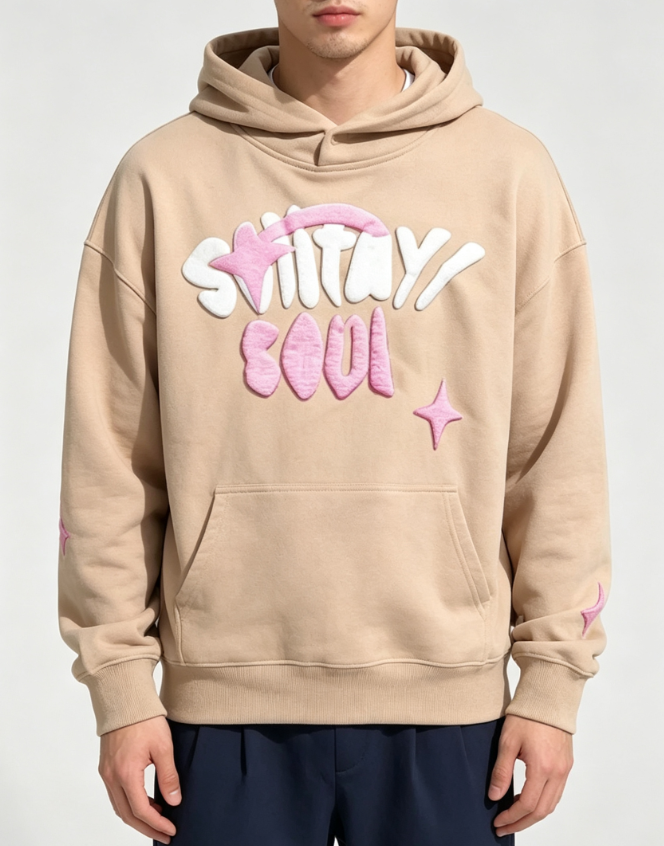
Integrated Decoration and Branding
Keep pullover decoration, finishing, trims, and private-label details coordinated within one production supply chain. JUNSHEEN integrates embroidery, screen printing, patches, garment washes, labels, hang tags, custom hardware, and branded packaging to help each style arrive retail-ready.
- Flat, puff, chain-stitch, and applique embroidery
- Screen print, DTF, DTG, silicone, and foil effects
- Custom labels, drawstrings, zippers, and rib trims
- Branded packaging and final presentation support

Controlled Repeat-Order Production
From a 100-unit launch to scalable bulk replenishment, JUNSHEEN maintains retained patterns, graded size sets, and material records to improve consistency. Incoming-fabric, in-line, measurement, decoration, and final-pack inspections help protect approved standards across repeat mens pullover manufacturer programs.
- Low MOQ from 100 units per style and color
- 200+ skilled workers and 80,000+ monthly capacity
- Quality checks from material receipt through packing
- Global export support for ongoing brand programs

Why Brands Choose JUNSHEEN Over Typical Suppliers
A mens pullover manufacturer built for fit accuracy, clear development, and dependable scale.
← 左右滑动查看 →
Mens Pullover Manufacturer Production Process
A controlled development and production path for custom knitwear and cut-and-sew pullover programs, from first specification review through export-ready delivery.
Review Feasibility and Specs
Our team reviews your tech pack, reference, fit targets, decoration needs, target price, and 100-unit MOQ requirements before recommending a practical production route.
Source Yarn and Materials
We select yarns, knit constructions, fabrics, ribs, trims, and labels for required hand feel, weight, durability, wash performance, and brand positioning.
Develop Patterns and Samples
Pattern makers build XS–3XL grading and refine proportions, then produce prototype samples for fit, construction, color, logo placement, and material approval.
Knit and Cut Production
Approved orders move into knitting or cut-and-sew production, with coordinated embroidery, printing, washing, finishing, and private-label component application.
Inspect, Pack and Ship
Quality teams inspect measurements, fit, construction, decoration, and packed goods before branded packaging, export documentation, and global shipment are arranged.
How to Work With Our Mens Pullover Manufacturer Team
Move from a tech pack or concept to approved samples and dependable bulk production with clear commercial and technical guidance.
Share Your Product Brief
Send a tech pack, sketch, reference garment, mood board, or concept with target quantities, size range, fabric preferences, logo details, and delivery requirements.
Review Feasibility Together
Our OEM team evaluates construction, yarn or fabric options, fit requirements, decoration, trims, and 100-unit MOQ feasibility, then recommends practical production refinements.
Approve Samples and Quote
Review prototype samples, measurements, grading, hand feel, and finishing. Once specifications are confirmed, approve the quotation, lead time, payment terms, and pre-production details.
Launch Bulk Production
We source approved materials, manage knitting or cut-and-sew production, inspect quality in line and before packing, then coordinate export-ready shipping for your order.
Custom Clothing Manufacturer Credentials and Compliance Documents



Results From Our Mens Pullover Manufacturer Clients
JUNSHEEN turned our oversized knit capsule from sketches into a 300-unit launch with consistent fit across XS–3XL. The first size set needed only one revision, helping us approve bulk production two weeks earlier than planned.
For our private-label pullover program, the team matched our target hand feel and logo embroidery on the second sample. We sold through 68% of the first 500 units in six weeks and reordered in two additional colors.
Their grading work solved the sleeve and shoulder issues we had with our previous supplier. Customer fit-related returns dropped from 11% to 4% after our 1,200-unit men’s pullover delivery.
Mens Pullover Manufacturer FAQ
Clear answers on MOQs, sampling, fit development, production, payment and global delivery.
What is the minimum order quantity for a mens pullover manufacturer?
Can a mens pullover manufacturer make samples before bulk production?
How long does custom pullover sampling and bulk production take?
Can you develop men’s pullovers in XS to 3XL or plus sizes?
What files and information do I need to start with a mens pullover manufacturer?
What payment terms do you offer for custom pullover orders?
Do you ship custom men’s pullovers internationally?
How does JUNSHEEN protect my designs and brand details?
Can you handle labels, embroidery, printing and packaging in one order?
Complete Guide to mens pullover manufacturer Selection
Use this practical decision framework to evaluate supplier capabilities, compare fabrics and customization methods, control costs, and avoid the production mistakes that delay a successful men’s pullover launch.
1. What Is a mens pullover manufacturer?
100 units per style and color is a practical entry point for a mens pullover manufacturer serving capsule collections, while established programs may run into thousands. The manufacturer turns an approved concept into production-ready garments by coordinating fabric, patterns, cutting or knitting, assembly, trims, quality checks, packing, and export. Two production models matter most: a cut-and-sew factory cuts panels from fleece, French terry, jersey, or woven fabric before sewing; a knitwear specialist engineers the garment from yarn on flat-knitting equipment. A private-label supplier may add labels, hang tags, packaging, and stock-based blanks, whereas a trading company primarily coordinates outside factories and should identify the actual production site. 1 complete tech pack normally specifies a flat sketch, measurements, graded size range, fabric composition and GSM, Pantone colors, stitch details, artwork placement, trims, labels, and packaging. Buyers should also state target quantity, color count, destination, testing or compliance needs, and required delivery date before requesting a quotation. 3 approvals control the handoff from development to bulk: the prototype confirms the concept, the size set validates grading, and the pre-production sample locks the approved construction and finish. The buyer then confirms MOQ and purchase order terms, reviews production updates, approves final inspection standards, and clears the balance before final shipment.
2. Evolution of Mens Pullover Manufacturing
In the 1990s, mens pullover production was still commonly tied to local knitting mills, seasonal buying calendars, and large color commitments. Computerized flat-bed knitting, circular knitting, and automated linking progressively made repeatable gauges, stitch programs, and rib configurations easier to reproduce across global supply chains. From 2000 onward, fabric development became part of the manufacturing decision rather than a separate mill transaction. Ring-spun cotton, French terry, brushed fleece, enzyme washing, anti-pilling treatments, and garment dye gave brands more control over hand feel, shrinkage, color depth, and wash performance before a pullover reached bulk production. Today, a 100-unit-per-style-and-color starting point can suit capsule launches that once would have required far larger commitments. Digital tech packs, Pantone references, pattern files, virtual approvals, and retained grading records let an agile mens pullover manufacturer move from concept to sample with fewer interpretation gaps, while private-label trims, labels, packaging, and decoration keep the finished garment recognizably the brand’s own. For modern sourcing teams, the practical shift is from buying a generic sweater to managing a repeatable product system. A supplier should combine knit or cut-and-sew capability with sampling, fit refinement, fabric testing, decoration coordination, and production controls so smaller runs can scale without rebuilding the specification each season.
3. Types of mens pullover manufacturer
Six supplier models can produce a pullover, but they distribute design ownership and technical work differently. A mens pullover manufacturer should be selected by the completeness of your specification, not only its quoted unit price.
| Model | Creative Control | Development Support | Best Fit |
|---|---|---|---|
| OEM | Buyer-led | Specification execution | Established retailer |
| ODM | Shared | Existing styles adapted | New label |
| Private label | Limited | Branding and variants | Fast launch |
| Full package | Buyer-approved | End-to-end development | Concept-stage brand |
| Knitwear factory | Product-specific | Yarn and gauge expertise | Sweater program |
| Cut-and-sew factory | Buyer-led | Patterns and sampling | Casualwear program |
OEM And ODM
OEM follows a buyer-owned tech pack, approved pattern, fabric, and trims; creative control remains with the brand. ODM starts from supplier-developed blocks or styles, reducing development time but limiting exclusivity.
Private Label And Full Package
Private label applies your labels, packaging, and selected colorways to an existing or adapted garment program. Full-package production adds sourcing, pattern making, grading, samples, and production coordination for a sketch or concept.
Specialist Factory Boundaries

Knitting factories excel at fully fashioned sweaters, gauge selection, and yarn programs, but may not handle fleece cut-and-sew construction. Cut-and-sew casualwear factories are better for jersey, French terry, fleece, rib, prints, washes, and embroidered pullovers.
Matching The Buyer Stage
At a 100-unit style-and-color starting point, a new label usually benefits from ODM adaptation or full-package support. Established retailers with proven fit blocks generally gain more control and repeatability through OEM.
4. Mens Pullover Materials and Fabrics
Fabric weight and fiber blend determine whether a pullover feels premium, survives repeat laundering, and accepts decoration cleanly. A mens pullover manufacturer should approve swatches, wash results, and target GSM before sampling.
| Fabric | Hand And Warmth | Durability And Printability | Cost Position |
|---|---|---|---|
| Ring-spun cotton | Soft; breathable | Good print surface; manage shrinkage | Mid |
| French terry | Loopback; moderate warmth | Durable; strong for prints | Mid |
| Fleece / brushed fleece | Warm; plush | Test shedding and print face | Mid-high |
| Cotton-poly blend | Balanced; faster drying | Strong retention; test migration | Low-mid |
| Recycled/performance blend | Variable; technical | Verify recovery and certification | Mid-high |
Fiber And Surface Choices
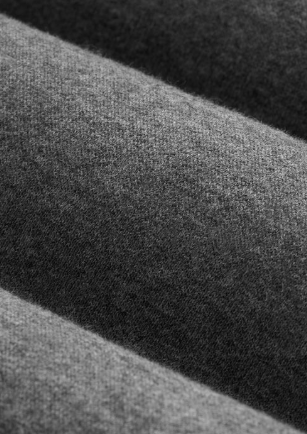
100% ring-spun cotton gives a soft, breathable hand and excellent water-based or screen-print results, but usually needs shrinkage control. Open-end cotton costs less but feels drier and may pill sooner. French terry has unbrushed loops for breathable midweight comfort; fleece is warmer with a brushed interior. Brushed fleece offers the plushest winter hand, although heavy brushing can increase shedding and print-surface variability.
GSM By Product Use

240–280 GSM suits spring pullovers, layering pieces, and indoor retail programs. 280–320 GSM is a versatile all-season range for standard hooded or crewneck styles. 320–420 GSM supports premium winter, oversized, and cold-climate products. Confirm finished-garment GSM after washing, because shrinkage and brushing alter weight and dimensions.
Blend And Cost Decisions
80/20 or 70/30 cotton-polyester blends improve abrasion resistance, shape retention, and drying speed while reducing cotton cost exposure. Higher polyester content can reduce breathability and needs print tests for dye migration. Recycled polyester and recycled cotton support material-positioning goals, but fiber consistency, certification scope, and color availability require early sourcing checks. Performance blends with elastane or mechanical stretch suit active silhouettes, yet add cost and make recovery testing essential.
5. Customization and Decoration Options
100-unit style-and-color programs make customization decisions early: silhouette, hood, pocket, rib, and colorway changes affect patterns, material yields, and approvals. A capable mens pullover manufacturer should sample decoration with the intended fabric and wash before bulk release.
| Technique | Impact / Branding | Best Fabric | MOQ / Sampling | Durability | Approval Need |
|---|---|---|---|---|---|
| Embroidery | Premium, dimensional | Fleece, knit | 100-unit program; stitch-out | High | Thread colors and placement |
| Screen Printing | Bold, scalable graphics | Jersey, fleece | 100-unit program; strike-off | High | Ink, color, wash test |
| DTG | Detailed artwork | High-cotton jersey | Best for small graphics; print test | Medium-high | Artwork and wash test |
| Heat Transfer | Sharp multicolor logos | Smooth fleece, jersey | Small runs; transfer test | Medium | Stretch and peel test |
| Appliqué | Heritage texture | Fleece, sweater knits | Cut sample required | High | Edge finish and stitch test |
Silhouette And Component Choices

3 core blocks—regular, oversized, and cropped—need separate shoulder, sleeve, and body proportions rather than simple scaling. Pantone colorways, contrast rib trims, kangaroo or welt pockets, and double-layer hoods should be confirmed on a fit sample; fleece and French terry react differently after washing.
Washes And Private Label

280–400 GSM fleece can receive enzyme softening, anti-pilling treatment, garment dye, acid wash, or brushing, with each finish tested for shrinkage and color migration. 100-unit runs can carry woven main labels, size and care labels, hangtags, and branded packaging; confirm label placement and carton requirements in the pre-production sample.
Decoration Selection
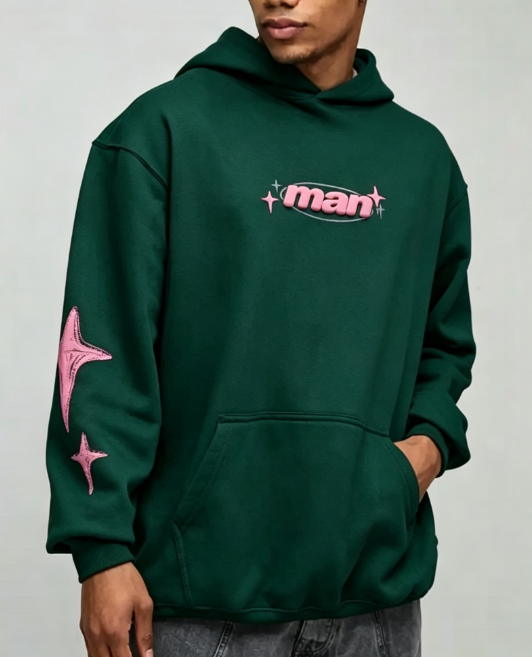
1 approved strike-off per color is prudent for screen printing, DTG, heat transfer, embroidery, and appliqué. Decoration placement, stitch count, ink coverage, and wash testing determine both cost and perceived brand level.
6. Pullover Construction Quality Essentials
280–360 GSM fleece or French terry needs controlled weight and finish across every roll, not simply a satisfactory prototype. For a mens pullover manufacturer, measurable construction checks keep the approved sample consistent in bulk.
| Checkpoint | Sample Request | Pre-Shipment Check |
|---|---|---|
| Fabric weight | Declared GSM and tolerance | Roll-to-roll consistency |
| Pockets | Placement measurements | Left-right alignment |
| Fit | Graded size chart | Random measurement audit |
Fabric And Seam Control

5% is a practical GSM tolerance to specify between approved fabric and bulk test results; also compare shade, brushing, and hand feel by roll. 5–6 stitches per centimeter is a useful starting specification for sweatshirt seams. Request stretch testing on shoulder, armhole, and side seams, plus clean coverstitching without skipped stitches or tunneling.
Rib, Collar And Fit Retention

2×2 rib at cuffs and hem should recover after repeated extension without permanent waviness. Approve collar depth, rib width, and neck-opening measurement before size-set production. XS–3XL grading requires proportional changes to body width, sleeve length, shoulder balance, and cuff circumference. Ask for a graded measurement chart and wash-tested samples, not a scaled-up base size.
Sampling And Final Inspection

3 wash-and-dry cycles on the sample expose shrinkage, twist, pilling, and collar distortion before bulk fabric is committed. Record the wash method, dimensional change, and acceptable pilling standard in the approval file. AQL 2.5 final inspection is a common benchmark for general garment defects. Check measurements, pocket symmetry, decoration placement, loose threads, stains, packed quantities, and carton markings against the approved sample.
7. How to Choose a mens pullover manufacturer
A capable mens pullover manufacturer should prove repeatable fit, fabric control, and delivery discipline before you approve development. Compare evidence, not promises: the right supplier can explain its process, limits, and cost assumptions clearly.
| Evaluation Area | Question To Ask | Proof To Request |
|---|---|---|
| Relevant experience | Have you made comparable pullovers? | Recent samples and references |
| Capacity and MOQ | Can you support launch and repeat volume? | MOQ sheet and production plan |
| Compliance | Which standards apply to this order? | Current audit or certification records |
| Quotation | What is excluded from unit pricing? | Itemized quote and Incoterms |
Verify Product And Factory Fit
100-unit color-and-style minimums can suit capsule labels, while larger programs need documented monthly capacity and backup planning. 3 recent pullover samples should show relevant gauges, fleece weights, rib recovery, neck construction, and wash results rather than unrelated apparel.
- Ask for factory audit or business registration
- Request production-line and equipment photos
- Check buyer references or repeat-order examples
Test Development Communication
1 complete tech-pack review should return measurements, construction risks, fabric options, sample timing, and unanswered questions in writing. 2 sample rounds are common when fit or decoration is new; require approval comments, graded specs, and a sealed pre-production sample before bulk cutting.
- Confirm one accountable project contact
- Request Pantone and trim approvals
- Set response and revision deadlines
Audit Materials And Quality

280–400 GSM fleece or French terry requires confirmed composition, shrinkage testing, color continuity, and pilling expectations before purchase-order release. A quality plan should define incoming-fabric checks, in-line measurements, final AQL inspection, packing checks, and defect reporting. Request applicable OEKO-TEX, GOTS, WRAP, or BSCI documentation where your market requires it.
- Request fabric swatches and test reports
- Confirm lot, shade, and substitution controls
- Ask who pays for approved rework
Compare Commercial Evidence
30–45 day bulk timelines may start only after materials, sample approval, and deposit are complete, so quote each milestone separately. 1 transparent quotation separates fabric, trims, decoration, sampling, packaging, freight terms, taxes, and tolerance assumptions; it prevents a low unit price from masking exclusions.
- Request Incoterms and shipment method
- Confirm payment milestones in writing
- Obtain validity period and change-order rules
8. Common Mens Pullover Sourcing Mistakes
Eight recurring errors can turn a viable mens pullover manufacturer program into delayed deliveries, unexpected rework, or unusable inventory. Catch them during development, before fabric is committed and production capacity is booked.
Incomplete Technical Specifications
A tech pack without a measurement chart, Pantone references, construction callouts, and bill of materials forces factory assumptions. The consequence is sample drift; prevent it with approved artwork, graded specs, stitch details, and revision-controlled comments. A tolerance of ±1–2 cm should be stated for key points such as chest, body length, and sleeve length. Unstated tolerances create disputes after cutting, so confirm inspection points before the pre-production sample.
Price-Only Factory Selection
A quote 15% below comparable offers may omit fabric weight, wash processing, labels, testing, or export packaging. The operational result is change orders or weaker garments; compare like-for-like specifications and request a cost breakdown. A 100-unit MOQ can be practical only when color, size ratio, and decoration complexity are confirmed. Prevent shortages by asking whether the MOQ applies per style, color, fabric, or total order.
Rushed Sample Approval
One unworn approval sample cannot reveal shrinkage, twisting, pilling, or print cracking after laundering. Require wash tests and a measured post-wash review using the intended care method before bulk approval. Two fitted reviewers should assess shoulder balance, sleeve length, and mobility across the relevant size range. For extended sizes, approve a size set rather than scaling up a single base sample.
Packaging And Freight Gaps
A finished pullover needs agreed folding, polybag warnings, barcode placement, carton dimensions, and carton marks. Overlooking these details can trigger retailer chargebacks or repacking, so approve a packed-carton sample. Freight bookings often require final carton counts, weights, commercial invoices, and destination requirements before pickup. Plan the shipping mode and delivery window early, then retain production time for inspection and balance settlement.
9. Launching With a Mens Pullover Manufacturer
A launch succeeds when commercial timing and technical approval move together. A mens pullover manufacturer should receive a defined customer, retail window, target cost, quantity, fit direction, and delivery destination before development begins.
Brief, Tech Pack, And Quote
100 units per style and color can support a capsule launch, but only after the brand fixes color count, size range, decoration, and packaging. State the target wearer and whether the fit is regular, oversized, or extended-size. 1 complete tech pack should specify Pantone colors, measurements, BOM, artwork placement, construction, labels, and wash requirements. Review fabric swatches and the quotation together; approve only when cost, MOQ, and margin still work.
Prototype And Fit Gates
1 prototype tests the pattern, fabric hand, shrinkage, decoration, and construction before bulk materials are committed. Measure it against the tech pack after washing, then record every change in a single revision file. 1 fit sample is the decision gate for shoulder balance, body length, sleeve length, and grading from XS through 3XL. Do not authorize production from verbal approval; issue a dated pre-production approval with sealed sample references.
Production Calendar And Delivery
12 to 20 weeks is a practical planning window for a seasonal program when development, fabric booking, sampling, production, and international transit are included. Work backward from the warehouse-ready date, not the campaign date. 3 checkpoints keep the schedule credible: material approval before cutting, in-line inspection during sewing, and final inspection of measurements, decoration, and packed goods. Reserve shipping time for customs and destination delivery, then keep approved patterns and material records for repeat orders.
10. Mens Pullover Manufacturer Pricing and Costs
100 units per style and color is JUNSHEEN’s practical entry point for a capsule pullover program. Indicative ex-factory pricing commonly begins around US$12–22 for a straightforward cotton-blend fleece style, but a mens pullover manufacturer can quote accurately only after reviewing the approved tech pack, graded measurements, fabric, artwork, labels, packaging, order quantity, and shipping destination. 280–420 GSM is a major price lever: heavier brushed fleece, premium ring-spun cotton, organic or recycled content, and yarn-dyed stripes raise material and handling costs. Puff embroidery, multi-color screen prints, silicone effects, custom rib, YKK-equivalent hardware, garment washing, and individual retail packaging should be costed separately rather than assumed in a base garment price. 7–21 days is a typical sampling window after materials and specifications are confirmed; bulk lead time often follows at 30–45 days, subject to fabric availability and approval speed. Freight is not part of ex-factory cost: compare air, express, rail, and sea options using packed-carton dimensions, chargeable weight, Incoterm, duties, and final destination.
| Order quantity | Indicative ex-factory unit price | Typical bulk lead time | Main cost sensitivity |
|---|---|---|---|
| 100–299 units | US$12–28 | 35–50 days | Sampling allocation, low-volume fabric and decoration setup |
| 300–999 units | US$10–22 | 30–45 days | GSM, print colors, embroidery stitches, custom labels |
| 1,000+ units | US$8–18 | 30–45 days | Fabric yield, color count, packing specification, freight mode |
Start Your Custom Men’s Pullover Project
Send your tech pack, reference garment, or product idea for a tailored quotation from a fit-focused mens pullover manufacturer.