
Knitwear Manufacturer for Fit-Focused Private-Label Brands
JUNSHEEN is a knitwear manufacturer offering 100-unit MOQs, OEM/ODM development, XS–3XL grading and scalable global production.
Featured Products for knitwear manufacturer Development
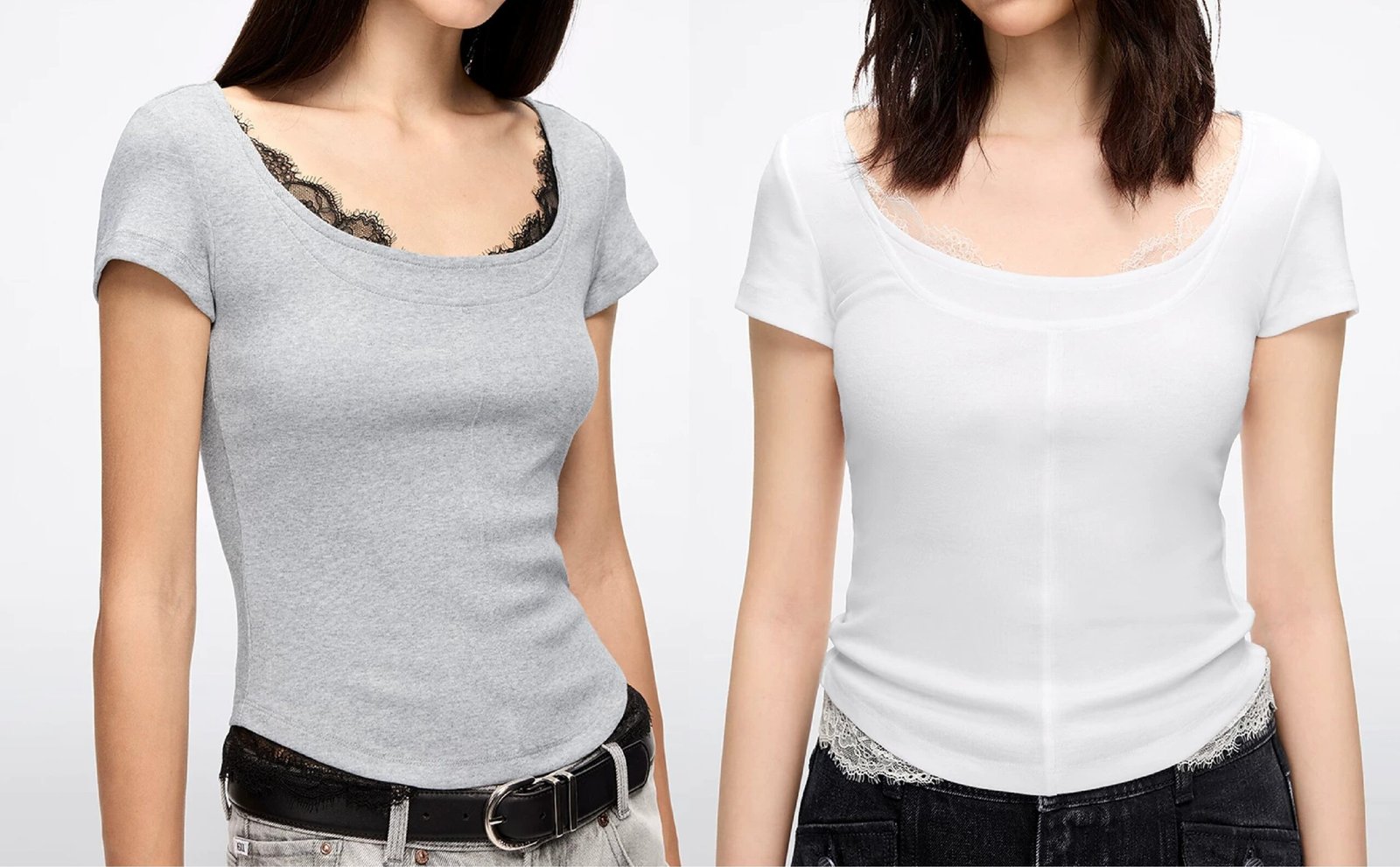




Related Knitwear Product Catalogue and Quotation




Knitwear Manufacturer Built for Reliable Development at Scale
From low-MOQ sampling to repeat bulk programs, JUNSHEEN combines fit-focused development, integrated production and export-ready support.
100-Unit Starting MOQ
Launch knitwear capsules from 100 units per style and color, then scale proven designs into ongoing bulk production.
Fit-Led XS–3XL Grading
Pattern makers refine proportions, mobility and grading increments for standard, extended-size, plus-size and modern oversized knitwear.
Integrated Product Development
Turn a tech pack, sketch or reference sample into production-ready knitwear with yarn, construction, pattern and sampling support.
Branding and Decoration
Add logo embroidery, patches, labels, hang tags, custom trims and branded packaging through one coordinated manufacturing partner.
Controlled Quality and Export
In-line inspections, measurement checks and final packed-goods control help protect consistency before global shipment support begins.
Knitwear and Apparel We Manufacture
From fit-focused knitwear to denim, outerwear and casual essentials, Junsheen develops scalable private-label programs from 100 units per style and color.

Custom Hoodies
Develop custom hoodies in fleece, French terry or jersey with refined XS–3XL grading. Choose pullover or zip styles, custom weights, rib trims, pockets, embroidery, screen printing, washes, labels and branded packaging for capsule or bulk programs.
Request a Quote
Custom T-Shirts
Produce custom T-shirts in combed cotton, Pima cotton, organic cotton or blended jersey. Junsheen supports fit development, fabric weight selection, oversized and extended-size grading, screen printing, DTG, DTF, embroidery, labels and retail-ready finishing.
Request a Quote
Custom Jeans
Build custom jeans in rigid, stretch or washed denim with development support for silhouettes, rises, pocket details and grading. Programs can include custom hardware, logo trims, embroidery, garment dye, stone wash, acid wash and private-label packaging.
Request a Quote
Custom Sweaters
Source turtle neck sweaters in bulk with knit constructions matched to your target hand feel, weight and price point. Junsheen develops crew, mock-neck and turtleneck styles with fit-focused grading, custom yarn blends, rib details, labels and export-ready packing.
Request a Quote
Custom Jackets
Develop custom jean jackets and other woven outerwear in denim, twill or stretch denim. Specify washes, seams, pockets, hardware, patches, embroidery, printing, branded buttons and fit adjustments from XS through 3XL.
Request a Quote
Custom Sweatshirts & Crewnecks
Produce custom crewneck hoodies, sweatshirts and crewnecks in French terry, fleece or jersey. Development covers necklines, rib proportions, oversized fits and extended-size grading, with print, embroidery, wash, label and packaging options managed in one supply chain.
Request a Quote
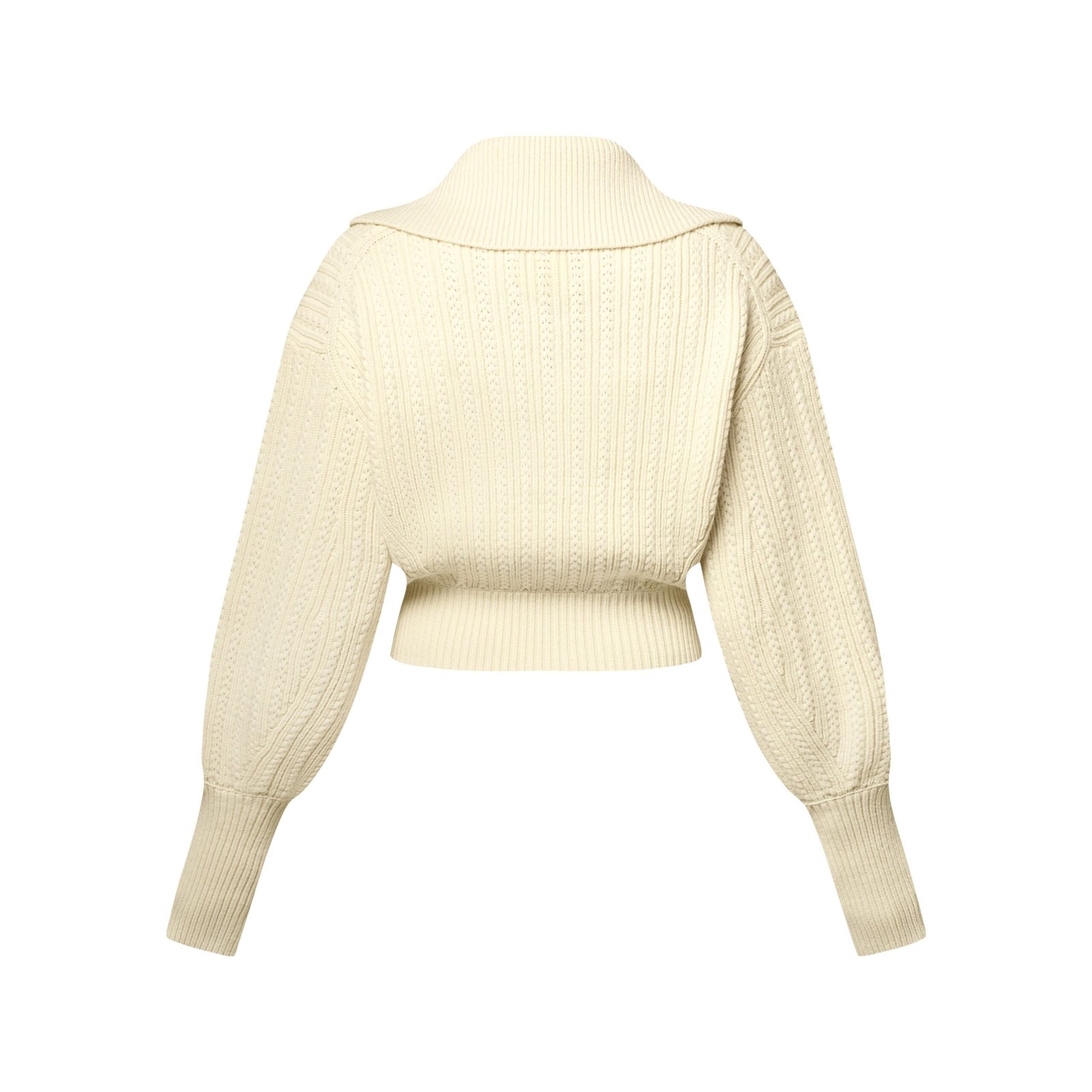
Custom Cardigans
Create custom cardigans in sweater knits with selected yarns, gauges, button closures and rib structures. Junsheen supports cropped, classic and oversized proportions, XS–3XL grading, logo embroidery or patches, custom labels and coordinated knitwear programs.
Request a Quote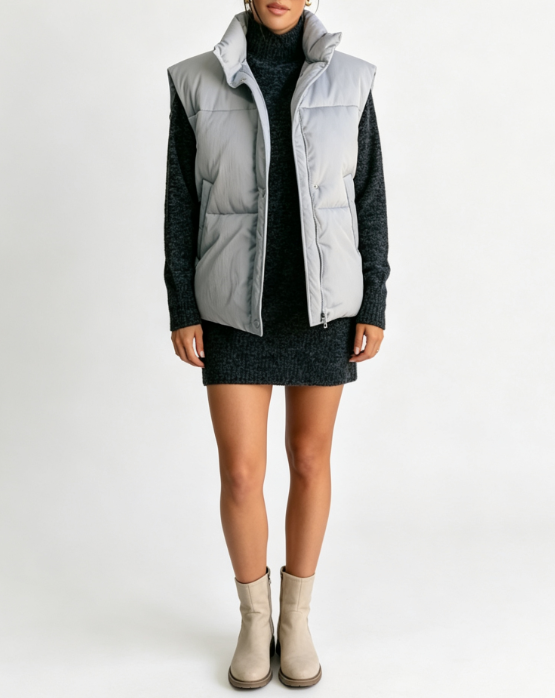
Custom Puffer & Down Jackets
Manufacture custom puffer jackets with shell, lining, insulation, quilting and trim specifications aligned to your market. Development can include water-resistant fabrics, custom zippers, reflective details, embroidery, labels, packing and fit review before bulk production.
Request a Quote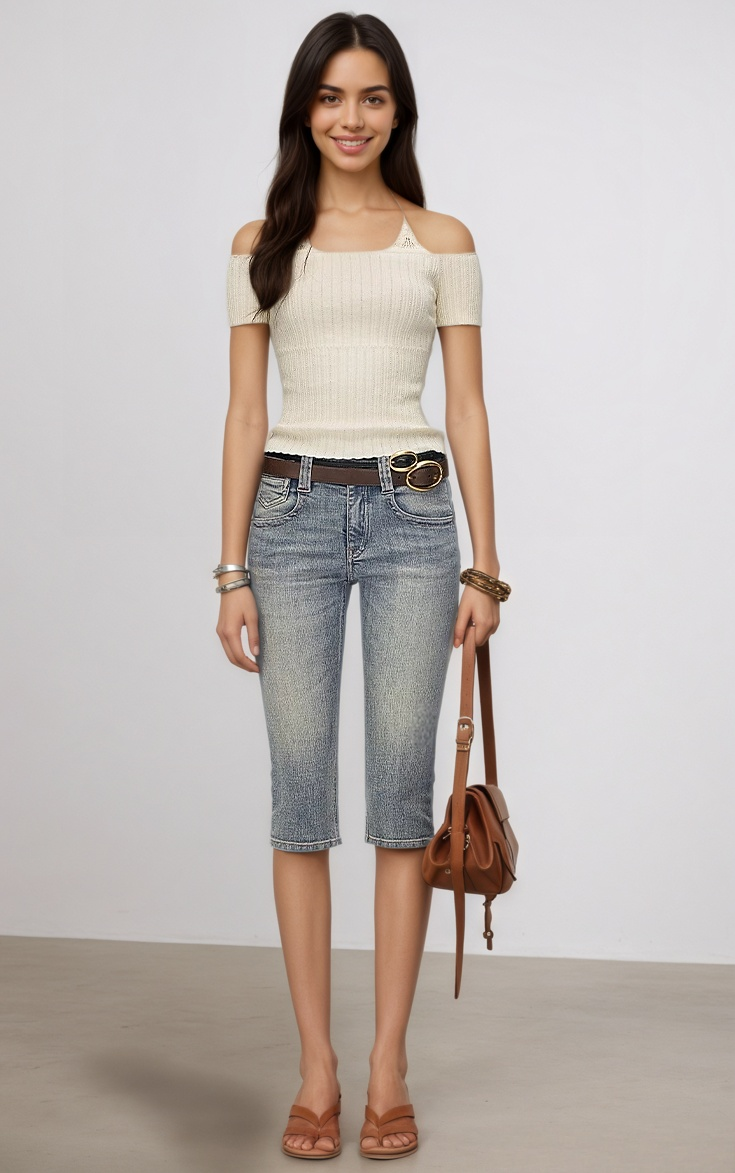
Custom Denim Shorts
Produce custom jean shorts in rigid or stretch denim with tailored inseams, rises and pocket construction. Choose raw hems, distressing, garment washes, hardware, embroidery, patches and branded trims, supported by consistent size grading for repeat production.
Request a Quote
Custom Sweater Dresses
Develop custom sweater dresses in fitted, relaxed or oversized knit silhouettes. Junsheen helps define yarn composition, gauge, length, neckline, rib details and XS–3XL proportions, then manages labels, embellishment, sampling and bulk production.
Request a Quote
Custom Denim Sets
Build mens denim suits wholesale programs including coordinated denim jackets, overshirts, jeans and trousers. Junsheen aligns fabric, wash, color and hardware across the set, with pattern development, size grading, branding components and scalable production support.
Request a Quote
Custom Polo Shirts
Manufacture custom polo shirts in pique, jersey or performance knit fabrics. Specify collar construction, plackets, sleeve ribs, contrast details and embroidery, while Junsheen supports size grading, fabric sourcing, private labels and global shipment preparation.
Request a Quote
Custom Sweatpants
Produce custom sweatpants in fleece, French terry or jersey with jogger, straight-leg or relaxed fits. Development includes waistband construction, drawstrings, pockets, rib cuffs, print or embroidery placement, XS–3XL grading and coordinated sweatshirt sets.
Request a Quote
Custom Shorts
Create custom shorts for casualwear, fleece, jersey, twill or denim programs. Junsheen develops inseams, rises, waistbands, pockets and fit across the size range, with custom trims, printing, embroidery, washes, labels and branded packaging.
Request a Quote
Custom Pullovers
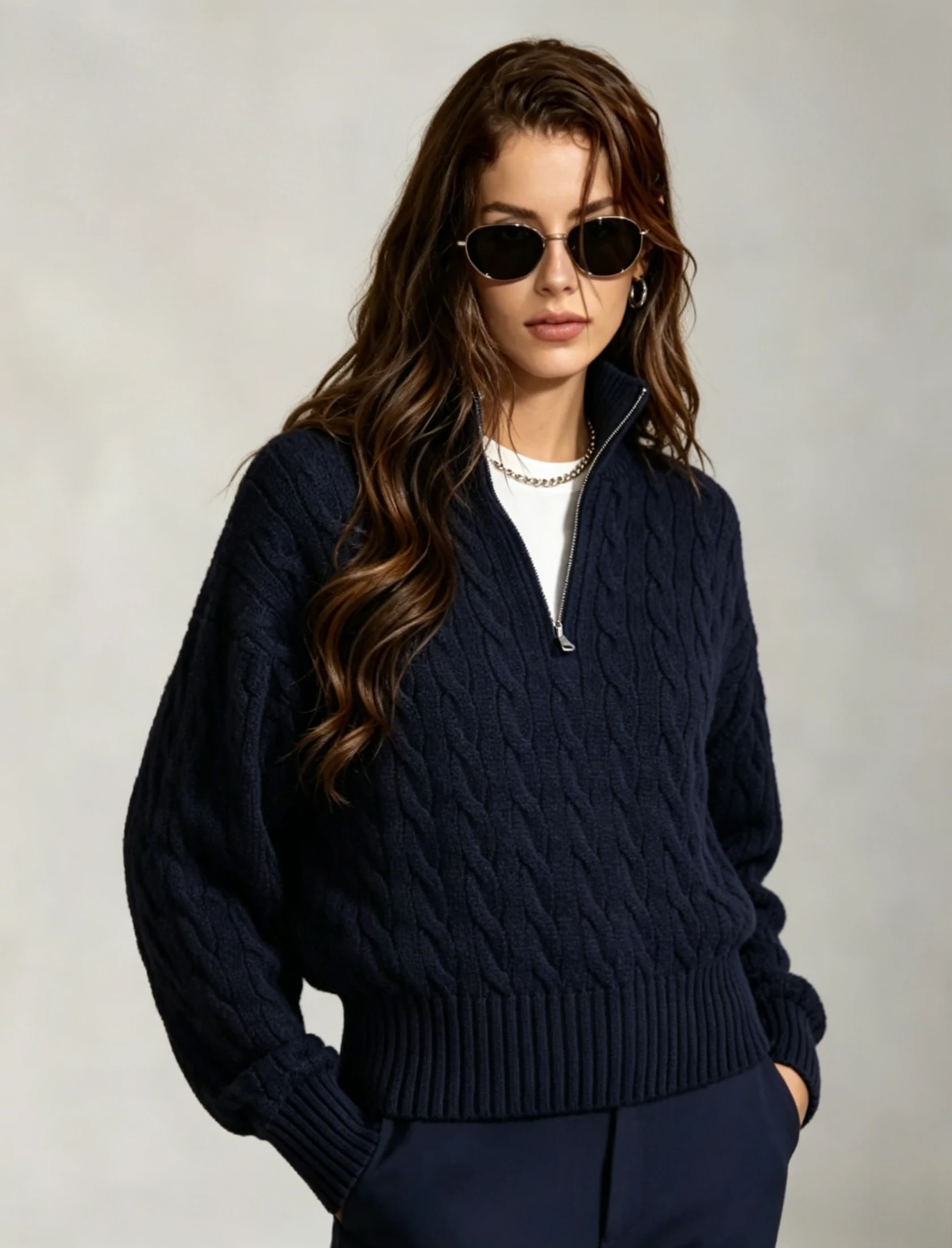
Develop custom pullovers in sweater knit, fleece, French terry or jersey constructions. From quarter-zip and mock-neck to classic crew styles, Junsheen supports fabric selection, pattern development, fit grading, decoration, labels and production-ready sampling.
Request a QuoteKnitwear Manufacturer Materials for Hand Feel, Performance and Cost

Combed Cotton
Soft, breathable and dependable for everyday pullovers, cardigans and sweater dresses. Combed cotton offers a cleaner hand feel and reduced surface fuzz, with adaptable yarn counts for lightweight to midweight knitwear programs.

Organic Cotton
A natural choice for brands seeking a softer responsible-material story in casual knitwear. Organic cotton delivers breathable comfort and easy skin contact, while blended constructions can improve shape retention and production durability.

Wool Yarn
Warm, resilient and naturally insulating for premium sweaters, cardigans and cold-weather layers. Wool yarn provides dimensional loft and temperature regulation, with fiber blends available to balance softness, cost and care requirements.

Cotton Wool Blends
Balanced yarns that combine cotton’s breathable softness with wool’s warmth and structure. Ideal for transitional sweaters and polished knit separates, these blends can improve drape, reduce weight and support more accessible target costs.

Performance Knits
Stretch-focused knit constructions for active-inspired layers, fitted silhouettes and durable casualwear. Performance yarn blends can provide moisture management, recovery and abrasion resistance, with gauge and fabric weight matched to intended movement.

Recycled Fiber Blends
Recycled cotton, polyester and blended yarn options for collections with defined material goals. These knits can deliver reliable softness, strength and color performance while allowing brands to review swatches before bulk-material approval.
Knitwear Manufacturer Decoration and Finishing Capabilities

Logo Embroidery
Flat, 3D puff, chain-stitch and applique embroidery create dimensional branding with a premium, long-lasting finish. Our team reviews stitch density, backing and placement to protect knit structures and maintain a clean appearance through wear.

Screen Printing
Plastisol, water-based, puff, flocking, silicone, high-density, foil and discharge screen prints deliver bold artwork across compatible knitwear and casualwear. We match ink systems to fabric composition and stretch requirements for durable color and definition.

Digital Print
DTG, DTF, heat transfer and dye sublimation support detailed graphics, tonal artwork and short-run design testing. These methods give brands flexible decoration options for jerseys, fleece and selected knit constructions without sacrificing visual clarity.

Garment Dyeing
Garment dye, tie-dye and acid-wash treatments build distinctive color depth and a lived-in character. Controlled sampling helps confirm shade, shrinkage and hand feel before bulk production, supporting consistent results across your collection.

Softening Finishes
Enzyme washing, anti-pilling treatments, brushing and napping refine softness, surface texture and everyday comfort. JUNSHEEN selects finishing methods that complement the yarn, fabric weight and intended use while helping garments retain their appeal.
Custom Knitwear Trims, Labels and Branded Accessories

Woven Brand Labels
Custom woven main labels add a refined, durable brand signature to sweaters, cardigans and knit tops. Choose your artwork, yarn colors, fold style and placement for consistent private-label presentation.

Care Labels
Printed or woven wash-care labels communicate fiber content, care instructions, country information and size details. JUNSHEEN can match label formats to your target market and garment construction requirements.

Custom Hang Tags
Branded hang tags give retail-ready knitwear a stronger first impression. Add logos, product messaging, barcodes, pricing fields, recycled paper options and custom strings for launch, wholesale or store programs.

Zippers and Buttons
Select custom buttons, snaps and zippers that suit your knitwear silhouette and target price point. Options support cardigan fronts, zip sweaters, pockets and outerwear-inspired layers with coordinated finishes.

Drawcords and Patches
Add tipped drawcords, metal aglets, logo patches or embroidered badges to hooded knitwear and casual layers. These details create recognizable brand character while supporting functional everyday wear.
Branded Packaging
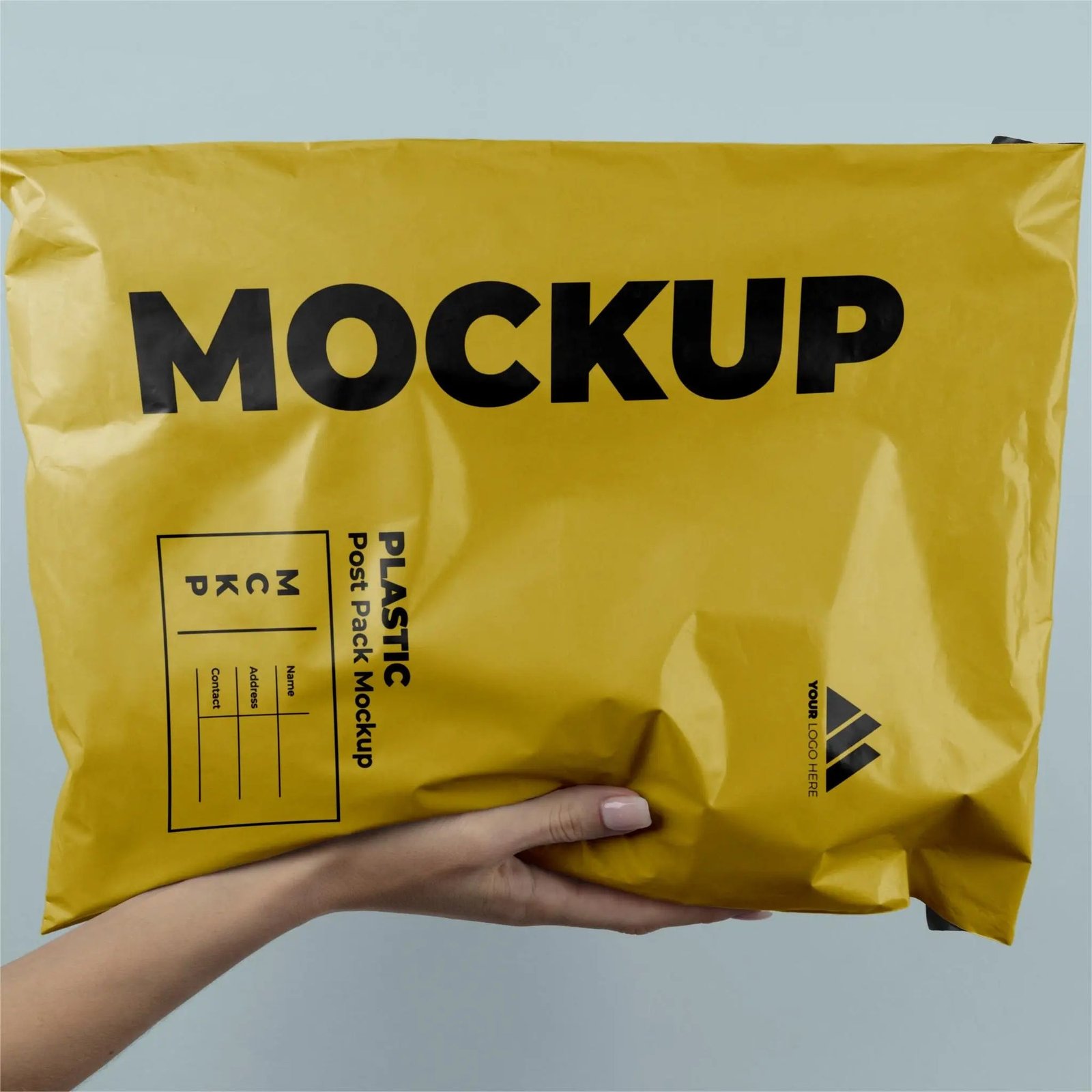
Finish each order with custom polybags, tissue paper, stickers, carton markings or branded inserts. Packaging can be specified for direct retail distribution, wholesale fulfillment and export-ready protection.
Your Knitwear Manufacturer in Dongguan
Founded in 2010 in Humen Town, Dongguan, JUNSHEEN is a knitwear manufacturer and one-stop OEM, ODM, and private-label partner for fashion brands worldwide. We turn tech packs, sketches, reference garments, and early product ideas into production-ready sweaters, cardigans, pullovers, and coordinated apparel collections.
Our 200+ skilled workers and 80,000+ unit monthly capacity support launches from 100 units per style and color through scalable repeat programs. From yarn and fabric sourcing to pattern making, XS–3XL grading, knitting, decoration, quality control, packaging, and global export support, our team manages the details in one supply chain.
More than 2,000 fashion-brand clients have chosen JUNSHEEN for fit-focused development and dependable production. We refine proportions across standard, extended, plus-size, and oversized fits, then retain patterns and material records to make future orders faster, more consistent, and easier to scale.

Knitwear Manufacturer Capabilities for Production-Ready Collections
Fit Engineering XS–3XL
JUNSHEEN develops knitwear around the full size range, refining shoulder balance, sleeve length, body proportion, mobility and grading increments instead of merely enlarging a base pattern. This fit-first approach supports normal, extended-size, plus-size and modern oversized collections.
- Pattern development from tech packs, sketches or reference samples
- Size grading engineered for XS through 3XL
- Fit samples and size sets before bulk approval
- Fewer avoidable revisions during development

Knitwear and Cut-and-Sew Development
Work with one knitwear manufacturer for sweater constructions and coordinated apparel programs. JUNSHEEN combines knitting capability with cut-and-sew development, fabric sourcing and prototype sampling, helping brands align hand feel, silhouettes, costs and production requirements before placing bulk orders.
- Sweaters, cardigans, pullovers and sweater dresses
- Casualwear, denim and outerwear in one supply chain
- Fabric, yarn, trim and construction recommendations
- Low MOQ from 100 units per style and color

Integrated Brand Decoration
Decoration and finishing are managed alongside garment production, so placement, compatibility and quality can be reviewed early. From logo embroidery to washes and custom labels, JUNSHEEN helps turn approved garments into cohesive private-label products ready for retail presentation.
- Flat, 3D puff, chain-stitch and applique embroidery
- Screen print, DTG, DTF, heat transfer and specialty effects
- Garment dye, acid wash, brushing and anti-pilling finishes
- Custom labels, hang tags, trims and branded packaging

Records That Support Reorders
Retained patterns, graded size sets and material records make repeat production more consistent and efficient. JUNSHEEN documents approved development details, then applies incoming, in-line and final inspections to protect measurements, construction, decoration and packed-goods quality as programs scale.
- Approved pattern and grading records retained
- Material and trim specifications documented
- Measurement, construction and decoration inspections
- Scalable support from capsule launches to bulk programs

Why Brands Choose This Knitwear Manufacturer Over Typical Suppliers
Compare fit-focused development, low-MOQ production and export-ready support for growing apparel programs.
← 左右滑动查看 →
Our Knitwear Manufacturer Production Process
A clear, fit-focused workflow for custom knitwear and apparel programs, from initial review to export-ready delivery.
Review Your Product Brief
We assess your tech pack, sketch, reference garment, or concept for construction, fit requirements, MOQ feasibility, target cost, and production readiness.
Source Fabrics and Trims
Our team recommends yarns, knit constructions, fabrics, colors, labels, and trims based on hand feel, durability, performance, budget, and brand direction.
Develop Patterns and Samples
Pattern makers build and grade fit-focused XS–3XL specifications, then produce prototype samples for measurement review, wear testing, material confirmation, and revisions.
Confirm Details and Production
After sample approval, we finalize quotations, bulk materials, decoration, finishing, labels, packaging, and the production schedule for your confirmed order.
Inspect, Pack and Ship
Quality teams check fabric, construction, measurements, decoration, and packed goods before branded packing and coordinated global shipment from our Dongguan production network.
Work With a Knitwear Manufacturer From Concept to Delivery
A clear, fit-focused process for launching custom knitwear with low MOQs and scalable production support.
Send Your Brief
Share a tech pack, sketch, reference garment, mood board, or product idea. Specify target quantities, size range, fabric preferences, decoration, and delivery market.
Review Feasibility and Pricing
Our team assesses construction, yarn or fabric options, fit requirements, trims, MOQ, and lead time, then provides practical recommendations and a detailed quotation.
Approve Development Samples
Review prototype samples, measurements, hand feel, knit construction, colors, labels, and branding. We refine patterns and specifications until your production-ready sample is approved.
Confirm Bulk Production
Confirm final materials, graded XS–3XL size sets, purchase details, and packaging. Our 200+ skilled workers begin controlled bulk production with in-line quality checks.
Inspect and Arrange Shipping
We complete final measurement, construction, decoration, and packing inspections, then coordinate export-ready shipment so your knitwear order reaches its destination with confidence.
Custom Clothing Manufacturer Credentials and Compliance Documents



What Global Fashion Buyers Say About JUNSHEEN
JUNSHEEN turned our oversized cardigan concept into a consistent XS–3XL size set in two sampling rounds. The revised grading reduced our fit-related returns by 18% in the first season, and the team answered technical questions within a day.
For our 120-unit launch, JUNSHEEN matched the approved knit hand feel and embroidery placement across every piece. Their in-line updates caught a measurement issue before packing, helping us launch on schedule with zero rejected cartons.
We began with a 100-unit sweater program and now reorder 3,000-plus units across multiple colors. JUNSHEEN keeps our patterns and material records organized, so repeat development is faster and quality stays consistent as volume grows.
Knitwear Manufacturer FAQ
Clear answers on MOQ, development, production, fit, payment, shipping and confidentiality for custom knitwear programs.
What is your minimum order quantity for custom knitwear?
Can a knitwear manufacturer make samples before bulk production?
How long does custom knitwear production take?
Can your knitwear manufacturer develop XS–3XL and plus-size fits?
What payment terms do you offer for knitwear orders?
Do you ship custom knitwear internationally?
How do you protect designs and product information?
Can you handle private labels, embroidery and packaging in one order?
The Complete Buyer’s Guide to knitwear manufacturer
Use this decision framework to evaluate knitwear supplier capabilities, materials, quality controls, MOQ, and pricing—while avoiding the sourcing mistakes that delay development, weaken fit, and erode margins.
1. What Is a knitwear manufacturer?
2010 is the year Dongguan Junsheen Clothing Co., Ltd. began operating from Humen, Dongguan. A knitwear manufacturer converts yarn into finished garments by controlling yarn selection, stitch structure, machine programming, linking or sewing, washing, shaping, inspection and packing; it is more than a seller of ready-made sweaters. 1 supply-chain role separates the manufacturer from adjacent suppliers. A fabric mill makes yarn or knitted yardage, while a cut-and-sew factory mainly cuts and assembles pre-made fabric; a trading company coordinates suppliers without necessarily owning technical production control, and a private-label supplier may offer stock styles with branding but limited development. 100 units per style and color can be a practical starting point for a capable low-MOQ OEM/ODM knitwear manufacturer, subject to yarn availability and gauge. Buyers should expect ownership of yarn and trim sourcing, knit-program development, pattern and size-set review, prototype and fit samples, bulk knitting, finishing, measurement checks, final inspection, labels, packing and export-ready handoff. 3 buyer inputs remain essential: the target customer, intended retail position and clear approval standards. Junsheen can translate a tech pack, sketch, reference garment or product idea into a production-ready sweater, cardigan, pullover or sweater dress, while flagging feasibility, cost and fit risks before bulk commitment.
2. Evolution of knitwear manufacturing
1589 marked the English stocking frame, an early mechanized knitting invention that shifted production beyond hand knitting and localized craft labor. For buyers, the lasting change was repeatability: stitch density, gauge, and basic garment dimensions could be specified more consistently across a program. 1960s computerized controls and later electronic flat-knitting systems made it practical to program panels, intarsia, rib structures, cables, and shaped sections rather than relying only on cut-and-sew knit fabric. A modern knitwear manufacturer can therefore sample engineered necklines, armholes, sleeve shaping, and color-block layouts faster, while linking waste reduction to more accurate panel knitting and yarn consumption planning. 100-unit MOQ programs now reflect a supply chain built around global yarn sourcing, digital specification files, and OEM/ODM development rather than only large regional mill runs. Brands can compare cotton, wool, recycled blends, gauges, colors, and trims during sampling, then approve fit and hand feel before scaling; this makes technical knitwear access more realistic for capsule labels as well as established retailers.
3. Types of knitwear manufacturer
Five supplier models dominate knitwear sourcing, and each changes development control, cost structure, and minimums. Match the factory’s machinery and commercial model to your collection before requesting swatches or quotations.
| Model | Best Products | Development Strength | MOQ/Buyer Fit |
|---|---|---|---|
| Flat-knit factory | Fully fashioned sweaters | Gauge and stitch engineering | Higher setup; knit specialists |
| Circular-knit producer | Jersey and rib basics | Fast repeat fabric programs | Efficient volume; basics brands |
| Sweater specialist | Premium knit collections | Yarn and linking expertise | Moderate to high; knit labels |
| Integrated OEM/ODM | Mixed apparel collections | One-team development | Flexible; growing brands |
| Trading company | Multi-factory assortments | Supplier consolidation | Varies; teams needing sourcing support |
Production-Led Factories
Flat-knit factories build fully fashioned sweaters, cardigans, vests, and knit dresses with programmed panels and shaped decreases. They suit brands needing gauge, stitch, and silhouette control, but yarn setup and color complexity can lift MOQ. Circular-knit producers make tubular jersey, rib, interlock, and fleece fabrics for T-shirts, polos, cuffs, and casual sets. They are efficient for repeat basics, yet are not the right partner for a linked, fully fashioned sweater.
Sweater Specialists

Sweater specialists concentrate on sampling, yarn selection, handfeel, gauge conversion, linking, and wash testing. They serve knit-focused labels well, although they may outsource cut-and-sew, denim, or complex branded packaging.
Commercially Integrated Partners
Integrated OEM/ODM manufacturers coordinate knitwear with cut-and-sew development, patterns, grading, trims, quality control, and export. This model fits capsule-to-repeat programs; Junsheen can support from 100 units per style and color, subject to fabric and construction.
Trading Company Role
Sourcing and trading companies consolidate multiple factories, which can simplify multi-category buying and local communication. Their added margin and indirect technical control make factory transparency, sample ownership, and inspection terms essential.
4. knitwear manufacturer materials and yarns
Yarn specification determines a knit’s handfeel, durability, care burden, and achievable retail position before the first sample is knitted. A capable knitwear manufacturer should translate the target customer, climate, and price band into an approved yarn brief.
| Fiber Or Blend | Best Use | Watchpoint |
|---|---|---|
| Cotton | Breathable everyday knits | Shrinkage; slower drying |
| Merino wool | Premium temperature regulation | Care and pilling control |
| Cashmere/nylon | Soft luxury layers | High cost; abrasion testing |
| Viscose/nylon | Drapey fitted styles | Growth and wet strength |
| Acrylic/polyester | Value-focused easy care | Handfeel and pilling |
| Recycled blends | Claim-led programs | Certification and lot consistency |
Match Fiber To Customer

100% cotton gives breathable, familiar handfeel; combed or ring-spun yarn is cleaner than open-end, while 2-ply improves stability. Wool and fine merino add warmth and resilience, but require controlled washing. 5–10% nylon improves abrasion resistance in wool or cashmere blends; viscose adds drape, acrylic lowers cost, and polyester improves shape retention. Recycled cotton, recycled polyester, and recycled nylon need documented source claims.
Specify Gauge And Yarn

3–5 gauge suits bulky sweaters, 7–9 gauge covers most midweight programs, and 12–16 gauge creates finer layers. Gauge alone is insufficient: confirm yarn count, ply, stitch density, and finished garment weight. 2-ply yarn generally gives better coverage and recovery than a comparable single ply, while tighter constructions can feel firmer. Request the factory’s knit-down swatch before approving color or bulk yarn.
Approve Performance Before Bulk
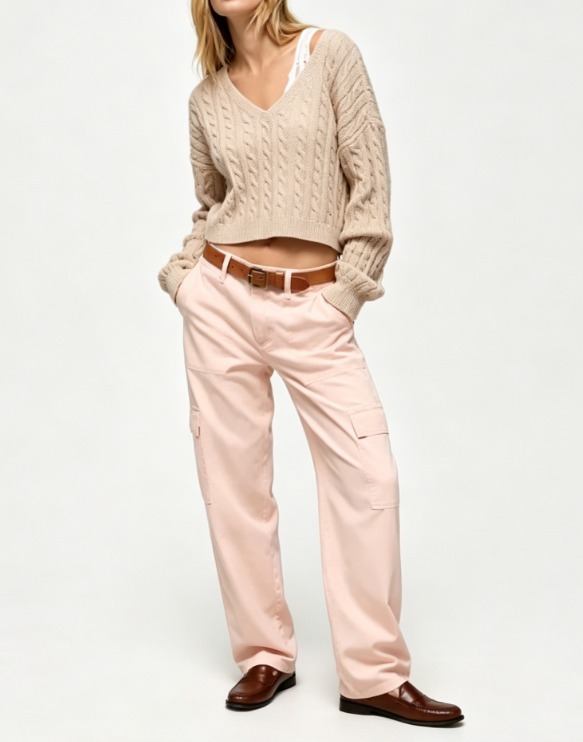
3–5 wash tests reveal shrinkage, twist, color change, and handfeel loss before production. Ask for pilling results, care-label guidance, fiber-content tolerances, and certifications relevant to the claim, such as GOTS or OEKO-TEX. 2–3 swatch options let a brand compare cost against softness and recovery at the intended retail markup. Confirm lot, Pantone shade, and swatch approval in writing; cashmere and brushed acrylic deserve especially close pilling review.
5. Customization from a knitwear manufacturer
A knitwear manufacturer should lock the visual language before sampling, because gauge, stitch structure, and color placement determine both the machine program and yarn consumption. JUNSHEEN can translate a tech pack, reference, or concept into a production-ready sweater specification.
| Method | Visual Impact | Development Complexity | Durability | Main Cost Driver |
|---|---|---|---|---|
| Jacquard | High | Medium–high | High | Color count and machine time |
| Intarsia | High | High | High | Color blocking and yarn changes |
| Cable Or Texture | Medium–high | Medium | High | Gauge and knitting time |
| Embroidery Or Patch | Medium–high | Low–medium | High when secured | Stitches, backing, and labor |
| Labels And Packaging | Medium | Low | Depends on material | Custom trims and print runs |
Engineer The Knit First

1.5–12 gauge defines the apparent density: finer gauges suit lighter, cleaner jerseys, while lower gauges create heavier, more dimensional sweaters. Silhouette, neckline, set-in or raglan sleeves, cable work, ribs, stripes, jacquard, and intarsia must be programmed into the knit before production. 2–6 colors are more manageable in an engineered motif than a highly detailed multi-color artwork. Pantone references help control yarn color matching, but submit swatches because fiber blend and knit structure alter perceived shade.
- Use rib ratios such as 1×1 or 2×2 for cuffs and hems
- Specify stitch maps for cables, links-links, tuck, or Milano rib
- Separate intarsia color blocks from float-based jacquard artwork
Add Branding After Knitting
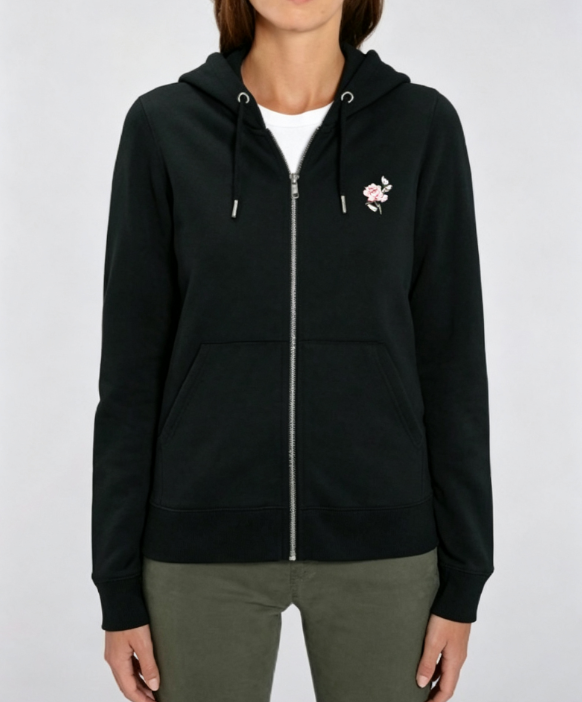
3 post-knit options—embroidery, sewn patches, and labels—work best when the base fabric can support their weight without distortion. Logo embroidery, applique patches, woven main labels, size labels, wash-care labels, hang tags, and branded packaging are applied after knitting and assembly. 100 units per style and color is JUNSHEEN’s stated starting scale for capsule production, but specialized yarns, custom trims, and complex artwork can raise practical minimums. Confirm label placement, backing, thread colors, and packaging dielines during sample approval.
- Use embroidery on stable, medium-weight panels
- Use patches when artwork needs crisp edges or multiple materials
- Include wash-care content and fiber composition before bulk approval
Balance Impact And Complexity
1 approved sample should show the actual yarn, gauge, colors, trims, and decoration combination; a flat artwork file cannot reveal stretch, drape, or distortion. Cost rises with yarn quality, gauge time, color changes, linked construction, and manual finishing.
6. Knitwear construction and quality checks
A premium sweater is governed by repeatable construction tolerances, not yarn price alone. Buyers should lock technical standards at sampling, then verify that bulk production maintains the approved hand feel, shape and appearance.
Gauge And Stitch Control

12-gauge and 7-gauge programs require different stitch-density targets; every panel must match the approved swatch. Uneven tension creates barre, distorted ribs and inconsistent weight even when yarn composition is correct.
- Confirm gauge, courses and wales per 10 cm.
- Compare front, back and sleeve panel density.
- Approve a retained knit swatch before bulk.
Linking And Structural Stability

1×1 or 2×2 rib necks need adequate recovery after repeated stretching. Fully fashioned shaping, clean linking and reinforced shoulder seams reduce twisting, dropped stitches and seam bulk.
- Inspect link lines for skipped loops.
- Check shoulder tape or reinforcement specification.
- Stretch neck opening and assess recovery.
Sample Approval Checklist
One approved size set should establish finished measurements, grading increments, sleeve pitch and body balance before production. Wash-test samples for dimensional change, colorfastness, pilling and snagging using the agreed care method.
- Approve color against Pantone and bulk lab dip.
- Record wash shrinkage and post-wash measurements.
- Assess pilling, snagging and seam appearance.
Bulk Inspection Priorities
AQL-based final inspection should compare packed goods with the sealed sample and measurement chart. Junsheen’s quality process can check incoming materials, in-line construction, decoration where applicable and final packed garments.
- Measure chest, length, sleeve and neck opening.
- Check stains, holes, loose yarns and shade variation.
- Verify labels, folding, polybags and carton quantities.
7. How to choose a knitwear manufacturer
A 100-unit launch order can expose a supplier’s real development discipline faster than a polished factory presentation. Evaluate a knitwear manufacturer through documented capability, controlled samples, and clear commercial safeguards before approving bulk.
| Evaluation Area | Request Before Order | Acceptable Evidence |
|---|---|---|
| Yarn sourcing | Fiber, gauge, color, lead time | Supplier specification and swatch |
| Quality control | Inspection points and tolerances | QC checklist and sample report |
| Timeline reliability | Sampling and bulk milestones | Written critical-path calendar |
| References | Comparable brand programs | Contactable client references |
Verify Category Capability
Three comparable styles reveal whether the factory understands gauge, linking, shaping, and finishing—not merely sweater assembly. Request photos of similar programs, machine-gauge ranges, monthly capacity, MOQ by color, and two client references. 100-unit MOQs suit capsules, but confirm the supplier can reserve yarn and repeat the same quality at scale.
- Ask for comparable knitwear references
- Confirm gauge and machine availability
- Check MOQ by style and color
Approve Development Evidence
One signed tech pack should trigger a measured development process: yarn specification, stitch map, graded measurements, Pantone standard, trim list, and sample calendar. Ask who owns pattern files and how revisions are logged. Two wash tests should check shrinkage, pilling, twisting, color migration, and recovery before bulk approval. Compare the sample against the approved measurement tolerance.
- Request yarn composition and test reports
- Approve a size set and pre-production sample
- Retain signed approval records
Audit Commercial Controls
Seven written controls reduce avoidable sourcing risk: compliance evidence, in-line QC, final inspection standard, weekly production updates, delivery milestones, payment schedule, and IP confidentiality. Ask for applicable OEKO-TEX, GOTS, WRAP, or BSCI documents rather than assuming certification. 30% deposits may be available only after an established relationship; confirm final-balance timing and remedies for late or failed goods. Require an NDA and written ownership terms before sharing original designs.
- Request QC checklist and AQL standard
- Verify shipment lead times in writing
- Confirm payment, NDA, and ownership terms
8. Common knitwear sourcing mistakes
Most knitwear failures are locked in before bulk knitting begins. A disciplined brief, approved test record, and realistic calendar protect both first 100-unit capsules and repeat programs.
Chasing The Lowest Quote
A $1 lower quote can conceal a different yarn count, gauge, linking method, or inspection standard. Compare like-for-like specifications and request a costed breakdown before selecting a knitwear manufacturer.
- Match fiber content and yarn count
- Confirm gauge, stitch and finishing
- Compare packaging and defect standard
Approving Untested Samples
A dry sample may shrink, twist, pill, or lose shape after 3–5 wash cycles. Approve the sample only after care-label wash testing, measurement checks, and appearance review against agreed tolerances.
- Record before-and-after measurements
- Check pilling, color change and spirality
- Keep the signed approval sample
Leaving Specs Too Vague
A tech pack without Pantone references, points of measure, stitch diagrams, and trim details invites interpretation. Lock yarn composition, gauge, stitch density, labels, and construction before the production sample.
- Specify finished measurements and tolerances
- Include artwork placement dimensions
- State acceptable substitute rules
Changing Yarns Late
A yarn change after sampling can alter gauge, drape, shrinkage, color uptake, and lead time. Reconfirm swatches and a revised sample whenever fiber blend, supplier, count, or dye lot changes.
Ignoring Capacity And Development
A 7–14 day sampling target does not equal a bulk-ready program; yarn booking, lab dips, knitting, linking, washing, and packing require calendar slack. Budget development separately and reserve time for size sets and corrective samples.
- Plan 2–3 sample rounds
- Build wash-test and approval time
- Confirm bulk material lead times early
9. Steps to launch a knitwear brand
A 100-unit-per-style-and-color starting point lets an emerging label test a focused range before committing to replenishment. Build the critical path backward from your campaign and delivery date, allowing time for approvals and freight.
Define The Commercial Brief
Three to five coordinated styles are usually enough for a first capsule: for example, a crewneck, cardigan, vest, polo and sweater dress. Set target retail price, landed-cost ceiling, intended margin and planned color count before requesting quotes. One factory brief should include customer profile, size range, fit direction, reference images and delivery market. Gate 1 is feasibility: confirm MOQ, gauge, yarn availability, decoration, labeling and target cost before sampling.
- Assortment and color plan
- Target retail and landed cost
- Tech packs or annotated reference garments
- Pantone colors, branding and packaging files
Develop Yarn And Samples

7 to 21 days is a practical allowance for yarn swatches, knit-downs and the first prototype after specifications are complete. Compare hand feel, gauge, weight, recovery, pilling risk, shrinkage and wash appearance against the approved concept. Two or three revision rounds are common when fit, stitch density or finishing changes. Gate 2 is the approved size set: review measurements, shoulder balance, sleeve length and graded proportions from XS through 3XL where applicable.
- Approved yarn card and color standard
- Measurement chart and tolerances
- Construction and trim comments
Lock Production And Launch
30 to 60 days is a typical bulk-production window after pre-production approval, subject to yarn lead time, complexity and order size. Release bulk only after approving the PP sample, labels, packing method, artwork and final bill of materials. 100% packed-goods review should cover measurements, knit defects, loose yarns, shade consistency, decoration and carton counts before balance payment and shipment. Gate 3 is logistics readiness: book freight, confirm customs documents, photograph inventory and schedule launch content before goods arrive.
- Pre-production sample sign-off
- In-line and final inspection report
- Commercial invoice, packing list and shipping marks
- Launch photography, SKU data and fulfillment plan
10. Knitwear manufacturer pricing and cost
100 units per style and color is a practical starting point for a capsule knitwear order, but its unit cost reflects the fixed work spread across a small run. The indicative ranges below assume a standard fully fashioned sweater or cardigan, one to three colors, conventional labeling, and no unusually complex surface treatment. 3 factors move the factory price most: yarn composition and count, machine gauge, and stitch engineering such as intarsia, jacquard, cable, Milano rib, or fully fashioned linking. Sampling, Pantone color matching, custom buttons or zippers, labels, branded packaging, laboratory testing, export cartons, and freight should be budgeted separately where required. 2 approved inputs are essential before a knitwear manufacturer can issue a final quote: a production-ready specification and confirmed quantity by color and size. Confirm yarn blend, gauge, measurements, artwork, trim standards, target testing, Incoterm, and destination before comparing supplier offers.
| Quantity per style/color | Indicative unit price (USD) | Typical production lead time |
|---|---|---|
| 100 units | $18–$38 | 35–50 days after approval |
| 200–299 units | $15–$32 | 30–45 days after approval |
| 300–499 units | $13–$28 | 30–40 days after approval |
| 500+ units | $10–$24 | 25–40 days after approval |
Start Your Knitwear Collection With a Quote
Send your tech pack, reference garment, or product idea to JUNSHEEN for sampling or scalable bulk production from 100 units per style and color.