
Cargo Sweatpants Manufacturer for 100-Unit OEM Programs
JUNSHEEN is a cargo sweatpants manufacturer offering OEM, ODM, private-label production and fit-focused XS–3XL development for global brands.
Featured Products for cargo sweatpants manufacturer Development


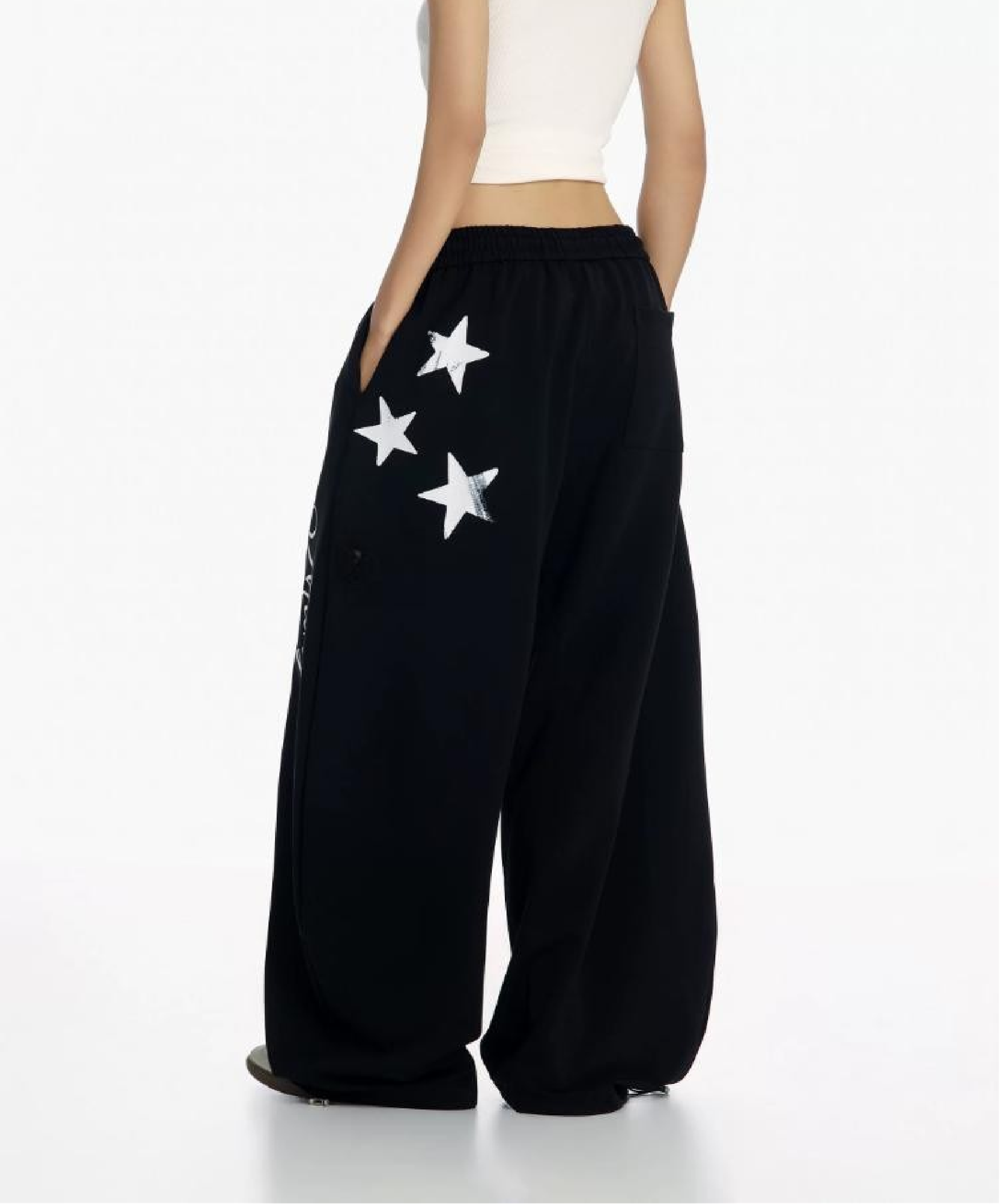


Related Product Catalogue and Quotation







Cargo Sweatpants Manufacturer Advantages for Your Program
Build custom cargo sweatpants with low-MOQ flexibility, fit-focused development, integrated branding, and dependable capacity from one experienced apparel partner.
100-Unit MOQ Flexibility
Launch a capsule or test new colors from 100 units per style and color, then scale successful cargo sweatpants programs confidently.
Fit-Led XS–3XL Grading
Our pattern team refines rise, leg balance, pocket placement, mobility, and grading increments for standard, oversized, and extended-size fits.
Integrated Cargo Details
Source custom pockets, drawcords, elastic waists, rib cuffs, zippers, snaps, labels, and branded packaging through one coordinated supply chain.
In-House Decoration Finishing
Add logo embroidery, screen printing, patches, garment dye, acid wash, brushing, or anti-pilling finishes matched to your cargo sweatpants concept.
Scalable Global Production
With 200+ skilled workers and 80,000+ monthly units of capacity, JUNSHEEN supports repeat orders, bulk growth, quality control, and export coordination.
OEM to Private Label Support
Bring a tech pack, sketch, reference garment, or idea; our team supports feasibility review, sourcing, sampling, and production-ready development.
Cargo Sweatpants and Casualwear Manufacturing
Develop fit-led casualwear programs with low-MOQ production, utility detailing, custom branding, and scalable sourcing from one manufacturing partner.

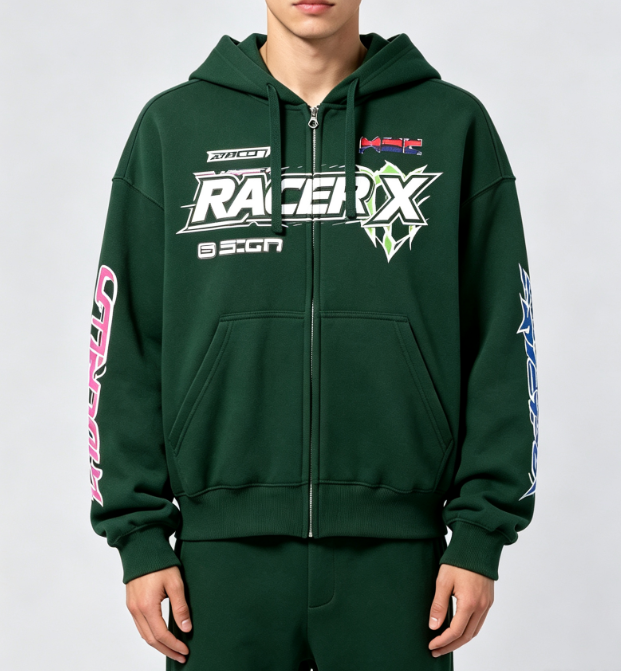
Custom Hoodies
Develop custom hoodies in fleece, French terry, or jersey with oversized, regular, and extended-size grading from XS–3XL. Add kangaroo pockets, utility panels, embroidery, screen printing, custom drawcords, labels, and branded packaging from 100 units per style and color.
Request a Quote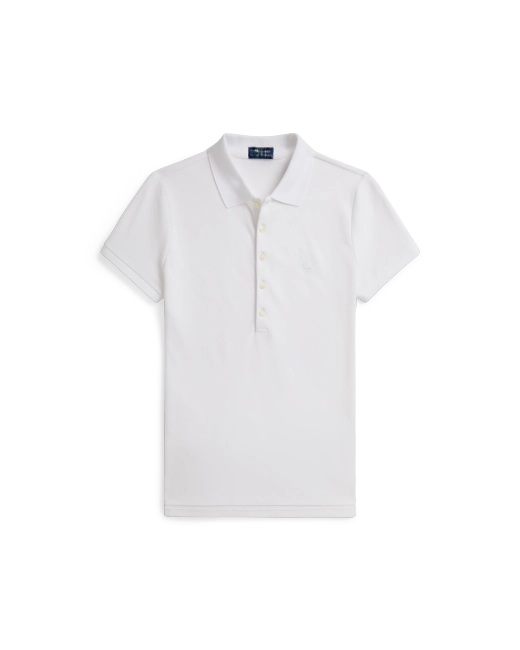
Custom T-Shirts
Produce custom T-shirts in cotton, combed jersey, heavyweight blends, and performance knits. Junsheen supports fit development, neck construction, sleeve proportions, washes, screen printing, DTG, DTF, embroidery, private labels, and consistent grading for capsule or repeat-order programs.
Request a Quote
Custom Jeans
Manufacture custom jeans in rigid or stretch denim with refined rises, leg shapes, pocket placement, hardware, and wash treatments. Pattern development covers normal, oversized, and extended fits, while in-house finishing supports stone wash, acid wash, garment dye, patches, labels, and branded trims.
Request a Quote
Custom Sweaters
Source and manufacture turtle neck sweaters in bulk using appropriate yarns, gauges, and constructions for your target hand feel and price point. Junsheen supports neck shaping, rib details, fit grading, color development, private labeling, and scalable knitwear production.
Request a Quote
Custom Jackets
Create custom jean jackets with denim-weight selection, panel construction, collar and sleeve balance, branded buttons, patches, embroidery, and wash effects. Development begins from a tech pack, reference garment, or concept and includes sampling, fit review, and bulk-quality control.
Request a Quote
Custom Sweatshirts & Crewnecks
Develop custom crewneck hoodies and sweatshirts with fleece or French terry options, controlled rib recovery, shoulder balance, and fit-focused grading. Choose crewneck, hooded, dropped-shoulder, or oversized silhouettes with embroidery, print effects, washes, and fully branded trims.
Request a Quote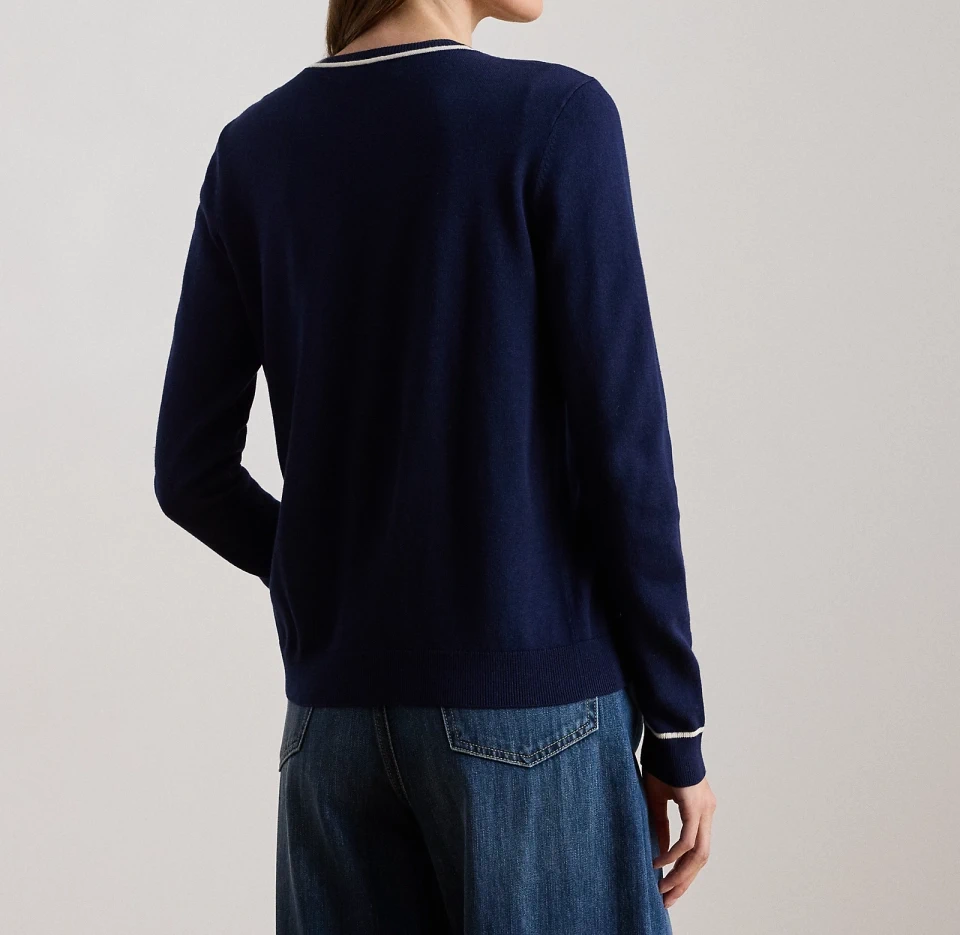
Custom Cardigans
Manufacture custom cardigans in knit constructions suited to lightweight layering, structured fashion styles, or warmer programs. Junsheen supports yarn selection, gauge development, button and placket specifications, stripe layouts, fit grading, private labels, and bulk consistency across colorways.
Request a Quote
Custom Puffer & Down Jackets
Produce custom puffer jackets with shell, lining, insulation, quilting, pocket, hood, zipper, and trim specifications aligned to your market. The team reviews construction feasibility, develops samples, and manages custom labels, reflective details, branded hardware, and export-ready packing.
Request a Quote
Custom Denim Shorts
Develop custom jean shorts in rigid or stretch denim with tailored inseams, rises, hem finishes, pockets, and wash treatments. Fit development addresses movement and proportion across XS–3XL, while custom hardware, labels, embroidery, and patches help distinguish your assortment.
Request a Quote
Custom Sweater Dresses
Manufacture custom sweater dresses with knit gauges, yarn blends, neckline options, body shaping, and hem proportions built around your intended silhouette. Junsheen supports fitted, relaxed, oversized, and extended-size grading, plus color development, private labeling, and production-ready sampling.
Request a Quote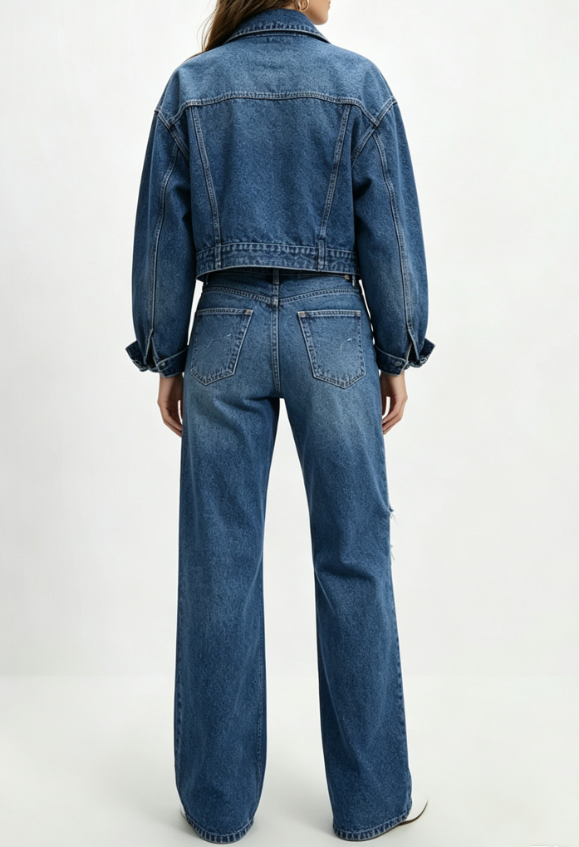
Custom Denim Sets
Produce men’s denim suits for wholesale programs with coordinated denim jackets, overshirts, trousers, or jeans. Junsheen aligns fabric weight, washes, hardware, fit blocks, and repeatable color standards, then supports private labels, packaging, inspection, and global bulk shipment.
Request a Quote
Custom Polo Shirts
Develop custom polo shirts in piqué, jersey, or performance-knit fabrics with collar structure, placket details, sleeve ribs, and fit specifications. Add logo embroidery, contrast tipping, custom buttons, woven labels, and sizing from XS–3XL for retail, uniform, or fashion collections.
Request a Quote
Custom Sweatpants
Manufacture custom sweatpants with cargo pockets, utility seams, elastic or rib cuffs, drawcords, and fit-controlled rises and leg shapes. Junsheen develops regular, oversized, and extended-size blocks, then applies embroidery, prints, washes, labels, trims, and packaging for distinct private-label programs.
Request a Quote
Custom Shorts
Produce custom shorts in jersey, fleece, French terry, twill, woven, or denim constructions. Specify inseam, rise, pocket layout, waistband, utility details, and decoration, with fit development across XS–3XL and low-MOQ sampling-to-bulk support for seasonal collections.
Request a Quote
Custom Pullovers
Develop custom pullovers in fleece, French terry, jersey, or knit constructions with quarter-zip, half-zip, mock-neck, or standard neckline options. Junsheen manages fit, pocket and seam details, embroidery, printing, washes, private labels, and repeatable bulk production.
Request a QuoteMaterials for Custom Cargo Sweatpants

Brushed Fleece
A soft, warm fabric for winter cargo sweatpants and elevated loungewear. Its brushed inner face adds insulation, while midweight to heavyweight constructions provide a substantial hand feel and reliable shape retention.

French Terry
Loopback French terry offers breathable comfort for year-round cargo sweatpants. The unbrushed interior absorbs moisture and feels clean against skin, with versatile weights that balance drape, durability and everyday wearability.

Cotton Jersey
Cotton jersey creates lightweight cargo joggers for warm weather, athleisure and relaxed sets. Its smooth, soft hand feel and natural stretch support easy movement, especially when paired with elastane for recovery.

Stretch Cotton Twill
Stretch cotton twill gives cargo sweatpants a structured, utility-inspired look with durable pocket construction. The diagonal weave resists everyday abrasion, while added stretch improves mobility through the seat, knee and cuff.

Recycled Performance Blend
Recycled polyester-cotton blends suit active cargo sweatpants requiring fast drying and dependable color retention. The fabric can be engineered with stretch, anti-pilling performance and a smooth or brushed hand feel.
Cargo Sweatpants Manufacturer: Decoration & Finishing Processes

Logo Embroidery
Flat, 3D puff and chain-stitch embroidery add dimensional logos to cargo pockets, thigh panels or back yokes, creating a premium, long-wearing branded detail suited to elevated streetwear and uniform programs.

Screen Printing
Plastisol, water-based, puff, flocking and high-density screen prints deliver bold artwork with reliable coverage. Ideal for large leg graphics, utility-inspired type treatments and repeatable brand marks across bulk cargo sweatpants orders.

Custom Transfers
DTF, heat-transfer and silicone applications reproduce detailed multicolor logos and small placement graphics with clean edges. They work especially well for limited capsules, athletic-inspired cargo styles and precise private-label branding.

Garment Dyeing
Garment dye creates rich, lived-in color with subtle tonal variation after construction. It gives cargo sweatpants a softer, more considered character while helping brands build washed pigment and vintage-inspired collections.

Wash Finishing
Enzyme washes, softening, anti-pilling treatments, brushing and napping refine hand feel and surface appearance. These finishing options improve everyday comfort, control the intended worn look and support consistent production quality.
Custom Trims and Accessories for Cargo Sweatpants

Drawcords and Tipping
Choose cotton, flat, round or reflective drawcords with metal, silicone or dipped tips for adjustable waistbands. Custom colors and branded finishes help align cargo sweatpants with your collection identity.

Cargo Pocket Snaps
Add durable snap buttons to flap pockets, adjustable cuffs or utility details. Available in custom finishes and logo options, they provide secure functionality while reinforcing the technical character of cargo sweatpants.

Custom Zipper Hardware
Specify nylon, metal or waterproof zippers for cargo pockets, side seams and detachable details. Branded pullers and selected finishes support reliable daily wear and a more distinctive private-label presentation.

Woven Brand Labels
Create woven main labels, size labels and wash-care labels tailored to your brand standards. JUNSHEEN coordinates placement and production so each cargo sweatpants size remains clearly identified from XS through 3XL.

Logo Patch Details
Use embroidered, woven, leather or silicone patches on cargo pockets, thighs or waistbands. These applications add a recognizable brand marker while complementing printing, embroidery and garment-wash treatments.
Branded Retail Packaging
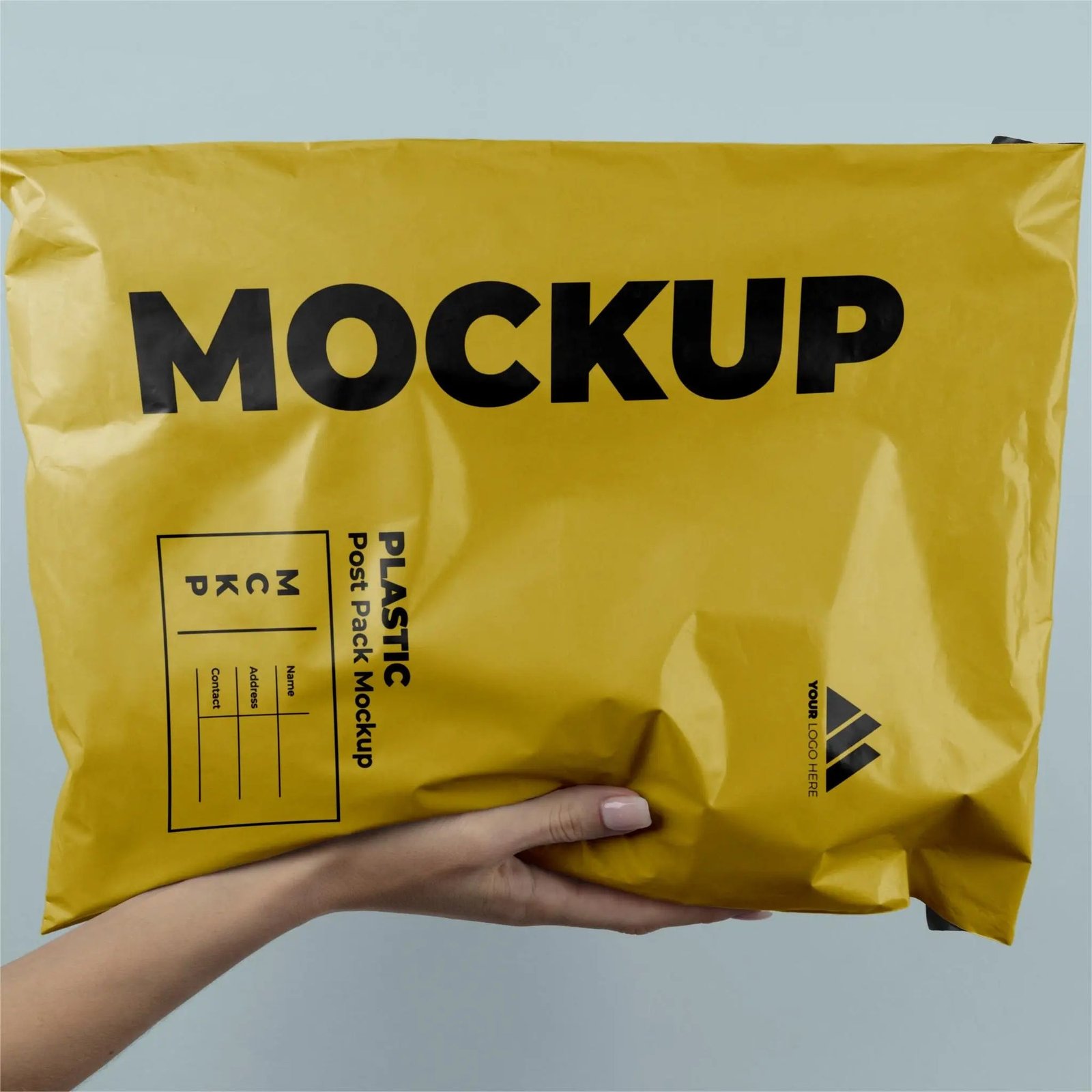
Finish bulk orders with custom hang tags, polybags, barcode stickers and branded cartons. Retail-ready packaging supports organized export handling and delivers a consistent unboxing experience for wholesale or direct sales.
About JUNSHEEN, Your Cargo Sweatpants Manufacturer
Founded in 2010 in Humen Town, Dongguan, JUNSHEEN is a cargo sweatpants manufacturer built to turn brand concepts into reliable OEM, ODM and private-label production. From first specification review to export-ready packing, our team manages the technical and commercial details in one responsive supply chain.
More than 200 skilled workers support monthly capacity above 80,000 units across cut-and-sew casualwear, knitwear, denim and outerwear. Brands can launch cargo sweatpants from 100 units per style and color, then scale into repeat bulk programs with fabric sourcing, sampling, decoration, labels, trims and quality control managed together.
Our difference is fit-first development. Rather than enlarging a base pattern, JUNSHEEN refines rise, leg proportion, pocket placement, mobility and grading from XS to 3XL, including extended-size, plus-size and oversized fits. This approach has helped more than 2,000 global fashion-brand clients develop more consistent garments with fewer avoidable revisions.

Cargo Sweatpants Manufacturer Capabilities in Detail
Fit Development That Moves
JUNSHEEN develops cargo sweatpants from XS through 3XL with grading that considers rise, hip balance, leg shape, pocket placement, cuff proportion, and mobility. Our pattern team refines each size instead of simply scaling one base pattern.
- Normal, oversized, extended-size, and plus-size fit development
- Pattern making, size grading, prototypes, and size-set reviews
- Cargo-pocket placement adjusted across the graded size range
- Fit records retained to support consistent repeat orders
Ideas Turn Production-Ready
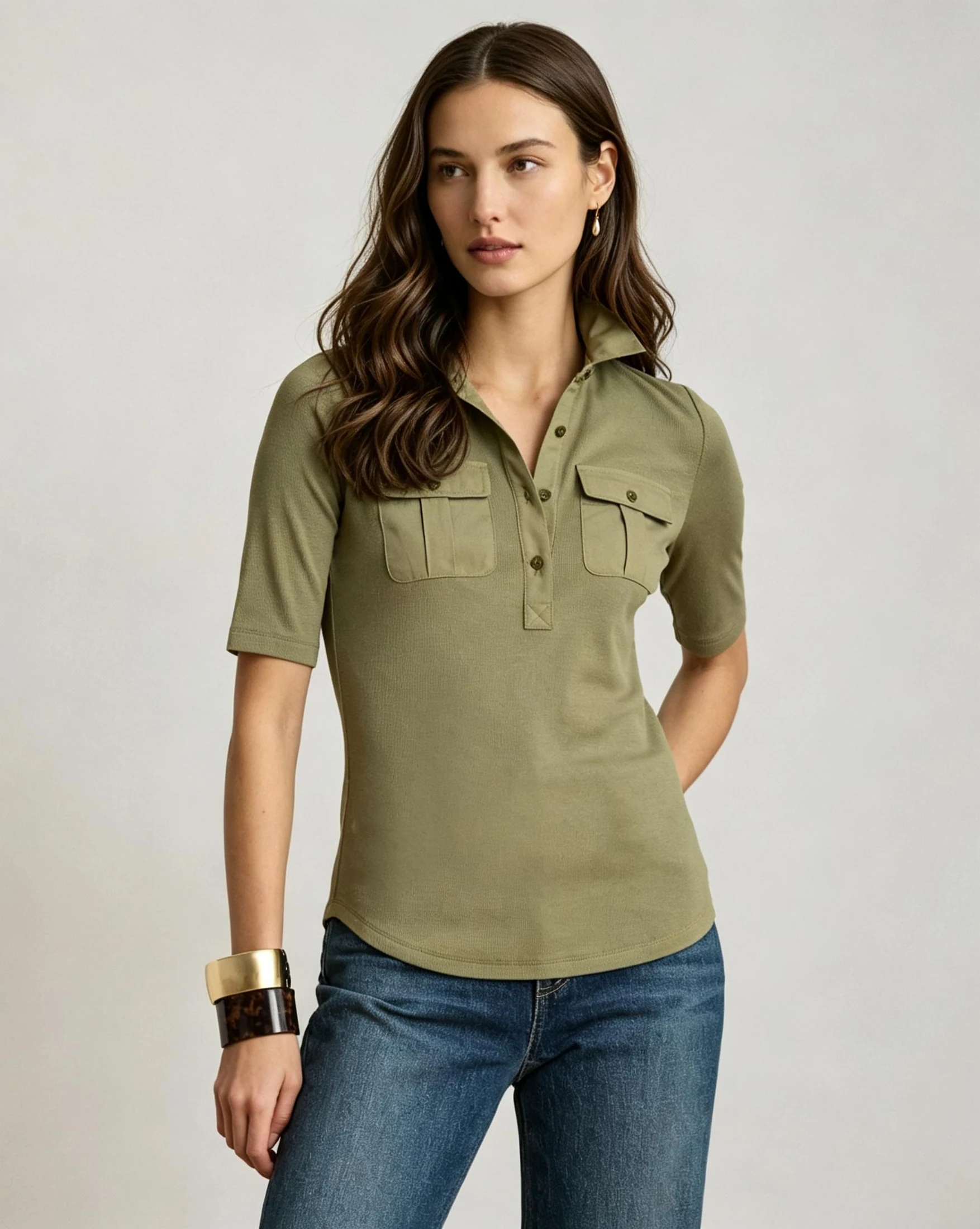
As a cargo sweatpants manufacturer, JUNSHEEN can develop from a tech pack, sketch, reference garment, mood board, or early product concept. We review construction feasibility, recommend fabrics and trims, and resolve specifications before bulk production begins.
- OEM, ODM, private-label, and product-development support
- French terry, fleece, jersey, twill, and performance-knit sourcing
- Guidance on fabric weight, stretch, hand feel, and target cost
- Low MOQ from 100 units per style and color

Integrated Branding and Finishing
Keep decoration, washes, trims, labels, and packaging coordinated within one apparel supply chain. JUNSHEEN aligns the cargo sweatpants silhouette with branded details so samples and bulk goods are evaluated as a complete retail-ready product.
- Screen printing, embroidery, patches, DTF, and heat transfer
- Garment dye, acid wash, softening, brushing, and anti-pilling finishes
- Custom drawstrings, zippers, labels, hang tags, and packaging
- Decoration placement checked alongside construction and measurements

QC-Led Scale for Growth
Founded in 2010, JUNSHEEN combines responsive small-batch development with scalable output from more than 200 skilled workers and monthly capacity above 80,000 units. Quality checks cover materials, construction, measurements, decoration, and final packed goods.
- Sampling for launch programs and bulk production for repeat styles
- Incoming-fabric, in-line, measurement, and final inspection points
- Cut-and-sew and knitting capability under one manufacturing partner
- Global export support for brands, retailers, wholesalers, and sourcing teams

Why Brands Choose JUNSHEEN Over Typical Suppliers
A cargo sweatpants manufacturer built for fit accuracy, low-MOQ launches, and dependable scale.
← 左右滑动查看 →
Cargo Sweatpants Manufacturer Production Process
A controlled OEM workflow that turns your cargo sweatpants concept into export-ready private-label inventory.
Feasibility and Material Planning
We review your tech pack, reference garment or concept, confirm construction details, target cost, 100-unit MOQ feasibility, and recommend suitable fleece, French terry, twill or knit fabrics.
Patterns and Size Grading
Our pattern team develops cargo pocket placement, rise, leg shape and waistband specifications, then grades fit-focused size sets from XS through 3XL, including oversized and extended-size requirements.
Sampling and Approval
We source swatches, create prototype samples, test decoration and trims, and refine measurements, workmanship and wash effects until your approved sample is ready for production.
Bulk Cut and Sew
After pre-production approval, skilled teams cut, sew and assemble your cargo sweatpants at scale, coordinating embroidery, printing, washing, labels, drawstrings and custom hardware.
Quality Control and Shipping
Inspections verify fabric, construction, measurements, fit, decoration and packed goods before branded packaging, final balance confirmation and global export shipping support for your order.
Work With Our Cargo Sweatpants Manufacturer
Move from concept to approved bulk production with a clear, fit-focused OEM process.
Submit Your Product Brief
Send a tech pack, sketch, reference garment, mood board, or idea. Our team reviews cargo details, target fit, materials, branding, quantities, and delivery needs.
Confirm Feasibility and Quote
We recommend construction, fabric, trims, decoration, and XS–3XL grading options, then provide a production-ready quotation for your 100-unit or larger program.
Develop and Approve Samples
Pattern makers create prototypes and refine measurements, rise, pocket placement, and fit. Review samples, swatches, and size sets before approving bulk specifications.
Launch Controlled Bulk Production
After approval, JUNSHEEN manages sourcing, cut-and-sew manufacturing, decoration, inspections, private labels, packaging, and export coordination for consistent global delivery.
Custom Clothing Manufacturer Credentials and Compliance Documents



Client Results From Global Apparel Programs
JUNSHEEN helped us launch our first 100-unit cargo sweatpants run with custom woven labels, embroidered logos, and a fit that stayed consistent from XS through 3XL. The sampling feedback was clear, and we approved bulk production with confidence.
We needed a cargo sweatpants manufacturer that could refine oversized proportions without simply scaling up the base size. Their team adjusted rise, leg shape, and pocket placement across our 6-size range, reducing our fit revisions from three rounds to one.
For our retail capsule, JUNSHEEN combined French terry sourcing, puff print, custom drawcords, and branded packaging in one program. Our 300-unit order arrived production-ready for store allocation, and the communication stayed responsive through final inspection.
Cargo Sweatpants Manufacturer FAQ
Clear answers on MOQ, sampling, payment, production, shipping, IP protection, and fit development for custom cargo sweatpants programs.
What is the MOQ for a custom cargo sweatpants manufacturer?
How long does cargo sweatpants sampling take?
How much does a custom cargo sweatpants sample cost?
Can a cargo sweatpants manufacturer help if I only have a sketch or reference garment?
What payment terms does your cargo sweatpants manufacturer offer?
What is the production lead time for custom cargo sweatpants?
Do you ship cargo sweatpants internationally?
How do you protect my cargo sweatpants designs and patterns?
Can you develop cargo sweatpants in plus sizes and oversized fits?
Complete Guide to Choosing a cargo sweatpants manufacturer
Use this decision framework to compare supplier capabilities, fabrics, construction, customization, pricing, and lead times—while avoiding common sourcing mistakes that can compromise fit, quality, margins, and launch schedules.
1. What Is a Cargo Sweatpants Manufacturer?
2010 is the founding year of Dongguan Junsheen Clothing Co., Ltd., a cargo sweatpants manufacturer that operates as an OEM/ODM production partner: it converts a buyer’s tech pack, sketch, reference garment, or concept into specifications, patterns, samples, approved materials, and repeatable bulk production. The manufacturer’s role is technical as well as operational, resolving fit, pocket placement, cargo-panel construction, measurement tolerances, trims, decoration, packaging, and production feasibility before goods are made at scale. 100 units per style and color is Junsheen’s stated starting point for a capsule program, while a trading company generally coordinates factories without necessarily controlling development or production execution. A private-label wholesaler sells pre-designed stock garments with limited branding choices, and a blank-garment supplier provides undecorated basics; neither normally builds a custom cargo sweatpants pattern and graded size set for the buyer. 200-plus skilled workers support Junsheen’s integrated workflow, including fabric sourcing, pattern development, prototype and size-set sampling, Pantone-aligned color and trim selection, embroidery or printing, cut-and-sew bulk production, in-line and final quality control, branded packing, and export support. In practical terms, the right partner bridges the gap between a design direction and a sellable garment by documenting decisions, checking measurements and construction, and retaining production records for consistent reorders.
2. Evolution of Cargo Sweatpants
1938 marked the British Army’s adoption of battle-dress trousers with map pockets, helping establish the cargo-pant vocabulary of utility, access and durability. Athletic sweatpants developed separately from early twentieth-century training wear, prioritizing soft knit comfort, elastic waists and unrestricted movement rather than exterior storage. 1990s streetwear merged those references: relaxed proportions, visible pocket placement and workwear details made utility a deliberate visual code rather than purely equipment carrying. By the 2010s, athleisure translated that code into jogger cuffs, drawcord waists and 320–450 GSM brushed fleece or French terry, giving cargo sweatpants a heavier, more premium hand than basic gym bottoms. 2020s demand has kept the category useful because it can serve distinct positions without changing its core pattern: minimalist elevated loungewear, oversized youth streetwear, travel-focused comfort or utility-led casualwear. A cargo sweatpants manufacturer should therefore begin with the intended customer and price tier, then differentiate through pocket scale and placement, silhouette, fabric weight, wash, trim quality and decoration—rather than treating extra pockets as the whole product concept.
3. Cargo Sweatpants Manufacturer Product Types
A cargo sweatpants manufacturer should match silhouette and pocket build to the customer, selling season, and target retail. Five core directions cover entry fleece programs through premium technical capsules.
Fleece Cargo Joggers

280–360 GSM brushed fleece joggers use tapered legs, elastic cuffs, and two flap cargo pockets. They suit streetwear and winter essentials; rib recovery, pocket bar-tacks, and bulk control determine value.
Straight-Leg Cargo Styles

300–340 GSM French terry or fleece supports a relaxed straight leg with open hems. Two side cargo pockets and clean back pockets fit unisex contemporary programs, while consistent inseam grading prevents stacking differences.
Wide-Leg Baggy Fits
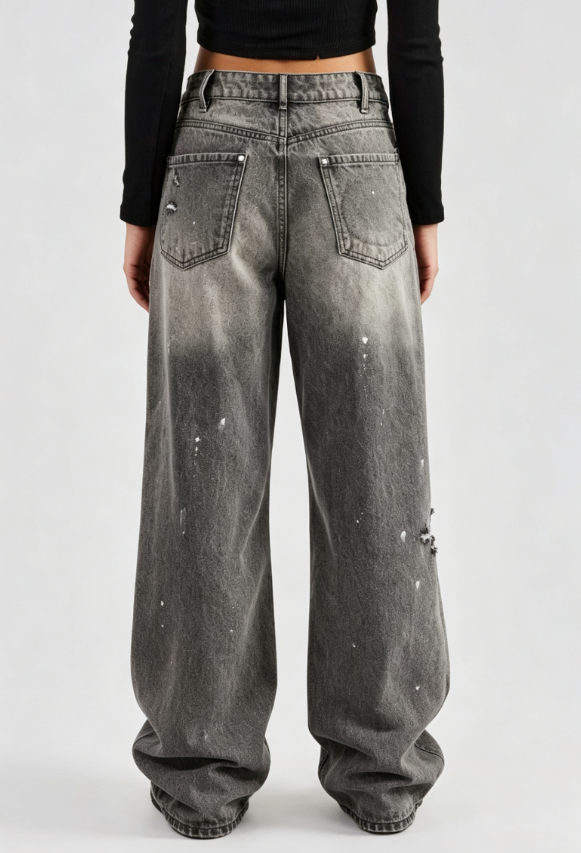
320–400 GSM fabric gives wide-leg cargo sweatpants the drape needed for oversized fashion lines. Four to six pockets raise sewing time and weight, so brands should control flap size and reinforcement for mid-to-premium pricing.
Technical Performance Versions

180–260 GSM stretch woven or performance knit cargo pants favor articulated knees, zip pockets, and elasticized hems. Outdoor and athleisure buyers need abrasion testing, secure zipper specifications, and wash-stable water-repellent finishes.
Women’s And Extended Sizes

XS–3XL programs require adjusted rise, hip ease, thigh balance, and pocket placement rather than simple enlargement. Women’s and extended-size collections benefit from fit samples across key sizes, especially for wide-leg and jogger silhouettes.
4. Cargo Sweatpants Materials and Fabrics
Fabric choice sets the cargo sweatpant’s silhouette, climate range, wash behavior, and perceived value. A cargo sweatpants manufacturer should match GSM, fiber blend, and finish to the intended channel before approving bulk fabric.
| Fabric | Typical GSM | Strengths | Limitations | Positioning |
|---|---|---|---|---|
| Cotton-poly fleece | 280–360 | Warm, durable, stable | Pilling risk | Core winter cargo |
| French terry | 260–330 | Breathable, versatile | Less insulation | Premium all-season |
| 100% cotton | 300–420 | Heavy, natural hand | Higher shrinkage | Elevated streetwear |
| Recycled blend | 280–360 | Lower-impact story | Variable consistency | Responsible capsule |
| Nylon/poly woven | 120–220 | Lightweight, abrasion-resistant | Technical hand | Utility performance cargo |
Fleece And French Terry

280–360 GSM cotton-poly fleece provides a brushed, warm interior and stable bulk performance; polyester improves abrasion resistance but can raise pilling risk. 260–330 GSM French terry has unbrushed loops, a cooler hand, and better year-round wear. Pre-shrinking or wash testing is essential for cotton-rich programs.
Natural And Recycled Blends
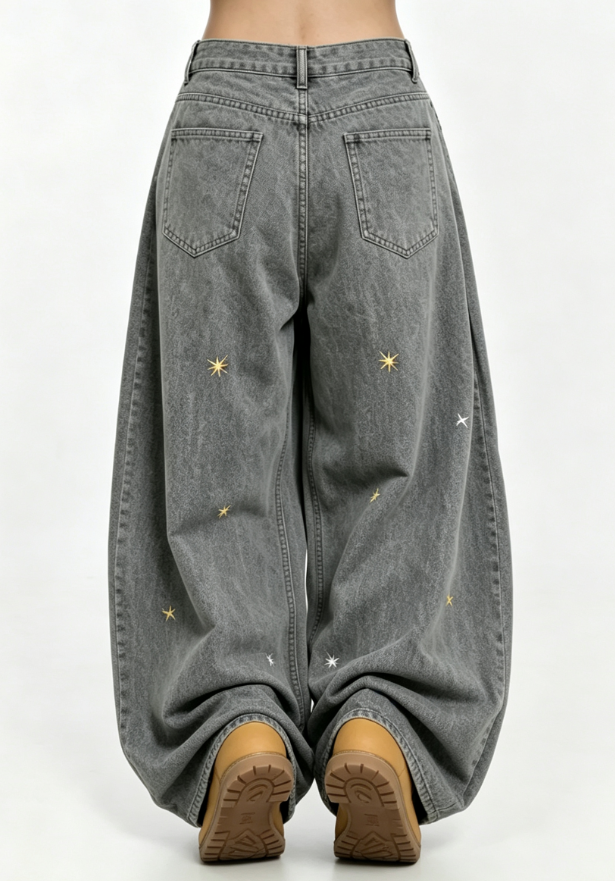
100% cotton at 300–420 GSM delivers a substantial, premium hand and breathable comfort, but typically shrinks more than stabilized blends. Recycled cotton-poly blends support lower-impact positioning when composition and certification documentation are verified; recycled fibers may require careful strength and shade control.
Technical Shells And Rib

120–220 GSM nylon or polyester woven fabric suits lightweight utility cargos, especially when a durable water-repellent finish is specified. It feels less like traditional sweatwear and may be noisier. 1×1 or 2×2 rib at cuffs and waistband should recover after extension; specify elastane content and test recovery after laundering.
5. Cargo Sweatpants Manufacturer Customization Options
A cargo sweatpants manufacturer should receive a specification sheet before sampling: target fit, pocket map, color, trims, artwork, labels, and packing. Each additional variable affects sample rounds, material availability, minimums, and unit cost.
| Customization | Visual Impact | Durability Or Complexity | Cost And Minimum Effect |
|---|---|---|---|
| Flat cargo pocket | Clean utility look | Low complexity | Lowest incremental cost |
| Bellows flap pocket | Dimensional streetwear look | Reinforced corners recommended | More labor per unit |
| Screen print | Bold graphic coverage | Wash-test ink adhesion | Efficient for repeat artwork |
| Embroidery or patch | Textured premium branding | Stitch count drives labor | Higher setup and unit cost |
Fit, Pockets, And Trims
XS–3XL grading should be developed from the intended block, not enlarged from one sample; rise, thigh ease, and cuff opening change wearability. Specify cargo-pocket dimensions, flap or zip closure, elastic waistband width, drawcord type, and rib or self-fabric cuffs. Two-pocket silhouettes are faster and cheaper than multi-pocket utility layouts; bartacks and reinforced pocket corners improve durability. Custom molded cord ends, zipper pulls, or contrast panels add visual impact but may require higher trim minimums.
- Flat, bellows, flap, or zip cargo pockets
- Cotton, flat tape, or tipped drawcords
- Rib cuffs or elastic ankle openings
Private Labels And Packaging
Three label layers—main, size, and wash-care—make private-label presentation clearer and reduce packing errors. Woven labels and custom hang tags have longer lead times than printed care labels, while branded polybags or boxes can raise carton volume and freight cost. Pantone-approved color standards should accompany bulk approval, especially for matched tops and bottoms. Low-MOQ programs benefit from stock packaging with custom inserts rather than fully bespoke boxes.
Print, Embroidery, And Patches

1–3 color screen prints usually offer the most economical bold artwork for bulk runs; water-based ink gives a softer hand, while plastisol is more opaque. Puff, silicone, foil, and high-density effects increase sampling complexity because wash testing is essential. Embroidery, chenille patches, and woven appliqué create texture but add stitch count, backing, and labor. Enzyme, acid, garment-dye, or anti-pilling washes must be tested after decoration to confirm shade and adhesion.
6. Construction Quality for Cargo Sweatpants
Premium cargo sweatpants depend on repeatable construction specifications, not fabric weight alone. A capable cargo sweatpants manufacturer verifies stress areas, recovery, shrinkage, and finished measurements before bulk release.
Seams And Stress Points
8–10 stitches per inch is a practical target for standard lockstitch seams on medium-weight fleece or French terry. Use overlock seams with coverstitch or twin-needle topstitching where a clean interior and durable edge are required. 4–6 bartacks should secure each cargo pocket’s upper corners, pocket flap ends, and fly-area stress points. Reinforced crotch gussets or double-layer knee panels suit utility-focused styles.
Pocket Placement And Balance
6–10 mm placement tolerance for cargo pockets keeps left and right legs visually balanced. Confirm pocket height from the waistband and side seam, then test whether a filled pocket pulls the leg out of shape. 20–30 mm pocket bellows add usable volume without excessive bulk. Check flap coverage, closure alignment, and whether hardware remains comfortable when seated.
Waistband And Cuff Recovery
5–8% elastane in waistband rib is common when reliable recovery is needed. Measure the waistband after stretch-and-release testing; it should return evenly without twisting or exposed elastic. 2–3 anchor points through the waistband channel prevent a drawcord from pulling free. Cuffs need matched circumference, secure coverstitching, and no roping after wash testing.
Sampling And Final Inspection
3–5% dimensional shrinkage allowance is often assessed through agreed wash testing before bulk cutting. Record wash method, temperature, tumble setting, and post-wash measurements on the approved sample. ±1 cm is a workable tolerance for most critical finished measurements, while pocket placement should be tighter. Inspect against the sealed measurement chart at sample approval and pre-shipment.
- Count bartacks and inspect thread breaks at every pocket stress point.
- Compare left-right pocket height, flap alignment, and cuff opening.
- Test waistband recovery and drawcord anchoring after repeated pulls.
- Wash-test one approved sample before authorizing bulk fabric.
- Measure inseam, rise, waist, thigh, hem, and overall length.
7. How to Choose a Cargo Sweatpants Manufacturer
A suitable cargo sweatpants manufacturer should prove technical control before you commit to bulk. Compare the supplier’s cargo-specific work, development method, operating capacity, and export support against your launch requirements.
| Check | Strong Evidence | Buyer Question |
|---|---|---|
| Category experience | Comparable cargo samples | Can you show pocket and fit specifications? |
| Quality system | Measurement and final inspection records | What is checked before packing? |
| Communication | Dated critical-path plan | Who owns sample and bulk updates? |
| Shipping | Written Incoterms and freight choices | Can you support export documents? |
Screen Category And Development Fit
3 cargo-sweatpants samples reveal more than a generic factory portfolio: inspect pocket placement, reinforced stress points, elastic-waist recovery, and consistent size grading. Request comparable styles in French terry, fleece, or twill. 100-unit programs need clear flexibility by style and color. Confirm whether the supplier can execute OEM from a complete tech pack or ODM from sketches, reference garments, and a fabric brief.
Verify Sampling And Materials
7–14 days is a common target for a first development sample after materials are confirmed; ask for a dated sampling plan, revision policy, and pre-production approval process. Review measurements, wash results, and decoration tests before bulk release. 280–420 GSM fleece and 320–450 GSM French terry serve different weights and hand feels. Request a fabric library, composition and weight records, color standards, shrinkage data, and available recycled or certified options.
Request Factory Evidence
200 workers and 80,000-plus monthly units are useful capacity indicators only when matched to your calendar. Ask for the current production window, bulk lead time, in-line inspection steps, final AQL practice, and shipment options. 3 document groups make validation practical: factory registration and compliance records; recent inspection reports; and a written quotation covering MOQ, Incoterms, payment, packing, and export support.
- Confirm a named merchandiser responds within one business day.
- Ask for BSCI, WRAP, OEKO-TEX, or GOTS documents when required.
- Approve a size set and sealed pre-production sample.
- Verify freight quotes for air, express, and sea shipping.
8. Common Cargo Sweatpants Sourcing Mistakes
A 100-unit MOQ can make cargo sweatpants accessible, but small orders leave little room to absorb sampling or bulk errors. Buyers should turn every design decision into an approved, testable production specification before releasing fabric and trims.
Price-Only Supplier Selection
A quote 10–20% below comparable offers may omit fabric weight, pocket labor, testing, or inspection. Compare like-for-like specifications and request a costed breakdown before approving a cargo sweatpants manufacturer.
Incomplete Technical Approval
A tech pack without Pantone references, GSM, measurements, pocket placement, stitch details, and trim specifications invites interpretation. Approve a sealed sample, measurement chart, and construction comments before bulk cutting.
Fabric, Pocket, And Fit Errors
280–360 GSM fleece can shrink, pill, or twist differently after wash, while copied cargo pockets can distort the side seam or restrict movement. Test washed fabric and fit the pocketed sample on target sizes, including extended sizes.
Grading And Decoration Limits

XS–3XL grading cannot rely on proportional enlargement; rise, thigh ease, pocket height, and cuff opening require controlled increments. Confirm print dimensions, embroidery backing, and placement on every size before production.
Inspection And Timing Gaps
A missed in-line inspection can leave hundreds of units with incorrect measurements, decoration, or labels. Plan sampling, lab tests, material booking, bulk sewing, final inspection, and shipping as separate milestones with approval time built in.
9. Launching a Cargo Sweatpants Collection
A 100-unit starting point lets a new cargo sweatpants program validate fit, demand, and retail price before inventory expands. Build the launch calendar backward from the required delivery date, leaving room for sample corrections and freight.
Define Customer And SKU Scope
Start with 1–2 silhouettes, 2 core colors, and one clear customer: streetwear, athleisure, workwear-inspired, or extended-size. A focused range makes sell-through feedback meaningful and limits fabric and trim exposure.
- Set target retail price and margin
- Choose regular or oversized fit
- Specify inseam and pocket function
Build A Production-Ready Tech Pack
Include flat sketches, Pantone colors, measurement specs, pocket dimensions, elastic and drawcord details, artwork placements, labels, and packing instructions. A cargo sweatpants manufacturer can refine manufacturability, but unclear specifications create revision cycles.
Approve Materials And Samples

Select French terry around 320–420 GSM for year-round weight or brushed fleece around 300–380 GSM for warmth, then review swatches before bulk commitment. Evaluate the first sample for rise, knee mobility, cargo-pocket placement, shrinkage, and wash appearance.
Use Fit Feedback Before Grading
Fit the revised sample on the intended wearer, recording waist stretch, thigh ease, outseam, cuff opening, and pocket access. Approve the base size before grading XS–3XL; proportion-based grading reduces avoidable returns and inventory risk.
Lock Branding, Book, And Inspect
Approve labels, hang tags, embroidery or print strike-offs, and the pre-production sample before booking bulk. Plan in-line measurement checks, final packed-goods inspection, balance payment, and freight timing so launch stock arrives before campaign and retail dates.
10. Cargo Sweatpants Manufacturer Pricing and Costs
100 units per style and color is JUNSHEEN’s practical capsule-launch threshold; at this level, cargo sweatpants commonly carry the highest unit cost because fabric and trim purchasing is less consolidated. The estimates below are planning ranges in USD for a midweight 320–400 GSM cotton-blend fleece or French terry style, excluding freight, duty and local taxes. 30–45 days is a typical bulk-production window after approved pre-production samples and materials are confirmed. A cargo sweatpants manufacturer must price fabric weight, cargo-pocket count and construction, zipper or snap trims, print or embroidery, wash effects, labels, packaging, color count and total volume before committing. 1 finalized tech pack, measurement chart, artwork file, size range, packaging brief and Incoterm are required for a dependable quote. Destination terms matter: EXW, FOB and delivered pricing include different responsibilities, while sampling charges can often be credited against a confirmed bulk order by agreement.
| Order quantity | Indicative unit price | Sampling or setup | Bulk lead time |
|---|---|---|---|
| 100–299 units | US$13–22 | US$100–250 sample; decoration setup extra | 35–45 days |
| 300–999 units | US$10–17 | US$80–200 sample; screen setup typically US$30–100 per color | 30–40 days |
| 1,000+ units | US$8–14 | US$60–150 sample; setup spread across volume | 25–35 days |
Start Your Cargo Sweatpants Manufacturer Program
Send your tech pack, reference garment, or product idea to request a quote and begin fit-focused sampling from 100 units.