
Custom Joggers Manufacturing From 100 Units
Develop custom joggers with fit-focused XS–3XL grading, private-label details, and scalable production for global brands.
Featured Products for custom joggers Development





Related Product Catalogue and Quotation






Custom Joggers Built for Brand-Ready Production
From first sample to export-packed bulk orders, JUNSHEEN gives global labels integrated support for scalable jogger programs.
100-Unit MOQ
Launch capsule custom joggers from 100 units per style and color, with room to scale into repeat bulk programs.
Fit-Focused XS–3XL
Refined patterns and grading improve rise, leg balance, mobility, and proportion across regular, oversized, extended-size, and plus-size fits.
Integrated Decoration
Add logo embroidery, screen printing, patches, garment dye, washes, and branded trims through one coordinated production team.
Material Sourcing Support
Select fleece, French terry, jersey, performance knits, or recycled options based on hand feel, weight, durability, cost, and wash performance.
Export-Ready Quality Control
Inspections cover fabrics, construction, measurements, fit, decoration, and packed goods before global shipment, helping maintain consistent brand standards.
OEM to Private Label
Move from tech pack, sketch, reference garment, or concept to sampling, labels, packaging, and production-ready custom joggers.
Custom Joggers and Casualwear for Every Collection
Build coordinated capsule, wholesale and scaled apparel ranges with fit-focused development, low-MOQ production and integrated private-label finishing.

Custom Hoodies
Develop custom hoodies in fleece, French terry or jersey with fit grading from XS–3XL. Add embroidery, screen printing, custom labels and trims for capsule drops, retailer programs and repeat bulk orders.
Request a Quote
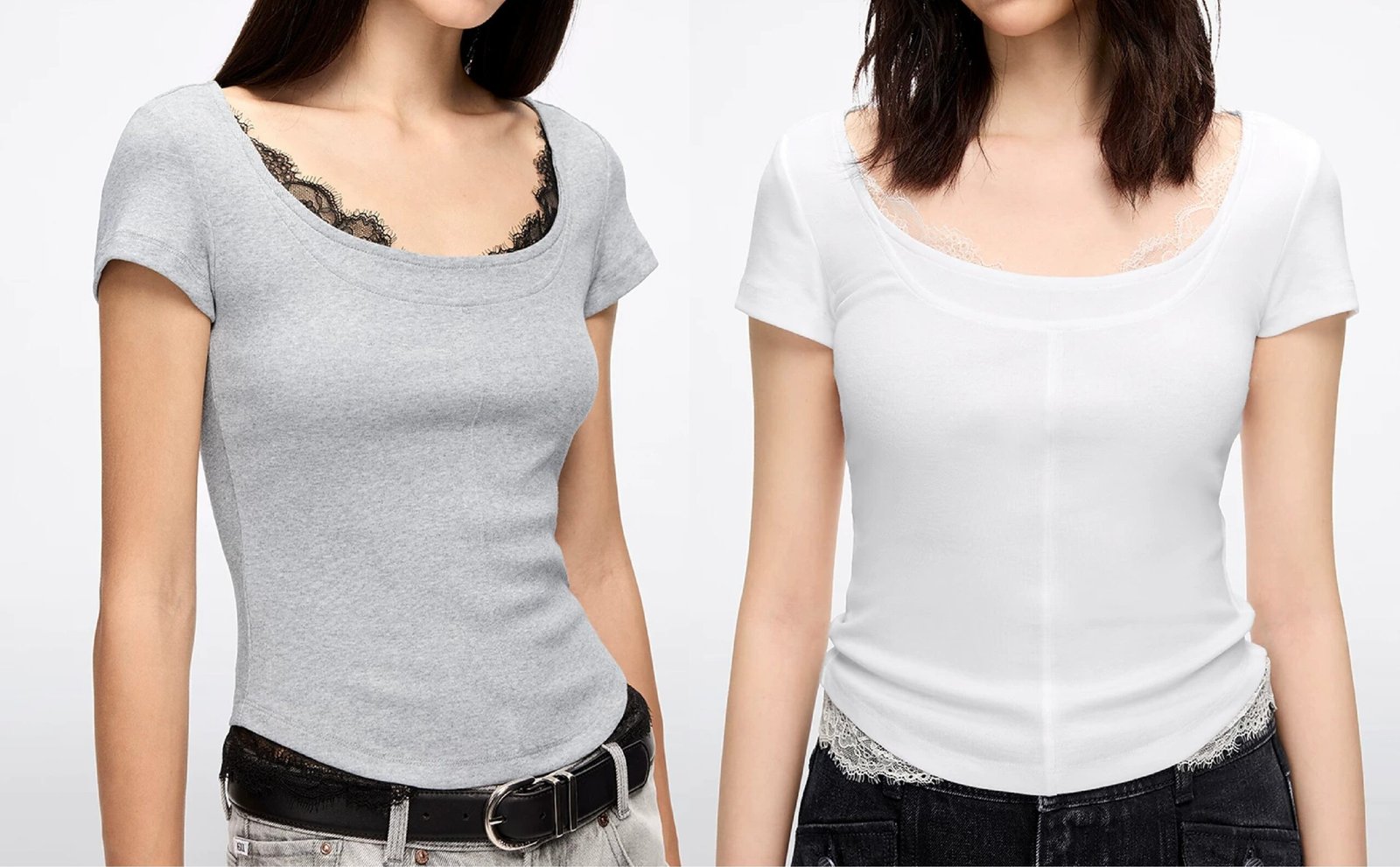
Custom T-Shirts
Produce custom T-shirts from supplied tech packs, references or new concepts. Choose fabric weight, neck construction, prints and washes to create dependable core styles or coordinated casualwear collections from 100 units per style and color.
Request a Quote
Custom Jeans
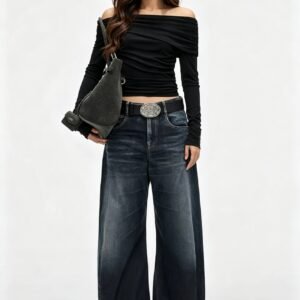
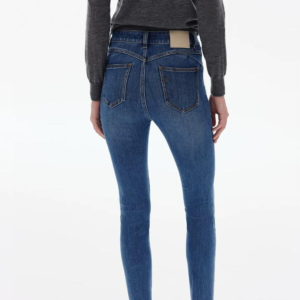
Create custom jeans with denim sourcing, pattern development, fit refinement and wash support. Junsheen develops rises, leg shapes and grading across XS–3XL for brands building reliable denim programs alongside joggers and tops.
Request a Quote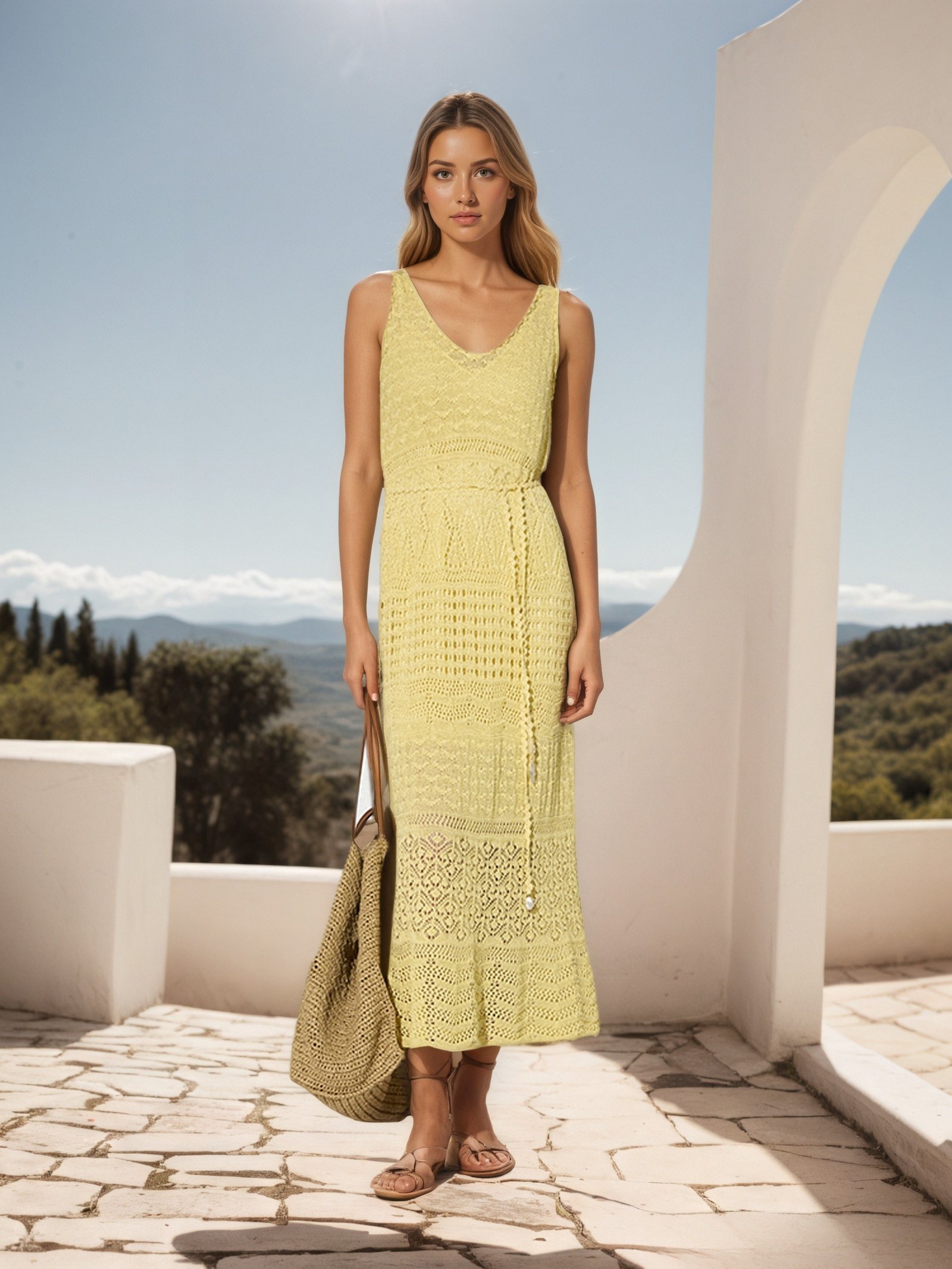
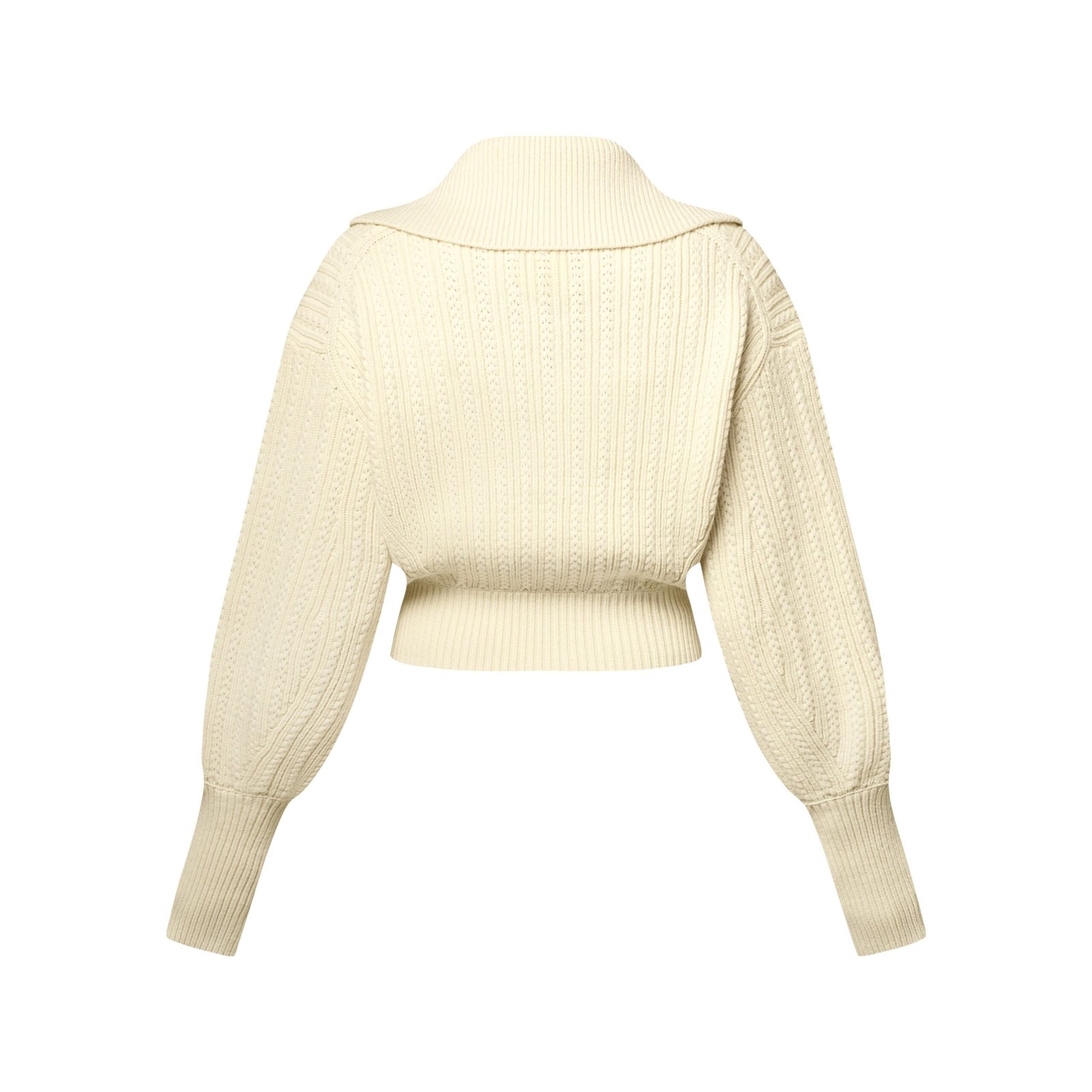
Custom Sweaters
Source turtle neck sweater bulk programs with sweater constructions selected for gauge, hand feel, warmth and target cost. Develop consistent sizing, labels and packaging for seasonal capsules, wholesale assortments and replenishable knitwear ranges.
Request a Quote
Custom Jackets
Develop custom jean jackets with denim weights, wash treatments, hardware and branded trims aligned to your collection. Pattern and size grading support regular, oversized and extended-size fits for coordinated denim and casualwear programs.
Request a Quote
Custom Sweatshirts & Crewnecks
Produce custom crewneck hoodie and sweatshirt programs with French terry or fleece options, rib specifications and decoration placement. These versatile layers support logo merchandise, capsule launches, wholesale assortments and scalable seasonal production.
Request a Quote
Custom Cardigans
Build custom cardigans with yarn selection, knit construction, buttons and private-label details matched to your market position. Sampling and size grading help create wearable layering pieces for complete casualwear and knitwear collections.
Request a Quote
Custom Puffer & Down Jackets
Produce custom puffer jackets with shell, lining, insulation, quilting and trim specifications reviewed before sampling. Development support helps brands balance warmth, silhouette, target cost and branded finishing for outerwear capsules or scaled programs.
Request a Quote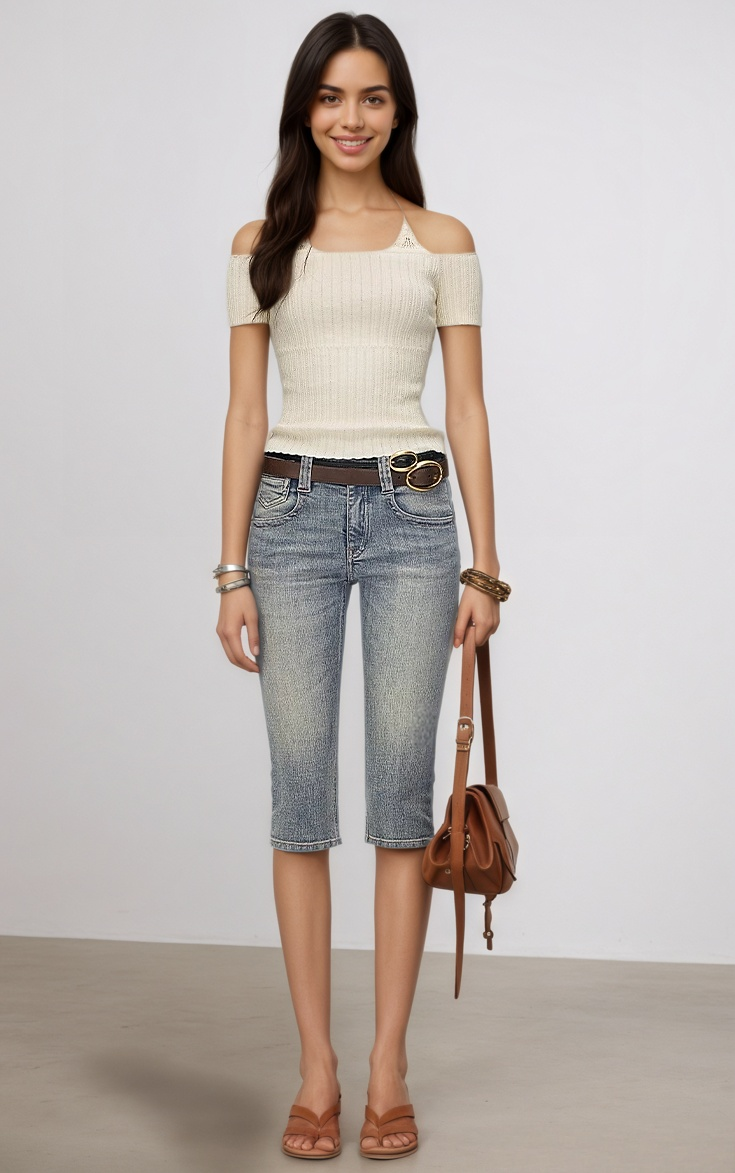
Custom Denim Shorts
Create custom jean shorts with denim sourcing, inseam and rise development, washes and hardware options. Fit-focused grading supports regular, oversized and extended-size shorts for summer capsules, wholesale buying and repeat denim orders.
Request a Quote
Custom Sweater Dresses
Develop custom sweater dresses with yarn, gauge, neckline and body-shape specifications suited to your target customer. Pattern development and grading help maintain proportion, mobility and consistent fit across XS–3XL size runs.
Request a Quote
Custom Denim Sets
Produce mens denim suits wholesale programs as coordinated jackets and trousers with matching fabric, wash and trim control. Junsheen supports bulk-ready specifications, private labels and quality checks for retailers, distributors and fashion-brand collections.
Request a Quote
Custom Polo Shirts
Manufacture custom polo shirts in pique, jersey or performance-knit fabrics with collar, placket, embroidery and trim specifications. Suitable for branded casualwear, retail capsules, uniform-adjacent programs and scalable wholesale assortments.
Request a Quote
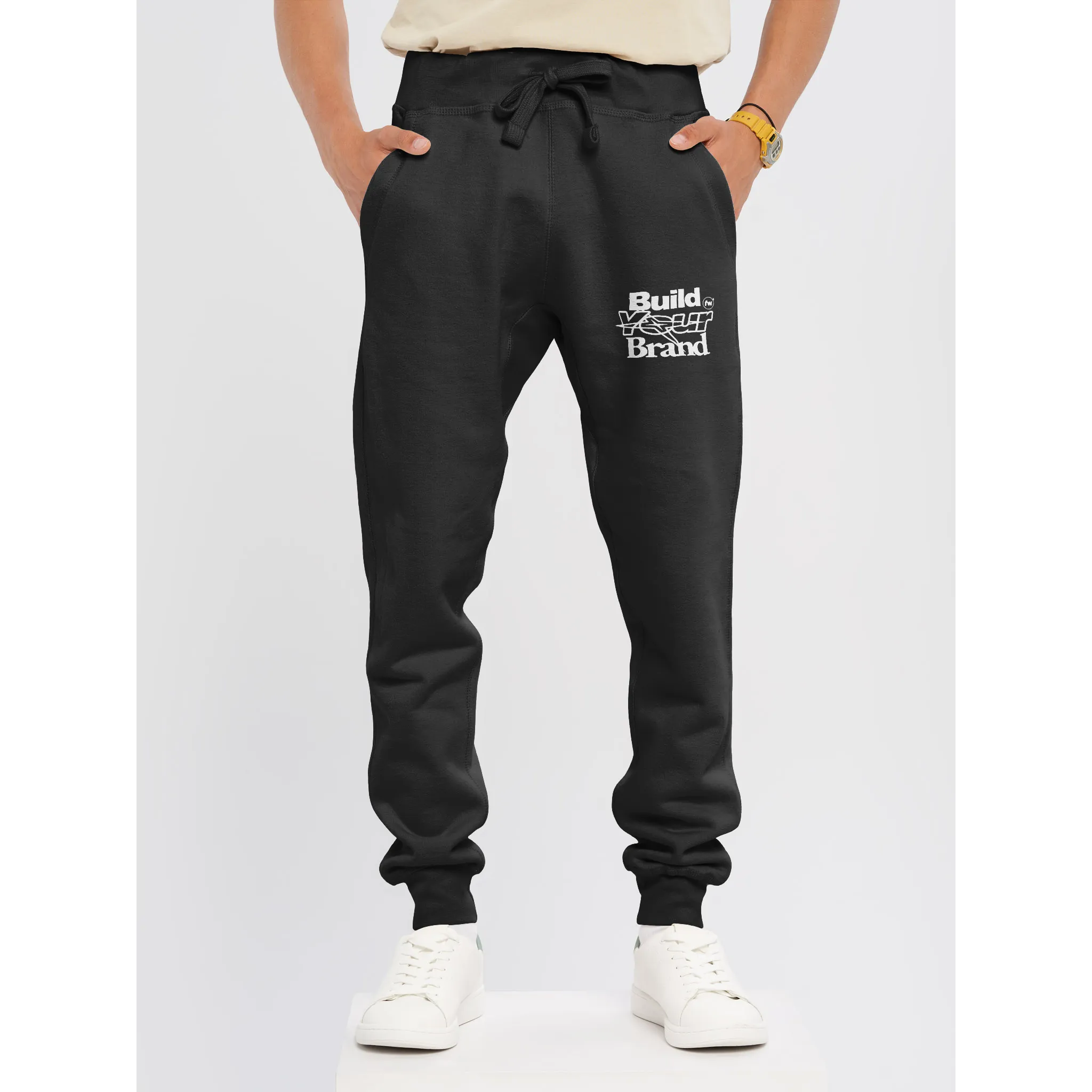
Custom Sweatpants
Develop custom sweatpants with waistband, pocket, cuff, fabric weight and fit specifications tailored to your range. Coordinate them with joggers, hoodies and crewnecks while maintaining consistent grading from XS–3XL for bulk production.
Request a Quote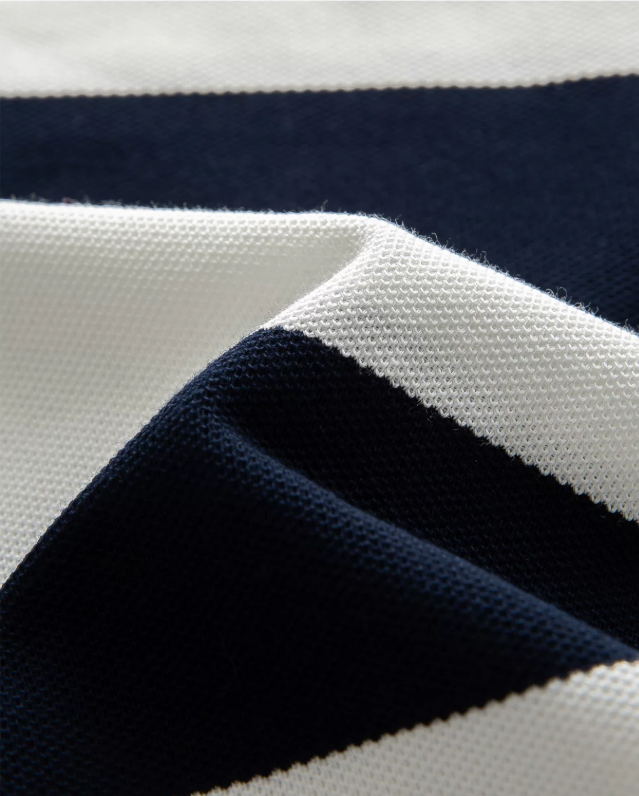
Custom Shorts
Produce custom shorts in jersey, fleece, twill or denim with inseam, pocket, waistband and decoration options defined during development. Low MOQs make them practical for capsule launches before expanding into wholesale or repeat programs.
Request a Quote
Custom Pullovers
Create custom pullovers in knit, fleece or jersey constructions with neckline, fit and branded-detail specifications. Junsheen supports sampling, grading and integrated decoration for versatile layers that connect casualwear capsules to scalable seasonal ranges.
Request a QuoteCustom Joggers Materials for Comfort, Structure and Wear Life

French Terry
A breathable cotton-rich loopback fabric with a soft face and lightly textured interior. Ideal for premium everyday custom joggers, it offers midweight structure, comfortable warmth and reliable shape retention through repeat wear.

Brushed Fleece
Soft, warm and substantial, brushed fleece suits cold-weather joggers, coordinated sets and elevated loungewear. Its napped inner surface improves next-to-skin comfort, while heavier weights create a fuller drape and more insulating feel.

Cotton Jersey
Smooth cotton jersey delivers a lighter, flexible hand for relaxed joggers, travel styles and warm-climate collections. Natural stretch supports easy movement, and the fabric can be selected in varied GSM weights for different levels of coverage.

Cotton Stretch Blends
Cotton blended with elastane or polyester balances a familiar soft hand with added recovery and durability. A practical choice for slim or tapered joggers, it helps the garment maintain knee shape and mobility during active daily wear.

Performance Knits
Technical knit constructions provide moisture management, stretch and quick-dry performance for active or athleisure joggers. Depending on the yarn blend, they can offer four-way stretch, a smooth cool-touch surface and strong abrasion resistance.

Recycled Fabric Blends
Recycled polyester and recycled cotton blends support lower-impact material stories without limiting design options. Suitable for fleece, terry or performance custom joggers, these fabrics can be specified for weight, stretch, softness and durability requirements.
Custom Joggers Decoration and Finishing Options

Logo Embroidery
Flat, 3D puff, chain-stitch, and applique embroidery create a dimensional branded finish for custom joggers. Suitable for thigh, pocket, or back placements, with reinforced stitching for repeated wear and washing.

Screen Printing
Plastisol, water-based, puff, flocking, silicone, high-density, foil, and discharge screen prints deliver bold graphics with controlled texture. Junsheen matches ink and curing methods to fleece, French terry, jersey, and blended jogger fabrics.

Heat Transfer
DTF and heat-transfer applications reproduce detailed logos, multicolor artwork, and smaller production runs cleanly. The result is a precise, flexible graphic finish ideal for logo placements, numbered styles, and promotional custom joggers.

Dye Sublimation
Dye sublimation infuses all-over artwork directly into compatible polyester performance fabrics, producing vivid color without a raised print layer. It supports lightweight joggers with breathable graphics that retain clarity through regular laundering.

Garment Washing
Enzyme, softening, anti-pilling, garment-dye, acid-wash, stone-wash, brushing, and napping treatments refine hand feel and character. These processes can give joggers a broken-in softness, vintage depth, or premium fleece surface.

Specialty Effects
Combine puff ink, silicone, reflective details, patches, sequins, or custom trims to create distinctive collection-level finishes. Junsheen reviews placement, fabric behavior, and wash performance during sampling to protect the final visual impact.
Private-Label Accessories for Custom Joggers

Custom Drawcords
Choose cotton, flat, round, reflective, waxed, or tipped drawcords to complement your custom joggers. Match colors, aglets, and cord weight to the waistband construction and intended brand position.

Branded Zippers
Add durable nylon, metal, or waterproof zippers to pocket openings, ankle vents, or detachable details. Custom pullers and logo finishes help create a more distinctive, functional private-label jogger.

Woven Labels
Use woven main labels, size labels, and wash-care labels to clearly carry your brand identity and garment information. Junsheen can position labels at the waistband, side seam, pocket, or interior neck area.

Custom Patches
Elevate fleece or woven joggers with embroidered, chenille, leather, rubber, or woven patches. Patches work well on thigh panels, back pockets, waistbands, and cargo-style pockets for visible branding.

Snap Button Details
Specify custom snaps for cargo pockets, adjustable cuffs, or detachable components. Select matte, glossy, antique, or logo-engraved finishes that support the collection’s utility, streetwear, or premium direction.
Branded Packaging
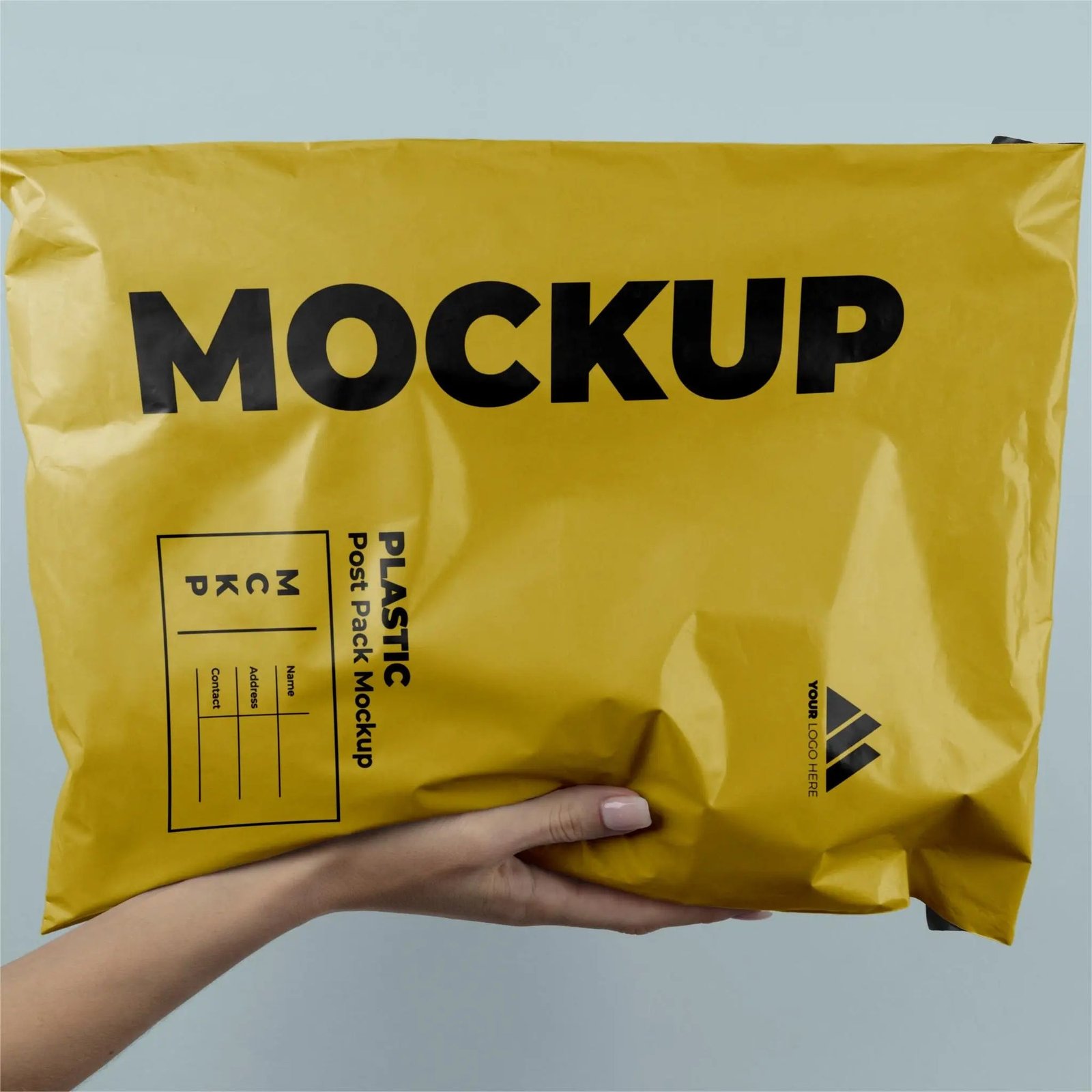
Complete the order with custom hangtags, polybags, tissue paper, stickers, carton markings, and barcode-ready packaging. Coordinated packing improves presentation and helps custom joggers arrive ready for retail distribution.
About JUNSHEEN Custom Joggers
Founded in 2010 in Humen Town, Dongguan, JUNSHEEN helps fashion brands turn custom joggers concepts into production-ready collections. From a tech pack, sketch or reference garment, our team supports product development, fabric sourcing, pattern making, sampling and scalable OEM, ODM and private-label manufacturing.
With more than 200 skilled workers and monthly capacity above 80,000 units, we combine cut-and-sew expertise with knitting, decoration, washing, finishing, labels, trims, packaging and global export support. Our low MOQ starts at 100 units per style and color, giving emerging labels room to launch without sacrificing capability.
What distinguishes JUNSHEEN is a fit-first approach across XS–3XL, extended sizes, plus sizes and modern oversized silhouettes. We refine rise, proportion, mobility and grading instead of simply enlarging a base pattern, helping more than 2,000 global fashion-brand clients create dependable jogger programs that can grow with demand.

Custom Joggers Fit, Development and Production Capability
Fit-First Pattern Development
JUNSHEEN develops custom joggers from XS to 3XL with proportion-aware grading, refining rise, hip ease, inseam, cuff placement and mobility instead of merely scaling a base pattern. This creates a more consistent fit across regular, oversized and extended-size programs.
- Pattern making from tech packs, sketches or reference garments
- Size grading for XS–3XL, plus-size and oversized fits
- Prototype, size-set and pre-production fit approvals
- Specification review to reduce sampling revisions
Technical Product Development
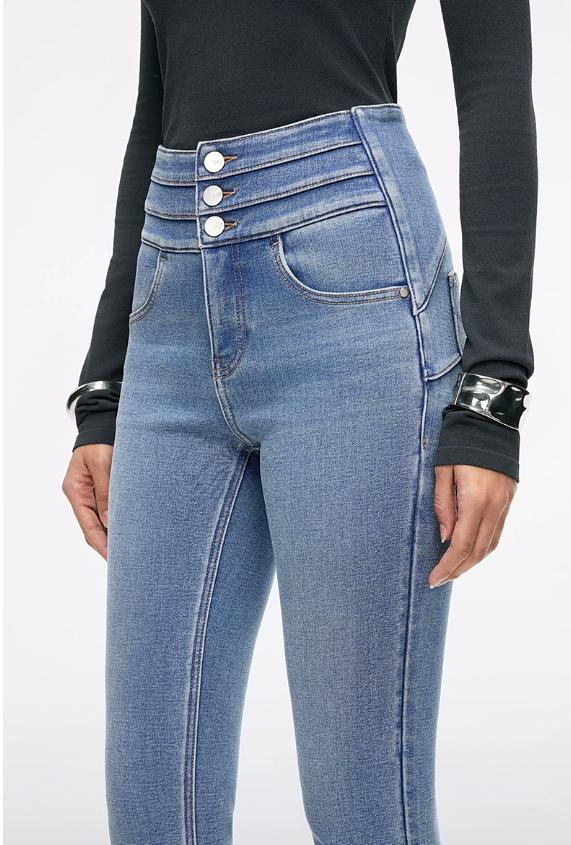
Our development team turns an idea into production-ready joggers by aligning fabric weight, stretch, pocket construction, waistband engineering and trim choices with your target price and intended wear. You can review swatches and samples before bulk materials are confirmed.
- French terry, fleece, jersey, twill and performance-knit sourcing
- Recommendations based on hand feel, durability and wash performance
- Custom pockets, cuffs, waistbands, drawcords and zipper details
- OEM, ODM and private-label development support

In-House Brand Embellishment
Keep your branding coordinated through integrated decoration, finishing and private-label execution. From clean logo embroidery to washed streetwear effects, JUNSHEEN manages the visual and technical details that help custom joggers feel like a finished branded product.
- Embroidery, screen printing, DTF, heat transfer and silicone effects
- Garment dye, acid wash, enzyme wash, brushing and napping
- Custom woven labels, care labels, hang tags and patches
- Branded drawstrings, zippers, trims and packaging

Repeatable Bulk Consistency
For capsule launches and scalable replenishment, retained patterns, graded size sets and material records support faster repeat orders. With 200+ skilled workers and capacity above 80,000 units monthly, JUNSHEEN combines low-MOQ flexibility with dependable production control.
- MOQ from 100 units per style and color
- Incoming, in-line, measurement and final packed-goods inspections
- Retained production records for repeat-order consistency
- Global export support for growing brand programs

Why Brands Choose JUNSHEEN for Custom Joggers
A fit-first, production-ready partner for jogger programs from first sample through scalable global delivery.
← 左右滑动查看 →
Our Custom Joggers Production Process
A controlled OEM workflow that moves your jogger program from approved materials and fit details to export-ready branded goods.
Source Fabrics and Trims
We confirm fabric weight, hand feel, color, drawcords, elastics, labels and target cost, then prepare swatches and component options for approval.
Develop Patterns and Samples
Pattern makers build fit-focused XS–3XL graded patterns, refine rise and leg proportion, and produce samples for measurement, wear and construction review.
Cut, Sew and Decorate
Approved materials are cut and sewn by skilled teams, with embroidery, printing, washes or finishing applied according to your approved production specifications.
Inspect Fit and Quality
Quality checks cover fabric, stitching, measurements, decoration and finished appearance during production and again before packing to protect consistency across the order.
Pack, Ship and Scale
We add branded labels, hang tags and packaging, finalize export documentation, and coordinate global shipment for launches, replenishment and scalable bulk programs.
Start Your Custom Joggers OEM Project
Move from concept to approved bulk production with a clear, fit-focused development workflow.
Share Your Product Brief
Send a tech pack, sketch, reference garment, mood board, or jogger concept. Our team reviews construction, fit targets, fabric needs, decoration, and 100-unit MOQ feasibility.
Develop and Review Samples
Confirm materials, trims, measurements, XS–3XL grading, and logo applications while we create a prototype. Review the sample and refine technical details before bulk approval.
Approve Pricing and Pre-Production
Receive a clear quotation based on your approved specifications and quantity. Finalize colorways, size ratios, labels, packaging, production sample, and delivery requirements before scheduling.
Launch Bulk Manufacturing
JUNSHEEN manages cut-and-sew production, decoration, in-line inspection, final quality control, packing, and global export support for consistent custom joggers ready for your market.
Custom Clothing Manufacturer Credentials and Compliance Documents



Custom Joggers Results From Global Fashion Brands
JUNSHEEN refined our tapered jogger grading from XS to 3XL during sampling. We approved the size set in two rounds and launched our first 120-unit colorway on schedule, with noticeably fewer fit-related returns.
For our capsule drop, the 100-unit MOQ made custom joggers commercially workable. The team matched our French terry weight, embroidered branding, and custom labels, helping us sell through 86% of the first run in six weeks.
We moved from an initial 300-piece order to three repeat programs without rebuilding specifications each time. JUNSHEEN retained our patterns and materials, maintained measurement consistency, and coordinated export delivery to our UK distribution partner.
Custom Joggers OEM FAQ
Clear answers on MOQ, development, fit, labeling, payment and delivery for brand-ready jogger production.
What is the minimum order quantity for custom joggers?
Can I order a sample before producing custom joggers in bulk?
How long does custom joggers sampling and bulk production take?
Can you develop XS–3XL, plus-size and oversized jogger fits?
What private-label options can I add to custom joggers?
Do you protect my custom joggers designs and tech packs?
What payment terms do you offer for OEM jogger orders?
Do you ship custom joggers internationally?
The Complete Buyer’s Guide to custom joggers
Use this practical framework to define custom joggers, evaluate fabrics and construction, compare supplier capabilities, control costs, and avoid sourcing mistakes before committing to samples or production.
1. What Are custom joggers?
100-unit production runs can qualify as custom joggers when the buyer controls the product specification: fit, fabric, color, pocket layout, waistband, cuffs, drawcord, labels, packaging and decoration. For B2B sourcing, the term means branded sweatpants developed for resale—not merely a logo placed on a generic garment. 3 sourcing levels determine the brief a supplier needs. Blank private-label joggers use an existing silhouette with a new neck-equivalent label system, hang tag, packaging, and usually a limited color or logo treatment; they suit fast tests when fit changes are unnecessary. Fully OEM-developed joggers begin with a tech pack, sketch, or reference sample and can change rise, leg taper, inseam, GSM, French terry or fleece selection, rib specification, Pantone color, hardware, embroidery, print, and size grading. 1 promotional print-on-demand jogger is different: it is typically a stocked blank decorated after an order, with minimal control over pattern, fabric continuity, construction, or bulk consistency. It can validate artwork, but it is rarely the right base for a private-label line requiring repeatable fit and margins. 2 questions clarify the appropriate level before contacting a manufacturer: Does the brand need a proven blank quickly, or a proprietary fit and construction? If the answer involves extended sizing, a target hand feel, custom washes, branded trims, or future repeat orders, prepare an OEM brief with target quantity, size range, reference images, decoration method, and target cost.
2. Evolution of the Jogger
1920s athletic warm-up pants established the practical DNA of the jogger: easy movement, an elasticated waist, and cuffed ankles that kept fabric clear of footwear. By the 1980s and 1990s, sportswear brands and hip-hop streetwear had moved that silhouette beyond training, making fabric weight, taper and visible branding part of a garment’s commercial identity. 2010s athleisure turned joggers into an all-day category, while oversized proportions and coordinated hoodie-and-pant sets created a more deliberate collection story. A 280–360 GSM brushed fleece jogger can support cold-weather premium loungewear; a 240–320 GSM French terry version better suits transitional seasons, travel capsules and year-round streetwear. 2020s buyers increasingly expect sustainability claims to be substantiated through material records, such as recycled-content documentation or GOTS and OEKO-TEX certification where applicable. For custom joggers, define the target customer before approving a pattern: a slim athletic taper, relaxed unisex fit and plus-size fit need different rise, thigh ease, cuff opening and grading—not a simple scaled-up base size. 100-unit-per-style-and-color production can make a focused launch practical, but collection positioning should still guide color count and fabric commitment. Use matching-set programs for higher average order value, reserve garment dye or wash effects for street-led drops, and align fleece versus French terry with the intended selling season and market climate.
3. Types of custom joggers
Six commercial categories cover most custom joggers briefs, but each changes pattern work, trim choices, and selling channel. Select the category around the wearer’s movement, preferred proportion, and target retail position before sampling.
Classic Cuffed Sweatpants
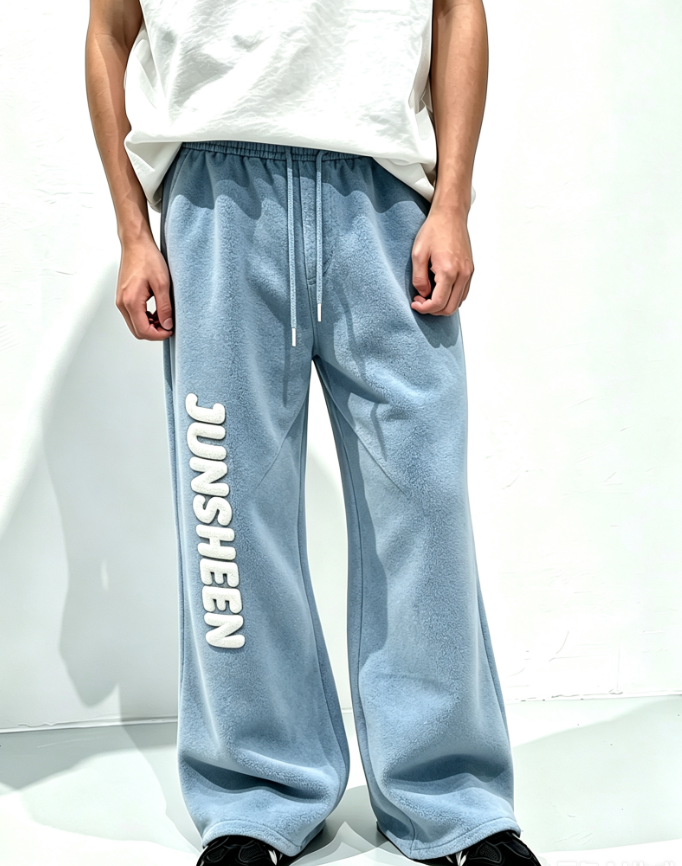
Rib cuffs create a tapered, stay-put silhouette for everyday consumers and collegiate or DTC programs. Elastic waist, drawcord, and side pockets are familiar; rib recovery and cuff-to-leg grading require approval.
Straight-Leg Styles

20–24 cm finished hems typically give adult straight-leg joggers a cleaner, less sporty profile. Fashion retailers favor the relaxed drape; hem width and inseam must stay balanced across graded sizes.
Cargo Joggers
Two or more utility pockets position cargo joggers for streetwear, workwear-inspired labels, and wholesale accounts. Pocket placement, flap construction, and extra seams increase labor, bulk, and measurement-control points.
Performance Joggers

4-way-stretch performance joggers suit training, travel, and athleisure channels where mobility matters. Zip pockets, articulated knees, and reflective trims add function, while stretch recovery and abrasion testing add material cost.
Heavyweight Streetwear Styles
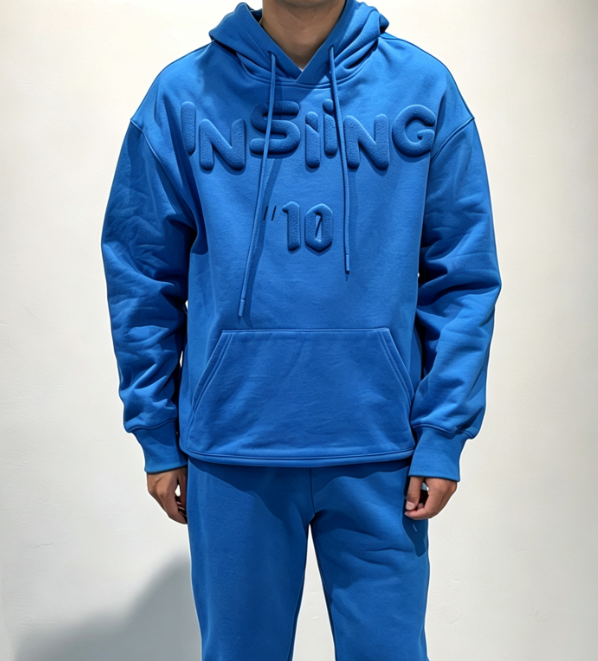
400–500 GSM fleece supports the substantial hand and structured leg favored by premium streetwear buyers. Oversized proportions, deep pockets, and garment washes sell the look; shrinkage testing and wash consistency are essential.
Extended-Size Options
XS–3XL programs need revised rise, thigh, knee, and cuff proportions rather than simple enlargement. Inclusive DTC brands benefit from reliable fit; additional grading and size-set samples require earlier development decisions.
4. Fabrics for custom joggers
Fabric choice sets the hand feel, thermal range, recovery and wash risk of custom joggers. Specify fiber content, finished GSM, surface treatment and target end use before approving color or decoration.
| Fabric | Typical GSM | Key Behavior | Best Use |
|---|---|---|---|
| Cotton fleece | 280–360 | Brushed, warm, low stretch | Winter lounge |
| French terry | 240–320 | Breathable loops, lighter | Year-round casual |
| Poly-cotton | 240–320 | Durable, quicker drying | Uniforms and retail |
| Nylon-spandex | 180–260 | Four-way stretch, fast drying | Training |
| Recycled polyester | 200–300 | Pilling-resistant, durable | Travel and activewear |
Fleece And French Terry
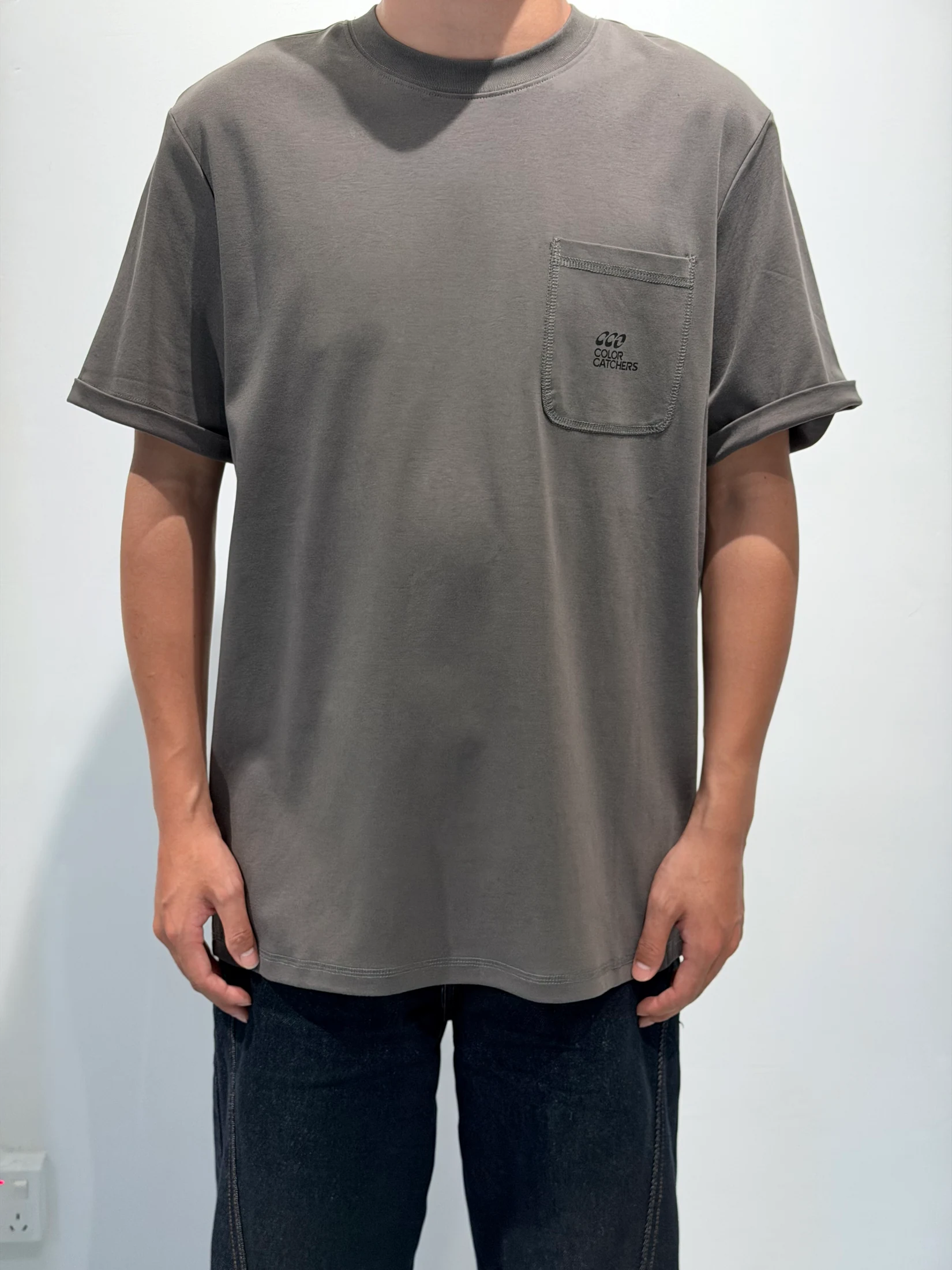
280–360 GSM cotton-rich fleece is brushed on the inside for insulation and a soft hand; it suits cold-weather sets but needs controlled shrinkage testing. 240–320 GSM French terry has unbrushed loops, better breathability and less bulk. Ring-spun cotton improves smoothness, while polyester can reduce drying time and pilling.
Performance And Recycled Blends

180–260 GSM nylon-spandex delivers four-way stretch, abrasion resistance and fast drying for training joggers; specify recovery after repeated extension. 200–300 GSM recycled-polyester blends suit travel and uniforms when pilling resistance matters. Confirm recycled-content documentation and test heat-transfer compatibility before bulk approval.
Specification Checks
3–5% elastane improves cuff and waistband recovery, but excessive stretch can distort a relaxed silhouette. Require wash testing for shrinkage, spirality, color fastness and pilling before approving production. 2–5% dimensional change after laundering is a practical tolerance to discuss with the mill; pre-shrunk cotton reduces risk but does not replace garment testing.
5. Custom joggers Decoration Options
At a 100-unit production starting point, decoration should be specified with the artwork, fabric weight, and wash target—not added after sampling. Custom joggers need methods that stay legible across curved pockets, seams, rib cuffs, and repeated laundering.
| Method | Visual Effect | Placement Limits | Wash Durability | MOQ/Cost Driver | Best Fabrics |
|---|---|---|---|---|---|
| Screen print | Flat, opaque color | Smooth thigh or leg panels | High when cured correctly | 100 garments; colors and print area | Jersey, French terry, fleece |
| Embroidery | Textured premium logo | Avoid seams and stretch zones | High; stabilize backing | 100 garments; stitch count | Fleece, terry, stable twill |
| Puff print | Raised soft graphic | Open artwork; avoid seams | Good; test abrasion | 100 garments; coverage and colors | Midweight fleece, French terry |
| Heat transfer | Detailed multicolor image | Flat, low-stretch panels | Good; test edge lift | 100 garments; artwork size | Jersey, performance knits |
| Patches/appliqué | Layered branded detail | Thigh, pocket, back panel | High when securely sewn | 100 garments; materials and sewing | Fleece, denim, twill |
| All-over treatments | Garment-wide dye or wash effect | Plan before cutting or finishing | Varies by process | 100 garments; color and wash trials | Cotton jersey, terry, fleece |
Match Method To Artwork

1–3 spot-color logos suit screen print or puff print; fine gradients and photographic art suit DTF or heat transfer. Dense embroidery gives a premium dimensional result but can pull lightweight jersey. 280–420 GSM fleece and French terry provide the most stable base for puff ink, embroidery, appliqué, and patches. Test the chosen effect on a washed sample, especially with brushed fleece or garment-dyed goods.
- Use plastisol for opaque, durable solid-color graphics.
- Use puff ink for bold raised artwork with open areas.
- Use heat transfer for small multicolor details or names.
Plan Placement And Labels
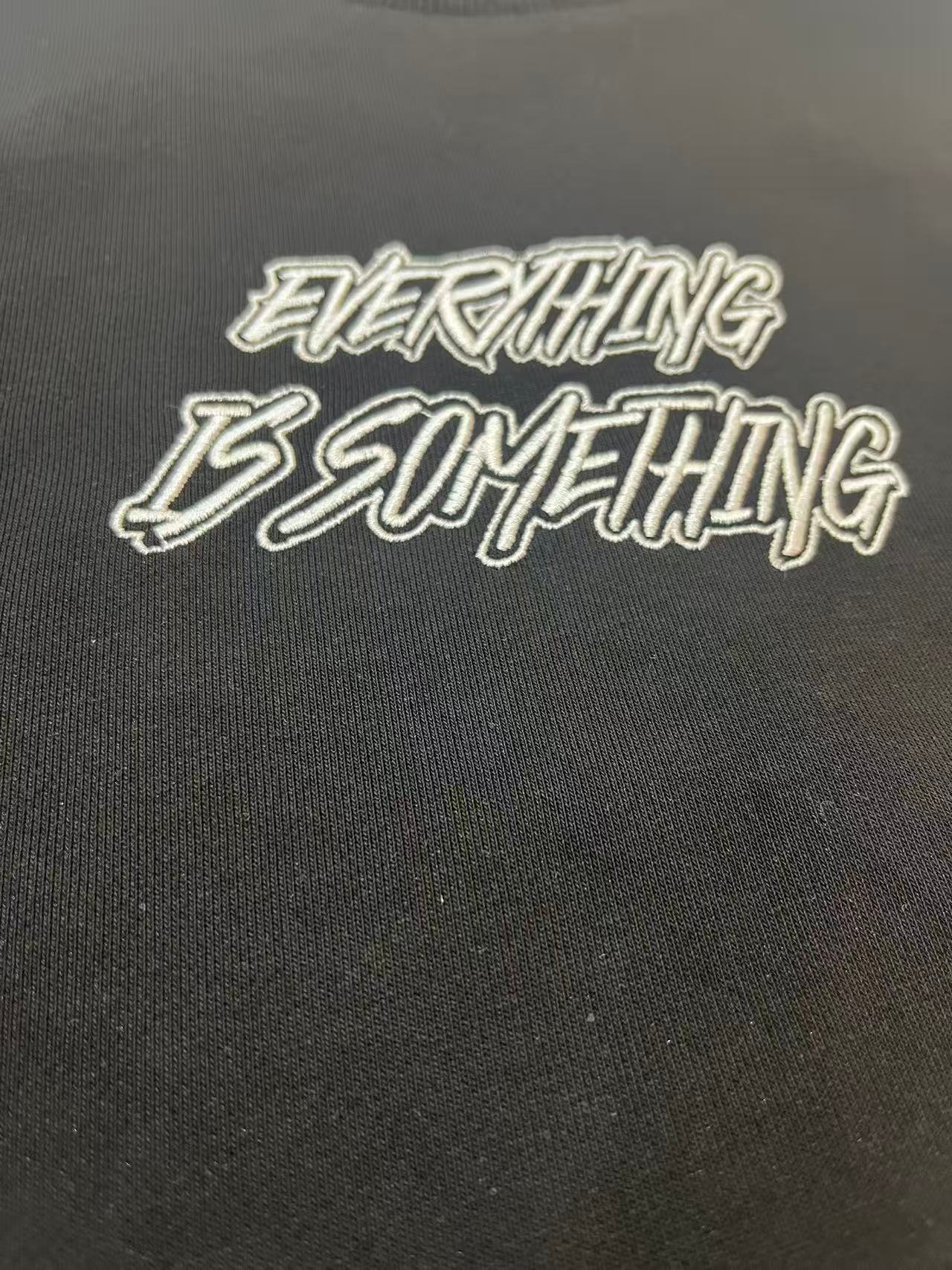
2–4 decoration zones usually keep a jogger commercially clean: thigh, side leg, back pocket, and waistband. Avoid placing large prints across inseams, pocket openings, heavy rib, or drawcord channels. 1 woven main label, size label, wash-care label, and hang tag create the private-label system without crowding the garment. Woven labels and custom patches are durable, low-area identifiers that suit repeat programs.
Approve Wash Performance

3–5 wash cycles during development reveal cracking, color loss, embroidery puckering, transfer edge lift, and patch adhesion issues. Confirm wash temperature, tumble-dry guidance, and inside-out care instructions before bulk approval. 100-unit runs can support focused branding, while embroidery stitch count, ink colors, print area, patch construction, and placement count drive decoration cost. Retain approved artwork files and placement measurements for repeat-order consistency.
6. Construction Quality for custom joggers
A dependable jogger is built around recovery, seam durability, and repeatable measurements—not surface styling. For custom joggers, require every construction point to be specified in the tech pack and verified on a washed pre-production sample.
Waistband And Drawcord
2×2 rib waistbands commonly use elastane for recovery; specify finished height, elastic width, stretch range, and recovery after 10 extensions. A loose waistband becomes a return issue even when the body fit is correct. 1 drawcord channel should be cleanly topstitched, with bartacks or eyelets securing each exit. Approve cord diameter, tip finish, length, and whether the cord is functional before bulk cutting.
- Record relaxed and stretched waistband measurements
- Specify eyelet, metal tip, or knotted cord ends
- Check elastic does not twist after washing
Pockets, Rise, And Seams
2 pocket corners per side should receive bartacks or equivalent reinforcement, particularly on heavier French terry and fleece joggers. Inspect pocket opening length, bag depth, and lining fabric so phones do not pull the side seam out of shape. 10–12 stitches per inch is a useful starting specification for many knit seams, adjusted for fabric weight and thread. Require overlock seam finishing, secure crotch reinforcement, and flat, non-ropey seams in the approved sample.
- Confirm front and back rise from crotch seam
- Measure inseam by size, not only the base size
- Inspect cuff seam bulk and elastic recovery
Grading And Wash Approval
XS–3XL grading needs planned increments in waist, hip, rise, thigh, inseam, and cuff—not a uniformly enlarged base pattern. Review a graded measurement chart and a size set when extended sizes are part of the launch. 3 wash cycles on the production-intent sample can expose shrinkage, twisting, pilling, color loss, and waistband or cuff failure. Lock approved tolerances, wash method, fabric lot, and measurement points before issuing pre-production approval.
- Compare washed measurements against approved tolerances
- Check leg twist on a flat, relaxed garment
- Retain the sealed approval sample for final inspection
7. Choosing a Jogger Manufacturer
A 100-unit MOQ only works when the factory can control development, materials, and production planning without hiding restrictions. Evaluate custom joggers suppliers from verifiable operating evidence, not a polished quotation.
Confirm OEM Readiness
Ask whether the team can convert a tech pack, sketch, or reference garment into patterns, graded size sets, and a fit sample. Request a specification review identifying construction risks, missing measurements, and tolerances. Ask which jogger details are developed in-house: rise, inseam, cuff opening, elastic, drawcord, pockets, and decoration placement. Evidence includes annotated patterns, prior sample photos, and measurement reports.
Test MOQ And Sampling
At 100 units per style and color, confirm whether fabric, dye, trims, and decoration have separate minimums. Ask for a sample timeline, revision limit, size-set process, and pre-production approval point. Request the quote by fabric weight, color count, logo method, and packaging. A valid supplier separates development charges from bulk unit pricing.
Validate Production Controls
Ask for incoming-fabric checks, in-line measurement inspection, decoration checks, and final packed-goods inspection. For fleece or French terry, request wash-test and shrinkage records before bulk approval. Ask which compliance documents are current for the proposed mill or factory, such as OEKO-TEX, GOTS, WRAP, or BSCI. Certificates should show scope, holder, and validity date.
Assess Commercial Reliability
Ask for monthly capacity, peak-season lead times, export markets, payment structure, and one accountable contact. Capacity claims need production schedules, shipment examples, and clear response times. JUNSHEEN’s Humen-based operation supports development through export, with capacity above 80,000 units monthly; buyers should still confirm the slot reserved for their program.
8. Common custom joggers Sourcing Mistakes
Most jogger sourcing failures begin before bulk production, when visual approval replaces measurable specifications. A disciplined sample, fit, artwork, and cost review prevents expensive rework after fabric and trims are committed.
Validate Fabric And Color

180–360 GSM fabrics can look nearly identical in photos yet differ sharply in recovery, warmth, and drape. Request swatches, composition, GSM, shrinkage results, and Pantone-approved lab dips before bulk booking. 5% shrinkage or lot-to-lot shade variation can distort inseams and split a matching set. Wash-test the approved fabric and reserve bulk fabric from one dye lot where color continuity matters.
Complete Artwork Before Sampling

1:1 vector files, placement measurements, ink colors, and print dimensions are needed to quote decoration accurately. Incomplete artwork invites blurred details, incorrect scaling, or unsuitable techniques. 3D puff, silicone, and high-density prints have limits on fine lines and large solid areas. Ask for a production-scale strike-off and define acceptable artwork tolerances in writing.
Wear-Test Fit And Grading
XS–3XL joggers require graded rise, thigh, inseam, and cuff measurements; simply enlarging one base pattern creates proportion errors. Review a measurement spec and size set, including extended sizes, before pre-production approval. 20 minutes of sitting, walking, squatting, and laundering can reveal crotch strain, twisting seams, pocket bounce, or elastic roll. Approve samples only after documented wear and wash tests.
Compare Total Production Value
A lowest-price quote may omit fabric testing, tighter measurement control, decoration setup, or final inspection. The resulting savings can be erased by claims, late corrections, and unsellable inventory. 100-unit capsule orders need an apples-to-apples quote covering fabric, trims, packaging, sampling, lead time, and QC. Compare specifications and approval checkpoints—not unit price alone.
9. Steps to Launch Your Brand
A 100-unit-per-style-and-color starting point lets a new label test demand without treating development as an afterthought. Build the launch around decision gates so cost, fit, branding, and delivery commitments are locked before bulk begins.
Define Customer And Price
One target customer, retail price, and margin target should be fixed before design work starts. Work backward from landed cost, wholesale channel requirements, and the quantities needed for each color. Two or three competitor references clarify rise, leg shape, cuff opening, and perceived quality. Lock the intended fit category—regular, oversized, or extended-size—plus XS–3XL coverage before requesting patterns.
Build The Development Pack

One moodboard should show silhouette, wash, trim, logo placement, and color direction; it is not a production specification. Convert approved references into a tech pack with measurement points, Pantone colors, artwork files, construction notes, and label positions. Three fabric swatches can prevent expensive rework: compare hand feel, weight, recovery, shrinkage, and decoration compatibility. Confirm the selected French terry or fleece, GSM, composition, rib, drawcord, zipper, and target cost before the first sample.
Approve Samples And Launch
One prototype establishes pattern direction, while revised samples should address only documented fit or construction changes. Approve a graded size set after checking rise, inseam, hip, waist stretch, cuff measurement, and mobility across the intended range. Final pre-production approval locks fabric, trims, artwork, packaging, quantity by size and color, and inspection tolerances. Plan photography, product copy, inventory receipt, and launch date around the confirmed production and shipping schedule; inspect packed goods before dispatch.
10. custom joggers Pricing and Costs
100 units per style and color is a practical starting point for a capsule run, but custom joggers should be costed from an approved specification rather than a headline unit price. The indicative ranges below assume a standard cotton-blend French terry or fleece jogger, basic cut-and-sew construction, and one colorway. 280-400 GSM fabric generally costs more than lighter jersey because it uses more yarn and may require heavier rib, stronger pocket bags, or more robust drawcords. Pantone custom dyeing, enzyme or garment washes, puff embroidery, high-density prints, YKK zippers, metal hardware, woven labels, and branded packaging each add material, setup, or labor cost. 1 prototype sample commonly carries a separate development charge, especially when a new pattern, graded size set, or unusual wash is required; this cost may be considered separately during bulk negotiation. Freight, duty, inspection requirements, and destination handling determine landed cost, so compare supplier quotes on Incoterm, carton dimensions, packed weight, and what approvals are included.
| Order quantity | Indicative unit price | Typical production lead time | Typical inclusions |
|---|---|---|---|
| 100-299 units | US$12-22 | 30-45 days after approvals | Standard fabric, basic elastic waist, drawcord, one simple decoration |
| 300-999 units | US$9-17 | 25-40 days after approvals | Bulk fabric booking, standard labels, basic packaging |
| 1,000+ units | US$7-14 | 25-35 days after approvals | Higher-volume cutting efficiency, negotiated trims and packing |
Ready to Develop Your Custom Joggers?
Send your tech pack, sketch or reference garment for a tailored OEM quotation, fit-focused development and production from 100 units.