
Custom Photo Tshirt OEM Manufacturing From 100 Units
Develop custom photo tshirt collections with OEM, ODM and private-label support, fit-focused XS–3XL grading, fast samples and scalable production.
Featured Products for custom photo tshirt Development


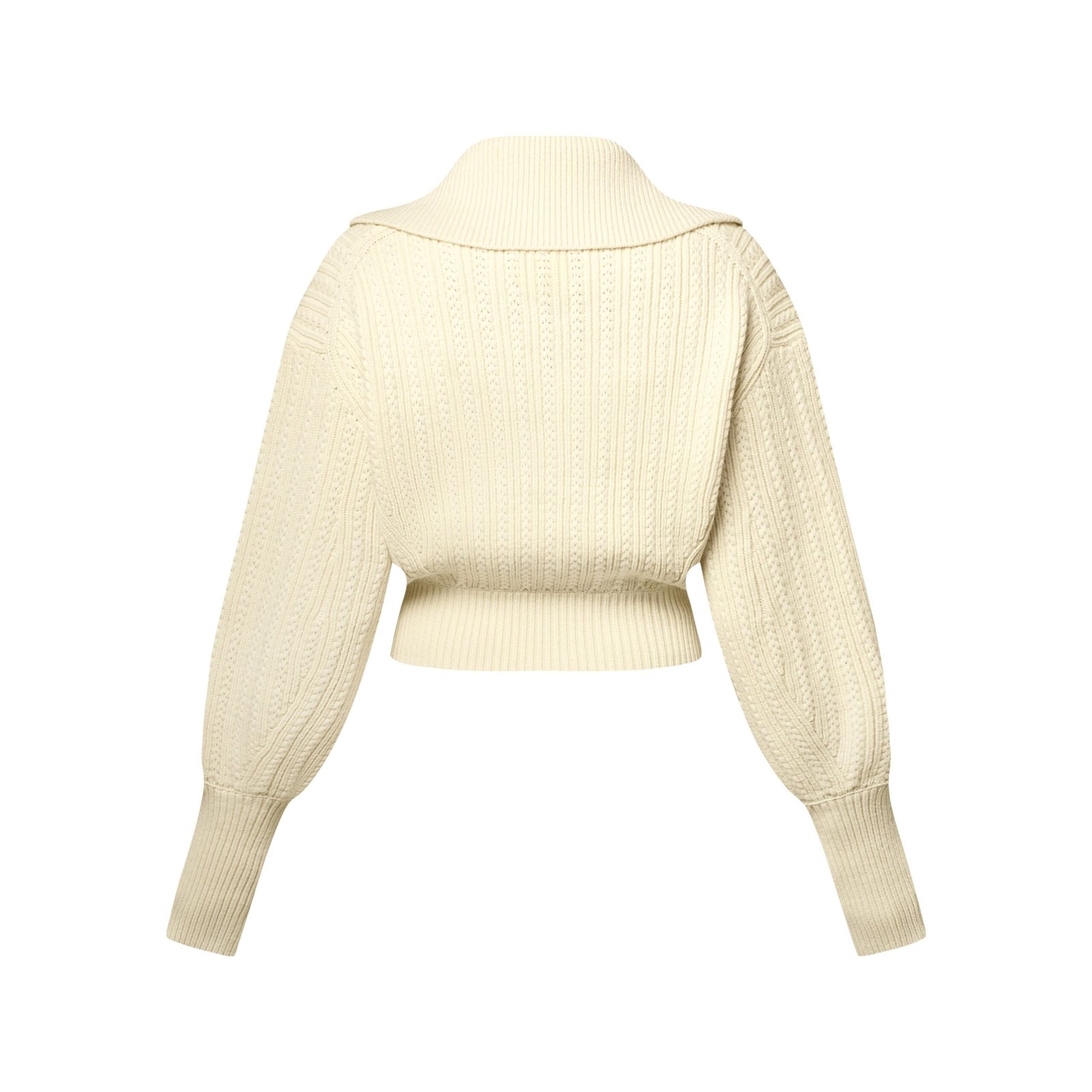


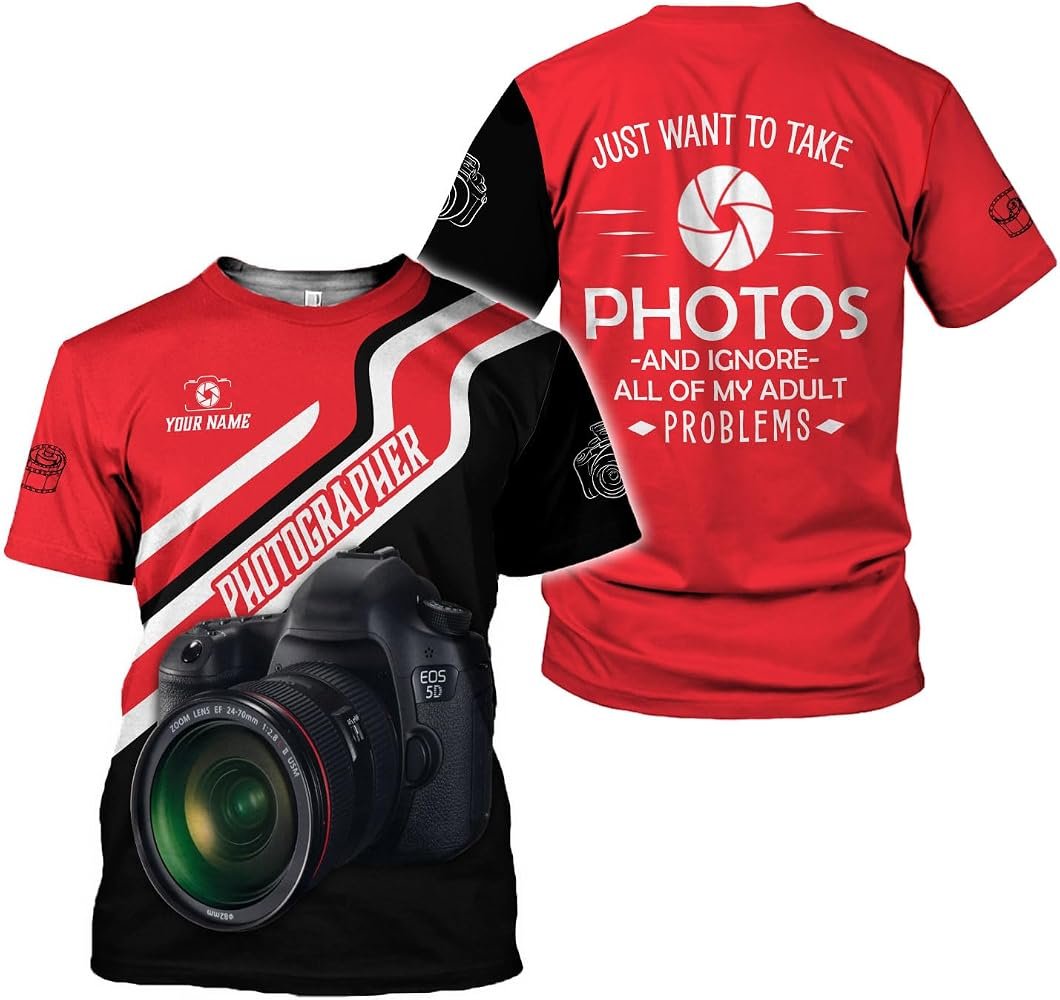

Related Product Catalogue and Quotation
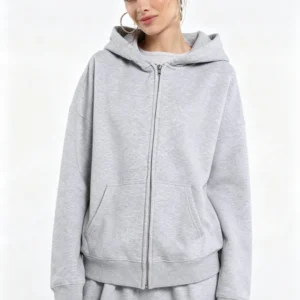

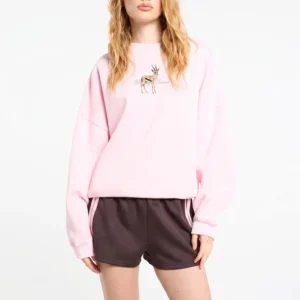
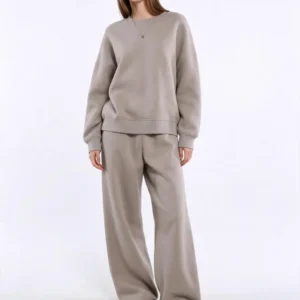

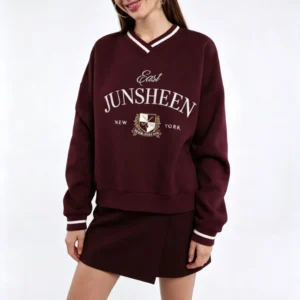


Why Brands Choose JUNSHEEN for Custom Photo Tshirt Production
From first sample to repeat bulk orders, our integrated manufacturing team keeps photo apparel programs flexible, consistent and ready to scale.
100-Unit MOQ
Launch custom photo tshirt styles from 100 units per style and color, giving emerging labels a practical route to market.
Scalable Production
More than 200 skilled workers and 80,000-plus monthly capacity support capsule launches, replenishment orders and larger global programs.
Fit-Focused XS–3XL
Pattern makers refine proportions and grading across normal, extended, plus-size and oversized fits instead of simply enlarging base patterns.
Integrated Photo Decoration
Coordinate DTG, DTF, screen printing, heat transfer, embroidery and finishing with fabric selection for durable, production-ready photo graphics.
Private Label Ready
Complete each program with custom labels, hang tags, trims, branded packaging and garment details managed through one manufacturing supply chain.
Global Export Support
From quotation through quality control and shipment, JUNSHEEN supports fashion brands worldwide with clear communication and dependable export coordination.
Custom Photo-Print OEM Programs for Every Collection
Build coordinated casualwear, denim, knitwear, outerwear, and promotional apparel with low-MOQ development, fit-focused grading, and scalable production.

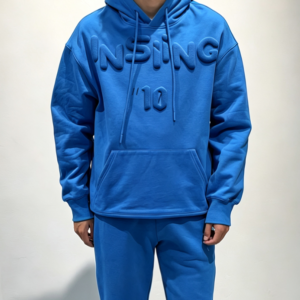
Custom Hoodies
Develop custom hoodies in fleece, French terry, or heavyweight jersey for streetwear drops, promotional programs, and retail collections. Support includes custom patterns, XS–3XL grading, screen printing, embroidery, washes, branded trims, labels, and packaging from 100 units per style and color.
Request a Quote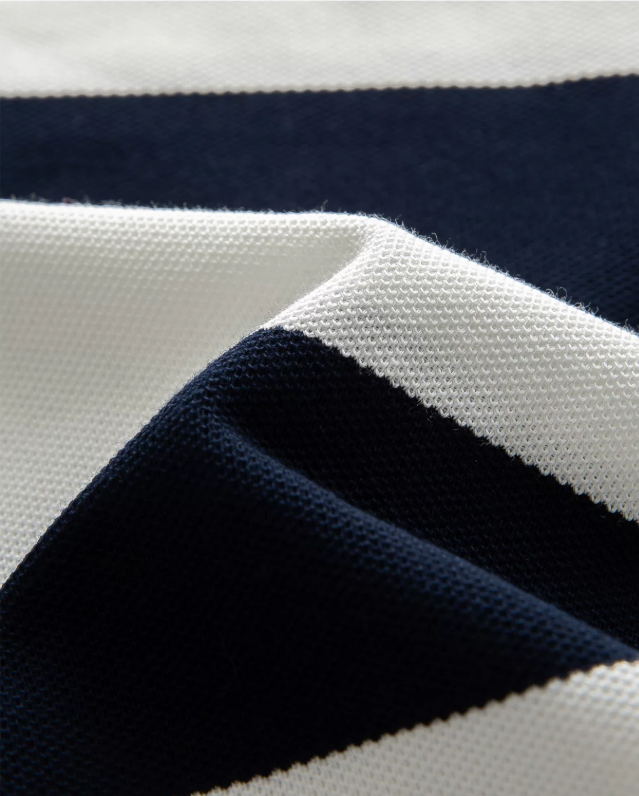
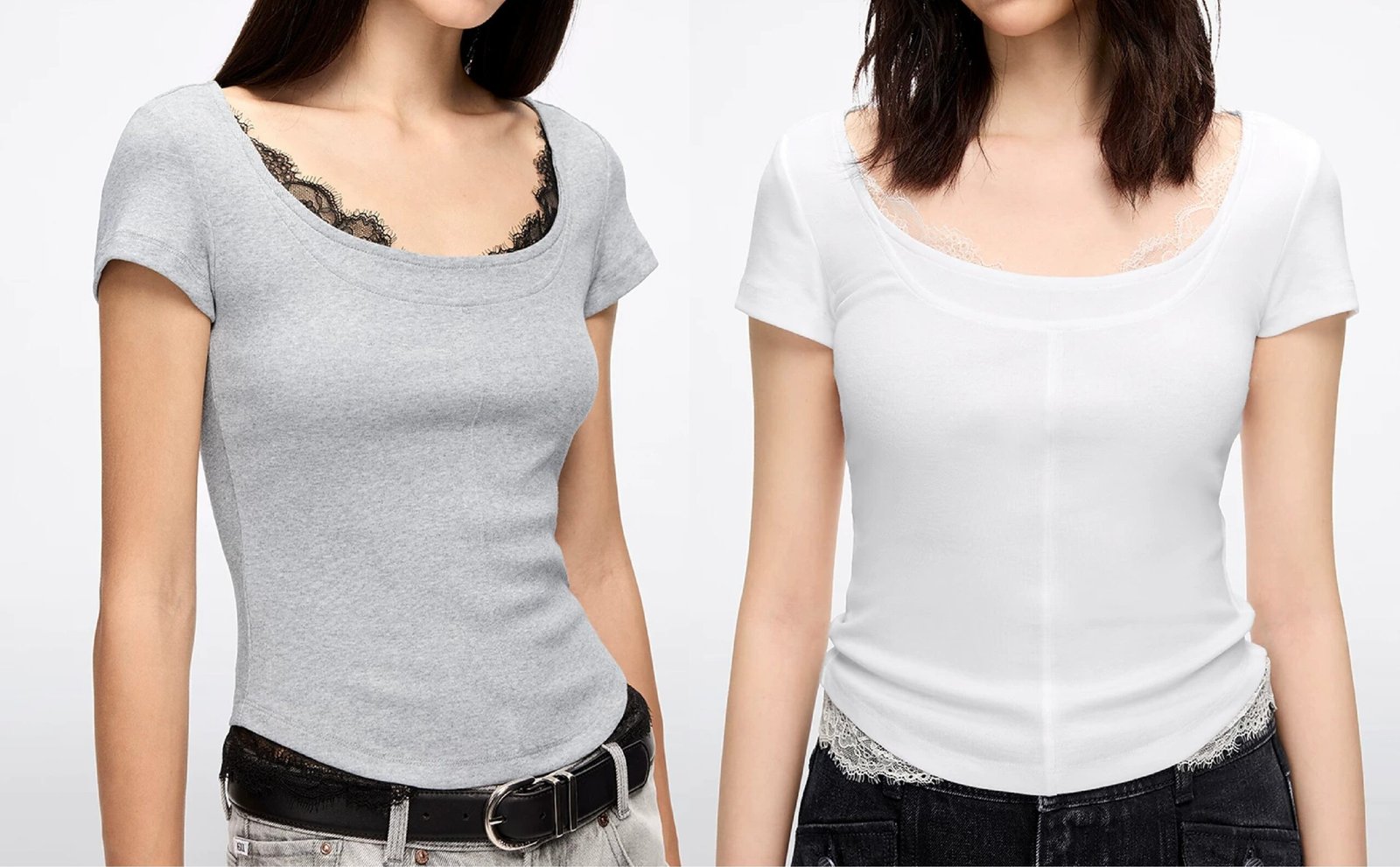
Custom T-Shirts
Produce custom T-shirts for photo-print campaigns, artist merchandise, retail basics, and private-label collections. Choose cotton, combed jersey, blends, or organic options, then match garment weight and hand feel with DTG, DTF, screen print, puff, foil, or embroidery decoration.
Request a Quote
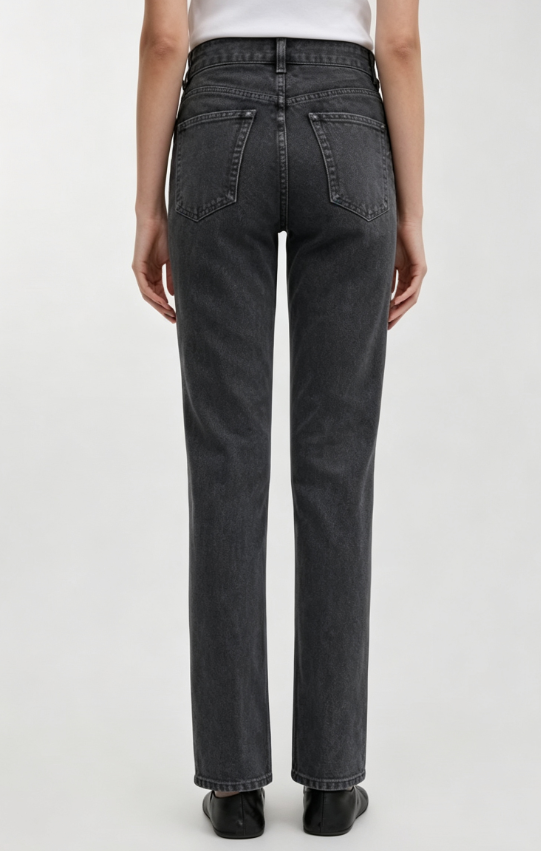
Custom Jeans
Create custom jeans in rigid or stretch denim with fit development for standard, oversized, extended-size, and plus-size ranges. Junsheen supports pattern making, washes, distressing, custom hardware, labels, embroidery, print details, and repeatable bulk production.
Request a Quote
Custom Sweaters
Source turtle neck sweaters in bulk through knitwear development built around yarn selection, gauge, silhouette, and grading requirements. Options include wool, cotton, blends, and recycled fibers, with support for rib structures, custom labels, color matching, samples, and wholesale-ready production.
Request a Quote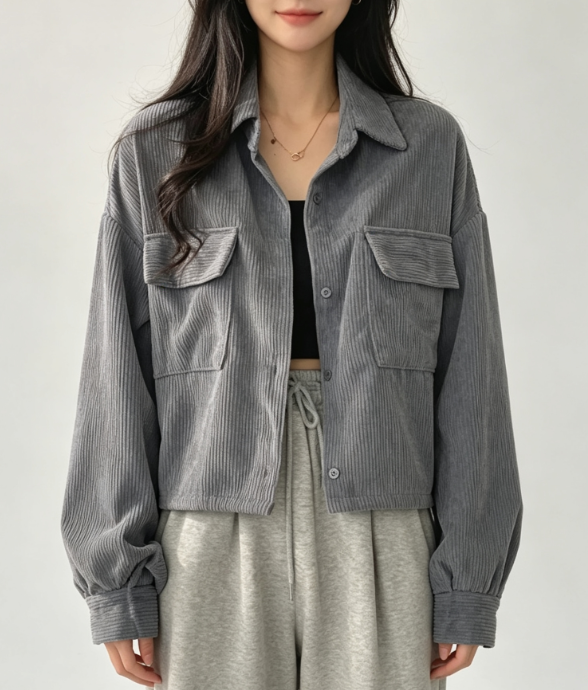
Custom Jackets
Develop custom jean jackets in denim, stretch denim, or mixed-material constructions for branded outerwear programs. Production can include custom washes, distressing, embroidery, patches, printed panels, metal buttons, woven labels, and fit grading across XS–3XL.
Request a Quote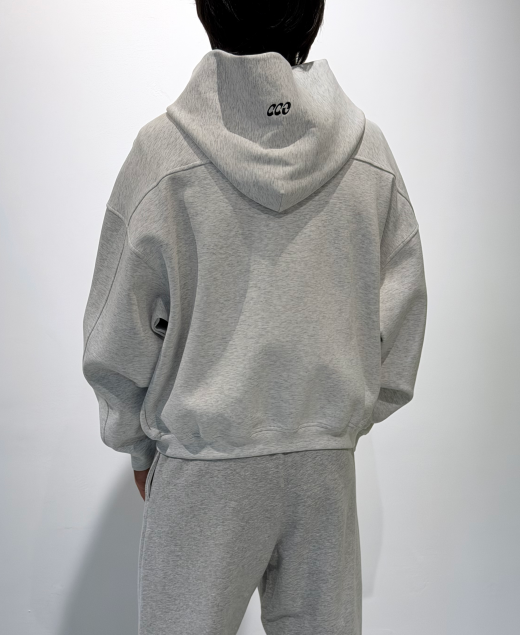
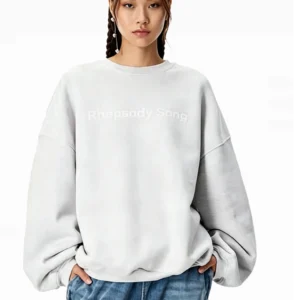
Custom Sweatshirts & Crewnecks
Manufacture custom crewneck hoodies, sweatshirts, and crewnecks in fleece or French terry for layered streetwear and branded merchandise. Define fabric weight, rib details, oversized proportions, print placement, embroidery, washes, labels, and packaging during sampling.
Request a Quote
Custom Cardigans
Build custom cardigans with knitted silhouettes suited to retail capsules, uniforms, and layered seasonal collections. Junsheen supports yarn and gauge selection, button or zipper closures, jacquard patterns, rib trims, embroidery, grading, private labels, and pre-production samples.
Request a Quote
Custom Puffer & Down Jackets
Produce custom puffer jackets for branded outerwear lines with fabric, insulation, quilting, and trim specifications aligned to target markets. Development covers fit, shell and lining selection, fill options, custom zippers, reflective details, logo decoration, labels, and packing.
Request a Quote
Custom Denim Shorts
Create custom jean shorts in rigid or stretch denim with rise, inseam, leg opening, and wash details adjusted for the intended customer. Add distressing, frayed hems, prints, embroidery, patches, branded buttons, leather labels, and graded size sets.
Request a Quote
Custom Sweater Dresses
Develop custom sweater dresses through knitwear sampling that defines yarn, gauge, body shape, sleeve proportion, neckline, and hem finish. The team supports fitted, oversized, and extended-size grading, plus labels, trims, color matching, and retail-ready packaging.
Request a Quote
Custom Denim Sets
Produce men’s denim suits wholesale for coordinated jacket-and-jean programs, denim workwear, and fashion retail assortments. Junsheen aligns fabric lots, washes, hardware, fit blocks, sizing, labels, and packing across both garments for consistent repeat orders.
Request a Quote
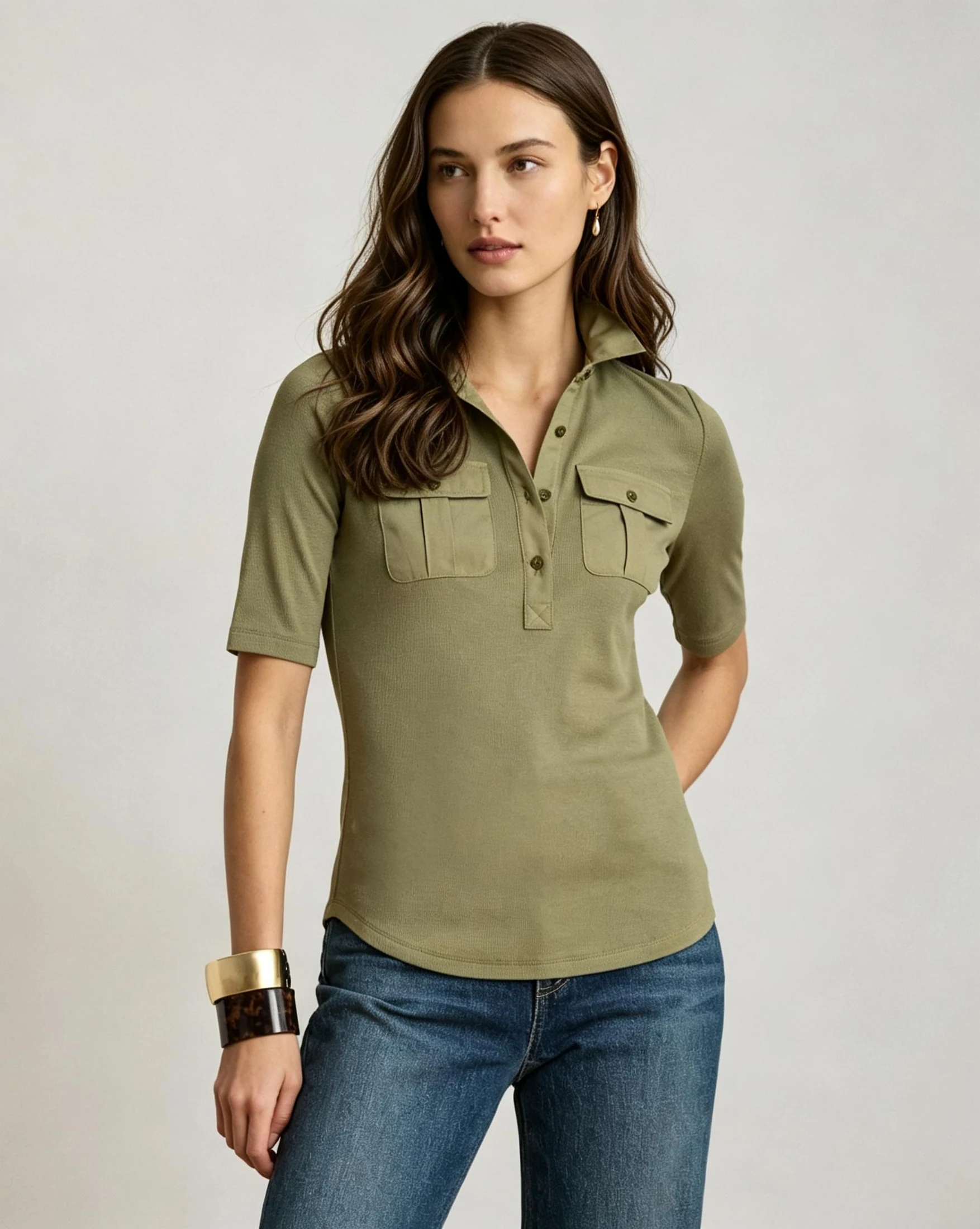
Custom Polo Shirts
Manufacture custom polo shirts in pique, jersey, performance knit, or cotton-blend fabrics for retail, promotional, and uniform programs. Specify collar construction, plackets, contrast details, fit grading, embroidered logos, printed graphics, labels, and branded packaging.
Request a Quote
Custom Sweatpants
Develop custom sweatpants in fleece, French terry, jersey, or performance knit with straight, tapered, oversized, or cuffed fits. Production supports elastic and drawstring systems, pockets, panels, printing, embroidery, washes, private labels, and XS–3XL grading.
Request a Quote
Custom Shorts
Produce custom shorts for casualwear, active-inspired, promotional, and retail programs in jersey, fleece, twill, denim, or woven fabrics. Set inseam, rise, pocket layout, waistband construction, decoration, washes, trims, labels, and packaging during development.
Request a Quote
Custom Pullovers
Create custom pullovers in knit, fleece, French terry, or woven constructions for seasonal layers and coordinated collections. Junsheen supports quarter-zip, mock-neck, hooded, and classic styles with pattern development, fit grading, logo decoration, branded trims, and bulk quality control.
Request a QuoteFabric Options for Custom Photo T-Shirts

Combed Cotton Jersey
A smooth, soft everyday jersey for retail-ready photo tees. Available in versatile 180–220 gsm weights, its clean surface supports sharp DTG, DTF and water-based screen prints with comfortable breathable wear.

Heavyweight Cotton Jersey
A structured, premium-feel cotton jersey suited to streetwear and oversized custom photo tshirt collections. Typically 240–300 gsm, it offers durable body, reduced show-through and a stable base for high-density transfers or screen printing.

Cotton Spandex Jersey
Soft cotton blended with elastane for closer-fitting, movement-focused photo-print tops. With light two-way stretch and weights around 180–220 gsm, it retains shape while accommodating flexible DTF, DTG and screen-print applications.

Polyester Performance Knit
A lightweight, quick-drying knit for activewear, event apparel and vivid all-over photo graphics. Usually 140–180 gsm, its smooth synthetic face delivers strong color saturation and durability through dye-sublimation printing.

Cotton Polyester Blend
A balanced jersey combining cotton comfort with polyester durability for promotional and repeat-wear photo apparel. Commonly 180–220 gsm, it helps reduce shrinkage and provides a reliable surface for DTF, DTG and screen printing.
Custom Photo T-Shirt Printing and Decoration Techniques

DTG Printing
Direct-to-garment printing applies detailed photo artwork directly onto cotton-rich garments, delivering smooth tonal gradients, fine lines and full-color realism. It is ideal for complex small-run designs where a soft printed hand is important.

DTF Transfers
Direct-to-film transfers create sharp, vibrant photo graphics that can be heat applied to cotton, blends and selected performance fabrics. The flexible finish supports detailed color reproduction, reliable adhesion and versatile placement across garment styles.

Screen Printing
Screen printing builds durable, high-opacity artwork with controlled ink coverage and consistent color across production runs. It suits bold photo treatments, simplified color separations and larger quantities where repeatability, wash resistance and efficient unit pricing matter.

Heat Transfer
Heat transfer applies prepared graphics precisely to targeted garment areas, making it practical for names, numbers, logos and photo accents. It offers clean edges, strong visual impact and adaptable placement for coordinated apparel programs.

Dye Sublimation
Dye sublimation permanently infuses artwork into compatible polyester fabrics, producing vivid all-over photo color without adding surface texture. The print will not crack or peel, making it effective for performance apparel and lightweight synthetic styles.

Logo Embroidery
Embroidery adds dimensional thread detail for logos, borders or selected graphic accents alongside photo printing. JUNSHEEN offers flat, 3D puff, chain stitch and patch options to create a premium, durable finish with clear brand presence.
Custom Photo T-Shirt Trims, Labels and Packaging

Woven Brand Labels
Add woven main labels at the neck, hem, or side seam to give photo-print tees a finished branded identity. Available in custom colors, folds, densities, and soft hand-feel constructions.

Care Size Labels
Custom wash-care and size labels communicate fiber content, care instructions, sizing, and origin details clearly. JUNSHEEN can coordinate label placement and materials to suit your market and garment construction.

Custom Hang Tags
Branded hang tags help present your collection at retail or during direct-to-consumer fulfillment. Choose custom shapes, stocks, finishes, strings, barcodes, and product messaging matched to your custom photo tshirt launch.

Logo Neck Tapes
Printed or woven neck tapes reinforce collar seams while adding a subtle brand touch inside the garment. They are especially useful for premium jersey tees where comfort, durability, and internal presentation matter.

Branded Packaging
Complete packed goods with custom polybags, sticker seals, tissue paper, inserts, or mailer-ready packaging. JUNSHEEN aligns packaging specifications with your labeling, folding, export, and retail presentation requirements.
Custom Photo Tshirt Manufacturing Since 2010
Founded in 2010 in Humen Town, Dongguan, JUNSHEEN helps fashion brands turn custom photo tshirt ideas into production-ready private-label apparel. Our mission is straightforward: combine responsive development, dependable manufacturing and global export support so labels can launch confidently and grow without changing supply partners.
With 200+ skilled workers, monthly capacity exceeding 80,000 units and more than 2,000 fashion-brand clients served, we support capsule launches from 100 units per style and color through ongoing bulk programs. Our one-stop team manages sourcing, pattern making, sampling, printing, embroidery, quality control, labeling, packaging and shipment.
What sets JUNSHEEN apart is a fit-first approach. We refine patterns and grading from XS through 3XL, including extended-size, plus-size and modern oversized silhouettes, rather than merely enlarging a base size. This technical focus helps brands achieve better proportions, fewer revisions and more consistent repeat production.

Custom Photo Tshirt Production Built for Accurate Fits and Scale
Fit-Focused XS–3XL Development
JUNSHEEN develops custom photo tshirt patterns from XS through 3XL with proportion-specific grading, including extended-size, plus-size and oversized fits. Our pattern team refines shoulder balance, body length, sleeves and mobility instead of simply enlarging a base size.
- Pattern creation from tech packs, sketches or reference garments
- Size grading tailored to normal, oversized and extended fits
- Prototype and size-set sampling before bulk approval
- Measurement review to reduce avoidable fit revisions
Artwork Ready for Production
Bring us a finished print file, visual concept or reference image, and our team helps prepare it for dependable garment decoration. We match photo artwork to suitable print methods, placement, fabric weight and finish so the intended detail carries into production.
- DTG, DTF, screen print, heat transfer and sublimation options
- Artwork and placement review before sampling
- Fabric recommendations for color clarity and print durability
- Support for photo graphics, logos and mixed decoration effects

One Integrated Manufacturing Team
From fabric sourcing and cut-and-sew construction to printing, washing, labeling and packing, JUNSHEEN manages the production chain in one coordinated workflow. This gives brands clearer control from a 100-unit launch through scalable repeat and wholesale programs.
- Low MOQ from 100 units per style and color
- In-house decoration, finishing, labels, trims and packaging
- 200+ skilled workers and 80,000+ monthly unit capacity
- OEM, ODM, private-label and wholesale support

Records That Support Reorders
Approved patterns, graded size sets, material details and production specifications are retained for future custom photo tshirt orders. With those references in place, repeat programs can move more efficiently while preserving the fit, fabric, print standard and branded details your collection requires.
- Retained pattern, grading and measurement records
- Material, trim and decoration specifications documented
- Repeat-order consistency across approved programs
- Global export support for growing brand distribution

Why Choose JUNSHEEN for Custom Photo Tshirt Production
Compare fit-focused development, flexible order quantities and controlled production support for your apparel program.
← 左右滑动查看 →
Custom Photo Tshirt Production Process
A controlled OEM workflow for dependable sampling, print execution, fit approval and global delivery from 100 units per style and color.
Review Designs and Feasibility
Our team reviews your artwork, tech pack or references, confirms construction requirements, target quantities, print placement, sizing needs and production feasibility before quotation.
Source Fabrics and Trims
We recommend jersey weight, fiber blend, color, labels and packaging based on print method, hand feel, target cost, wash performance and brand positioning.
Develop Samples and Fit
Pattern makers create prototypes and refine XS–3XL grading, body proportions and artwork details. You review samples, swatches and measurements before bulk approval.
Cut, Print and Assemble
Approved materials move into cutting, photo printing or embroidery, sewing and finishing. In-house teams maintain alignment between artwork, garment construction and approved specifications.
Inspect, Pack and Ship
Quality control checks fabric, measurements, construction, decoration and packed goods. We apply private labels and branded packaging, then coordinate export-ready global shipment.
Work With Our Custom Photo Tshirt OEM Team
Move from concept to shipment with clear development milestones, fit-focused sampling, and scalable production support.
Share Your Product Brief
Send a tech pack, sketch, reference garment, or mood board with target quantities, sizing, photo artwork, fabrics, and preferred decoration details.
Confirm Specifications and Quote
Review construction, XS–3XL grading, print method, materials, trims, MOQ, and lead time with our team before receiving a production-ready quotation.
Approve Your Development Sample
Evaluate the custom photo tshirt sample for fit, hand feel, color, print clarity, and finishing; refine details before approving the pre-production standard.
Launch Controlled Bulk Production
Start bulk manufacturing from 100 units per style and color, with in-line checks covering fabric, measurements, construction, decoration, labels, and packing.
Receive Shipment With Confidence
Complete final inspection, settle the balance, and coordinate export shipping with retained patterns and material records supporting consistent repeat custom photo tshirt orders.
Custom Clothing Manufacturer Credentials and Compliance Documents




What Global Fashion Clients Say About Custom Photo Tshirt Production
JUNSHEEN refined our oversized tee grading from XS to 3XL during sampling, and our first bulk run of 1,200 pieces came in within measurement tolerance. We cut fit-related returns by 18% after launch.
Our photo print included fine shadows and small type, so consistency mattered. The approved sample matched all three production colorways across 2,400 shirts, and the team resolved artwork questions before bulk production began.
We started with a 100-unit capsule and reordered twice within six months. JUNSHEEN retained the approved pattern, wash standard, and print details, which made our 3,000-unit repeat order far smoother and faster to approve.
Custom Photo T-Shirt Manufacturing FAQ
Clear answers on minimums, sampling, artwork, production, shipping, and private-label protection.
What is the MOQ for a custom photo tshirt order?
Can I order a custom photo tshirt sample before bulk production?
How long does custom photo tshirt production take?
What artwork files do you need for photo T-shirt printing?
Which fabrics work best for a custom photo tshirt?
Can you protect my custom photo tshirt artwork and brand information?
What payment terms do you offer for OEM apparel orders?
Do you ship custom photo tshirt orders internationally?
The Complete Buyer’s Guide to custom photo tshirt
A practical framework for selecting materials, photo-print methods, quality standards, and OEM partners—so sourcing teams can compare suppliers confidently, control costs, and avoid production mistakes before placing a bulk order.
1. What Is a custom photo tshirt?
100 units per style and color is a practical OEM starting point for a custom photo tshirt: a branded garment built around buyer-controlled photographic artwork, a specified base fabric and a repeatable production standard. Unlike a generic graphic tee, its image placement, color targets, labels, measurements and finish are documented so the product can be sampled, approved and reordered. 2010 is the year Dongguan Junsheen Clothing began serving apparel programs from Humen, Dongguan; for a photo tee, the buyer is purchasing development and controlled execution, not merely ink on a ready-made blank. The brief should establish artwork ownership and print-ready files, the garment blank or custom cut-and-sew specification, print method, target fit and retail position before sampling. 160–220 GSM ring-spun cotton jersey commonly suits a premium everyday tee, while 180–260 GSM can support a heavier oversized silhouette; neither choice is interchangeable with a print-on-demand stock shirt. A supplier must align photo resolution, Pantone-critical areas, print hand feel, wash durability, neck rib, shoulder balance and grading from XS through 3XL with the intended price point. 1 production order also requires a commercial decision: whether the image supports a small capsule, wholesale replenishment or a seasonal collection. OEM work turns that decision into retained patterns, graded size sets, approved materials, decoration standards, private labels and packed goods that can be reproduced consistently.
2. Evolution of custom photo tshirt Printing
1950s souvenir and band tees established the photo-shirt model around screen printing: durable, economical at volume, but dependent on separated colors and setup time. A photographic image had to be simplified into halftones, so small runs carried disproportionate screen and labor costs. 1990s inkjet textile printing and heat-applied transfers changed the buying equation by accepting full-color raster artwork without a screen per color. Digital proofing also made it practical to test a portrait, album-style graphic, or localized campaign before committing to a large inventory position. 2020s buyers expect photographic color fidelity, repeatable placement, lower MOQs, and sample turnaround measured in days rather than seasonal development cycles. Water-based inks, OEKO-TEX-compliant ink systems where specified, and made-to-order workflows can support lower-waste programs, but the garment, artwork resolution, pretreatment, and wash target must be qualified together. 100-unit OEM launches can now combine brand-specific neck labels, hang tags, packaging, size grading, and photo artwork in one production plan. Print technology therefore shapes commercial viability: it determines sampling speed, usable design complexity, unit economics at each quantity tier, and whether a collection can replenish consistently after its first drop.
3. Types of custom photo tshirt
Start with the retail role, then select the blank: a 160–180 GSM crewneck suits entry price points, while 240 GSM-plus constructions support premium positioning. For a custom photo tshirt, photo scale must follow the garment’s body width and intended fit.
Classic And Long-Sleeve Core

160–180 GSM ring-spun cotton crewnecks target broad wholesale, event, and everyday markets. Center-chest photos, left-chest marks, and full-back artwork create reliable core-color programs. 180–220 GSM long-sleeves add sleeve-print real estate and extend the collection into transitional weather. Use them for tour merchandise, layered looks, or a higher average order value.
- Crewneck: regular silhouette, accessible opening price
- Long-sleeve: regular silhouette, sleeve graphics
- Photo placement: chest, back, sleeve
Oversized And Heavyweight

220–260 GSM oversized jerseys serve streetwear customers seeking dropped shoulders, wider bodies, and longer or boxier proportions. Large front photos, shoulder-to-shoulder back prints, and oversized halftones read best on this canvas. 240–300 GSM heavyweight tees justify premium pricing when fabric recovery, neck rib, and construction match the weight. Keep photographic artwork intentional: a smaller chest image can signal a more refined product.
- Oversized: youth and streetwear capsules
- Heavyweight: premium retail and limited drops
- Photo placement: large front or full back
Washed And Extended-Size

180–240 GSM garment-dyed, acid-washed, or vintage-look tees appeal to customers wanting a broken-in aesthetic. Test photo contrast after washing because fading and surface variation can soften image detail. XS–3XL programs need more than an enlarged base pattern: shoulder balance, body length, sleeve opening, and photo placement should be graded deliberately. Extended sizing broadens the customer base and supports inclusive core collections.
- Washed: vintage capsules and band-inspired assortments
- Extended-size: consistent artwork placement across sizes
- Photo placement: centered chest or back, scaled by size
4. Fabrics for a custom photo tshirt
160–220 GSM single jersey is the usual starting point for a custom photo tshirt because it balances opacity, breathability, and a stable print face. Fiber choice, knit evenness, and base color determine how cleanly fine image detail survives production and laundering.
| Fabric | Print Result | Best Use | Cost |
|---|---|---|---|
| Open-end cotton | Textured; adequate for bold art | Value screen prints | Low |
| Ring-spun cotton | Smoother detail and softer hand | Core retail photo tees | Medium |
| Combed cotton | Cleanest fine detail | Premium DTG or screen print | Medium-high |
| Cotton-poly blend | Durable; test color migration | Active, warm-climate lines | Medium |
| Recycled fibers | Variable surface; sample first | Sustainability-led capsules | Medium-high |
| Garment-dyed cotton | Vintage character; test placement | Washed premium collections | High |
Fiber And Knit Comparison

100% cotton offers a natural hand and strong screen-print adhesion, while ring-spun and combed yarns create a smoother, less hairy surface for sharper halftones. Open-end cotton costs less but can look more textured under detailed artwork.
Weight, Shrinkage, And Color
180 GSM suits mainstream short-sleeve tees; 200–240 GSM gives premium structure and better opacity for pale inks. Pre-shrunk fabric and controlled compaction reduce post-wash measurement drift, protecting image placement and fit consistency. White and light shades reproduce DTG and sublimation colors most accurately, while dark grounds need an opaque underbase. Garment-dyed fabric creates a washed, individual character, but dye variation and seams require artwork placement tests.
- 160–180 GSM: hot-climate, value retail
- 180–200 GSM: versatile branded retail
- 200–240 GSM: heavyweight premium programs
Match Fabric To Print
60/40 cotton-poly blends dry faster, resist wrinkles, and suit active or warm-climate programs, though polyester can affect discharge results. Recycled cotton or recycled polyester supports material-positioned collections, but variable fiber length makes strike-offs essential. 100% combed cotton is the dependable choice for DTG and detailed water-based prints; polyester-rich light fabrics suit dye sublimation. Screen printing tolerates more fabric variation, but smooth combed surfaces still improve small type and photographic gradients.
5. Custom Photo Print Methods
Six print routes cover nearly every custom photo tshirt brief, but ink chemistry and artwork preparation determine whether a photograph stays sharp after repeated laundering. Choose the process before approving fabric color, placement, and order quantity.
| Method | Photo Detail | Feel/Durability | Best Fit | Garment Color |
|---|---|---|---|---|
| DTG | Excellent | Soft; good wash care | Samples, small runs | Light or dark |
| DTF | Excellent | Film feel; durable | Low MOQ, mixed fabrics | Light or dark |
| Screen Print | High with separations | Soft; highly durable | Large repeat orders | Light or dark |
| Sublimation | Excellent | Zero feel; permanent | Polyester programs | Light only |
| HTV | Limited | Film; durable | Names, simple accents | Light or dark |
| Puff/Reflective | Accent only | Raised or technical | Detail overlays | Light or dark |
Digital Methods

DTG prints directly into cotton-rich garments and gives the softest photographic result on light tees; a white underbase makes it viable on dark colors. It suits samples and small runs, although pretreatment and slower per-piece output raise unit cost. DTF transfers full-color artwork from film onto cotton, blends, and dark garments with flexible placement. Its slightly more noticeable film feel is traded for fast setup, consistent color, and practical low-MOQ production.
Volume Print Choices

Screen printing uses separated colors and a screen for each color, producing durable prints with a low hand feel when inks are properly cured. Setup cost favors repeat artwork and larger OEM runs, while simulated-process separations can reproduce detailed photos. Sublimation permanently dyes polyester fibers and delivers unrestricted color with no surface feel, but it requires light or white polyester garments. It is unsuitable for black cotton photo tees.
Effects And Placement
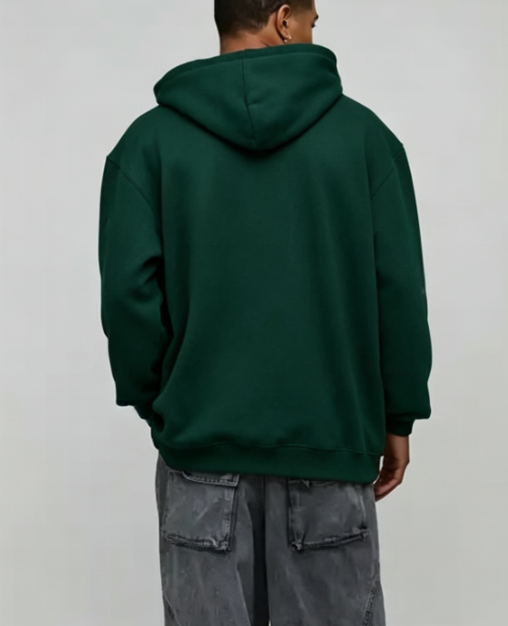
HTV is cut from colored film, making it best for names, simple graphics, and one-off placement rather than fine photographs. Puff ink, reflective transfers, foil, or high-density details work best as controlled accents over a photo image. 100-unit programs benefit from approving a wash-tested strike-off that checks underbase opacity, cracking, edge adhesion, and color shift. Large-volume orders should lock artwork, Pantone targets, curing conditions, and placement tolerances before bulk.
6. Construction Quality Checks
A reliable custom photo tshirt is judged before the print is considered: construction must survive wear, laundering, and size grading. Approve measurable standards on the sample, then repeat them during pre-shipment inspection.
Neck And Shoulder Stability

1×1 rib collars should recover cleanly after a 10% hand stretch, without permanent waves or a loose neckline. Specify collar width, rib composition, and neck-opening measurement in the tech pack. 6 mm to 10 mm neck tape should cover the back-neck seam, while shoulder-to-shoulder tape reduces stretching on heavier jerseys. Check that tape ends are secure and do not create puckering.
- Stretch collar and release it three times
- Inspect neck tape at both shoulder ends
- Check twin-needle stitching is even
Seams, Sleeves, And Shape
8 to 12 stitches per inch is a practical starting range for T-shirt seams; the correct setting depends on fabric weight and yarn. Look for balanced overlock seams, no skipped stitches, and controlled seam allowance. 2 sleeve openings should sit at matching angles when the garment is laid flat. Confirm side-seam alignment or, for tubular bodies, consistent twisting tolerance after wash.
- Match sleeve lengths and openings
- Check hem and cuff coverstitch
- Measure body twist after laundering
Wash Test And Approval Checklist
3 wash cycles at the intended care temperature reveal most avoidable failures before bulk approval. Record shrinkage separately for body length, chest width, collar opening, print area, and torque. XS through 3XL grading must preserve shoulder balance, body proportion, and sleeve length rather than merely scaling every point equally. Verify main, size, and care labels against the approved artwork and market requirements.
- Compare measurements against graded tolerances
- Photograph and retain the washed sample record
- Approve packed labeling before final balance
7. Choosing a custom photo tshirt Manufacturer
A capable OEM proves its process before it asks for a production commitment. For a custom photo tshirt, evaluate repeatability across artwork, fabric, fit, documentation, and shipment terms—not just the first sample.
| Verification Point | Request | Scale Evidence |
|---|---|---|
| Artwork consistency | Approved strike-off and print proof | Compare to sealed production sample |
| Fit consistency | Graded spec and size set | Measure against tolerance sheet |
| Quality control | Inspection report and defect policy | Review packed-goods report |
Confirm Production Ownership

100-unit programs need a written map of who prints, sews, washes, and performs final inspection. Ask whether DTG, screen printing, DTF, and heat transfer are in-house or subcontracted, and request the subcontractor’s controls if applicable. 4-color artwork should be approved against a Pantone target or signed digital proof. Request production photos, print-registration tolerances, and retained strike-offs from each colorway.
- Factory address and production-line photos
- Print method and subcontracting disclosure
- Artwork proof, Pantone callouts, strike-off approval
Test Materials And Samples

160–220 GSM ring-spun cotton and cotton blends should be specified by composition, weight tolerance, shrinkage, and color standard. Ask for mill test reports and any applicable OEKO-TEX, GOTS, WRAP, or BSCI documentation rather than assuming certification. 2 approved samples are more useful than one: a fit sample and a production-standard pre-production sample. Wash-test both for shrinkage, cracking, colorfastness, hand feel, and image durability.
- Fabric swatch with composition and GSM
- Graded measurement chart from XS through 3XL
- Wash-test and rub-test results
Control Scale And Delivery
80,000-unit monthly capacity is relevant only when the factory confirms available line capacity for your delivery window. Compare stated MOQ by style, color, print placement, and size range; 100 units per style and color can suit a controlled capsule launch. 30–45 days after approval is a typical bulk-planning range, but obtain a dated critical path covering sourcing, sampling, printing, sewing, inspection, and freight. Define Incoterms such as EXW, FOB, or DDP, plus inspection level, defect remedy, and balance-before-shipment terms. 1 shared tech-pack revision log prevents artwork drift between sales, development, and production. Require a mutual NDA, restricted artwork access, file-return terms, and written approval before any substitution.
- Weekly status update with dated milestones
- AQL or agreed final-inspection standard
- Named contact for technical approvals
8. Common custom photo tshirt Sourcing Mistakes
Most expensive photo-tee failures are locked in before the first sample: artwork, color, fabric, fit and quotation decisions interact. Treat each approval as a measurable production specification, not an email preference.
Artwork And Color Approval

300 dpi at final print size is the practical minimum for raster artwork; low-resolution files produce soft faces, jagged edges and unusable detail. Ask: Can you confirm the final file dimensions, resolution and print-ready color mode? Pantone references or approved physical strike-offs are safer than screen-only approval, because monitor calibration and ink-on-fabric appearance differ. Ask: Which physical sample or Pantone target controls color acceptance?
Fabric, Underbase And Shrinkage

150–220 GSM jersey can print very differently by fiber content, knit density and surface finish; selecting fabric before a print test risks dull color, migration or poor hand feel. Ask: Will this exact fabric receive a wash-tested print strike-off? White underbases make artwork visible on dark garments, but can alter color and add stiffness; shrinkage also changes post-wash measurements. Ask: What underbase, wash cycle and allowable shrinkage will the approval sample use?
Fit Tolerances And Quote Matching
XS–3XL assortments cannot be guessed from a single sample; inadequate extended-size planning causes stock imbalance and inconsistent grading. Ask: What size curve and graded measurement chart are approved for the order? 1–2 cm measurement tolerances, decoration size, fabric GSM, print colors, labels and packing must match before quotes are compared. Ask: Are all suppliers pricing the same bill of materials, tolerances and inspection standard?
9. Launching Your Photo Tee Collection
A 100-unit launch succeeds when approvals are sequenced before production booking. Lock commercial decisions alongside technical ones so a custom photo tshirt reaches retail with fewer last-minute changes.
Concept And Rights Review
Week 1 should define the customer, target price, 2-4 coordinated colorways, and sales channel. Confirm written rights for every photograph, model release, logo, typeface, and licensed artwork before sampling.
- Build a visual reference board
- Set retail price and margin target
- Record image ownership and approvals
Artwork And Tech Pack
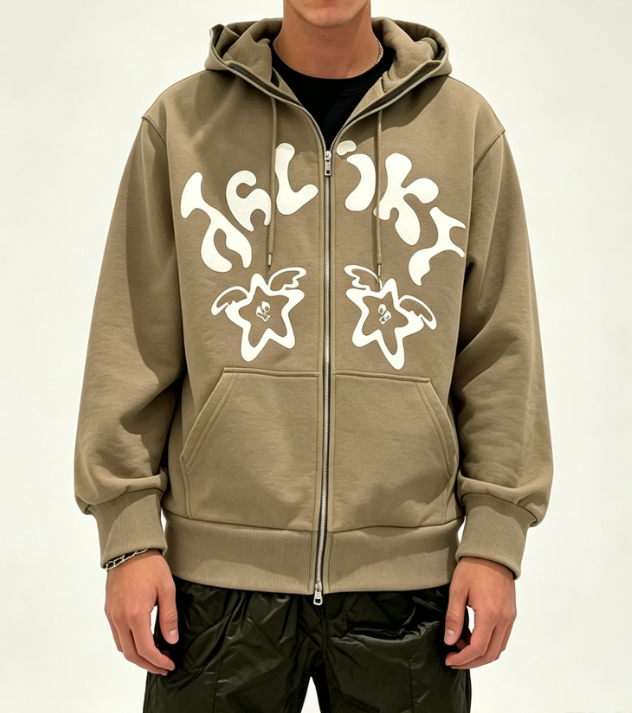
Week 2 should deliver print-ready artwork at 300 DPI at final size, preferably with a transparent background. Add Pantone references, placement measurements, print dimensions, garment color, and a tech pack covering fabric, fit, labels, and stitching.
- Front, back, and neck placement
- Pantone color callouts
- Label and hangtag artwork
Sample, Test, And Approve

Weeks 3-4 should produce one prototype before bulk commitment. Review measurements, photo sharpness, hand feel, registration, and neck recovery; then wear-test and wash-test the approved sample at least three cycles for cracking, shrinkage, and color change.
- Approve a sealed production sample
- Confirm XS-3XL grading where required
- Sign off print placement tolerance
Book Production And Launch
After approval, reserve fabric and print capacity, then submit final size ratios and packaging files. Specify a branded neck label, size label, care label, hangtag, folding method, polybag warning requirements, and carton marks before the production order is released. At retail launch, photograph the approved bulk-equivalent sample and publish fit notes, garment measurements, and care guidance. Hold back 5-10% inventory for exchanges, seeding, and quality contingencies.
- Freeze artwork before bulk release
- Approve pre-production sample
- Match ecommerce images to final colorways
10. custom photo tshirt Pricing and Lead Times
100 units per style and color is Junsheen’s practical capsule-launch starting point; unit pricing falls as fabric purchasing, cutting, and print setup spread across more garments. Request a quote against a locked tech pack, Pantone artwork, size ratio, and delivery country rather than relying on a generic photo-tee price. 7–14 days is a typical planning window for an approved development sample when fabric and artwork are available; revised samples add time. Bulk planning commonly runs 20–35 days after pre-production approval, while custom fabric, wash testing, or multiple decoration placements can extend the schedule. Eight quote variables matter most: fabric composition, GSM, print colors or coverage, placements, garment treatment, labels, packaging, MOQ, and shipping destination. A heavier ring-spun cotton jersey, acid wash, woven labels, individual bags, and air freight can each increase cost independently; confirm whether freight, duties, and local delivery are included.
| Order tier | Indicative unit-price drivers | Sample timing | Bulk lead time | Print setup-cost impact |
|---|---|---|---|---|
| 100–299 units | MOQ and fabric minimums dominate | 7–14 days | 25–35 days | DTF or DTG: low setup; screen print: higher per design |
| 300–999 units | Cutting and print runs become more efficient | 7–14 days | 20–30 days | Screen print setup spreads across quantity; more colors raise screens |
| 1,000+ units | Fabric booking and standardized packing lower unit cost | 7–14 days | 20–30 days | Sublimation suits all-over polyester; screen print remains efficient for repeat artwork |
Start Your Custom Photo Tshirt OEM Program
Send your tech pack, reference image, or product idea for a tailored quotation, fit-focused development, and scalable production from 100 units.