
Wholesale Graphic Tshirts, Built for Your Brand
Launch custom wholesale graphic tshirts from 100 units per style and color, with OEM, ODM, printing, labels, and global production support.
Featured Products for wholesale graphic tshirts Development
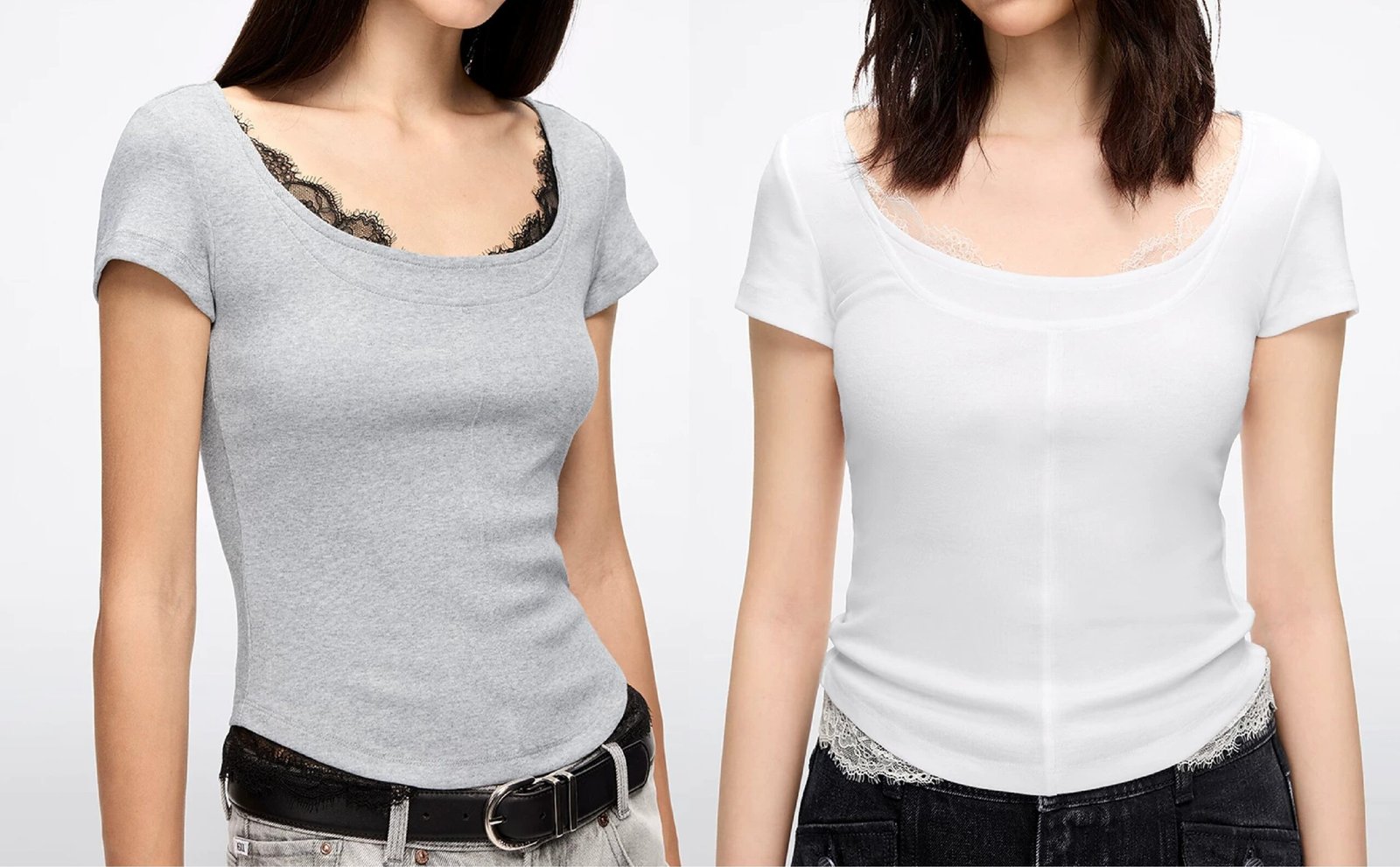


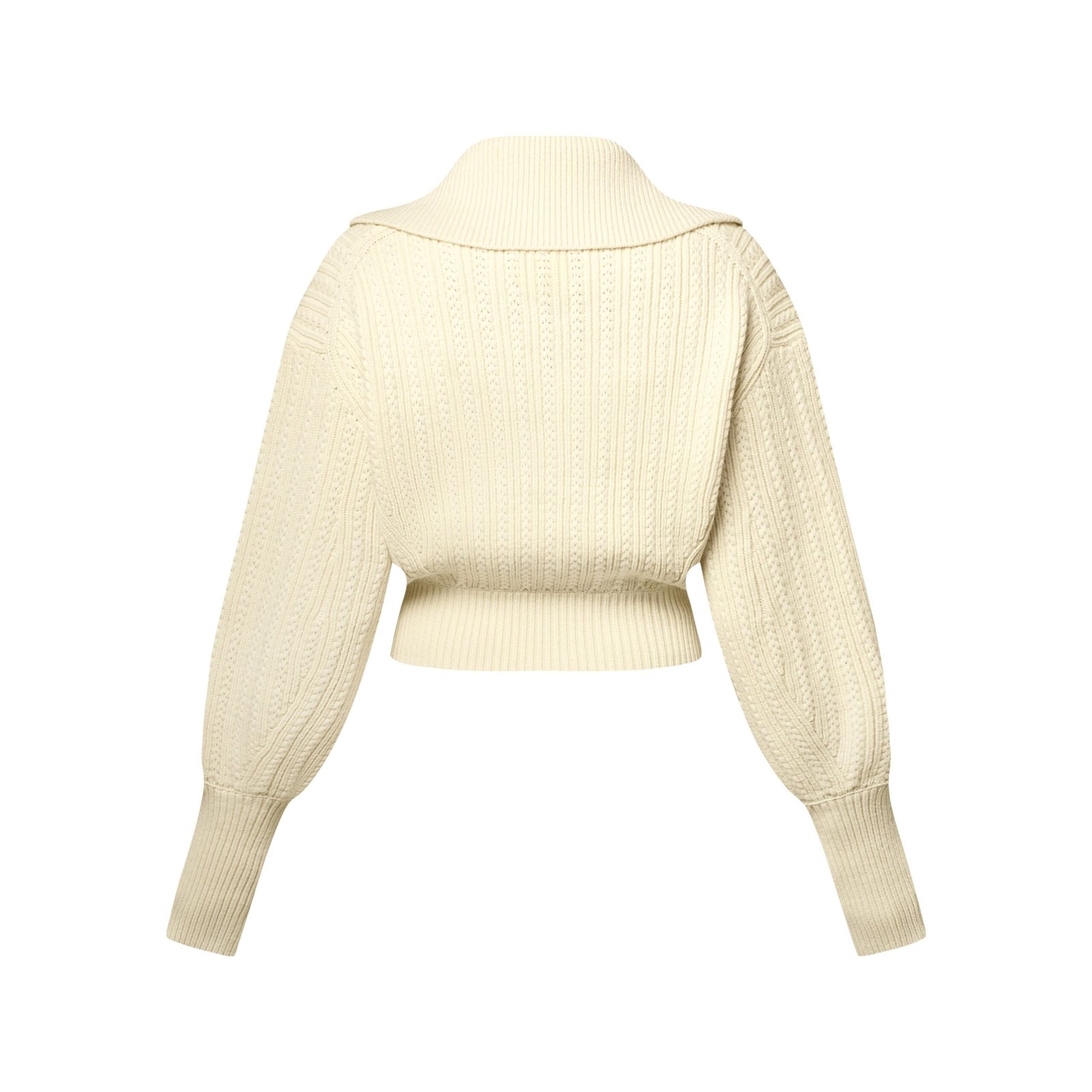


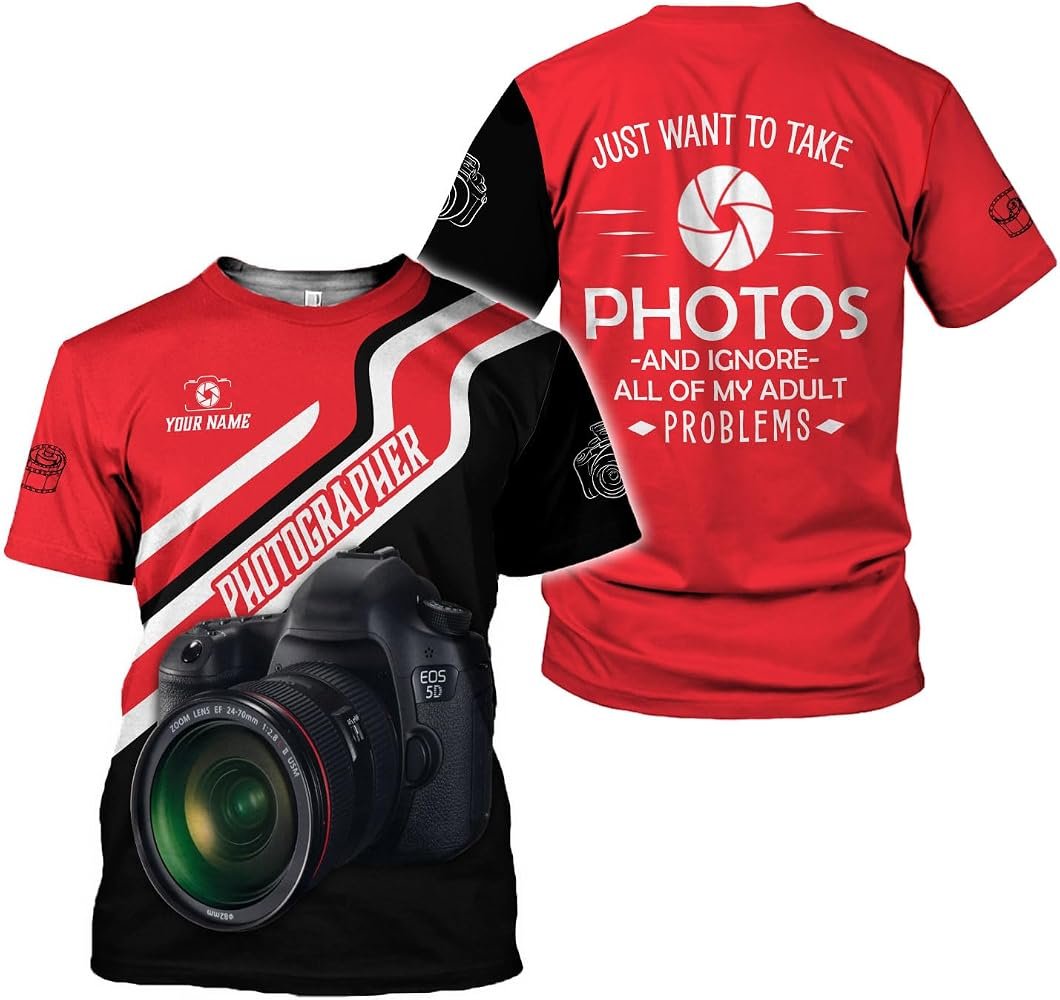
Related Product Catalogue and Quotation

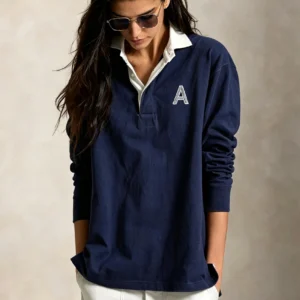




Why Brands Source Wholesale Graphic Tshirts from JUNSHEEN
Build production-ready graphic tee programs with flexible quantities, refined fit, integrated decoration, and reliable global scale.
100-Unit MOQ
Launch wholesale graphic tshirts from just 100 units per style and color, ideal for capsule drops, tests, and growing collections.
XS–3XL Fit Development
Refined grading supports standard, extended-size, plus-size, and oversized graphic tees with balanced proportions across the complete size range.
Integrated Decoration
Coordinate screen printing, DTG, DTF, puff effects, embroidery, washes, labels, and packaging through one experienced production partner.
Production-Ready Development
Move from a tech pack, sketch, reference, or idea to samples with pattern making, fabric sourcing, and specification support.
Scalable Global Production
Rely on 200+ skilled workers, 80,000+ monthly units of capacity, quality control, and export support as demand grows.
Graphic Tee and Casualwear Programs
Production-ready categories built for branded collections, from fit development and fabric sourcing to decoration, finishing, private labels, and scalable bulk delivery.

Custom Hoodies
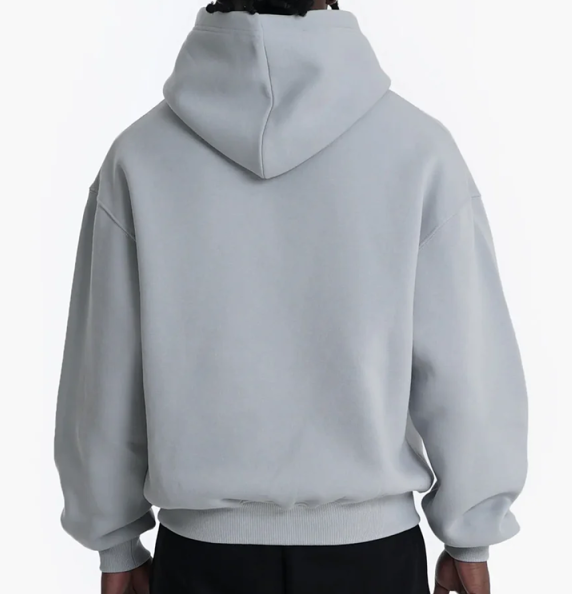
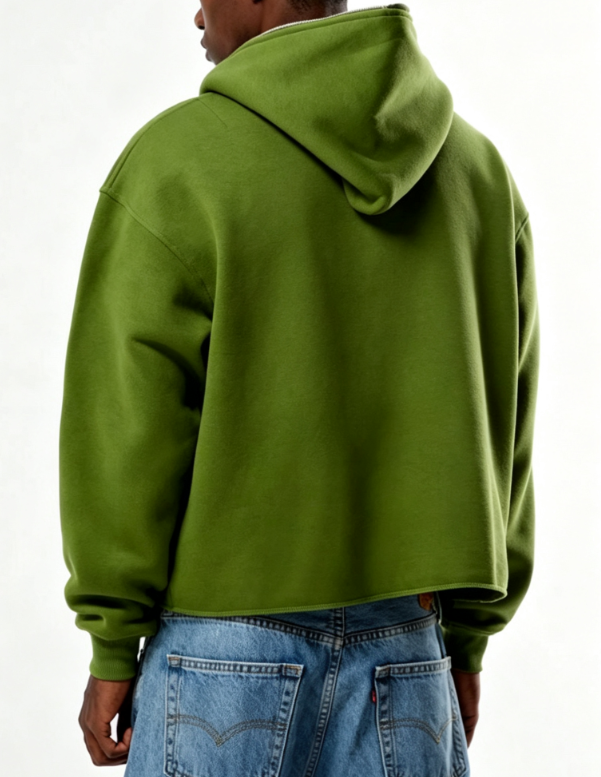
Develop custom hoodies in fleece or French terry with fit-focused grading from XS to 3XL. Junsheen supports pattern development, logo embroidery or printing, washed finishes, custom drawcords, labels, and packaging from 100 units per style and color.
Request a Quote
Custom T-Shirts
Build custom T-shirts for graphic programs, essentials, merch, and private-label collections. Choose jersey weight, cotton blend, oversized or regular fit, screen print, DTG, DTF, embroidery, wash treatment, labels, and graded sizing before bulk approval.
Request a Quote
Custom Jeans
Produce custom jeans with denim sourcing, pattern engineering, stretch selection, wash development, hardware, embroidery, patches, and branded trims. The team refines rise, leg shape, and grading across XS–3XL to support consistent fit through sampling and repeat production.
Request a Quote
Custom Sweaters
Source turtle neck sweater bulk programs with knit construction, yarn selection, gauge, rib details, and size grading matched to your target market. Junsheen develops samples and production specifications for fitted, relaxed, oversized, and extended-size sweater collections.
Request a Quote
Custom Jackets
Develop custom jean jackets with denim weights, wash effects, panels, pockets, hardware, patches, embroidery, and printed details. Pattern makers balance shoulder, sleeve, and body proportions so the approved fit can move reliably from samples into bulk production.
Request a Quote
Custom Sweatshirts & Crewnecks
Create custom crewneck hoodie and sweatshirt programs in brushed fleece, French terry, or jersey-backed constructions. Specify neckline, ribbing, silhouette, graphics, embroidery, wash, labels, and packaging while maintaining consistent grading across core and extended sizes.
Request a Quote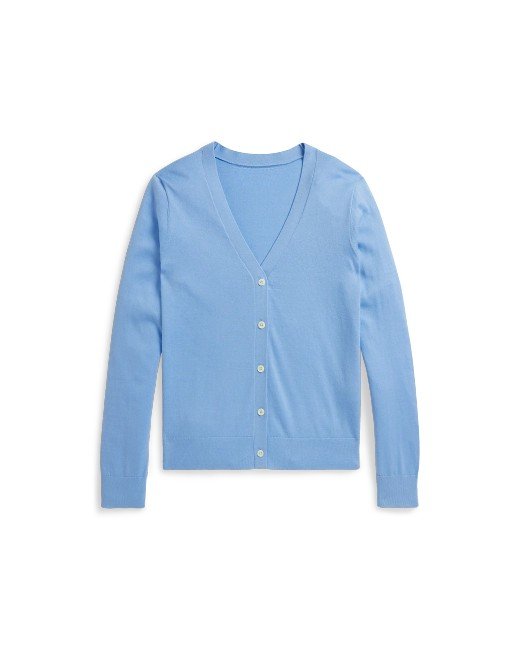
Custom Cardigans
Produce custom cardigans with yarn sourcing, knit gauge, button or zip closures, pockets, rib finishes, and private-label trims. Junsheen supports prototype sampling and size-set approval for lightweight layering pieces, chunky knits, and oversized seasonal styles.
Request a Quote
Custom Puffer & Down Jackets
Develop custom puffer jackets with shell fabric, insulation, quilting layout, lining, zippers, snaps, pockets, and branded finishing. The production team reviews construction and fit early to reduce sampling revisions and prepare outerwear programs for scalable bulk orders.
Request a Quote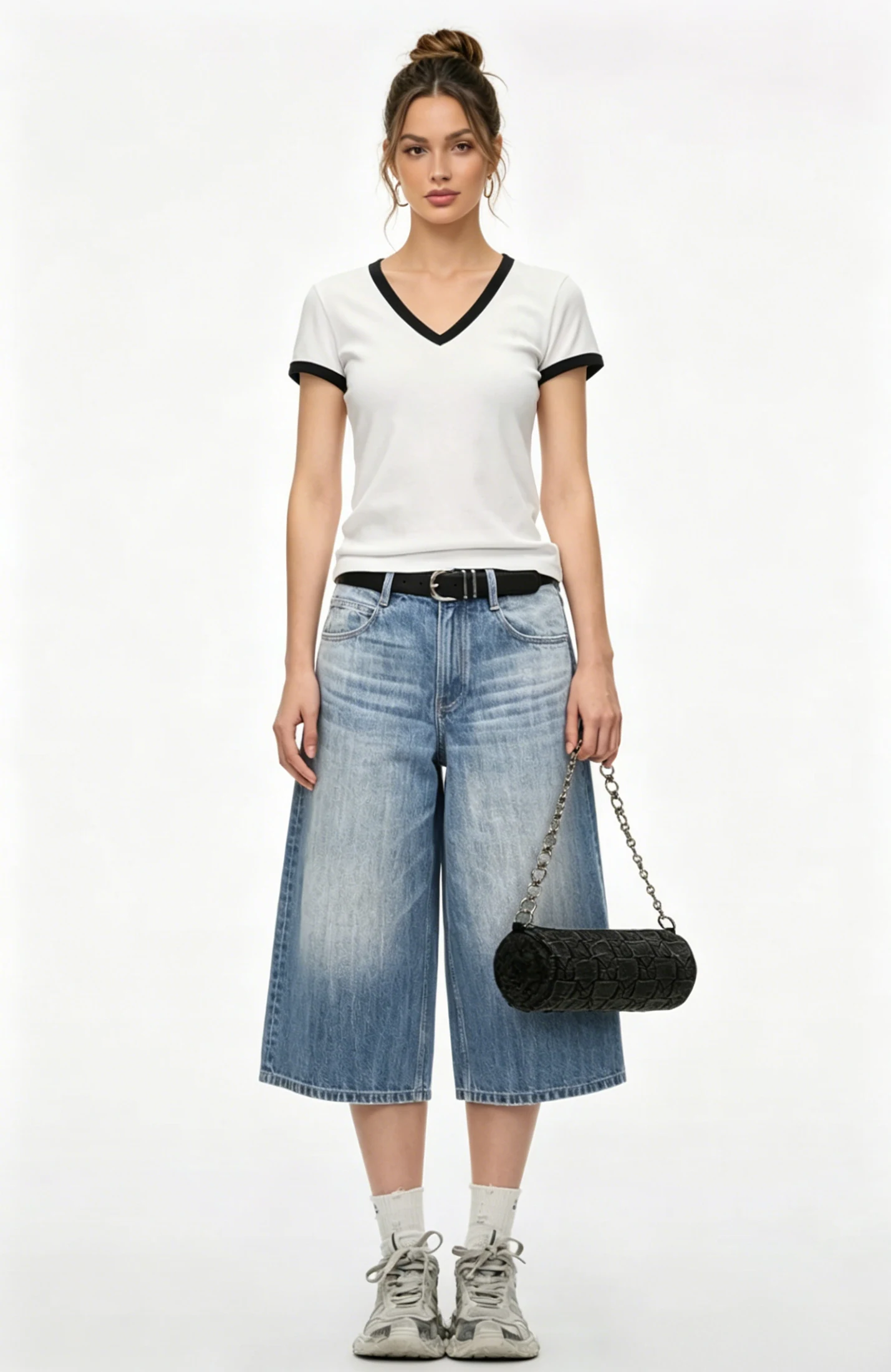
Custom Denim Shorts
Build custom jean shorts with denim or stretch-denim options, inseam choices, raw or finished hems, washes, distressing, hardware, and labels. Fit development addresses rise, hip balance, and leg opening across normal, plus-size, and oversized size ranges.
Request a Quote
Custom Sweater Dresses
Produce custom sweater dresses with yarn, gauge, neckline, length, shaping, ribbing, and finishing specified for your collection. Junsheen develops graded patterns from XS through 3XL to help maintain proportion, mobility, and consistent fit across the size set.
Request a Quote
Custom Denim Sets
Develop mens denim suits wholesale programs as coordinated jackets and jeans with aligned denim, wash, hardware, trim, and fit specifications. Junsheen manages sampling and bulk production for retail-ready sets, private-label assortments, and repeat wholesale orders.
Request a Quote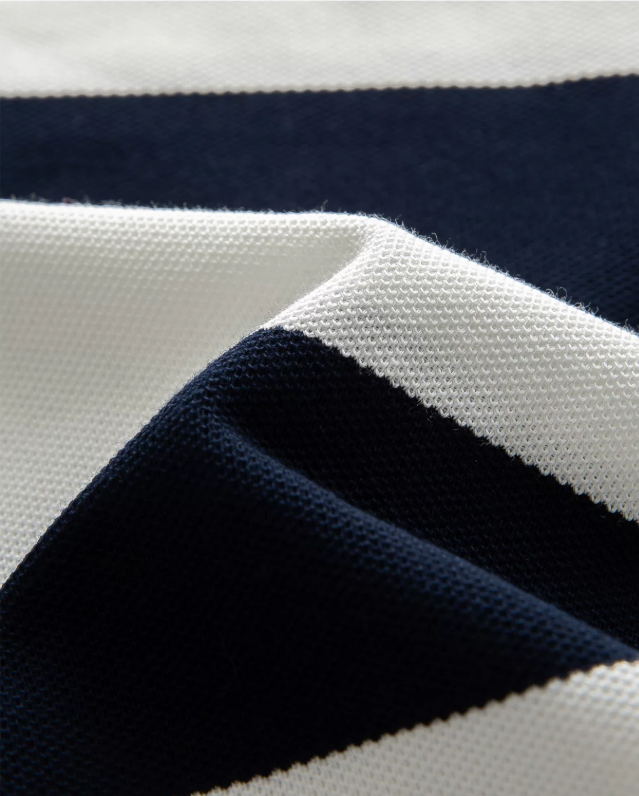
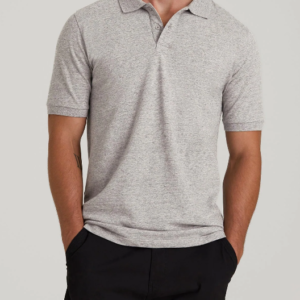
Custom Polo Shirts
Produce custom polo shirts in piqué, jersey, performance knit, or cotton blends with collar construction, plackets, embroidery, prints, contrast trims, and labels. Fit and grading can be developed for uniform programs, retail collections, and extended-size assortments.
Request a Quote
Custom Sweatpants
Build custom sweatpants in fleece, French terry, or performance knits with elastic or rib cuffs, pockets, drawcords, prints, embroidery, and wash treatments. Pattern development supports tapered, straight-leg, relaxed, and oversized fits across XS–3XL.
Request a Quote
Custom Shorts
Produce custom shorts in jersey, fleece, twill, woven, or performance fabrics for casual, athletic, and coordinated-set programs. Specify inseam, waistband, pockets, decoration, trims, labels, and packaging, with low-MOQ development starting at 100 units per style and color.
Request a Quote
Custom Pullovers
Develop custom pullovers with knit, fleece, French terry, or woven constructions tailored to your intended season and price point. Junsheen supports silhouettes, necklines, closures, decoration, washes, private labels, and fit-focused grading through sample approval and bulk delivery.
Request a QuoteMaterials for Wholesale Graphic Tshirts

Cotton Jersey
A breathable, soft everyday fabric for core graphic tees, available in versatile midweight constructions. Its smooth surface supports crisp screen printing while maintaining comfortable drape for retail, promotional and private-label collections.

Organic Cotton
A premium natural option for sustainability-led graphic tee collections, with a clean, soft hand feel and dependable print compatibility. Organic cotton can be specified in lightweight to heavyweight jersey weights for elevated branded basics.

Combed Cotton Jersey
Combed cotton removes shorter fibers for a smoother, cleaner hand and reduced surface fuzz. It is well suited to detailed artwork, fashion-forward blanks and higher-end wholesale graphic tshirts requiring a refined finish.

Cotton Blend Jersey
Cotton blends add durability, recovery or a softer drape depending on the fiber mix. Ideal for active casualwear and repeat-wear programs, these jerseys can improve shape retention while preserving a familiar cotton-forward feel.

Performance Knit
Moisture-managing performance knits are designed for sport, event and active-lifestyle graphic tees. Lightweight stretch and quick-dry properties support mobility, while dye sublimation and transfer decoration options enable vivid all-over visual applications.
Wholesale Graphic Tshirts Printing and Decoration Options

Screen Printing
Plastisol and water-based screen printing deliver saturated color, crisp linework, and dependable wash durability for wholesale graphic tshirts. Ideal for repeatable logos, large artwork placements, and scalable production runs.

Puff Printing
Puff ink creates a raised, tactile graphic that gives tees a dimensional streetwear finish. JUNSHEEN controls ink buildup, curing, and placement to keep the effect defined through regular wear and washing.

DTG Printing
Direct-to-garment printing reproduces detailed, full-color artwork with smooth tonal transitions and minimal setup. It suits illustration-led graphics, photographic designs, and smaller custom runs where color complexity matters.

DTF Transfers
DTF transfers apply vivid, flexible graphics to cotton, blends, and selected performance fabrics. This method supports fine details and multi-color artwork while maintaining strong adhesion and a clean, production-ready appearance.

Logo Embroidery
Flat, 3D puff, and chain-stitch embroidery add a premium textured identity to graphic tees. It works especially well for chest logos, badges, and limited-edition details requiring durable, elevated brand recognition.

Specialty Finishes
Foil, flocking, silicone, high-density, discharge, and applique effects create distinctive surfaces beyond standard ink. Our team recommends options based on artwork, fabric weight, hand feel, and the visual direction of your collection.
Wholesale Graphic Tshirts With Custom Trims

Woven Brand Labels
Add woven main labels, size labels, and wash-care labels to wholesale graphic tshirts for clear brand identification, reliable garment information, and a polished private-label finish that supports retail presentation.

Custom Hang Tags
Create branded hang tags with your logo, product story, sizing, care guidance, barcode, or QR code. They give each tee a stronger retail identity and help your collection arrive ready for merchandising.

Logo Patches
Choose embroidered, woven, leather-look, chenille, or printed patches for chest placements, hems, sleeves, or back neck details. Custom patches add dimension and recognizable branding beyond the main graphic print.

Drawcord And Tipping
For hooded graphic tee layers and coordinating casualwear, custom drawcords, metal or plastic tips, and contrast tipping create a considered branded detail while matching your collection colors and target price.

Custom Zipper Hardware
Specify zipper pulls, branded sliders, snap buttons, and metal hardware for zip tees, overshirts, jackets, or coordinated sets. Junsheen sources trim options that balance appearance, durability, and production requirements.
Branded Packaging
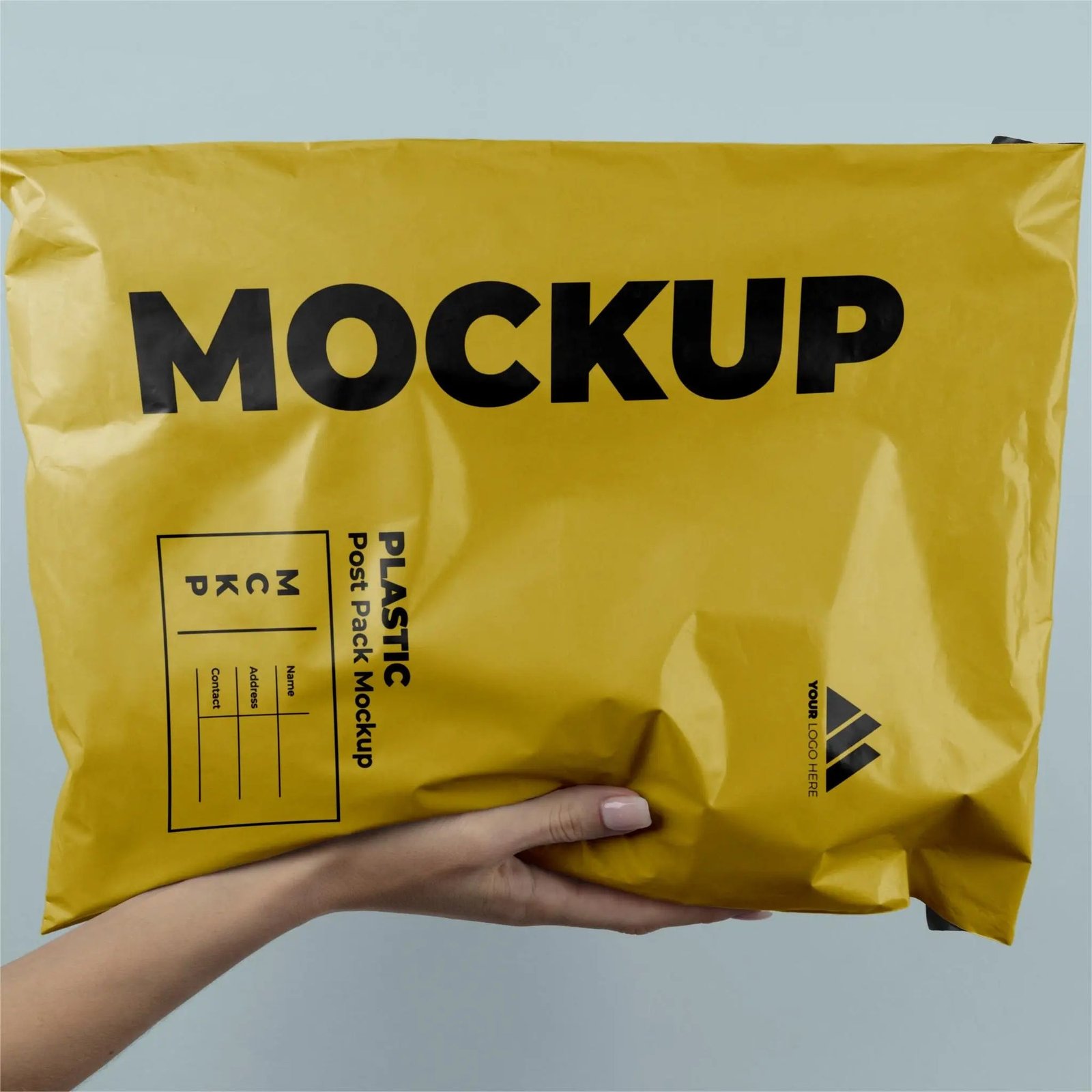
Complete your order with custom polybags, tissue paper, sticker seals, carton marks, and folded presentation requirements. Retail-ready packaging protects finished tees during export while delivering a consistent unboxing experience.
About JUNSHEEN Wholesale Graphic Tshirts
Founded in 2010 in Humen Town, Dongguan, JUNSHEEN helps global fashion brands turn graphic tee concepts into production-ready collections. Our one-stop OEM, ODM, private-label and wholesale graphic tshirts service supports emerging labels, retailers and sourcing teams from development through export.
With 200+ skilled workers and monthly capacity exceeding 80,000 units, we combine cut-and-sew manufacturing, fabric sourcing, printing, embroidery, washing, labels and packaging under one responsive supply chain. Programs can begin from 100 units per style and color, then scale confidently as demand grows.
Our difference is a fit-first approach. We develop XS–3XL, extended-size, plus-size and oversized graphic tees with considered pattern grading rather than simple size enlargement, helping clients achieve consistent proportions, reliable sampling and repeatable bulk quality for customers worldwide.

Wholesale Graphic Tshirts Built for Consistency
Fit Development That Holds
JUNSHEEN develops graphic tees from XS to 3XL with fit-focused patterns, not simple size enlargement. Our team reviews shoulder balance, body length, sleeve proportion, mobility, and grading before approval, helping your wholesale graphic tshirts retain a consistent branded fit across the complete size range.
- XS–3XL, extended-size, plus-size, and oversized grading
- Pattern, prototype, and size-set development
- Tech-pack, sketch, reference garment, or idea support
- 100-unit MOQ per style and color

Fabric and Print Alignment
The right graphic tee starts with materials and decoration methods that work together. We source jersey, combed cotton, organic cotton, blends, and performance knits, then match fabric weight, hand feel, and wash behavior to screen print, DTG, DTF, puff, silicone, or specialty effects.
- Fabric recommendations based on cost, drape, and durability
- Screen printing, DTG, DTF, transfers, and puff effects
- Swatches and samples reviewed before bulk material confirmation
- Washes and finishing options for the intended look

In-Line Quality Control
Quality checks run through production rather than waiting until cartons are packed. JUNSHEEN inspects incoming fabric, measurements, construction, print placement, color, fit, and final presentation, so potential issues can be addressed while the order remains in process and before export.
- Incoming fabric and trim inspections
- In-line checks for sewing, measurements, and print quality
- Final inspection of packed goods before shipment
- Global export support for wholesale programs

Records for Repeat Programs
Repeat orders move faster when production knowledge is retained. We keep approved patterns, graded size sets, material details, decoration specifications, and quality references on record, giving brands a dependable foundation for replenishment, new colorways, and scalable wholesale graphic tshirts programs.
- Approved pattern and grading records retained
- Fabric, trim, and decoration specifications documented
- Consistency support for repeat orders and color extensions
- Scalable capacity above 80,000 units monthly

Why Choose JUNSHEEN for Wholesale Graphic Tshirts
Fit-focused development, integrated decoration, and scalable production for brands that need more than a basic supplier.
← 左右滑动查看 →
Wholesale Graphic Tshirts Production Timeline
A controlled, fit-focused workflow that moves custom graphic tees from feasibility review to export-ready delivery.
Review Design Feasibility
We review your tech pack, artwork, reference samples, target price, size range, quantities, and decoration requirements to confirm a practical production route.
Source Fabrics and Trims
Our team recommends jersey weight, fiber blend, hand feel, labels, and packaging, balancing print performance, durability, wash results, and your target cost.
Build Patterns and Prints
Pattern makers develop and grade fit-focused XS–3XL specifications while our decoration team prepares artwork, color separations, placements, and print-effect approvals.
Approve Development Samples
Receive prototype and size-set samples for fit, measurements, fabric, print quality, and construction review before releasing your wholesale graphic tshirts for bulk production.
Produce and Inspect Bulk
Skilled teams manage cutting, sewing, printing, finishing, and in-line checks, with final inspections covering measurements, decoration, workmanship, and packed goods.
Pack and Ship Globally
We complete private-label packing, confirm final balances, and coordinate export-ready shipping so your approved graphic tee order reaches its destination reliably.
Start Your Wholesale Graphic Tshirts Program
Move from concept to approved bulk production with a clear, fit-focused process managed by JUNSHEEN’s OEM team.
Send Your Design Brief
Share a tech pack, sketch, reference garment, or mood board with target quantities, sizing, fabric preferences, graphics, trims, and delivery requirements.
Review Specifications Together
Our team checks manufacturability, recommends fabrics and decoration methods, refines XS–3XL grading needs, and prepares a clear quotation for your program.
Approve Development Samples
Review prototype and size-set samples for fit, hand feel, print quality, measurements, labels, and finishing before confirming bulk materials and production details.
Launch Bulk Production
After approval, JUNSHEEN manages sourcing, cut-and-sew production, printing, quality inspections, branded packaging, and export coordination for your wholesale graphic tshirts order.
Custom Clothing Manufacturer Credentials and Compliance Documents




Wholesale Graphic Tshirts Clients See Measurable Results
JUNSHEEN turned our three graphic tee concepts into approved samples in 18 days. Their team caught print-placement and grading issues before bulk production, and our first 600-unit launch sold through faster than forecast.
The XS–3XL fit set was approved after one focused revision, which saved us two sampling rounds. We reordered 1,200 wholesale graphic tshirts within four months because the color, print detail, and measurements stayed consistent.
We started with a 100-unit test run and scaled to 4,500 units across five designs. JUNSHEEN kept our custom neck labels, puff prints, and packing requirements organized, making repeat orders far easier to manage.
Wholesale Graphic Tshirts FAQ
Clear answers on MOQ, sampling, production, payment, shipping, and design confidentiality for custom graphic tee programs.
What is the MOQ for wholesale graphic tshirts?
Can I order a sample before placing a wholesale graphic tshirts bulk order?
How long does wholesale graphic tshirts production take?
Which printing methods can you use for custom graphic tees?
Can JUNSHEEN make private-label wholesale graphic tshirts?
What payment terms do you offer for graphic tee orders?
Do you ship wholesale graphic tshirts internationally?
How do you protect my graphic tee designs and artwork?
The Complete Buyer’s Guide to wholesale graphic tshirts
Use this decision framework to compare product formats, fabrics, decoration methods, quality controls, supplier capabilities, and costs—while avoiding the sourcing mistakes that delay launches, weaken margins, or compromise your brand’s visual standards.
1. What Are Wholesale Graphic Tshirts?
100-unit production runs mark the point where wholesale graphic tshirts move beyond casual retail purchasing into a B2B sourcing decision. The term covers three distinct offers: blank wholesale tees bought for later decoration, ready-made printed stock bought from an existing catalog, and custom private-label tees developed around a buyer’s own artwork, fit, labels, fabric, and packaging. 3 buyer groups dominate demand: retailers and wholesalers replenishing proven graphics, fashion labels building seasonal collections, and creators or event teams selling merchandise. Stock programs usually trade exclusivity for speed and straightforward unit costs; blank programs preserve decoration flexibility, while custom programs give buyers ownership of the product specification and a more defensible retail position. 50 to 500 units per design is a common early-stage order range, although MOQ normally applies by style, color, fabric, and decoration setup rather than to a mixed total. A buyer prioritizing fast delivery may select available blanks or stock prints, whereas a buyer seeking margin, exclusive artwork, modern oversized or extended-size grading, Pantone-controlled color, and private labeling should accept the additional sampling and approval work required for a custom program.
2. Evolution of Wholesale Graphic Tshirts
1950s promotional tees and band merchandise proved that a T-shirt could carry affiliation as well as a logo. By the 1980s and 1990s, skate, surf, hip-hop and streetwear labels turned graphics into a core product language, using screen prints, oversized placements and limited drops to make a basic jersey garment collectible. 2000s licensed collections expanded the model through entertainment, sports and heritage imagery, while independent artists used direct-to-consumer channels to turn a distinct visual point of view into a brand. Buyers of wholesale graphic tshirts now evaluate artwork ownership, approval rights and repeatability alongside fit, fabric weight and color consistency; a print is commercial inventory, not merely decoration. 100-unit production tiers and digital workflow tools have lowered the commitment required to test a graphic, colorway or regional capsule. A practical launch plan uses pre-production artwork proofs, Pantone references, wash testing and retained strike-offs to protect print durability, then reorders proven designs instead of betting deeply on an untested assortment. 2020s buyers also expect faster trend response without treating garments as disposable. Responsible sourcing conversations increasingly cover fabric composition, print chemistry, wash performance, packaging and realistic replenishment timing; credible brand storytelling connects those choices to the garment rather than relying on a graphic alone.
3. Types of Wholesale Graphic Tshirts
Six wholesale graphic tshirts categories cover entry basics through premium capsules, and each needs a different blank, print method, and price architecture. Buyers should lock the silhouette before approving artwork, because fit drives fabric weight, decoration area, and repeat-order consistency.
| Type | Target Customer | Typical Weight | Decoration | Retail Position |
|---|---|---|---|---|
| Basic crewneck | Value and tourist retail | 150–180 GSM | Screen print, DTG | Entry |
| Oversized heavyweight | Streetwear | 220–280 GSM | Puff, high-density | Premium |
| Vintage wash | Heritage capsules | 180–240 GSM | Discharge, water-based | Mid-premium |
| Long sleeve or cropped | Seasonal and women’s | 160–220 GSM | Chest and sleeve prints | Fashion |
| Licensed or stock art | Wholesale assortments | Blank-dependent | Approved artwork only | Range-dependent |
Core Crewnecks And Pockets
150–180 GSM crewnecks suit promotional retail, tourist shops, and value-driven wholesale; their regular silhouette accepts screen print, DTG, and left-chest artwork. Pocket tees add a small woven or printed pocket detail, supporting a modest retail step-up without changing the base block.
Oversized Heavyweight Styles

220–280 GSM oversized tees target streetwear customers who expect dropped shoulders, wider sleeves, and a boxier body. Heavy jersey supports high-density, puff, discharge, and large back prints, typically positioning above basic graphic tees.
Washed And Extended Fits
180–240 GSM garment-dyed, acid-wash, or enzyme-washed tees suit vintage-inspired capsules, where imperfect color variation must be approved by wash standard. Long sleeves extend seasonal selling, while cropped and women’s blocks require separate grading rather than shortened unisex patterns.
Artwork Rights And Sourcing
100-unit programs can use buyer-owned art, commissioned originals, or properly licensed graphics; license scope should state garment, territory, channel, and term. Stock graphics are faster for wholesale assortments, but buyers should confirm exclusivity, resale rights, and trademark clearance before printing.
4. Materials for Wholesale Graphic Tshirts
160–180 GSM is the common starting range for lightweight wholesale graphic tshirts, while 220–280 GSM supports heavier streetwear. Specify fiber, yarn, knit, finish, and allowed shrinkage together; fabric weight alone does not predict print quality or fit retention.
| Collection Goal | Recommended Material | Typical GSM | Print And Wear Consideration |
|---|---|---|---|
| Promotional | Carded open-end cotton | 150–180 | Lowest-cost breathable base; test shrinkage |
| Premium retail | Combed ring-spun cotton | 180–220 | Soft, smooth surface for detailed graphics |
| Streetwear | Heavy combed cotton jersey | 220–280 | Structured drape; confirm neck recovery |
| Active | Cotton-poly performance blend | 160–200 | Fast drying; use compatible inks |
| Responsible capsule | Organic or recycled blend | 180–220 | Request composition and wash testing |
Cotton And Yarn Quality

100% carded open-end cotton is economical, breathable, and slightly drier in hand, making it practical for promotional programs. Combed ring-spun cotton removes shorter fibers for a smoother print face, softer hand, and more refined premium positioning.
- Open-end: value-focused blanks and bold prints
- Ring-spun: retail soft hand and detail
- Combed: fewer loose fibers and cleaner surface
Weight And Knit Structure
150–180 GSM single jersey suits warm-weather and volume giveaways; 180–220 GSM is a versatile retail range. Tubular bodies reduce sewing cost, whereas side-seamed construction gives better shape control and is usually preferred for fitted or oversized graded patterns.
- 1×1 rib necks improve recovery
- Compact knits give sharper print edges
- Pre-shrunk fabric reduces post-wash surprises
Blends And Responsible Fibers
60/40 cotton-poly blends dry faster, wrinkle less, and hold color well, but their lower cotton content can affect discharge-print results. Recycled cotton or recycled polyester needs traceable composition and shade testing because fiber variation can influence strength, hand feel, and consistency.
- Organic cotton: premium sustainability-led collections
- Poly blends: active and value basics
- Performance blends: moisture management and stretch
5. Wholesale Graphic Tshirts Decoration Options
At a 100-unit MOQ, decoration choice determines both the sample path and unit economics for wholesale graphic tshirts. Match the artwork, garment color, hand feel, and retail position before approving strike-offs.
| Method | Setup And Artwork | Hand And Wash | Best Quantity / Position |
|---|---|---|---|
| Screen print | Screens per color; 1–6 spot colors | Medium hand; durable when cured | 100+ units; value to mid-tier |
| Water-based / discharge | Color separations; dischargeable cotton required | Softest hand; wash-test dye results | 100+ units; premium soft-hand |
| DTG | Minimal setup; full-color artwork | Soft hand; cotton-sensitive durability | Small runs; detailed premium art |
| DTF / heat transfer | Low setup; gradients and fine type | Film hand; quality film washes well | Small to mid runs; flexible graphics |
| Embroidery / specialty | Digitizing or custom materials; limited detail | Textured, durable, elevated | Logo accents; premium retail tier |
Core Print Methods

1–6 spot-color screen printing gives strong opacity and efficient bulk scaling, but each color needs a screen and clean separations. Water-based ink has a softer hand; plastisol delivers dependable bright color on dark cotton.
- Use discharge on dischargeable dyed cotton for a near-zero hand.
- Use puff or high-density ink for raised logos and limited-color graphics.
- Request Pantone targets and a production strike-off before bulk.
Digital And Transfer Prints
Full-color DTG suits detailed artwork and short runs on high-cotton garments, while DTF transfers reproduce fine lines on more fabric blends. Heat transfer is practical for names, numbers, and small placements, but film feel can lower a premium jersey’s perceived value.
- DTG needs a smooth, pretreated print area on dark garments.
- DTF supports gradients, small type, and multi-location artwork.
- Specify wash testing and press-temperature limits for transfers.
6. Construction Quality in Wholesale Graphic Tshirts
Construction separates a shirt that photographs well from wholesale graphic tshirts that survive repeat washing. Set measurable workmanship targets before sampling, then verify them on washed, printed garments—not only a clean pre-production sample.
Collar And Shoulder Stability
1×1 rib neckbands should recover without rippling after 10 stretch-and-release cycles. Specify rib composition, finished width, neckline stretch limit, and a shoulder-to-shoulder neck tape matched to the garment color. 4-thread overlock joins are common for shoulders; add clear tape or twill reinforcement where heavy jerseys need stability. Request front, back, and inside-neck sample photos plus a measured neckline opening.
- State collar rib ratio and finished height
- Check neck tape catches both shoulder seams
- Measure neckline before and after wash
Seams And Hem Execution
8–10 stitches per inch is a practical starting target for jersey construction, subject to fabric weight and machine type. Specify seam allowance, overlock thread, skipped-stitch allowance, and whether side seams or tubular bodies are required. Two-needle coverstitch hems should remain flat with no tunneling, roping, or loose chain ends. Inspect side seams for torque after laundering, especially on single jersey.
- Record stitch density in the tech pack
- Define hem width and coverstitch gauge
- Reject open seams and untrimmed thread tails
Wash, Shrinkage, And Print
3% or less length and width shrinkage after the agreed wash method is a clear target for many cotton programs; confirm it by measurement, not hand feel. State wash temperature, drying method, garment wash requirement, and acceptable shade change. 2 mm print-registration tolerance is a useful measurable starting point for multicolor screen prints, adjusted for artwork scale. Review a washed print sample for cracking, adhesion, placement, and registration against approved artwork.
- Measure chest, body length, and collar after wash
- Approve print placement from fixed reference points
- Keep a signed wash-test and measurement record
7. Choosing a Wholesale Graphic Tshirts Manufacturer
A capable supplier turns artwork, fabric, fit and logistics into one controlled program. For wholesale graphic tshirts, evaluate evidence from the actual production floor before comparing quoted unit prices.
Verify Factory Status
Two questions expose a trading reseller: which processes are in-house, and may buyers review factory photos, production videos, or a virtual walkthrough? 100-unit style-and-color flexibility can suit launches, but confirm the MOQ separately for fabric, print placement, colors, and size ratios.
- Request business registration and factory address
- Ask who owns patterns and grading files
- Confirm monthly capacity and peak-season allocation
Approve Materials And Prints
160–220 GSM ring-spun cotton jersey is a common graphic tee range; request swatches with composition, weight, shrinkage, and color records. Pantone-matched screen prints should be tested on the approved fabric after washing, stretching, and abrasion. Compare plastisol, water-based, DTG, DTF, puff, and discharge against the intended artwork.
- Keep signed lab-dip and strike-off approvals
- Check print cracking after wash testing
- Specify permitted shade variation and measurement tolerances
Control Bulk Production
A pre-production sample should match the approved pattern, fabric, trim, print placement, packing, and labeling before cutting begins. A manufacturer such as JUNSHEEN can document incoming fabric, in-line checks, measurements, decoration, and final packed-goods inspection; ask for the inspection standard, defect handling, lead time, and export documents.
- Request compliance documents relevant to your market
- Confirm sample, bulk, and shipping timelines
- Ask for commercial invoice, packing list, and origin support
8. Common Wholesale Graphic Tshirts Buying Mistakes
Eight preventable decisions can turn a profitable wholesale graphic tshirts order into markdowns, delayed launches, or returns. Lock specifications before bulk approval, because a low unit price does not correct fit, color, print, or logistics errors later.
Buying Fabric On Price
160–220 GSM open-end cotton may lower cost, yet hand feel, opacity, pilling, and print surface can disappoint customers. Request swatches, wash-test shrinkage, and approve fabric weight and composition. Ignoring this can erase margin through reprints, discounts, and repeat-order loss.
Approving Untested Artwork
300 DPI artwork and correct spot-color separations are essential before screen exposure or transfer production. A digital mockup cannot prove ink coverage or fine-line legibility. Approve a physical strike-off and define Pantone targets, placement, and tolerance. Skipping it risks color disputes, unusable inventory, and a missed launch date.
Mismatching Process And Fit
DTF suits short runs and complex multicolor art, while screen printing generally improves unit economics at higher volumes. Choose the method after confirming quantity, color count, hand feel, and wash requirements. Approve a pre-production sample and graded size set from XS through 3XL. Enlarging one pattern without grading can create poor shoulder balance, returns, and dissatisfied extended-size customers.
Underestimating Color And Transit
Pantone references, approved lab dips, and lighting conditions should be documented for every colorway. ‘Close enough’ color approval invites inconsistent replenishments and retailer rejection. Separate factory lead time from freight, customs, and final delivery; allow contingency for export schedules. Assuming a 25-day production window includes transit can force air freight and damage margin.
9. Launching a Graphic T-Shirt Brand
A 100-unit-per-style-and-color starting point can support a disciplined first capsule rather than an untested catalog. Build the launch sequence around one defined customer, a clear graphic system, approved fit, and a replenishment decision backed by sales data.
Define The Customer
One buyer profile should define price point, silhouette, graphic references, and channels before artwork begins. Specify age range, use occasion, competitor set, and the retail price that supports your margin.
- Choose one core fit: regular, boxy, or oversized
- Limit the first drop to two or three graphic directions
- Set retail pricing before confirming fabric and decoration
Plan A Focused Capsule
Three to five designs across one or two blank bodies usually create a cleaner launch than ten unrelated SKUs. Use two core colors plus one controlled seasonal color, then assign planned units by expected demand.
- Define XS–3XL or the sizes your audience will buy
- Use one hero graphic and two supporting designs
- Reserve inventory for photography, seeding, and replacements
Brief And Sample
One complete tech pack should include Pantone colors, artwork size and placement, print method, measurements, fabric weight, labels, and packaging. Junsheen can develop from a tech pack, sketch, reference garment, mood board, or product idea.
- Approve a prototype before placing bulk production
- Check shrinkage, print alignment, neck shape, and measurements
- Record sample comments in one revision document
Approve, Launch, Replenish
Two review rounds are often less expensive than selling a fit problem into inventory. Wear-test samples, photograph them on intended body types, and use feedback to refine grading, sleeve length, and graphic scale. Thirty percent of a launch budget should remain available for balance payment, freight, ecommerce photography, returns, and reorder opportunities. Prepare product pages, size charts, care instructions, flat lays, model imagery, and a reorder trigger before goods ship.
- Track sell-through by design, color, and size
- Reorder proven winners before adding new styles
- Retain approved patterns and material records
10. Wholesale Graphic Tshirts Pricing and Costs
100 units per style and color is JUNSHEEN’s practical capsule-launch starting point, so a unit quote should be compared only against the same fabric, fit, artwork and packing specification. A 180–220 GSM ring-spun cotton tee costs differently from a 240–280 GSM heavyweight body because yarn consumption, cutting yield and freight weight all rise. 1-color screen printing normally carries the lowest repeat-order decoration cost, while 4–6-color artwork raises screen setup, registration time and reject risk. DTG or DTF can reduce setup exposure for detailed, short-run art, but their per-unit economics and hand feel should be sampled before approval. 2.5–4.0× wholesale cost is a useful initial retail-margin check, but calculate landed cost rather than relying on the ex-factory unit figure. Add labels, hang tags, individual bags, wash treatments, inspection, duty, freight, payment fees and expected defect allowance; then test the margin after retailer or marketplace fees and returns.
| Quantity tier | Cost drivers and setup | Indicative production lead time | Buying trade-off |
|---|---|---|---|
| 100–299 units | Highest cut-and-sew allocation; screens, labels and packaging spread over fewer units | 20–35 days after approvals | Best for validating fit and artwork |
| 300–999 units | Better fabric and production efficiency; Pantone and multi-color screens remain separate setup costs | 25–40 days | Practical balance of cash exposure and unit cost |
| 1,000+ units | Lower unit conversion cost; bulk fabric booking and consolidated freight can help | 30–45 days | Best margin potential; inventory risk increases |
| Screen print | Screen setup rises with each color and placement; economical for repeated artwork | Adds decoration scheduling | Durable, efficient at volume |
| DTG or DTF | Minimal screen setup; detailed full-color art has higher per-unit decoration cost | Often supports shorter art setup | Useful for complex, lower-volume graphics |
Start Your Wholesale Graphic Tshirts Quote
Send your tech pack or reference, quantity, and target market to begin sampling or receive a production-ready quote.